
Powering large facilities requires dependable energy systems because their energy needs have reached peak levels. High-power generators which produce more than 1000kW work as essential equipment that protects continuous operational activities at industrial sites and data centers while preventing service interruptions. The article demonstrates how power systems differentiate themselves through their special features which help users select appropriate solutions for their requirements. The article demonstrates how 1000kW+ generators provide multiple benefits through their different usage scenarios and shows the process for picking the best equipment for your organization. We provide solutions that meet your needs whether you want to achieve maximum efficiency or build a system that can withstand any situation or acquire the most advanced technology.
Understanding 1000kW Diesel Generators

What is a 1000kW Diesel Generator?
The 1000kW diesel generator system operates at 1000 kilowatts electrical power. The diesel engine powers these generators which change diesel fuel chemical energy into mechanical power that an alternator converts into electricity. The systems provide dependable performance which makes them suitable for large industrial operations.
The power generators provide essential electricity to industrial plants and medical centers and data processing facilities and production sites which require constant power supply. The system operates as the main power source for off-grid areas while it functions as a backup power solution during system failures. The system delivers high power output which enables all critical business activities to run smoothly without interruptions.
The selection process for a 1000kW diesel generator requires evaluation of fuel efficiency, noise production, environmental standards, and maintenance needs. The generator capacity must match the expected power needs of the building to achieve maximum operational efficiency. The generators will deliver ongoing dependable power services when they receive proper maintenance and operational procedures.
Key Components of Diesel Generator Sets
The diesel generator sets require multiple essential components to generate dependable electrical output. The main parts of the system are diesel engine alternator fuel system cooling system control panel and exhaust system. The generator system needs each component to function because it requires those components to achieve proper operation and optimal performance.
- Diesel Engine: The diesel engine functions as the generator’s power source because it transforms diesel fuel into mechanical power. The engine shows efficiency because it handles heavy loads while working in different operational conditions.
- Alternator: The alternator transforms the engine’s mechanical energy into electrical power. The device uses a rotor and stator system to generate the necessary voltage and frequency.
- Fuel System: The fuel system stores, filters, and delivers diesel fuel to the engine. The system uses a fuel tank and fuel pump and fuel injectors to create a process that ensures uninterrupted efficient running of the engine.
- Cooling System: The cooling system prevents engine overheating, which happens because generators produce high heat during their operational period. The system uses a radiator together with coolant to control its operating temperature.
- Control Panel: The control panel serves as the operational interface of the generator. The system enables users to track voltage and frequency and power output while controlling startup and shutdown and alert functions.
- Exhaust System: The exhaust system directs emissions from the generator to maintain safe operational levels. The system operates at low noise levels while meeting all environmental protection standards.
The knowledge of these parts together with their operational functions enables users to handle equipment correctly. A well-maintained generator set can deliver consistent performance, supporting critical power needs in various applications.
Comparative Analysis: Diesel vs. Natural Gas Generators
Diesel generators are more efficient and durable, while natural gas generators are cost-effective and environmentally friendly.
|
Key Point |
Diesel |
Natural Gas |
|---|---|---|
|
Efficiency |
High |
Moderate |
|
Durability |
Long lifespan |
Moderate lifespan |
|
Cost |
Higher fuel cost |
Lower fuel cost |
|
Environment |
Higher emissions |
Cleaner emissions |
|
Load Handling |
Better for high loads |
Moderate loads |
|
Portability |
High |
Low |
Fuel Efficiency and Performance
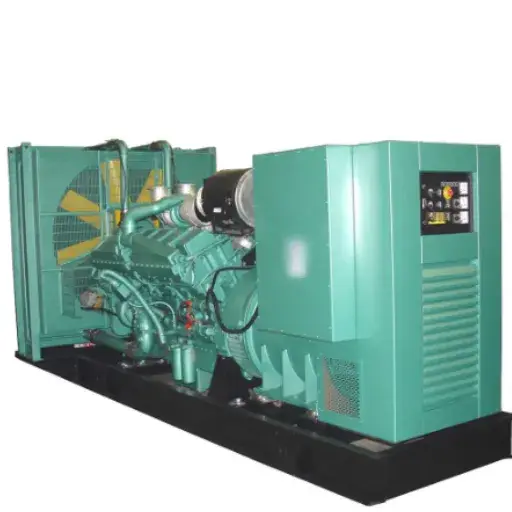
Factors Affecting Fuel Efficiency in 1000kW Generators
The fuel efficiency of 1000kW generators needs testing for all critical factors because these elements determine how to achieve maximum operational efficiency and financial savings. The major elements of research include the following factors:
- Engine Design and Technology:Turbocharging and intercooling systems which enhance combustion efficiency represent advanced engine designs which demonstrate both current technology and its ability to optimize fuel efficiency through electronic fuel injection systems and real-time monitoring systems. The combination of modern technologies and electronic fuel injection systems enables operators to achieve optimal fuel efficiency during their operational activities.
- Load Management: The fuel efficiency of generators improves when they operate at their optimal load capacity. The fuel consumption per kW output increases when a generator operates at low loads for an extended time period. The implementation of smart load management systems enables both waste reduction and power distribution maintenance at balanced levels.
- Fuel Type and Quality: Fuel efficiency depends on the type of fuel that is used in the process. Diesel generators achieve high efficiency at heavy loads while natural gas provides a cleaner and more affordable solution which demonstrates lower efficiency during unpredicted load changes. The use of pure high-quality fuel product which contains no contaminants helps to reduce equipment wear while enhancing overall performance capabilities.
- Maintenance Practices: The generator achieves its maximum efficiency through regular maintenance which includes proper lubrication and timely filter replacement and fuel injector cleaning. The systems which lack proper maintenance experience more fuel consumption because of friction and blockages and component deterioration.
- Environmental Conditions: Generator efficiency depends on three environmental factors which are altitude and temperature and humidity. Combustion efficiency decreases at higher altitudes because lower oxygen levels create challenges for fuel consumption. Extreme temperatures create challenges for cooling systems which subsequently reduce system efficiency.
- Generator Sizing: Generators which do not match their expected load requirements will experience performance issues. Undersized generators will face operational challenges because they need to work harder to produce the same output and they will use more fuel while oversized units will face inefficient performance during times of reduced demand.
The assessment of these factors enables operating companies and business to enhance their 1000kW generator efficiency and operational performance. The combination of advanced systems deployment with improved operational methods enables businesses to achieve both operational efficiency and sustainable practices.
Best Practices for Maximizing Fuel Efficiency
Your essential performance will benefit from implementing three main strategies which produce considerable results.
- Perform Regular Maintenance: Regular scheduled inspections together with maintenance activities enable generators to operate at their highest efficiency level. The combination of clean fuel filters and operational injectors together with properly maintained cooling systems results in decreased fuel usage and protected energy expenditures.
- Utilize Load Management Techniques: Generator systems operate at their highest efficiency when they function between 80 percent and 100 percent of their maximum power output. The organization needs to implement load management systems which will divide power needs according to their capacity to prevent system failures caused by both underloading and overloading situations.
- Invest in Modern Technology: The newest generator systems come with advanced features which enable variable speed operation and fuel usage tracking capabilities. The new technology enables operators to modify fuel consumption according to their actual load requirements which helps to minimize resource waste.
- Monitor Fuel Quality: Using high-quality fuel minimizes deposits and inefficiencies in combustion systems. Fuel testing and filtration processes need to be implemented as part of fuel quality maintenance procedures for all fuels used.
- Implement Remote Monitoring: Organizations should use IoT devices which enable them to monitor generator operations together with fuel usage and maintenance requirements throughout the day. The system identifies problems through remote monitoring which enables their immediate resolution to enhance operational efficiency and system availability.
Best practices combined with sustainability initiatives enable businesses to decrease their operational expenses while minimizing environmental damage and maintaining operational reliability.
Monitoring Fuel Consumption and Performance
The process of monitoring fuel consumption together with performance metrics functions as the primary method to achieve optimal generator operation and decrease all types of operational waste. Businesses utilize advanced technology which includes fuel sensors and telematics systems to achieve immediate understanding of their fuel usage patterns. The insights enable identification of excessive consumption areas while they also predict fuel requirements which allow generators to function without any unexpected shutdowns. The integration of this information with existing operational systems enables companies to utilize data for decision-making which improves their equipment operational efficiency.
Modern fuel and performance monitoring requires the deployment of IoT-enabled devices. The devices continuously monitor essential parameters, which include engine load and operating hours and fuel levels, to display real-time data on central dashboards. The system can send alerts when it detects any abnormal behavior, including sudden fuel drops or unexpected performance problems, to enable quick response actions. The business benefits from this system because it reduces equipment downtime risks while decreasing the need for human monitoring which results in time and resource savings.
The combination of fuel monitoring technologies and advanced data analytics creates a competitive advantage for businesses. Companies utilize historical data trends to create fuel demand forecasts which enable them to detect recurring performance problems and establish effective preventive maintenance schedules. The identification of irregular fuel consumption patterns indicates that technicians need to repair or recalibrate the generator system. The implementation of these intelligent systems decreases operational expenses while helping organizations achieve sustainability targets through reduced fuel consumption and lower carbon emissions, according to the current trend toward environmentally sustainable business operations.
Industrial Applications of 1000kW Generators
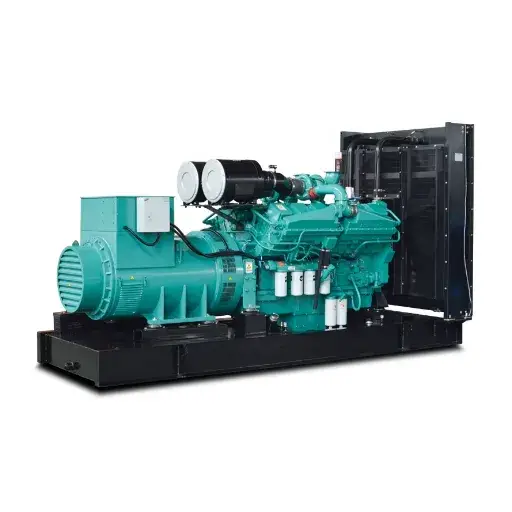
Common Industries Utilizing 1000kW Generators
- Manufacturing and Industrial Facilities:Large-scale manufacturing plants and industrial facilities depend on 1000kW generators which provide continuous power supply during times when electrical service is interrupted. The generators deliver sufficient electrical power which enables operations to continue running without interruptions while safeguarding vital equipment like conveyor systems and robotic machinery and other power-intensive equipment used in production lines.
- Data Centers: Data centers require constant power supply to maintain their server and IT equipment operations throughout the day. The 1000kW generator functions as an essential backup power system which protects vital information and enables continuous digital operations that keep businesses running for users across the globe.
- Healthcare Facilities: Hospitals and medical centers need dependable backup power systems which support vital medical equipment operations, including ventilators and imaging systems and surgical devices. The facilities use 1000kW generators which function as operational backup power systems for all their emergency situations.
- Mining Operations: Mining projects frequently take place in distant areas where the local power grid does not exist or provide access. The mining industry needs 1000kW generators which operate at high capacity to supply power needed by essential equipment which includes drills and conveyors and ventilation systems used in mining operations.
- Commercial Real Estate: The 1000kW generators which power office buildings and shopping centers and skyscrapers enable those structures to maintain electrical service during power interruptions. The generators provide electrical power which enables elevators and lighting systems and HVAC systems to operate, ensuring comfort and safety for building occupants and visitors.
The 1000kW generators provide industries with power solutions which deliver reliable operational power for their needs, enabling them to achieve operational goals through productive work and secure environments across all their business activities.
Case Studies: Successful Implementation in Large Facilities
Case Study 1: Powering a High-Rise Office Building The emergency power system of a major metropolitan area high-rise office building installed a 1000kW generator as its main power source. The building management team required a dependable method to achieve uninterrupted operations because the electrical grid experienced regular outages during peak times. The generator provided backup power that maintained all essential equipment including elevators and security systems and IT servers operational during power outages. The site achieved 99.9% service availability throughout the year because essential services maintained their operational status during multiple power cuts which resulted from the generator’s dependable performance and its fast response capabilities.
Case Study 2: Ensuring Hospital Safety and Continuity A regional hospital serving thousands of patients in a disaster-prone area implemented a 1000kW generator as part of its disaster preparedness plan. The generator supplied power during a severe storm which caused an extended blackout thus enabling the operation of essential medical facilities including intensive care units and surgical theaters and medical supply refrigeration systems. The system provided protection for patients and essential equipment against damage from power surges which could have occurred during the outage. Hospital administrators reported that the generator saved over $500,000 in potential losses from spoiled supplies and delayed procedures during the incident.
Case Study 3: Supporting Data Center Efficiency A major data center operator installed several 1000kW generators to strengthen its ability to handle unexpected power interruptions. The facility required these generators because its high power consumption needed them to sustain operation of mission-critical systems. The setup maintained continuous operation during a 12-hour citywide blackout which allowed the center to meet its service level agreement requirements. The operators cited the scalability and efficiency of the generators as key factors in their ability to handle growing energy demands while staying ahead of potential risks.
The 1000kW generators demonstrate their ability to operate effectively in different fields according to these cases which show their importance for maintaining safety and performance during difficult situations.
Maintenance Protocols for Diesel Generators
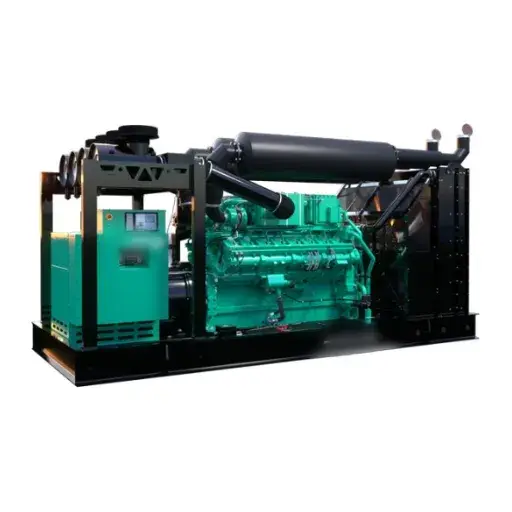
Routine Maintenance Checks and Schedules
The diesel generators require proper maintenance protocols to achieve peak performance and extended operational life. The scheduled maintenance inspections need to check oil levels and coolant levels and fuel systems to identify potential operational failures. The operational requirement calls for oil changes to occur within the 100 to 200 hour range or according to the manufacturer’s guidelines. The air and fuel filters need to undergo regular inspections to enable their proper operation which protects against performance drops and efficiency declines.
The generator maintenance program requires its implementation through scheduled power testing. The load tests of the system verify its capacity to function during critical situations because they test both its power range and operational capacity. The tests require operators to run the generator with simulated loads in order to identify system deficiencies and operational problems. The absence of tests will prevent generators from handling peak demand, which will cause expensive emergency service interruptions.
The monitoring process needs to include essential parts which include the battery system and alternator components and belt systems. The battery system requires a multimeter assessment to determine proper charge levels, while the alternator system needs its output voltage to match established manufacturer standards. The inspection process requires technicians to check belts for deterioration signs which include fraying and looseness because these conditions can cause immediate breakdowns. The combination of updating maintenance logs and following predefined maintenance times will enhance operational effectiveness while increasing generator lifespan which maintains reliable performance throughout high-demand situations.
Long-Term Maintenance Strategies for Reliability
The implementation of effective maintenance strategies which function over extended periods serves to maintain generator systems operational reliability while achieving their highest performance levels. The organization needs to implement predictive maintenance techniques which use modern diagnostic equipment together with sensors for monitoring generator health in real time. The analysis of vibration data and temperature information and pressure readings enables the identification and resolution of potential system issues before they cause expensive operational interruptions and equipment failures. The proactive approach reduces unplanned system interruptions and enables optimal maintenance resource distribution.
The main strategy requires all essential parts to undergo replacement or refurbishment according to their scheduled end-of-life replacement date. The organization needs to follow the manufacturer’s guidelines for inspecting and maintaining essential parts, which include fuel injectors and air filters and cooling systems. The organization must replace parts within their scheduled timeframe because failure to do so will result in a series of equipment breakdowns. Proper fuel storage combined with regular fuel quality assessment can effectively prevent generator operational problems caused by fuel contamination or fuel degradation. The establishment of supplier partnerships with trusted vendors guarantees access to authentic replacement parts and necessary consumables.
The creation of detailed documentation establishes a foundation for maintaining long-term operational reliability. The organization needs to document every maintenance task which includes both routine inspections and component replacements and system upgrades. The records allow technicians to identify trends which help them develop effective maintenance plans while ensuring compliance with regulatory standards. The training programs for staff members play a vital role in teaching employees the maintenance skills they need to succeed in their work. The combination of these methods establishes a strong system which maintains generator performance, which enables companies to trust their power systems during all situations.
Future Trends in Generator Technology
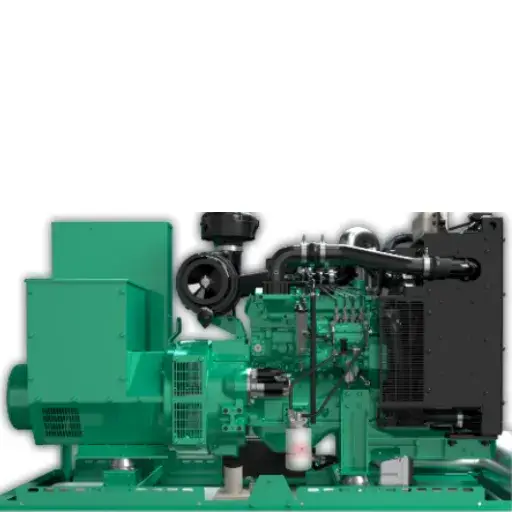
Advancements in Generator Efficiency and Control
The latest developments in generator technology create improvements which enhance operational performance and control functions throughout current generator systems. The primary achievement of this project establishes smart control systems which utilize advanced sensors and IoT (Internet of Things) connections and continuous monitoring systems to achieve precise performance optimization. The systems provide capabilities for dynamic load management and they generate predictive maintenance alerts and they support remote diagnostic evaluations which create advantages of decreased downtime and reduced operational expenses.
The industry achieves progress in energy conversion efficiency through the development of new materials and design innovations. The development of high-performance magnets together with advanced inverter systems enables generators to achieve better performance results at reduced fuel usage. The market increasingly adopts hybrid systems which combine renewable energy sources with traditional generators to achieve reduced carbon emissions and enhanced energy resilience.
The current improvements develop from companies which focus on sustainable development together with digital modernization efforts which make generator systems essential for upcoming energy development projects. The introduction of advanced power solutions enables companies to achieve higher system reliability and better system expansion capabilities while lowering their operational costs.
The Role of Renewable Energy in Generator Solutions
Renewable energy technologies power modern generator systems which deliver cleaner sustainable energy solutions that replace conventional power generation methods. Generators that use renewable energy sources help decrease greenhouse gas emissions while they create energy independence and maintain power supply stability during times of increasing electricity consumption. The following list displays five essential renewable energy sources that generators use for power generation:
- Solar Energy: Solar-powered generators utilize photovoltaic panels to convert sunlight into electricity. The system delivers emission-free electricity through its power system which serves both home and business needs. The International Energy Agency reported that the global solar PV capacity reached a 22% increase during 2022, which demonstrates its growing role in energy solutions.
- Wind Energy: Advanced generator systems enable wind turbines to generate electricity in off-grid areas with constant wind conditions. Wind power expands rapidly as a renewable energy source because the worldwide installed capacity exceeded 837 GW by 2021.
- Hydropower: Hydropower generators use flowing water kinetic energy as their power source for electricity generation. Hydropower exists as the biggest renewable energy source worldwide since it produces approximately 16% of total global electricity generation.
- Biomass Energy: Biomass-powered generators generate electricity by transforming organic materials such as agricultural waste and wood and biogas into energy. The systems generate energy while reducing waste, which contributed to approximately 6% of global renewable electricity production in 2022.
- Geothermal Energy: Geothermal generators use Earth’s natural heat to generate electricity. Geothermal energy provides reliable sustainable power since geothermal plants worldwide reach capacity levels above 15 GW.
The multiple renewable energy sources create flexible generator solutions which decrease environmental damage, thus creating a sustainable energy system.
Emerging Technologies for Enhanced Durability and Performance
The field of energy generation is advancing through new technologies which enhance both power system durability and power system performance. The development of advanced materials through graphene and next-generation ceramics represents a major technological breakthrough because these materials provide superior protection against wear and extreme temperatures and corrosion. The materials enable energy infrastructure essential components to remain operational for an extended period of time.
The development of energy systems now includes Artificial Intelligence and Machine Learning as its second major transformative technology. The system uses these technologies to enhance its current performance while predicting future outcomes and performing maintenance tasks which decrease unexpected breakdowns and operational expenses. AI-led predictive analytics system enables turbine operational monitoring to identify initial failure indicators which provide constant energy production while decreasing operational interruptions.
Solid-state batteries together with high-capacity flow batteries create new possibilities for energy storage that enhance both the operational efficiency and reliability performance of renewable energy systems. These storage solutions allow for better management of energy supply and demand, enabling smoother integration of renewables into the grid and driving progress toward sustainability goals.
New technologies create fresh pathways for using renewable energy resources to generate power. Airborne wind turbines together with bioengineering advancements in algae-based biofuel production create new performance standards while decreasing their environmental effects. The energy systems of the future will achieve unprecedented levels of strength through advanced solutions which establish new efficiency and durability benchmarks.
References
-
Harvard ADS – Start-up, Testing, and Operation of 1000 kW Class MCFC Power Plant
This study discusses the construction and operation of a 1000 kW MCFC power plant at the Kawagoe Thermal Power Station. -
Academia.edu – Study on Ocean Thermal Energy as Electricity Power Generator
This paper explores the use of a 1000 kW generator in ocean thermal energy conversion systems in West Lombok, Indonesia.
Frequently Asked Questions (FAQ)
Q: What is a 1000kw generator and where is it typically used?
A: A 1000kw generator serves as an industrial generator which provides power output of 1000 kilowatts. The kw diesel generator sets operate in commercial and telecom and data center and utility-grade sectors which need dependable electricity for their primary power needs or as backup electricity. People frequently use containerized units or mobile units as rental equipment to supply temporary power at rugged industrial locations and at large spaces which require backup electricity.
Q: What are the main differences between a 1000 kw diesel and smaller generators?
A: The 1000 kw diesel engine provides better continuous power and peak power performance than smaller generators because it uses heavy-duty engine components and Cummins engine parts which are designed for extended operational periods. The industrial generators are equipped with advanced soundproofing systems which protect against weather conditions and enable connection to the facility network or utility grid. The system requires expert engineering support to handle its installation process and maintenance tasks because it provides operational benefits for ten years when users follow proper maintenance practices.
Q: Can a 1000kw generator be used as backup power and prime power?
A: Yes. A 1000kw generator supports essential power needs during power failures through its backup power system which works with essential loads or provides continuous power at remote locations and construction sites. Operators select the system setup according to their power consumption patterns and work requirements and system reliability needs. The manufacturers provide multiple solutions which include containerized enclosures and telemetry systems for MPS or network integration and ruggedized components which telecom and utility companies use for their operations.
Q: What installation options are available for 1000 kw diesel generators (containerized, mobile, rental)?
A: The installation options consist of permanent skid-mounted systems inside weatherproof enclosures and containerized generator systems which provide fast transportation and protection against weather elements and mobile trailer-mounted systems which organizations use for temporary operations. The rental solutions which include rent-to-own options enable organizations to obtain immediate dependable power solutions for their construction and events and emergency situations without incurring permanent equipment costs. Engineers assess site requirements during planning by examining both ventilation needs and noise control strategies.
Q: How does noise reduction and enclosure design affect a 1000kw generator?
A: Noise reduction is critical for large KW generators. The enclosure design uses acoustic insulation materials together with optimized airflow systems and soundproofing elements to achieve lower noise levels. A 1000kw diesel generator achieves operational suitability for urban and sensitive areas through its containerized or dedicated acoustic enclosures which protect engine temperature and external weather conditions. The design needs to create a system which reduces noise while maintaining heat removal and maintenance access.
Q: What maintenance and engineering support is required for a 1000kw generator?
A: The maintenance work for a 1000kw generator requires scheduled oil and filter replacements together with fuel system inspections and coolant system upkeep and load bank evaluations and examination of electrical components and control panel systems. The complex network and utility system repairs need manufacturer-approved engineers or technicians who specialized in engine technology and Cummins components. The planned maintenance schedule provides reliability to operate the system for more than ten years.
Q: How do I choose between buying a 1000kw generator and opting for rental?
A: Buying is ideal when you need long-term, cost-effective reliable power and can integrate the generator permanently into your utility or backup power strategy. Rental becomes a suitable choice for temporary needs which occur during projects and emergencies or when people require quick access to mobile equipment. Your decision process should consider total ownership costs and how fast deployment can occur with containerized or mobile units and which power system you require between prime power and backup power.
Q: Are 1000 kw diesel generators compatible with telecom and data center networks?
A: Yes. The 1000kw generator units are designed for telecom and data center networks because they support automatic transfer switches and remote monitoring through MPS and network integration and provide utility-grade operational reliability. These gensets typically have backup systems and environmental protection features and durable designs which fulfill industry requirements for uninterrupted operation during grid power outages.
Q: What environmental and regulatory considerations apply to installing a 1000kw generator?
A: The environmental and regulatory factors include emissions regulations for kw diesel engines and local noise control regulations and fuel storage requirements and installation permits for containerized or permanent enclosure systems. The requirements include protection against weather and site drainage systems and emission control system integration. An experienced engineer assists organizations in achieving compliance with local regulations and industry standards.
Q: What advancements in engine technology and options should I look for in modern 1000kw generators?
A: Modern 1000kw generators benefit from advanced engine technology that increases fuel efficiency and reduces emissions while using electronic engine controls and hybridized engine options which support renewable energy integration. The units should provide telemetry