
Operating generators at their best necessitates cooling systems that are very much crucial. Radiators and heat exchangers among the most popular methods; each system has its specific design, pros, and best applications. But what is the criterion for selecting the right one for your needs? This article is focused on the differences between radiator and heat exchanger cooling systems, so you will grasp their operation, merits, and demerits. The selection of the wrong system would equate to industrial or backup power system performance and reliability issues. Read more to find out the critical factors that will enable you to make a well-informed choice.
Understanding Generator Cooling Systems
The Importance of Thermal Management
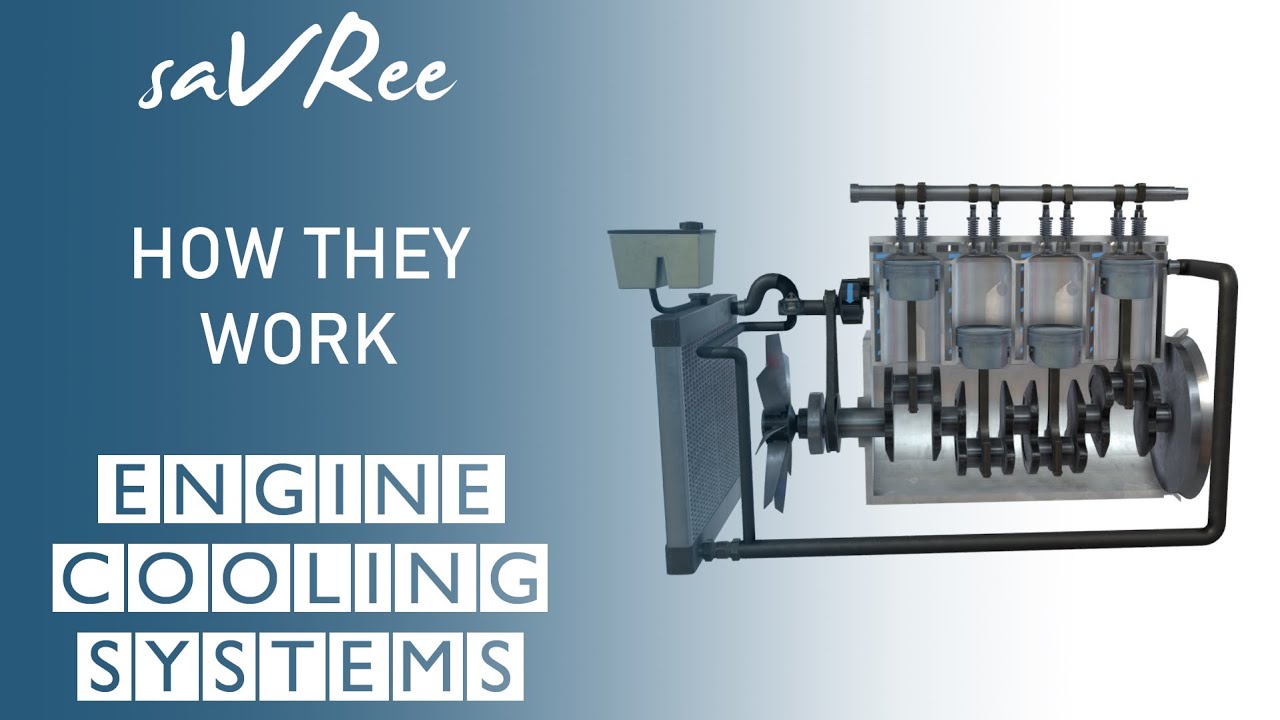
Performance and lifespan of a generator, in general, are primarily dependent on efficient thermal management. The equipment failure due to overheating, shortened life cycle of the equipment, and also safety risks, are some of the negatives that come with high temperatures. Heat removal through proper cooling is very critical as it protects the most important parts, like the engine and electrical systems, from damages due to very high or very low temperatures.
In this aspect, radiators and heat exchangers are the most commonly used devices to keep the temperature within a safe range. Radiators are one of the most common devices used in smaller or stationary systems to carry heat away from the generator by means of a combination of airflow and coolant. However, heat exchangers are more appropriate in the case of water being the cooling medium in the large, high-capacity, or marine systems. The generator’s size, installation place, and reduction in air conditioning that might be required are some of the factors that determine the cooling system.
Thermal non-management often results in the drastic reduction of generator efficiency, consequently increasing energy consumption and setting up maintenance costs. Overheating, on the other hand, can cause the demise of main components, hence incurring costs and downtimes. Competent thermal management not only prolongs the life of generators but also gives operators the power to exploit their full potential and it also guarantees steady and reliable operation even under tough conditions.
Overview of Generator Cooling Types
Cooling systems for generators are the main ones that control temperature and assure efficient working. Generators have three cooling methods as the main ones, not only that they are different but also that each is suitable for different operations and locations.
- Generators That Are Air Cooled: The air-cooled systems depend on the circulation of the surrounding air to cool down the parts of the generator. The method is very popular in small generators and this is because of its easy going and economic character. Although air-cooled systems are easy to care for and do not consume extra liquids, they are not very efficient in high temperature or heavily loaded situations, thus their limitations to light applications and moderate climates.
- Generators That Are Liquid Cooled: In liquid-cooled systems a coolant that is a mix of water and antifreeze or specific coolant is used to draw heat away from the generator. Cooling by this method is more efficient than air cooling and is the normal practice for larger or high-performance generators. Though liquid-cooled systems offer better temperature control and permit operation in more severe conditions, they still demand regular maintenance and involve higher initial costs because of the extra components like pumps and radiators.
- Generators That Are Hydrogen Cooled: Hydrogen-cooled solutions are not just for any generator but quite large and powerful generators like those used in electric power plants and hence termed by some as very complex and sensitive cooling systems. Hydrogen is the perfect coolant as it has fantastic heat transfer properties and at the same time its low density means low drag on the rotating parts, hence the system works very efficiently with no waste of energy. Nevertheless, hydrogen-cooled systems are indeed complicated and demand special training and care for handling and maintenance, thus limiting their applications to only the most sophisticated industrial and advanced sectors.
The right selection of a cooling system for a generator depends on the factors like the generator’s size, the operational requirements, and the given environmental conditions. The knowledge of these cooling types will help the operators to select the most effective solution that will keep up the performance and also reduce the risks of operating.
Key Components of a Generator Cooling System
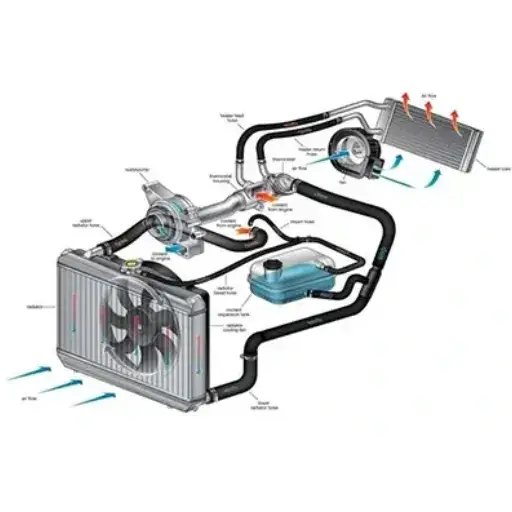
A cooling system for a generator comprises various indispensable parts and assemblies that all cooperate to control that the machine’s temperature and the operation’s reliability. The main ones are the radiator, cooling fan, coolant, and heat exchanger. The collaboration of these components helps to release heat that is produced during the generator’s operation and thus prevents it from overheating.
- Radiator: The radiator is responsible for the cooling liquid, transfer, and exposure to the air around it. It is the most important part of the system because it keeps the coolant in a certain temperature range where it can handle heat efficiently.
- Cooling Fan: The cooling fan goes a step further and helps the radiator by increasing airflow and cooling the radiator better. It is very effective in the cooling of the generator, especially when the demand is high and it is hard to keep the generator cool.
- Coolant: Coolant is a combination of antifreeze and water (most common is the mixture) that absorbs heat from the engine. It keeps circulating in the system, taking heat to the radiator and controlling temperature at the same time.
- Heat Exchanger: The heat exchanger functions effectively in thermal management by permitting heat transfer between different fluids or gases without intermixing them. This becomes more advantageous in a closed-loop system.
All these components work in unison to make the generator run within the temperature limits that are considered safe, which reduces the possibility of breakdown and increases the efficiency of the generator as a whole. To be precise, each part’s maintenance is crucial to the cooling system’s longevity and performance.
Air-Cooled Generator Systems
How Air-Cooled Systems Function
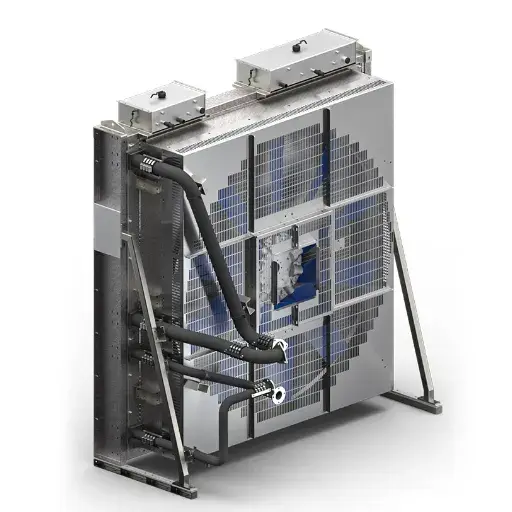
Air-cooled generator systems function by the natural circulation of air to control and remove the heat that is generated in the process. Usually, these systems come with fans or blowers that direct the air from the environment to the generating unit where heat is absorbed and then it gets removed. Well-designed systems often have ventilated enclosures and openings that are well placed to get maximized airflow and avoid overheating. The system thus relies wholly on air circulation to keep the internal temperature at a safe level suitable for continuous use even for long periods of time.
The main benefit of air-cooled systems is their simplicity and cost-effectiveness. Here if we compare a liquid-cooled system, which uses pumps, pipes, and coolant fluids, then air-cooled systems simply do away with those extra components thus making them easy to service and fixing leaks or other mechanical problems of less concern. Such simplicity also means lower operational costs in the long run which can be an important reason for buyers looking for cooling solutions that are efficient and economical at the same time. Besides, air-cooled generators because of their relatively light weight design can be easily transported and thus suitable for home and portable applications often.
Nevertheless, air-cooled systems may be more suited to small-sized generators or locations where the outdoor temperature is not more than moderate. Since the effectiveness of their cooling is based on continuous supply of cool air from the surrounding, they may find it difficult to cope with extreme heat situations or over loading conditions. Thus the proper ventilation in place and careful not to place the system in obstructive positions are some of the key factors that will help maintain the effectiveness of air-cooled systems. Moreover, cleaning of the fans, vents and louvers should be done regularly so that the dust and dirt do not block the airflow thereby causing the system to operate inefficiently over time.
Advantages of Air-Cooled Generators
- Cost-effective Design: Generally, the air-cooled generators are less costly when compared with the liquid-cooled generators. The simple design and manufacturing and maintenance process all in one thing contribute to the purchase of an economic product for the small industry and even homeowners.
- Ease of Maintenance: Unlike liquid-cooled systems, air-cooled generators are composed of fewer parts that require less frequent and less complicated maintenance. The routine of cleaning the fans and vents is simple and does not take much of the worker’s time and effort.
- Lightweight and Portable: The air-cooled generators are usually lighter and more portable because of their compact and less complex design. This feature makes them transportable with ease and they are perfect for temporary setups or remote regions.
- Energy Efficiency: Air-cooled generators are excellent in terms of fuel-to-electricity conversion and at the same time using air for cooling which means that no additional liquid cooling systems are needed. This all leads to reduced energy consumption and consequently, large efficiency in many of the models.
- Reliable Operation in Moderate Conditions: Under the average temperatures and workloads, air-cooled generators give a consistent and reliable performance. They are the runners in the mild climate areas and for different cases where such cooling demands are not needed.
Common Applications of Air-Cooled Systems
Among the various options available cooled with air, the systems have been a universal choice for different industries owing to their simplicity, cost efficiency, and good performance. One of their most popular uses is for small standby generators. The systems are perfect for domestic or light commercial areas where the demand for electricity is moderate and the climate conditions are not very harsh. The air-cooled generators are small and easy to install, which makes them suitable to be used as a power backup in homes, offices, and small buildings. They also do not require much maintenance when compared to liquid-cooled systems, which makes them more attractive to be used in these applications.
Another common application area is in the air-cooled air conditioning and refrigeration units. These systems are typically installed to ensure that the indoor temperatures are at comfortable levels and that the spaces are pleasant and cozy. They come especially handy in regions where water resources are not very abundant or where the installation of cooling by liquid may be very costly. Air cooling of condensers in HVAC systems eliminates the need for any extra plumbing or water management infrastructure thereby assuring reliable operation and offering a more sustainable cooling solution across different environments.
In addition to this, air-cooled systems are extensively used in industrial applications such as air compressors and small to medium size engines. These applications are dependent on the use of air-cooled technology to avoid overheating of the equipment during continuous operation. For example, the manufacturing industry often picks air-cooled air compressors owing to their robustness and ability to workmost effectively under moderate conditions. The same goes for small construction equipment, motorcycles, and even some cars where the use of air-cooled engines is to keep the operation smooth and minimize the chances of breakdowns and subsequent repairs. Thus, the versatility of air-cooled systems spans across modern industries and their effectiveness is realized in diverse applications where simplicity and reliability are the main considerations.
Liquid-Cooled Generator Systems
Understanding Liquid-Cooled Generators
Liquid-cooled generator systems have been designed to perfection, and they use liquid, most often a blend of water and coolant, for the efficient management of the engine temperatures during operation. The interleaved and overlapped conditions that such generators have caused them to be the first choice whenever applying the same in large-scale industrial or commercial spaces where at all times highly-power output is needed. The cooler liquid is flowing through the engine system and is able to suck the heat out and release it to a radiator or heat exchanger, thereby keeping the engine at its best operating temperature.
In comparison with air-cooled systems, liquid-cooled generators are much better when it comes to heat dissipation, particularly during the prolonged periods of heavy use. Generators with water-cooled systems usually give off less noise not only because of the nature of these cooling systems but also because of the facilities where the generated power is used; hence they can be operated in places where such quietness is a requirement. Furthermore, the substantial cooling system ensures that liquid-cooled generators can take in large amounts of power without the concern of burning out due to overheating, thereby they are great in power, performance, and stability.
Because of these reasons, liquid-cooled generators are very likely to be located at places such as hospitals, data centers, and manufacturing facilities where the failure of power supply or the taking of the generator down for maintenance can have dire consequences. It is, however, true that a cooling system based on liquid usually calls for more complexity, and this complexity comes in the form of the need for regular maintenance and monitoring in order to avoid such problems as leakage of the coolant or blockage of the system. But still the toughness and the ability to work non-stop in high-demand environments make the liquid-cooled generator system a powerful instrument in the industrial sector.
Benefits of Liquid-Cooled Systems
- Improved Heat Dissipation: In comparison with air-cooled systems, liquid-cooled systems are the very best in heat transfer and dissipation. The liquid coolant absorbs a significant amount of heat, which keeps the generator across the well heat-operated range even during long usage periods.
- Enhanced Longevity of Components: Promoting a stable temperature and taking the heat off the main parts liquid-cooled systems allow them to live longer. This is a cheap option throughout the life of the generator as the frequent and costly repairs or replacements will not let you down.
- Higher Power Output Capacity: Liquid-cooled generators not only cool but also continue to run at higher-rated power outputs without overheating, receiving in turn the preference of heavy-duty applications in such industries as healthcare, data centers, and large-scale manufacturing, where high power that is reliable is a must.
- Quieter Operation: The generators with the liquid cooling system often make less noise than the air-cooled ones cool down through fan noise absorption plus reduction along with the liquid stillness, which is especially useful in places less tolerant to noise.
- Reliability in Demanding Conditions: They are designed for firmness and are able to perform reliably even in very hot and very cold circumstances. Thus, the liquid-cooled generators are especially favorable in very harsh industrial areas or regions suffering from extremely unfavorable weather conditions.
Each of these advantages clearly indicates the reason that liquid-cooled systems are indispensable in such industries needing super reliable and efficient power solutions.
Typical Use Cases for Liquid-Cooled Generators
Liquid-cooled generators are used in a variety of industries and situations where reliable power is a must. They are mainly installed in big enterprises like manufacturers keeping their production processes running smoothly throughout. The same goes for data centers which are the liquid-cooled generators’ first priority in keeping uptime at the highest and preventing a system crash where the failure to store sensitive data or operational delays would occur.
Hospitals and healthcare facilities are using these generators as a backup power source for life-saving medical equipment during power cuts. Their robustness and efficiency make construction sites in remote areas where the electricity grid is unstable, a perfect place for them. Moreover, liquid-cooled systems are the best choice for backup power in commercial buildings and institutions; thus, the businesses and services are operating without interruptions during outages.
Their capability to withstand harsh climates makes them fit for military, mining, and even large-scale agricultural facilitating. The reliability and efficiency of these units continue to make them used in different critical applications all over the world.
Comparative Analysis: Air-Cooled vs Liquid-Cooled Generators
Performance and Efficiency Differences
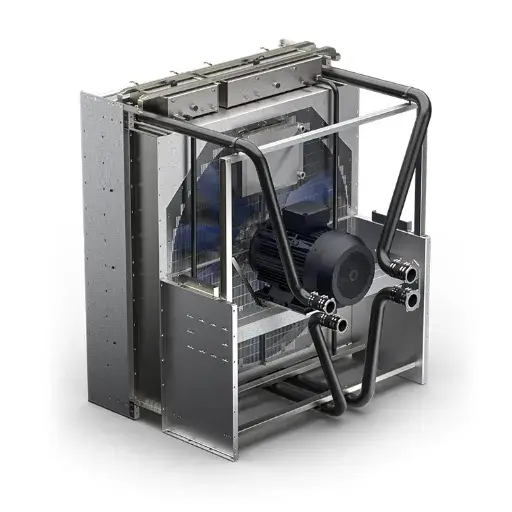
When one looks at air-cooled generators with liquid-cooled generators, differences are quite pronounced in efficiency and performance. The mechanical parts of air-cooled generators involve fans or ambient air to dissipate heat, hence being simpler in their configuration and suitable for medium to small power requirements but their performance can significantly reduce in hot places due to air’s inefficiency in the cooling process under heavy loads.
Liquid-cooled generators, on the other hand, bring in a circulating coolant for temperature control and thus, can be massive in power capacity and able to run all the time without breakdowns in the most severe conditions. This cooling method will always provide the same performance level, even under the most extreme conditions, thus, making the liquid-cooling system the choice for high-demand applications. Though liquid-cooling systems are usually more demanding in terms of maintenance and initial costs, their long-term reliability is often a compensation for those disadvantages, especially in markets where downtime is not allowed.
Figures show that liquid-cooled systems are generally 30 to 40 percent more efficient than air-cooled ones in the aspect of maintaining stable thermal performance during heavy and continuous use. Besides, industries, which are working non-stop, for instance, data centers or hospitals, are always telling liquid-cooled generator systems to be the reason behind their better operational outcomes. These distinctions bring to light not only the performance gains but also the capacity and the reliability of the liquid-cooled generators for the critical operations.
Cost Considerations for Each System
In this case, we can establish that if the liquid-cooled and air-cooled generator systems are compared, cost will be the most relevant aspect that is not only the initial price to pay but also the maintenance and operation costs that are linked to this purchase. The air-cooled systems are generally the cheaper option during the initial stages which is often the reason why they are chosen by smaller plants or even for emergency power systems that do not have much use. That said, the lower price of air-cooled systems is often accompanied by reduced efficiency and life span in the long run, especially when the system is used continuously or subjected to high loads.
On the contrary, the liquid-cooled systems usually require a significantly larger capital outlay at the beginning because of their more complicated constructions. Besides, this is why their cost includes not only the installation but also the maintenance of extra technical requirements such as pumps and radiators. Nevertheless, the long-term actual costs of ownership for this system are usually lower than those for air cooled systems. Their performance stability in extreme conditions can lead to maintenance-free uninterrupted service and the lifespan of the whole system will be thus extended which is a big plus for those industries having strict requirements of operation continuity. Also, cooling down generators using liquid consumes a lesser amount of energy when compared to cooling with air which can eventually lead to lower operational costs that will cover the initial investment.
Hence, at the end of it all, the decision to select the system essentially depends on the organization’s peculiar operational requirements, periodic load demands, and financial plans over the long run.
Maintenance Needs and Longevity
Liquid-cooled generators are distinct from air-cooled ones when it comes to maintenance. Liquid-cooled systems usually necessitate more frequent inspections and maintenance mainly to monitor the quality and level of the cooling liquid. Pumps, hoses, and radiators among others need to be checked regularly for any leaks and wear. The neglect of these components can lead to malfunctioning or even total shutdown of the system. Still, by following the manufacturer’s guidelines and maintaining the generators according to the schedule, excellent performance can be obtained for a long time.
Another major proponent of generators with liquid cooling is their long life. This is because the cooling methods they employ are sophisticated allowing them to operate in higher loads and for longer periods without becoming hot, which is often a factor that tends to shorten the life of a system. On the contrary, air-cooled ones might not be able to cope with such continuous heavy loads that would eventually lead them to be replaced sooner due to faster wear. The longevity of the liquid-cooled varieties has made them suit for places where reliability and longevity are a must, like hospitals, data centers, and factories.
Moreover, the initial cost of liquid-cooled generators is higher but this is usually compensated by their extended life and lower chances of complete failure. Such a generation of power would be very much appreciated by companies that are interested in long-term sustainability and cost savings. By taking maintenance setup proactively and making use of advanced monitoring devices, the firms can ensure that their power systems are very dependable and have a long life span, thus avoiding business operations interruptions even in critical scenarios.
Essential Maintenance Practices for Generator Cooling Systems

Routine Checks and Inspections
Done properly, regular checks and inspections constitute the foundation of an efficient generator cooling system. One of the aspects that these checks should cover is a detailed inspection of the coolant levels, making sure they are within the limits set by the manufacturer. If the coolant levels are low, the engine can overheat resulting in expensive repairs. Along with that, checking for leakage of coolant from the hoses or the connections can eliminate minor problems from developing into huge issues. Therefore cleanliness or absence of dirt in the cooling system should be one of the main priorities in order to allow perfect air ventilation and heat removal.
One of the most important features in the cooling system check-up process is the coolant condition assessment. The coolant can lose its quality or get contaminated over time, which affects its temperature regulation and anti-corrosion properties. In a way, testing and changing the coolant as per the manufacturer’s rules can be regarded as a performance guarantee. Additionally, the radiator must be inspected for any blockage or damage. Removing the dirt from the radiator’s fins and providing good airflow can remarkably increase the cooling system’s efficiency. Moreover, cooling-related belts should also be checked for correct tension and proper alignment to prevent unexpected breakdowns.
Keeping meticulous maintenance records is also very important. It is through the documentation of regular checks, replacements, and repairs that companies will be able to develop a predictive maintenance schedule, which will, in turn, lead to minimization of downtime and improvement of system reliability. The state-of-the-art technology has facilitated the production of modern monitoring tools that can deliver real-time data for the early detection of potential issues. Consistent inspections combined with the use of these technologies will empower organizations to not only increase their generator cooling systems’ performance but also secure maximum operational uptime.
Preventing Overheating in Generators
The generators’ overheating issue is a widespread problem that might be the cause of decreased performance, the system’s shutdown, or even total destruction. To avoid overheating, making sure there is adequate ventilation and airflow around the generator is gradually getting very significant. An appropriately designed ventilation system dissipates heat very well, hence no excessive rising of the temperature takes place. Regularly doing air filters cleaning and making it sure that there are no obstructions in air intake or exhaust areas is very crucial for optimum functionality as well.
Another important thing that comes under promoting the prevention of overheating is monitoring the level of coolant and making sure that the cooling mechanism—air-cooled or liquid-cooled—is working properly. One of the ways to maintain coolant systems properly is to check for leaks, to use the proper type of coolant, and to top up the fluids whenever necessary. Also, performing regular checks on thermostats and radiator efficiency will keep the temperature stable during the operation of the generator. Moreover, using temperature sensors along with real-time monitoring systems will be of great assistance in spotting any irregular heat conditions at an early stage and in taking care of the issues before they become problems.
Preventive measures also comprise operating the generator up to its rated capacity and refraining from overloading it. When a generator is overloaded, it works harder than what is supposed to be the case and thus generates too much heat. Load testing which is conducted regularly can be a useful tool in assessing both the generator’s capacity and performance. Additionally, if maintenance and inspections are scheduled periodically, it will help to ascertain that all components—like the alternator, cables, and circuit breakers—are in their best condition to allow heat dissipation that is management-accommodating. If all these preventive practices are combined with modern monitoring technology, a generator’s reliability will be reinforced and at the same time risk of overheating will be minimized.
Best Practices for System Maintenance
To preserve the trustworthiness and productivity of a system, it is very important to introduce the organized maintenance approaches. Start with the creation of a thorough maintenance plan which is in accordance with the manufacturer’s guidelines and the usage patterns. This plan should include regular checking, lubrication of the moving parts, and changing of the worn-out components so that unexpected failures can be avoided.
Use predictive maintenance methods like vibration analysis, thermal imaging, and oil analysis to find out about the problems that might occur long before they get serious. With the help of these state-of-the-art tools, it is easy to make data-based decisions, thus, allowing a huge reduction in time and costs related to downtimes and repairs. Furthermore, the use of cloud-based monitoring systems helps in the smooth operation of data collection and analysis, thus, providing real-time insights into system performance.
Make sure that every maintenance activity like inspections, repairs, and replacements is properly documented. The transparency that this keeping of records provides is one of the benefits, and another one is the building of a maintenance history that is easily accessible in case of a need for future reference. Also, regular training of personnel in system operations and troubleshooting is of equal importance since it guarantees that the teams can quickly respond to the challenges that are arising.
These practices combined with modern monitoring systems make it possible for organizations to not only increase the lifespan and reliability of their systems but also cut down on operational risks.
References
-
Ram-Air Cooling Systems for Aircraft Generators – Harvard ADS
A study on ram-air cooling systems, which use air pressure to cool generators, providing insights into innovative cooling methods. -
Diesel Generator Cooling Water System – U.S. Nuclear Regulatory Commission (NRC)
This document details the cooling water system for diesel generators, including components like pumps and turbochargers. - Click here to read more.
Frequently Asked Questions (FAQ)
Q: What is a generator cooling system and why is it critical?
A: A generator cooling system is the one that takes off heat produced while the generator is running and at the same time making sure that the generator runs at full performance. A cooling system is very important no matter if it is a part of a portable generator, bigger generators, or an emergency power supply, to control the temperatures of the engine block, save generator parts, and prolong the life of the generator.
Q: What are the main cooling system components in a typical power generator?
A: The cooling system components will most likely comprise of, in the case of air-cooling systems, fans and cooling fins, while in the case of liquid-cooled systems radiators, water pump, hoses, thermostat and coolant will be used. These together with the generator parts and cooling system components manage the heat from the generator and ensure it receives the cooling it requires for efficient operation.
Q: How do air-cooled and liquid-cooled systems differ for diesel generators?
A: Air-cooled or liquid-cooled designs are more complex and less effective. On the one hand, air-cooling systems take the help of air flows, fans and cooling fins to absorb heat and thus are simpler, lighter, and often found in portable generators. On the other hand, liquid-cooled systems are more efficient for large diesel generators but are more complex and require more maintenance as they are driven by the pump through the radiator.
Q: When should I choose liquid-cooled systems over air-cooling systems?
A: Go for liquid-cooled systems if generators are to be used in marine for large generators, or if high ambient temperature is an installation that generates a lot of heat during the operation. Liquid-cooled systems utilize coolant for heat transfer away from the engine block and are way better at sustaining optimal operating temperatures compared to air-cooled ones.
Q: How does ambient temperature affect generator cooling system performance?
A: Cooler surroundings will allow the cooling system to work more effectively while higher ambient temperature will not, so one should size and design the cooling system by taking into consideration the maximum expected operating conditions. The life of the generator may get shortened and the generator may be more prone to have issues if its cooling is insufficient in a hot environment.
Q: What maintenance and generator service tasks should be done to inspect the cooling system?
A: Checking the cooling system (checking coolant levels, inspecting hoses and water pump for leaks, cleaning fans and cooling fins, testing thermostats, and checking that there is no blockage in the flow through the radiator) should be a regular part of generator service. Routine checks are done to avoid failures and to keep the performance at its best.
Q: Can hydrogen-cooled generators or other specialized systems replace traditional cooling?
A: Hydrogen-cooled generators and other methods of specialized cooling are not the traditional cooling replacements, used in their alternative which are not high-capacity or niche applications, they do possess the generator cooling being very efficient but it still requires a tailored system design and safety measures. Air and liquid cooling however are still the primary practical options for most diesel generators and portable units.
Q: What are common problems that indicate cooling system failure?
A: Symptoms may be: increasing engine block temperature, coolant leaks, less water flowing, water pump that is either noisy or faulty, radiator fins that are clogged, and power generator that is outputting less. If these symptoms are neglected, they might cause damage to the generator and reduce its performance.
Q: How does cooling system design influence generator types and optimal performance?
A: A design of the system plays a role in how the heat transfer takes place and how manageable the space, weight, and the serviceability are. Air-cooling systems are basic and hence suitable for small or portable generators, while liquid cooled systems are of a higher complexity and hence preferred for larger generators or standby power where good heat control is a must. The right design will mean that the cooling system can take the heat from the system, create and maintain optimal conditions and eventually increase the generator’s life span.