

Proper management of the battery system in the generator will help to achieve its...
Maintaining energy resilience across the Hawaiian archipelago presents a unique set of logistical and geographical challenges. This Hawaii power outage map serves as a critical resource for residents and businesses across the islands, providing live county updates for the service territories managed by Hawaiian Electric (serving Oahu, Maui, Molokai, Lanai, and Hawaii Island) and the Kauai Island Utility Cooperative (KIUC). Unlike the contiguous United States, Hawaii’s islands operate as independent microgrids, meaning each island must generate and balance its own power supply without the safety net of interstate transmission lines.
The primary drivers of service interruptions in Hawaii are deeply tied to its tropical environment and volcanic landscape. High-velocity trade winds and severe “Kona storms” frequently lead to vegetation interference, where large tropical fronds or invasive species contact overhead lines. Furthermore, the corrosive effects of salt-air mist—prevalent in every coastal community from Honolulu to Hilo—accelerate the degradation of transformers and insulators, leading to equipment failure during high-humidity events. Beyond weather, the state’s aggressive transition toward 100% renewable energy has introduced new variables in grid stability, where sudden fluctuations in solar or wind output must be carefully managed to prevent frequency imbalances. Volcanic activity and seismic shifts also remain persistent, region-specific risks that can physically sever underground conduits or damage generation facilities.
Given these localized risks, relying solely on utility restoration is often insufficient for modern energy needs. Many residents are increasingly turning to backup power solutions, such as integrated battery storage systems and solar-plus-storage configurations, to ensure continuity during isolated grid failures. This page provides the immediate data and technical context necessary to track current outages island by island, helping you make informed decisions to protect your home and preserve your safety.
Following the catastrophic events of 2023, the grid’s operational philosophy has fundamentally changed.
Hawaii is navigating a historic shift in seasonal outage patterns as it nears its 100% renewable energy goals.
In the Hawaiian Islands, backup power is not just a luxury; it is a critical component of island resilience. Because each island operates as an isolated microgrid, the risk of “load shedding” or extended outages following a “Kona storm” is significantly higher than on the mainland. Selecting a system for Hawaii requires a focus on fuel logistics and extreme corrosion resistance to combat the persistent salt-air environment.
For Hawaii homeowners, a permanently installed standby generator provides the ultimate peace of mind against the islands' frequent grid-balancing interruptions. Given the high cost of imported fuels, we recommend Liquid Propane (LP) powered units paired with on-site storage tanks. Propane does not degrade in Hawaii’s high-humidity environment, unlike gasoline or diesel. These systems are essential for residents in "Public Safety Power Shutoff" (PSPS) zones, where utilities may de-energize lines during dry, high-wind "Red Flag" conditions. A 22kW unit can seamlessly maintain air conditioning and refrigeration, preventing food spoilage and interior mold growth during the extended outages that follow tropical disturbances.
Portable generators are a versatile solution for managing localized outages caused by trade-wind-driven vegetation interference. For the Hawaii market, Dual-Fuel Inverter generators are the gold standard. Inverters produce "clean" power with low Total Harmonic Distortion (THD), which is vital for protecting the sensitive electronics and solar-battery controllers common in modern Hawaiian homes. Using propane as a primary fuel source avoids the logistical nightmare of "gummed up" carburetors caused by ethanol-blended gasoline sitting in humid garages. While they require manual setup, these units provide enough power to run essential medical devices, fans, and refrigerators until utility crews can clear fallen albizia limbs from neighborhood lines.
For Hawaii’s critical commercial infrastructure—including hotels, healthcare facilities, and logistics hubs—diesel generators remain the backbone of reliability. These industrial-grade units provide the "high-torque" capacity required to start large chillers and elevator banks during an island-wide "black start" event. Because Hawaii relies on maritime shipping for fuel, commercial entities should invest in sub-base fuel tanks capable of 48–72 hours of autonomous runtime. Modern Tier 4 Final diesel engines ensure compliance with Hawaii’s strict DOH environmental regulations while providing the stable, continuous power necessary to maintain business continuity when the local grid faces frequency instability or generation shortages.
Our team of Hawaii-based energy specialists understands the unique logistical and environmental challenges of the Pacific. We provide turnkey backup solutions designed to survive the salt, the wind, and the unpredictable nature of island power.
Maintain Inventiveness by Following The Blog for the Latest Best Practices, Techniques, Innovations, and Insights in the Field.
Proper management of the battery system in the generator will help to achieve its...
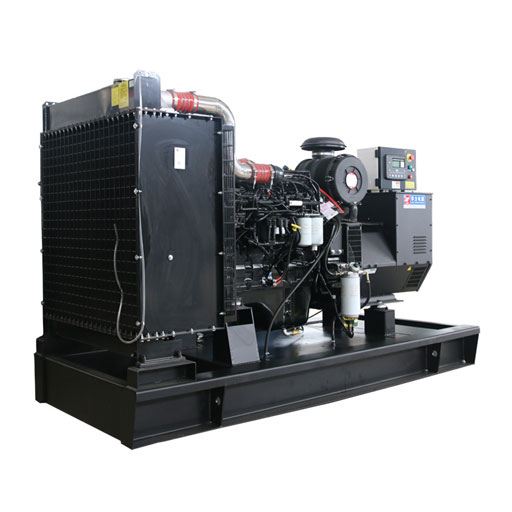
When the power goes out unexpectedly, a portable generator can be a lifesaver. Whether...
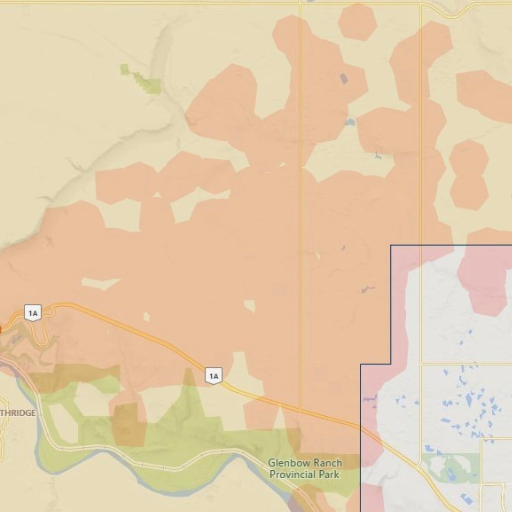
Cochrane and parts of Rocky have recently experienced a severe power outage, which has...
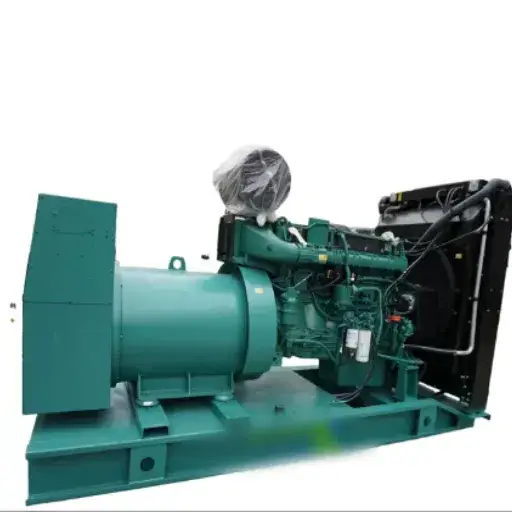
The use of diesel backup generators is critical for energy security, providing electricity without...
Unlike the mainland, the electric grid in Hawaii consists of isolated island systems that cannot “borrow” power from neighboring states. The most frequent causes of service interruptions are high-velocity trade winds and “Kona storms,” which blow heavy tropical vegetation, such as invasive albizia limbs, into overhead lines. Coastal salt spray is another major factor; salt buildup on insulators leads to “arc tracking,” causing equipment to short-circuit during humid periods. In recent years, power outages in Hawaii have also been driven by Public Safety Power Shutoffs (PSPS). During “Red Flag” conditions with high winds and low humidity, utilities may proactively de-energize circuits to prevent wildfires, a critical safety measure following the 2023 Maui wildfires.
The duration of an outage in Hawaii depends heavily on the cause and your specific island. Routine interruptions from localized equipment failure or “blue-sky” maintenance are typically resolved within 2 to 4 hours. However, during a major storm event, restoration can take days. Because each island is a microgrid, a failure at a major generation plant requires a “black start” procedure, which is a complex process of slowly re-energizing the grid to avoid a total collapse. In rural or mountainous areas, rugged terrain and narrow roads can delay utility crews from reaching downed poles, making a reliable backup power source essential for those living outside major municipal hubs like Honolulu or Kahului.
Preparation in the islands must account for the tropical climate and the reality of isolated supply chains. Your emergency kit should include at least a 14-day supply of water (one gallon per person per day) and non-perishable food, as maritime shipping delays can impact grocery availability after a major storm. Since Hawaii has the highest electricity rates in the U.S., many residents use solar panels; however, standard grid-tied solar will shut off during an outage for safety unless you have a battery or a generator with a transfer switch. Maintain a battery-powered radio for live county updates, and ensure you have a way to keep cellular devices charged to monitor the Hawaii power outage map for restoration progress.
For many in Hawaii, a standby generator is a vital investment in property preservation. The islands’ intense humidity means that even a 48-hour loss of air conditioning or ceiling fans can lead to rapid mold growth and damage to interior finishes. For those in wildfire-prone areas subject to PSPS events, a generator ensures that medical equipment, refrigeration, and security systems remain active when the utility proactively cuts power. While the initial cost of a permanent unit is higher than a portable one, the automatic activation provides seamless protection. In the 2026 real estate market, “energy-independent” homes in Hawaii are seeing increased valuations as buyers prioritize resilience against the state’s unique grid vulnerabilities.
Installing a generator in Hawaii requires strict adherence to county building codes and the National Electrical Code (NEC). You must obtain both electrical and plumbing permits (if using a permanent propane line). A key requirement is the installation of a certified automatic transfer switch (ATS) to prevent “backfeeding,” which occurs when a generator accidentally sends electricity back into utility lines, potentially injuring repair crews. Because of the extreme salt-air environment, we strictly recommend NEMA 3R-rated aluminum or stainless steel enclosures for any unit within five miles of the coast. Additionally, units must be bolted to reinforced concrete pads designed to withstand seismic activity and high-velocity hurricane winds to meet Hawaii’s rigorous safety standards.