
Complete diesel generator after-sales support includes seven elements: warranty administration, preventive maintenance programs, spare parts logistics, technical support, on-site service, operator training, and remote monitoring. The difference between a supplier who checks these boxes and one who doesn’t can mean the difference between a 4-hour repair and a 6-week shutdown.
The cheapest quote often has the most expensive after-sales experience. Buyers evaluate generators on spec sheets and price. They rarely evaluate what happens after the invoice is paid.
Yet a generator is a 10-to-15-year asset. The warranty covers the first 12 to 24 months. Everything after that depends on the relationship you build with your supplier on day one. The after-sales ecosystem matters as much as choosing a diesel generator set in the first place.
At Shandong Huali Electromechanical Co., Ltd., we have shipped generators to over 20 countries and learned that after-sales support is where reputations are made or broken. In this guide, we break down every element of post-purchase support and show you exactly what to demand from your supplier before you sign.
Key Takeaways
- Warranty covers 1-2 years; your generator will run for 10-15. The real value is in the full after-sales ecosystem, not just the warranty card.
- A proper generator service contract should specify visit frequency, response time SLAs, and exactly which parts and labor are included.
- Spare parts availability matters more than warranty length. A 5-year warranty with 8-week parts lead time is worse than a 1-year warranty with 48-hour parts delivery.
- When buying from a China factory, verify OEM engine warranty pass-through registration and regional service partner coverage before you transfer the deposit.
- Post-warranty support should be negotiated at purchase, not discovered when the warranty expires.
- Diesel generator after sales support should be evaluated before purchase, not after a failure occurs.
Warranty Is Only the First Layer of Diesel Generator After-Sales Support
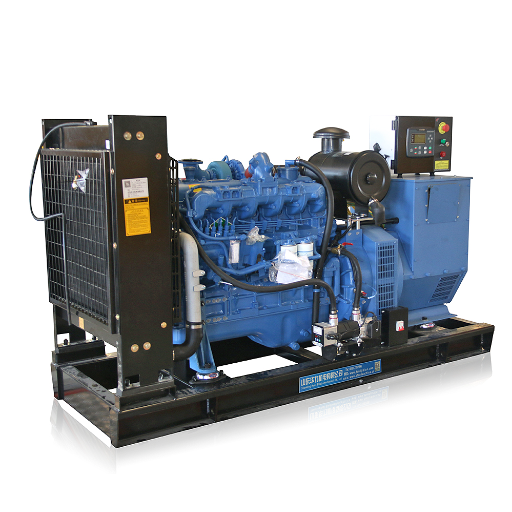
A diesel generator warranty is not a service plan. It is a limited promise — and only one component of a complete diesel generator after sales support strategy.
Standard industry terms run 12 to 24 months or 1,000 to 2,000 operating hours, whichever comes first. Some premium plans extend to 60 months or 10,000 hours.
The coverage gap is obvious. An industrial diesel generator has an expected lifespan of 10 to 15 years with proper maintenance. The standard warranty covers less than 15% of that lifecycle. For the remaining 85%, you are dependent on the supplier’s after-sales infrastructure: their parts network, their technician availability, their responsiveness.
Warranty and service contracts are complementary, not interchangeable. Warranty covers defects. Service contracts cover wear, preventive maintenance, and operational support. A buyer who conflates the two often discovers too late that their “comprehensive warranty” does not include oil changes, filter replacements, or load bank testing.
For a detailed breakdown of what specific warranty terms cover, see our diesel generator warranty guide. This article focuses on everything that happens around and beyond the warranty document.
Standard Warranty Benchmarks (2026)
| Warranty Tier | Duration | Hours | Typical Coverage |
|---|---|---|---|
| Entry-level | 12 months | 1,000 | Parts only, factory labor |
| Industry standard | 24 months | 2,000 | Parts and labor, on-site for large units |
| Premium/extended | 36-60 months | 5,000-10,000 | Comprehensive, including travel |
These benchmarks are just the starting point for comprehensive diesel generator after sales support. Specific terms vary by manufacturer. Cummins commercial warranty terms and Perkins engine warranty coverage provide authoritative baselines for engine-specific protection.
When Warranty Ends, What Then?
Most buyers do not think about this question until Month 18, when the first major service event occurs outside warranty coverage. This is when diesel generator after sales support becomes even more critical than the warranty itself. The smart buyer plans for this transition at the time of purchase. Post-warranty support should be discussed, priced, and documented in the original quotation. If your supplier cannot or will not discuss post-warranty terms before you sign, that is a signal.
The Seven Pillars of Diesel Generator After-Sales Support
Effective diesel generator after sales support rests on seven pillars. No single pillar is sufficient on its own.
A supplier with excellent spare parts availability but no remote monitoring capability still leaves you blind between service visits. A supplier with 24-hour phone support but no regional technician network cannot fix a failed alternator in a reasonable timeframe. Both scenarios fail.
The seven pillars are:
- Warranty administration and claims
- Preventive maintenance programs
- Spare parts availability and logistics
- Technical support and troubleshooting
- On-site service and technician dispatch
- Operator training and documentation
- Remote monitoring and predictive diagnostics
Each pillar supports the others. Remove one, and the entire structure weakens.
Pillar 1: Warranty Administration
Warranty administration is the paperwork that saves you money. It includes registration of the unit with the engine OEM (Cummins engine warranty, Perkins, Volvo, etc.), documentation of the commissioning date, and clear instructions on how to file a claim. Effective diesel generator warranty service begins with proper registration and documentation. Many China-based assemblers do not register the engine warranty in the buyer’s name. The buyer discovers this only when they try to claim against the local Cummins or Perkins dealer.
At Shandong Huali, we register every Cummins and Perkins engine warranty in the end user’s name before shipment. The buyer receives a warranty certificate with their company name, the engine serial number, and the registered start date. This is not standard practice in the industry. It should be.
Pillar 2: Preventive Maintenance Programs
Preventive maintenance reduces unplanned downtime by 30 to 50% and extends generator lifespan by 20 to 30%. A proper diesel generator maintenance program includes scheduled oil and filter changes, coolant testing, belt and hose inspection, battery load testing, and load bank verification. A generator preventive maintenance agreement is the contractual foundation of this pillar. Without a written agreement, visit frequency, task scope, and response commitments are just promises.
The frequency depends on application. Standby generators in temperate climates may need service twice per year. Prime power generators in dusty environments may need quarterly visits. Critical applications such as hospitals and data centers often specify monthly inspections.
Pillar 3: Spare Parts Logistics
This is the pillar that separates serious suppliers from order-takers. Every generator will eventually need parts. Diesel generator spare parts availability is the single biggest determinant of how long your generator stays offline. The question is whether those parts arrive in 48 hours or 8 weeks.
A strong supplier maintains regional spare parts stock for common wear items: filters, belts, hoses, gaskets, and controller components. For major components such as alternators, turbochargers, and engine blocks, the supplier should be able to specify lead time from the nearest regional warehouse.
Mini-Story: The Nigerian Telecom Tower Operator
Chukwuemeka manages 12 telecom tower sites across northern Nigeria. In 2024, he purchased generators from a low-cost supplier with a 12-month warranty and no service contract. At month 15, three units failed within the same week due to contaminated fuel damaging injection pumps. The supplier had no regional parts stock. Replacement pumps had to ship from Asia. Six weeks later, the towers were still down. Chukwuemeka lost tower lease revenue, faced SLA penalties from his mobile network client, and paid another supplier a premium for emergency rental generators. The original purchase saved him 8,000upfront.Thefailurecosthim8,000upfront.Thefailurecosthim47,000. He now specifies a 5-year comprehensive service contract with regional parts stocking in every RFP, because he understands that diesel generator after sales support is more valuable than the upfront purchase price.
Pillar 4: Technical Support
Technical support for generators is scalable. On one end of the scale, there is a phone number that will direct the caller to leave a message in an answering machine. On the other end, there is 24-hour service where factory-trained engineers can remotely troubleshoot any faults, assist on-site engineers, and even deploy on-site dispatches.
The important questions to ask: Is this technical support included in the price, or is it an additional charge? How quickly can technical support be provided by phone, e-mail, or on-site? Do you have a specific technical account manager, or will you speak to a general call center?
Pillar 5: On-Site Service and Technician Dispatch
All issues cannot be resolved by telephone. On-site industrial generator service is important for large industrial generators. The supplier needs to state clearly: requirements for technician certification, cost of travel, daily rate, and maximum time for dispatch after being notified.
Government procurement contracts commonly require 4-hour emergency response for critical infrastructure. For most commercial applications, 24 to 48 hours is realistic. For remote mining or off-grid installations, the timeline depends on regional service partner proximity.
Pillar 6: Operator Training
Industry estimates attribute 60 to 70% of generator failures in the first two years to improper operation or maintenance. Operator training is not a luxury. It is a risk mitigation tool.
Training is often the most overlooked element in diesel generator after sales support packages. A proper training program should cover: startup and shutdown procedures, load management, routine inspection checklists, basic troubleshooting, controller interface operation, and safety protocols. Training should be documented, with attendance certificates issued to facility staff.
Pillar 7: Remote Monitoring and Predictive Diagnostics
Remote monitoring has transitioned from being an expensive feature to an expected standard for equipment rated above 100kVA. Remote monitoring is a mandatory part of the after sales service package in modern diesel generator service delivery. IoT-based controls will enable the tracking of operating time, fault codes, fuel level, battery voltage, and engine specifications from a centralized dashboard. This will facilitate early identification of malfunctions by the manufacturer to ensure they send the right personnel to fix the problem.
Trend analysis helps predict when a component will need replacement. Slight variations such as a slow increase in the coolant temperature and gradual decrease in alternator insulation resistance are clear signs that the equipment will soon fail.
Generator Service Contracts: What Diesel Generator After-Sales Support Should Include
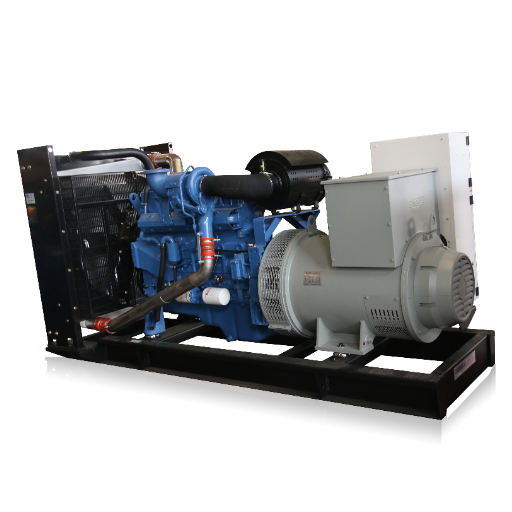
A generator service contract is not a warranty. It is a paid agreement for ongoing maintenance and support. Understanding diesel generator after sales support contract types helps you choose the right level of protection for your application.
Annual Maintenance Contract (AMC): Covers scheduled preventive maintenance visits, routine consumables, and basic adjustments. Does not cover breakdown repairs or major component replacement.
Comprehensive Service Contract: Covers preventive maintenance plus breakdown repairs, parts replacement, and emergency call-outs. Often includes priority response and discounted labor rates.
Pay-As-You-Go: No contract. You call when something breaks and pay standard rates. This is the highest-risk, highest-cost option for critical applications.
Preventive Maintenance Contract Cost by Generator Size
| Generator Size | Application | Annual Contract Cost | Visit Frequency |
|---|---|---|---|
| 20-50 kVA | Residential / Small commercial | $350-525 | 1-2 visits/year |
| 60-150 kVA | Commercial / Light industrial | $525-745 | 2 visits/year |
| 200-500 kVA | Industrial / Standby critical | $1,200-2,500 | 2-4 visits/year |
| 600-1,500 kVA | Data center generators / Hospital | $3,500-7,000 | 4-12 visits/year |
| 2,000+ kVA | Prime power / Heavy industrial | Custom quote | Monthly or more |
Understanding generator maintenance contract cost by generator size helps you budget accurately and compare supplier quotations. Costs vary by region, application criticality, and fuel quality. High-dust environments increase filter replacement frequency. High-hour prime power applications require oil changes every 250 hours instead of every 500.
Service Contract Red Flags
- Vague language: “regular maintenance” without specifying intervals or tasks
- No response time SLA for emergency calls
- Exclusion of travel costs without clear disclosure
- Requirement to use only the supplier’s technicians at premium rates for all work, including warranty repairs
- No provision for service report documentation
- Auto-renewal without clear cancellation terms
Sample Service Contract Clause for Your RFP
“The supplier is required to provide a preventive maintenance program that includes semi-annual on-site service calls. Every service call will involve changing of oil and filter, testing of coolant, testing of the battery load, checking of the ATS and generator output, and inspecting belts and hoses. The supplier will be expected to present a written report on the performance of the equipment within 5 working days after the service call, detailing runtimes, parameters, and action items. Support during emergencies will be available 24 hours per day.”
Spare Parts Strategy: The Make-or-Break Factor
Spare parts availability determines your maximum downtime more than any other factor. A generator with a failed water pump and a 6-week parts lead time is a generator that does not generate power for 6 weeks.
OEM vs. Aftermarket Parts
OEM parts are obtained directly from the manufacturer of the engine, alternator or the control unit. The OEM part is compatible and does not affect the validity of warranty coverages. Aftermarket parts are cheaper but less reliable and can nullify existing warranty coverage.
In cases where high reliability is required, it would be prudent to insist on OEM parts in the service contract. In situations that don’t require such level of reliability and have competent in-house mechanics, a mixed approach could be employed.
Recommended On-Site Spare Parts Inventory
Every generator owner should keep a baseline inventory. The exact list depends on unit size, application criticality, and regional parts availability.
- Engine oil and oil filters (6-month supply)
- Fuel filters and water separators (6-month supply)
- Air filters (2 sets)
- Coolant additive / DCA filters
- V-belts (full set)
- Battery (1 unit, or 2 for dual-battery systems)
- Coolant hoses (upper and lower)
- Glow plugs or starting aids
- Controller fuse kit
- Engine thermostat
For remote installations where parts delivery exceeds 2 weeks, double the recommended quantities.
Mini-Story: The Saudi Hospital That Got It Right
Dr. Al-Rashid is the facilities director at a 400-bed hospital in Riyadh. When procuring backup generators in 2023, he specified a 5-year comprehensive service contract with quarterly preventive maintenance, regional parts stocking within 48 hours, and 24-hour remote monitoring. In March 2025, at 2:17 AM, the monitoring system detected an anomalous temperature rise in Unit 3’s cooling circuit. The automatic alert triggered a technician dispatch. By 6:30 AM, the technician had replaced a failing water pump using parts from the regional stock. Total downtime: zero. The hospital never lost backup power capacity. The entire event cost $0 under the service contract. Dr. Al-Rashid’s specification rigor turned a potential crisis into a maintenance note.
How to Verify a Supplier’s Parts Network
Before purchase, ask these questions:
- Do you maintain regional spare parts stock? In which countries or cities?
- What is the lead time for common wear parts? For major components?
- Can you provide a recommended spare parts list with part numbers and lead times?
- Do you offer a spare parts starter kit with the initial delivery?
- What percentage of parts orders ship within 48 hours?
A supplier who cannot answer these questions with specifics does not have a parts network. They have a hope.
Diesel generator spare parts availability should be verified in writing before you transfer any deposit.
Buying From a China Factory: After-Sales Reality Check
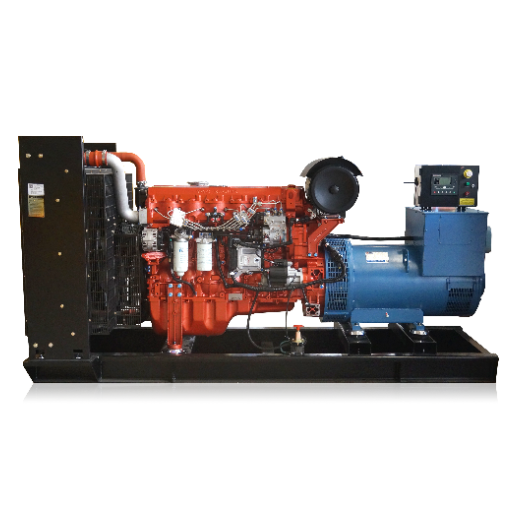
International procurement changes the diesel generator after sales support equation. Distance, time zones, language, and logistics add complexity that domestic buyers do not face. This does not mean buying from China is risky. It means you need to verify specific capabilities that a local buyer might take for granted.
OEM Engine Warranty Pass-Through
When you buy a genset assembled in China with a Cummins, Perkins generator set, or Volvo engine, the engine OEM warranty applies globally. The engine manufacturer does not care where the genset was assembled. They care whether the engine was registered properly and whether maintenance was performed to their standards.
The assembler’s job is to register the engine warranty in your name at delivery. Many do not. They register it in their own name, or not at all.
When you need service from your local Cummins dealer, the dealer cannot verify your coverage. Verify registration before you accept delivery.
Regional Service Partner Networks
A China factory cannot fly a technician to Lagos or Lima for every service call. Responsible manufacturers build regional service partner networks: authorized distributors or service contractors in key markets who are trained on the product and stocked with parts.
Ask your prospective supplier: Who services your generators in my country? What is their response time? Can I contact them directly, or only through your office? If the answer is “we handle everything from China,” add 2 to 4 weeks to every repair timeline. For a complete framework on how to evaluate a diesel generator supplier, see our dedicated guide.
Communication and Documentation
Time zone differences mean a 12-hour delay in every email exchange if both parties work standard business hours. Clear documentation reduces the need for back-and-forth communication. Every delivery should include:
- Illustrated parts list with OEM and aftermarket cross-reference numbers
- Electrical schematic diagrams
- Fuel, lubrication, and cooling system flow diagrams
- Controller manual and parameter configuration sheet
- Commissioning report with baseline performance data
- Warranty registration certificate
Without these documents, every future interaction with the supplier requires rediscovery of basic facts.
Mini-Story: The Peruvian Mining Company
Carlos is the procurement manager at a gold mining operation in the Peruvian Andes. In 2024, his company purchased three 500 kVA generators from a China factory at a price 30% below the nearest competitor. No regional service partner was mentioned in the contract. At month 8, an engine control module failed. The factory offered to fly a technician from Shenzhen: 2-week notice, plus the buyer pays round-trip airfare, hotel, and 400perdaylabor.Totalestimatedcost:400perdaylabor.Totalestimatedcost:8,500. Carlos instead hired a local electrical mechanic who installed an aftermarket controller. The repair worked. The factory then refused all future warranty claims, citing unauthorized service. Carlos saved 8,500ontherepairbutlost8,500ontherepairbutlost40,000 in warranty coverage on three units. He now verifies regional service partner authorization before considering any overseas supplier.
Questions to Ask Before You Transfer the Deposit
- Will the engine OEM warranty be registered in our company’s name before shipment?
- Who is your authorized service partner in our country? Can we speak with them directly?
- What is your spare parts lead time to our location for common items? For major components?
- What technical documentation ships with the unit?
- What is included in your standard after-sales support, and what costs extra?
- What is your escalation path if a warranty claim is denied?
- Do you offer remote monitoring, and what does it cost?
Post-Warranty Support: Planning for Years 3 Through 10
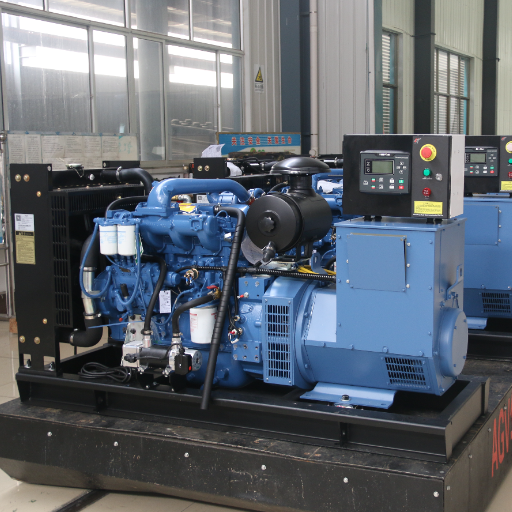
The warranty cliff is real. At month 25, your generator transitions from protected asset to self-insured liability. Planning for diesel generator after sales support beyond the warranty period is essential for uninterrupted operations. Buyers who do not plan for this transition often face sticker shock at the first post-warranty repair.
Annual Maintenance Cost Projection
| Year | Warranty Status | Expected Annual Maintenance Cost | Typical Events |
|---|---|---|---|
| 1-2 | Under warranty | $500-1,500 (consumables) | Oil, filters, routine service |
| 3-5 | Post-warranty | $2,000-5,000 | Major service, component replacement |
| 6-8 | Post-warranty | $3,000-8,000 | Alternator overhaul, controller upgrade |
| 9-12 | Aging asset | $4,000-12,000 | Engine rebuild-or-replace decision |
| 13+ | End of life | $5,000-15,000+ | Full overhaul or replacement |
These figures are broad estimates for mid-size industrial units. Actual costs depend on runtime hours, operating conditions, fuel quality, and maintenance discipline. Generators in clean, temperate environments with good fuel quality cost less to maintain. Generators in dusty, hot, or humid environments with poor fuel quality cost more.
Rebuild vs. Replace Decision Framework
When a major component fails post-warranty, the rebuild-or-replace decision depends on several factors:
- Remaining useful life: A 12-year-old generator with 25,000 hours may not justify a $15,000 engine rebuild if replacement technology offers 20% better fuel efficiency.
- Parts availability: If the engine model is discontinued and parts are scarce, replacement becomes more attractive.
- Application criticality: A hospital cannot afford the downtime of a rebuild project. A construction site with rental backup has more flexibility.
- Emissions compliance: Older engines may not meet current Tier 4 Final or Stage V requirements. Replacement may be necessary for regulatory compliance.
For a deeper analysis of total ownership costs including maintenance, see our diesel generator TCO guide.
Negotiating Preferential Post-Warranty Terms
The best time to negotiate post-warranty support is before purchase, when you have leverage. Diesel generator after sales support terms should explicitly include post-warranty parts pricing and service access. Request:
- Preferential parts pricing for 5 years post-warranty
- Continued access to technical support at contract rates
- Priority scheduling for service visits
- Option to extend the service contract annually without re-qualification
Frequently Asked Questions About Generator After-Sales Support
What is the difference between a warranty and a service contract?
A warranty covers manufacturing defects for a limited time at no cost. A service contract is a paid agreement for ongoing preventive maintenance, repairs, and operational support. Both are components of a complete diesel generator after sales support package. Warranty does not include routine maintenance, wear items, or breakdowns caused by normal use.
Can I use my own mechanic and still keep the warranty valid?
It depends on the warranty terms. Most OEM warranties require service by authorized technicians using approved parts and fluids. Using unauthorized service or aftermarket parts often voids warranty coverage. Read the fine print before delegating maintenance to an independent mechanic.
How fast should spare parts arrive for a critical generator?
For critical applications, common wear parts should be available within 48 hours from a regional stock. Major components such as alternators or turbochargers may require 1 to 2 weeks. If your supplier quotes longer than 2 weeks for common filters and belts, they lack regional inventory.
What training should I receive when a generator is delivered?
At minimum: startup and shutdown procedures, controller operation, routine inspection checklist, basic troubleshooting, safety protocols, and emergency shutdown. Training should be hands-on with your actual unit, not generic classroom instruction. Request documentation of who was trained and when. For critical installations, training should align with NFPA 110 standards for emergency and standby power systems.
Is remote monitoring worth the cost?
For generators above 100 kVA or in critical applications, yes. Remote monitoring detects faults before they cause failure, reduces unnecessary site visits, and provides data for predictive maintenance. The cost is typically 200to200to500 per year per unit, which pays for itself by preventing a single unplanned outage.
What should a service report include after a maintenance visit?
A proper service report includes: date and technician name, generator runtime hours, oil pressure and temperature readings, battery voltage and load test results, coolant condition, measured output voltage and frequency, list of work performed, parts replaced, recommended actions, and next service due date.
How do I know if a China manufacturer’s after-sales support is legitimate?
Verify three things: OEM engine warranty registration in your name, a named regional service partner in your country with contact details, and a written spare parts lead time commitment. If the supplier cannot provide all three in writing before purchase, the support is theoretical.
What happens to service support if the manufacturer goes out of business?
This is why OEM engine warranty pass-through matters. Even if the genset assembler disappears, the engine OEM (Cummins, Perkins, etc.) remains responsible for the engine warranty if it was properly registered. For non-engine components, spare parts availability depends on whether the manufacturer used standard industry parts or custom proprietary components.
Conclusion
Diesel generator after sales support is not an afterthought. It is a core component of your total cost of ownership and operational risk profile. The seven pillars — warranty administration, preventive maintenance, spare parts logistics, technical support, on-site service, operator training, and remote monitoring — form a framework for evaluating any supplier.
The buyers who get this right ask hard questions before they sign. They evaluate diesel generator after sales support with the same rigor they apply to generator specifications and pricing. They verify regional service networks, demand written parts lead times, and negotiate post-warranty terms while they still have leverage. They treat documentation as a deliverable, not an afterthought.
The buyers who get this wrong focus only on purchase price. They discover the gaps when a controller fails at 2 AM, when a parts order sits in customs for six weeks, or when a warranty claim is denied because the service log is incomplete.
At Shandong Huali Electromechanical Co., Ltd., we publish our standard warranty terms and after-sales support documentation before the quotation is finalized. We register every engine warranty in the buyer’s name. We maintain regional spare parts stock and authorized service partners in key markets.
We ship every generator with complete technical documentation. This is not exceptional service. It is the minimum that a 10-to-15-year asset deserves.