
An Automatic Transfer Switch (ATS) is an indispensable part of the electric power system for both home and industrial applications if there is a need for the supply to be uninterrupted. It does not matter whether you are protecting your business’s critical operations or just wanting to have dependable power in your house during outages; the selection and installation of the correct ATS is a vital step in your preparedness strategy. The following guide will present you the basics of ATS selection and installation, helping you to recognize the important considerations, the usual difficulties, and the expert tips to make your investment worthwhile.
Understanding the Automatic Transfer Switch
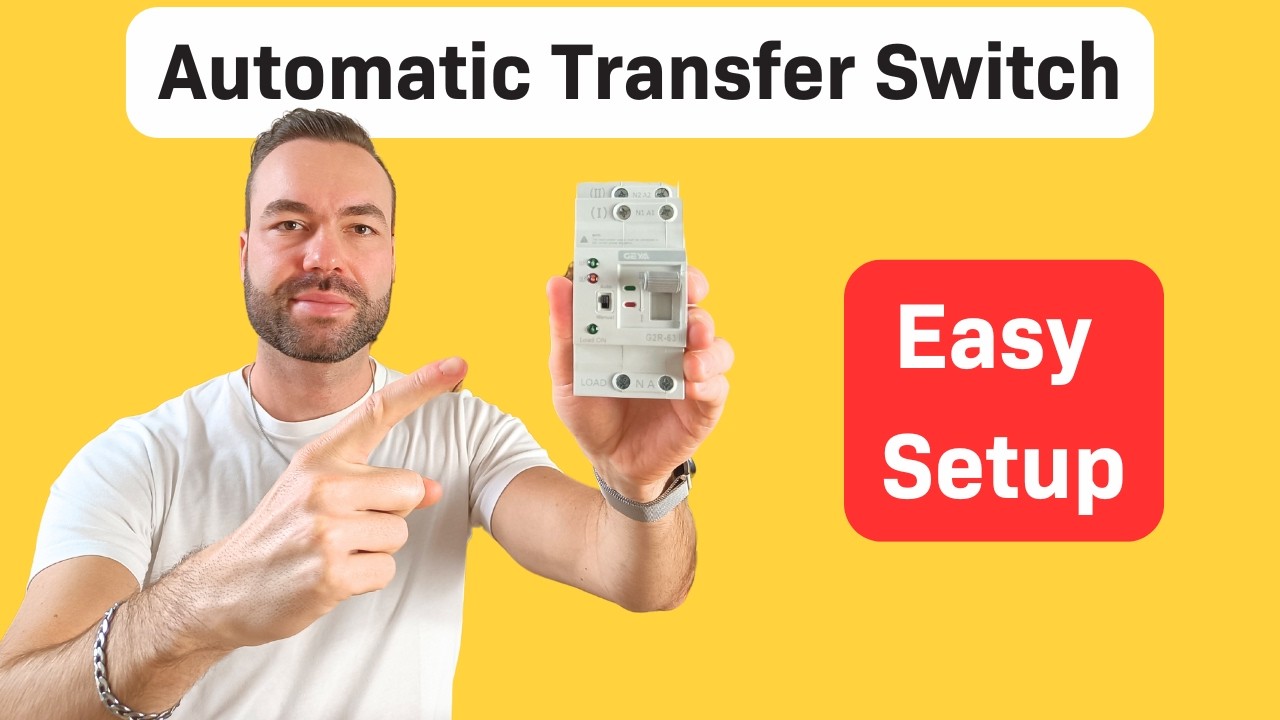
Definition and Functionality of ATS
An Automatic Transfer Switch (ATS) is an electrical device that automatically shifts the power supply from the primary source, such as the utility grid, to a backup source, like a generator, during a power outage. When power is restored, the ATS seamlessly switches back to the primary source. This functionality ensures that critical systems and equipment experience minimal downtime, maintaining operational continuity.
The ATS operates by continuously monitoring the voltage and frequency of the primary power supply. When irregularities or failures are detected, the switch activates the backup power source. This process happens swiftly and often within seconds, preventing significant disruptions. Once the primary power supply stabilizes, the ATS safely returns the load to the main source, often performing checks to confirm power stability before making the transition.
Key Point: ATS devices are commonly used in various settings, from residential homes to hospitals, data centers, and industrial facilities, where a constant and reliable power supply is essential. By automating what would otherwise be a manual and time-sensitive task, ATS systems enhance reliability, reduce human intervention, and offer peace of mind by ensuring a continuous flow of electricity during emergencies.
Role of ATS in Generator and Power Management
Automatic Transfer Switches (ATS) are indispensable in the control over power supply, mainly during the use of standby generators. These installations not only permit the instantaneous changeover of power but also prevent power cut-offs that might disturb the working process. Below are five additional important functions that ATS performs for the sake of both generators and power management:
1. Automatic Power Source Detection
An ATS is always on the lookout for the main power supply and automatically detects any interruptions or outages. When it picks up a failure, it pretty soon gives a signal to the backup generator to start, thus, enabling the least possible disruption.
2. Seamless Load Transfer
Now that the backup generator has been set to a stable output, ATS transfers the electric load from the main power to the generator. The changeover takes place in no time and guarantees that the operations are continued without any perceptible downtime.
3. Voltage and Frequency Monitoring
The best quality ATS devices track the generator output with reference to voltage and frequency. The ATS connects only when the generator’s output falls within the stipulated values to prevent any harm to delicate devices.
4. Reconnection to the Main Power Supply
The ATS, when the primary power source stabilizes, automatically takes the loads back from the generator to the main power. This is done without any electricity interruption.
5. System Testing and Maintenance Integration
Most ATS systems come with the testing capabilities which let the operators simulate power outages to conveniently and quickly check the reliability of the backup generator and transfer switch. Thus, this facility guarantees the readiness during real, power cut situations.
Importance of Switchgear in Power Systems
The functionality and safety of power systems depend a lot on switchgear. The distribution of electrical energy is made more efficient by the management, protection, and isolation of the electrical equipment that switchgear handles. Besides, switchgear controlling the electrical flow prevents and mitigates the effects of overloads, short circuits, and other faults which might lead to system failures or unsafe conditions. Therefore, it is a must component for mainlining power systems stability and reliability.
Among the main functions of switchgear, the protection of both the equipment and personnel is one of the most important. When a power system issue is detected, the automatic disconnection of the corresponding section of the power system takes place. The fast action in this case results in a reduction of the risk of massive power cuts and at the same time the protection of the electrical equipment from damage. In addition, this measure helps to keep the workers safe from potential electrical hazards thus increasing the level of safety at the workplace.
Switchgear is still indispensable when it comes to the modern power systems’ flexibility and efficiency. The maintenance and repairs that switchgear makes possible can be performed almost effortlessly with no disruption of the whole power network. Facilities can always keep on running by quickly upgrading or replacing parts of their electrical systems. This feature is particularly vital in such industries or places where electricity is of utmost importance like fully functional hospitals, uninterruptible power supply (UPS) data centers, and manufacturing plants.
Key Benefits of Using an ATS
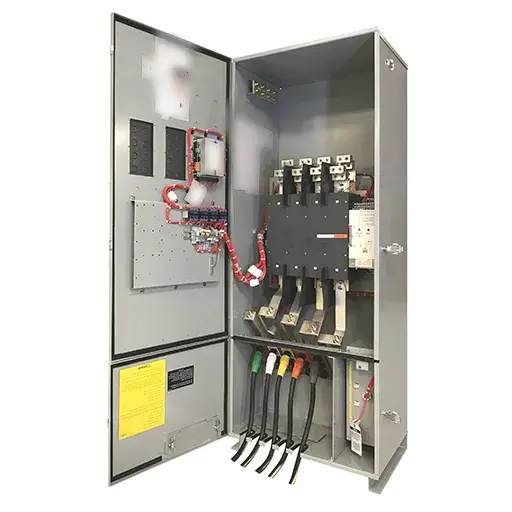
Safety Enhancements in Electrical Systems
In the present day, the electrical systems are making use of the latest technologies to their fullest advantages as far as safety and reliability are concerned, and among these technologies, the one that has had the most positive impact is the Automatic Transfer Switch (ATS). The ATS serves as a protector of electrical networks by automatically switching the load between the main and alternate power sources in case of an outage. Thus, potential risks related to the manual operation are eliminated such as wrong actions by the operator or the delay of power restoration.
Safety Features Include:
- Fault Detection and Isolation: Helps prevent electrical disasters such as short circuits and overloads
- Surge Protection Mechanisms: Prevents sensitive equipment from suffering damage due to voltage spikes
- Battery Backed-up UPS Systems: Ensures power supply continuity at all times
- Monitoring and Control Systems: Oversees performance and repairs before problems escalate
As per the updates given by the industry, the smart ATS adoption is becoming more widespread and such devices are getting popular due to their capabilities of remote control and predictive maintenance among others. This not only keeps the workers safe at all times but it also assures the infrastructure’s durability and dependability especially for the critical sectors like healthcare, data storage, and industrial manufacturing.
Reliability for Commercial and Residential Applications
The enhancement of ATS systems’ reliability has been a result of the introduction of sophisticated monitoring and specifically geared technologies. The modern features give instant information about the performance of the power system and allow for timely maintenance which thus greatly reduces unexpected failures. The combining of meeting the latest energy efficiency and renewable energy compatibility with ATS devices has indeed given commercial and residential sectors very sustainable and reliable power solutions that provide safety, convenience, and long-term resilience.
Automation Features for Seamless Operation
Modern Automatic Transfer Switches (ATS) are equipped with cutting-edge automation features to provide reliable and effective power transfer in every situation. The devices keep an eye on the power sources around the clock and signal out any failure or disruption in the primary source immediately. When such a disturbance happens, the ATS instantly switches over the load to the backup power source like, gas generator or secondary power grid, thus the time taken for the whole process to take place is very short, and the prime power source is not interrupted.
Smart Control Mechanisms:
Sophisticated ATS gadgets comprise smart control mechanisms, numerous are based on IoT (Internet of Things) technology. With the help of these systems, users can track current performance indicators, diagnose the system, and even start maintenance remotely via internet-based platforms or mobile apps. These automation functions not only make it easier to operate but also improve reliability by making predictive maintenance possible.
In addition, the innovative ATS designs support the application of the renewable energy systems with the smoothest possible operation even in the most varied power configurations. For example, there are quite a number of ATS devices that have the capability of managing the hybrid systems consisting of solar arrays, grid connection, and diesel generators. Their smart automation guarantees that at any given moment the most economical and environmentally friendly energy resource is being utilized.
Factors to Consider When Choosing an ATS
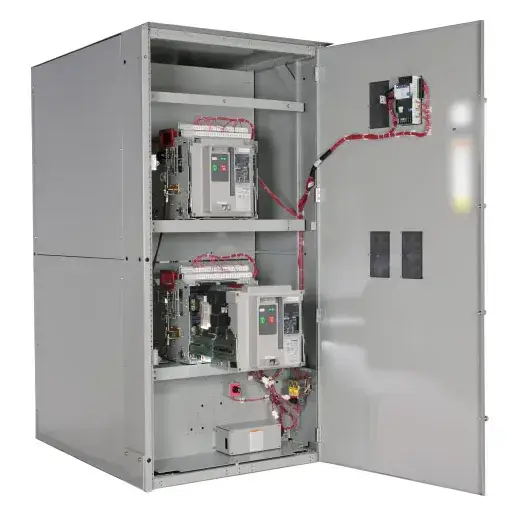
Determining Amperage and Voltage Requirements
The start of selecting an automatic transfer switch (ATS) will depend on the understanding of the amperage and voltage requirements of the system. Amperage indicates the maximum electrical current that the ATS is capable of handling, while voltage signifies the electrical potential difference at which the system works.
Residential Applications
- Rating: 100 to 400 amps
- Voltage: Single-phase (120/240V)
- Common use cases: Homes, small businesses
Commercial/Industrial Applications
- Rating: Higher amperage requirements
- Voltage: Three-phase (208V, 480V, or more)
- Must conform to exact plant requirements
📋 Checklist for Determining Requirements:
- Compute the overall load that the ATS will control
- Make a rigorous evaluation of all connected devices, machines, and systems
- Consider any future building expansions
- Include peak loads in the calculation
- Consider oversizing to provide breathing space for sudden demand spikes
- Evaluate compatibility with power sources (grid, generators, renewable energy)
Understanding Different Enclosure Types
Automatic transfer switch (ATS) enclosures are made with the intention of safeguarding the inner parts and thus guaranteeing operability in different environmental conditions. Enclosure types are commonly divided according to the level of protection they provide, as stipulated by the different classification standards such as NEMA (National Electrical Manufacturers Association) or IP (Ingress Protection) ratings.
Evaluating Monitoring Options for ATS
The availability of effective monitoring options is a must for the maintenance of the performance, reliability, and efficiency of the ATS systems. The newest monitoring systems for ATS employ the most sophisticated technologies to deliver instant reports about the operational status, energy consumption, and any faults in the system.
🔍 Key Monitoring Functionalities:
- Remote Monitoring: Cloud-based systems enable operators to have quick access to system data from any location
- Historical Data Tracking: Analyze behavior over time to determine optimal operation and maintenance timing
- BMS Integration: Unified overview of operations through building management systems
- Continuous Monitoring: Instant warnings for irregularities like load imbalances and transfer delays
- Predictive Analytics: AI algorithms identify trends in energy consumption and component wearing
Installation Best Practices for ATS
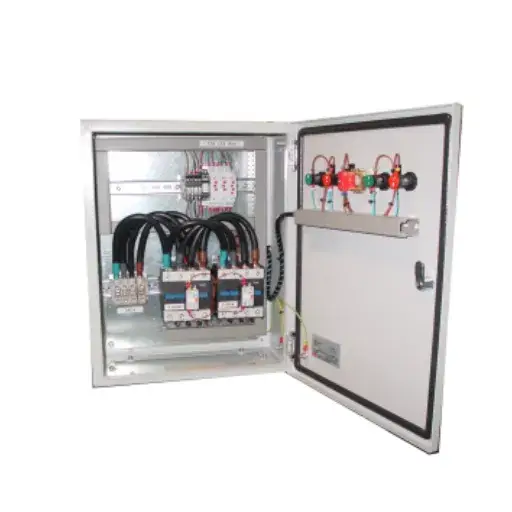
Planning the Installation Site
The installation site for an Automatic Transfer Switch (ATS) when planning should be the place where environment and factors operational have been taken into careful evaluation in order to get the performance that is at its best.
💡 Installation Site Requirements:
Environmental Factors
Clean, well-ventilated area devoid of excessive moisture, dust, and corrosive elements
Accessibility
Enough room for technicians to conveniently carry out inspections, testing, and routine maintenance
Proximity
Close to power and load connections to minimize cable lengths and energy losses
Compliance
Meet local electrical codes and standards for safety and operational efficiency
Future Expansion
Provide room for scaling up as power demands increase
Redundancy
For critical applications, ensure robustness for emergency scenarios
Electrical Wiring and Connections
The installation of an Automatic Transfer Switch (ATS) involves a lot of technical work, and proper electrical wiring and connections always take center stage in the process. What is more, every single connection must be done according to rigorous electrical codes and standards, including those set by the National Electrical Code (NEC), for instance, in the U.S. area.
⚡ Critical Wiring Considerations:
- Copper Wiring: Use for high conductivity and durability
- Systematic Organization: Eliminate interference, minimize heat build-up, ensure accessibility
- Correct Rating: All connections rated for load and working environment
- Weatherproof Components: For outdoor or industrial installations
- Connection Marking: Easy reference for repairs or modifications
- Proper Grounding: Diminish chances of electric shocks and protect from power surges
- Smart Monitoring Integration: Constant connection to monitor electricity, voltage, and other factors
Testing the System After Installation
Post-installation, testing of the Automatic Transfer Switch (ATS) that is thorough is a decisive move to the system’s smooth functioning, and clearing all performance and safety requirements.
🔧 Three-Phase Testing Process:
Phase 1: Visual Inspections
- Check that all wiring connections are secure and in good condition
- Verify alignment with provided schematics
- Ensure proper grounding implementation
- Inspect for physical damage or loose parts
Phase 2: Functional Testing
- Confirm power failure detection capability
- Verify automatic switch to backup power source
- Test return to primary power source when restored
- Conduct load testing for actual operational demand
- Monitor input and output voltage levels
- Compare with acceptable thresholds
Phase 3: System Integration Tests
- Simulate various operational scenarios
- Verify ATS communication with generators and UPS
- Test connected load interactions
- Record performance data (transfer times, recovery speeds)
- Assert compliance with manufacturer specifications and industry standards
- Document testing procedures, anomalies, and corrective actions
Maintenance Tips for Automatic Transfer Switches
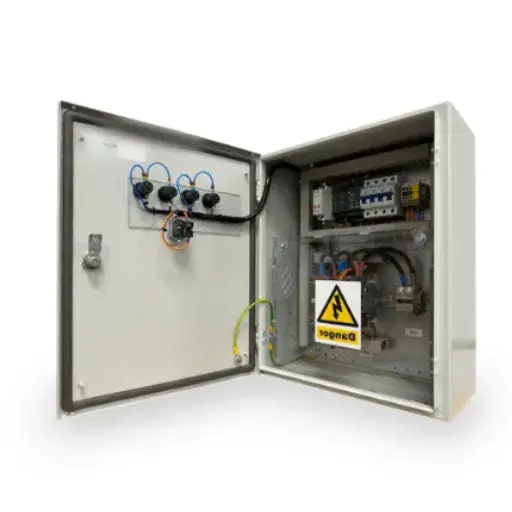
Regular Inspection and Testing Procedures
To maintain the long-term reliability and functionality of Automatic Transfer Switches (ATS), it is necessary to establish a regular inspection and testing schedule.
⚠️ Critical Monitoring Points:
- Record main metrics: transfer time, voltage levels, current loads
- Monitor for delayed responses or incomplete transfers
- Listen for unexpected noises during operation
- Address deviations from standard operating parameters immediately
- Document all findings and corrective actions
Long-Term Maintenance Strategies
For the long-term viability of complex systems, the application of proper maintenance strategies is very important. The maintenance strategy has to be well organized and accordingly it should include both the preventive and the predictive maintenance practices.
🔄 Preventive Maintenance
Definition: Periodic inspections, cleaning, and parts replacement on a set timetable
Purpose: Lessens wear and tear that could lead to system failure
Benefits: Reduces unexpected downtime and extends equipment life
📊 Predictive Maintenance
Definition: Uses advanced diagnostics and monitoring to forecast component failures
Purpose: Allows timely interventions before problems occur
Benefits: Virtually eliminates waste of time and operational inefficiencies
🚀 Technology-Enabled Maintenance:
- IoT Devices: Real-time monitoring of temperature, pressure, and energy consumption
- Machine Learning Algorithms: Process sensor data to provide insights and predictions
- Early Problem Detection: Spot signs of issues before they become major problems
- Proactive Culture: Reduces reliance on reactive maintenance approaches
👥 Workforce Development Essentials:
- Periodic Training: Keep technicians and engineers updated on new technologies
- Compliance Standards: Ensure awareness of current regulatory requirements
- Safety Practices: Regular refreshers on workplace safety protocols
- Documentation: Maintain accurate records of all maintenance actions
- Knowledge Transfer: Ensure continuity without disruption to teams
📚 References
- Automatic Transfer Switch (ATS) Using Programmable Logic – AAST
This document discusses the design and functionality of automatic transfer switches, including their fast switching response. - Electrical Standard Specifications – University of Washington
A detailed specification document outlining the requirements and standards for automatic transfer switches in electrical systems. - Automatic Transfer Switch (ATS) Testing – Ohio State University
This source explains the purpose and testing procedures for automatic transfer switches, focusing on their role in switching power sources. - Click here to read more.
Frequently Asked Questions (FAQ)
❓ What is an automatic transfer switch and how does it work?
An automatic transfer switch (ATS) is an electrical device responsible for instantly switching a building’s load from a power outlet to a generator during a power failure and vice versa when the utility power is restored. The ATS automatically does this by monitoring the power sources using a controller, separating the sources so there is no backfeeding taking place, and performing a break-before-make or a make-before-break transfer based on the design (open transition or closed transition) so that critical loads receive either emergency power or standby power with very little disruption.
❓ When should I choose an automatic transfer switch versus a manual transfer switch?
Pick an automatic transfer switch if you want a seamless supply of power in case of outages for crucial loads in a home or business since an ATS takes care of everything by itself and without the need for anyone to intervene. There are manual and automatic options; a manual transfer needs an operator and is thus ideal for a portable generator or if only infrequent use is planned. Generally, ATS switches are employed with standby generators and breaker panels capable of supporting both automated and human-powered controls for smooth power returns.
❓ Can an ATS work with portable generators or only standby units?
An ATS can be used with a portable generator in certain configurations, however, it is more often used in connection with standby or emergency power systems which include automatic generator start-up, hence, the generator will be activated when needed. Although, with portable generators, extra accessories and/or manual transfer processes are often required. To guarantee safe operation and prevent backfeeding into the utility, utilize a suitable transfer switch and make certain that the settings for the generator source and breaker panel are accurate.
❓ What is the difference between open transition (break-before-make) and closed transition (make-before-break)?
Open transition, which is also known as break-before-make, when transferring disconnects the load for a short period from both the utility and the generator, the occurrence of this transfer is typically for most ATS switches. Closed transition, or make-before-break, creates a short circuit between the two sources thus providing a seamless transition. The timing of the interruption for critical circuits is determined by the choice of the ATS design that can either parallel sources without risking feeding back or causing instability.
❓ How does an ATS protect against backfeeding and ensure safe isolation?
An automatic transfer switch at first isolates the utility power from the generator power with internal contacts and then usually provides a dedicated breaker or disconnect switch to block backfeeding. The ATS controller then manages the sequence of events where the generator is brought on-line, the generator is connected to the load center, and the current from the load center into the utility is blocked. Thereby, proper installation with circuit breaker coordination and adhering to codes ensures the utility workers and equipment are safe.
❓ Do I need to modify my electrical panel or breaker panel to install an ATS?
The installation of an ATS could involve modifications to the existing electrical panel or breaker panel, such as having a dedicated breaker, sub-feed, or load curtailment systems installed to prioritize the non-negotiable loads. The ATS will take care of the transfer of the designated critical circuits, and may thus rearrange the electrical power distribution or make use of an external load center to include only those circuits meant for generator power while keeping the rest on utility power.
❓ What happens when utility power is restored—does the ATS switch back automatically?
Indeed, when the utility power is restored the ATS automatically disconnects the load from the generator and connects it to the utility; this happens after the controller has sensed that the utility power is back and stable. To ensure the safe return of power, the ATS follows a programmed delay or synchronization routine, disconnects the generator, and returns the system to normal operation while at the same time preventing any back feed to utility and allowing the generator to cool down or shutdown properly.
❓ What additional accessories or maintenance should I consider for ATS systems?
Think of remote controls, load sheds, communication modules, and generator controllers for advanced monitoring as the accessories that you should consider for the ATS systems. Regular maintenance includes running the generator, testing ATS transfers, checking circuit breakers, and making sure that the ATS contacts are clean and working. Well-known brands like Generac provide complete solutions and accessories to efficiently control building load, critical loads, and emergency power requirements.
Final Thoughts
Establishing a strong maintenance ecosystem that can serve both traditional systems and emerging innovations is only possible through the integration of regular practices, modern technology, and ongoing workforce development. By following the guidelines and best practices outlined in this comprehensive guide, you can ensure your ATS installation delivers reliable, safe, and efficient power management for years to come.