
Proper generator operation places special emphasis on regulated voltage, and the Automatic Voltage Regulators (AVRs) solve this particular issue. The regulation of voltage influences greatly how efficient the industrial equipment is, the reliability of power in critical situations, or even the simple use of a generator at home. This paper discusses the basic concept of an Automatic Voltage Regulator, its function illustrating the concrete steps for maintaining a constant voltage level of a generator. Knowing the principles and benefits of an AVR enables one to make sound judgements regarding the selection, operation and even the repair process of a generator.
Introduction to Voltage Regulation
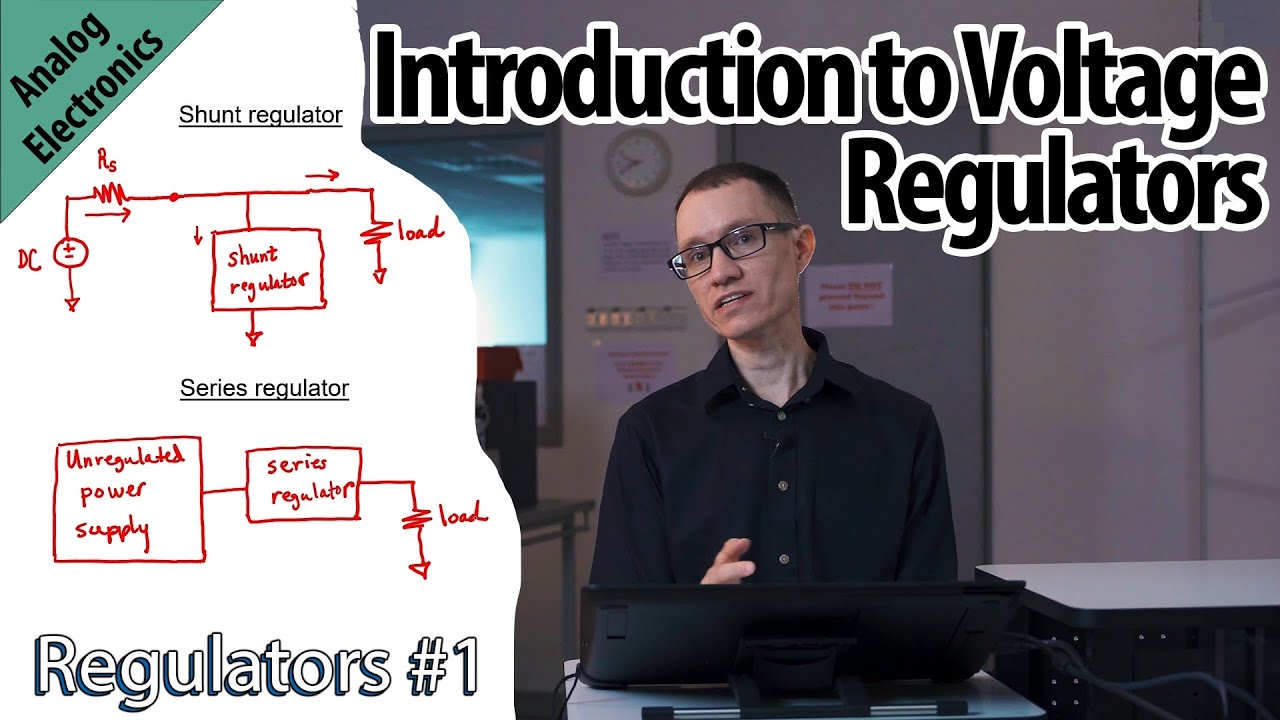
What is Voltage Regulation?
The regulation of voltage refers to the activity of keeping a constant voltage wise in the electrical network despite changes in load or the supplied power. It makes sure that the electrical devices are not under or over voltage which might reduce their efficiency or safety in usage. Very important as this helps to avoid the range of levels that may destroy the equipment; for instance, within some duration the equipment may be either functional or may spoil depending on both high and low voltage magnitudes.
An automatic voltage regulator (AVR) is a device that is widely used to provide voltage regulation in generators and other similar systems. It performs its function by controlling the excitation of the generator, which can be increased or decreased depending on the level of voltage changes in the system. Using this technique, it is possible to keep the output voltage within a specified range in the dynamic mode during all the changes in demand or outflow i.e. transmission into the system’s input.
Residential and industrial electrical systems require constant voltage levels to operate efficiently. Voltage regulation is used to protect voltage sensitive equipment or reduce energy wastage and improve reliability of the whole network. Therefore, when the voltage is kept stable, voltage regulation is very important in increasing the life of the respective equipment and the avoiding of any unexpected downtime.
Importance of Voltage Regulation in Power Systems
Voltage regulation is significant in ensuring power systems operate effectively and efficiently. A lack of regulation allows voltages to waiver, which creates equipment failures, inefficient use of energy, and in very extreme cases, total system breakdown. Within home use, it may give rise to difficulties in utilization of certain equipment while within a factory it may fail production processes and cause damage to expensive machines.
Adequate levels of reliability guarantee that any device which is hooked up to the grid operates within its limits. This also helps minimize the wear and tear of wearable items, such as motors-circuit boards and transformers, by avoiding undue strain on components in case of overheating. Moreover, exact regulation also prevents energy losses as voltage levels are maintained in the ideal range which is crucial especially when it comes to large power distribution grids as wastes tend to escalate very fast.
Furthermore, maintaining optimal voltage levels increases the effective usage of the power supply. With a steady balance in voltage, it reduces sudden failures that would affect industries such as medical, servers, railways, aviation, etc. When installed, voltage regulation controls the damage that can be incurred by power disturbances, thus also safeguarding critical components of the infrastructure that are prone to short service span, impose low costs of maintenance, and assure the reliability of the whole electric system.
Overview of Automatic Voltage Regulation
Constant control over the output voltage level in electrical networks and devices is a function of automatic voltage regulation (AVR). In this model, control loops including feedback and the direction of control take place to ensure that when the voltage goes to uncomfortable levels, it is automatically reduced to levels that are compliant. The automatic voltage regulator helps proof the load against the degree of variation in the output voltage caused by any change in the load or the input conditions and ensures the equipment in the system is supplied.
An automatic voltage regulator system generally comprises a voltage pickup module, possibly some regulators, and a power point as regulator which is typically either a transformer, SEIG or diesel driven alternator. The role of the voltage pickup module is to monitor branding engineer the regulated voltage in the system. Whenever there is any change (rise or fall) in the regulated voltage, above the specified range, it is the duty of the controlling unit to start the regulation equipment that results in either an up or down regulation action thus normalizing the voltage. This dynamic correction intervention is the one that enables the system to operate without any hiccups in terms of stabilization and performance in converts.
Installing and using an automatic voltage regulator in electrical systems helps prevent certain dangers raised by unstable voltages, such as destruction of equipment, system downtime, data loss among others. AVR technology has applications in different areas, such as manufacturing, telecommunications, and energy distribution, where consistent power is required at all times. It safe guards the systems in place and increases the operators’ productivity while promoting efficiency in system design and enhancement of the stability of critical infrastructure in the long run.
Understanding Automatic Voltage Regulators (AVR)
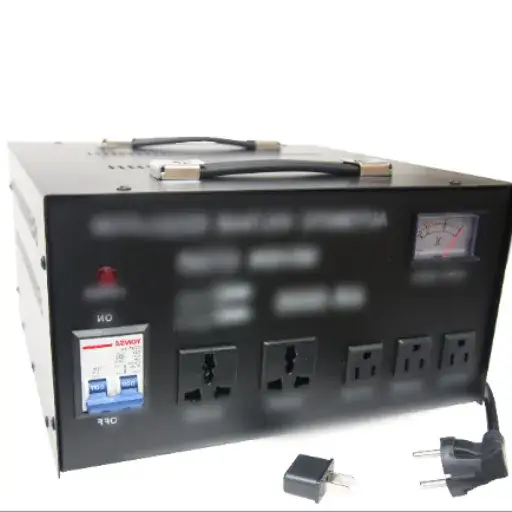
Definition and Functionality of AVR
Well, an automatic voltage regulator is equally deemed necessary as a safety and operational mechanism. This is because the device is connected to the variations and dynamics of the voltage in the environment when appropriate so as to deliver on the target and enhance the performance of electrical systems or equipment. This is possible as AVRs operate along electrical parameters of systems and devices that are in use. A voltmeter; a transformer, control circuits and all these components allow the AVR to operate in detail so as to be able to measure the change in voltage which can then be either increased or decreased.
The new generation of automatic voltage regulator leans on sophisticated microcontrollers designs to improve the operating speed and the precision and the efficiency of use of the device as this is for the machines that operate under extreme changes of load or use an interrupted power supply. This works by monitoring the voltage as it passes through and averaging it to a set range, when it is not in the specified range; actions are taken to bring the voltage back to its normal range nearly immediately. For this reason, it is capable of offering excellent protection against day to day electrical problems such as surges or brownouts.
Over the years, the use of AVR technology has noticeably advanced to include additional features like digital monitoring, remote monitoring, and cooperation with renewable energy sources that include solar and wind power. Such changes are not only aimed at increasing accuracy but also in line with modern trends which aim at sustainability and energy efficiency. As a result, the automatic voltage regulator is an essential piece of the puzzle in industries where power and production cannot be compromised.
Types of Automatic Voltage Regulators
Analogous to several other infrastructure solutions, automatic voltage regulators also can be of various types depending on the underlying design, the utility and operation. The most commonly employed AVRs in various industries include the following:
- Electromechanical Voltage Regulators (EMVRs): Such devices are equipped with mechanical structures and are based on electromagnetic principles for voltage regulation. They are commonly used where the voltage control is required and can be executed simply and with high endurance. Unfortunately, due to the mechanical interrelations they also have a number of weaknesses. Their principal disadvantages include slow operational dynamics and enhanced wear of the mechanical parts over time.
- Static Voltage Regulators (SVRs): The SVRs achieve the control of the voltage or electricity with the help of an electronic, solid-state device like a thyristor or an SCR. This system is popular because it is accurate, reacts faster, and requires little to no maintenance unlike mechanical ones. This is why stationary voltage regulators are recommended for applications that guarantee efficiency in unstable surroundings.
- Servo Voltage Regulators: Motorized regulators also alter the voltage at the terminals of a transformer, but SVC comprises a servo motor which modifies as needed the transformer taps which in turn adjusts the regulation of the voltage. They are most desirable when the situation demands a high level of tolerance and control over voltage fluctuations. This is because they come with an excellent precision and durability and are therefore seen to be the most common type of automatic voltage regulator in sectors such as health care equipment, computer numeric control equipment and data centers.
- Automatic tap change transformer: These regulators transform through transformers and utilize tap selection to adjust the output voltage. They are able to withstand very high load currents and are primarily used in high power industries, such as power distribution networks, industries and more. Depending on the type, tap changers may be off-load manual, on-load automatic or on-load continuous which allows the transformer to operate without the need to shutdown to take out the taps.
- Ferroresonant Voltage Regulation: These devices, which can be regarded as constant voltage transformers, operate on magnetic saturation and resonance. Achievements include, but are not limited to, extremely steady voltage, outstanding noise insusceptibility, and inherent suppression of surge voltages. As such, these characteristics make them very useful in areas where power variations are not tolγerated, for example telecoms and medical equipment.
- Aggravated Voltage Regulation: Structured around features taken from different types of devices, hybrid systems combines enhanced control functions, central processing units, resistant elements. Those automatic voltage regulator are useful in coping with dynamic loading and balancing performance on any situations where high performance was required but exact accuracy was also needed.
Choosing the right automatic voltage regulator is very difficult as the success of the systems in terms of sustainability, functionality, and durability for electrical or electronic devices is often defined by the regulation system. Aspects like the nature of the load; the surrounding conditions or the application at hand all have to be considered carefully in order to decide the regulator type.
Components of an AVR System
Every Automatic Voltage Regulator (AVR) consists of basic elements which are an integral part of any AVR implementations. These components include:
- Voltage Measurement Device: The voltage measuring device is used to measure the output voltage of the system. It is based on the idea of sensing any deviation in the actual output voltage from a given setting point and transmitted this information for corrective action.
- Voltage Control System: It receives input voltages from the measuring mechanism and makes a control decision on the amount of adjustment necessary to keep the voltage constant. It applies control algorithms and/or operates with standards delivering the right corrections every given moment.
- Volt Reference: The voltage reference ensures the output voltage of the respective system conforms to the demanded figure. In practice, it usually consists of a gain device such as a zener diode or IC based components, which serve the purposes of power supply stabilization.
- Amplification of the Power: This stage adjusts the amplitude of the control voltage signal and the excitation current of the generator or transformer is regulated on such basis. High power transistors or thyristors, and occasionally MOSFETs, can successfully undertake this task.
- An Exciter System: The exciter provides the main energy needed to control the output of the main alternator. As a rule, it consists of a reserve generator or self-excited winding, which supplies the excitation current thus relating to a achieving magnetic flux density.
- Path of Return of The System: An automatic voltage regulator works in such a way that it not only regulates the voltage but also compares the reference voltage to the measured output voltage thus creating a feedback. The result is a closed loop system which can respond to the stimuli of such factors as load or input parameter changes.
- Protection Units: Protection elements are a safety aspect which include overvoltage protection, protection against low voltages and temperature monitoring so that the system does not run away and surge to compelete failure or worse as in some cases the equipment connected to the system does get damaged under some operating conditions.
The AVR eliminates variations of the external voltage by working with all the components introduced into one common system. The automatic regulating measures not only increases the time life and functionality of the electrical equipment, but also will lead to a reduction of the entire system. The inclusion of digital microcontrollers into recent designs of AVR is becoming more evident in view of the fact that it offers enhanced control and diagnosis of the regulating device.
Applications of Automatic Voltage Regulators
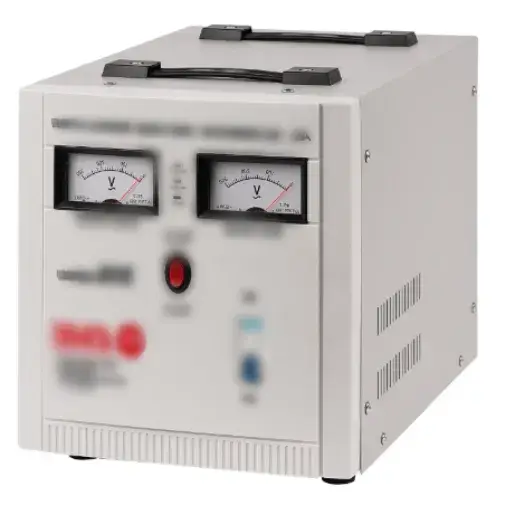
Use of AVR in AC and DC Voltage Systems
An automatic voltage regulator (AVR) is signifcant for most alternating current (AC) and direct current (DC) devices which is very common in both the domestic and commercial circuits. This is achieved by maintaining an appropriate level of voltage and power supplied in view of possible input spikes and falls as well as load fluctuations. AVRs have several applications in both alternating current (AC) systems and direct current (DC) systems as outlined below:
- Generating Sets: AVRs are always used in the generating sets especially the alternators or the generators where Exciation Stator current to the Field Winding of the Generator is the controlling factor in keeping Generator Terminal voltage constant under different loads conditions. Universal power stations, for instance, must keep the voltage deviation at about ±1.0% of the nominal levels to improve the stability and efficiency of power generation.
- Machinery Used in Industries: Many commercial motor machines employ AVRs because of their fucntion to correct the unwanted voltage harmful to electronics especially, those using either AC or DC drives. For instance, Direct Current Drive machine uses automatic voltage regulator fitted motors that helps maintain a certain level efficiency even with change in the speed due to the load condition.
- Uninterruptible Power Supply System: As a result of power cuts and surges, AVRs are housed inside UPS for the enablement of maintenance power regulation. This is especially important in such devices, as data centers, and telecommunication systems, among others, that would cause major inconvenience if small variations of voltage were to be experienced.
- Air conditioning units: Heaters, ventilation, and air-conditioners all use AVRs to help prolong the usage of the compression and motors due to maintenance of the voltage level supplied to these appliances. Due to that, the HVAC systems become more energy efficient as the voltage remains steady during operations.
- Systems Based on Non fossil Fuel Energy production: AVRs are being implemented on a large scale for generations in renewable energies such as solar and wind systems. They control voltage from the inverters and prevent voltage drops or surges caused by variations in the renewable energy inputs. This ensures that the systems are within the grid standards, while focusing more on dispatching energy.
Such uses illustrate how useful they can be when an automatic voltage regulator is used in a wide range of electric and electronic system applications to varying degrees of performance means, includes energy and equipment.
AVR in Single Phase vs. Three-Phase Generators
AVRs in single-phase generators regulate one alternating current phase, while in three-phase generators, they manage three separate phases for higher power and efficiency.
|
Key Point |
Single-Phase |
Three-Phase |
|---|---|---|
|
Phases |
1 Phase |
3 Phases |
|
Power |
Lower |
Higher |
|
Efficiency |
Moderate |
High |
|
Usage |
Small Loads |
Large Loads |
|
Cost |
Lower |
Higher |
Practical Examples of AVR in Electric Motors and Transformers
An automatic voltage regulator or AVR, is very essential in any electrical machine or transformer to avoid voltage fluctuations when the output load changes.
- Electric Motors: It is used in many applications such as synchronous motors to stabilize excitation field. This regulation ensures that the torque is held constant to avoid variations which might cause hysteresis losses or mechanical instability hence, inefficiency of the motor. For instance in manufacturing where electric motors rotate heavy equipment, an automatic voltage regulator prevents occurrences of low voltage due to abrupt load variations, which optimizes efficiency and cuts down components’ tear and wear.
- Transformers: Concerning power transformers, an automatic voltage regulator controls the output voltage to compensate for any deviation caused by variations in the load demand or supply to the transformer. This mechanism is absolutely essential in case of electrical networks where power transformers supply power to a variety of loadings of residential, commercial or industrial nature. Consequently, once the voltage values are brought down to reasonable levels, energy wastage is prevented and longevity of the transformers is extended by reducing overheating and relieving stress on the insulating materials.
The above uses of AVRs explain their very significant role in promoting and preserving the reliability, effectiveness and safety of vital electrical circuitries. Owing to such real-time monitoring and control features of AVRs, electrical engineers are able to strengthen and even out the electrical system in different ways.
Benefits of Using an AVR
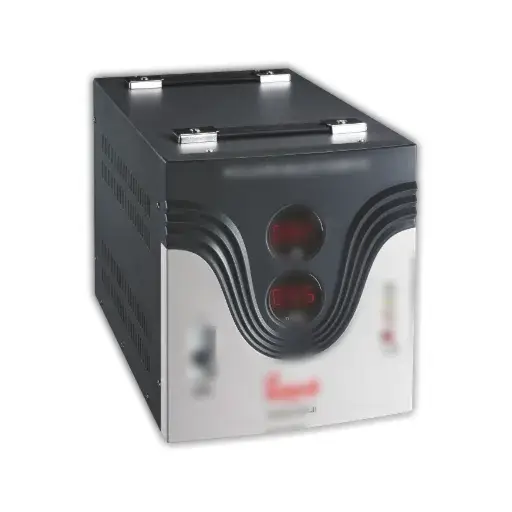
Enhanced Voltage Stability and Performance
An automatic voltage regulator, also known as the AVR, is a price-invariable device that assists in the stabilization of the power generated by the mains voltage. The appeals of an automatic voltage regulator straddle protection against low voltage conditions, sharp power voltages and electrical device power disturbances. The discussion below provides five factors with respect to the contribution of the device in the enhancement of voltage regulation and performance.
- Less Equipment Downtime: The operation of AVRs aids in reducing undervoltage conditions and momentary overvoltage conditions that cause operational issues. Moreover, the equipment is kept in use for longer with fewer breakdowns.
- Based on Greenhouse Gases Reduction: In the view of removing any distortion to the voltage output, AVRs also remove spikes, drop-outs, and any other noises within the signal. As such, power supplied to equipment that responds quickly to electrical response such as diagnostic equipment used in hospitals or machines used in manufacture is of the right quality. This thus enables the equipment to operate efficiently and precisely.
- Efficiency of Energy Resources Improved: An improved efficiency of high priors of the voltage means that the energy consumed remains low. The supply voltage in the latter case is subject to Figure out as the resistance in the plant reduces (R>0). Providing a constant healthy voltage has the merit that these systems consume less power usage whilst making sure that excessive usage is not incurred. All this helps to cut costs and improves the sustainability aspect as well.
- Protection from surges in external voltage: The household or industrial machinery will get protected from these spikes caused by the avrs when changes in voltage are very rapid due to lighting, power cut and heavy load switching. Such protections diminish the chances of hazardous breakage and keep the systems working without interference.
- Modifications of demand to supply: Such an automatic voltage regulator includes features as advanced as load equalization and auto-tuning, which is very beneficial. This provides assurance that the voltage will not fluctuate much outside the given specifications even when the load is varying in real time thereby the operations are carried out without any hitches.
All these benefit the well designed and executed AVRS for a reliable voltage control of devised equipment for a general purpose use in electrical systems.
Protection Against Voltage Surges and Fluctuations
Surges and dips in the power supply are the most prevalent problems in electrical networks because they occur either as a result of external influences such as lightning, power blackout or other look at check-ins internal such as changes in loads. The introduction of automatic voltage stabilizers (AVRs) offers an effective solution to the problem, protecting expensive electrical equipment from being damaged, operating trouble or loss of functionality. Let us, therefore, explore five clear advantages and functions of the AVRs that help preventing systems from waves and fluctuations of voltages.
- Surge Prohibited: Many AVRs are designed to limit the voltage traces additional transients such as lightning. They achieve this by providing an immediate action mechanism which stops the excess voltage from entering the appliances and thus protects the appliances from being destroyed. Research shows that the existences of AVRs reduce the peak voltage within a period of micro-seconds to a percentage of 120% of the rated value (wo beyond),
- Voltage Balance: The automatic voltage regulators keep the voltage in a very restricted and steady range, irrespective of whether there is a change due to the nature of load. They ensure that all the equipment receiving power remains stable within its operations, and therefore, precludes the damage that may be caused by fluctuations within the current delivered in devices, for example, a voltage controllable automatic voltage regulator supports the range of input voltages between 180V and 260V and a designed output of a fixed 220V ± 5%.
- Recovery from Overload: A number of these devices will automatically recover from an overload without cutting the power delivered to the end user. They have a way of getting around these fluctuation problems through overload voltage compensation. The solutions provide consistent operation of the system over a range of operating conditions.
- Reduction in Equipment Downtime: Constant surges in current and voltage flow can cause devices to overheat, embrace very fast wear and tear, or cease working utterly. This happens because automatic voltage regulators (AVRs) are capable of producing a steady voltage output which reduces the wear and tear of different components of machinery, thus facilitating its maintenance and long term operation. External and verified data indicates that backups with AVRs decrease downtime by 30 to 40 percent.
- Protection against Brownouts: Under certain circumstances known as brownout, where partial outages of power are experienced, AVRs correct and support to raise this system to a minimum condition voltage. Areas, where special electric equipment like computers and machines in hospitals, are used, can benefit greatly from the use of AVRs to control the power supply. With automatic boost function, contemporary AVRs can sustain even 40% voltage drops from the nominal with proper output.
All these safeguard mechanisms highlight the importance of the role played by AVRs in protecting electrical plants, ensuring retentive operations, and averting breakdowns which could be disastrous at domestic, and even at the industrial level.
Improved Efficiency in Power Supply Systems
Individuals may perceive a row of devices and components, which, when put together, create an ideal circuitry, however, proper functioning of the entire system depends on each individual component. Tuning provides ample possibility to consider all the likely disturbances that can affect the circuit and hence it assigns additional power to maintain the rated voltage such that the energy flow is optimum as well as energy efficiency is high. This article is intended to cover in some detail the following aspects and benefits of using the voltage stabilizers:
- Enhancement of Management Potential: The primary role of AVRs is to manage the voltage levels ensuring the restraint of power supply leg crating. A voltage system that operates stably helps to maximize the system operation, thereby decreasing power consumption and improving equipment longevity.
- Control Overs de components of the Cost of Electric Power: Passive search optimized ARVs with constant voltage transform the internal and external power dissipations without cause. Consider the example of simmer dish units. Units are operated by sine single electrical power supply and can be subjected to sine electrical power disturbances, causing up to 10% loss of energy, which is counteracted with the use of ARV.
- Supplying Power to Devices Frozen in Limbo: AVRs do the job of maintaining the quality and reliability of power supply systems, including the interruptions due to electrical instability. This function becomes highly useful in an industrial setting where good power reduces downtimes of production lines by 15% energy management studies have shown.
- Sensitive Equipment Protection: Sensitive loads and electronics such as communication devices and medical equipment are designed to operate at specific voltages only. The use of AVRs does not only spare such equipment from being damaged but it also increases the mean time before failure thereby lowering the replacement or repair costs by 20% to 30%.
- Energy Efficiency for Renewable Power Regulators: AVRs are employed in system control, when renewables such as solar panels or wind turbines is incorporated, to control the disruptions that will be discussed later. The automatic voltage regulator allows for gentle disconnection to avoid the waste of energy input to the renewable energy from the utility supply where a load is stabilized.
Such increases emphasize the separability of such a device’s functions most importantly at the present state of affairs concerning power supply infrastructure, thereby proving the necessity of such a device for different purposes without any exception- automatic voltage regulator.
Future Trends in Voltage Regulation Technology
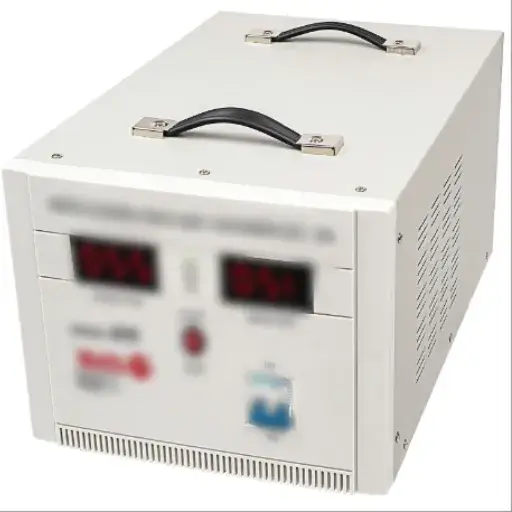
Advancements in AVR Technology
The automatic voltage regulator’s functionality enhancement has been facilitated by sophisticated electronics and digital Technology. The contemporary AVR[s] can moderately be considered a digital device in the sense that it allows the controller to be flexible and adjust voltage even as the size of the unit remains maximally compact. Coupling algorithms with AI enables the AVR[(s)] to dynamically adjust itself according to varying categories of loads to ensure proper delivery of output even though the conditions under which it is operated vary. Still another development in this area of service enhancement is remote operation of equipment (too often referred to as IoT) which allows smart data utilization for effective monitoring and performance of machinery, reducing the inactive or idle time to an insignificant level.
Apart from that, the new evolution of wide-bandgap semiconductor materials like silicon carbide (SiC) and gallium nitride (GaN) helps to enhance the performance of the AVRs in terms of efficiency and heat dissipation. These materials provide for higher switching frequencies and also limit energy losses, making AVRs more suitable for high demand applications as in renewable energy system and industrial equipment. Together with modular approaches, these technologies enable easy expansion, making installations in all sorts of grids possible.
Another major wave goes beyond everything, however – the defensive AI hypothesis, in which every day’s efficiency optimization no longer blazes a trial, but rather allows for advance time forecasting of demands and supply needs. AI based AVRs do not only accomplish better energy efficiency and lower unnecessary consumption by altering to the fizembrangement environment and operation automatically, but more importantly they achieve these tasks without altering the environment or operations. Rule of thumb, all of these changes point at regulation and control voltage stimulation development rather than reduction.
Integration of Smart Technology in Voltage Regulation
By incorporating smart sensors into an automatic voltage regulator cadre, the strength of the latter in dealing with electric problem conditions in real time is augmented. Such sensors provide constant data on load changes, voltage level stability, and changes in ambient temperature among other factors necessary for efficient performance. The data gathered, being highly analytic, is applied to the management of these systems through advanced techniques which allow anomaly detection and troubleshooting before the faults cover the whole structure.
Furthermore, a smart automatic voltage regulation system with connected systems through edge computing and Internet of Things (IoT) interoperability processes information at the source moving data collection records and analyses around an apparatus. Smart automatic regulator systems can also connect with other systems through grid-level networks to provide fully interactive power regulation, which shapes power balance. Such networks, for example, can achieve even load distribution at peak times, thus reducing chances of blackouts shedding and improving overall energy supply reliability.
Moreover, smart voltage regulation devices resort to sensors, forecasting mechanisms, and controls and go to a different level of technological development of electrical grids. This development is borne out of the fact that many industries require energy which is a more stable but adaptable and flexible systems of power delivery.
Potential Developments in Voltage Regulators
In the realm of automatic voltage regulator technology, greater efforts are also being undertaken towards the incorporation of AI and ML in order to achieve higher levels of performance and agility. AI based solutions can be used as a functional support to big data analytics and decision support systems to anticipate load changes, climate factors and transmission systems. Consequently, voltage controllers will recognize the instability and make the necessary corrections way before it even transcends into a problem and affects the functioning of a system, thereby cutting excessive disruptions and stabilizing the power systems.
Another areas that requires critical advancement is shrinking the parts of the automatic voltage regulator while maintaining that power capacity is increased. Progress in next generation semiconductor technologies such as GaN (gallium nitride) and SiC (silicon carbide) enable the design of higher frequency regulators with lower power losses. Not only do these devices provide an improvement in efficiency, they also allow the creation of very compact, light-weight devices suited to the modern day age of electric motors in vehicles, renewable energies, etc.
Moreover, the emergence of the Internet of Things (IoT) is turning voltage regulators into smart wireless devices. Internet-enabled regulators collect and send information to, and allow external control by, other systems which are connected. Such… integration enables effective management of the work of changing and centralised or decentralised systems where energy is produced, traditional or renewable.
In the final analysis, the development of voltage regulators gives significant emphasis on integration of renewables since more and more penetration of solar and wind comes with the need for more flexible and advanced equipment for the management of unsteady supplies. Voltage regulators capable of being installed on resilient grids are particularly important for balancing the generation, consumption and even bi-directional flow of power with the distribution of energy resources. Smart power regulation technologies continue to evolve with enhanced efficiency in power administration.
References
-
(PDF) Automatic Voltage Regulator – Academia.edu
Highlights the use of AVRs for voltage stabilization and regulation. -
Impact Analysis of False Data Injection Attacks on AVRs – FIU
Analyzes the critical role of AVRs in maintaining generator stability and reliability. - Click here to read more.
Frequently Asked Questions (FAQ)
Q: What is automatic voltage regulator and how it control voltage?
A: An automatic voltage regulator known as AVR, is a voltage control electronic device which senses the ac voltage of the source or the generator sets and provides the voltage by transforming the voltage level that will be finally supplied at the load. It is capable of using alternator excitation or battery voltage to adjust the voltage, generator output, and level of voltage supplied irrespective of controlled mains supply and load voltage.
Q: How does AVR relate to generator sets and power generators?
A: Power generators are connected to these AVRs via electronic means that detect such fluctuations of the generator’s ac voltage and rectify it either by varying excitation or through a control generator which is often a variable impedance or a variable transformer. This ensures that the standby and portable generators do not begin to oscillate or cause other reactive problems which would otherwise ruin equipment due to excessive variations in applications.
Q: Is it possible for an automatic voltage regulator to support both variable load and reactive load?
A: Well, with an adequate sizing, the AVR will handle both variable and reactive loads by counteracting the associated inductance and voltage loss down the line, making it possible for the output voltage to remain at the intended level, perhaps 120V. It is possible to suggest that AVR’s decrease the incidence of unnecessary trips but one has to recognize that breakers, isolators and other protective schemes may be necessary to safeguard the systems from faults and overheating.
Q: Is an AVR equivalent to a power conditioner or is there provision for bypass in the system?
A: An AVR is a certain type of power conditioner that focuses on rectifying voltage levels. Certain installations may integrate the functionality of an AVR into an extensive power conditioning design (like suppression of surges as well as the filtering). A lot of designs have a bypass enabled or manual bypass provision in order to let the power supply come to the equipment without the AVR unit, either during maintenance or due to malfunction, and yet the main power can be connected.
Q: Why should AVRs be used in regards to electronics and especially LED displays?
A: The voltage supply to the system is usually controlled by the use of an AVR to avoid unnecessary interruptions and also to maximize protection of electronic components such as led and embedded controllers / displays. As a result of eliminating the variations in the load voltage as well as shunting the reactive power, the working life of the equipment is prolonged, there is no flickering, and the voltage delivered to the displays or the control system is as desired and there will be no fluctuations even if any portable or standby generators are used.
Q: What is the effect of overheating and resonance and how do these problems affect the function of the device?
A: Excessive heat and oscillations will damage the components of AVRs and result in erratic voltage regulation. The use of advanced technology devices helps prevent these setbacks because for example the automatic voltage regulator is fitted with a temperature cut out, the output is fitted with a heat sink and control strategies are used to attenuate the resulting oscillations and maintain the output. Good ventilation, correct load sizing and minimizing excessive reactive load reduce the thermal and oscillation stress.
Q: Can AVRs also function in systems equipped with battery backups and be used to regulate the voltage of the battery?
A: AVRs primarily control ac voltage; however, they are embedded in devices which include charging systems and voltage inversion systems in order to control the voltage of batteries. Thus, the ac power or the generators are controlled by the AVR in these systems while the charging mechanisms do the battery voltage independently and ensure battery readings load to standby when required.
Q: What are the parameters that should be considered while choosing an AVR for 120V system?
A: For a 120V system, select an automatic voltage regulator that is rated for the load and peak power of the power source or generator sets, whichever is larger. Essential parameters include the range of voltage, the ability to maintain the rated voltage, frequency of foundation due to transient steps, reactive load, isolation, thermal properties, and adjustable voltage setpoints, led display monitors, and bypass provision, if available.
Q: What role does impedance, inductance and isolation play in the choice of automatic voltage regulator in an industrial environment?
A: Variations in load or source impedances and inductance are behind voltage drop, besides the reactive power, choose automatic voltage regulator which account for it. Proper Isolation will secure delicate electronics against any interferences and spikes. In the case of an industry setup, automatic voltage regulator that can deal with high inrush currents from a large number of motors and power supplies should be employed. Having voltage control within a definable range as well as effective cooling systems should be incorporated into the design for easy operation in hard conditions.