
Homeowners need diesel electric generators because these machines provide dependable power protection during electricity outages. Power interruptions which occur from extreme weather and infrastructure failures and unforeseen emergencies create major disruptions to daily life. This guide explains how diesel standby generators function as reliable backup power sources for residential buildings. The generators provide optimal performance for extended periods because they combine durable equipment with affordable operational costs. The article will teach you about the operation of diesel electric generators which function best in homes and how to select the appropriate equipment for your specific requirements.
Understanding Diesel Generators
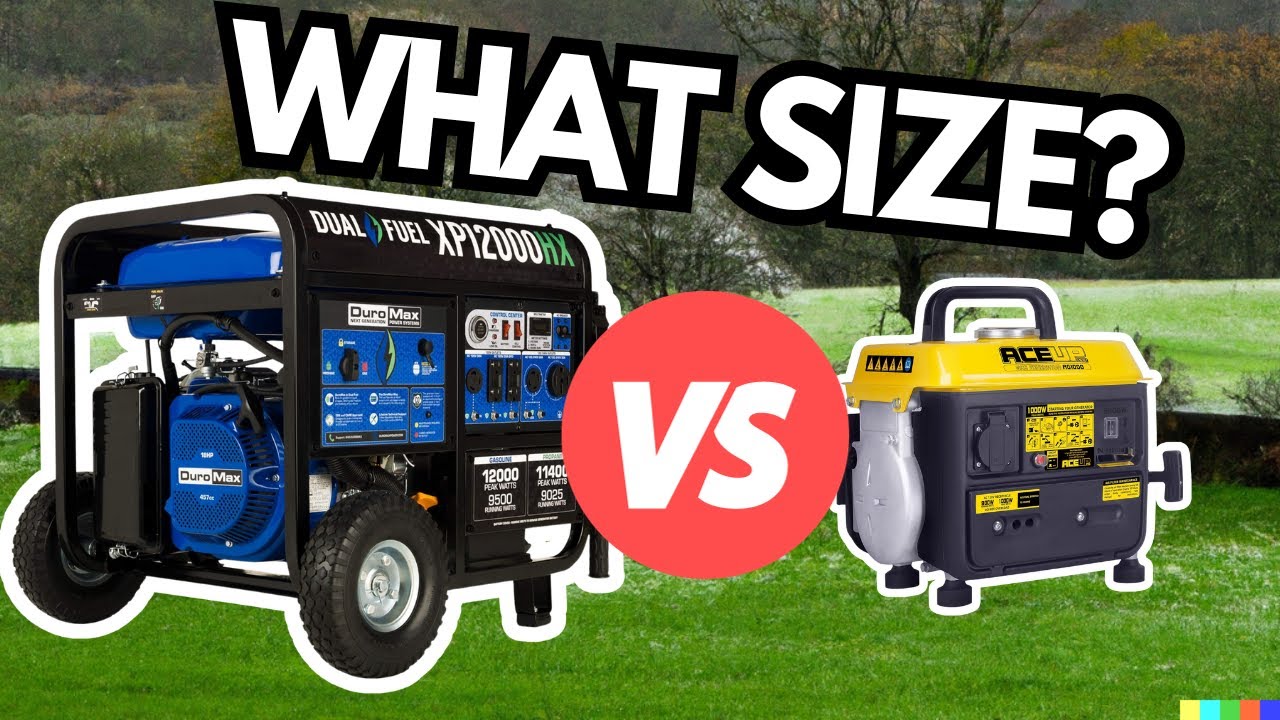
What is a Diesel Electric Generator?
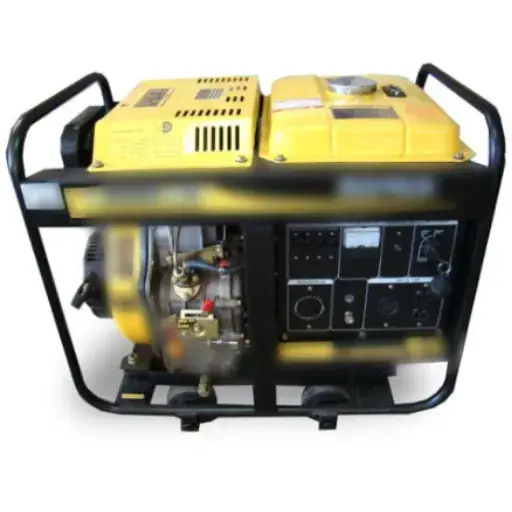
The diesel electric generator serves as a device which transforms diesel fuel into electrical energy. The device generates electricity through electromagnetic induction when a diesel engine powers its generator system. The generator system delivers dependable power which makes it suitable for home use as well as business and industrial applications.
The system consists of essential parts which include a diesel engine together with an alternator and a fuel system as well as a voltage regulator and a cooling and exhaust system. The diesel engine provides mechanical energy which the alternator changes into electrical energy. The voltage regulator maintains output voltage at a constant level with no fluctuations. Support systems prevent overheating through cooling systems while exhaust systems handle emissions in an efficient manner.
The fuel efficiency and durability of diesel electric generators make them popular among users. The system operates continuously for extended periods which makes it ideal for locations with unreliable grid power and for situations requiring portable electricity. The generators offer cost-effective operation because they use less fuel than gasoline generators thus making them suitable for home backup systems and industrial equipment used in heavy work.
How Diesel Generators Work
Diesel generators operate through a process which changes diesel fuel chemical energy into mechanical energy followed by its transformation into electrical energy. The internal combustion engine ignites diesel fuel to create high-pressure gas which starts the process. The gases expand to create pressure which drives the engine’s pistons to produce mechanical energy. The alternator receives this energy to change it into electrical power through electromagnetic induction.
The generator contains two main components which are the engine and the alternator. The engine burns diesel fuel while the alternator produces electricity through its rotation of magnetic fields around wire windings. Diesel generators use auxiliary components which include a fuel system and cooling system and exhaust system and control panel to achieve safe and effective performance. The systems control fuel supply while they handle heat and provide users with real-time performance data including voltage and frequency.
The main benefits of diesel generators include their operational efficiency and dependable performance. The system generates continuous electrical output because it operates through a straightforward mechanical method which controls power delivery to various fields. The system operates efficiently for extended periods while requiring minimal maintenance and using fuel efficiently which makes it suitable for both temporary and permanent power generation needs.
Benefits of Using Diesel Generators for Home
- Power Supply Reliability Proves Essential During Power Outages: Diesel generators deliver a constant flow of electricity which functions as backup power during electricity outages. The system operates with high efficiency because it can quickly start its processes without causing major home system disturbances. Research demonstrates that diesel engines can reach fuel efficiency levels of 40% which makes them suitable for providing home backup power.
- Economic Efficiency Through Diesel Fuel Usage: Diesel fuel provides higher energy density than other fuel options which enables generators to produce greater electricity output from each gallon of diesel fuel. The diesel service expenses decrease throughout its lifetime. Diesel generators require less fuel to operate which makes them a cost-saving option for residential users.
- Equipment Resilience Through Extended Service: Diesel generators possess construction materials which enable them to function under extreme operational conditions while maintaining operational capacity through systematic upkeep. Diesel engines experience less degradation from use because of their sturdy construction compared to gasoline engines. Diesel engines provide dependable performance to users between 20,000 and 30,000 working hours before they need major engine repairs.
- Engines Need Very Few Parts For Maintenance: Diesel engines operate without the need for spark plugs and carburetors which results in simpler maintenance tasks that require less frequent attention. The system needs regular oil changes and filter replacements which allows it to function properly with very little maintenance work.
- Optimal Performance Occurs At High Diesel Generator Load Levels: Diesel generators achieve their highest efficiency when they run at maximum capacity. The system maintains its fuel efficiency while delivering steady operational results which makes it suitable for residential spaces with numerous energy-consuming devices. The system reaches its best performance when it operates between 70% and 80% of its total capacity.
Features of a Diesel Standby Generator
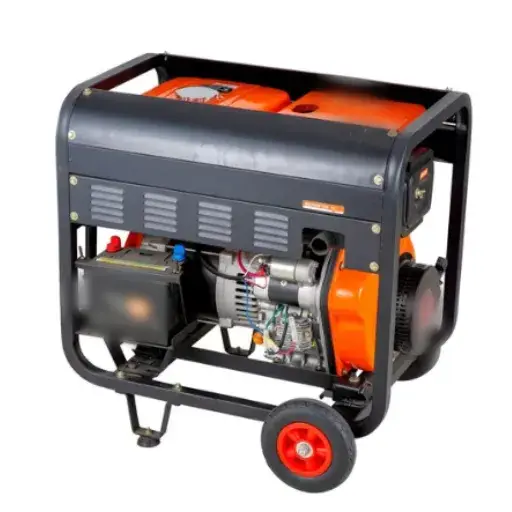
Key Components: Alternator, Controller, and Fuel Tanks
The alternator functions as an essential part which transforms mechanical power into electrical power. The alternator generates alternating current (AC) when its rotor and stator interact through electromagnetic induction. High-quality alternators use strong materials which enable them to function properly during extended periods of time. The system achieves better efficiency through its brushless designs and its improved cooling systems which decrease component wear during long operational periods.
The controller serves as the command center of the diesel standby generator. It monitors vital performance metrics such as load, voltage, frequency, and engine temperature, ensuring the system runs safely and efficiently. The current controllers provide users with digital interfaces which enable them to modify system settings while monitoring system performance in real time. The system offers automatic start and stop functions which activate during power outages to improve operational efficiency and decrease operational interruptions.
Fuel tanks for diesel generators function as safe and efficient systems which deliver continuous fuel supply to the generators. They are often constructed with corrosion-resistant materials to withstand harsh environmental conditions. The capacity of fuel tanks can vary widely, with larger tanks suitable for extended operation during prolonged outages. The system includes essential safety elements which consist of leak detection systems, overflow prevention mechanisms, and proper ventilation to avoid hazardous buildup of fumes.
Diesel standby generators depend on their strong component design and their new technological capabilities for their ability to function properly in tough operating environments. The systems of this system operate at maximum efficiency while utilizing advanced technology, which makes it a vital solution for continuous power delivery.
Importance of a Transfer Switch
The transfer switch functions as a critical element for standby generator systems because it provides uninterrupted power supply during electrical outages. The system functions as a connection point between the main power supply which usually comes from the electrical grid and the backup power system through which operators can select to either manually or automatically switch power distribution. A transfer switch functions as an essential component which enables standby generator systems to operate automatically because electrical systems require operators to handle power distribution manually without this device. Transfer switches operate as devices which track electrical supply quantities and activate their systems automatically when they detect power grid interruptions, thereby reducing system downtime and providing essential machinery with uninterrupted operational power.
Transfer switches function as automatic or manual devices according to their technical classification system. Automatic transfer switches (ATS) are commonly used in commercial and industrial settings where uninterrupted power is crucial. These units can detect voltage discrepancies or a complete loss of power supply and initiate generator startup within seconds, optimizing the system for immediate load transfer. Manual transfer switches function as basic power switching devices which need human operators to control power distribution between two different power sources at residential sites. Operational requirements of the intended use case drive the development of specialized features which each type of equipment provides to their users.
The integration of a transfer switch also enhances safety and compliance. Backfeeding power system danger which could harm utility workers and damage electrical equipment gets eliminated through circuit isolation of utility power and generator power systems. Modern transfer switches are designed to meet stringent codes and standards, such as those established by the National Electrical Code (NEC) and Underwriters Laboratories (UL). The system provides advanced functions which protect against overload conditions while enabling better system fault detection. The transfer switch system functions as a sophisticated power management tool which enhances operational performance and strengthens the entire power system protection framework.
Enclosure Options for Diesel Generators
Generator enclosures serve a dual purpose which includes safeguarding equipment and enabling safe operations throughout different weather conditions. The available enclosure types which offer various benefits for specific applications need to be selected according to their respective requirements.
- Weatherproof Enclosures: Weatherproof enclosures function as protective barriers which defend generators against harsh weather conditions that include rain and snow and wind and other elemental forces. The materials used in their construction include stainless steel and aluminum which provide protection against corrosion. The enclosures use vents and louvers to create proper airflow which ensures that engines operate at their optimal cooling capacity.
- Sound-Attenuated Enclosures: Sound-attenuated enclosures provide effective noise reduction solutions for various applications. The enclosures use noise-dampening materials together with design components which include acoustic insulation and specialized exhaust systems to achieve high sound level restrictions. The system operates effectively in urban and residential environments because it maintains operational functionality while meeting environmental standards.
- ISO Container Enclosures: ISO container enclosures function as modular solutions which enable transportation of larger diesel generators. The enclosures that meet international shipping standards deliver strong protection while enabling easy transportation of equipment to different locations. The system allows users to add extra components which include climate control systems and advanced ventilation options.
- Walk-In Enclosures: The design of walk-in enclosures serves large-scale operations and critical functions. The units permit staff to perform maintenance and inspection work at the site when weather conditions become severe. The system operates according to predefined performance standards because it includes climate control systems and insulation and lighting units.
The selection of the appropriate enclosure type must be based on factors such as location, environmental exposure, noise requirements, and specific operational demands. The organization must follow all regional regulations which include EPA emissions rules for stationary generators to achieve compliance which ensures their long-term operational security.
Installation and Maintenance Tips
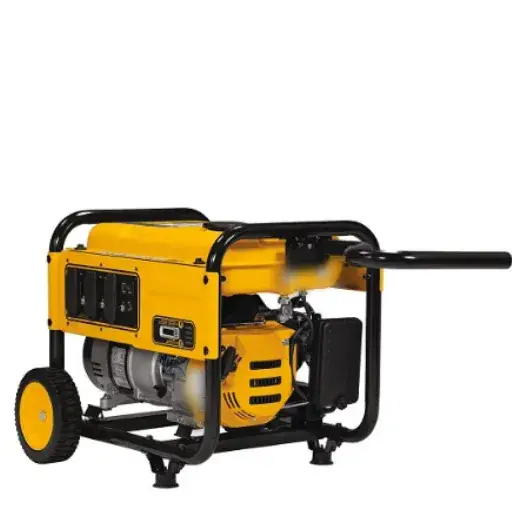
Proper Installation Practices for Diesel Standby Generators
The efficiency and safety and durability of diesel standby generators depend on proper installation which requires precise execution. The following practices address key aspects of installation to optimize performance and meet compliance standards:
- Site Preparation and Foundation Requirements: Choose an installation location which reduces the likelihood of flooding and extreme weather conditions. The generator requires a leveled concrete foundation which has reinforcement to support its weight while reducing vibration.
- Adequate Ventilation and Airflow: The installation area or enclosure must provide sufficient air movement to maintain equipment cooling and exhaust distribution. The exhaust system must follow local and national regulations to stop harmful emissions like carbon monoxide from accumulating in the area.
- Electrical Connections and Load Management: Only certified professionals should make electrical connections because they need to follow National Electrical Code (NEC) regulations. The automatic transfer switch (ATS) must be configured correctly so it can switch power during outages while maintaining load balance.
- Fuel Storage and Accessibility: The fuel tanks must be situated according to both EPA guidelines and local environmental standards. The facility requires double-walled tanks and spill containment systems to protect against leaks and contamination incidents. The system needs accessible refueling points which enable operators to refuel their equipment for continuous operation.
- Grounding and Bonding: The NFPA 70 standard requires proper grounding methods which protect operators from electrical faults. The bonding process for metallic components is essential because it helps decrease electrical danger.
- Testing and Commissioning: The system requires complete load tests under multiple conditions before it can be used. The system must test all emergency systems and alarms and fail-safe mechanisms to confirm they operate according to specifications.
Installation practices need to be followed exactly by operators who want to maintain operational reliability and safety while following regulations in different working conditions. The generator manufacturer’s installation manual and NFPA 110 standard for emergency power supplies provide additional guidance for proper installation.
Routine Maintenance for Longevity
The sustained operation of power generation equipment for extended periods depends on its essential requirement of regular maintenance work. Operators use scheduled inspections together with systematic servicing methods to detect equipment wear while they work to stop potential breakdowns and ensure their systems meet regulatory requirements. The maintenance process requires essential activities which include lubricating mechanical components and verifying coolant and fuel levels and checking that all electrical links are tightened and protected against corrosion. The process of route maintenance scheduling requires operators to track equipment runtime while maintaining an exhaustive record of all maintenance activities which helps them establish maintenance intervals based on manufacturer specifications.
The generator needs system functionality tests that simulate operational conditions to verify its reliability. The standby generators mandate monthly load bank testing because it verifies that the system can operate at maximum capacity without performance loss. The battery tests serve a dual purpose by testing the starting system performance because weak batteries will create generator failures. The system requires air filter replacements together with oil and fuel filter changes because clogged filters will restrict flow and lower efficiency while creating additional operational problems.
Environmental maintenance includes efforts to control environmental conditions through its maintenance operations. The generator performance gets disrupted by three environmental factors which include humidity and dust and temperature changes. The system needs three safety measures which involve sealing openings and performing regular cleaning of the generator enclosure and constructing adequate ventilation systems. The maintenance of outdoor systems requires specialized maintenance procedures which need protection against both moisture and rodent entry for sites that face extreme environmental conditions. The maintenance process needs to follow both the manufacturer specifications and industry standards to achieve maximum system performance which increases equipment lifespan and stops expensive shutdowns.
Cost Considerations for Diesel Home Generators
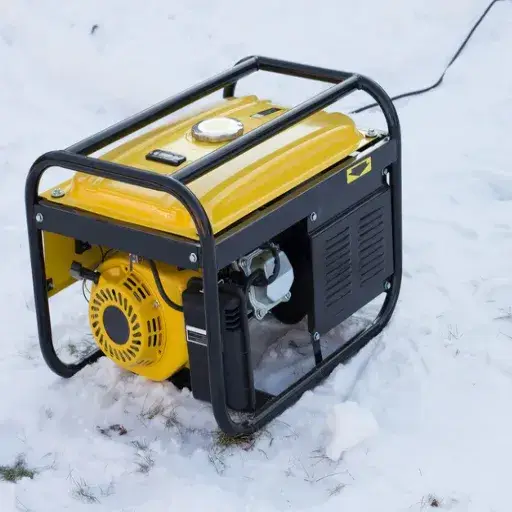
Initial Investment vs. Long-Term Savings
Higher initial costs for diesel generators are offset by long-term savings through durability, fuel efficiency, and lower maintenance.
|
Key Point |
Initial Investment |
Long-Term Savings |
|---|---|---|
|
Cost |
High |
Savings over time |
|
Durability |
Robust |
Reduces replacements |
|
Fuel Efficiency |
Moderate |
High |
|
Maintenance |
Moderate |
Low |
|
Lifespan |
Long |
Extends savings |
|
Eco-Friendliness |
Moderate |
Improves with time |
|
Reliability |
High |
Consistent savings |
|
Energy Output |
High |
Stable performance |
|
Flexibility |
Limited |
Adaptable over time |
|
ROI |
Gradual |
Significant |
Operating Costs of Diesel Generators
The assessment of diesel generators reveals their operational efficiency through the examination of their various operating expenses which determine their overall performance. The primary cost elements of the project include fuel expenses and the necessary maintenance activities and the effectiveness of operations. Diesel fuel costs remain a significant portion of the operating expenses especially given fluctuating global oil prices which impact diesel fuel expenses. The fuel consumption rate for a standard generator typically depends on its load with higher loads leading to increased efficiency in terms of fuel consumption per kilowatt-hour output.
The maintenance expenses include all essential activities needed for diesel engine operation which include regular maintenance work and oil replacement and engine component substitution. The failure to perform necessary maintenance work results in machinery breakdowns which generate expensive repair expenses that decrease operational efficiency. The use of diesel generators results in emission production which drives up operational costs when organizations comply with emissions control regulations because they need to install extra devices like exhaust after-treatment systems.
The operational expenses of a business enterprise increase because its systems experience efficiency reduction that results from the deterioration of their components. The decrease in energy output efficiency results in increased costs for every unit of electricity produced. Diesel generators provide an extended operational lifespan which leads to cost savings for organizations that implement effective management strategies. The process of optimizing operating expenses needs organizations to create a balance between three essential areas which include efficient load distribution and maintenance activities and the implementation of new technologies such as variable speed and hybrid generator systems for enhanced performance and decreased energy expenses.
Backup Power Solutions: Diesel vs. Alternatives
Solar Power vs. Diesel Generators
Solar power offers long-term cost savings and environmental benefits, while diesel generators provide reliable, weather-independent power at a lower initial cost.
|
Key Point |
Solar Power |
Diesel Generators |
|---|---|---|
|
Initial Cost |
High |
Moderate |
|
Operating Cost |
Low |
High |
|
Maintenance |
Minimal |
Frequent |
|
Lifespan |
20–25 years |
5–10 years |
|
Reliability |
Weather-dependent |
Weather-independent |
|
Emissions |
None |
High |
|
Noise |
Silent |
Loud |
|
Energy Source |
Sunlight |
Diesel fuel |
|
Eco-Friendliness |
High |
Low |
|
Long-Term Savings |
Significant |
Limited |
Choosing the Best Backup Generator for Your Needs
The process of choosing the optimal backup generator for your requirements needs my evaluation of several essential elements. The decision-making process requires the assessment of both initial expenses and future financial consequences. Solar power systems require high upfront costs but they provide users with extremely low operational expenses which result in major cost savings throughout their lifetime. The initial costs of diesel generators are lower than other options but the equipment needs ongoing maintenance and diesel fuels incur high costs which create budget issues throughout time.
The second aspect that needs assessment is power system reliability. I would evaluate diesel engine advantages which provide power during any weather condition against solar systems which depend on sun energy for their operation. Energy storage technologies such as battery systems enable solar power to function during cloudy conditions because they store energy for later use.
The most eco-friendly option for sustainable selection processes is solar energy. The system operates without creating any emissions and it produces no sound which makes it more eco-friendly than diesel generators that emit harmful pollutants and create loud noise. My final decision needs to achieve a budget-environmental balance with my specific energy needs so that I can identify the best solution.
References
-
Optimal Operation Strategy and Economic Analysis of Rural Electrification
An-Najah National University – Rural Electrification Study
This study compares diesel generators with other electrification methods for rural areas. -
High Renewable Energy Penetration Diesel Generator Systems
Academia.edu – Diesel Generator Systems
This paper discusses the role of diesel generators in off-grid systems and their economic feasibility. -
Grid Connected Hybrid Solar and Diesel Generator Set
Academia.edu – Hybrid Solar and Diesel Generator Study
This research focuses on cost optimization for hybrid systems combining solar and diesel generators. - Click here to read more.
Frequently Asked Questions (FAQ)
Q: What is property diesel electric generator for home and when it is reasonable to choose it?
A: Diesel electric generator for home is an alternative to a normal residence approved by electricity users. If you need immediate or extended backup supply with the consideration of grid downtime, as the user can require power in order to secure their homes especially during adverse weather conditions or can even take a long time without being used then Choose diesel. Diesel generators are designed for heavy usage, are very rugged and are typically built for long lasting periods unlike small generators.
Q: How to estimate how much diesel electric generator for home I will need in kilo watts?
A: A diesel electric generator for home is easy to size. You should know that in order to size it, one should calculate the essential loads which include heaters, fridges, lights, and plugs as well as other sensitive equipment in watts then provide an extra allowance for inrush currents. Take note of the kW required to run and maximum kW that will be consumed by equipment like air conditioners or heaters. You may also look for models from manufacturers such as Generac, Perkins or Cummin that are appropriate for the specific uses intended and come equipped with safety features that comply with the code requirements for residential installations within a given area.
Q: Apart from diesel, which other fuels can be used, and are they practical?
A: For sustained power backup, many people use diesel generators as diesel fuel in general is the cheapest source of energy. It is followed by natural gas and propane (LP) as they are also good, efficient fueling options. Some people may refer to dual fuel systems or systems that can be configured with less expensive fuels but in most cases, whenever heavy loads are considered diesel gives smaller fuel consumption per kW and lasts longer without any degradation in case of appropriate storage. Those with a smart fueling strategy will probably resort to the use of diesel to station at an extensive run for of time, while others about comfort will most likely opt to source your supply from natural gas or propane.
Q: What are the services that should be implemented in order to keep diesel electric generator at home in good performance?
A: Such routine practices include oil filters and oils altered (500 hrs change for most), ensuring the adequacy of the fuel system, and inspecting the radiator and the cooling system heating element, check the status of the battery, and start the generator at least for a while. Diesel generators do not require as much maintenance as some other power backup devices do but they will need to be maintained periodically so that they can be of use over a long period of time without any problems. Manufacturer specific parts should be used to keep up with the warranty and also the standard of different manufactures.
Q: Can a diesel-electric generator for home use run modern electronic devices without causing them any harm?
A: Many inverters meant for residential use do contain inverters or AVRs (Automatic Voltage Regulators) much like commercial versions, which prevent electronics from being fried. Making sure the generator is equipped with proper voltage-frequency transformers for computers or even hospital devices, etc is also equally important as the power itself. Even smaller inverters, when considering large power appliances, are completely safe to use since these are well made maintenance free units from established manufacturers.
Q: After what period of time will a diesel electric generator for home seize operating because of exhausted fuel supply?
A: The running time depends on the size of the generator, the load and the tank as well. However, diesel generators, which when under load they tend to run longer and more efficiently as compared to other fuels, provide a longer duration of run and backup power for long hours. Larger tanks or even refueling arrangements that work automatically are usually installed for long periods of outages at homes not used to blackouts such as construction sites or in cases where continued usage is required.
Q: Does the installation of a diesel electric generator for home involve meeting any local code requirements?
A: Yes, the installation has to comply with local ordinances on installation which usually include permits and an inspection. The codes are meant to provide for the exhaust and fuel lines, ventilation, noise, and home connection. Therefore, get certified installers who understand home designs and that will guarantee local laws in some of the installation. However, include weatherized powder coating enclosures and safe use of fuel.
Q: How do the residential diesel generators from Generac, Perkins, and Cummins compare?
A: For home users who are interested in Generac, the company is considered to provide good customer support and home backup solutions. The other two—Perkins and Cummins—are associated with tough and heavy-duty construction generator engines found in most diesel generator units. It is important to select a particular brand based on the effectiveness and efficiency of the diesel generator provided and the reliability of service and repair facilities as well as the extent of usage, whether aiming at providing safety against outages or even high power demand or owners who are conscious of the consumption of fuel in their businesses. They all offer specific products and solutions for large standby generator capacity as well as residential diesel electric generator for home and commercial use.