
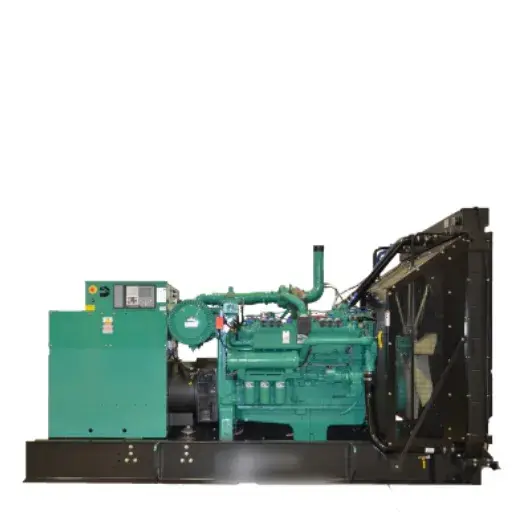
Diesel generators or portable electric generators are extensively used in construction, hospitals and other industrial sectors, where reliable power is essential and cannot be compromised. However, as with any other machine, there is an environmental price to pay and in this case it is the emissions of diesel generators that have always been considered problematic by organizations and authorities. In this respect, the Tier 4 standards come into play – rather stringent regulations of the Environmental Protection Agency (EPA) primarily concerned with the significant reduction of emissions from non-road or off-road diesel engines. This document discusses Tier 4 compliance, what enhances it and ways of achieving it in diesel-driven generators. Every individual whether a facility manager or an engineer or an operation professional needs to comprehend the concept of Tier 4 to avoid operational efficiency at the expense of environmental degradation.
Understanding Diesel Generator Emissions
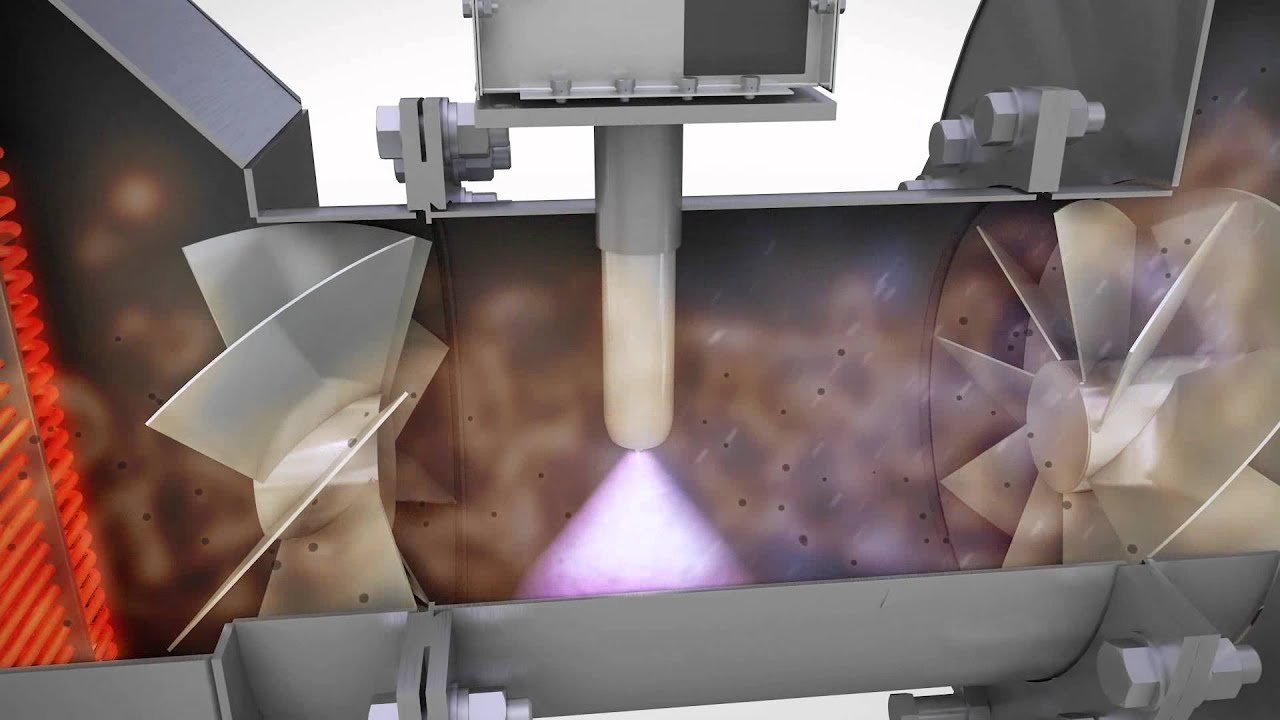
What Are Diesel Generator Emissions?
Unlike diesel generator emissions, electric generators do not rely on a combustion process, hence there is no emission of pollutants such as particulates, nitrogen oxides, carbon monoxide, and hydrocarbons as the generators do not use any fuel at all. The emissions then have an impact to the quality of air and in this case CO₂ is one such greenhouse gas which causes climate change at large.
It is particularly nitrogen oxides and particulate matter that are problematic due to their adverse effect on both human beings and the environment. Under conditions where there are sufficiently high concentrations of NOx, these compounds contribute to the formation of smog and acid rain. Similarly, PM is found in the form of very fine particles that are likely to enter low sections of the human respiratory tract, causing many diseases including respiratory and ophthalmic complications. Carbon monoxide and hydrocarbons are produced in a way that also affects the substances present in the air and thus contributes to the toxicity levels of the air.
Contemporary policies like, for instance, the Tier 4 standards that entities such as Environmental Protection Agency (EPA) also attempt to control these emissions. Diesel generators through new concepts including exhaust gas after-treatment systems are able to function at much lower emission levels at the present whereas being able to conform to the standards while still delivering their power needs. The knowledge of these emissions and their effects is extremely important to the necessary for the industries using the diesel generators to meet the challenges of the health and environmental issues.
Sources of Emissions from Diesel Generators
Pollutants are released in the process of combusting diesel fuel in the generators, which is the main source of emissions. In general, under the given operating conditions, the two main sources of emissions are incomplete combustion of the diesel fuel and the nitrogen in the air. Hazardous pollutants such as oxides of nitrogen (NOx), particles of smoke (PM), carbon monoxide (CO), unburnt hydrocarbons (HC) and in the case of high sulphur diesel fuel, sulphur oxides (SOx) are produced in these processes.
Nitrogen Oxides (NOx)
Formed during high temperature combustion of fuels’ nitrogen and oxygen content. Linked to smog, acid rain, and respiratory irritation in humans.
Particulate Matter (PM)
Tiny solid particles formed from uncombusted and leftover hydrocarbons. Can reach deep into the lungs causing severe health effects.
Sulfur Oxides (SOx)
Released during combustion of sulfur-containing diesel fuel. Contribute to acid rain formation and adversely affect air quality.
Impact of Diesel Generator Emissions on Air Quality
The fumes coming out from diesel generator emissions causes each citizens of a specified country in the atmosphere and mainly result in the release of harmful gases that include both solid and gaseous elements like particulate matter (PM), nitrogen oxides (NOx), sulfur oxides (SOx), carbon monoxide (CO), volatile organic compounds (VOCs). Each of these pollutants shall be however discussed in detail below which includes the diesel generators, their integrated attack on the environment and most specifically the quality of air.
These emissions need to be reduced in order to achieve better air quality. To do so, the clean technologies for the control of emissions, cleaner fuels and new more stringent laws are needed.
Regulatory Framework for Emissions Control
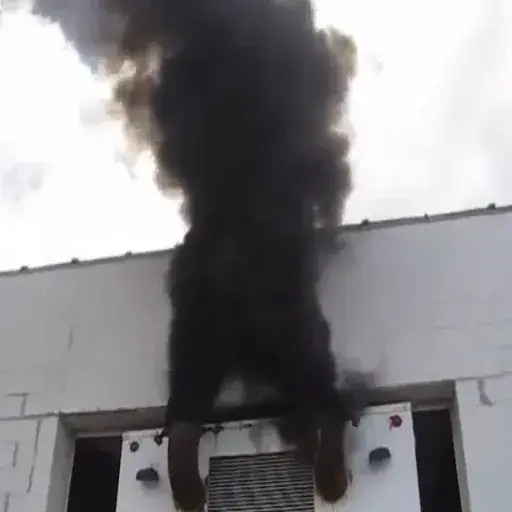
Local vs. International Emission Regulations
Local regulations like California’s CARB enforce strict diesel generator emission standards, while international frameworks vary, focusing on greenhouse gases, particulate matter, and NOx compliance.
| Aspect | Local | International |
|---|---|---|
| Priority | PM, NOx | GHG, PM, NOx |
| Authority | CARB, EPA | EU, UNFCCC |
| Regulations | Tier 4 | Euro VI, Kyoto |
| Control | Strict | Moderate |
| Coverage | State-specific | Global |
| Solutions | DPF, SCR | DPF, SCR |
| Adherence | High | Varies |
| Effect | Local health | Climate change |
Consequences of Non-Compliance
When required emissions thresholds are violated, the consequences are adverse from different perspectives. For example, with respect to the environment, violating the rules will accelerate the concentration of pollutants, which in turn will deepen such problems as warming, acidification of soils, and destruction of ecosystems. An example is the increased level of emission of gases such as CO₂ and CH₄ leading to the alteration of the climate and morphology as a result of an increase in the occurrence of extreme harsh weather conditions.
Major Impacts of Non-Compliance
- Financial Penalties: Organizations face heavy monetary fines and negative publicity affecting consumer perception and brand reputation.
- Operational Suspension: Non-complying facilities may face suspension and cannot remain in operation until compliance is achieved.
- Public Health Crisis: Long exposures to pollutants such as PM2.5 and NOx are detrimental to health, particularly for children and elderly populations.
- International Relations: Failing to control emissions jeopardizes international agreements like the Paris Agreement, disrupting global climate change efforts.
Emissions Control Technologies
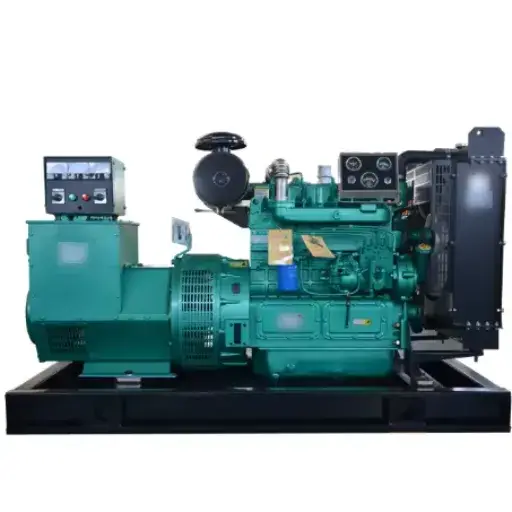
Emission Control Devices for Diesel Generators
Diesel generators, a common source of power generation domestically as well as commercially, have always presented a formidable challenge with respect to air pollution. With the development of more current emissions’ control systems, diesel engines can now be protected against unfavorable substances such as PM, NOx, HC as well as CO. Such technologies are necessary to meet elevated emissions’ requirements such as those applicable under the rules governing e.g. Stage 4 or Euro VI compliance or other corresponding regulations.
Diesel Particulate Filters (DPF)
Diesel Particulate Filter aims at controlling particles emitted in the gases from diesel fuel burning. DPF contains a ceramic-based filtration system that removes more than 90% of particulate matter. Modern designs include regeneration processes where soot is burned off, preventing collapse and maintaining high efficiency.
Selective Catalytic Reduction (SCR)
SCR is an emission control process using chemical reactions to reduce nitrogen oxides emissions. Diesel Exhaust Fluid (DEF), a urea-based solution, is introduced into the pollutants flow. Urea breaks down into ammonia which reacts with nitrogen oxides over the catalyst to yield nitrogen gas and water. SCR offers up to 90% NOx reduction.
Exhaust Gas Recirculation (EGR)
Engine pollutants are deliberately sent back to the combustion chamber to neutralize the air-fuel mixture and reduce combustion temperatures. This reduces NOx production by avoiding the very hot environment where oxygen and nitrogen react. EGR systems often work alongside SCR systems for enhanced control.
Diesel Oxidation Catalysts (DOC)
DOC primarily controls hydrocarbons, carbon monoxide, and soluble organic fractions of particulates. Oxidation reactions convert these pollutants into harmless carbon dioxide and water. Used along with DPFs and SCR to achieve comprehensive emission control.
Current Limitations and Research Directions
Despite their effectiveness, challenges remain including high component prices, maintenance requirements, and optimization for seamless operation. Research focuses on hybrid solutions combining multiple technologies, advanced sensors, and AI-integrated emission control management systems for enhanced efficiency.
Advancements in Cleaner Fuels
Cleaner fuel technology development is currently the main approach for the pursuit of reduced emissions and improved energy efficiency in all sectors. Cleaner fuels, including ultra-low sulfur diesels (ULSDs), synthetic diesels and renewable biodiesels, significantly diminish the levels of methane oxides (NOx), particulate matter (PM) and greenhouse gases (GHGs).
Hybrid Power Solutions and Their Benefits
The concept of hybrid power systems combines different sources of energy including nonconventional sources and conventional sources thereby enhancing their performance, reliability and functionality. Such systems include solar PV, wind turbines, diesel or gas generators as well as advanced batteries to provide stability in power supply even in conditions where energy generation is unpredictable.
Key Benefits of Hybrid Systems
- Enhanced Energy Efficiency: Utilizes renewable sources when available, reverting to traditional energy sources when needed, improving overall energy production efficiency.
- Cost Reduction: Operating flexibility helps contain production costs and conserve fuel usage through optimized resource management.
- Grid Stabilization: Facilitates grid stability in remote and off-grid areas through application of load management and storage solutions.
- Emission Reduction: Substantial reduction in diesel generator emissions consistent with global efforts to decrease environmental impact.
- Advanced Management: Modern Energy Management Systems (EMS) provide real-time monitoring and management of energy flows using machine learning algorithms.
Retrofitting Diesel Generators for Emission Reduction
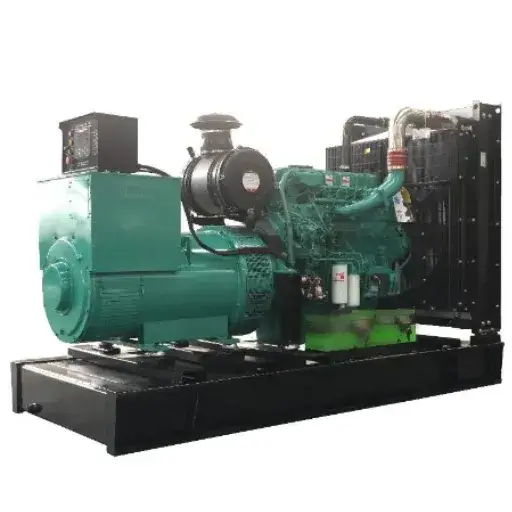
When to Consider Retrofit Solutions
Modification of diesel generator emissions ought to be put into perspective especially if there is a desire to narrow the emitter’s pollution without entire equipment reconstruction. Retrofitting is considered when there are factors such as the need to adhere to environmental policies and when generator improvement is more economical than replacement.
When Retrofitting is Prudent
- 1
Generators are functioning well but cannot be considered efficient by current standards - 2
Equipment is reasonably intact but fossil fuel usage or emissions become excessive - 3
Need to avoid long periods of downtime that would result from complete equipment replacement - 4
Technological advancements promote incorporation of renewable energy sources like hybrid solutions
Types of Retrofit Technologies Available
Solar Panel Integration
Adding photovoltaic (PV) systems with modern bifacial and thin film solar cells. Can be fitted with smart invertors for better energy management and grid interaction.
Battery Energy Storage
Enhanced lithium-ion and solid-state technology systems for energy saving and load peak-shaving. Enables renewable energy storage for release when needed.
HVAC System Efficiency
Installation of Variable Frequency Drives (VFD) for efficient energy performance while maintaining thermal comfort. Can be programmed with Building Management Control Systems (BMCS).
LED Lighting Upgrades
Replacing conventional lighting with LEDs provides better illumination with less power usage. Modern LEDs can include occupancy sensors and luminous control.
Building Envelope Design
Innovative insulation products and energy-efficient glass limit heat waste. Includes roof and wall finishing materials that reflect heat, especially in warm weather.
Smart Building Systems
IoT-based control and analytical solutions provide granular views into energy demand, helping predict maintenance needs and optimize resource distribution.
Important Note: The exact technologies chosen and applied should be in accordance with a clear energy audit and feasibility assessment for maximizing the investment into the technology as well as contributing to sustainable development in the long run.
Case Studies on Successful Retrofitting
Best Practices for Managing Diesel Generator Emissions
Routine Maintenance and Monitoring
A good way to manage diesel generator emissions is to keep track of their maintenance and monitor them consistently. Regular maintenance should incorporate regular checks and service of specific engine components such as fuel injectors, air filters, and exhaust systems. These components must be maintained to allow maximum operation and minimize generation of any pollutant.
Essential Maintenance Practices
- Regular checks and service of fuel injectors, air filters, and exhaust systems
- Monitoring quality and level of oil used to prevent excessive heating and incomplete fuel burning
- Use of advanced diagnostic instruments and sensors to measure emissions on-the-go
- Gas exhaust analyzers to assess concentration levels of NOx, PM, and CO
- Smart software solutions to monitor and record emission data trends for preventative maintenance
Operational Strategies to Minimize Emissions
A very important technique in ensuring the efficient running of a business such that emissions do not exceed the recommended levels is the execution of technology focusing on monitoring and predictive capabilities. State-of-the-art sensors sample real-time measurements of solid particles, NOx, CO and other gases from the generator’s exhaust.
Predictive Analysis
Detect preliminary signs of catalyst deterioration in SCR systems, allowing operators to renew or regenerate elements before failure occurs.
Real-Time Diagnostics
Track performance of DPFs to ensure they do not exceed state-mandated levels, limiting emissions while aiding operational resilience.
Machine Learning
Platforms present emission spikes and outages in advance by relying on historical and present data for optimization.
Integrating Emergency Power Solutions Responsibly
Considerations for implementing emergency power solutions in a responsible manner require an understanding of not only technical demands but also impacts on the environment. Current emergency power solutions like diesel-powered generators and natural gas generators have to pass tighter environmental legislations governing greenhouse gases (GHG) and particulate materials emissions.
Key Implementation Strategies
- Incorporate advanced emission controls such as selective catalytic reductions (SCR) and diesel soot filters
- Implement control systems to optimize operational parameters for increased fuel efficiency
- Utilize battery backup and hybrid systems to augment traditional generators and reduce fossil fuel use
- Perform analysis of load requirements to avoid oversizing emergency power systems
- Conduct regular tests and maintenance procedures to ensure readiness without compromising reliability
- Integrate solar or wind energy sources with energy storage/management systems for balanced sustainability
In achieving a preferred, efficient and sustainable energy infrastructure, all systems designed and implemented should have, within the design process, consideration of environmental impact and conventional standards.
References
-
AERMOD Modeling of Air Pollutant Emissions from Backup Generator Use in Lagos, Nigeria
This research uses AERMOD to model emissions from diesel and gasoline generators. -
A Comparison Between Thermoelectric Power Plants Operating with Natural Gas and Diesel: Environmental Impacts
This paper compares the environmental impacts of diesel and natural gas power plants. - Click here to read more.