
The diesel generator sets are regarded as a certain power solution throughout the industries and they won’t let you down. No matter if you are operating a business that needs power all the time, setting up an emergency generator, or taking care of the energy of a hospital, then understanding diesel generators is a must. This huge guide intends to introduce you to generator sets of various types, their numerous applications, and the most important factors to think about in the selection process. Since there are so many options to choose from, it is very important to find the one that best suits your needs and will give you the best performance. So, let’s reveal the whole truth about diesel generator sets and thereby make a well-informed choice.
Understanding Diesel Generators

What is a Diesel Generator Set?
A diesel generator set is known as a genset and combines a diesel engine with an electric generator to produce electricity. The diesel engine is the main source of power while the generator transforms this energy into electric power. The arrangement is of great use to give power in places that do not have a stable electricity grid or as a reliable source of power during outages.
Diesel generator sets are considered very user-friendly due to their long-lasting life, fuel saving ratio, and long-running capacity compared to other generators. They are available in different sizes, from mini-portable units suitable for residential or small-scale applications to huge industrial machines that can power factories, hospitals, and other critical infrastructures. This adaptability is the reason why they are highly preferred in various industries.
Key Benefit: One of the main benefits of diesel generators is their trustworthiness even in harsh operating conditions. Diesel engines are strong and less likely to get burned due to heat, thereby the generator can be very efficient in its loading. Furthermore, in many parts of the world, diesel fuel is easily accessible which makes these generators both practical and affordable for global use.
Components of a Diesel Generator
A diesel generator is made up of several important elements that together perform the task of changing diesel fuel into electrical energy. The following is a brief description of the primary parts:
Engine
The engine is essentially the heart of the diesel generator, and its main function is to transform the energy contained in diesel fuel into mechanical energy. The process followed by the generator is burning of the diesel fuel which in turn applies the necessary mechanical output for electricity production. The engine’s capacity and size decide the generator’s power rating.
Alternator
The alternator is a device that is used together with the engine to perform the conversion of mechanical energy into electrical energy. It comprises two parts: a rotor and a stator, wherein the process of electromagnetic induction produces the electric current that is required for the output.
Fuel System
The fuel system is responsible for delivering the diesel fuel to the engine in order for it to function. It usually consists of a fuel tank, injectors, and a fuel pump. A properly working fuel system is a guarantee of smooth and consistent running of the generator.
Cooling System
The cooling system is the one that protects the engine of the generator from being too hot. It does this by utilizing coolant and fans to remove the heat that is produced during the burning of the fuel, thus making the machine operate efficiently.
Lubrication System
The Lubrication System ensures that the generator’s moving parts are properly oiled so as not to be subject to wear and tear. Properly lubricated components last longer and this also helps in maintaining their efficiency.
Control Panel
The control panel is the point where the user interacts with the generator. It is responsible for measuring and managing different parameters like voltage, power output, engine temperature, and fuel levels. Moreover, it grants users the permission to turn on or off the generator.
Battery
To ignite the engine, initial power is supplied by the battery. When the generator gets running, the battery gets charged automatically as part of the operation.
Exhaust System
The exhaust system is in charge of the safe release of the toxic gases created during the diesel combustion process, and at the same time assures that the operation is safe and eco-friendly. It consists of elements such as exhaust pipes and silencers.
These parts together make a diesel generator work in a reliable and efficient way, hence it is a trustworthy power source across various applications.
How Diesel Engines Work
The operation of diesel engines relies on a process called internal combustion to convert the energy stored in diesel fuel to mechanical energy. The going on inside the engine involves squeezing air in its cylinders, which results in a substantial rise in temperature. After the air has been heated, the fuel is then injected into the cylinder. The very hot compressed air is the reason why the fuel ignites without the need for a spark, and this results in a controlled explosion that forces the piston downwards to produce power.
The energy that is released during the combustion process is then passed on to a crankshaft, which changes the piston’s linear motion into rotational motion. This rotating energy is what drives the machinery or produces electricity in cases like diesel generators. The effectiveness of diesel engines has a great deal to do with their high compression ratio, which permits them to extract more energy from the fuel than any other engine type.
Besides that, diesel engines are built to cope with stress and strain and, therefore, very tough and reliable depending on situations. They are extensively used in sectors that need continuous and strong performance such as transporation, construction and electricity production. By merging efficiency, toughness and high torque output, diesel engines continue to be an indispensable part of the contemporary mechanical and industrial systems.
Types of Diesel Generator Sets
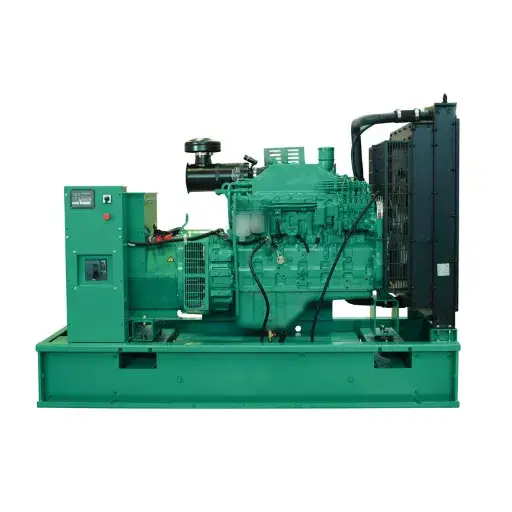
Stationary vs. Portable Diesel Generators
Stationary generators deliver large amounts of power continuously for permanent installations, whereas generators that are portable give the advantage of moving and still being able to use power for small periods.
Single-Phase vs. Three-Phase Diesel Generators
Single-phase generators are more economical and are best for smaller loads, however, three-phase generators are more efficient and are appropriate for heavy industrial applications.
Prime Power vs. Standby Power Diesel Generators
The generators of prime power category are meant for the never-ending utilization as the principal power source, whereas the generators of standby type are only there to give power support in case of interruptions.
Applications of Diesel Generator Sets
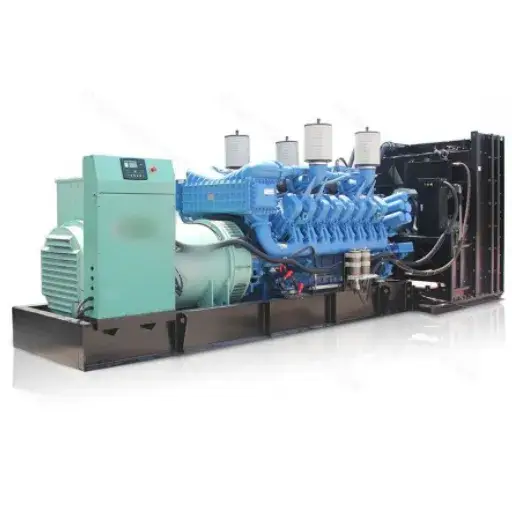
Industrial Applications
Diesel generator sets are a must in different industrial sectors because of their reliability, efficiency, and uninterrupted power supply capability. The following are the five major applications of diesel generators in industry:
- Manufacturing Plants
The presence of diesel generators guarantees that there will be no power interruptions, thus no costly production downtimes. They have the capacity to support heavy machines and power loads that are crucial for the manufacturing process. - Construction Sites
Diesel generators are a common sight in places where there is no electricity from the grid and they are, hence, called Reliable Power suppliers for tools, lighting, and heavy equipment in construction works. - Mining Operations
Diesel generators provide the power needed in very remote mining areas, as the grid connection is not possible there. They are responsible for the working of heavy mining machinery, ventilation systems, and safety operations. - Oil and Gas Industry
Diesel generators are extensively used in drilling, oil refining, and offshore platforms. Their use in such energy-tough environments is not a problem because of their hardiness. - Hospitals and Healthcare Facilities
In case of blackout, diesel generators provide backup power of highest quality, hence, they keep all medical equipment and life-support systems running at all times.
All these applications are a testimony to the versatility and indispensable part that generators of the diesel kind have in the perking up of industrial operations worldwide.
Commercial Use Cases
The diesel generators are also very useful in different commercial environments as they are reliable and efficient. The following are the five main commercial scenarios:
- Retail Stores and Shopping Centers
In retail places, diesel generators keep the power on during outages, thus, customer satisfaction is maintained and the store is saved from losing money. A case in point is a large shopping mall that can miss out on revenue of up to thousands of dollars per hour, during a power failure if it does not have a blackout system in place. - Hotels and Hospitality
Power supply is essential in hotels to give guests a seamless experience. Diesel generators sustain the necessary services such as lighting, air conditioning, and kitchen operations, which are very important in ensuring customer comfort and satisfaction. - Office Buildings and Corporate Spaces
It is essential to maintain business activities in office locations during power interruptions. Diesel generators supply fallback energy so that important systems like computers, elevators, and HVAC systems run smoothly without being affected by the power failure. - Educational Institutions
A reliable power source is a must for schools, colleges, and universities to keep their classrooms, labs, and admin offices functional. Diesel generators are very important to the operations’ continuity, especially during long power cuts. - Entertainment Venues
Theaters, stadiums, and event halls are among the places that heavily depend on diesel generators to power lighting, sound systems, and other electrical needs. This effectively eliminates the risk of disruptions during live performances or other large events and guarantees a good experience for the audience.
The above-mentioned use cases highlight the fact that diesel generators are a reliable source of backup power for different essential commercial applications.
Residential Backup Solutions
When it comes to unexpected power outages, diesel generators are the main solution for residential properties to guarantee steady access to electricity. They provide homeowners with supporting assurance and convenience, particularly in the regions that suffer from extreme weather conditions or unreliability of the utility grid. Here are the five major reasons for residential backup power:
- Powering Essential Appliances
Diesel generators are capable of running crucial appliances such as fridges, freezers, and ovens, which in turn decreases the chances of spoiling the food and allows cooking during the outages. - Heating and Cooling Systems
It is vital to maintain comfortable indoor temperatures when the power is out. Diesel generators will keep the HVAC systems operating, particularly in the areas facing the heat or freezing conditions regularly. - Lighting and Security Systems
A backup generator will be enough to supply the power to lights and security systems, thus ensuring security by providing light during power outages at night or in case of emergencies. - Medical Equipment Support
Life-supporting medical devices like ventilators and oxygen concentrators found in some households receive uninterrupted power supply from diesel generators, thus safeguarding health and well-being. - Home Offices and Remote Work
The number of remote workers is increasing and so is the dependence on diesel generators to power computers, internet routers, and other critical electronic equipment, thereby ensuring productivity and connectivity even during power failures.
These examples demonstrate how versatile and reliable the use of diesel generators is, so, the demand for this kind of power source in residential households is still high.
Maintenance Tips for Diesel Generator Sets

Regular Inspection and Servicing
A forced maintenance diesel generator set will ensure a proper performance and reliability for a long time. Regular inspections should involve checking fluid levels, such as oil, coolant, and fuel, so as to prevent any operational issues that might arise from low levels or contamination. The filters should be checked and replaced if necessary in order to keep the airflow and fuel quality at the best level. The belts and connections must also be subject to checking for wear and tear in order to minimize the risk of sudden failures.
Pro Tip: It is advisable to carry out periodic load tests to confirm the efficiency of the generator when used under real-life conditions. Through running the generator at its full capacity for a specified time, it is possible to check its capability to manage peak demands.
A maintenance log that records all inspections, servicing dates, and repairs can help in monitoring the health of the system over time by providing important data. It is thus possible for property owners to lower the risk of having their generator sets break down during critical power outages and at the same time, increase their lifespan by following a consistent maintenance schedule.
Common Maintenance Practices
The reliability of generator sets must be maintained through a series of key maintenance practices:
✓ Oil Changes
Regularly scheduled oil changes are absolutely necessary to keep the engine lubricated and to minimize the wear and tear on the moving parts.
✓ Filter Maintenance
Filters, including air and fuel filters, should be checked and replaced if necessary to avoid clogging and to maintain the engine’s optimum performance.
✓ Battery Checks
Battery checks are extremely important, because a weak or dead battery may result in the generator not being able to start up during emergencies.
✓ Coolant System
Checking the coolant levels and the entire cooling system is essential to avoid overheating, which might result in the generator sustaining extensive damage.
✓ Fuel Quality
Fuel quality management is very important. Periodically draining fuel tanks or adding stabilizers prevents contamination or degradation over time.
✓ Load Bank Testing
Load bank testing performed under controlled conditions confirms the generator’s ability to run at its maximum capacity, simulating real-world demands.
The inclusion of these practices in a systematic maintenance plan, along with the introduction of advanced monitoring systems such as remote diagnostic tools, introduces proactive management. These tools reveal the performance metrics of utmost importance, which leads to interventions being carried out timely and the unexpected failures being reduced.
Ensuring Longevity of the Diesel Engine
The longevity of diesel engines is owed to their durability and efficiency but one cannot just rely on the good qualities and at the same time neglect the engine. Making it long-lasting is by sticking to the maintenance schedule as the first thing. This also means oil and filter changes done on the dot which is important as clean oil is the best method to make friction, and thus heat, small and to preserve everything inside the engine from dirt. Besides, timely parts’ replacement such as belts and injectors, as well as filters, is also a very main factor in running the engine with its full power.
Key Factors for Engine Longevity
- Quality Fuel and Additives: Bad diesel frequently used can bring impurities into the fuel system, making deposits that block the fuel injectors and reduce the combustion efficiency. Modern fuel additives that improve lubrication and clean internal parts can effectively deal with these problems.
- Cooling System Maintenance: It is important to maintain the cooling system in perfect working order because it regulates the temperature of the engine, thus preventing overheating which is a very common cause of engine damage.
- Digital Monitoring: The new developments in the diagnostic and monitoring systems today are a big factor contributing to the overall reliability of diesel engines. Real-time data collection through digital tools or telematics provides an overview of key performance indicators.
These systems allow taking proactive measures like moving the operation or scheduling the repair before the minor issue escalates. The combination of the traditional maintenance practices and the state-of-the-art technology ensures a holistic approach to the engine care which in turn maximizes its lifespan and efficiency in the long run.
Latest Technological Advancements
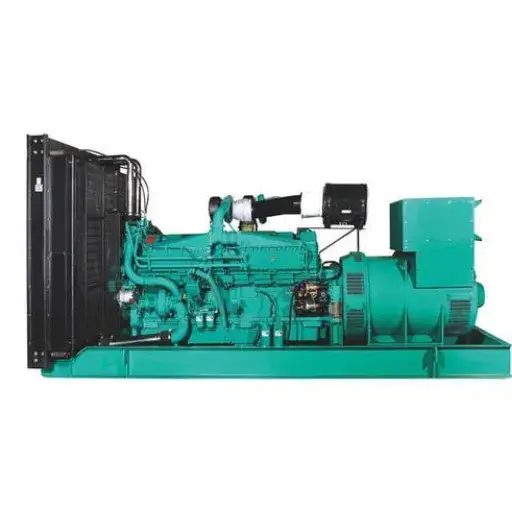
Innovations in Diesel Engine Technology
The technology of diesel engines has made great strides, particularly in terms of efficiency, emissions, and the performance of the machine being pushed. Modern engines are being fitted with advanced components that comprise an electronic control unit (ECU) all aimed at getting the best fuel atomization which in turn will lead to better combustion, and less fuel consumed.
Major Innovations
- Advanced Fuel Injection Systems: Variable metering injection mechanisms work by adjusting the fuel amount and timing instantaneously with the conditions of the engine, therefore producing the required power but at the same time being efficient and not wasting energy.
- After-Treatment Systems: The combination of selective catalytic reduction (SCR) and diesel particulate filters (DPF) forms a very effective protection of the environment from being polluted by NOx and PM, thus making it possible to comply with strict environmental laws.
- Hybrid Diesel-Electric Engines: These engines combine traditional diesel power and electric propulsion systems, producing desired results of fuel economy plus a reduction in carbon footprint. The use of regenerative braking, energy storage, and smart management helps increase sustainability.
All these improvements showcase the flexibility of diesel technology and its ability to remain relevant in the competition of energy-efficient solutions.
Smart Diesel Generators with IoT Integration
The combination of Internet of Things (IoT) technology and diesel generators is changing the power systems managing, monitoring, and maintenance completely. IoT-connected smart diesel generators allow the operators to track in real-time the performance, fuel efficiency, and health of operations.
Benefits of IoT Integration
- Real-Time Monitoring: Advanced sensors and wireless communication deliver data on energy output, fuel consumption, and maintenance needs, lessening operational downtime.
- Remote Management: Cloud-based platforms or mobile applications allow operators to have full control over the generator’s operations from almost any location, especially beneficial for hospitals, data centers, and industrial plants.
- Predictive Maintenance: Operators can get real-time notifications about possible problems, like overheating or low fuel level, enabling fast action before situations worsen.
- Sustainability Goals: Data analytics optimize fuel consumption, cutting down greenhouse gas emissions. Smart algorithms tune the generator’s performance according to energy demand.
- Hybrid Integration: These generators can cooperate with renewable energy sources like solar or wind, providing reliable and greener power generation.
This is a major area of development in the future due to IoT integration in diesel generators which results in an intelligent, green, and efficient power generation system.
Trends in Fuel Efficiency and Emissions Reduction
In recent years, the shift toward low-emission and fuel-efficient technology has fast-tracked as companies place sustainability and regulatory compliance at the top of their priorities. Diesel generators are an example of this with the introduction of fuel injection systems and engine designs that enhance the combustion process efficiency.
Current Efficiency Trends
- Advanced Combustion Systems: High-pressure fuel injection systems, exhaust gas recirculation (EGR), and electronically controlled fuel management achieve lower fuel consumption without compromising power output.
- Emissions Control Technologies: Diesel particulate filters (DPFs) and selective catalytic reduction (SCR) reduce nitrogen oxides (NOx) and particulate matter, meeting stricter environmental norms.
- Alternative Fuels: Acceptance of biodiesel blends and renewable diesel leads to reduced carbon footprint without compromising reliability and performance.
- Digital Optimization: IoT and AI-based monitoring systems give real-time information about fuel consumption, emissions, and engine performance, enabling operators to enhance efficiency and practice predictive maintenance.
These trends together point clearly to a shift not just towards accomplishing environmental goals but also in getting power generation systems to be cost-efficient and sustainable in the long run.
References
-
Hybrid diesel generator/renewable energy system performance modeling – Discusses the integration of diesel generators with renewable energy systems for electric power.
-
Life cycle energy assessment of a standby diesel generator set – Provides a detailed energy assessment of a 455 kW standby diesel generator.
-
Comparative analysis of engine generator performance using diesel oil and biodiesels – Analyzes the performance of diesel generators using biodiesel blends in Brazil.
Frequently Asked Questions (FAQ)
Q: What is a diesel generator set and how does it generate electrical energy?
A: A diesel generator set is a unit that consists of a diesel engine and an alternator (generator) working together to produce electrical energy by the diesel’s combustion in the engine; the engine transforms the heat from the fuel into mechanical rotation which the alternator changes to electric power for continuous power, standby or emergency backup applications.
Q: What factors determine the right model and kVA rating for my application?
A: Choosing the right model and kVA rating is determined by load, duty (prime or standby), maximum power output demand and future demand; also take into account motor starting currents, continuous power vs. standby rating, application (industrial, commercial, residential) and consider efficiency, power factor and a safety margin to ensure reliable operation.
Q: How does fuel consumption and tank size affect operating costs and endurance?
A: Fuel consumption, generally shown as fuel rate, is the main factor for operating costs and endurance: lower fuel consumption models and larger tank options increase run time between refuels, thus lessening the spend on diesel oil and the frequency of maintenance; lower fuel consumption and efficient combustion makes operating costs for continuous power or long emergency backup periods less overall.
Q: What are typical maintenance requirements and how do they impact reliability?
A: Good maintenance practice—changing engine oil and filter, inspecting fuel line, checking battery and panel, servicing alternator and inspecting cooling/exhaust system—keeps the engine efficient, under control of emissions, and reliable; good design and timely servicing shorten downtime, lengthen the machine’s life, and reduce the total operating costs in the long run.
Q: Can diesel generators be quiet and suitable for urban or commercial use?
A: Yes, a number of diesel generators are supplied with acoustic cabinets and mufflers that make them quiet enough to not disturb the working environment in urban, commercial, or hospital settings whilst still providing the required power; opting for cabinets and low-noise models facilitates compliance with local noise laws without affecting performance.
Q: How do standby and prime power ratings differ and which should I choose?
A: The standby rating is meant for short duration during utility outages and allows a higher short-term output, while the prime power rating is for using it constantly with long-term fuel consumption. Choose standby for rare emergency backup and prime for main power supply or continuous generation.
Q: What safety and emission considerations apply to diesel generator sets?
A: Safety involves proper ventilation, secure routing of the fuel line, monitoring of exhaust temperature and battery isolation, whereas emission considerations deal with choosing engines that comply with diesel emission regulations, using proper diesel fuel, and employing after-treatment technologies if necessary to attain local environmental standards.
Q: Where can I find diesel generators for sale and what affects the price?
A: You can buy diesel generators directly from manufacturers, dealers, or power solution suppliers; the price and variety depend on the model, kVA rating, acoustic or open set, emission level, controlling features like control panels, transfer switches, and warranty; by comparing manufacturers and taking into account the total lifecycle operating costs, you can get the best value.
Q: How do I size a genset for emergency backup versus continuous industrial use?
A: For emergency backup size critical loads with a safety margin for starting currents and future demand, using standby rating; for continuous industrial use size using prime power rating, assessing duty cycles, load profile, ambient conditions, and efficiency to ensure the diesel engine and alternator provide reliable generation at low operating cost and wear.
Ready to Choose Your Diesel Generator?
Understanding the types, applications, and maintenance requirements of diesel generator sets is essential for making an informed decision. Whether you need prime power for continuous operations or standby power for emergencies, selecting the right generator ensures reliability, efficiency, and long-term value for your specific needs.