
The number of generator types and needs for comparison can overwhelm you quite greatly. Each of them comes with its own set of positives and negatives: diesel generators, gas generators, and natural gas generators. This comprehensive guide will help you understand the differences and make an informed decision based on your specific power requirements.
Introduction to Generators
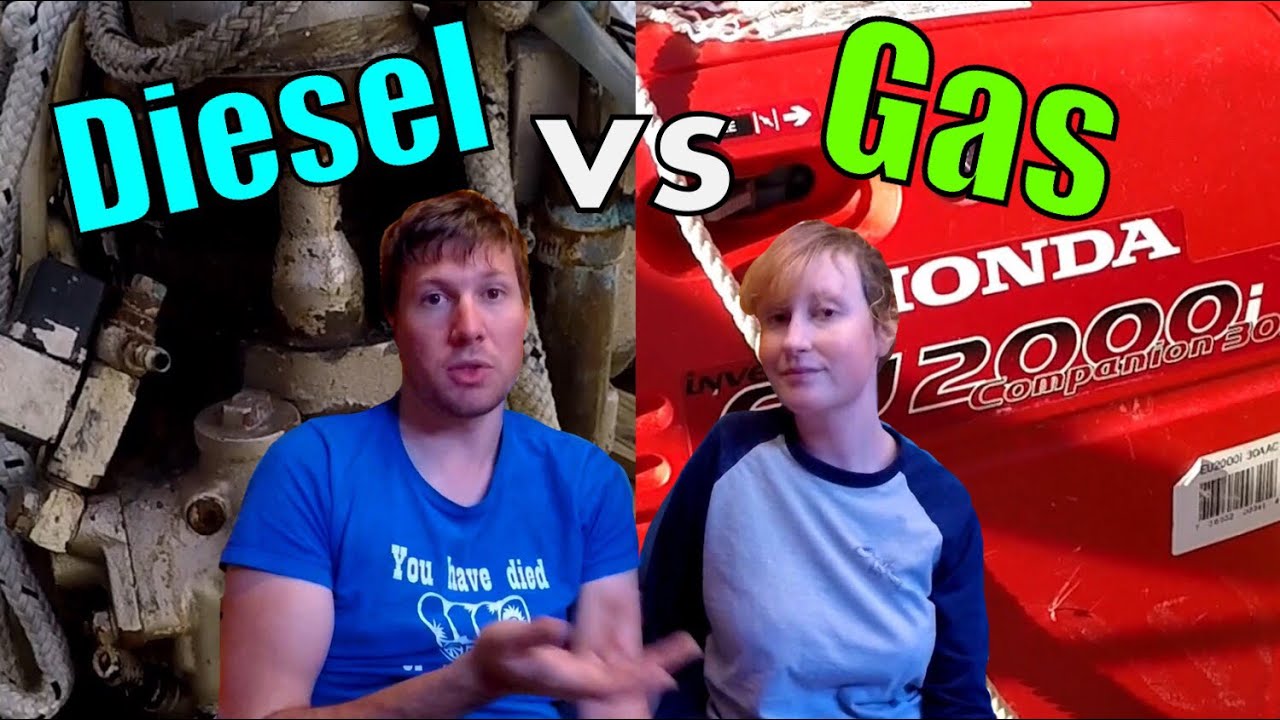
What is a Generator?
A generator is an electrical energy transformer that converts mechanical energy into electrical power whenever electricity from the grid is inaccessible. Generators work on the principle of electromagnetic induction, whereby mechanical effort rotates a coil within a magnetic field, resulting in the production of electrical current. The generator remains crucial for ensuring the availability of power in the case of an outage or situations lacking normal electrical utilities.
Generator Categories
Generators are sold in a variety of categories, each tailored to specific uses:
- Portable generators: Smaller units for on-the-spot power needs such as outdoor events or emergencies
- Standby generators: Permanently installed systems that automatically power homes or businesses during grid failures
- Industrial generators: Heavy-duty systems for factories, construction projects, and critical facilities like hospitals
One critical attribute to consider in generators is the type of fuel. Common fuel types include diesel, gasoline, and natural gas, each containing its own set of advantages and limitations. Diesel generators are praised for their efficiency and endurance, gasoline generators often offer portability and usability advantages, while natural gas generators present an ecological and cost-effective option.
Types of Generators
Portable Generators
Described as portable since they can be transmitted and arranged with considerable ease for temporary power needs. These are favorites for camping escapades or small outdoor events. They run on gasoline or propane and are capable of supplying energy to several household appliances.
Standby Generators
A permanent installation that serves homes or commercial buildings. Operating automatically, it turns on during a power outage to ensure continuous power supply. Using natural gas or diesel for fuel, these generators deliver impressive energy capable of running entire buildings.
Inverter Generators
Known for their quiet operation with the lowest noise levels. They generate clean, stable power ideal for sensitive electronics like laptops and smartphones. However, they may be smaller in size and less powerful compared to traditional generators.
Importance of Choosing the Right Generator
For an appropriate and hassle-free power supply, careful generator selection is essential. The right generator must meet all requirements to smoothly run systems, protect vital equipment, and guarantee safety during emergencies. This is particularly important for homes and enterprises whose operational safety depends on reliable electronic systems.
⚠️ Consequences of Wrong Generator Selection
- Insufficient power delivery leading to appliance damage
- Overloading risks causing fire hazards and equipment failure
- Excessive power capacity resulting in fuel waste and unnecessary costs
- Resource waste and inefficient operations
Evaluating power usage requirements helps in making informed choices by taking stock of your major power tools and the amount of energy each requires. Additionally, consider factors such as fuel type, portability, noise comfort, and maintenance requirements for optimal generator convenience and use.
Understanding Diesel Generators
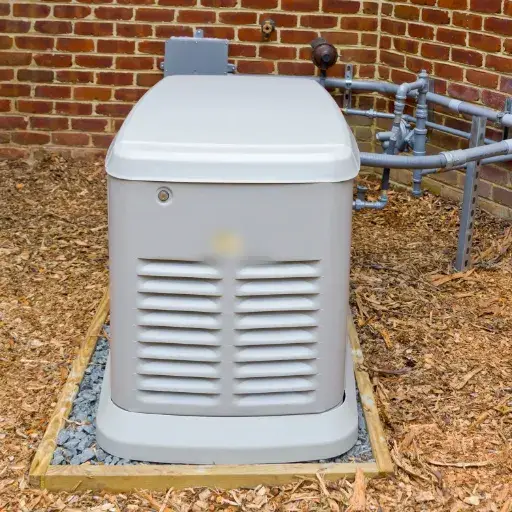
How Diesel Generators Work
Diesel generators convert mechanical energy into electrical energy through a simple yet highly effective process. A diesel engine drives an alternator or generator head, which creates electric flow. The process begins with diesel fuel being injected into a combustion chamber where it’s compressed by a piston. The high compression causes the fuel to ignite and explode, forcing the piston forward. This rotational movement drives the alternator’s rotor to produce electron flow, which is converted into electricity for various electrical devices and appliances.
💡 Key Features of Modern Diesel Generators
- Automatic Voltage Regulation: Ensures stable and reliable electric output
- Digital Controls: Provides real-time monitoring of voltage, frequency, and fuel consumption
- Automatic Transfer Switches: Ensures seamless transition to emergency power during grid failure
- Noise Attenuation Technology: Improved sound dampening for urban environments
- Emission Control Systems: Enhanced environmental compliance
Pros and Cons of Diesel Generators
Cost Analysis of Diesel Generators
Evaluating diesel generator costs requires considering both initial purchase price and lifetime operational expenses. Compared to gasoline generators, diesel units have higher initial costs, attributable to their robust construction, longer life expectancy, and superior material efficiency. However, these upfront investments are often offset by lower fuel consumption and extended operational lifespan.
💰 Cost Considerations
- Maintenance costs are generally manageable, though specialized parts and mechanics may be required
- Fuel price volatility can impact overall operational costs
- Proper capacity assessment is crucial to avoid wasted fuel and increased maintenance costs
- Oversized units lead to inefficiency; undersized units may cause damage
Exploring Gas Generators
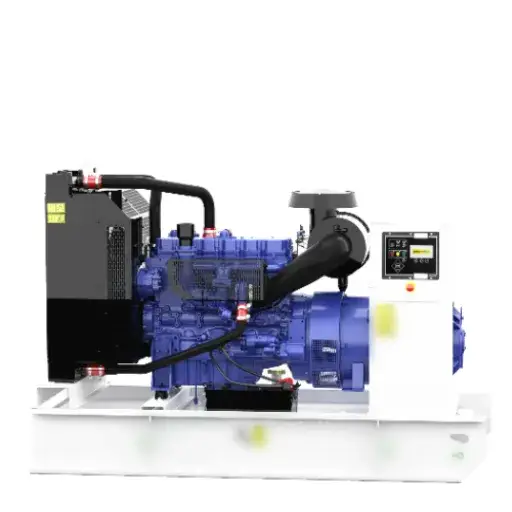
How Gas Generators Work
A gas generator primarily uses an internal combustion engine to convert chemical energy in natural gas, propane, or other gaseous materials into electricity. The process begins with fuel and air mixing freely within the combustion chamber. This gaseous mixture is then ignited by a spark plug. The controlled combustion causes the generator’s pistons to move, converting potential energy within the fuel to mechanical energy. This mechanical energy transfers from the crankshaft to an alternator for conversion into electrical energy, producing a reliable electricity supply.
🌱 Environmental Benefits
Gas generators utilizing cleaner gases like natural gas and propane offer significant environmental advantages:
- Fewer greenhouse gas emissions compared to liquid fuels (diesel or gasoline)
- Natural gas delivered through underground pipelines ensures constant fuel supply
- Eliminates necessity for on-site fuel storage
- Minimizes disruptions related to fuel shortages and supply chain issues
Pros and Cons of Gas Generators
Cost Analysis of Gas Generators
The operational costs of gas-powered generators vary depending on size, output capacity, brand, and fuel efficiency. Initial costs include the retail price, acquisition, and installation. Smaller models intended for household use can range from $500 to $3,000, while industrial-size units may cost tens of thousands of dollars. Installation costs, based largely on installation complexity and environmental regulations, may range from several hundred to a few thousand dollars.
Operational Cost Factors
- Fuel Costs: Natural gas or propane prices vary seasonally, largely affected by local energy markets
- Routine Maintenance: Oil changes, spark plug replacements, and general checks cost approximately $100-$500 annually
- Long-term Considerations: Fuel efficiency, total life expectancy, and warranty coverage affect overall investment value
- Technology Upgrades: Newer models include energy-saving features for improved financial and environmental performance
Natural Gas Generators Explained
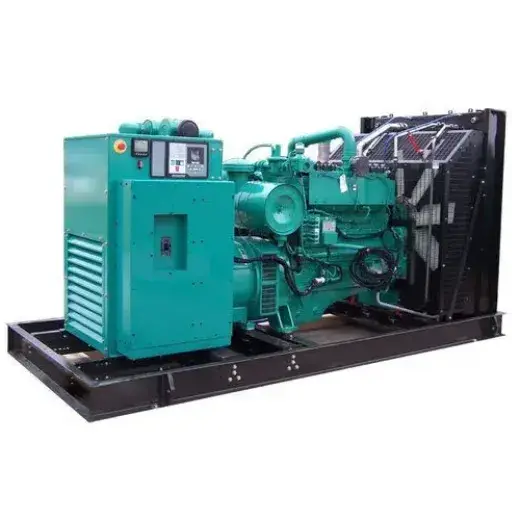
How Natural Gas Generators Work
Natural gas generators operate by using natural gas to fuel an internal combustion engine, which drives an alternator to produce electricity. The process begins by combining natural gas with air in the combustion chamber. The resultant mixture is ignited by a spark plug within the piston chamber. The expanding gases push the piston downward toward the crankshaft. The rotating crankshaft drives the alternator to generate electricity.
These generators utilize various components including fuel systems, cooling systems, and exhaust systems to ensure reliable operation. Natural gas is fed through pipelines, providing a steady fuel flow without manual refueling requirements. The clean-burning nature of natural gas combines with this reliability to make these generators useful for many residential and commercial applications.
⚡ Advanced Features
Modern natural gas generators include sophisticated capabilities:
- Load management systems for optimal energy distribution
- Remote monitoring for real-time feedback and control
- Smart monitoring with automated diagnostics
- Automatic shutdown facilities for safety
- Load shedding capabilities for efficiency optimization
Pros and Cons of Natural Gas Generators
Cost Analysis of Natural Gas Generators
When considering natural gas generator costs, evaluate both capital costs and ongoing operational expenses. Purchasing a natural gas generator may cost from a couple of thousand dollars to tens of thousands for industrial-grade models, depending on size, capacity, and specifications. However, operating costs for natural gas engines are generally lower compared to diesel counterparts.
💡 Maintenance Cost Advantages
Natural gas generators offer significant maintenance cost benefits:
- Natural gas produces minimal exhaust residue (ash, carbon, unburnt hydrocarbons)
- Less deposit buildup around rings, valves, injector nozzles, and cylinder linings
- No wear and tear from acidic residues due to sulfur content
- Lower long-term maintenance costs overall
- Proper regulations like periodic inspections and professional servicing remain essential for safety and performance
In various geographic regions, homeowners can potentially recoup their generator investment through utility savings. The financial benefits may extend beyond the initial payback period, making natural gas generators an attractive long-term investment.
Comparative Analysis: Diesel vs Gas vs Natural Gas Generators
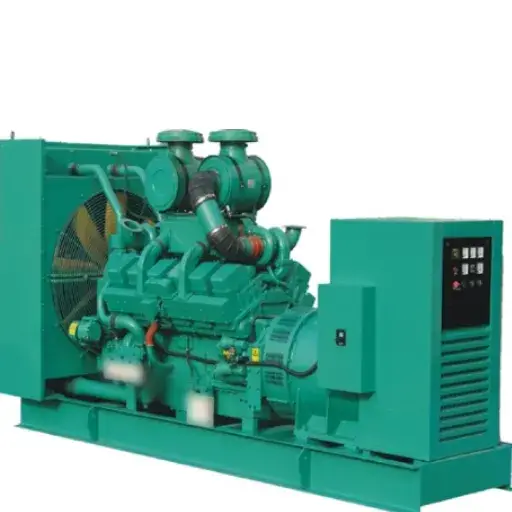
Efficiency and Performance
Among generators powered by diesel, gas, and natural gas, efficiency and performance are critical measures. Each fuel type offers distinct advantages depending on the application:
Diesel Generators
- High efficiency and fuel economy
- Excellent performance under heavy loads
- Perfect for industrial applications
- Ideal for continuous power needs
- Higher pollutant emissions
Gasoline Generators
- Best for short-interval usage
- Excellent portability
- Lower initial purchase cost
- Higher fuel consumption
- Shorter operational lifespan
Natural Gas Generators
- Cleaner burning fuel
- Low-emission operation
- Efficient for long-term use
- Quieter operation
- Requires pipeline infrastructure
🎯 Selection Guideline
Before purchasing a generator, conduct a profound examination of your general application. A clear understanding of your purposeful application and energy needs will help you select the generator capable of providing superior performance in an economically and environmentally sound context.
Environmental Impact
Generators exhibit differing levels of environmental impact depending on fuel type, efficiency, and pollution emissions. Understanding these effects helps in making wiser choices when selecting a generator. Below are five key considerations for environmental awareness pertaining to generator usage:
Looking at these environmental criteria can successfully balance energy needs with environmental stewardship, encouraging more sustainable generator selection and usage practices.
Maintenance Requirements
The upkeep of energy systems and maintenance routines are crucial for ensuring efficiency, longevity, and reliability. Routine inspections and services help maintain operating systems, prevent mechanical breakdowns, shorten downtime, and ultimately minimize repair costs.
🔧 Common Maintenance Procedures
Traditional Generator Systems:
- Examining and replacing filters regularly
- Changing oils according to manufacturer specifications
- Checking components for wear and damage
- Keeping fuel systems clean
- Implementing proper storage procedures
Renewable Energy Systems:
- Keeping components clean (solar panels, wind turbines)
- Tightening electrical connections
- Monitoring energy output to detect inefficiencies
- Utilizing built-in monitoring systems for real-time performance data
- Planning preventive maintenance based on system feedback
Modern technologies incorporate built-in monitoring systems that provide real-time data on performance, enabling planned maintenance to ensure maximum operation. This proactive philosophy enhances sustainability while reducing environmental burdens.
Quick Comparison Table
| Feature | Diesel | Gasoline | Natural Gas |
|---|---|---|---|
| Fuel Efficiency | High | Moderate | High |
| Initial Cost | High | Low | High |
| Operating Costs | Variable | High | Low |
| Environmental Impact | High Emissions | High Emissions | Low Emissions |
| Maintenance | Moderate | Moderate | Low |
| Portability | Moderate | High | Low |
| Noise Level | High | Moderate | Low |
| Power Output | Very High | Moderate | Moderate-High |
| Lifespan | Long | Moderate | Long |
| Best Use Case | Industrial/Heavy-Duty | Portable/Short-Term | Residential/Commercial |
📊 Legend:
→ Moderate Performance
✗ Low/Poor Performance
Frequently Asked Questions (FAQ)
❓ What are the main differences between diesel and gas generators?
The main differences involve fuel type, efficiency, maintenance, emissions, and costs. Diesel generators use diesel fuel and are sought after for fuel efficiency and durability, while gas generators (typically running on natural gas) have cleaner emissions and continuous fuel delivery through natural gas lines. Diesel generators are more fuel-efficient and durable, but gas generators often offer lower operating costs and better environmental performance. The choice depends on operating costs, location accessibility, and environmental considerations.
❓ Which is more reliable: a diesel generator or a gas generator?
Reliability depends on the specific use case, but both generator types are robust. Diesel generators are often preferred for long-run applications and heavy-duty purposes, especially when energy fuel-density is a priority. Both natural gas and diesel generators offer excellent reliability with proper maintenance, though they require different maintenance protocols. Diesel generators may need more frequent oil and fuel system checks, while gas generators connected directly to existing gas lines are simpler to maintain.
❓ How do operating costs compare among diesel vs. gas generators?
Diesel varies in price and offers excellent thermal efficiency. Diesel generators have higher cost per gallon but greater fuel yield. Gas generators typically have lower operating costs as gas is supplied directly through the grid rather than requiring truck delivery or barrel storage. While diesel generators can incur higher running costs when diesel prices are high, they demonstrate economies of scale under heavy loading due to high thermal efficiency. The choice depends on comparing local diesel fuel prices, natural gas rates, and anticipated runtime.
❓ Which is cleaner: diesel or gas generators?
Natural gas tends to burn cleaner than diesel. Gas generators operated by pipeline natural gas produce generally lower emissions per unit of energy, including fewer particulates, NOx, and CO2. Diesel generators produce more soot and particulate emissions and may require emission control measures. For organizations where environmental compliance and emissions are priority concerns, natural gas generators typically offer cleaner operations.
❓ When should diesel generators be selected for industrial or home use?
Use diesel generators when heavy-duty, long-lasting power generation is required. These generators provide strong torque and are desirable at construction sites with high, ongoing demands. They complement industrial segments well and situations where fuel storage is the primary supply method. Diesel generators endure varying loads better than most gas types, making them ideal for continuous, high-capacity applications.
❓ Can gas generators run on propane, and how does this differ from diesel?
Most gas generators can run on either natural gas or propane. Natural gas is typically available through existing gas infrastructure, while propane supply is needed as an alternative. Diesel engines burn diesel oil, and seldom can use gaseous fuels directly without adaptation. Natural gas combusts very cleanly and connects to the natural gas grid, while diesel fuel carries the highest energy density per gallon. The choice depends on fuel availability and environmental priorities.
❓ How do I decide between diesel vs gas generators for my situation?
Consider runtime requirements, fuel accessibility, maintenance costs, and your usage plan regarding gas supply or diesel fuel availability. If you have easy access to existing gas lines and need a cleaner, low-maintenance backup system, natural gas generators are ideal. For heavy-duty, long-running power requirements with on-site fuel storage capability, diesel units offer appropriate solutions. Assess generators in terms of efficiency, emissions, and lifecycle costs to identify the right generator for your specific situation.
❓ What are the two most common generator types and their applications?
Diesel and gaseous (natural gas) engines represent the two most common generator types. Diesel units find extensive use in industry, construction, and remote power applications where robustness and fuel density are important. Gas units, often running on natural gas, serve as emergency energy sources for households and small businesses attached to gas distribution pipelines, particularly when easier fuel access or cleaner emissions are priorities. Generator selection depends on load profile, fuel access, and regulatory constraints across wide-ranging applications.
References
- 📚
Duke University – Nicholas Institute: Data Centers’ Use of Diesel Generators for Backup Power – Discusses the use of diesel generators in data centers and their environmental implications. - 📚
National Renewable Energy Laboratory (NREL): A Comparison of Fuel Choice for Backup Generators – Provides a detailed comparison of diesel and natural gas as fuels for backup generators.
Final Thoughts
Selecting the right generator requires careful consideration of your specific needs, budget, and environmental concerns. Whether you choose diesel for its power and durability, gasoline for its portability, or natural gas for its clean operation and convenience, understanding these differences ensures you make an informed decision that best serves your power requirements.