
The current business environment requires companies to maintain constant power because it has become an essential requirement of their operations. Power outages bring about financial losses and disrupt operations while endangering safety systems throughout all types of businesses. The emergency power systems provide strong backup power systems which deliver reliable solutions to protect against electrical supply interruptions. Businesses need advanced power solutions which will help them continue operations during commercial outages that result from bad weather or infrastructure breakdowns or grid problems. The article examines emergency power systems because they protect vital business functions through their main components which operate against unforeseen power outages.
Introduction to Emergency Power Systems

Importance of Emergency Power in Commercial Settings
Emergency power systems serve as essential components which enable businesses to maintain their operational continuity within their commercial facilities. Power interruptions lead to major financial damages which include equipment destruction and data loss together with decreased operational efficiency for businesses. The healthcare and finance and manufacturing industries experience major operational disruptions because of brief power outages which create threats to their safety and damage their public image. The implementation of dependable backup power systems by businesses creates protective measures which enable them to maintain uninterrupted business operations.
Emergency power systems deliver their main advantages through two functions which supply instant electricity during power failures to keep essential services running without interruption. The systems utilize backup generators together with uninterruptible power supplies (UPS) and fuel storage systems to achieve their performance targets. The introduction of lithium-ion batteries to modern energy storage systems has brought about significant improvements in both performance and dependability which make these systems essential for modern energy-dependent industrial sectors.
The use of emergency power systems helps companies in multiple industries to meet regulatory standards which require continuous power supply for both safety and operational requirements. Hospitals must have operational backup generators because they use these generators to power equipment which saves lives during power outages. Emergency power systems organizations should establish robust power protection systems because they create both operational security and business advantage in power-dependent business areas.
Understanding Power Outages and Their Impact
Power outages create operational difficulties which lead to financial losses while jeopardizing public safety across multiple industries. Severe weather conditions and equipment failures together with power grid problems create the main reasons for these outages. Business operations suffer interruptions which create safety hazards while they lead to financial losses through equipment breakdowns and operational interruptions. Organizations which depend on data for their operations face major difficulties when they experience any interruption to their systems.
Power outages cause major disruptions because they halt necessary operational activities. Hospitals face major risks when life-supporting systems lose power which is why they need strong backup solutions. Manufacturing industries which depend on digital infrastructure face production halts which result in both lost revenue and damage to their brand image. Data centers form the core of worldwide digital communication networks which need strong backup systems to protect against data loss and service interruptions.
Organizations should establish complete power continuity plans to decrease their operational disruptions. This process involves the implementation of uninterruptible power supply (UPS) systems together with regular generator maintenance and real-time energy infrastructure monitoring. Functioning emergency power systems help businesses to prepare for upcoming challenges while protecting their essential operations and maintaining required operational standards.
Types of Emergency Power Systems
Standby Generators
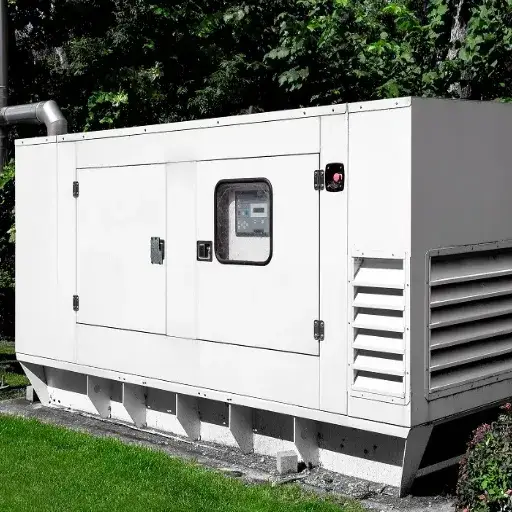
Emergency power systems depend on standby generators which provide automatic power during electrical outages. The systems require permanent installation which connects to a building’s electrical infrastructure for uninterrupted functionality. Standby generators use diesel and natural gas and propane as their primary fuel source which enables them to start within seconds of a power failure to protect essential functions from extended outages.
Standby generators use modern technologies which provide automated diagnostics and remote monitoring and load management functions. Real-time sensor data enables tracking of generator performance metrics which include fuel levels and engine temperature and output load to maintain optimal function and ensure timely maintenance. The units provide capacity options which start from 7kW residential systems and extend to 2MW industrial solutions, so organizations can select systems which match their designated operational requirements.
Automatic Transfer Switches (ATS) enable electricity routing through standby generators when both systems work together without requiring human control. The combination establishes power continuity in critical environments which include hospitals and data centers and manufacturing plants because even brief power interruptions lead to severe disruptions.
Uninterruptible Power Supplies (UPS)
Uninterruptible Power Supplies (UPS) function as essential elements which deliver uninterrupted energy supply during power outages and voltage variations. A UPS system operates as a backup power system which delivers immediate power through battery storage to sustain operations for essential equipment. The three main types of modern UPS systems include offline (standby) systems and line-interactive systems and online (double-conversion) systems which serve different requirements and load capacities.
The basic protection of offline UPS systems activates the system when power loss occurs, whereas line-interactive systems control small voltage changes. Online UPS systems deliver maximum protection because they transform incoming AC power into DC power which gets converted back to AC power to produce clean stable electricity. The units function best in mission-critical environments which need exact voltage management and quick switchover functionality.
UPS technology now supports scalable modular designs which boost efficiency and simplify maintenance tasks. Modern systems achieve energy efficiency ratings above 96%, which leads to lower operational expenses and better power management. The systems include intelligent monitoring tools which enable real-time diagnostics and remote system control and predictive maintenance to decrease system failure risks.
UPS systems protect delicate electronic devices which businesses use in healthcare and IT and manufacturing operations. Advanced UPS systems should become part of digital infrastructure deployments in order to create stability during power outages which ensures business operations continue through challenging situations.
Renewable Energy Solutions
The rising environmental sustainability needs together with the energy security requirements now make renewable energy solutions essential. Renewable energy sources such as solar energy wind energy hydropower and geothermal energy provide cleaner and more sustainable energy solutions because these sources come from natural processes that continuously renew themselves. Solar energy systems use photovoltaic cells or concentrated solar power systems to convert sunlight into electrical energy. Wind energy uses turbines to convert wind movement into electricity. Hydropower generates electricity through the movement of water which typically uses dams and rivers while geothermal energy generates power by using the Earth’s internal heat. The technologies provide organizations with effective methods to fulfill their growing energy requirements which produce no greenhouse gas emissions thus helping organizations to reach their climate objectives.
Advanced technologies have improved renewable energy systems through increased operational efficiency and better performance capabilities. Energy storage solutions which include both lithium-ion batteries and solid-state batteries allow users to store renewable energy that comes from intermittent sources for future usage thus providing continuous dependable power supply. Smart grid technology improves renewable energy source integration by creating better energy distribution systems which lead to higher grid reliability. Materials science developments have produced better photovoltaic efficiency together with lightweight wind turbine blades which resulted in lower renewable system costs and better system efficiency. The advancements make renewable energy systems easier to access which supports worldwide decarbonization efforts.
The economic and policy incentives create essential conditions which help drive the quick implementation of renewable energy solutions. Worldwide governments use tax credits together with feed-in tariffs and renewable portfolio standards to motivate businesses to invest in renewable energy technologies. Corporations are increasingly investing in renewable energy to reduce operational costs and achieve sustainability targets. International agreements such as the Paris Agreement establish renewable energy systems as critical elements needed to achieve global temperature limits of 2 degrees Celsius. The combined efforts of these organizations demonstrate how renewable energy functions as a fundamental element needed to establish a sustainable low-carbon future for the entire world.
Key Features of Emergency Power Supplies
Automatic Transfer Switches
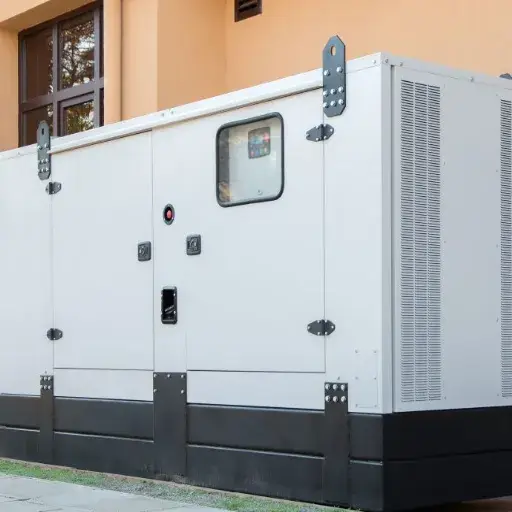
The Automatic Transfer Switches (ATS) serve as essential parts of emergency power systems because they maintain uninterrupted power supply during electrical outages. The system automatically switches power supply from the main source to the backup generator when it detects a power interruption. The ATS devices continuously track power quality and main source availability to initiate backup system activation whenever they detect voltage decreases or frequency changes or complete power failures.
The modern ATS solutions use advanced microprocessor-based controllers which deliver accurate monitoring and fast switching capabilities and improved operational dependability. The switching time for ATS systems typically takes between 1 and 5 seconds according to industry studies which show that different configurations and setups result in this time range. The latest ATS models enable users to monitor their systems remotely through smart grid technology which provides real-time diagnostic capabilities.
ATS systems achieve substantial operational time savings through their automatic operation which enables essential systems to function continuously during power interruptions. These systems also contribute to overall infrastructure resilience, making them indispensable for environments requiring uninterrupted power.
Load Management Capabilities
Load Management Capabilities Load Management Capabilities The integration of Automatic Transfer Switches (ATS) into power systems extends beyond basic function redundancy, as these devices are now embedded with advanced load management capabilities. The ATS system uses these functions to monitor power usage and distribute electrical loads to different circuits which helps control energy consumption and maintain system balance. The ATS units perform power demand analysis to handle excessive load conditions on specific circuits which enhances system performance and protects crucial operations from disruption.
The current ATS systems use advanced algorithms with load-shedding protocols as their primary operational framework. Load shedding involves strategically reducing non-essential power consumption during peak usage periods or emergencies, ensuring vital systems maintain power even under constrained supply conditions. The dynamic prioritization mechanism enables ATS to function as essential elements of the emerging smart grid system. The systems in industrial facilities can control power load to avoid system overload while they maintain essential manufacturing equipment operations through their ability to select between lighting loads and auxiliary mechanical loads.
The implementation of ATS systems with advanced load management capabilities results in operational cost savings and increased environmental performance. The comprehensive data acquired from ATS systems enables facility managers to monitor energy efficiency according to established benchmarks while decreasing energy waste and performing predictive maintenance tasks. The capabilities of these systems enable users to incorporate renewable energy sources while managing power demand that fluctuates between solar power generation and wind energy production. The system’s reliability extends to system adaptability which supports the development of sustainable energy systems with increased environmental resilience.
Fuel Source Options
The choice of fuel sources determines how efficiently energy systems will operate while meeting their sustainability goals. Natural gas, coal, and oil remain popular energy sources because they provide dependable power together with high energy content. The long-term sustainability of these energy sources faces environmental doubt because they produce substantial greenhouse gas emissions during their operation.
Renewable energy options such as solar energy, wind energy, hydroelectric power, and biomass power generation systems provide environmentally friendly energy sources that help decrease carbon emissions. Solar and wind energy systems have become common because of their ability to scale up and their decreasing costs. The energy system still faces challenges because power distribution depends on weather conditions which require development of storage technologies including lithium-ion batteries and grid-scale flow battery systems.
People increasingly prefer hybrid systems which combine traditional energy sources together with renewable energy solutions. The systems use fossil fuels which provide base-load power to support renewable energy production that occurs at irregular times thereby increasing grid operational capacity while decreasing total emissions. The selection process requires evaluation of technological advancements which includes hydrogen fuel cells that demonstrate capacity to achieve decarbonization targets in areas where direct electrification remains impractical.
Energy strategies require comprehensive evaluation of all fuel sources through assessment of their availability and cost efficiency and environmental effects and scalability. Advanced data platforms together with modeling tools equip stakeholders with necessary information to forecast energy needs and system performance and their ability to meet regulatory standards.
Selection Criteria for Emergency Power Systems
Assessing Power Needs for Commercial Applications
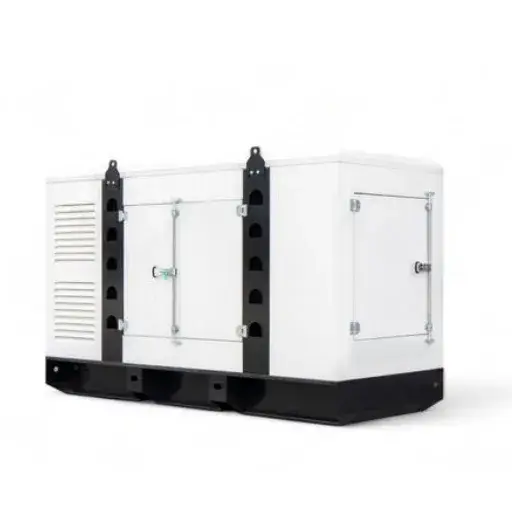
The process of evaluating energy needs for commercial operations requires methodical assessment of essential elements which maintain system functionality and deliver power during grid outages. The process of evaluating emergency power systems through a detailed assessment enables selection of systems which provide optimal performance and cost savings while working with current systems. The following five criteria represent important factors which need to be assessed during the evaluation process.
- Load Requirements: The facility requires total energy demand assessment through peak load and critical load requirement calculations. The analysis needs to include both essential operations and non-essential operations to determine which emergency power needs to be distributed first.
- Operational Duration: The emergency power system needs to be designed with sufficient power capacity to support expected outage durations. The process requires assessment of fuel storage capabilities through analysis of battery life in energy storage systems and evaluation of renewable energy resources during power outages.
- Scalability and Redundancy: The power system needs to be tested for its ability to handle increased future load requirements which will result from upcoming expansions. The system should incorporate redundancy measures through the use of parallel generator setups and dual-fuel support systems which will improve overall system dependability.
- Compliance with Codes and Standards: The emergency power systems need to fulfill all applicable regulatory standards which include local and national requirements as well as industry-specific regulations such as NFPA 110 for standby power systems. Compliance factors may also include emissions standards, noise restrictions, and safety requirements.
- Cost Analysis: The cost analysis requires comprehensive assessment of total costs which include initial capital expenses and all future operational costs and maintenance fees and expected savings from potential tax benefits. The financial assessment helps determine the right investment level which provides the best long-term value for the entire product lifecycle.
Commercial organizations can develop effective emergency power systems through comprehensive evaluation of all required criteria which meet their specific business needs.
Compliance with National Fire Protection Association Standards
The safety and operational performance of emergency power systems requires strict compliance with National Fire Protection Association (NFPA) standards. The Standard for Emergency and Standby Power Systems in NFPA 110 offers detailed performance standards which cover the complete process of system installation testing and maintenance. This standard categorizes power systems into Level 1 (systems where failure could result in loss of life) and Level 2 (systems where life safety is not directly affected but operation continuity is desired), enabling organizations to appropriately classify their specific needs.
The National Electrical Code (NEC) in NFPA 70 establishes safety guidelines which govern the electrical design and installation of emergency power systems. Essential requirements include the selection of suitable overcurrent protection elements and the establishment of transfer switch standards and the implementation of effective grounding methods which will reduce electrical risks.
Organizations need to evaluate how these standards will work together with both their local regulations and their specific site requirements. Organizations that understand NFPA compliance requirements create safer work environments which increase their operational efficiency while decreasing the risk of unexpected work stoppages and fines. Regular audits and documentation aligned with these standards further enhance system reliability, instilling confidence in emergency preparedness frameworks.
Emergency Power for Critical Systems
Power Solutions for Data Centers
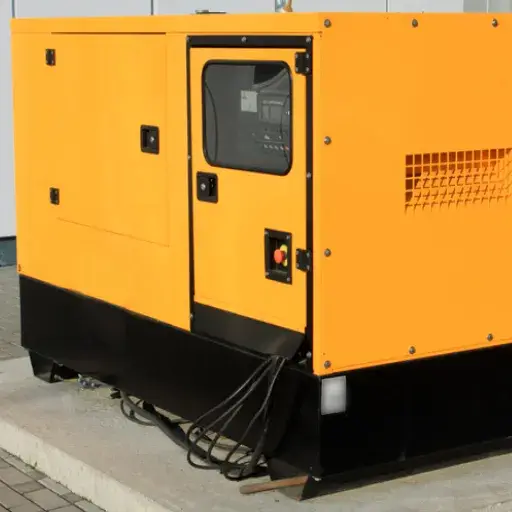
Data centers maintain continuous operations through advanced power systems which meet their requirements for peak operational performance and continuous service availability. Data centers protect essential operations through their complex network of backup systems which includes uninterruptible power supplies (UPS) and emergency power generators. The modern lithium-ion battery technology used in UPS systems provides longer battery life and needs less upkeep while delivering more power than traditional lead-acid batteries.
The solutions combine real-time monitoring technology with predictive analytics which enables operators to identify and fix potential system failures while optimizing their power management operations. The implementation of solar energy systems and energy storage technologies supports sustainable development objectives while decreasing operational expenses throughout their lifespan. The adoption of advanced power solutions helps data centers achieve better operational stability while decreasing energy consumption and meeting new regulatory requirements.
Power redundancy achieves its optimal performance through a dual configuration system which maintains system functionality during major equipment failures. Proactive maintenance combined with real-time diagnostics enables mission-critical environments to achieve maximum uptime reliability, which essential for maintaining worldwide data operations.
Emergency Lighting Considerations
Considerations Emergency lighting systems function as essential elements in facility safety by providing light and safe paths for people to exit during power outages or emergency situations. The systems function independently during power failures to deliver continuous light according to safety codes and standards which include NFPA 101 (Life Safety Code) and ISO 30061. Effective emergency lighting designs integrate both equipment reliability and strategic placement to mitigate risks, especially in high-occupancy buildings or hazardous environments. The system needs to match the actual space requirements to achieve peak efficiency when vital operations occur.
Emergency lighting technology has developed new systems which focus on achieving optimal energy efficiency and environmental sustainability. The transition from traditional fluorescent and incandescent fixtures to LED-based solutions not only reduces energy consumption but also extends operational life, lowering maintenance costs. Lighting systems now commonly include self-testing features which enable remote monitoring through network links, thereby simplifying maintenance and satisfying testing requirements. The intelligent systems detect faults which they use to send alerts to facilities staff for real-time monitoring, which reduces the risk of equipment failures during critical operations.
Emergency lighting circuits need backup systems because mission-critical facilities such as hospitals data centers and industrial plants require such systems to maintain their core operations. The system achieves this through the installation of uninterruptible power supplies (UPS) systems and centralized battery systems and generator systems. The advanced photometric design delivers consistent light levels while reducing glare effects, which improves visibility during evacuation procedures. Local regulations combined with international standards create a reliable system which operates in multiple locations. Facilities can reach superior safety levels through advanced technologies and strong design principles, which enable them to maintain operations under difficult conditions.
Integrating Emergency Power into Existing Infrastructure
Emergency power systems need to undergo strategic design development which requires the complete understanding of the present electrical system and the future operational needs of the building. The process of load analysis needs to be conducted because it helps identify essential circuits which need proper power distribution during power outages. The modern systems implement automatic transfer switches ATS which allow systems to switch between main power and backup power without interrupting operations.
The process of establishing new emergency power systems requires testing to verify that the new components will operate with existing systems and to confirm that all equipment meets safety regulations which include NFPA 110 requirements for both emergency and standby power systems. The centralized monitoring software system enables operational processes to become more efficient through its ability to deliver instant system status updates and remote control functions.
Facilities now use renewable energy systems which include solar panels as emergency power systems to achieve their sustainability goals. The combination of battery storage and traditional generators in hybrid solutions creates a system which delivers environmental advantages while maintaining power supply during extended periods when the grid is down. The system performance testing process includes load bank tests which enable organizations to verify their system operation while determining their potential performance breakdowns during real-life emergency situations.
References
-
University of Colorado Denver: Battery Backup System Features and Options
This source discusses battery power backup systems and their role in powering critical devices during outages. -
University of Illinois: Emergency Backup Power
A detailed academic document on emergency power systems, including their requirements and components. -
University of North Texas: Emergency Power Planning for People Who Use Electricity
A checklist for emergency power planning, especially for individuals relying on electricity-dependent devices. - Click here to read more.
Frequently Asked Questions (FAQ)
Q: Describe emergency power systems what they are for.
A: Integrated equipment installed to function as a generator and/ or battery when there is absence of regular utility service is usually referred to as such in the industry. Examples of such systems are those that produce power for hospitals, data centers, airports etc. during periods of interruption of local electrical installation such as diesel power plants, UPS systems, mobile generators and others. Their biggest advantage is ensuring that there is no power cut during an emergency so that all the life supporting and protection systems stay operational.
Q: Are there any suitable means of providing power supply in emergency conditions?
A: Some of the most frequent emergency power includes the use of the diesel generators, sometimes combined with backup power supplies (UPS), and other modern systems such as solar power or renewable energy backups. There are systems for both manual activation and automatic activation that are useful for causing emergency power systems to complete in a very short time and also high power generation depending on the application.
Q: In what ways are diesel generators better than batteries with respect to emergency power?
A: During power outages, it is possible to use diesel generators as a source of emergency power unlike batteries which have an inevitable shortage of energy storage for short periods of time unlike commercial and power plants where the generator is used for example in case of a power facility malfunction. However, most use a mixture of both, since battery backups come in handy to give power immediately and the actual emergency power is kept up with diesel generators for most of the time when there is no power.
Q: To whom are emergency power systems relevant, and in what areas do clients predominantly deploy them?
A: Emergency power systems are necessarily required by such objects as hospitals, systems of emergency, data centers, production facilities which have very critical power and whenever there is need for provision of uninterrupted power. Systems are deployed in hospitals, commercial buildings, public services, and other establishments especially where power supply is unstable or where an efficient emergency power supply is a decisive factor for functionality and safety.
Q: What are some factors that must be considered when calculating the size of commercial emergency power system?
A: Commercial power solutions should take into account various factors such as overall power needs, peak power demand, essential sounds systems like heating/cooling, lighting among others, alternative systems’ capabilities, fuel storage provisions for diesel engines or generators, and coexistence with battery or solar systems. It is essential that the power distribution system is well designed and all areas that would require emergency power have it easily available and, thus, all operations in that building can continue uninterrupted.
Q: What measures are adopted by contemporary emergency power systems to ensure operation without human intervention even during the absence of utility power?
A: Contemporary emergency power systems incorporate a number of features such as automatic transfer switches, control systems, and associated monitors which are programmed to recognise when utility power is not available and activate the diesel generators or the batteries for the supply of power. Such systems are intended to – avoid power interruptions or to ensure a smooth switch over without de-energizing any critical load. Some of these system settings adopted by most modern emergency power systems include remote monitoring.
Q: Is it possible to use portable power or solar as part of an emergency power plan?
A: Of course. Most of the emergency power systems can rely on the portable power units and solar-based systems acting as additional as well as backup power resources. Depending on the situation, clean energy such as solar, alongside batteries works well as they are quiet and do not need much servicing while portable power assists in providing temporary power supply during power loss. There is a possibility of designing systems incorporating different technologies to meet their emergency power needs in different environments.
Q: What should I do to keep my emergency power system operational and ready for use if needed?
A: Regular upkeep and testing are crucial. Set the frequency of inspection, load test, and fuel level in diesel generators as well as battery backups discharge tests and monitoring works. The systems may have built-in self-testing and remote diagnostic capabilities to aid in early detection of problems. With proper checking, it is assured that your emergency power system will render full emergency supply and shall be operational during utility power outage.