
Power outage is a huge obstacle for business operation if it takes them by surprise and many activities cannot be carried out leading to revenue loss, compromise of data, and complaints from customers. Today’s business environment is much more dynamic than in the past and therefore makes a planned response in such situations essential. Hence effective emergency power sources for businesses are the order of the day. This paper will examine emergency power systems for business elaborating on how they aid in stabilizing business processes in the face of such power disruptions. Also explored will be generators and their working principles, as well as discussing how especially beneficial purified air powered generators are to different sectors of the market.।।This will be possible by showing you how to buffer your operations against the risk of power cuts and disruptions.
Understanding Emergency Power Systems
What are Emergency Power Systems?
Backup supports, also called emergency power systems for business, are those that mitigate business risks associated with power supply born outages by providing standby power for use in such cases. Backup power can be associated with electric power and is implemented in the event of a power cut. It is very vital in cases where the loss of power even for a few minutes will cause data loss, loss of safety or lead to a block of the operations that are going on.
Most emergency power systems or setups consist of backup power generators and/or UPS which stands for uninterruptible power supply. Backup generators, which most commonly run on diesel, natural gas or propane, come equipped with an automatic system that helps cut the supply of power whenever there is an outage. An uninterruptible power supply (UPS) provides protection against power instability and serves as a passive awning device for a very short instant within which power backup generators are likely to power up.
Industries have critical operations such as those in healthcare, manufacturing, information technology, and telecommunications that cannot afford to be interrupted, emergency power systems are also vital in such industries. These systems not only ensure critical infrastructure is operational in the event of power failure, but also reduce the amount of time that such infrastructure is not operational, thereby protecting business operations against profitability and reputation loss. This is as exemplified by the evolution of societies and economies to require systems that are more integrated and energy secure.
Importance of Backup Power for Businesses
Emergency power systems for business provision are imperative for seamless business functioning in case of power cut. In sectors such as medicine, production, and information technology, the requirement of continuous electricity is essential to sustain activities, protect information and ensure safety. This ensures a discrimination in the competitors available because any particular pause in activities; for example, simple cut-off of electricity from the system may render activities totally suspended, equipment destroyed and revenue lost even from the companions practicing soft solutions.
A-business interruption insurance averts most of the cost of long back-ups as it is speculative to the productivity and sales volume. As an illustration, manufacturing facilities that have machines and other production processes that depend on ongoing flow of electricity. When this occurs, it sees irregular operations, more waste and defects in the system, explaining this extension. Additionally, data centers which appeal to the storage of required data for a functional entity, provide power to the clients usually within a few seconds.
Furthermore, emergency power systems for business likewise enhance risk strategies and make companies more resilient in the long run. When protected from or able to recover fast from power outage impacts, customers’ confidence in the firm is assured and the competitiveness of the market does not destroy the company through reputational damage. Such robustness becomes even more critical today with advance digitalized systems and increasing power demand on businesses. Dropped generators, ups and even renewable energy energy storage, smart solutions underneath a backup power facility system are must-haves for efficient and sustainable operations.
Types of Power Supply Systems
Supporting batteries, emergency power systems for business continuity are broadly classified into the following three main categories : Uninterruptible Power Supply (UPS) Systems, Generators, and Renewable Energy.
1. Uninterruptible Power Supply (UPS) Systems:
Uninterruptible power supply as its name suggests, plays an important role in providing instant power during short-time power outages. It primarily takes the form of batteries which is also known as a battery backup and is used in most cases where some essential systems cannot be turned off such as in case of servers, telecommunications equipment, medical devices and such. UPS products require applications where even a power interruption for a fraction of a second causes a break in operations or a loss of information. In addition, the devices will have additionally voltage stabilizing mechanisms for protecting the installed equipment from changes in the external network.
2. Generators:
It is a very prevalent option as a form of emergency power systems for businesses. Generators convert the mechanical energy produced from burning fuels such as diesel and gas into electricity. They are especially one of the most appropriate form of power back-up systems for extensive use in activities such as production plants or office buildings. When alliettes would have been stockpiled; this kind of energy consumption however the power is interrupted in the case of any emergency is assured or rather more ascertained most of the generators built into these cooling systems.
3. Alternative source:
Another source which can be classified as modern is renewable energy source systems suitable for energy storage like batteries, fuel cells both working in synergy with solar or even wind power. Such systems are not only able to offer backup power but also aim at sustainability by employing less fossil fuels. The systems are becoming more and more common in sectors, which seek to reduce the adverse environmental effects of their processes but still ensure energy availability in residential, commercial or even industrial activities.
Organizations are able to adjust their energy supply methods by appreciating and understanding how one option differs from the other in terms of good points and suitability. It has become a norm to deploy different types of power sources simultaneousl are in place that will keep the operations uninterrupted in the event that the power grid goes out.
Types of Emergency Power Solutions
Standby Power Generators
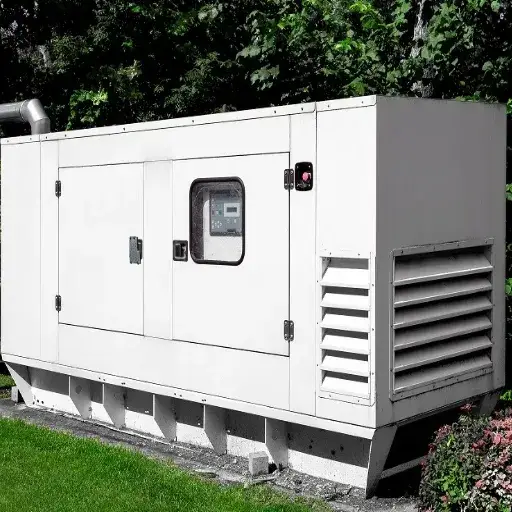
Standby power generators are necessary in emergency power systems for business where outages disrupt critical activities. These are automatic systems and come into action when there is a failure in the mains supply in order to guarantee proper operating of the different tools that are used in these systems. Such generators are diesel, natural gas, and propane powered and as such, are appropriate for residential, commercial, and industrial operations.
One of the key features of standby power generators is that they supply instant and steady power within a few seconds after blackout. This quick response ensures optimized work by increasing productivity as potential damages are minimized. Especially where a business needs uninterrupted services like hospitals, data centers, manufacturing, and the like, there is no need to worry since the downtime is quite minimum. Fuel management, as well as general testing are some of the practices that help in performance maintenance.
Yes, standby generators are very useful in times of un-prepared events however one must understand they don’t drive such factors as long term electric supply system and maternal energy demand needs. Standby generators come at great initial cost and they can only be sustained for short periods of time. There is need for the organization to understand its power consumption patterns towards choosing the right sizing of a generator and selecting the appropriate god for fuel. This is to enhance operational efficiency, which is the requirement of a business.
Uninterruptible Power Supply (UPS)
An Uninterruptible Power Supply (or UPS) constitutes an important appliance for providing a constant power supply to particular devices which cannot survive power outages. Comparing with replacement generators that must be set in motion for perhaps longer, a UPS compensates for a potential generator delay by incorporating batteries or supercapacitors into the unit to cater for power breaks or sagging and surges for an immediate source of electricity. This capability enables controlled shutdowns or switchover to standby power systems without loss of information, gear destruction and activity interruption to such serious areas as server rooms, hospitals, or even industrial control.
Present-day emergency power systems for business and home appliances come in three major categories. The first one is the offline or standby uninterruptable power supply, which is one of the cheapest designs, and it has limited functionality in that electricity is supplied directly from the batteries when there are interruptions. Second in the category is, the line interactive battery chambers providing better voltage stability compared to the earlier unit, capable of withstanding electricity spikes. Finally, Double Conversion, also referred to as Online UPS, supports the most critical applications and offers power conditioning as it has two stages of power conversion.
Modern uninterruptible power supply systems have really upped the game by incorporating the latest technologies such as real time monitoring systems or modular systems for improved scaling options. To mention, lithium – ion batteries is one of the technological enhancement that is fast catching on because most of these batteries last quite a longer period and do not require frequent repair and maintenance like conventional lead – acid batteries. This is one of the reasons why it is agreed upon that lithium-ion battery powered systems are capable of utility space savings to the tune of 40% from the other sizes and enhanced sustainability since the operational costs are much lower over the useful life of the system.
Detailed power designs coupled with advance technology will allow one to ensure that emergency power systems for business are configured effectively against any existential risks, including but not limited to, lack of power supply or its instability.
Diesel vs. Gas Generators
Diesel generators are more fuel-efficient, durable, and better for heavy loads, while gas generators are cleaner, quieter, and more affordable upfront.
|
Key Point |
Diesel |
Gas |
|---|---|---|
|
Fuel Cost |
Lower |
Higher |
|
Efficiency |
High |
Moderate |
|
Durability |
Long-lasting |
Shorter lifespan |
|
Emissions |
Higher |
Lower |
|
Noise |
Louder |
Quieter |
|
Maintenance |
Less frequent |
More frequent |
|
Startup Cost |
Higher |
Lower |
|
Load Handling |
Heavy loads |
Light loads |
|
Portability |
Less portable |
More portable |
|
Eco-Friend |
Less eco-friendly |
More eco-friendly |
Benefits of Implementing Backup Power Systems
Ensuring Business Continuity During Outages
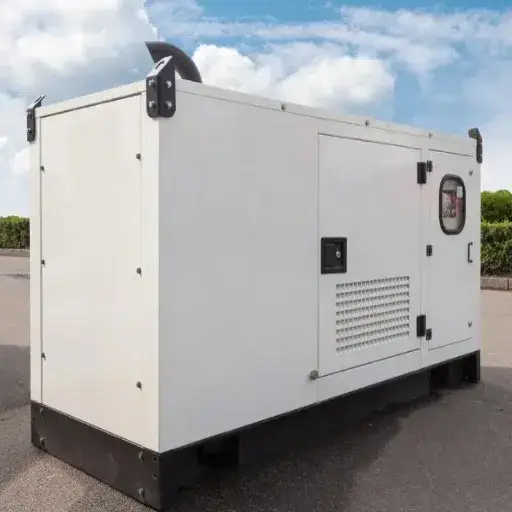
Power interruptions may have a detrimental effect on the business by impacting the revenue, customers, and a healthy level of productivity. As a result, it is prudent for companies to install backup power generation systems to address the potential consequences so that operational halts due to unanticipated outages are not experienced. Here’s an overview of how back-up power systems help and what is significant if one is to choose them.
- Reducing Duration of Inactivity: Significant loss of revenue is occasioned by outage downtime that disables crucial activities. When a blackout occurs, the business needs to switch on the back-up power system to avoid interruptions and loss of production or services rendered according to the categories the business falls in IT inclusive.
- Safeguards:Electrical discharges often result in data leakage and system compromise thereby putting confidential details at risk. Backup power, and especially in the case of systems connected to UPS, saves the system from losing power without warning hence protecting the stored data and eliminating any risk of loss. Memory tampering.
- Functioning in Order: In case of a power cut, manufacturing, health care, logistics, and many more facilities are in concern as they rely on electric system. Although they can retain its stability in operation by means of alternate systems in order to protect the equipment , products , refrigeration etc.
- Enhancement of Security: In the workplace where the absence of light, and fresh air, and watching cameras and other systems at all times may be a serious concern; power blackouts may cause some danger. The use of a standby generator ensures that all the significant systems of protection are always working even when there is no supply.
- Building the Clients’ Trust: The level of faith on the part of the customers, when it comes to the state of affairs when the electrical current defect is addressed by enhancement correlates with the availability of other sources of power. This is because it is perceived that the said businesses owing to the fact that they can use other supplies of energy even in the absence of electricity, are dependable and thus cannot disappoint their clientele when certain unforeseeable circumstances arise.
All the above factors emphasize the great importance of having emergency power systems for business so as to enhance the continuity of activities, security and also the positive perception of the clients. Businesses should establish the extent of their need in such a system and allocate the necessary resources for that cause.
Protecting Critical Systems
Ensuring that important systems are put out of operation in the event of a power failure requires a careful strategy that will secure services. Organizations must have and secure core assets upon which they rely on the performance of their functions. The five most critical elements are discussed below:
- Storage and Servers: There is a need to have data centres and servers, as they enable information access. There is a danger in such events of complete or partial destruction of this data necessitating the presence of UPS and auxiliary power units to hold such systems.
- Networks: The networks that include the communication network, email network, and the structured communication network should be able to work still in times of emergency to allow proper functioning of the organization by aiding in both internal and external communication.
- Healthcare Equipment: In health institutions, vital equipment, such as respirators, meta monitors sensitive equipment, or fridges storing medicines, are turned on. Redundant systems that are designed for time-sensitive changeover, are a must in this kind of environment.
- Security infrastructure: There is a need for active/online security infrastructure. This includes CCTV, alarms and door access. There must be non-stop operation or else it may cause incidents in the sensitive premises.
- Manufacturing Processes: However, for the power runs out, there is interference in the services and machinery. Heavy control support. Business’ production facilities shall not need operations doors platforms control systems built. Other support for these machines is also important.
This is just an example of providing backup energy supplies to very important components in the system. Every business must conduct risk analysis in order to identify what systems are more important and develop most suitable emergency power systems for business.
Cost-Effectiveness of Backup Power Solutions
In terms of resources, investment in backup power supply solutions saves money in the long run as well as guarantees operational reliability. Since these protection systems prevent losses like equipment failure, loss of data, and production delay, which are all non-quantifiable, their installation should go without a hitch even in the presence of these particular deterrent costs. The following five points will prove the importance of back up power systems in terms of cost efficiency:
- Lower Downtime Expenses: It has been estimated that businesses lose an average of $5,600 for every minute the equipment is down, depending on the industry. Outages can be significant in many cases, but backup power sources provide constant support, preventing huge sums of money from escaping company pockets.
- Reduced Damage to Equipment: Voltage spikes, as well as abrupt power failures, are some of the things that can ruin fragile electronic devices. The use of generators or UPS helps to eliminate the necessity for repairing or even replacing equipment at a high cost.
- Adherence to a Regulatory Framework: There are particular businesses for example health care and finance that need certain infrastructural back up utility where uninterrupted power is maintained for the sake of keeping legal and operational requirements. In that regard, getting a back up energy service saves an organization from paying a huge penalty and saving the good name of the organization.
- Employment Wellbeing: In cases where there are industries that work with automation or processes that are continuous, the overhead of shutting the process down and the downtime needed to get back the process into production would be eliminated by use of the backup energy service. This makes the process efficient since work will always be done in the process stream.
- Ways to Lower Energy Costs: Such emergency power systems for business are currently being designed to accommodate renewable energy sources for example solar and wind to mention but a few in order to lessen dependence of conventional energy resources. This enables businesses not only to maintain operational expenses which are reduced energy consumption but that also ensures readiness in cases where there is an emergency which commonly occurs in power failure.
With all these factors in place, companies can also establish how much return on of cost measures of restoration is achieved as well as look for the systems that fit in conveniently with relative operational goals.
Risks of Not Having Emergency Backup Power
Operational Disruptions
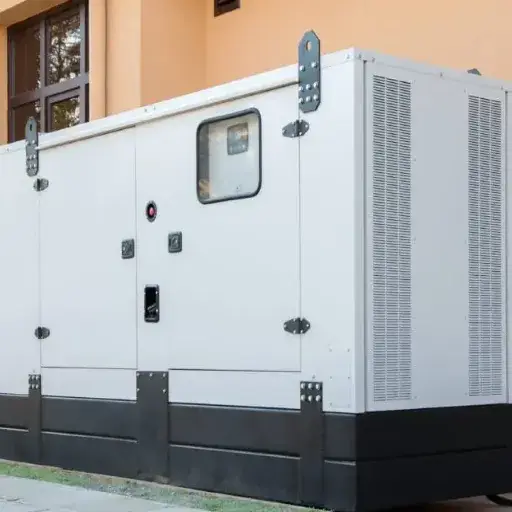
The lack of adequate emergency power systems for business can potentially upset its workings and further cause a chain of failures in different sectors. The interruption of power supply may impair essential components such as the IT systems, the security systems, or even the production lines and this is generally detrimental to continuity of business. Look at a data center, for example, without power backup, its servers are bound to crash, customers vital information getting lost and heavy costs incurred on restoration. These kinds of disruptions pose great problems to businesses that depend on real time processing such as in the financial sector or real-time systems in e-commerce thus increasing the loss in terms of downtime.
There are also operational complications which arise in addition to only the power outage. Therefore, workers might not be able to work effectively for certain reasons, especially restricting those that are surrounded by costly technology. There are scenarios where factories cannot control the use of automatic factory line equipment which results in the destruction of products and delays in delivery. This kind of waste affects both ends of the supply chain, the result being loss of revenue and suppliers, apodictically damaging those ties.
Uncertainty in terms of possible power interruptions has negative implications for high-risk workplaces too. For instance, hospitals have electronic medical devices that, if left unpowered during a blackout, can result in mortalities. This is also true in terms of transportation and shipment industries; any power interruption cuts down the capacity and increases the risk of cargo damage. Therefore, emergency power systems for business continuity may not be understood as back up resources only. They are however, a part of risk management, which seeks to maintain seamless operations and ensure the organizations’ ethical principles are not compromised even when disasters strike.
Financial Implications
Putting in place efficient emergency power systems for business does not only entail basic expenditure on equipment and resources to implement. Unlike capital costs that are one-off, this is a capital cost that involves purchasing high-end generators, UPS systems, batteries, and their installation by professionals so that safety and functionality standards are not compromised. There are however operational costs derived from fuel supplies, preventive maintenance, and patient care disturbance, among others that must be considered in the final financial analysis. The fact is, although these costs might appear to be significant initially and while there out and current expenses costs involved, they are minuscule compared to what the organization could lose during an outage.
There are wide variations in operational downtime expenditure across the industries but no research was able to find, recent studies on this subject can cause costs ranging from hundreds of thousands of dollars to even a million dollars per hour. If we take the example of the retail industry, notify that there could a loss of revenue from interrupted transactions, spoilage of inventories, and wholesaler/cus transactions due to loss of fresh food items. Again, in a manufacturing industry, if equipment or operations come to a grinding halt, then due to such delays; delivery commitments may be breached, spot contracts compromised and the firm’s name affected. Timely investment into energy assurance capabilities, therefore, can be considered a cost effective mechanism against such often ignored structures and irregularities of the operating process that could be extremely expensive.
Also, it is possible to determine the relevance of investments in systems through decreased downtime and risk, improved efficiency of system operations, and long-run cost savings from avoiding catastrophic failures. Managing risks also encourages the companies to aim for lowering the insurance premiums and improving their credit facilities. From this point of view, the spending on emergency power systems for business is not just a simple cost but, rather a smart investment for the maintenance of income, stakeholders trust and continuing the business despite of the worst.
Maintaining Your Emergency Power System
Regular Testing and Maintenance Protocols
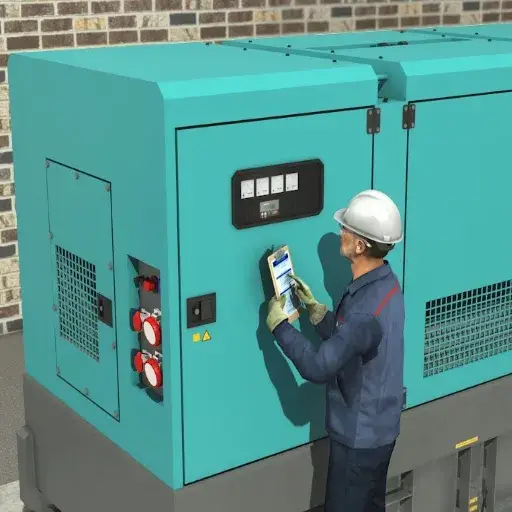
To make emergency power systems for business reliable and efficient, one needs to follow consistent and thorough strategies for both testing and maintenance. The testing methods should incorporate load carrying testing in practical situations as a first step. It entails the ability to turn on the backup power system during a power failure and the ability to be able to support important facilities. Load testing is also generally advocated for during practice at least once a month where the generator shall be required to run for some time in order to check consumption of fuel, electrical load capacity and the mechanical structure as a whole. Over any of the practice infirmities noted should be taken out within subjected time so that the development of any faults in the real operating conditions is prevented.
Maintenance of fuel systems is equally essential for emergency management programs especially for those using diesel generators. After some time, fuels deteriorate or congeal, which will greatly affect the performance of the generator. A well-planned fuel management strategy is encouraged and this entails regular fuel inspection, fuel tank cleaning and adding fuel stabilizers as deemed necessary so that fuel remains stable longer. In addition, changing oil, checking coolants and batteries should also follow the schedule as prescribed by the makers of the generator as these are especially important in ensuring the safe and efficient working of the system. A little wear and tear here and there can result in aggravated conditions where emergency power systems for business use is a necessity.
In conclusion, the introduction of new technology in the modern world which allows real-time supervision and analysis can improve maintenance practices. Currently, the majority of the emergency power systems are installed with sensors that use IoT technology to take data of variables such as temperature, pressure and energy output on time. When some deviation or possible failure is detected these systems prompt maintenance engineers to conduct preventive repair rather than curative repair. Therefore, such never-changing conventional operations as human physical examination, and machine oriented breakdown are likely to significantly increase the reliability and service life of a company’s emergency power systems.
Compliance with Safety Standards
Safety is at the heart of operating the emergency power systems for business efficiently and this can be achieved only through observing the existing safety requirements. Authorities such as NFP as well as others prescribe safety standards and codes applicable to emergency power and standby systems. An example is the NFPA 110 – standard for emergency power systems, which defines the fundamental requirements for the manufacture, installation, operation, testing, and maintenance of such installations and fittings. These standards require such systems to be inspected at regular intervals, subjected to load testing, and audited for performance to certify their operation during emergencies. These requirements also facilitate approval for building emergency power systems and lower the chances of systems failure during critical operations.
In addition to complying with industry converted ethical guidelines, using the monitoring technologies helps to enforce the safety rules. Present-day populations are meant to keep records of varied performance outputs and automatically generate reports in accordance with the safety and performance standards. An example of these is incorporation of generator controllers which is in accordance with ISO 8528-5 which even considers the operational conditions like frequency stability, transient and even response times. Such a digital trail improves the accuracy of records in matters that require auditing as well as helps in ensuring both adherence to local and international standards thus increase conduct accountability reducing such efficacy liability risks as well.
In addition, these operations teams and other relevant regulatory bodies always work in tandem to align themselves with the newly introduced safety standards This is due to the growing use of renewable sources of energy in the emergency power systems for business. Many new standards including the UL 9540 requirement for the performance of energy storage systems are becoming relevant as well. It is quite apparent that businesses need to react to this new reality by augmenting their internal operational standards to accommodate any advances, be it generators, batteries or any component that requires handling and safe operations. Active compliance management helps in the better functioning of the operations, as well as ensuring that there is an industry-accepted practice carried out in the organization.
Updating Your Power Solutions for Commercial Needs
The need for effective and efficient power solutions delivery and utilization has to take place as business scale inches forward and operations outgrow the existing systems, necessitating such changes,. This analysis considers alternative and improved power solutions citing solar energy integration within the current systems as one of many applications. For optimal performance, most designs now include a combination of advanced battery technologies. Instead, those that have lithium-ion or solid-state cells are used, so as to increase energy density, extend life, and improve safety features compared to conventional systems. Furthermore,the wise control has the ability to see and carry out operations in real time which is revolutionizing power definition where more optimal performance is achieved and encouraging more rational power consumption by enterprises creating less waste optimization.
According to information provided in industry reports, market forecasts reveal that more and more firms are leaning towards this solution, where revenue from renewable energy systems is expected to grow at a constant rate of 8 plus percent annually up until the year 2030 and beyond. This transition is supported by several factors the most apparent being the policies that require reducing carbon emissions through adoption of energy in green form coupled with rising operating needs to ensure the systems can withstand fluctuations within the grid at an optimum cost. Failure of companies to upgrade their electrical systems leaves them with no other advantage other than reducing their contestability and extending the possibilities of energy crisis related to emergency power systems for business among others in the list.
To enhance your emergency power systems for business, a new approach is certainly necessary – compatibility, flexibility, and conformity with some specified standards like energy management under ISO 50001 or distributed energy resources as per IEEE must be considered. Sophisticated technologies including AI-predictions can be incorporated in these models; helping models to smartly combat issues by predicting electrics take off and absorbing peaks energies. The use of these techniques, Inable them to play a pro-active role in the sector concerning with sustainability and operational domain.
References
-
Use of Fuel Cells for Improving On-Site Emergency Power Availability
This study explores the role of fuel cells in enhancing emergency power reliability for businesses. -
Renewable Energy and Disaster-Resistant Buildings
This paper examines the impact of power loss on businesses and the integration of renewable energy in disaster-resistant systems. - Click here to read more.
Frequently Asked Questions (FAQ)
Q: Why are the emergency systems of electric power employed by the organizations and what are such systems known for?
A: What is meant by emergency power systems for business is the systems that comprise device-complexes such as generators, batteries, automatic transfer switch (ATS), and uninterruptible power supply (UPS), that are able to carry power distribution functions in case of a power breakdown of the utility network. They ensure the vital parts of the power supply do not fail because this would interrupt the operations and loosely speaking, moves monetary damages away by making sure that life safety systems, and data centers remain operational, as well as other healthcare and commercial or industrial facilities. The choice of the optimal backup power system enables tension-free peace of presence in the premises as well as the expectation of necessary or damaging power in the event of reduction of normal power supply.
Q: Elaborate on the backup power alternatives that can be sought after in a commercial setting?
A: Below are some of the alternative answers to electrical power backup options like utilization of diesel powered or natural gas standby generators (for big commercial buildings or for individual who buys diesel generators) coverage with battery packed as a UPS system; dual power source having a generator and a battery; transfer switches such as automatic transfer switch and manual switch. In the original text, the author aims to advice on which type of backup solution will be the best and some of the key parameters that were highlighted are power requirements, whether it is a prime power that is used on regular basis or it is an emergency power, provision of fuel, the intention of use and after if a power outage occurs how long will it take to bring back the essential systems into operational.
Q: What is the mechanism involved in connecting an ATS that comes with the emergency power systems for business generators?
A: A utility automatic transfer switch (ATS) senses interruption of the utility power supply and automatically initiates the emergency generator system and switches over the electrical load from mains to generator. The ATS takes care of the switching over within the shortest possible time so that all operation critical baseboards are not altered in any way. Most plants with an emergency back-up generator also have an ATS, which provides it in their backup systems, or in emergency power systems for business.
Q: How are the needs of the enterprise determined from the aspect of backup power supply?
A: Determination of the electrical load of the installation is performed in several stages, with the last very detail. Of significance is the identification of the systems (fire and other dangerous situations protection, technical, such as servers, air conditioning and ventilation systems, or rather air handling devices with heat recovery, lamps and lighting controls) which are in use and the total value of consumption (KW or KVA) with special attention to peak loads. One should also bear in mind how often and for how long one can go without power. Analyze the possibility of running diesel generators for a full 24 hours or more, supply of the fuel for that case (either diesel fuel or natural gas; it depends on which fuel runs the generators) and the need of continuous running generators or standby generators during power outages. Together with the electrical contractors, if any, opt on the appropriate system whether mobile generators; static generators; batteries or a hybrid system; thereby ensuring that the power system addresses all immediate restoration needs and ‘never again’ promises or reliability over time.
Q: What are the generator maintenance operations which any emergency power systems for business should be subjected to gør it reliable?
A: Regular service is a crucial part of utilizing the benefits of backup generators associating troubleshooting with the guidelines of routine maintenance like conducting inspections, testing of loads, changing oil, replacing filters, testing batteries, conducting maintenance on fuel systems etc. Diesel guzzlers need careful fuels and storage not allowing any contaminants in. Well planned services for the generator and a contract for servicing the equipment with an efficient provider of electric services will insure timely starting and operation of a standby generator which means that operations will not be interrupted and personnel will not have to worry.
Q: What is the duration of power restoration from the installed commercial generators, how about fuel densities and capacity of tanks?
A: The operation period of the generator varies with generator capacity, power consumption, and amount of fuel available. Standby generators that run both on diesel and natural gases can operate on power source within the range of few hours to few days; how big the reserve tank contains fuel and how frequently users refuel the generator enables the generator to do so for longer. If there will be a prolonged blackout, it is possible for companies to order in fuel or connect to the gas feedpipe. It is always important to have adequate fuel storage and handling logistics, as well as supplies, to avoid downtime and so that the back up can serve the [same purpose of] providing power in the alternative for utility mains.
Q: Would it be possible to utilize general battery system in lieu of diesel gensets for back-up?
A: Use of batteries and uninterruptable power supplies (UPSs) provides excellent protection against short-term outages and is also suitable for sensitive electronics to provide uninterrupted power during brief outages. However, they usually have a dis-advantage in that the energy is limited to that stored in the units. For more extended interruptions, or large-scale power requirements, battery-only solutions become quite ineffective, and generators and hybrid applications present viable solutions. In many cases, businesses incorporate the UPS and emergency power systems for immediate protection purposes and a generator for longer duration and extent of the power supply due to the trade-off of the reliability, the impacts on emissions, or fuel supply issues.
Q: Which factors influence the degree of reliability in emergency power systems for business?
A: To be reliable, emergency power systems must be tailored correctly to the required power demand, installed properly (including switching and controls), have a good generator (industrial and commercial generators), have a reliable fuel source (diesel and natural gas), be maintained and tested regularly. In the case of redundancy, for instance such as a cluster of standby generators or interconnectivity of many power sources, overall reliability is improved to the extent that critical systems will continue functioning during interruption.
Q: In what way do the business emergency power systems lower the costs and facilitate response to emergencies?
A: It is possible to reduce the downtime by using emergency power systems in the business. Such systems are able to keep the cash system on and working, manufacturing line on and working, healthcare institutions running and data processing centers in operation, all leading to the reduction of lost revenue and damage to the reputation. They also help to maintain emergency rescue with life support systems during outages to the communication systems at the same time complying with the legislations and in this way safeguarding people and valuables. It is why one should purchase a suitable backup power volt generator and complete emergency backup facility when owning a business, as this brings confidence and enables the business owner to continue with work even during scheduled examination of equipment or when interruptions to the energy supply occur.