
Proper management of the battery system in the generator will help to achieve its maximum capacity without any hitches. The starting system, equipped with a battery, is responsible for helping the generator to start at the time of operation. It is very important to pay attention to this part of the system as ignoring it might cause very undesirable consequences such as constant breakdowns, expensive repairs or even turning off the whole system at a very inappropriate time. We will also consider the maintenance of the generator battery, which is very important in guaranteeing that the starting system still works, and how best the starting system can be maintained, so that it does not fail. Whether for home use of a generator as a backup power source or for industrial application, every user of a generator needs and would rather these spare problems for themselves by following the necessary maintenance guidelines for their specific machine.
The Importance of Battery Maintenance for Generators
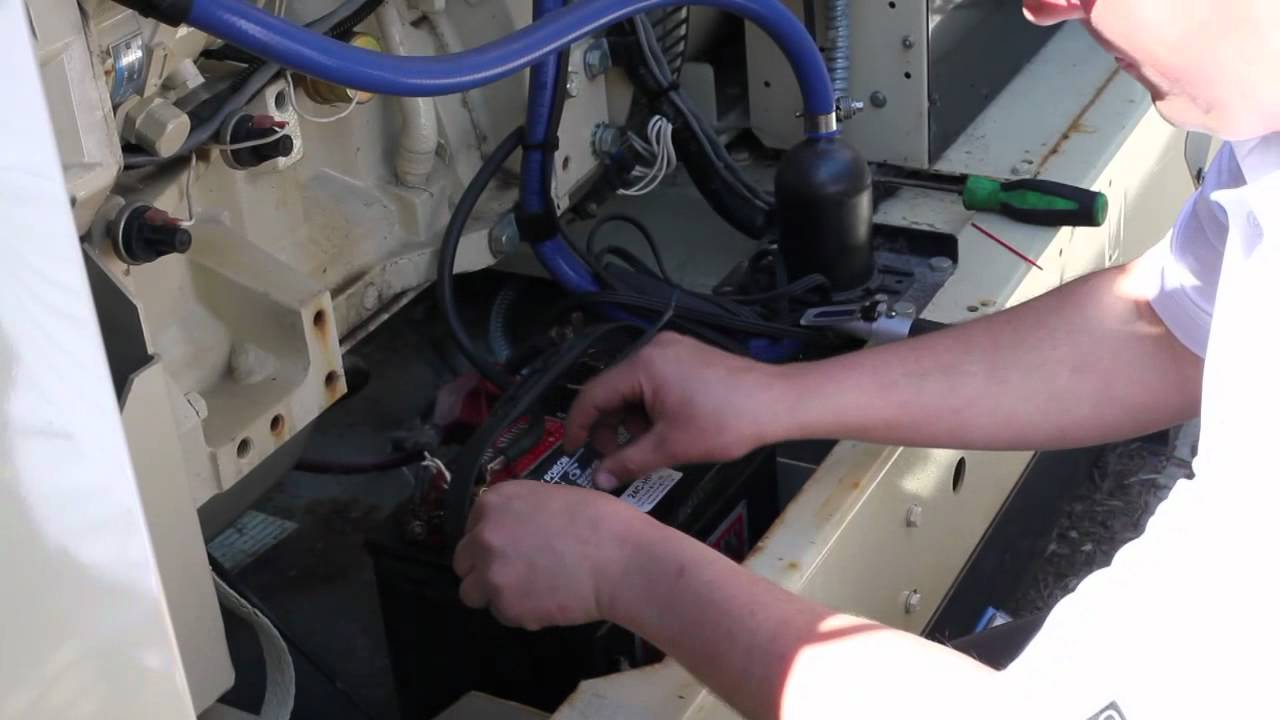
Understanding Battery Reliability in Backup Power Systems
The electricity supply is quite unstable or irregular in most cases; thus, the functioning of backup power supplies, such as generators, is often necessary in the present-day context. As you must be aware, nearly all generators work on batteries to start at critical moments. They rely on that ready-as-soon-possible energy source, otherwise the generators would not start. Consequently, generator battery maintenance is critical to uninterrupted operation when it is needed most.
The only way to occur in the extension of a battery’s lifetime or to improve its reliability is through routine and preventative maintenance. The latter can be performed through inspecting paprika household refrigerator’s door seals for corrosion, making sure the battery is always full, and checking electrolyte levels when applicable. Neglect might, in turn, infringe on battery’s life, effectivity or cause it a complete collapse. Batteries are checked by manufacturers from time to time or may have to be check batteries with load test controls in intervals.
Outside elements that include temperature fluctuations can also affect the battery. Too cold or hot ambient temperatures often mean that the battery will no longer work effectively, or fails completely. Therefore, as these conditions present a risk, it is better to use the generator in a temperature-controlled chamber or utilize the batteries of the appropriate specification. Furthermore, to facilitate generator battery maintenance, it is of utmost importance to strictly adhere to the maintenance officer turnaround manual and replace batteries at recommended intervals to prevent inconvenience and improve performance at high loads.
Impact of Regular Maintenance on Generator Performance
A generator requires regular servicing to last long and continue operating efficiently. The absence of servicing can cause certain inconveniences such as sudden breakdowns, inefficient performance, and expensive restoration. Below are five detailed effects arising from regular maintenance of generators:
- Boost In Fuel Economy: Routine services including the diagnostics and replacement of faulty accessories or filters ensure that the generator is serving promptly, whereby the fuel is consumed efficiently.
- Better Durability: The value of a generator depends on how well it is able to resist wear and tear to the limits which are within the reach of healthy functionality. This is made possible by preventive maintenance.
- Higher Department of Dependability: Undergoing regular check and servicing reduces the possibility of malfunctioning or breaking down especially when backup power is very necessary to deal with completion of tasks or any other emergency.
- Notable Power Density: Regular maintenance guarantees that the generator provides steady and smooth electrical power, ensuring that no variations occur that might harm the devices or systems connected.
- Reduced Expenses Over the Long Haul: Despite the fact that maintenance incurs some cost at the onset, it contributes to detecting and dealing with incipient problems before they spiral into something that would require costly repairs or replacement.
Organized maintenance does not only enhance productivity but it ensures double protection on the part of the owner who will be sure that the generator is operational when it is most needed.
Consequences of Neglecting Battery Care
Ignoring appropriate generator battery maintenance is likely to affect the system’s working condition and dependability. Firstly, it greatly shortens the battery’s service period. When the battery is not well taken care of various activities such as sulfation, rusting, bending of the plates occur thereby increasing its failure rate resulting into frequent unexpected expensive battery changes.
The other concern is that the durability and performance of the generator tends to be reduced in case of an emergency. A defective and/or weak battery may relegate the generator from switching on when it is most needed to distribute power. In this case, the places such as houses, businesses or even workshops will be without any power in the time of need compromising the operations as well as causing losses in terms of money or injury in case of extreme climates.
Finally, generator battery maintenance is not cheap if certain practices are not followed. Small issues such as poor contact or worn out wires may exacerbate over time and cause more damage to the entire electrical system. Timely charging of a cleaned and inspected battery significantly minimizes the dangers of neglect, thus extending the life of the battery and cutting down on repairs that would have been otherwise avoidable. Both for efficiency and the sake of comfort, preventive maintenance, using softener if necessary, is essential.
Common Issues with Generator Batteries

Sulfation: Causes and Effects on Battery Life
One of the most prevalent problems affecting the efficiency and longevity of generators’ batteries is sulfation. The problem arises when the lead sulfate crystals begin to form on the lead plates of the battery especially due to the fact that the battery has not been charged fully or it is in a state of discharging for quite some time. Situations such as staying idle for long periods of time, charging less than recommended or exposure to high temperatures for long durations lead to sulfation. The presence of lead sulfate crystals which become difficult to transform to active material during the charging process, prevents the battery from shorting or reduces the efficiency of the battery and therefore the generator is unreliable.
In the course of time, excessive sulfation can become problematic because of the limitation of various remediation techniques. Initially, on a soft lead sulfate build up, equalization charging will clear the obstacles to provide battery a good service again. There is a bigger challenge when this condition sets in, scaling of the deposits which in turn “locks” them out from regulation. Accumulation of materials on plate excases the working mass of the battery and its returning capability thus adding to the need for expensive shell renewals. A seriously sulfated battery, if left untreated, will result in the complete breakdown of the generator system at the time it is most needed.
Sulfation is less likely to occur when batteries are charged at regular intervals as well as kept in optimum voltage. Recently, technology has advanced to a point that smart battery chargers and battery monitoring systems can prevent undercharging and hence sulfation. At the same time, it is still possible to keep generator batteries at working conditions for a longer period of time if making sure that the storage place is neither hot nor cold. As such, sulfation is an issue that should concern all users who wish to lengthen the life of their batteries and in most cases the life of any other components used during emergencies or harsh applications including generator battery maintenance and ice batteries.
Corrosion: Identifying and Preventing Damage
Corrosion also has a significant impact on the overall generator battery maintenance because it can reduce the battery’s efficiency and at the worst case scenario, cause its destruction. This situation arises when for instance the battery’s terminals are touched with water, air, or any acidic material. These act with time to cause corrosion products such as rust on the battery terminals or even deposits of sulfates. It interrelates with the battery causing a disconnection which limits electricity flow and leads to a deterioration of how the generator works.
Battery cell decay can be stopped by ensuring that the cells are regularly maintained and checked for wear and tear. An existing self-assembling coating can be cleaned off with baking soda and water or a topical cleaner created specifically for battery terminals that deposits a lubricant on top of the fouling agent, both of which effect longer regulatory attention on the development of corrosion-less strain. Terminal protectors, sprays and such and if caping will avoid water coming in contact with the battery which is outside and next to the ground should be discouraged. Another proper strategy is to use the ventilated positioning of e.g. car batteries that prevents the evolution of sweat and water concentration, thereby reducing terminal degradation.
One can expect there will be little loss of battery capacity even with short generator battery maintenance interval which is replaced by the more complicated task of safeguarding the fleet of equipment deployed in the field with conservation and active maintenance practices. The knowledge of corrosion causes and remedies helps the users to prevent the problems in advance and instead of being reactive in relation to the problem, it ensures in most timely manner that there is no elopsing time wherein key equipment is out of activity as it is functional.
Battery Failure: Signs and Implications for Generators
Battery complications have the potential to cripple generator operations burdening most critical applications which usually run on power. The health of every battery can be said to be deteriorating long before its performance becomes disruptive; and this includes generator batteries too. Most alarms are as a result of rather simple corrosion and degradation while the reactions can get violent, with temperature changes and learned usage behavior over time. Engine turning extremely slow, warning lights being dim or completely flat and the inability of the generator to power on all are great symptoms of unstable running of the generator. Also, the parts surrounding the generator battery maintenance may suffer from structural or electrolyte deviation for they may also show signs of the casing inflation or leakage.
Whenever the battery packs up, it’s never just an annoyance. Generators provide loads of services, e.g., powering medical facilities, IT data centers, and emergency services. Due to a weak battery, activity is suspended with borderline destruction in terms of monetary losses and safeguarding people and property in sensitive places. In order to deal with such a situation, periodic battery test and supervision of parameters is of great importance. Progress in smart batteries provides for the assistance in resolving this issue by enabling diagnostics and future maintenance planning.
Users can ensure their generator batteries’ vitality while attaining their goal for lesser breakdowns and even borrowing energy in between the generator battery maintenance cycles and replenishing essential systems.
Actionable Maintenance Tips for Generator Batteries

Step-by-Step Guide to Routine Battery Maintenance
- Inspection and maintenance of the Battery: Clear view of the battery design should be maintained to ensure the diametric generator battery maintenance malpractices. Clients should never use discoloration or no discoloration on the battery for anything out there but cleaning the surface if disordered to using it.
- Gain better comprehension of battery voltage: The simplest way to do this with a trendy tool like a multimeter or battery tester is simply to measure the voltage of the battery. Charged batteries generally record a voltage of 12.6 to 12.8 V. when they reach full charged levels. Low voltage may prompt a recharge or replacement.
- Propriety Cleaning of Terminals and Terminal Rings: Because terminal connections tend to be predominant, performance may sometimes be topology This requires first removing the battery (negative terminal first), cleaning off the corrosion with a solution of baking soda and water, rinsing, and drying well prior to reconnecting.
- Refilling Electrolyte Levels in the Battery: For vehicles using lead-acid batteries, check the electrolyte levels and top off with distilled water if necessary. Make sure that there is no over-pouring of the liquids because this makes the levels too high and the filling will be a mess.
- Loose Connections: Sometimes bolt and terminal connections on the battery have to be tightened, or else the built-up resistance will cause unnecessary loss of power. If these connections are not tight, the performance will be erratic or the starting off will be very difficult.
- Check the Battery’s Load: You should perform a practical load test with a load testing machine to check the performance of the battery under the expected working conditions. This test offers an indication of possible problems with the battery’s ability to provide current to the generator.
- Promptly Charge the Battery: Regularly charge your generator’s battery if you want to ensure its effectiveness. Appropriate battery charging devices which turn off automatically are encouraged to protect the battery from overcharging.
- generator battery maintenance: Batteries unfortunately degrade over time and are unable to preserve a charge. Refer to the manufacturer’s defined timelines for the replacement of the battery wear level and ensure you change the battery in time if it is worn out.
These steps ensure the generator battery maintenance is done, and the generator operates efficiently in times of need.
Best Practices for Charging and Maintaining Battery Health
There are a few simple techniques that can help you prologue the service life and applicable interface of the use of such a battery without too much effort. These best practices are referred to as fundamental principles and contemporary developments:
- Charging the battery When the Use of Using Power is Explained: Boosting the battery after reducing all the energy from the batteries must be avoided. This is because the cells will be exploited, and so their life will be wrecked. Stop recharging the power the moment the power level reaches 30%- 20%. However, this value may be different depending on the manufacturer.
- Controlling Voltage and Amperage while Charging: Make use of the Chargers which are meant for the specific batteries that you have and ensure that they have the appropriate voltage and current ratings. Otherwise you may have an over charging or an under charging both of which are dangerous to the battery and will result in the efficiency to drop over and over again.
- Maintenance of room temperature: For effective performance of the batteries let the batteries be within the room temperature range. Extreme heat conditions will increase the tendency of battery deterioration while excessive cold will cause a temporary battery performance decrement. Whenever possible, the user is advised to maintain the batteries and especially, their charging in a controlled temperature.
- Check Battery Connectors regularly: Check any signs of rust, poor contacts or breakages on the terminals. If all is alright, then use the appropriate solution of cleaning the connections and fastening them well for good power flow.
- Make Use of a Battery Charger- Smart One: This particular designs of advanced battery chargers uses battery sensors or detectors, and so can easily change from a longer charging system if the battery is fully charged to a shorter one when the battery is partly filled, sparing the battery from being not enough charged or overcharged. In addition to that, there is even the option of slow charging and protective charge cut off circuits for it.
- Discharge the Battery Once in a While: Some batteries, such as those used in emergency backs up systems, may not be used very often and once in a while perform a complete charge, and discharge cycle. This keeps the batteries in working conditions and does not let them get stagnant.
- Incorporate Sustainable Disposal and Recycling Measures: After a battery has completed its useful life, ensure that you dispose it off using useful recycling methods that help to reduce negative impact on the environment. Some of the recycling Facilities accept almost all types of batteries.
Incorporating these steps into your routine generator battery maintenance practice will help you improve their working condition and operational duration, especially in car batteries.
Storage Conditions: How to Keep the Battery Charged
Effective charging methods will increase longevity and usability of a cell storage battery. Do call upon the storage bags for use in storage of battery in a safe place since a simple storage could be fruits and vegetables which also produce heat if packed together for long. The effects of the exposure to such radiation can lead to an early aging of the battery mainly due to acceleration of the chemical processes in the system. Whereas too cold weather may only disable the use of the battery for a reasonable period or even a very permanent extent
In order to achieve the most suitable outcome or effect, it is recommended that batteries be stored at a 40–60% charge rather than being completely charged to the brim or drained. The reason why partial charging helps preserve the battery’s health lies in the fact that it is not completely packed with chemicals or ions, most importantly lithium batteries, which develop high voltage sensitivity or stress when charged too much. It is also suggested not to leave batteries idle for long, as they tend to lose charge naturally with time. Discharge and recharge operations carried out every three or four months are a means of making sure such battery doesn’t go completely flat when stored for some time.
Technology not only advances in the development of batteries, but other developments relates to smart ways in storing batteries such as the provision of temperature controlled cases, and storage facilities with charge monitors that engages automatically. As an illustration, contemporary chargers can sustain the utmost SOC while avoiding charging too much and discharging below the limit. It is important that these practices are adhered to and supplemented by innovations in the generator battery maintenance since it is going to save on the costs over the long haul as well as the effort of doing the replacements.
Extending Battery Life: Techniques and Strategies
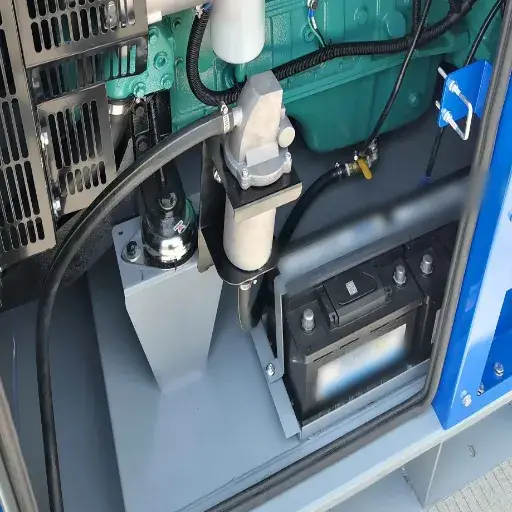
Optimal Charging Techniques for Longevity
Anyone understands that extending the battery life is not conceivable without devising a smart charging strategy. A very effective measure here would be to keep the charging limitations between 100% and 0% instead of adhering to either extreme, as they pressurize the battery chemistry over prolonged periods. They on the other hand are expected to keep the battery life to 80%Per cent on the upper level and 20Per cent on the lower level of charge, especially for lithium Ion batteries. Further, preventive measures are also taken by using the correct wattage of charger to prevent overheating or overloading of the battery, which might reduce its performance.
There have been some studies where it has been highlighted that although fast charging is a time saver, it contributes significantly to the long term damage of the battery cells as it increases the generation of heat. For this reason, it is recommended to rely on regular charging for routine use, and employ the fast charging only when in demand. Moreover, however cooling the charging place outdoes heating the battery as the latter is one of the major components leading to performance and streaking failure of the battery after a certain period of time.
The ever-evolving technology that we live in can also be eco-friendly. With regards to battery life it is necessary to provide products that use, for example, a fast charging technology in an optimal way without hazards such as battery swelling. These features also take into account calculating the speed of charging taking into account that the charging will resume much later and at more usable battery levels. A judicious charging behavior in an individual can help not only in that process but also in protracting the life of the cells available within a battery that are well improved and at a maximum efficiency.
Understanding Temperature Impacts on Battery Performance
Batteries are adversely affected by both cold and hot temperatures with regard to their performance as well their lifetime. Temperature increase speeds up the chemical processes that occur in batteries leading to faster wear and tear over time and also reduced battery capacity. Of particular concern are lithium ion batteries in such gadgets as the swelling of the battery and even leaks that are caused by the excess heat can be a fire hazard. Alternately, very low temperatures can slow down the chemical reactions within the battery, changing the status of the battery to a less efficient one for a given period of time.
To avoid unpleasant effects from climate extremes, it is essential to correctly store and use battery-powered gadgets by the low and high-temperature limits. For example, the instruction manuals provided by manufacturers commonly contain the optimal working conditions, which for an overwhelming number of products are in the range of 32°F to 95°F (0°C to 35°C). The ability to limit exposure to prolonged periods of direct sunlight, avoid usage of equipment, or recharge any equipment in rooms with high or low temperatures might also help in prolonging the lifespan of the battery. Activating a device’s thermal case during the windy season or hot sumer’s burning periods while using the device already outdoors will, in turn, help to maintain the battery’s outside tissue warmer.
It is a common belief that temperature is one of the factors that affect the utilization or performance of a battery and the ability to store batteries for a long period. Storing batteries at a temperature higher than acceptable for long stretches of time, capacity fade is inescapable. For proper storage of the batteries, it is advised to only enable them to be about 50% charged and preferably be placed in a cool environment at about 15°C. Recognizing temperature issues and taking corrective actions is vital if batteries are to last and serve more effectively, thus sustaining the global effort towards reduction of e-waste from the environment.
Regular Inspection Routines for Prolonged Battery Life
It is critical to incorporate routine battery checks to keep the batteries working efficiently and enable them to serve their intended purposes for longer. For instance, it is advisable that a person does visual checks to ascertain presence of damages such swelling, leaking or built ups around the terminals. The swollen or leaking conditions serve as a symptom of possible problems that could be associated with overheating or chemical flaws that could reduce in efficient capacity use or worse, total loss of such a battery. Where signs of danger are noted they can be remedied fast before such a situation gets out of hand and causes hazards.
When carrying out the regular inspections, checking the voltage level and charge status of the batteries is already an integral part. A multimeter and other diagnostic equipment devices can be used by the users to monitor the level of voltage and check whether it is within the determined specifications for a particular battery model. If the observed values stray from the set limits, it may mean that the batteries are either discharged, charged excessively, or ‘worn out’ batteries need to be maintained or replaced respectively. This form of monitoring in combination with periodic servicing as per the maker’s recommendations ensures that batteries are operated within their limits reducing any chances of early battery deterioration.
Finally, regular battery maintenance, which includes examining the condition of the trayer as well as cleaning the generator battery maintenance, is equally important. Over time dust, dirt and moisture can build up at the terminal or connection points which may cause poor conductivity or current loss. Hence, a soft cloth along with a cleaner is used to clean those areas retaining the electrical connections in good condition thus preventing corrosion of connections. It is also important to dispose of old earplugs and damaged cells or battery packs in a safe manner and replace them with good-quality battery packs as this helps to support the reduction of waste, protect fonzees structures and promote sustainability. The inspection, as well as the accompanying inspection, or repair, together produce an effective method of avoiding premature battery depletion or even increasing the reliability of the system.
Emerging Trends in Generator Battery Maintenance

Innovations in Battery Technology for Generators
Generator battery maintenance has become more lenient and recent technology has made it even better especially in the recent years. Improved generator batteries help in this as they are more efficient when compared to lead acid ones and they also last long even when subjected to prolonged charging and discharging cycles like those use of standby batteries. A majority of these batteries are designed in such a way that they can function correctly for portable or mobile generators as well as fixed generators and most importantly, they are also not labor intensive.
Another praiseworthy element is the breakthrough of the BMS systems. These are equipped in such a way that one gets to check the battery charge level, temperature, general condition battery etc. continuously thereby influencing its efficient use whilst eliminating quite a number of faults. Technologies which involve materials called solid-state batteries have also started extending the improvement envelope by eliminating leakages as well as dealing with flammability problems.
Lastly, a major initiative that has helped develop battery options that are friendlier to the environment. This includes batteries that are made from substances that can be recycled and do not contain harmful chemicals. These advances help reduce the carbon footprint of generators while enabling countries to achieve the universal goal of clean energy and environmental protection. Collectively, they show generator battery maintenance how promising the developments look to the consumers in terms of energy effectiveness and reliability.
Future of Backup Power Systems in Battery Management
The rapid leap in technological advancement and the emphatic move towards sustainability is what shapes the direction of the development of energy storage systems. The utilization of new battery energy storage technologies, notably lithium-ion and solid-state batteries, are creating more cost-efficient storage systems with greater energy and life cycle capabilities. As a consequence, these progresses lead to better performing back-up power supply systems that also minimize the need for repair and operation.
What is more, there’s quite a revolution in the approach to battery management thanks to the incorporation of smart monitoring systems. IoT along with IoT analytics are bringing a new dimension to battery management systems by offering the data at one glance concerning state of charge, performance and battery life. It also helps in the provision of a condition-based maintenance approach and monitoring approach, allowing for the aversion of any challenges before they affect the system and, in turn, ensuring its high performance and minimal downtime when the generator battery maintenance is also required.
Integration of renewable energy is altering the face of backup power as well. The hybrid system which consists of solar photovoltaic panels, windmills and modern battery storages are now applicable and used in many sectors including residential and industrial ones. This is because there are optimized energy consumption systems for every user and such users are less dependent on the traditional power supply systems and these factors promote reduction of carbon footprint as required by international protocols.
Such developments are taking place in the notion that generation in backups, battery management will become smarter, environment friendly and efficient to sustain the growing demand for energy while dealing with externalities.
References
- Mississippi State University Extension: Highlights the importance of timely battery replacement and maintenance for backup generators.
- University of Tennessee Institute of Agriculture: Recommends annual visual inspections, load testing, and cleaning of battery terminals for standby generators.
- U.S. Department of Energy: Discusses factors affecting battery performance and reliability, emphasizing proper care and charging.
- Click here to read more.
Frequently Asked Questions (FAQ)
Q: How crucial is it to ensure a functioning battery of a home standby generator?
A: It is of utmost importance to perform generator battery maintenance. This way, the battery becomes capable of holding a charge as well as starting referred generators in case of power failure; the battery is regularly maintained as in – visually inspect, trickle charge and measure volt levels and these levels are kept within which the generator remains a back up configuration and a household standby generator stand by for an outage set back.
Q: What regular inspections do I need to carry out I to ensure the generator is not condemned due to the battery?
A: To avoid generator failures, check the condition of wiring terminals and cables for corrosion and dirt, check volt using a multimeter, and ensure that the battery maintenance mechanism or a trickle charger works. Examine the control panel as well as indications of the presence of batery failure or fully discharged. It widens the range of maintenance and includes these steps should the backup system fail or perform poorly as expected with a power cuts.
Q: How long do I have before I need to change the battery and when is it typically replaced?
A: Typically, the time before a battery replacement depends upon the battery type and usage conditions. But, in many instances the generator battery is regularly changed after 3–5 years. However, in hot and cold weather or frequent utilization with complete discharge, it is some instances essential to replace the battery earlier; it is however recommended to have the battery professionally serviced to allow for efficient recharging in a case the generator needs use.
Q: Do I have to utilize a trickle charger or a battery maintainer?
A: Of course, a trickle charger or a battery maintainer keeps the battery active and avoids the case of the battery operating at eta less than it is expected to because of not short circuited batteries; in doing so it helps to prevent totally flat batteries in an emergency; always ensure that the trickle device can work in tandem with the control circuits of your standby generator and monitor the gauge readings from time to time to ensure that the voltages being provided are appropriate.
Q: What are the reasons for battery degradation, and in what way can one prevent deep discharges?
A: The reduction in battery performance is as a result of its duration of use, incidence of low volt for an elongated period of time, and over discharging of the battery in deep cycles repeatedly, vibrations that are beyond tolerance levels and changes in ambient temperature that are beyond useable levels. To preclude depth of discharge, the battery should be kept in charge with a suitable maintainer; the generator should also be in a working order and occasionally made use of; and good taking of the generator should also ensure correcting any battery defects found such as load testing and providing a time table for replacements.
Q: What foreign elements of temperature interfere with generator battery maintenance and also causing reliable starts to become not so reliable?
A: Dangerous temperatures always tend to damage the battery and decrease the cranking capacity thus during cold there is little available amps while chemical breakdown is expedited in warmth. Therefore, ensuring that the backup is effective and will efficiently start up when the power goes out normally calls for increasing maintenance intervals, locating the battery in such structures if any which are insulated, changing more as often and earlier and charging the battery.
Q: What is to be done in case of battery and generator problems especially during a blackout?
A: If ever the battery goes out, first check the connections then the volt, if they are good, get a battery maintainer or trickle charger to charge the battery; if the battery does not charge, call for battery replacement or service without delay as the most sophisticated generator still requires a finest battery for its operation and that is why, replacement or service of the battery helps restore the back up system and the primary power source within no time.
Q: Do I need to call someone for maintenance or is the generator battery care something I can do like the battery of a vehicle?
A: Things like viewing, voltage tapping and using a battery keeper can be done by the user; however, load analysis, inferface checkups, replacing and other routing issues that come up are best left to the attention of maintenance personnel, because self-maintaining and using professionals at other times is a help in maintaining generator battery maintenance and lying top forms of the back up source.