
The proper enclosure can greatly impact generator protection and performance. Generator enclosures are a readily available solution if you want to protect your machinery from extreme weather or to reduce its noise. This article goes through the discussion of waterproof and noise-canceling generator enclosures, revealing the ways they secure your money, increase operation, and give comfort. We will also present the main advantages, characteristic, and factors to consider in your selection of the ideal enclosure for your requirements.
Understanding Generator Enclosures
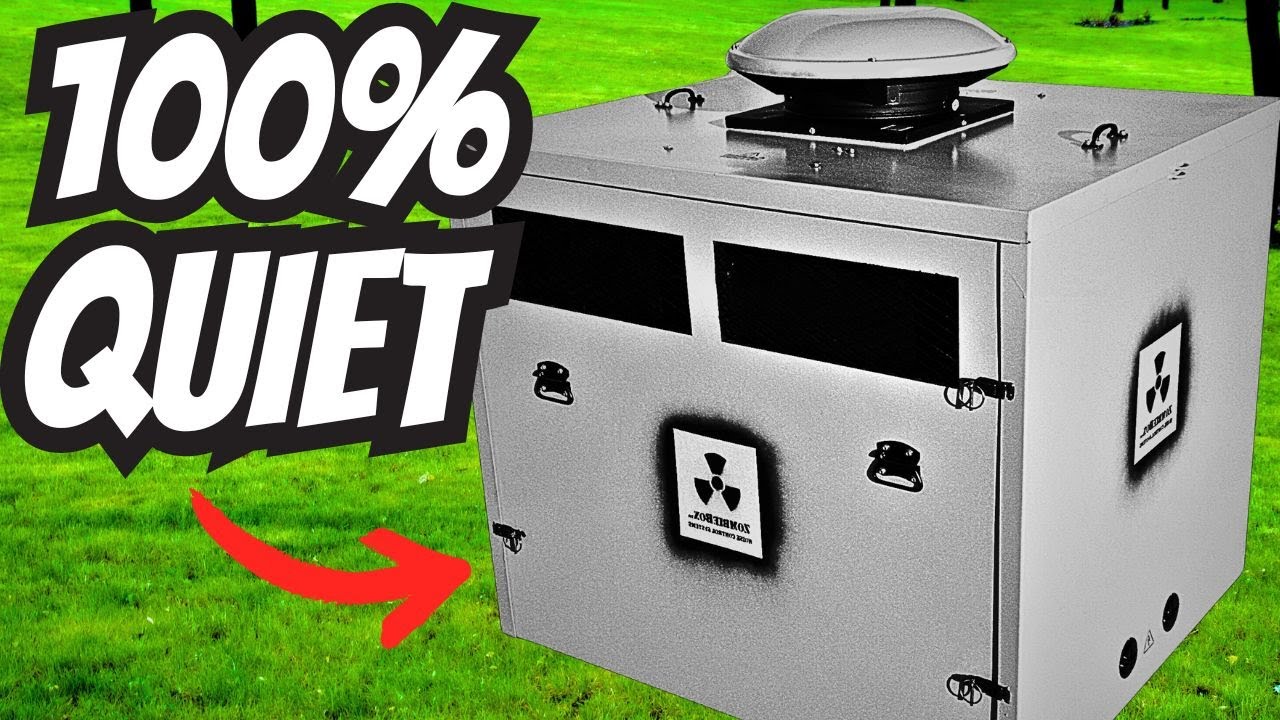
What is a Generator Enclosure?
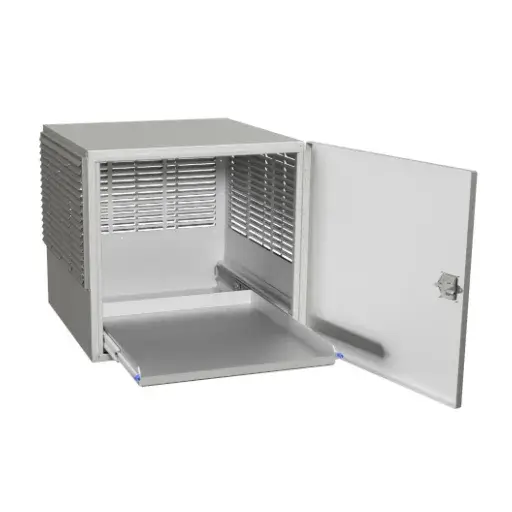
A generator enclosure is in addition to specifically protecting and illuminating the generator, a case that is originally made with shielding from the environment and that is made of a rough casing that can withstand the elements mentioned earlier. The generator will still be safe and functional inside such enclosures and their performances will be up to the mark even in the rough outdoor surroundings. The enclosures will be made of strong materials that will not easily give way and so, in that way, they will also serve as a barrier that is reliable with respect to weather-related damage as well as debris and so, in that way, they will also serve as a barrier that is reliable with respect to weather-related damage as well as debris.
Moreover, besides the weather protection, often the noise of the generator is also reduced by means of the enclosure. The noiseproofing is one of the extremely important characteristics of this protective casing. It is especially beneficial in neighborhoods or areas where noise is considered a nuisance. The quieter the noise is from the generator, the more peaceful and pleasant the environment; thus, the enclosure would be maximizing the generator’s efficiency and the quietness.
Then, it is the case where the user safety and the benefits of the generator such as usability are all put together in a perfect manner through generator enclosures. There are ventilation systems in them that are installed for each model for cooling purposes to prevent overheating, and there are secure locks to keep unauthorized persons out and there are easy access points too for carrying out maintenance or refueling. All these features make a generator enclosure an indispensable accessory for protecting your equipment, prolonging its life, and assuring safe and efficient operation.
Types of Generators and Their Enclosure Needs
Generators of different kinds require different types of enclosures that provide proper function, security, and longevity. The needs for enclosures vary with factors like the size of the generator, the kind of fuel it uses, and the environment intended for the use of the generator. Below is a rundown of typical generator kinds and their enclosure prerequisites.
1. Portable Generators:
Portable generators are a major supplier of power in situations where it is needed temporarily, mainly during power cuts or in connection with outdoor activities. Besides, their enclosures should be very lightweight, tough, and unyielding to any kind of weather so as to protect them against the rain and dirt and at the same time keep them mobile. The heat generated by the unit has to be arrested and thus ventilation is a crucial factor and the enclosure must make provision for airflow through openings or louvers. For the noisier portable models, sound insulation might be used, which will help to lessen the disturbance in the residential or outdoor areas.
2. Standby Generators:
Standby generators are always there for you. They are installed permanently and waiting to provide power back up automatically when there is a power cut either to a house or a place of business. Their ever-ready presence requires the enclosures to be constructed to be extremely strong and resilient, with materials such as steel or aluminum being the common choice, to endure the elements and also avoid rusting through. In addition, these enclosures incorporate the necessary ventilation systems and soundproofing to reduce the noise level. They are most likely fitted with secure locking systems that not only prevent unauthorized access but also help to meet safety regulations.
3. Industrial Generators:
The power output of industrial generators is so high that they can be utilized in places with large-scale operations like factories, construction sites, and hospitals. The generator’s size and weight are taken into consideration in designing their enclosures along with extreme durability that can withstand the harshest of conditions. The enclosures are also fitted with sophisticated noise control and high-capacity ventilation systems to allow for uninterrupted use. Some industrial enclosures are made specifically to solve site concerns such as lack of space or extreme weather conditions.
Knowledge of the diverse enclosure needs of different generators allows users to maximize performance, protect their equipment as well as get reliable operation no matter what the application is.
Benefits of Using a Generator Shed
- Protection from Weather Elements: The generator shed protects the generator from the elements, and therefore, it can be used without concern for the weather. Besides, because the generator will be used, it will not be affected by weather conditions likely to affect other equipment.
- Noise Reduction: Incorporation of soundproofing facilities within the generator shed is to a great extent, the reason why noise levels are kept at bearable levels. This is an advantage in areas where people live or work and noise is a big issue.
- Enhanced Security: The generator is kept in a locked shed, and the user has the option of being the only one that ever has access to the generator,
- Improved Ventilation and Cooling: The vents and cooling systems installed in a generator shed help the airflow to be at an optimum level thereby making the generator run cooler thus preventing it from overheating during long periods of use and needless stoppage for maintenance.
- Organization and Accessibility: There will be an automatic shed in which the generator is kept a place already organized with maintenance tools, spare parts, and fuel where accessibility is improved and servicing or refueling of the generator is made more convenient and quicker.
Building Your Generator Shed
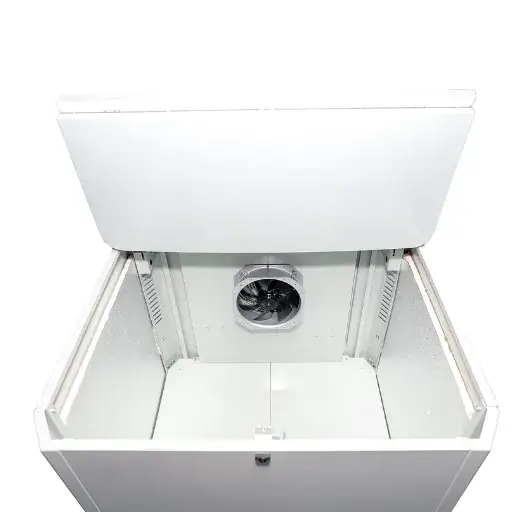
Key Considerations for Building a Generator Shed
- Location: The site where you will place your generator shed is very important; the right choice may even affect the equipment performance. When choosing a site make sure that it has air circulation and it is not near a window, door or any place where exhaust fumes may cause a safety problem. It is best to have the shed on flat ground with good drainage to avoid water gathering which can harm the shed or generator.
- Material Selection: A sturdy and weather-resistant materials are the must haves for the shed construction. Wood, metal, and composite materials are the ones usually picked but make sure they are either treated or painted so that they can last through the harshest of weather, e.g. rain, snow, or excessive heat. You may also consider insulation which would help regulate the inside temperature when the outside is too hot or too cold.
- Ventilation and Exhaust: It is important to ensure that there is proper ventilation to avoid overheating and also allow for the exhaust from the generator to be blown out safely. You can install vents or an exhaust system that provides airflow while at the same time safety is not compromised. Cross-ventilation is very good for air circulation.
- Soundproofing: Reducing noise from a generator is usually one of the biggest concern. You can use sound-dampening materials in the form of acoustic panels or foam insulation inside the shed to help absorb noise. This may be a solution to residential areas where noise is a concern, hence the generator becomes less invasive.
- Security: Generators cost a lot and their skins should secure them. Put strong locks on and other measures like security cameras or motion-sensor lights which can help deter stealing. Metal siding or reinforced doors are nice ways to strengthen the security as well.
- Accessibility for Maintenance: Make the shed in such a way that it will not be difficult to carry out maintenance and inspection. Wide doors, removable panels, or hinged roof sections are some of the features that can be very useful, for instance, quick servicing, refueling, or inspections. Good accessibility adds up to an efficient generator that is always in good condition.
- Local Regulations and Codes: You should check with local authorities for building codes and ordinances before you even think of starting the construction. Some areas might have specific requirements about where to place the generator, noise levels, or even fuel storage. By following these rules you are guaranteed safety and no problems with the law later on.
- Utility Connections: Think ahead and plan carefully for the electrical and fuel connections. Use the best cables and pipes keeping them safe from the weather, animals, and people. Professional installation is often the best way to go to avoid any dangers that come with electricity or gas.
A generator shed will be both a protector of your investment and a safe, efficient, and cosy place where the machine will be used if you take your time and consider these things properly.
Materials for a Durable Generator Box
Constructing a generator box requires the use of robust and weather-resistant materials that can guarantee a long service life and effortless functioning. Here are some of the materials that one can consider:
- Pressure Treated Plywood: Using pressure-treated plywood to build up your generator box’s frame and walls would be an outstanding choice. It is outdoors available because of its moisture, decay, and pest resistance.
- Galvanized Steel Panels: If you want further durability and increased protection, then you should go with galvanized steel panels encasing the generator box. With their weatherproof and rust-resistant qualities, they will also serve to give the structure an extra strong support against the impact of wind and blows.
- Marine-Grade Paint or Sealant: Applying marine-grade paint or sealant on the wooden surfaces is of utmost importance when it comes to protecting them from moisture and UV damage. This material makes it possible to have a lasting finish and a toughened box against the elements.
- Acoustic Insulation Material: The use of soundproofing materials such as acoustic foam or heavy-duty rubber mats can bring down the noise emission significantly. If the generator is to be used in residential areas or noise-sensitive places, then this will be a big plus.
- Weather-Resistant Hinges and Fasteners: Stainless steel or coated hardware are the must-haves to avoid rust and the stability of the doors and access panels. These materials are specifically made for tough outlasting weather and time.
- Vents or Louvers for Airflow: Incorrect ventilation can lead to a generator overheating. Therefore, use corrosion-resistant vents or louvers that not only let air in but also keep dirt or insects out of the box.
- Fire-Resistant Insulation: Safety can be advanced by using fire-resistant insulation material around the generator. The code would not need to worry about fire hazards or the structure around being caught in flames.
- Concrete or Precast Foundation: Either build a concrete or use precast block foundation. A solid, vibration-resistant foundation is provided for the generator box. In this way, it is kept level and the wear due to time is reduced.
The careful selection and combination of these materials will result in a generator box that not only has a long service life but is also very efficient, thus being suitable for all kinds of environments while offering safety and efficiency as a priority.
Weatherproofing Techniques for Generator Enclosures
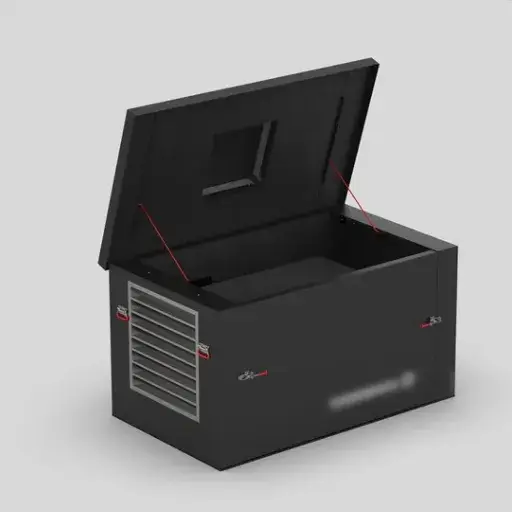
Effective Weatherproofing Strategies
The right weatherproofing measures are a must for your generator enclosure to survive the environment and work perfectly at the same time. Start construction with high-quality, corrosion-resistant materials, like galvanized steel or aluminum, for the structure of the enclosure. These materials are first-class and do not lose their strength even after a long period of time under moisture and corrosive conditions.
Another important method is putting weatherproof seals on all edges, seams, and openings. Rubber gaskets or silicone-based sealants can block water and dust from entering very efficiently, thus, protecting the internal parts of the generator from being damaged. Moreover, installing weatherproof vents and louvers gives the benefit of airflow without the rain and debris coming in, a necessity for the non-heating of the unit and the production of optimally working conditions.
The positioning of the generator enclosure on a raised platform can be an extra line of defense against potential flooding or pooling water in the case of heavy rains. This platform needs to be sturdy and made of non-porous material such as treated concrete or composite decking.
Most importantly, use a long-lasting, UV-resistant coating or paint to cover the enclosure as a barrier against sun exposure which is one of the major factors causing material degradation over time. The carrying out of regular maintenance and inspections of these weatherproofing measures will help detect possible weak spots beforehand, so the generator will always be operational and well-protected in all circumstances.
Choosing Weather-Resistant Materials
When making a decision on a generator enclosure that can bear the effects of the weather, one must consider primarily the durability and the energy efficiency. The materials of stainless steel, aluminum and treated wood are among the best ones guaranteed to last, as they can withstand very tough environmental settings. Among these, stainless steel stands out due to its outstanding non-rusting and non-corrosion properties, hence, making it suitable for areas with very humid or salty air. Aluminum perhaps being less weighted but still not prone to corrosion and it also has decent heat conducting property that can be utilized in the management of the internal temperature of the enclosure. Treated wood under a weatherproof finish not only looks good but has also been made to last for years against rain and UV light exposure.
On the other hand, composite materials and high-performance plastics can also be considered as the perfect materials for a weather-resistant generator enclosure. They are not only fiber-reinforced polymers but composites that are sturdy and at the same time, lightweight and have been resistant to the weather wear and tear. These types of materials, however, are especially advantageous for the regions experiencing big changes in temperature, because of their properties of low thermal expansion and contraction, which means no cracking or deformation of the material. High-performance plastics that resist UV rays have another advantage in that areas with constant sun exposure can use them without bothering about maintenance as they require hardly any.
Moreover, to the already good weather resistance, one can think of the most modern coatings and sealants as an option. For instance, powder coatings are known to be extremely durable and at the same time water, rust, and the sun’s rays will not degrade the coating. As well, epoxy-based sealants may be used for the joints and seams to prevent water and dust from entering the enclosure. When the protective measures and the materials are combined, they result in an extremely strong and weatherproof generator shelter that can face the rigors of different environments. Besides, regular material assessment and replacement as technology advances can keep the durability and reliability aspect at the desired level for a longer period.
Sealing and Insulation Techniques
Sealing and insulation are both very important for generators’ durability and efficiency enhancement in shelters. High-quality sealing techniques include applying elastomeric caulks and foam-based sealants that fill the leaks and prevent water from coming in. The application of these substances leads to their expansion, which means that no cavity would be left unsealed by the outside factors. Weatherstripping around the doors and access points in addition gives extra protection against air and water leaks, even enabling slight structural movements, thus, providing dynamic protection
Modern rigid foam panels and spray polyurethane foam (SPF) insulation have gained more popularity in the last couple of years due to their superior R-value and ability to eliminate thermal bridging. The installation of these materials can keep the generator within its suitable temperature range, thus, energy loss and wear on the equipment are reduced. Also, the use of multi-layer barriers like the combination of reflective insulation and dense foam boards creates a synergistic effect by tackling both radiant and conductive heat transfer.
The application of new sealing and insulating methods together allows the generator shelter not only to be more effective but also to prolong the life of internal parts and be ready for severe weather conditions.
Ventilation Requirements for Safety
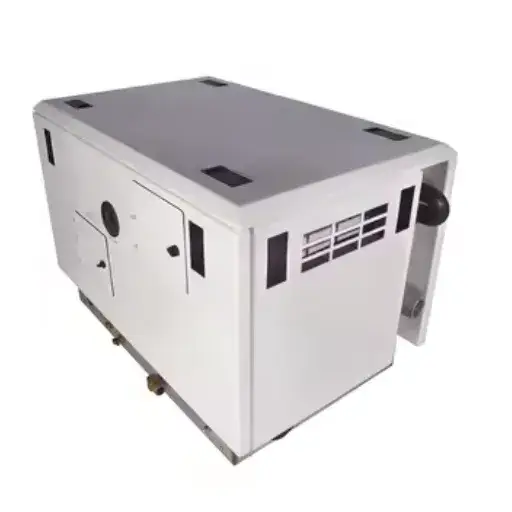
Importance of Proper Ventilation
The ventilation system in a generator shelter needs to be proper to provide safety, performance as well as prevention of hazardous conditions. The exhaust gases including carbon monoxide are generated by the generators which could easily get trapped in an enclosed area hence posing a very serious health risk to the people nearby. The proper ventilation eliminates the risk of exposing people to the harmful gases by permitting their efficient escape from the area.
Moreover, apart from the safety aspect, ventilation is also the main factor in regulating the shelter temperature. During operation, the generators produce a lot of heat and if there is no proper air circulation this heat can lead to overheating, cause reduced efficiency, and eventually damage the internal parts. The installation of intake and exhaust vents in the right places or the use of a mechanical ventilation system ensures that there is a continuous flow of air thus enabling the maintenance of an optimal operating environment.
When venting systems are being designed it is very important to take into account such factors as the generator’s size, fuel type, and the shelter’s measurements. The use of non-combustible duct materials together with filters to stop dirt from getting in also increases the dependability of the system. By making ventilation a priority, the generator shelter is going to be a safe place, an efficient one, and a long-lasting one as well.
Designing Ventilation Systems for Generator Enclosures
The use of effective ventilation systems is crucial for providing safe and efficient operation of the generators installed in the enclosures. The main function of these systems is to control the temperature and to prevent the overheating of the generators, thus helping in the efficient combustion of the fuel by providing the required air. The main parts of the system that are commonly used are vents for intake and exhaust, piping, filters, and fans. The intake vent is the one that lets in the fresh air and thus provides the required oxygen for the generator’s combustion. The vent for exhaust is the one that gets rid of the hot air and toxic gases and thus prevents the building up of heat and at the same time makes the operation compliant with the safety and environmental regulations.
While designing such systems, engineers have to make use of very precise calculations and industry standards like ASHRAE to arrive at the right airflow rates and vent sizes. For example, a common diesel generator can need as little as 100 CFM (cubic feet per minute) to as much as 500 CFM or even more, depending on its size and capacity. Another point is that the addition of automatic louvers or temperature-controlled fans can be a way of improving the efficiency of the system by allowing the adjustment of the airflow according to the real-time operational needs.
If the ventilation systems are made using these parts along with quality materials and designs that are customized for a certain enclosure size, then they can guarantee long-lasting performance with very little maintenance, thus protecting both the generator and its environment.
Monitoring Temperature to Prevent Overheating
The effective thermal management of generators through constant monitoring and control is an indispensable practice for the prevention of overheating with consequent damage, and the preservation of operational capacity in the long run. Excessive heat can result in the deterioration of internal parts and by the time it is detected, it might lead to total system failure. The placement of temperature sensors in the generator housing makes it possible that there is continuous monitoring of the degree of heat, and such a ventilated monitoring can guide not just the maintenance but even the replacement of parts used in the generators. These sensors are frequently linked with control systems that allow automatic main shut down or the opening of the ventilation if the situation calls for it, hence, no damage is done as a result of heat over the machines.
The methods and the technology used in the collection and the analysis of data in the temperature monitoring practices are notably improved through the development of modern systems. Sensors that are IoT-enabled can transmit data in real time to a main monitoring platform, and this is where engineers can do the analysis of temperature changes from a distance. One advantage of these systems keeping their records is the quick identification of problems or patterns of thermal stress that are happening over and again, making it possible to implement better predictive maintenance. For instance, if a generator reaches high temperatures very often when certain loads are applied then the system can be modified to have better cooling thus avoiding the overheating situation during those loads.
Sticking to the industry standards and the guidelines can be considered as the additional support for the proper temperature management. To put it more clearly, meeting the requirements like the ones set by ISO or IEEE can be a source of reference points for the safe operational limits. The combination of the latest technology and the profound knowledge of heat management principles is the best that businesses can do in order to protect their generators from overheating leading to destruction, ensure that they are reliable operation-wise, and prolong the life of their machines. These interventions will not only safeguard the site from dangers instantly, but they will also result in the long-term savings of costs by reducing the need for expensive repairs or replacements due to the rare- occurrences of such problems.
Compliance and Maintenance Considerations
Understanding Local Regulations for Generator Enclosures
The aspect of compliance with the local regulations is a very important one when it comes to the designing and future use of generator enclosures. In general, the regulations that are imposed are heavily influenced by the regions where the generators are to be put, the manner in which they will be used, and the environmental factors they will be subjected to. In most cases, the regulating authorities are either government or local municipalities. The regulations touch upon the very vital aspects of the whole process, such as the noise levels, safety protocols, emissions standards, and the structural integrity of the enclosures. Following the rules not only assures the generators a legal operation but also the safety of the workers and the nearby community.
Noise control is one of the major factors that come when talking about regulatory compliance. Most of the jurisdictions will not hesitate to impose very low noise emission limits as a way of protecting the environment from the negative impact of the generators, especially in residential or urban areas. It means that sound proofing materials and designs have to be used, which still allow for the control of the air and temperature in the enclosure. Besides, the environmental laws often require the generators to meet the emission standards which are not detrimental to the environment. This is certainly going to require such advanced technologies as the catalytic converter or exhaust treatment equipment inside the enclosure to minimize the release of harmful pollutants.
Moreover, safety regulations are also a major factor in the design of the generator enclosure. Depending on the regulations, the enclosure may be required to be built with fireproof materials, have grounding and ventilation systems, and so on. Similarly, frequent checks and maintenance may be required for the continuous regulation of the enclosure with local laws. Keeping abreast with the latest updates from the regulators and applying the best practices not only helps in maintaining the operational consistency but also in gaining the goodwill of the environment and safety of the personnel, thus building trust and proving reliability in the industry.
Regular Maintenance Tips for Your Generator Shed
The correct upkeep of the generator shed is very important to the generator’s efficient working and also longevity. Below are some important points to maintain the shed and generator in Primer condition:
- Inspect Ventilation Systems: Openings for ventilation have to be checked regularly in order to make sure that there are no clogs or debris. The proper and enough ventilation will stop heating up and at the same time, the exhaust gases will be safely released.
- Clean and Clear Surroundings: The indoor and outdoor of the shed should be cleaned regularly to avoid creating a place for dust, dirt and moisture to settle. The generator should not be surrounded by any clutter as it would not only increase the risk of fire but also reduce the air flow.
- Test and Assess Electrical Connections: All the electrical connections should be checked frequently for any wear or corrosion. The cabling and wiring should be secured tightly and safe from impairments to avoid electrical malfunctions.
- Moisture and Corrosion Control: Invest in a moisture absorber or dehumidifier for the shed if it is situated in a wet area. This will stop the generator components from getting rusty and moisture damaged.
- Check Fuel Storage and Lines: Leakages or damages must be inspected in the fuel tanks, lines, and filters. Regularly the old fuel should be replaced to avoid contamination that might hinder the generator’s performance.
- Inspect for Pests: The shed should be properly sealed to stop the entry of pests such as rodents or insects that might chew through the wiring or cause other damage.
- Perform Routine Load Testing: The generator’s periodic load tests will check its functionality and it will also ensure that the generator will not fail the power outage test. The manufacturer’s instructions for load testing should be followed.
- Follow Manufacturer’s Maintenance Schedule: Keep the manufacturer’s maintenance schedule for oil changes, filter replacements, and other essential servicing tasks. Creating a maintenance log can be useful in organizing your work.
The generator shed can still be functional and safe to use by integrating these proactive measures into the maintenance routine.
Ensuring Accessibility for Repairs and Inspections
The long-term effectiveness of your generator shed will depend on how well you are able to access it for repairs and inspections; thus, access for these purposes is a very important factor. Arrange doors, hatches, or removable panels so that they provide easy and direct access to the generator and other main parts. Good lighting and transparent paths inside the shed also help with visibility and movement during maintenance activities.
The strategic layout of the shed can make it easier for maintenance staff to get to the generator and other equipment quickly. For instance, if easily accessed areas are made for the common maintenance activities and parts are located nearby then the movement of people and equipment can be reduced significantly. In addition, using proper shelving and storage for tools and spare parts will make them available easily when needed for repairs or inspections.
All of these factors can be dealt with in such a way that the generator shed design will not only allow for the uninterrupted operation but also the maintenance process will be very quick and easy.
References
-
Optimal Design of an Enclosure for a Portable Generator – Virginia Tech
This study explores effective designs for enclosing portable generators to reduce noise radiation, providing insights into consumer-desired features. -
Division 32 – Generator Screen Enclosure – Western Washington University
Guidelines for designing and installing generator enclosures, including fencing and screen gates, for campus facilities. - Click here to read more.
Frequently Asked Questions (FAQ)
Q: What is a generator enclosure and why might I need an enclosure for my generator?
A: A generator enclosure is a protective structure that keeps a portable generator or a home standby unit out of bad weather, outdoor storage conditions, and possible theft. The need for an enclosure may arise because of the protection it provides, reduced noise with a noisy generator by forming a soundproof or quiet box, and meeting clear space requirements such as maintaining a 4 feet clear space on all sides for ventilation and safety. Moreover, an enclosure aids storing your generator when it’s not in use, and it can be part of a permanent power solution with a concrete pad or concrete slab foundation.
Q: How do I keep my portable generator quiet—what makes the quietest generator enclosure?
A: If you want to keep a portable generator quiet, then you should create an enclosure that uses mass-loaded vinyl, anti-vibration mounts, and sound-absorbing insulation to form a soundproof box around it. In addition to that, there should be a cooling fan and an exhaust extension to keep the airflow without having to open the enclosure. Setting the unit on a paver, concrete pad, or steel-reinforced concrete slab and avoiding putting the generator directly on grass or dirt, you will help to eliminate vibration and noise, thus, converting the combination of these measures into one of the quietest setups around, while the unit stays protected, and portable power capabilities are maintained.
Q: Can I build an enclosure myself—what are do-it-yourself tips for building a shed or box?
A: Yes, a lot of people go for a DIY build for an enclosure or the want the shed approach. When making a generator enclosure of shed-style, it is advisable to make provisions for ventilation, install an exhaust extension kit or exhaust fan path, anti-vibration mounting, and pour concrete or use concrete blocks for a stable base. Keep 4 feet of clear space on all sides for safety and cooling, closely follow manufacturer requirements to avoid warranty voiding, and consider soundproofing materials like metal sheds or wood with mass-loaded vinyl. Check local codes and OSHA guidelines when used in workplaces.
Q: How do I manage exhaust and cooling—do I need an exhaust extension or cooling fan?
A: Safety of operation for the generator depends on having adequate exhaust and cooling; an exhaust extension or exhaust extension kit can route fumes away from the enclosure opening and occupied spaces. A cooling fan or an exhaust fan helps pull fresh air in and prevent overheating, thereby maintaining temperature. Airflow that is properly designed prevents backpressure that could injure the engine and makes it so that your generator needs the right ventilation to function efficiently, particularly when it is enclosed for noise reduction.
Q: Will enclosing my generator void my warranty or create safety risks?
A: It may happen if the enclosure you build hinders airflow or alters exhaust routing against the manufacturer’s guidelines. A lot of manufacturers, Generac, and other home standby brands, spell out clearly clearance and ventilation specifications; not complying with those will result in your warranty being voided. Furthermore, enclosures need to observe safety practices regarding carbon monoxide hazards—keep clear space on all sides, provide a direct exhaust exit, and follow frame vs. enclosed recommendations. Always have a look at the generator manual before you go ahead and build an enclosure.
Q: What foundations are recommended—concrete slab, concrete blocks, or directly on grass?
A: The best foundation is a solid one like a concrete slab, concrete pad, or paver which will keep the generator stable, reduce vibration and moisture damage and poor airflow as a result of placing the unit directly on grass or dirt can be avoided. Concrete blocks or a raised platform could work if designed properly, but steel-reinforced concrete offers the most robust and durable base for long-term outdoor storage. Proper bases also facilitate anti-vibration mounting and are in compliance with local codes.
Q: How can I ensure access to my generator for maintenance and emergency use?
A: Generator enclosure design should ensure your generator is protected while allowing access for periodic maintenance, debunking, and emergency starting of generator. Provide doors or removable panels, and adequately equip the area with clearance and access points for fuel lines and electrical connections. In portable generator enclosure designs, ensuring easy removal if the need for portable power arises elsewhere, and not creating permanent sealing that would void warranty or obstruct routine checks is essential.
Q: Are there specific materials and anti-noise products I should use—mass-loaded vinyl, soundproofing, or metal sheds?
A: The materials are important: the mass-loaded vinyl and sound-absorbing insulation in the walls are helpful in reducing the decibel output, while anti-vibration mounts and a solid base minimize structure-borne noise. Metal sheds are tough and can be internally soundproofed but first make sure they are not amplifying the sound. For the quietest solutions, combine vibration isolation, mass-loaded vinyl, and a well