
The generator setup is one of the most important factors that are often neglected that require the right foundation and installation. A good foundation guarantees not only the efficient operation of the generator but also the prevention of future safety risks and expensive repairs. No matter if you want to energize your residence through outages or provide power to a business, you must know the installation requirements which range from site preparation to the support of the structure. This guide simplifies everything you need to know to create a secure, dependable, and durable foundation for your generator. Get ready to acquire helpful tips and make your installation process smooth and hassle-free!
Understanding Generator Foundations

Importance of a Stable Foundation
The operation of your generator in a safe and efficient manner relies heavily on a stable foundation that is very important. If the generator is installed without a proper base, it might shift, vibrate too much, or even become uneven which, in turn, can cause not only damage to the generator but also higher maintenance costs. A solid foundation reduces these risks to a great extent and promotes the longevity of the generator.
Moreover, a stable foundation also plays a major part in the generator’s performance as it minimizes the vibration and noise levels during operation. Vibration at a high level can affect the internal parts of the generator, which may cause a malfunction or reduce the output. A properly constructed foundation will take in these vibrations making the operation smoother and more prolonged for the equipment.
In the end, a foundation that is built according to your generator’s requirements assures safety and baseline compliance with safety and regulatory standards. Numerous local building codes and manufacturer’s instructions stress the importance of having a proper base to avert accidents like tipping or instability. By giving priority to a stable foundation, you not only improve safety but also the life span of your generator will be increased as well.
Types of Generator Set Foundations
It is of great importance to select the correct base for your generator set as this will guarantee safety, usability, and long-lasting durability. Here are the main kinds of foundations that are usually employed for generator sets:
- Concrete Slabs: Concrete slabs are perhaps the most widely accepted form of base for generator sets. They guarantee an even and solid surface which is not only able to bear the weight of the machines but also helps considerably to lessen the vibrations during the operation. A concrete slab that is designed properly will not only support the weight but will also last for a very long time since it will be done according to the load-bearing requirements.
- Steel Frames: Steel frames are usually seen as a substitute to concrete frames and are constructed mostly in industrial environments where mobility or modularity is a need. One of the main features of these frames is that they can be made to the exact specifications required, and this is normally done in combination with vibration dampeners to avoid any operational issues caused by extreme movement.
- Compacted Gravel or Aggregate Bases: Compacted gravel bases could be a viable option when the installation of generators is light or temporary. These bases not only come with fast installation but also good drainage, although they cannot be compared with concrete or steel in terms of stability hence they are mostly regarded as short-term solutions.
All types of foundations have their pros and cons according to the use and the environment. Concrete slabs are perfect for situations where long-term reliability is prioritized. Steel frames are needed in quickly changing, high-demand environments that require flexibility, while compacted gravel is the choice for temporary or denied area applications. Besides, proper foundation selection guarantees that the generator will operate efficiently and safely, whatever the case may be.
Design Considerations for Diesel Generators
In the case of diesel generators, one of the priorities during the design process is size and capacity. The generator must be capable of supplying the power needed for the intended use without going through an overload. Determining total energy demand is very important, and it can be done by summing up all the machines and systems that will be powered by the generator including any expansion plans that may be put forth in the future. This way, the users can be sure of non-stop performance during operation. The practice of sizing generators larger than necessary should also be avoided to avoid inefficiencies and burning of extra fuel.
The next to mention is ventilation and cooling which is another vital factor. Diesel-driven generators create a lot of heat while in use, and this heat has to be controlled in order not to reach the overheated state. The design should allow for proper ventilation and cooling through the use of exhaust fans or louvres so that the generator is always at the optimal temperature. The proper management of the surrounding temperature not only keeps the equipment alive for a longer time but also gives an uplift in its efficiency and safety.
Last but not least, fuel storage and access must be considered as well. Proper and secure storage of diesel fuel is a must for a power supply that is reliable, especially in power cuts. The choice of fuel tanks and their location must comply with local safety and environmental regulations which is a critical factor. In addition, the fuel system should not only be easy to refuel but also have strong measures against leakage and ensure that handling is safe so that risks related to fuel storage and maintenance are minimized. By addressing these issues, the diesel generator will operate effectively, safely, and reliably for a long time.
Soil Analysis and Bearing Capacity
Determining Bearing Capacity
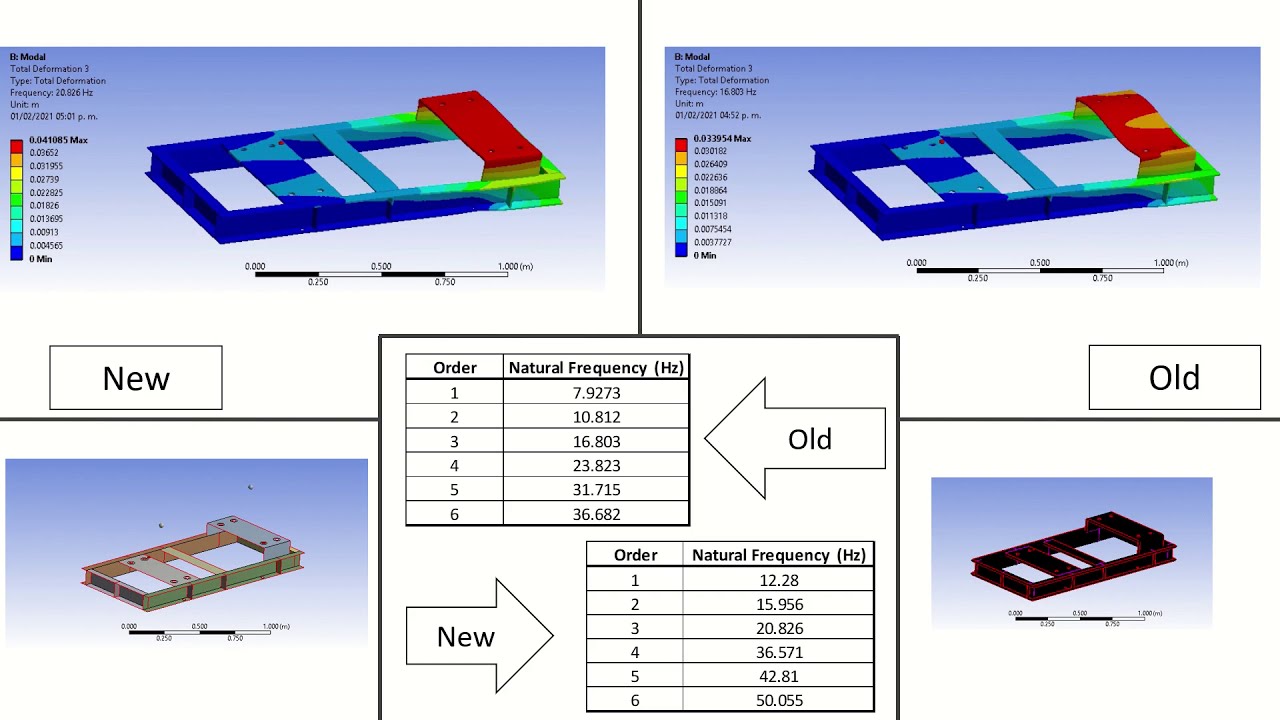
One of the main concerns in determining the foundation for a diesel generator, for example, is the bearing capacity of the soil. The bearing capacity is the maximum soil load per unit area at which the soil can still be subjected to shear and/or uneven settlement. The engineers usually first characterize the soil’s mechanical properties that are relevant for the consideration: its cohesion, density, and water content. To do so, they conduct both field investigations, such as standard penetration tests (SPT) and cone penetration tests (CPT), and laboratory analyses of soil samples to obtain precise data.
The environmental as well as site-specific factors also have significant influence on the determination of the soil’s bearing capacity. For example, the soilfnear water bodies may have much lower load-bearing strength due to saturation, while denser or more compact soil types, for instance, gravels, would show high capacities with all characteristics same. The common practice involves calculating the ultimate bearing capacities via application of theories like Terzaghi’s or Meyerhof’s that rely upon soil, depth and footing width parameters. Thus, these calculations are necessary to ensure that the foundation design complies with safety margins and avoids structural failures.
Besides, the use of advanced tools and the modern geotechnical methods will further increase the accuracy of the bearing capacity assessment. For instance, methods like the Plate Load Tests or non-destructive techniques such as Ground Penetrating Radar (GPR) have been developed to detect soil properties as map-able quickly and accurately. Creation of customized solutions for soil strengthening like soil replacement or stabilizing becomes possible when high-precision data from these methods is combined and thus, the soil is made compatible with the structure’s requirements. This painstaking process not only guarantees the stability of the structure but also saves costs, thus, providing a sustainable and dependable foundation for such applications as diesel generators.
Impact of Soil Type on Foundation Design
Soil type is the most important factor in foundation design. The various kinds of soil have different characteristics such as, strength, compressibility, and drainage, which all contribute to the different ways a foundation must be built. Here below are 5 significant effects of soil type on foundation design, with details and data presented:
1. Bearing Capacity of Soil
The capacity of the soil to bear the weight of the building and, therefore, the term bearing capacity is determined differently for different soil types. For example, dense sands and gravels with a bearing capacity of more than 300 kN/m² while soft clays with only 50 kN/m² will require completely different foundation solutions.
2. Compressibility and Settlement
Soils with clay components experience a greater degree of compressibility and thereby cause a longer settlement period, ultimately impacting the building structure negatively. A careful reading of the soil consolidation data gives a sound basis for the choice between pile foundations and preloading as a solution.
3. Drainage and Permeability
The high permeability of sand facilitates its natural drainage, while the opposite is the case for silts and clays for they easily get waterlogged. Such a situation results in either erosion or heaving of the foundation. To avoid the consequences of water, soil stabilization or drainage systems are the two main ways to go.
4. Potential for Liquefaction
In an earthquake event, the loose, water-saturated sandy soils might liquefy losing their strength and rigidity for a short period. The strength of the evidence from geotechnical investigations can lead to the decision on whether to opt for pile foundations or ground improvement through methods like compaction grouting.
5. Frost Heaving Susceptibility
Deep freezing and thawing processes make fine-grained soils, such as silts and clays, to be less permeable and thus, frost-heaved more easily. One way of protecting the foundation from devastating effects is by using heat insulation and soil replacement methods in conjunction.
It is by recognizing these impacts and leveraging precise soil data that engineers can come up with optimized foundations that are site-specific.
Vibration Isolation Techniques
Importance of Vibration Isolation
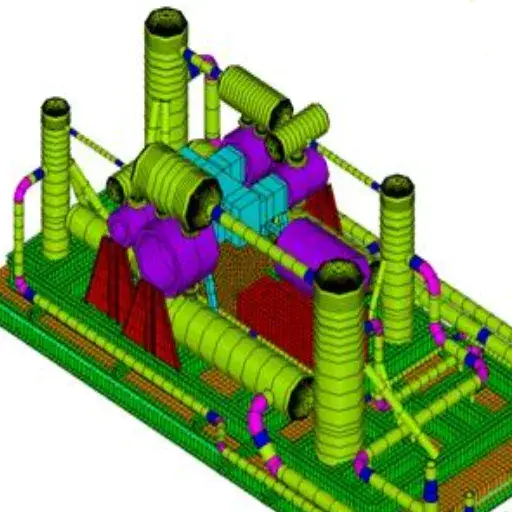
Vibration isolation is of utmost importance for the safety of buildings, the functionality of machines, and the well-being of people by minimizing the negative impacts of the vibrations that are not desired. Such vibrations could be due to machines, transportation systems, or the earth’s movements, and they might cause structural failure, product quality reduction, or uncomforted workers. Engineers who apply great isolation methods will be able to provide an extra life span and operation for the vital systems while providing less cost for maintenance.
Manufacturing, healthcare, and transportation are the key areas where industries are mostly using vibration isolation methods. In this case, the illustrations of a modern image or a semiconductor wafer require a deed that is free from vibrations of even the slightest magnitude. The lack of good vibrations control in these cases could lead to wrong results, damaged tools, or interrupted operations. Moreover, the isolation of vibrations also contributes to noiseless environments, thus creating a more pleasant and comfortable atmosphere for both laborers and strucre inhabitants.
Recent advancements in the vibration isolation field, including bearing made from elastomers, pneumatic isolators and tuned mass dampers, have completely changed the engineers’ approach towards vibration difficulties. Such systems are meticulously engineered in accordance to the frequency and amplitude of the expected vibrations, which leads to the most effective and efficient mitigation. Through combining the latest materials science with thorough site investigation, engineers are capable of designing and delivering the precise solutions to the specific probleme that not only maintain the original structure of buildings and machines but also keep them functional.
Materials and Methods for Vibration Control
The successful implementation of vibration control is basically determined by a triad consisting of modern materials, excellent engineering methods, and state-of-the-art technologies. Among the various materials that are being used, viscoelastic polymers are most commonly used due to their ability to absorb and dissipate vibrational energy through their innate damping characteristics. Due to their strength and durability when subjected to dynamic loads, metal alloys, particularly titanium and steel, are also widely used in places where there is considerable vibration. The use of composite materials, which are made of fibers embedded in polymer matrices, provides an excellent combination of features such as stiffness, lightness, and the ability to absorb vibrations.
On the methodological side, methods like finite element analysis (FEA) help engineers in making accurate simulations and predictions concerning the vibrational behavior of structures and machines. So, the optimization of structural designs can be made before the actual building. Vibration isolation systems made up of elastomeric pads and air spring systems are used in combination with the components to be connected in order to block the transmission of the vibrations. Tuned mass dampers (TMDs) are the industry leaders in their ability to minimize the oscillations of tall buildings and bridges by acting against the external forces like wind or earthquake that cause such vibrations.
The use of smart materials like piezoelectric and magnetorheological devices, which have been integrated into the field of vibration control, is amazing. These materials are capable of dynamically adjusting to the changing external conditions, thus providing a more adaptive and efficient performance compared to the traditional systems. The combination of such materials with predictive analytics and real-time monitoring systems makes the modern vibration control solutions more responsive and data-driven, thereby minimizing risks and extending the life of critical infrastructure.
Designing for Surrounding Structures
Considering the impact of surrounding structures in designing is very important in engineering, especially in the area of controlling vibrations and maintaining strength of buildings. Nearby structures can largely determine the way that the vibrations will be transferred in the atmosphere. Therefore, engineers are required to perform detailed study of the site while taking into account such characteristics as nature of soil, types of foundations and closeness and heights of other buildings. The use of advanced modeling tools and simulations is very common to forecast the behavior of vibrations in complicated urban areas, thus, it’s easier to provide customized solutions that either totally prevent or reduce the impact of the problem.
The combination of real-time monitoring systems and advanced sensors has become one of the main methods used in modern structural design. These systems have the capability to collect data on vibration levels, structural movement and external environmental conditions on a continuous basis as well as analyze it. For instance, the data provided by accelerometers and seismometers that are placed in both the main structure and neighboring buildings is very helpful in understanding the effects of vibrations on the wider area. When this data is processed together with predictive algorithms, it is very likely that engineers would be able to make timely adjustments thus, not only the individual project will be safe but also the neighboring infrastructure.
It is a common practice to use advanced material and techniques in order to be able to reduce the negative effects on surrounding buildings. Up-to-date technologies such as base isolation systems or tuned mass dampers can be customized according to the specific characteristic of a site. Moreover, the use of smart materials like magnetorheological fluids enables the designers to come up with the systems that can instantly change in response to the alteration of vibration frequency and intensity. In the end, a synergistic approach, which includes predictive modeling, real-time data analysis, and novel material science, is the cornerstone of not only the designed structure but also taking care of its surroundings in terms of safety, functionality, and longevity.
Choosing the Right Materials
Comparing Reinforced Concrete and Specialized Grouts
Reinforced concrete excels in strength and durability, while specialized grouts offer flexibility, water resistance, and ease of application for specific scenarios.
|
Key Point |
Reinforced Concrete |
Specialized Grouts |
|---|---|---|
|
Strength |
High |
Moderate |
|
Durability |
Long-lasting |
Varies |
|
Flexibility |
Low |
High |
|
Waterproof |
Limited |
Excellent |
|
Application |
Complex |
Easy |
|
Cost |
High |
Moderate |
|
Usage |
Structural |
Repairs/Specific |
Impact of Material Stiffness on Foundation Performance
The stiffness of the material is one of the most important factors that decide how effective and long-lasting a foundation would be. Foundations made of high stiffness materials will be able to take more loads and will be less deformed than those made of soft materials. Besides, soft materials are less susceptible to deterioration during dynamic changes in the environment. The performance of a foundation will be directly affected by the stiffness of the material used. Five of the most significant ways how material stiffness affects foundations are elaborated on with examples and data below.
- Load Distribution: When using stiff materials, their effective distribution of loads across the foundation becomes possible. For example, a concrete with a stiffness modulus of 30 GPa provides a continuous distribution of stress and minimizes the likelihood of cracks, since most of the strain is localized in areas with low stiffness on the surface of the concrete and therefore not lead to cracks.
- Vibration Dampening: The low stiffness materials such as special polymer grouts (with a stiffness modulus around 1-3 GPa) are the ones that provide the best vibration dampening. In this case, the supporting foundation of machines or structures located in high seismic zones would be very beneficial, as the vibration dampening would be even more effective.
- Settlement Resistance: Materials with high stiffness will not go through that much settlement if they are used under the heavy load. In a research comparing various foundation systems, it was found that precast concrete foundations settled less than 1 cm, while softer grout-based systems recorded up to 3 cm settlement under similar loads.
- Thermal Expansion Management: Material stiffness differences lead to different behaviors with respect to expansion and contraction caused by temperature fluctuations. Reinforced concrete, which has higher stiffness, would maintain its shape to a greater extent under thermal stress than epoxy grouts, which have a higher coefficient of thermal expansion.
- Durability and Cracking: Cracking incidences are much less common in the case of high stiffness materials like fiber-reinforced concrete, especially when they are subjected to cyclic loading. According to research, 1% of steel fiber addition not only makes the concrete up to 15% stiffer but also significantly increases its durability in long-term applications.
It is important to select the right material stiffness according to the specific requirements of the project in order to guarantee the stability of the foundation, lower the costs of maintenance, and extend the life of the structure.
Environmental Considerations in Material Selection
The choice of construction materials has a major influence on the extent to which a project can harm the environment. Sustainable materials with low energy embodied— the total energy consumption for extraction, manufacturing, and transportation— are given priority by modern methods. The use of recycled steel and fly ash concrete are among the materials that would emit much less CO2 than their traditional equivalents. Not only are these materials capable of bearing the intended loads, but they are also helping the world in great ways to lower the effects of climate change.
The properties of a material that dictate its in-use wear and the time it will last are also pivotal in determining the user’s environmental impact. The utilization of sturdy materials entails less resource consumption for the repairs and replacements when the natural resources are already less. The material with the long lasting property is nature-friendly, and it does not have an impact on the budget since the initial cost is that of the material not the power and disposal that come with the cheap-over-time sale of the material. Such a material is bioconcrete which is capable of self-healing through microbial activity and then there are the solar energy-using materials that marvelously integrate with the building.
The circular economy principle is another area that needs to be thought about in a big way. The use of reusable and recyclable materials leads to resource loop closure and the reduction of dependence on the non-renewable resources. For example, trees from the sustainably managed forests plus the reclaimed construction materials are all in the conservation efforts while they are at the same time meeting the needs of the project. By choosing to use life-cycle assessment, one can easily determine the environmental performance of material in every phase of its usage, from production to disposal. It is very necessary to support these kinds of materials as they promote eco-friendly construction techniques and lead to buildings that seamlessly blend with their environment.
Installation Best Practices

Steps for Installing a Generator Pad
- Choose a Suitable Location: Local regulations should be followed and the area selected should be level and devoid of anything that might obstruct the view. Check that the location meets code requirements, for example, with a proper distance from buildings, combustible materials, and ventilation points.
- Prepare the Site: The site you have chosen should be cleared of debris, plants, and anything else that might hinder the work. Dig out the area if necessary to provide a solid foundation for the pad. Depending on the soil conditions, the site usually needs a depth of 4 to 6 inches.
- Install a Gravel Base: To improve drainage and support the concrete pad the gravel or crushed stone should be applied in a compacted layer. A layer of about 2 to 4 inches is customarily advised.
- Construct the Concrete Form: A wooden frame is constructed, which is named the form, to indicate the dimensions of the concrete pad. Make sure the form is level and stable, using stakes or braces to keep it in place during the pouring.
- Pour the Concrete: Concrete is mixed and poured into the prepared form. The surface is made smooth and even with the screed or trowel. During this time, the concrete is allowed to cure for 24 to 48 hours, during which it is also protected from moisture and dirt.
- Post-Installation Check: Once the concrete has set completely, the formwork is taken off and the pad is checked for any cracks or irregular areas. The surface is to be checked for level and correct curing before the installation of the generator continues.
By adhering to these procedures, you will be able to create a strong and stable base for your generator that will last for a long time and at the same time be safe.
Safety Regulations and Compliance
The safety to be a part of your generator installation and compliance with standards should be one of your top priorities so that there are no accidents or fines. The first step is to find the local codes and electrical standards that are in place in your area. For example, in some places, the generators must be placed at a certain distance from doors, windows, and vents as a safety measure to prevent inhalation of poison from the exhaust such as carbon monoxide. Mounting of the generator will also have to be done according to the National Electrical Code (NEC) or its equivalent in your area to avoid danger from electricity.
It is also very important that the manufacturer’s guidelines are followed to the letter. This means that not only approved materials and components are to be used but also that transfer switches are to be rated for the generator’s output. Electrical connections should be made by a qualified and licensed electrician so that compliance with all safety requirements is assured. Many local authorities require inspection permits, so be sure to schedule these to get your installation assessed for conformity to the standards. These steps are not only a safety risk but also a reason to void the manufacturer’s warranties and insurance claims.
Besides, proper maintenance is necessary to keep your installation in line with safety codes. Occasionally, check for fuel leaks, inspect wiring and areas around the generator where carbon monoxide detectors are located, and perform tests on them. Any modifications or installations of your generator system have to be done according to the prevailing standards in order to keep your installation in compliance. Knowing when the safety and environmental standards change will help you to keep the generator running efficiently and safely. The combination of practicing these and obeying the law will not only help you to avoid the risks and hazards but also protect your property and the people living in it.
Post-Installation Checks and Maintenance
Once the generator has been installed, the system will need to be subjected to thorough post-installation tests to determine if the generator is running optimally and safely. Load testing should be the first thing to do. It will help to confirm that the power demand will not be a problem for the generator. All the electrical connections and fuel lines need to be inspected to make sure they are tight and there are no leaks. Oil and coolant levels should be checked regularly because lack of maintenance in these areas can lead to overheating or mechanical failure.
The manufacturer’s guidelines should be the routine maintenance framework that includes oil changes, filter changes, and battery checks at periodic intervals. Moreover, fuel consumption and runtime metrics should feature in the monitoring of your generator’s performance since any abnormalities in these may be indicative of problems. Some of the advanced systems may go for remote monitoring solutions as they provide real-time updates on the operational status and potential faults.
The integration of latest technological advancements like smart sensors or predictive maintenance software will make your generator more reliable and efficient. Being up-to-date with the emerging tools and industry insights will help the system be compliant with the safety standards as well as operationally effective for a long time. Careful checks combined with innovative solution will help you to reduce risks and increase the lifespan of your generator.
References
-
Wind Turbine Foundations – Iowa State University
This document discusses the design considerations for wind turbine foundations, which share principles with generator foundation design. -
The Analysis and Design of a High-Power, High-Efficiency Generator – MIT
This thesis from MIT focuses on the design and optimization of high-power generators, including structural considerations. - Click here to read more.
Frequently Asked Questions (FAQ)
Q: What is the generator foundation design and what is its importance?
A: Generator foundation design is the process of structural engineering for the development of a base that carries the turbine-generator or alternator, supports the weight of the engine and generator and protects the foundation from operational forces. Professional design engineers sort through all the issues related to bearing strength, resonance, natural frequency, inertia and dynamic analysis, so the foundation will be strong enough to control vibration, serviceability, and life-span while still offering easy access for piping and electrical connections.
Q: How do you establish the necessary foundation depth and how deep should it be below the frost line?
A: Foundation depth is determined by geotechnical and structural such as bearing capacity, frost protection, and the necessity to avoid settlement. The rule of thumb in frigid regions is to go below the frost level to eliminate the risk of heaving. Design engineers rely on soil tests (proctor), analytical and mathematical methods, and real dynamic considerations to choose foundation depth and width that can bear wet weight and operational loads.
Q: What is the impact of dynamic analysis on generator foundation design?
A: Dynamic analysis investigates resonance, operating frequency, and natural frequency interaction amongst the turbine, turbine generators, and the foundation. Also, it accounts for inertia and mass distribution and stiffening methods (beams, mat or mat foundations and reinforcement). A genuine dynamic study may suggest vibration-isolation systems, rubber pads, or bolt patterns to avoid amplification that might cause damage to piping and electrical connections or impair serviceability.
Q: What are the typical foundation types for turbine-generator sets and how are they compared?
A: Slab-on-grade mats, isolated pedestals, reinforced concrete beams, or combined mat-and-beam systems are the most common foundation types. The selection is based on footprint limits, turbine-generator wet weight, soil bearing capacity, required natural frequency and whether the foundation should be rigid or use vibration-isolation. Analytical, mathematical, and numerical models support design engineers in selecting the most appropriate solution.
Q: What is the ideal weight for a generator foundation and what are the determining factors of that weight?
A: No single number can be set; foundation weight is determined by the equipment’s wet weight, inertia during the operation, soil’s bearing capacity and desired stiffness. The weight of the foundation should be such that it shifts the natural frequency down below the operating frequency of the engine and generator and reaches the serviceability and stability criteria. Adjustments to reinforcement, mat thickness, and beam sizes are made to meet the target weight and stiffness.
Q: What is the significance of bolts and anchors in generator foundation design?
A: The alternator or turbine-generator frame is made secure to the foundation by bolts and anchor systems which also resist shear and uplift from dynamic loads. The critical factors for proper bolt spacing, embedment and grout details are to ensure alignment and to effectively pass inertia forces into the foundation. Design engineers comply with ACI recommendations and project-specific requirements in selecting the size of the anchors and ensuring that they fit well with the overall vibration-isolation strategy.
Q: In what situation would a vibration-isolation system or rubber pads be used for a turbine-generator foundation?
A: Vibration-isolation or rubber pads are recommended if the findings of the mechanical analysis and dynamic analysis suggest that a direct connection would lead to unacceptable transmission of vibrations to the nearby structures, piping, and electrical connections, or when the operating frequency is close to natural frequency. These systems mitigate and restrain forces, support the control of resonance, and enhance serviceability, but their installation requires meticulous design to not only maintain alignment but also to withstand inertia loads.
Q: How do design engineers confirm that a generator foundation is in compliance with codes and serviceability criteria?
A: The engineers conduct structural calculations, dynamic analysis, and constructability evaluations against standards such as ACI, bearing strengths, and project-specific rules of thumb. They consider the size of the foundation, width of the foundation, the amount of reinforcement, beam and mat detailing, and may use simulation of true dynamic response to check for resonance and natural frequency. The performance of the foundation as per the design is verified through field tests, load tests, and monitoring after the installation phase.