
Choosing the most appropriate generator for a particular application involves considering a number of factors, and generator frequency difference features prominently among them. Whether to go for the 50Hz or 60Hz stick, is a dilemma which can make or break the performance, compatibility or efficiency. So in what ways one might decide the most suitable frequency for the application? Through this manual, you will discover the distinctions in technical aspects, practical uses and a list of considerations to take into account. And it’s equally essential to know the 50Hz and 60Hz argument – what makes the difference and how to make the most of electricity – whether they are connected to industrial machines, back-ups or delicate devices.
Introduction to Generator Frequency
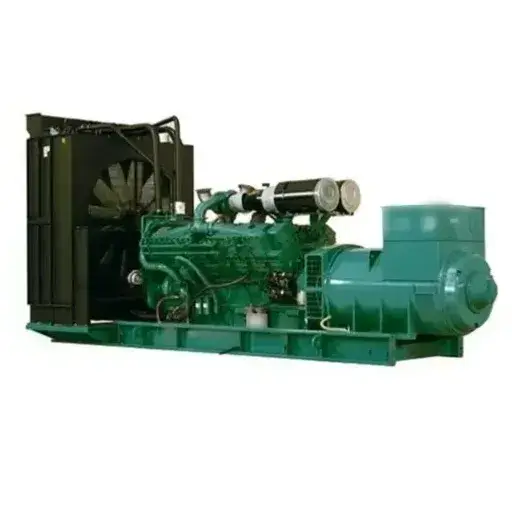
What is Generator Frequency?
The frequency of a generator, alternatively called its output alternation, is the quotient of the number of complete cycles (oscillations) in one second. All frequencies are in the unit of hertz (Hz), in which two standard frequencies include 50 and 60 Hz. It is a function of both how fast a generator’s rotor spins and the number of poles per rotor. The determination of frequency in Theoretical Physics is played in the form of frequency = (n * p r)/120, for all systems and processes, in order that this generator frequency difference is not disrupted.
This is a crucial factor since it defines the operation of the electrical equipment. In most cases, equipment is meant to function best at a given frequency of say 50Hz or 60Hz according to the intended region or standards. For example, the majority of the people in Europe, parts of Asia, and Africa make use of 50Hz whereas those in the United States, Canada, and some of its other territories operate at 60Hz. If, however, a generator with a frequency difference is used in an area or for a particular appliance or device where it was not meant to, it can lead to inefficiencies, overheating or even self destruction.
Being aware of a generator’s frequency is crucial when choosing a generator for a given purpose. It determines the ability to use electrical equipment together, the gap between energy transfer, and the electricity supply congruence with the domestic electricity system. As a result, the users incorporate the generator’s frequency in tandem with the methodology of the specific end-use equipment in order to achieve maximal efficiency, minimize the damages to equipment and fulfill local and global policies. This is important also for the energy management and management of reliability of power supply in both the industries and the homes.
The Importance of Frequency in Generators
Usually expressed as Hertz, frequency is one of the major parameters of generators regarding the coordinating of electrical purports or systems. This is due to the fact that most present-day electrical devices and appliances are constructed to function within commercially viable frequency limits which, depending on the region, is either 50 Hz or 60 Hz. If the frequencies are changed, the equipment may not work well, may overheat or may cause the delicate equipment to fail. Keeping the proper frequency aligns the generator frequency difference with power networks and guarantees the energy supply is dependable and secure.
It is the speed which is held steady to attain a steady frequency, which in turn, causes control of the speed of a prime mover (such as an engine or turbine) of a generator. This is because the electricity generated (technically alternating current) depends on the rotational speed of the generator. It can be seen from load diagrams of synchronous machines, for example, that there is a proportional relationship between the frequency and the rate of revolution. With the graphs, the purpose of the frequency control, especially with the automatic voltage regulators (AVR) and compressors, and digital interfaces in this case is aiding in monitoring and controlling the power, in terms of frequency, within the range provided. In some areas with low or prohibitively low tolerance for fluctuations, these installations such as hospitals, data centers, and manufacturing facilities are of critical importance.
The generator frequency difference factor if not addressed properly can cause a range of problems e.g. ineffective operation, mechanical stress, energy loss. With time, all of these will contribute towards shortening the lifecycle of the generator, as well as the equipment attached to it. It should be noted that due to the frequent power interruptions, this would at times cause production downtimes and maintenance processes very expensive. In this article therefore, attention to generator frequency is of immediate concern although also a factor in energy management that aims to continue operating within acceptable standards and ensuring that the systems are reliable.
Overview of 50Hz and 60Hz Systems
Most electric installations around the globe use either a 50 Hz or a 60 Hz configuration and this is largely because each region has its own way of development and usage. 50 hertz is the conventional most populous in European, Asian, African and some South American countries while in North America and in some parts of Japan 60 hertz is the used standard. They are both valid systems however their uncomplicating operating work kanility and use profiles differ.
Utilizing the frequency of the system in application is a very technical concept and it is essential for designing various electrical devices and systems such as electrical transformers, motors or generators. As an illustration, most of the devices that are meant to work in 50Hz markets do undergo some modification when subjected to a 60Hz market plus this is due to the variance in speeds and the magnetic fields generated within. Higher frequency of 60 Hz allows miniaturization of equipment due to reduced iron losses at higher operation temperatures, but efficiency again depends on the application and power demand.
Selecting a system that uses a frequency of 50Hz or 60 Hz is a decision that does not only has technical dimension, but rather, more economical and geographic one. More often than not, installing any device or infrastructure without localising it in a particular frequency band results to high expenditures when the region is switching or making such equipment import from a region where a different frequency is prevalent. As a result, it is crucial to understand how these systems work, in order to guarantee the proper functioning of equipments, reduction of power losses and effective operation of the plant in general.
Frequency Standards and Their Applications
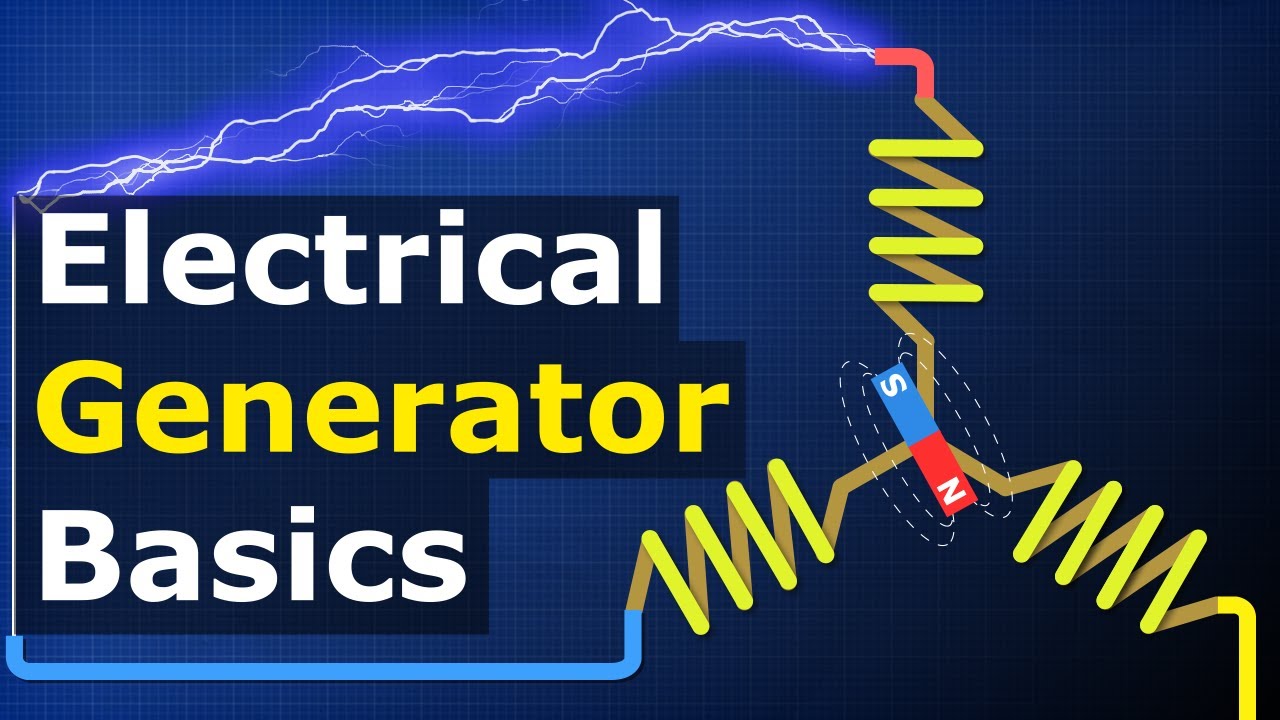
Global Frequency Standards: 50Hz vs 60Hz
The global frequency standards of 50Hz and 60Hz differ in speed, efficiency, and application, with 50Hz being common in Europe and 60Hz in North America.
|
Key Point |
50Hz |
60Hz |
|---|---|---|
|
Region |
Europe, Asia |
North America |
|
Speed |
Lower |
Higher |
|
Efficiency |
Higher |
Lower |
|
Torque |
Higher |
Lower |
|
Noise |
Lower |
Higher |
|
Machine Size |
Larger |
Smaller |
|
Power Loss |
Lower |
Higher |
Common Applications of 50Hz Generators
Along with the generalized use of 50Hz generators in places that use 50Hz electricity such as most of the Europe, Asia, Africa and few parts of South America, 50Hz generators use is also existent for specific usages. These applications vary from industrial and commercial functions withstanding different environments. Following are five examples of such usages detailed for better understanding and clarity:
- As an Energy Source in Various Manufacturing Plants: Most of the manufacturing outfits are concentrated around the 50 Hz generator frequency due to the presence of heavy equipment, assembly lines, and automated plants. For instance, an automotive factory that produces cars, weaving mills, a food company among others. Generators sustain constant power within these areas especially where blackouts are frequent, or there is no regular power supply.
- Building Structures and Projects in Exile: Construction sites in remote areas that do not have access to electricity from the national grid use fifty hertz generators, which also provide power when drilling machines, compressors, cranes and, of course, lighting is required. The aforementioned application comes into play within areas, in particular, such as rural areas aimed for construction using their respective 50Hz electrical systems.
- Use in Telecommunication and Computer Networks: There are regions, where the standard electricity frequency is 50Hz, data centers and fiberglass nodes use such generators as stationary units for continuous electric power services. This also includes all the necessary servers, networking stations and uninterruptible power supplies during the power outage or planned blackout.
- Hospitals and Health Centers: In hospitals and healthcare centers that operate on a 50Hz electrical system, these generators power up basic equipment such as ventilators, diagnostic machines and emergency lights during power cuts. For keeping alive people and delicate drugs and tissues, providing an energy source all the time is paramount.
- Back Up Power For Residential And Commercial Facilities: The operation of 50Hz generators at backup purposes is most often seen in residential as well as commercial premises such as office centers, shopping complexes, or residential blocks. Such devices begin operating on their own power supply in case of cutoff of energy supply in order to continue the work and running of domestic and industrial activities without much destruction.
The 50Hz generators do have a number of uses and are utilized in many sectors built to perform on the said frequency and they perform exactly with this because it numbs and makes life work system in some critical sectors very effectively. In particular, constant, uninterrupted power brings energy efficiency and functional usefulness in the important domains.
Common Applications of 60Hz Generators
Generators with 60Hz frequency are popular in many sectors because these are compatible with the electric network operating in the United States, Canada, and some other countries. The generators help enhance or maintain power capacity with very little modification. These characteristics are required in the performance of certain functions and several usage scenarios. Following are five such uses of 60Hz generators, together with justification:
- Residential Standby Generators: One of the typical uses for a 60 Hz generator is as a backup source of power for households during utility failures. These generators can easily sustain critical equipment such as refrigerators, air-conditioning systems or lights for people’s comfort and security when there is an absence of electricity from the utility.
- Motors Maritime Vegetation: In essence, these types of generators provide the required electricity for driving industrially heavy machines, such as pumps, compressors and other manufacturing equipment. These generators lessen the occurrence of wear and enhance productivity by stabilizing the generator frequency difference as well as voltage.
- On-Site Installations: Construction activities usually appeal to portable 60Hz generators as they offer means to power certain power tools, lights, as well as temporary offices. Construction activities would not be easy if such light and practical generators delivering reliable and efficient energy wherever they are needed are availed.
- Medical Institutions and Hospitals: In the back up power sector, hospitals and other healthcare institutions use the 60Hz generators intensively. This is due to the fact that providing electricity to life-support equipment, diagnostic machines, operating theatres and other such equipment in emergencies is very important.
- Shops, Malls, and the like: Different businesses such as retail stores, data centers, and food service establishments use generator sets at 60 cycles per second (cycles/sec) to avoid halting operations in the event of a power outage. Without such generators, companies’ revenues are likely to plummet given food wastage due to spoilage as these items need to be temperature-controlled.
In these cases, it is possible to understand how beneficial 60Hz is and why such equipment comes in handy for a lot of people and facilitates a lot of modern infrastructures and activities.
Impact of Generator Frequency on Performance
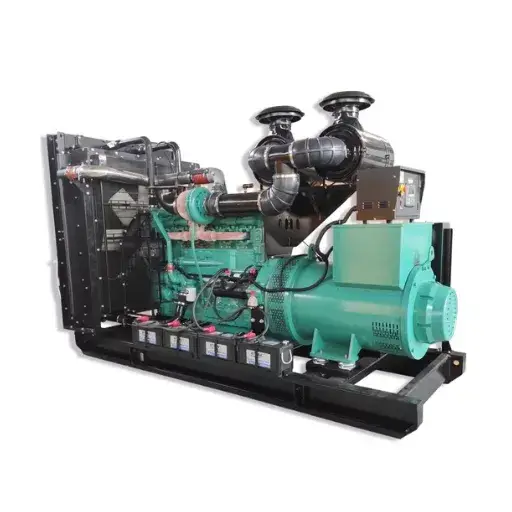
How Frequency Affects Generator Output
The ability of a generator to function optimally and constraints of this function is affected by the frequency of operation. Alternating current (AC) frequency determines operation in aspects of the engine including speed of rotation and output effectiveness and quality. In this section, there are five major performance frequency effects with an in-depth discussion of each of them:
- Speed of Rotation: It is in the relation of the generator frequency that the engine speed is mentioned as: ( f = \frac{P \cdot N}{120} ), where (f) is in Hz, (P) is the number of poles and (N) is the speed in terms of RPM. A typical 2-pole 60 Hz generator will have an engine speed of 3600 RPM, whereas in case of a 50 Hz generator the speed will be 3000 RPM. Any deviation will result in the frequency being unstable which affects the equipment attached to it.
- Voltage Regulation: The voltage regulation of an electric generator is dependent on the frequency. The output voltage is kept constant when the frequency remains constant, while frequency variations may cause voltage to rise or fall. This, in turn, can affect sensitive equipment such as medical apparatus, communication devices, and servers that need specific electrical supply.
- Power Output Performance: A generator is most efficient and attains a stable output power level within the rated frequency. If its frequency is decreased or above the rated value, there will be excess heat production, less economy of fuel, and some internal level faults will be experienced. For example, the use of a 60Hz supported generator frequency difference of approximately 50Hz reduces the performance of the generator power output by more than 20%.
- Harmonic Voltage Distortion: The frequency impacts the harmonic distortion degree of the generator. Sometimes frequencies can go haywire and incorporate extra waves into the voltage supply, which will not damage the equipment with these microprocessors. When the frequency is kept constant, distortion is reduced, providing pure power as required.
- Matching Loads: Key to many processes and machines is the requirement that they operate at a given (50Hz or 60Hz) frequency. In particular, in the presence of frequency difference between the generator and the loads, such machinery as motors, transformers and other equipment sensitive to speed may cause mechanical straining, thus decreasing the productivity.
This explanation shows why it is so important for the generator frequency to be maintained for proper use and efficient functioning of any equipment.
Voltage Variations with Different Frequencies
Voltage instability predominantly arises due to the frequency regulation dynamics in the so called AC power transmission systems because these two parameters cannot differ in static mode. Changes in frequency may negatively affect voltage stability, which is important for all types of loads and networks. Five rationalized illustrations below depict the way how voltage varies when there are alterations in the frequency:
- Case of Low Frequency Dips (Below Nominal): If the frequency declines below the normal frequency (such as 50 Hz or 60 Hz that is set in a particular region), voltage readings of the generators and transformers can also decline as their rotational velocity decreases. Such a decrease may lessen the magnetic field and thus decrease the induced EMF thus resulting into under voltage.
- Case of High Frequency Dips (Above Nominal): Higher than nominal frequency it is not recommended ranges for electric rotating machines since it is linked with an increase in voltage. Overvoltage can occur between the metal casing and coil of insulated equipment due to this phenomenon and an excessive temperature rise worried caused by such overvoltage can begin.
- Frequency Doesn’t Stay Stable: If the waveform rises or falls or form any other changes within a shorter period (also known as a period of oscillations or sung resonance), these abnormally frequency fluctuations result in temporary high voltages within the signals and fan sags: they extract less power and make noise but shortens working life of sensitive electronics.
- Sensitive to Frequency Variations – Cord machines: Cord machines are very sensitive to change of voltage in case of changes of frequency. In case frequency is reduced, so is reactance arriving at a condition which demands higher current hence threatening the system to overload. The other extreme is that high frequencies may restrict current so much that a device may start to resonate.
- Change Difference Collapse: When the difference in the frequency between generator and the rest of the system becomes very high e.g. in the instance of grid failures/faults then voltage collapse may occur owing to the limited supply of generators and reactive power which is needed to keep the system more stable. Often, unless it is tackled immediately, it results in large scale blackouts.
It is notable that the frequency and power argument of M also affects makes it necessary to have accurate control strategies and immediate feedback. These two examples show the opposite side of the coin – increase of frequency disturbance results in instability of the voltage and destroy the whole system.
Measuring and Managing Generator Frequency Differences
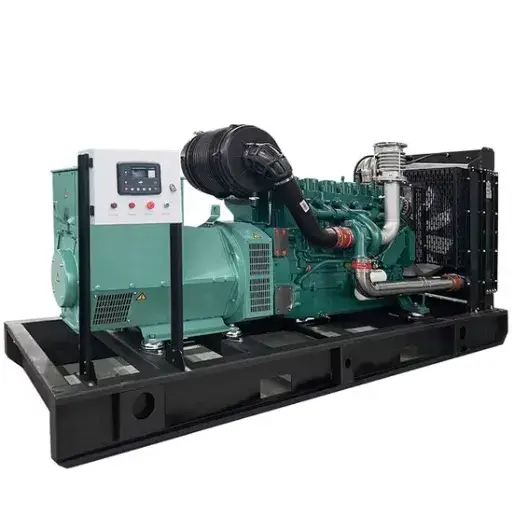
Methods to Measure Generator Frequency
Monitoring the frequency of a generator is essential for the operation of power appliances. There are several scientific and conventional approaches characterized by different principles and techniques:
- The Frequency Meter: Frequency meter is an instrument, which addresses frequency measurement directly, is mostly applied in power plants. Mainly it is used to check the frequency of an in-operation generator. It counts and display the amount of periods per second ( revolutions per second expressed as hertz) of an electrical signal. Digital frequency meters, however, are most popular nowadays, because they are very accurate and most of all, they can be connected to the SCADA (Supervisory Control and Data Acquisition), for data collection and monitoring in real time.
- PMUs (Phasor Measurement Units) in Power Systems: Most classes of power systems are designed to operate within a particular range of frequencies, and as a result, monitoring the frequency output of a generator is a vital tool in many power systems. Skillful and elegant methods are many to counter the disturbing parts of the Uranus however, the counting of the same elements is different; complex and less so.
- Frequency Maeters: Another device which in fact solves the problem of frequency measurement and is thus used quite a lot in power generation facilities. In most cases, its purpose is to measure the generator’s frequency, without shutting down the machine. By default, the instrument displays the number of periods per second (otherwise expressed as hertz). Nowadays however, digital frequency meters are in vogue since they are very precise and most importantly, being connectible to the (SCADA supervisory control & data acquisition) system, for data monitoring and recording instantaneously.
- Phasor Measurement Units (PMUs): Phasor Measurement Units supply fast and precise updates on the power system frequencies conjoined with other electrical characteristics. With available GPS services providing not only their location coordinates but also absolute real-time, PMUs enable an online assessment of the generator’s response and the operator’s actions whenever things appear to go wrong. This is quite useful especially in very large systems and systems that are connected through many different networks hence the ability to measure precisely that goes beyond one system.
- Zero Crossings: In this case, the value of the peak response of the wave during each period of the alternating wave travel down to zero in the provided time frames, thereby the frequency is calculated. Though this method is quite primary, it works quite well under steady states and can be found even on microcontrollers used to maintain the spinning speed of generators in the power systems.
- Fast Fourier Transform (FFT) Analysis: Adoption of frequency estimation based on Fast Fourier Transform (FFT) is an image processing tool aimed at providing frequency information by transforming a signal in the time domain into the frequency domain. FFT is very useful in the study of power systems especially in cases where the systems are subjected to variations or sudden transients, this provides an effective technique to study the contribution and variation of harmonics in the performance of generators.
- Analysis of Voltage and Current Waveforms: If the voltage and current waveforms are tracked in real time, an operator can in principle perform a determination of the frequency. However, each of the algorithms and AI-based programs that are engineered manual analysis is aimed towards dynamic power systems, automating the process to achieve precise results and save time efficiently.
The reliance of novel techniques has enabled contemporary power systems to not only target precise frequency control but also coordinate their generator operations so that potential instability is anticipated and countered. This is because the use of modern technology and highly sophisticated techniques allows competent management of frequency relative to generator frequency difference in view of the energy grid transformation.
Troubleshooting Frequency Differences in Generators
Resolving the issue of generator frequency difference demands formation of events from cognition around these causes with possibilities of addressing those causes to avoid serious consequences of disrupted system. such differences has proved to be as a result of load mismatch, improper synchronisation or mechanical deterioration in the generator itself. In ascertaining such phenomena in details, the settings of the cyclic operation of the generator relative to the grid with his, that is, regulates fifty or sixty hertz is investigated.
Such fundamental investigations will involve the look at the setting of the main governor gear and the AVR’s for any shifts that may affect the control of the frequency. Additionally, check for unequal loading between modules in parallel through the load meters as well as the power factor. Sophisticated test instruments c such as the frequency response enalyzers as well as other monitoring devices give specific measurements for the outliers.
When further assessments are carried out, changes in a particle’s waveform with respect to a fluke or dips and peaks in the generator wave shape suggest disturbances such as transient waves, harmonics or a three phase generator frequency difference, which can be detected with an oscilloscope. More and more technologies such as digital twins and machine learning algorithms are used in the estimation and analysis of variation in frequency with regard to the operational parameters and previous records thus informing the strategies and actions well in advance.
In conclusion, manufacturers advices and maintenance intervals should be followed to avoid any other fluctuations in frequency. Continuous use of Predictive Maintenance Techniques additionally reduces system downtime through detection of wear and tear and/or potential problems sufficiently early to avoid abrupt failures. Following this logic and methodology, added reliability is achieved for generators as well as enhanced functionality of power supply systems.
Using Frequency Converters for Compatibility
Electrical systems with different frequencies, for example, 50 Hz and 60 Hz, require frequency converters in order to be made compatible. These systems are most commonly used in geographies having imported equipment from one place but wishing to use it with the local equipment of other geographies. The efficiency of the system is primarily maintained by the frequency converter by changing the input frequency or output frequency to the expected ones without modifying equipment greatly.
Contemporary frequency converters make use of state-of-the-art power electronic components like insulated-gate bipolar transistors (IGBTs) which guarantee very high accuracy and reliability while carrying out conversion processes. For instance, imagine a navy or air force vessel which is equipped with power systems that are specialized in their nature and functionality delivery on the vessel. This is where frequency conversion comes in; to enable the equipment to function hassle-free while making sure no power is put to waste. Operations within and alongside such variations in generator frequency difference also help industries that use machines with non-localized sources to upgrade their system efficiency were replacement of such machines is costly.
In recent years, it has become possible to monitor frequency inverters online with the help of modern monitoring tools or adaptive equipment in order to extract information about the operating conditions including but not limited to; input or output level of a voltage, additional losses as a result of harmonic distortion and energy indicator of the device. It allows combining both operational information and performance diagnostics so that maintenance plans can be predictive rather than reactive. Businesses can incorporate the latest platforms of internet of things to connect the devices with frequency converters in order to make further savings on power consumption and at the same time to ensure integration between different systems in the long run.
Practical Examples and Case Studies
Case Study: Frequency Differences in Renewable Energy Sources
Incorporating renewable sources such as wind and solar energy into existing power systems creates unprecedented difficulties in terms of frequency control and the realization of synchronous operation. Traditional power stations run by fossil fuels are steady and work for long periods without evident changes in total kWh output since any power demand that goes beyond the supply is met by the non-renewable power sources. But this is not the case with the existing renewable energy sources since they are weather dependent. By way of example, power produced by solar panels changes with the availability of sunlight in the presence of clouds, rain or snow or after sunset and increase power production on bright days due to the sun’s rays. Similarly, the ability of the turbines to generate electricity is affected by both the speed and the direction of wind. This may result in parametric imbalance within the network, which sooner or later might cause unstability or even blackouts of entire systems.
An effective way of addressing these problems is through the use of advanced frequency converters and storage energy systems. High precision frequency converters allow grid operators to match the respective input frequency of the accompanying renewable sources to the appropriate grid frequency, 50 Hz or 60 Hz depending on the geographical location. Frequency converters, when combined with an energy storage system in the form of lithium-ion or pumped hydro storage for instance, help to solve this issue by allowing for excess energy production to be chargeable during high production and discharge during low generation.
For instance, the evaluation of a hybrid system comprising wind and solar sources in Denmark and advanced frequency regulation tools indicated a 30% generator frequency difference from the frequency allowed by the system without some of the frequency regulation facilities. This helped to reduce the overall grid drop-in and frequency ramping rate, thus ensuring that the grid is cleaner and promoting the renewable energy penetration rate.
As a further advance of performance, predictive algorithms with a commitment to single conduits of IoT-enabled sensor systems are used in every aspect of the energy grid, convoluted in its monitoring and cohesive – adapter setting – adaptation. These specificities are answering the day-to-day needs of the renewable energy sector, taking into account different operational conditions. In this context, it is possible to provide energy that does not harm ecology and is stable.
Example: Industrial Systems and Generator Frequency Management
Industrial systems play a key role in ensuring generator frequency difference, especially in commercial industries where such fluctuations can cause severe inefficiencies. Frequency management of these systems involves the effective use of appropriate power converters, embedded with the latest algorithms and sensors based on Internet of Things, within the system. They not only improve the accuracy in frequency control but also respond appropriately to the condition of the network systems; eliminating cases of overload and supporting the operations in an environmentally friendly manner. For instance, contemporary industries with VSC (voltage source converters) have abilities to change power flow with a millisecond timescale, hence ensuring stable operation regardless of changing power demand or availability of renewable energy.
The application of Internet of Things (IoT)-based solutions enhances the frequency control of generators by allowing collection and interpretation of a broad range of operational data. Among these operational data are voltage, current and load changes, and allow carrying out maintenance operations in advance and changing the structure of the systems in advance in a way that would cause these changes. The specific definition of the change dynamics is ensured by gaps and other data sources mainly quantified using advanced analytics with embedded machine learning algorithms, which allows them to be managed before those cases lead to frequency fluctuations or a violation of any other component. Factories integrated with grid technology, for example, use automated loops to regulate these deviations and free up productive activities while also improving energy efficiency. Such technology innovations highlight the increased demand for data tools to combat even the longest standing day-to-day problems of bulk power management.
The integration of these technological tools with an all-encompassing sustainability perspective means that a decentralized industry does read as a deterrent against complexity. From a traditional perspective, this suggests efficiency in energy consumption, and a decrease in the production of greenhouse gases, and a drastic reduction in the use of fossil fuels. In addition to this, technology advances such as digital twins are virtual representations of real systems, which are employed in industrial operations to test generator frequency difference scenarios and many other issues with no alterations in the physical systems. Thus, the changes risk and cost of conducting several rounds of trial elapsed time in order to not to change any components are reduced, which enhances the efforts towards achieving greater energy systems that are more dependable and eco-friendly.
Real-World Implications of Operating on the Wrong Frequency
Power supply systems are designed and tuned for a particular frequency, any deviations from which may cause serious consequences both in regard to the equipment and the energy system in general. For example, in power stations, any variation from the frequency, which is typically 50Hz or 60 Hz per geographical area, puts the turbines and the transformers under undue stress and wears them out faster. Other consequences are related to the fact that significant frequency offsets are not rectified. They represent great risks of cascading failure of various power systems which could lead to the strings and circuits going completely dead and powerless.
From a systemic perspective, frequency instability significantly undermines the intricate balance between the basic demand and supply of electricity. Once the grid frequency deviates from its normal range, industrial equipment such as precision manufacturing tools are probably prone to malfunctions or can make rejected products. In the case of home appliances, these might fail, heating beyond maximum temperature owing to uneven power supply. Key systems such as hospital systems and data centers are sensitive since frequency deviations may lead to failure of devices such as UPS and other systems, thereby causing interruptions in power supply provision.
As a result, proliferating modern frequencydriven power regulation systems have inbuilt refraincy- associated technologies and correctional schemes which alow for mitigation of these threats. Thanks to the incorporation of real time analytics and machine learning, operators of these networks can quickly assess the situation and apply preventive procedures such as a change in production control or engagement of AZ bacteriological agents reactively. This guarantees maximum supply security without disruption of the grid functions, otherwise results in destruction – that quintessential regulation of direct stress gird proper operation of energy systems.
References
-
Frequency and Damping Characteristics of Generators in Power Systems: Explores frequency characteristics and oscillations in power systems, including 50Hz and 60Hz standards.
-
Electronic Power Conversion System for an Advanced Mobile Generator Set: Discusses power conversion systems and frequency outputs of 50Hz, 60Hz, and 400Hz in generator applications.
- Click here to read more.
Frequently Asked Questions (FAQ)
Q: Elaborate on what the generator frequency difference is and why it is significant.
A: The term “generator frequency difference” describes the variation of a generator output frequency from a specified power line frequency (for instance 50 hertz or 60 hertz energy). This is significant because the frequency at which a generator is supposed to supply any given power grid or equipment must be maintained for a generator to release power into the system without transients causing mechanical failures such as motor stalling of inductive loads or scaring of sync clocks and transmission lines.
Q: Explain how rpm generates 50hz or 60hz in a generator?
A: How fast a generator can rotate is not the only factor contributing to the frequency it produces, the number of triangular poles also contributes to it. For an obvious synchronous machine this is provided by frequency (plural Hz) = (speed × number of magnetic peaks) / 60. A 2-pole machine producing 60 Hz for instance, would in most cases operate at around 3600 rpm, while a 2-pole machine producing 50 Hz would operate at a rpm of 3000. The generator frequency of a 4 pole machine is achieved at half the necassary speed of a 2 pole machine.
Q: What is the justification of increasing the number of magnetic poles, given that it may play a part in the generator frequency difference?
A: The number of poles refers to the number of waveforms created by the rotor in one revolution. In a 4 pole generator, where there are two cycles in one revolution, at any one rotating speed the output frequency will be different from a 2 pole generator that produces one half cycle in a revolution. Poles also determine the speed of the engine that is needed to run in order to get the required frequency (whether 50 Hz or 60 Hz) (since the number of poles in a machine remains constant).
Q: Do portable generators come with reliable 50 hz and 60 hz power options, as well?
A: Sure, they really do and there are many such portable generators that are designed with either the 50hz power systems or the 60hz systems but then they have to control the frequencies by controlling the speed of the engine. High-quality portable generators come with governors or electronic regulators to ensure the frequency of their output remains constant despite the load variation and to prevent generator frequency difference as this can cause damage to the sensitive machines.
Q: In adding a generator to the power grid, how is the power of the generator brought to the same frequency of the power grid?
A: In referring a common grid-connected generator, it is said that the generator is synchronized with the gird by adjusting the frequency of the voltage to match that of the grid, the phase and of course the generator’s output voltage. In other words, one should be able to alter the speed of the generator engine or the governor in order to move the frequency to line frequency, look for the phase angle and bring it in step with the load breakers. Without this, matching the frequency would lead to very serious difficulties in power transmission lines and equipment connected causing loss.
Q: How are 50 hz and 60 hz standards different in different locations?
A: Examples in terms of Hz reveal variances such as certain parts of the world embracing the 50 Hz framework, while other parts prefer 60 Hz. Home appliances and generators are primarily tuned to either one of the standards; operating devices in an incorrect Hz can cause overheating in motors or even running of the motors at the wrong speed. Hence, while making considerations of either producing 50Hz or 60Hz generating sets, the number of poles, rpm as well as the choice of using rotary and frequency converters to connect systems that are in Hz to ones that are in 50Hz or 60Hz should be taken into account.
Q: Through what modification of an engine and its governor can change the generator frequency difference?
A: Firstly, varying the engine speed results in a change in the rotation speed and hence the number of cycles produced per unit time. Tuning the mechanical governor or using electronic control helps maintain the frequency within limits as the load undergoes changes. Adjusting the engine speed is crucial in that it ensures the generator frequency of the system is approximately 50 hertz or 60 hertz which means there should be no generator frequency difference large enough to result in instability or malfunction of any equipment.
Q: When does one switch to a rotary converter or frequency converter and not to an rpm variation?
A: Suppose the equipment has to operate at a different frequency other than what the generator outputs (for example, running a 50 hz appliance from a 60 hz grid), a converter rotating device or frequency convertor for the electronics so that the appliance rpm doesn’t change may be used. These are mainly used in cases where the generator is connected to the prime mover in a full – rigid – direct driving unit and thus has a constant speed or when the power supply system is supposed to have a given frequency of supply which does not depend on the speed of the driven engine in the local generators.
Q: What steps do I take to solve problems when frequency is a crucial factor and can I adjust a generator frequency difference?
A: First and foremost, determine the frequency that the generator is producing at the moment and the desired line frequency. Review all aspects which includes the engine speed and governor changes, the alternator and its excitation stage, check also what load is available. If it is fault of the wrong number of poles or the wrong rpm, change the speed of rotation or the generator itself; for example, replace a 2-pole generator with a 4-pole generator for frequency higher than required that is developed at a higher speed of a 2-pole generator or lower speed of a 4-pole generator. For chronic problems, consult a professional power engineer in order to assure safe and proper connection to the mains, and stable supply of power.