
The reliability and operational efficiency and system durability of power systems require proper generator load management as their essential need. The prevention of overloads and performance optimization knowledge is essential for industrial generators and backup power units and grid-connected systems because it helps businesses avoid expensive operational shutdowns and equipment breakdowns. This article presents essential methods used for generator load management because it helps operators balance electrical demands while protecting systems from overloads and achieving maximum operational performance. The implementation of these techniques will enable you to achieve two advantages because they will help you stop upcoming failures and extend your generator’s operational time while reducing your energy expenses. Let’s explore how to make your generator work smarter, not harder.
Understanding Load Management
What is Load Management?
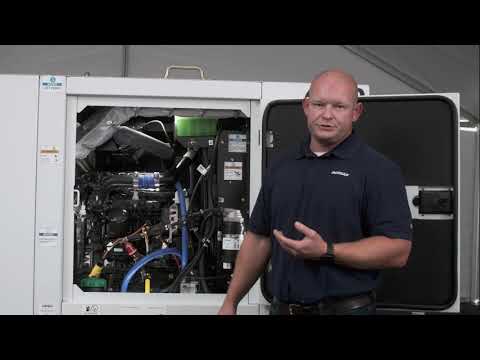
The term load management describes the method which distributes electrical power across a generator to achieve balanced demand for maximum operational efficiency without causing generator overload. The system requires active monitoring and control to maintain power consumption at levels which keep the generator within its operating limits. Load management functions as an essential requirement because power systems need continuous energy supply to maintain their operational reliability and safety in critical power supply environments.
The adoption of effective load management procedures protects equipment from breakdowns caused by both overload and underload conditions. A generator experiences overloading when it needs to generate power which exceeds its established capacity which creates risks of overheating and system breakdowns and permanent equipment damage. Generators experience underloading when they operate at levels which fall below their maximum output capacity which results in inefficient fuel use and carbon buildup which shortens their operational lifespan. Operators who maintain proper load management practices can avoid problems which result in energy supply interruptions.
The implementation of load management practices provides organizations with enhanced energy efficiency results and decreased operational expenses. The strategic allocation and prioritization of power resources enables organizations to decrease their unnecessary fuel consumption and energy waste. The extended generator usability leads to lower operational expenses which continue throughout its entire operational life. Load management serves as an essential method which protects generator health and boosts generator performance while delivering continuous power service to all connected systems.
Importance of Load Shedding
Load shedding operates as a necessary technique that enables efficient power resource management throughout situations which experience power demand exceeding available supply. The system prevents total failures through its process which reduces electrical consumption across the power grid system. The power providers use load shedding to maintain grid stability which prevents widespread blackouts that would disrupt both residential and industrial operations.
The main advantage of load shedding lies in its capability to shield essential infrastructure and equipment from destruction which occurs during sudden power level changes and overload situations. Load shedding requires controlled power cuts to enable providers to distribute electricity fairly while they safeguard generators and transformers from excessive demand. The system protects essential electrical infrastructure through its peak demand protection system which ensures operational reliability and system longevity.
Load shedding functions as an energy conservation tool because it motivates users to develop mindful electricity consumption patterns. The process serves as a reminder that sustainable energy sources such as solar and wind power must become our primary energy sources to decrease resource dependency. Strategic load shedding practices not only protect the power grid but also create an energy-efficient society which enhances its resilience.
Components of Load Management Systems
The load management system operates through multiple essential elements which function together to maintain effective and dependable electrical power distribution. The systems operate to track energy use while maintaining control and performing energy efficiency enhancements throughout residential, commercial and industrial sectors.
- Smart Meters and Sensors: Smart meters and sensors serve as essential components for load management because they deliver continuous electricity consumption data which utilities use to monitor their networks. The system gathers data about how people use electricity throughout the day which helps to determine peak usage times and distribute electricity more efficiently. Through these devices, both utilities and customers can access data which enables them to make knowledgeable decisions regarding their electricity consumption.
- Load Control Devices: Load control devices function to either increase or decrease electrical energy usage when demand reaches its highest point. The system consists of switches and thermostats, which can independently manage energy consumption in heating systems and machinery and appliances during operation. The controls assist to maintain equal power distribution on the grid, which effectively stops system failures from occurring.
- Energy Management Software: Energy management software serves as the primary software system which unifies data from both smart meters and load control systems. The system utilizes cutting-edge algorithms to examine usage patterns and predict future requirements while creating load reduction strategies. The software provides interfaces that are easy to use, enabling users to monitor their energy usage and take part in demand response initiatives.
- Communication Infrastructure: The system depends on communication infrastructure to enable all system components to exchange data without interruption. The system establishes a connection between smart devices through either wireless or wired networks, which supports immediate data transfer and energy load control from afar.
The system components work together to create better power grid performance, which leads to fewer blackouts and promotes environmentally friendly energy solutions. The systems have gained significance because of the global shift towards implementing renewable energy systems into electrical grids.
Types of Load Management Systems

Residential vs. Commercial Load Management
Residential load management prioritizes home essentials, while commercial load management optimizes power for critical operations and cost efficiency.
|
Aspect |
Residential |
Commercial |
|---|---|---|
|
Priority |
Home essentials |
Critical operations |
|
Objective |
Reliable backup |
Cost optimization |
|
Methods |
Load shedding |
Load shifting, ATS |
|
Savings |
Moderate |
Significant |
|
Power Stability |
Basic |
Advanced |
|
Tools |
Simple controllers |
ATS, modules |
|
Usage |
Low |
High |
|
Upkeep |
Simple |
Complex |
|
Examples |
HVAC, fridge |
Data centers, hospitals |
Smart Load Management Systems
Smart load management systems use artificial intelligence and machine learning and Internet of Things technology to optimize electricity usage for residential and commercial and industrial facilities. The systems use real-time data which they collect from all linked devices and meters to study energy consumption patterns and create efficient load management solutions. The system achieves efficient energy demand fulfillment through its ability to change power distribution in response to actual consumption patterns.
Smart systems enable power priority to essential needs during peak usage times while deferring non-essential electric usage which includes electric vehicle charging and substantial equipment operation until off-peak periods. The system enables direct energy cost reduction for users while assisting power companies in sustaining grid operations. The systems enable power operators to use solar and wind energy sources for renewable energy because they respond to changing energy availability throughout the load management process.
Smart load management systems show great potential through their new technological breakthroughs. The AI-powered platforms forecast future energy demand by analyzing previous consumption patterns and current weather conditions. The grid performance improves through predictive capabilities which decrease the need for conventional power sources that produce carbon emissions. Smart load management systems create a fundamental element for developing environmentally friendly energy systems of the future.
Diesel Generators and Load Control
Diesel generators supply essential backup power to critical systems which need electricity during electricity grid failures and high-demand times. The healthcare and manufacturing and data center and emergency service industries require diesel generators because they generate electricity at their own locations. The energy systems need diesel generators to create efficient operations which fulfill sustainability requirements and handle rising energy efficiency demands.
When diesel generators operate, load control strategies help to manage fuel usage and decrease emissions. The advanced load management system permits operators to control diesel generators through flexible operations because it enables them to match generator output with actual energy needs. The system includes three features which enable it to maintain balanced load conditions and give importance to essential loads while preventing generator overload situations. The system uses diesel generators in combination with Automatic Transfer Switches and demand-sensing technology to deliver constant power while achieving peak operational performance. The intelligent load-shedding systems enable peak demand management through temporary power cutbacks for non-essential loads during high-demand situations.
The latest technological breakthroughs in IoT devices and AI-based control systems have improved how diesel generators operate within hybrid energy systems. Diesel generators function as back up power sources which activate when solar and wind energy systems cannot meet electricity demands. Advanced monitoring systems now deliver current operational data about generators, including their power consumption and energy output and operational load distribution. The new technologies enhance operational performance while decreasing environmental impact because diesel generators now function as better eco-friendly energy system elements.
Benefits of Effective Load Management
Preventing Generator Overload
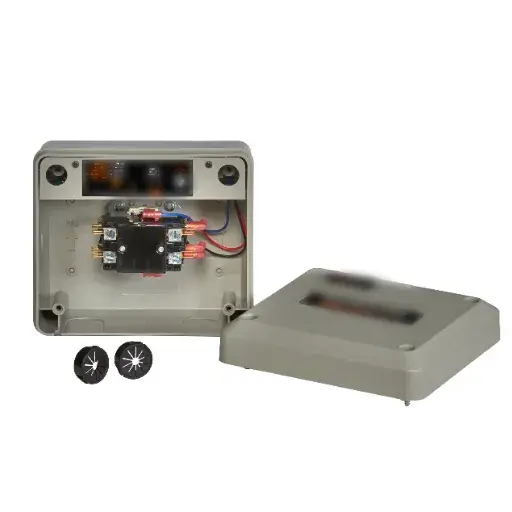
Generator overload protection is essential for the complete system operation of energy systems because it maintains functioning power systems. Generator overloading results in equipment destruction and system breakdowns and expensive operational interruptions. Organizations need efficient load management methods to protect themselves from these problems. The following section presents five specific methods which organizations can use to stop their generators from becoming overloaded.
- Accurate Load Calculations: The total power requirement needs to be calculated through proper methods which include all connected equipment before generator operation begins. This approach maintains operational stability because it prevents load capacity from exceeding generator operational limits.
- Regular Monitoring of Power Usage: Modern monitoring technologies should be used to measure power consumption throughout the entire day. Watching power usage patterns enables fast detection of any power spikes which create potential risks that might cause generator overload.
- Load Shedding Plans: Load shedding protocols should be used to decrease generator load during times when demand reaches its peak. The process requires the identification of essential systems which will undergo temporary shutdown during noncritical periods to maintain generator operation.
- Routine Maintenance and Inspections: The generator requires ongoing maintenance operations which should occur at scheduled times to maintain its top operational performance. The presence of worn-out parts together with malfunctioning components results in efficiency loss and higher risk for system overload situations.
- Use of Automatic Transfer Switches (ATS): Automatic transfer switches should be implemented to achieve balanced power distribution throughout the system. An ATS system prevents generator overload through its ability to disable unnecessary devices when system demands reach their peak levels.
The implementation of these strategies will decrease generator overload risks while increasing energy system performance and operational longevity.
Cost Savings on Energy Bills
The process of decreasing energy consumption together with generator system improvements results in substantial financial benefits which continue to accrue throughout time. Here are five key strategies to achieve cost savings on energy bills:
- Energy-Efficient Appliances: The use of energy-efficient appliances brings substantial energy savings through their lower power requirements. The energy consumption of ENERGY STAR-certified devices to standard appliances is reduced by 10-50%.
- Regular Maintenance:The proper maintenance of generators and energy equipment enables their maximum operational efficiency which leads to reduced fuel usage and decreased expensive operational interruptions. System maintenance enables organizations to achieve energy savings that reach 15 percent of their total expenses.
- Load Management Techniques: The practice of load management through processes that need high energy use should be implemented to decrease peak demand costs. When businesses refrain from using their high-energy equipment at the same time they obtain substantial financial benefits.
- Renewable Energy Integration: The implementation of solar panels and wind turbines into the existing energy infrastructure decreases generator dependency which results in reduced fuel expenses. A solar array enables multiple users to decrease their electricity costs between 20 and 30 percent.
- Smart Energy Monitoring Systems: The application of advanced monitoring systems enables users to monitor energy consumption in real time while optimizing their energy requirements. The system discovers operational inefficiencies which assist users in decreasing material waste while achieving energy bill reductions of up to 25 percent.
The implementation of these strategies enables users to achieve substantial energy cost reductions while they operate their power systems in an efficient and environmentally friendly manner.
Improved Generator Longevity
The generator’s operational efficiency shows improvement through maintenance cost reductions which result from extended generator lifespan. Users who follow appropriate methods can achieve extended generator operation between maintenance needs while their systems continue to function reliably. The following five essential methods help to extend the operational life of generators
- Regular Maintenance Checks: The maintenance schedule checks all generator components to verify their proper operational status. Through proper cleaning methods and lubrication techniques and replacing defective components at scheduled times, the equipment can achieve a lifespan increase of up to 40 percent for its operational period.
- Proper Load Management:The engine and generator parts experience less stress when users operate the equipment according to its designated load limits. The equipment will experience advanced wear and mechanical failure when operators exceed its maximum operating capacity.
- Use of High-Quality Fuel and Oil:Engine wear and carbon accumulation decrease when users select appropriate and high-quality fuel and lubricants. This process leads to a reduction in both damage risks and the frequency of required maintenance tasks.
- Control Environmental Exposure: Extreme temperatures and moisture and dust create environmental threats which operators must protect their generators from in order to prevent corrosion and mechanical failures which decrease equipment lifespan.
- Upgraded Cooling and Exhaust Systems: advanced cooling and exhaust systems enable generators to sustain their ideal operating temperatures which protects them from overheating and extends their operational life through stable performance during extended periods of usage.
The implementation of these strategies enables generator owners to achieve extended operational periods for their equipment while reducing both operational expenses and downtime.
Installation Tips for Load Management Systems

Choosing the Right System for Your Needs
The load management system selection process requires me to assess my power requirements in detail. I need to know all the energy needs of my equipment and facility which includes both peak power and average operational power. The system selection process requires me to choose a system which can meet the operational requirements without facing overload problems or efficiency problems. I need to verify that the system functions properly with my current generator equipment because this compatibility affects performance.
I assess the system’s monitoring capabilities together with its automation features. The modern load management systems of today provide users with multiple advanced capabilities which include real-time system surveillance and remote system control and automated load distribution. The features enable me to save time while achieving better energy control which allows me to quickly find and fix any problems that arise. I select a system which matches my technical needs while providing simple operation for users.
The system assessment process requires me to evaluate both its long-term advantages and its ongoing maintenance needs. I choose systems which demonstrate high durability and require minimal downtime while being able to support upcoming changes to my power system. I need to work with a qualified professional or supplier to assess these factors because it will help me make an informed choice which ensures the load management system selected will meet my requirements.
Professional Installation vs. DIY
The process of selecting either professional installation or DIY installation for a load management system requires users to examine the benefits and drawbacks which each method offers. Professional installation ensures that the system is set up according to industry standards, which minimizes potential risks and errors. The licensed technicians possess the necessary skills and tools and work experience which enables them to complete the installation process in an efficient manner. The professional services installation process includes warranties and guarantees which provide customers with additional security.
DIY installation becomes attractive to people who possess technical abilities or who want to reduce their initial expenses. The system can be set up independently because users now have access to detailed manuals and online tutorials and forums. The process requires users to conduct extensive research while they develop complete knowledge about the system’s complex details. Errors that occur during the installation process can create problems with operational efficiency and safety, which lead to complete loss of the initial financial advantages.
The combination of recent security and professional installation data shows that these installations deliver better results because they follow safety rules. The decision to choose between these options depends on three main factors which include individual skills and budget limits and system installation difficulties. Your particular situation will become clearer when you assess these elements.
Common Mistakes to Avoid
- Overlooking the Importance of Proper Planning: People need to develop proper planning skills before they start their installation projects. The process involves three steps which include reviewing manufacturer guidelines and conducting site evaluations and studying environmental factors that impact performance. The planning process needs to be done precisely because it leads to efficient execution and successful outcomes.
- Neglecting Safety Procedures: People tend to underestimate safety measures because they consider them unimportant. The failure to use proper protective equipment together with the disregard for local safety regulations creates a situation which results in accidents and fines.
- Using Subpar Materials or Tools: When businesses decide to save money through purchasing inferior materials and equipment which leads to their systems breaking down or their repair costs increasing. The need for quality must come first because it leads to better durability and performance results.
- Ignoring Compatibility Requirements: When components and tools do not match properly they create a situation which makes the system fail to operate as intended. The system requires all components to work together properly while following the manufacturer’s design specifications.
- Skipping Testing and Regular Maintenance: The system needs testing and maintenance after its installation to maintain its operational efficiency. The process of these steps leads to both unexpected failures and expensive maintenance tasks.
The system achieves better outcomes through mistake prevention while it reduces future costs and protects system safety and operational capacity. The installation project will become more successful when you spend time assessing every single step of the work process.
Future Trends in Generator Load Management
Advancements in Technology
The process of generator load management has experienced rapid development since advanced technological innovations began to reshape the industry. The most important progress that has been made includes the development of smart load management systems. The systems use real-time data collection together with machine learning algorithms and predictive analytics to achieve optimal power distribution while preventing overloads. The system enables generators to use smart sensors together with IoT devices for seamless communication between all system components thus achieving resource efficiency. The trend creates an operational system that reduces energy waste while improving performance which leads to increased system reliability and cost efficiency.
The energy sector has achieved a critical milestone through its growing acceptance of renewable energy sources which now operate alongside conventional power generation systems. Hybrid systems now allow for cleaner and more sustainable operations, as they integrate renewable inputs such as solar and wind energy with diesel or gas-powered generators. The modern load management systems enable real-time load modifications to support renewable energy sources at times when those sources are present thus decreasing fossil fuel dependency. Organizations achieve two benefits from this approach which includes reduced environmental damage and permanent financial savings.
The AI-based systems deliver superior forecasting tools which enable operators to determine peak load periods while they effectively control energy usage. The introduction of blockchain technology establishes new possibilities for managing energy through decentralized methods which enhance the system’s transparency and security during resource distribution. The current research and development process together with these technological advancements creates a pathway to develop smarter and more environmentally friendly processes for generator load management.
Integration with Renewable Energy Sources
Renewable Energy Sources Need To Be Integrated With Generator Systems Because Their Use Has Become Essential During The Transition To Sustainable Energy Systems. The output of renewable energy sources such as solar and wind and hydropower exhibits natural variability because of weather changes and seasonal weather patterns. The advanced generator load management systems enable operators to establish an optimal power supply solution by managing variable power inputs together with stable power requirements. Smart technology generators enable operators to adjust power distribution in real time which creates a complete energy supply system that meets energy demand without using fossil fuels.
The implementation of renewable energy sources into generators creates a major advantage through the establishment of hybrid systems. The hybrid systems enable power generation through renewable energy sources while traditional generators provide backup power during times when renewable energy generation decreases. The generators operate as backup power sources which help maintain continuous electricity flow during times when sunlight and wind conditions are low. The dual-function design delivers improved efficiency while achieving carbon emissions reduction through optimized energy usage of cleaner energy sources. The system uses advanced analytics together with AI-based software to forecast energy outputs while adjusting system operations based on those forecasts.
The advancements made in energy storage technology have improved the ability of systems to link renewable energy sources with generator systems. The storage solutions which include batteries function as a connection point that stores extra energy from renewable sources during high production times while distributing that energy when production falls short of demand. The latest developments in load management technology establish a system which enables optimal renewable energy use while keeping the grid system operational. The interconnected operation of generators with renewable energy and storage systems makes progress towards establishing a sustainable energy system that requires less fossil fuel usage and develops future ecological resilience.
Regulatory Changes and Their Impact
The energy sector evolves through regulatory changes because these changes help develop sustainable energy systems which the world currently adopts. The adoption and integration of renewable energy sources depend on policies and standards which governments and international bodies introduce. The implementation of subsidies and tax incentives for solar and wind and other renewable energy sources has led to substantial funding for clean energy technology development. Companies have transitioned to low-carbon alternatives because carbon pricing strategies and stricter emission targets force them to decrease their greenhouse gas emissions.
The deployment of large-scale battery systems and smart grids receives backing from policies which create opportunities to improve energy system reliability and stability. Regulatory frameworks establish interoperability standards which require system operators to invest in advanced storage technologies for efficient renewable energy storage and dispatching. The implementation of demand response system regulations permits end users to participate in grid stabilization activities which help maintain supply-demand equilibrium during peak times.
International agreements exert a substantial influence on the energy sector. National governments must create strict renewable energy targets to comply with the Paris Agreement which holds them accountable for their climate commitments. Public sector organizations create public environmental standards which compel private businesses to implement sustainable practices that meet climate objectives. The regulatory landscape undergoes transformation which drives innovation while attracting investments and ensuring worldwide access to environmentally friendly energy technologies.
References
-
Frequency-Based Load Control in Power Systems (California Institute of Technology)
This paper discusses maintaining demand-supply balance and regulating frequency in power systems, which is crucial for generator load management. -
Electrical Power Distribution Control and Monitoring System (University of Texas)
Focuses on generator load control logic and its role in demand control and load management. -
Paralleling Dissimilar Generators: Load Sharing (Massachusetts Maritime Academy)
Discusses load sharing in paralleled generator setups, ensuring voltage and frequency synchronization. - Click here to read more.
Frequently Asked Questions (FAQ)
Q: Can you Explain generator load management
A: Keeping an equilibrium in the power that is being supplied through the adjustment or control of electrical load on the generator is known as generator load management. As the name suggests, this process assists in meeting the demand for power as well as protecting the generator from reaching the point of maximum generation capacity. Money is cleverly saved by putting in place proper generator load management because it prevents surge and overload, eliminates non-essential loads, and guarantees that standby generator sets and business generators provide constant electricity in case of an emergency or during the times when the demand is highest.
Q: What are the functions of load banks and relays in the case of the usage of the generator load management?
A: These are load banks or devices that simulate the load condition for the purpose of testing and ensure that a particular commercial generator, upon installation, will perform according to notice of its capabilities, and they are part of the balancing and checking process. Relays and disconnect systems offer automatic means for the disconnection of loads or the application of priority circuits in cases of surges or outages from the power supply, allowing load management systems to calibrate or restrict the load in a dynamic manner.
Q: What factors must be considered for critical load prioritization during an outage in the context of generator load management?
A: There are processes involving critical loads: they comprise critical equipment loads, which need to be identified, and the generator’s control panel or switch needs to be configured to ensure that those loads remain energized during the outage. Where load management is implemented, operators shall be able to prioritize disconnection of unimportant/none-essential loads, do power rationing and in the light of the available power, lubricants for life safety, communication and process critical power needs shall be met first.
Q: Are there any other advantages or benefits of generator load management concerning cost savings or energy efficiency?
A: Sure. Generator Load management system reduces consumption of energy or fuel and the cost associated with equipment repairs by controlling capacity which is balancing the power supply. load management configuration Thus, permits efficient use of the available capacity or energy as well as peak shaving during the peak consumption hours. Such a framework also guides how and where generators should be in order to avoid oversizing and underutilizing expensive equipment and loads and consequently provides overall efficiency and reduction of labor or operation costs in the long run.
Q: What is the outcome when electric loads reach the maximum generation capability of a generator?
A: The generator is likely to experience an overload when it approaches the maximum generation capacity. Eventually, its lifespan will be reduced or it will fail. In such cases, the generator load management systems come into play, with systems that can detect and curtail noncritical loads, output power change, or deploy additional backup generators in addition to the existing one in order to keep it running and help prevent blackouts or surges.
Q: In what way is the electricity load balancing problem interpreted in practice in the course of commercial generator systems?
A: In this direction, the performance of load balancing is carried out in real time; they rely on controllers, relays, and automated switches to exert some form of control or regulation of the load, and often employ load banks in tests. They further plan to control the loads through staggered time periods, incorporate demand reducing measures, organize a number of standby generators to distribute the load efficiently during high consumption seasons or a power cut-off.
Q: What are some effective strategies in preparing utilization of the generator for peak periods?
A: Some of the effective strategies include: analyzing the load and deciding the loads that may be shed and the ones that shall be retained, picking a generator of the appropriate size which is able to suit the projected load, installing and utilizing automated relays and transfer switches, figuring out ways to peak shave at the appropriate hours, and adopting load bank trials, all these steps ensuring the generator to be used is perform better, accommodating overloads whilst there is an absence of power drain, and providing impeccable power supplies when required.