
Maintaining adequate generator function is most important if you want to avoid sudden power failure and expensive repairs. Be it standby or the main source of electricity, regular care is half of the equation for performance and other options for good operation of it. This handbook aims to find some salient points as preventive care guidelines and problem-solving techniques for the problems in the limelight. Acting on the said suggestions can lower the generator’s ruinous performance, which, therefore, would benefit you economically, early relief depending on time need. Here are the practical steps to keep your generator in top condition.
Importance of Regular Generator Maintenance
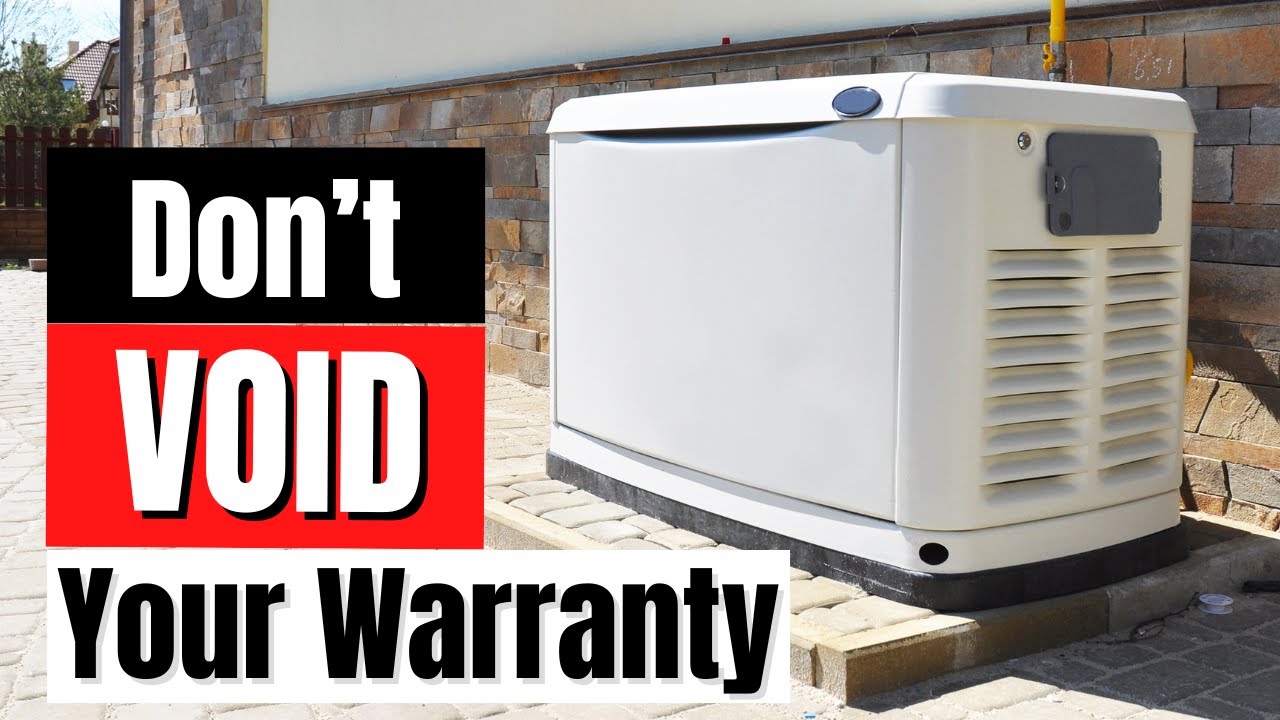
Ensuring Reliability and Safety
For the safety and trustworthiness of your generator, scheduled periodic maintenance is obligatory. Loss of power or malfunction will cause your generator to fail unpredictably even during the most critical times of power failure. Keep the generator in good health by undertaking straightforward tasks of checking by refill oil, cleaning the air cleaner, and checking the battery. Generators will also require maintenance and repairs after prolonged use in a particular way, as recommended by the manufacturer’s manuals, to avoid chances of breakdowns.
⚠️ Safety Warning
Substandard maintenance may let dangers like fuel leakages, carbon monoxide accumulation, or electric malfunctions endanger your life or property. Here are some tips on preventing this from occurring – always run gensets in airy places and check for any obstructions or damage in the exhaust pipes. Also, a remarkable assist in preventing machine damage or possible destruction of the engine from the usage of bad quality or unsuitable fuel when running.
One last point is that investing in a proactive maintenance plan is considered to save dollars in a long run. The main benefit is that you actually prevent expensive repair buildup by maintaining the minor issues and prevent the halting of the equipment and units due to the breakdown. It is equally important to have periodic inspections scheduled so that we can keep examining and correcting any potential troubles. If you see your generator working safely, it will fit when you need it most.
Cost Savings through Preventive Care
Providing care for your generator prevents expensive maintenance down the road by avoiding costly repairs. If small faults are addressed promptly, they are ruled out of becoming anything bigger, which may involve preposterously expensive parts and labor. Catalysis of components via the regular changes of oil and cleaning will help maintain enough efficiency to thwart damage. This small sacrifice will have returned more worth to you in large compared to the emergency repairs or replacement in the crucial period of a power outage.
💰 Key Financial Benefits
- Prevention of expensive emergency repairs
- Reduced fuel consumption through improved efficiency
- Extended equipment lifespan maximizing initial investment
- Lower operational costs over time
- Avoidance of premature replacement costs
In consideration of cost-effective generator care, professional inspection lies in second place. Certified generator technicians spot issues that may yet not be visible even during routine maintenance. Early intervention can eliminate most wear and tear and potential breakdowns from causing wide-scale destruction. Beyond that, with higher efficiency, these systems may consume lesser fuel, thus cutting down operation costs equating to immediate and long-term savings.
Impact on Generator Lifespan
Regular maintenance and care contribute greatly to the overall life of a generator. Negligence in repairs will spell poor maintenance, the result being untimely wear and tear, whereas, with timely checks and services, the overall durability of the machine is prolonged. Here are five specific impacts of maintenance on the lifespan of a generator:
1. Better Engine Performance
Regular replacement of oil and air filters ensures that the combustion engine operates properly, resulting in the least possible friction and wear on internal components.
2. Less Incidence of Component Failure
Early spotting of impending issues-caused, say, by the worn-out belt or the loose connection-helps prevent sudden, catastrophic failures, which could definitely shorten the generator’s lifespan significantly.
3. Improving the Efficiency of the Cooling System
Cooling system maintenance includes cleaning and making sure the cooling system does a good job in displacing heat, thereby avoiding overheating and permanent damage to some critical units.
4. Longer Battery Life
Regular testing and cleaning of the battery terminals-these activities are beneficial to preclude any electric malfunction as well as to bolster operational efficiency.
5. Consistent Fuel System Health
Overall, fuel system care guarantees that enough fuel rate meets the demand; the system is cleaned where fuel lines and injectors require clogging or blocking.
The maintenance practices presented in this text extend the life of a generator manifold-fold, allowing it to function in optimal and reliable forms for many years to come.
Key Maintenance Tasks for Diesel Generators
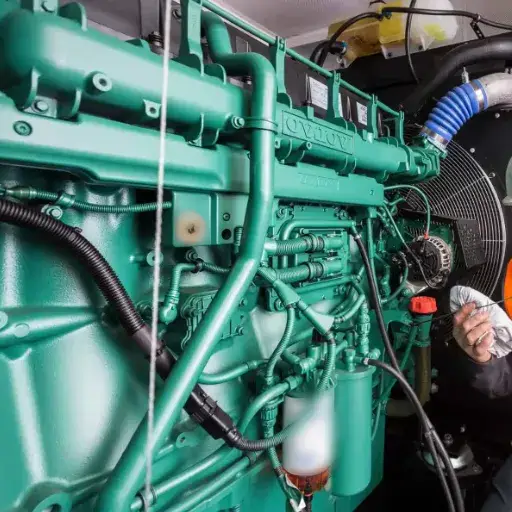
Checking Fluid Levels and Quality
Check the parameters at least once a week to keep your diesel engine’s health in check. Begin by visiting the oil level bar with the assistance of the provided dipstick and verify whether it is between the low and high marks designated on dipstick. In case of low oil, you will have to add the appropriate oil so that it satisfies the recommendations and get the oil changed as it requires replacing by the user manual. On top of everything, coolant must never be left un-monitored. In the case of too little coolant, your generator is vulnerable to overheating. Make sure that the intended conventions of a fill or replacement are established according to the specifications for the coolant blends.
🔍 Quality Assessment Checklist
| Fluid Type | Check Frequency | Warning Signs |
|---|---|---|
| Engine Oil | Weekly | Dark color, unusual smell, contamination |
| Coolant | Weekly | Low pH, inadequate freeze protection |
| Fuel | Monthly | Water intrusion, chemical impurities |
Though the quantity is rather trivial, we must never lose even the merest speck of sight of quality. Over time, the engine oil and coolant could undergo degradation or contamination, causing loss of the ability to protect and lubricate generator. Oftentimes, you must check its condition to see if it has begun to change color, having some unusual smell, or become dirty; this is a sign of contamination. A proper oil analysis might help to provide more insight into this, tracking steel airborne particles, water intrusion, and chemical impurities that might reveal underlying facts. Similarly, checks of pH and freeze protection levels of the coolant ensure that it functions properly.
The incorporation of cutting-edge diagnostic technology with the routine tests may give far more meaningful data about the in-plant generator health. These would include handheld oil analyzers and modern coolant testers, which monitor fluid condition without relying solely on visual checks. This precise evaluation not only can really help avoid costly outages or failures, but also make sure that the generator continues to work at the highest level of performance, notwithstanding the demanding running conditions.
Inspecting Components for Wear and Tear
It is quite essential to monitor parts of the generator for their smooth operation and for equipment longevity. Starting with the engine belts, any form of cracking, fraying, or glazing is a serious warning. A slipped or broken belt is altogether worse for any generator performance. Thus, checking all hoses too for bulges, leaks, and weak spots is a must, as they are somewhat prone to wear due to heat and pressure oscillation cycles during operation of the generator.
🔧 Critical Inspection Points
- Engine Belts: Check for cracking, fraying, or glazing
- Hoses: Inspect for bulges, leaks, and weak spots
- Connections: Tighten screws and bolts that may have loosened from vibration
- Housings & Covers: Ensure they are free of leaks
- Bearings: Listen for abnormal noises during operation
- Electrical Components: Check wiring for corrosion or fraying
By tightening of screws and bolts connected to the engine, often vibration leads to working free connections; inspecting housings, covers, hoses, and tanks to ensure that they are free of leaks is something that will not require much effort, and these problems can be easily avoided. Calling a helicopter to fly in replacement parts for a 2 MW bank of generator, which the company uses, could necessitate great expense.
Bearings and electrics are two important other areas to monitor for wear. Worn bearings are capable of causing considerable vibrations that can damage other parts of the generator over time. Check out for noises that are not normal during operation which may indicate a bearing problem. For the electrics, examine the connections and wiring for corrosion or fraying, which can result in dangerous short circuits or a decrease in power output. Careful and regular inspection of these areas, on top of modern diagnostic technologies, will allow a forward assessment of the issues prior to the unexpected breakdowns, hence helping keep the generator performance at the maximum level.
Testing System Performance Regularly
Routine performance testing of the generator system is crucial for ensuring it functions efficiency and reliably during peak periods of usage. It usually involves identifying shortcomings, balancing output levels, and ultimately the discovery of potential trouble situations before becoming costly failures. The first experimental phase is aimed at replicating actual load conditions to verify the response of the generator to various stages of operation while under real-life stress and power loads. During the tests of the-generator set, the voltage fluctuations, frequency stability, and overall energy output are scrutinized for any sign of minor failures in the performance.
📊 Advanced Diagnostic Tools Monitor:
- Engine temperature variations
- Exhaust emissions levels
- Fuel consumption patterns
- Voltage fluctuations and frequency stability
- Overall energy output efficiency
From a different perspective, consider integrating advanced diagnostic tools that can further build upon the test procedure–a tool manipulated by sensors and real-time monitoring for collecting critical data, such as engine temperature; exhaust emissions; and fuel consumption levels. This information provides you with an understanding of the trends in vehicle performance while spotting emerging problems if it includes as wasteful fuel usage, or demonstrates irregular spikes in horsepower or milliseconds (we are talking about a mechanical/electrical issue). Consequently, these predictive tools allow operations and quick decision-making in helping to sharp-up your system and perfect maintenance scheduling.
Moreover, with the necessity of recording all performance test data, a full tracker is necessary for operational acceptance. The registered history enables the user to be able to trace possible performance drops of the generator. On top of that, it is the same historical data that avoids repeated troubleshooting experiences because identification of trends and irregularities is made easier without much effort. As the generation of electricity winds up being so consistent with the use of cutting-edge monitoring techniques for tests, planned testing, and perfect practices, the generator could power on to meet energy requirements indefinitely. It is also a steadfast support to ensure power supply and solutions for years to come.
Annual Maintenance Tasks for Standby Generators
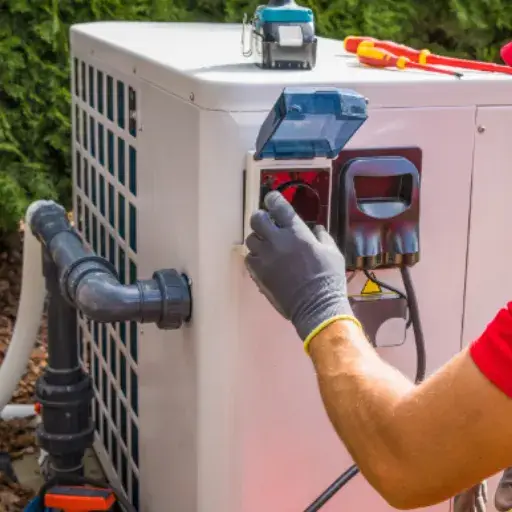
Scheduling Professional Inspections
It is important to use this stretch of the mode at hand if one is going to ensure that probably the next standby generator would be ready to function at its peak work level at a moment notice- and that means no inspection scheduled professionally is to be overlooked. This is quite important, as professional testing gaps the threshold that equipment operators are likely to misfire to clean; the skilled hand can test a good number of the possible probabilities; it is the many things that can have a show when the unit is checked by an inspection. Contractors do a host of checks inside the generator, and some of the tasks include their evaluation of its mechanic side, electrical side, or fuel side when the three types are working in unison for the best results. Mechanics do check what each component within the design should be checked for scrapping. Within the “noise,” wear out, corroded parts, and deteriorated wires are prime candidates.
✅ Professional Inspection Benefits
- Detection of issues invisible during routine maintenance
- Comprehensive evaluation of mechanical, electrical, and fuel systems
- Preventive identification of impending problems
- Assessment of voltage regulation and fuel injection systems
- Access to advanced diagnostic tools and expertise
- Updates on latest technologies and regulatory requirements
One primary advantage of inspections done by professionals is preventive care. Technicians can detect signs of impending problems before a breakdown occurs, thereby taking preventive measures before issues turn into expensive breakdowns. For instance, examination of key operating parameters such as voltage regulation, fuel injection, and the cooling system indicators may very well uncover critical issues that might affect the generator under high stress. Diagnostic tools would be used by professionals to gauge the performance metrics, ensuring that the generator runs at peak efficiency and in conformance with safety standards.
When these inspections are paired with fresh perspectives on generator technologies, nobody can question that benefits will be further extended. Taking note of the newest trends and technological developments within the industry – we talk here about the latest advancements in green fuels, monitoring systems, and regulatory requirements – will most likely result in genuine optimization of performance of your devices. For instance, there are remote-monitoring technologies available, including alerting systems that relay real-time generator status-related information. Complementing periodic maintenance with expert evaluations and access to the state-of-the-art tools will save your generator from a quick and untimely death while giving you a good, reliable source of power that meets your specific energy requirements.
Load Testing and Its Importance
Load testing holds a significant place for system-building purposes to assure the reliability and efficiency of the generator. It is the treatment of simulating real-world operations through the use of an artificial load on the generator, then testing the performance to its limit under various weights and conditions, with the goal of determining the testing capabilities of the system under heavy stress levels, should it be called upon to handle crisis demands or surges of power orders. The final approach is to meet the types of needs, which ensures that each individual piece works and that you are able to spot faults early on. If left unchecked, these faults turn into expensive failures-an example would be fuel efficiency; one would not realize when testing the generator, but the output would be directly affected, even causing high losses.
🎯 What is Wet Stacking?
The major advantage of load testing is to prevent underutilization from arising. Low loading conditions leading to the condition called “wet stacking” can accumulate unburned fuel in the exhaust system. This leads to inefficiency, high gas emissions, and potential long-term damage. During load testing under full or near-full capacity, the “extra” fuel burns off, the residues cleared, and the generator operates optimally. So, good load-testing practices could extend the life of your generator by years and years, while maintaining excellent power generating capability.
Load testing also validates standards and safety requirements configurations. Consistent testing ensures compliance with manufacturer and local regulatory guidelines. Coupled with modern diagnostic equipment and real-time data management, load testing can be used to really understand system performance variables, such as power output, fuel consumption, and voltage regulation. On this basis, professionals can respond efficiently to address any developing problems and conserve the Achilles heel of power failure. Integration of the load test in regular maintenance gives the much-needed back-up capability during both everyday power usage and emergencies.
Common Maintenance Mistakes to Avoid
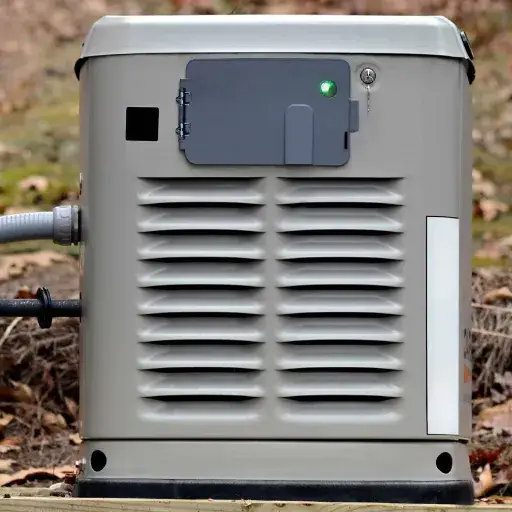
Overloading the Generator
A generator is overloaded when there is a power demand beyond the rated capacity such that the current in the equipment becomes high enough to bring chaos to it operationally. When this happens, the generator heats up and seizing the internal components, either leading to failure of the system or to the risk of fire or electrical shock. In order to avoid overrating actions, it is necessary to know the rated capacity of the generator (in watts or kilowatts) and make sure that the total live load connected to the equipment is well within these limits. Creating a plan for load management can help balance power use to ensure the generation is not overwhelmed.
⚡ Overloading Prevention Technology
State-of-the-art technologies provide features and tools that help mitigate overloading risks by monitoring real-time performance and load distribution and furnish a wide array of analyses. For instance, by wedging these tools into the latest data analytics, users can obtain instant insights into energy-consumption patterns and potential points of stress on the generator. Better sensors and IoT integrations trigger automated alerts if a generator approaches overload conditions, in a proactive manner for the user. This technology not only amplifies operational efficiency, but also it disfavors any sorts of unscheduled equipment downtime or expensive repairs.
Using Incorrect Replacement Parts
The introduction of a wrong replacement part to a generator system would have a severe consequence and undermine both the functionality and lifecycle of the system. Each of the components of the generator is designed to work in harmony with the rest of the system. An incompatible part when introduced can subject mechanical stresses, increasing wear, reducing performance, among other negative things. For example, using a filter or plug not suitable for compatible filtration may lead to sparking issues, which may escalate into significant operational failures.
⚠️ Warranty Considerations
On top of mechanical-related problems, wrong parts may also invalidate the warranties provided by manufacturers. These warranties typically necessitate genuine parts or manufacturer-sanctioned components to guarantee that all necessary replacements meet the supplier’s exacting safety and operational reliability standards. Failure to comply with these requirements would place businesses and individuals in jeopardy of unexpected repair costs and downtime. Prevention – inclusive correct replacement parts – has a significant role in protecting overall operations and ensuring a properly performing generator when needed the most.
Actionable Tips for Long-Term Generator Efficiency
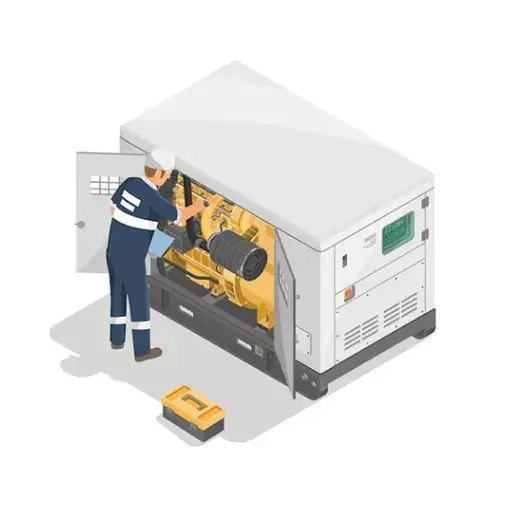
Proper Storage Techniques for Generators
To maximize the durability and dependability of your generator at a later date, proper long-term storage is essential; one such thing stands out above all the others: cleaning the generator in full prior to storage. The removal of dirt, dust, and debris accumulated upon external pads, and the inspection of internal componentry for wear and damages, demands first mention. Though not to be forgotten, draining or stabilizing fuel oil is another vital step, given that untreated or old fuel degenerates sooner, thus possibly leading to clogs when trying to carburetate or hard start-up of the generator at the required hour.
📦 Storage Best Practices
- Clean Thoroughly: Remove all dirt, dust, and debris before storage
- Drain or Stabilize Fuel: Prevent fuel degradation and carburetor clogs
- Choose Proper Location: Cool, dry, well-ventilated area away from moisture
- Use Protective Cover: Water-resistant, breathable cover to prevent dust
- Consider Dehumidifier: For damp storage spaces to prevent corrosion
- Schedule Regular Checks: Periodic battery tests and oil changes during storage
In addition, always store the generator in a cool, dry, well-ventilated area to ward off any moisture buildup or wide swings in temperature. Moisture and dampness conditions could make the metal parts corrode, destabilizing the unit’s electrical compartment. Add some air in the dust cover, which has to be water-resistant. This way, in addition to shielding dust and accidental spills, it will also allow passage of room humidity so it won’t be trapped. In storage spaces that are most likely to become dampening, one great idea is a dehumidifier to prevent such issues.
Regular check-ups are another critical part of proper storage techniques. It is advantageous to carry out periodic inspections, such as testing the battery, changing the oil, and looking if all moving parts are lubricated. In this way, they can expect their generators to be useful for a considerable number of years and in perfect condition.
Benefits of Regular Load Testing
Regular performance testing of generator units seems to have several benefits: it ensures greater dependability while extending the equipment’s lifespan. Regular testing of generator units gives rise to several key benefits:
| Benefit | Description | Impact |
|---|---|---|
| Detecting Problems at an Early Stage | Load testing helps ferret out hitherto latent problems such as fuel system blockage, degraded batteries, or alternator faults before they run wild and damage. | 60% reduction in unexpected failures |
| Preventing Wet Stacking | Continued operation of a generator at below recommended load for an extended period would most probably lead to wet stacking-the buildup of unburned fuel in the exhaust chamber. Load testing helps avoid this phenomenon by running a generator near or at full capacity thereby maximizing burn, which preserves the performance of the engine. | Preserves engine performance |
| Verifying Full Load Capacity | A generator’s reliability must be able to sustain the highest intended load during a power outage. Load testing guarantees that the machine can handle full-load operation, as well as pinpoints voltage or frequency fluctuation in order to ensure secure power during the application of most need. | Ensures reliable power delivery |
| Minimizing Downtime During Critical Events | A test is put on due to precipitation acute demands on the generator if servicing and backup fuel supplies are insufficient for power under such a scenario. This in return improves reliability in critical environments, such as medical facilities, data centers, and the like, where downtime amounts to massive financial repercussions. | Critical for essential services |
| Equipment Lifespan Extension | Generators that regularly undergo load tests encounter lesser wear and tear as opposed to machines that do not. By consistently operating at the correct levels of load, wear and tear on the engine components is reduced for the generator to hoping extend its useful life, mitigating long-term replacement costs. | 20% lifespan increase |
Regular load testing not only assures efficient and effective generator usage but also yields actionable insight concerning system health and conditions, enabling users to proactively deal with problems.
Consulting with a Technician for Expert Advice
Ensure that you are referring to certified practice, and maintain your generator when troubleshooting by experienced technicians, but the needed performance and safety are never compromised; they bring in very technical knowledge and field experience to handle most of the common service or maintenance requirements thoroughly and confidently. They will also show you how to maintain your particular type and size of generator for your particular condition of operation. It helps that a technician, rendered superior by his foreknowledge, moves one-step beyond mere repairs on the particular failure and anticipates most other common generator defects, and endeavors to solve additional generator problems.
👨🔧 Professional Technician Services Include:
- Complicated Diagnostics: Advanced analysis of system performance and component health
- Enhanced Load Evaluations: Comprehensive testing under various conditions
- Preventive Problem Identification: Spotting issues before they become major failures
- Compliance Guidance: Ensuring adherence to operational best practices and regulations
- Customized Maintenance Plans: Tailored schedules for your specific generator type
- Real-World Expertise: Hands-on experience with practical solutions
Service engineers play a key role in understanding complicated diagnostics and enabling enhanced load evaluations. They use advanced tools and other tech tools to analyze system performances, locate inefficiencies in the assigned areas, and evaluate the overall health of the components. By applying their knowledge upfront, we can nip small issues in the bud, unseen and therefore becoming unexpected high-end repairs. Regular consultations also help keep the customer-contract up-to-date, as it inclines toward maintaining the best operational practices and meeting compliance rules for the operation and periods of maintenance of the generators.
Of course, you can find basic information and general troubleshooting advice on the internet, but nothing will ever replace the expertise of someone who can work hands-on. In the real world, you make decisions based on drawings from measurements, and not on mere assumptions or information that may be outdated. To some extent, these “expert” service tips could provide more insightful details for beneficiaries-this is a winning description of more comprehensible, sturdy, and reliable performance for your generator systems or other devices.
Frequently Asked Questions (FAQ)
Q: What is the appropriate general maintenance schedule, and what does general maintenance mean?
A: Correct generator maintenance schedule acts as a routine maintenance checklist that will lay down the weekly and monthly tasks, monthly upkeep and yearly professional maintenance to keep the backup power and power generator running smoothly. Preventative maintenance which is an important part would aid greatly in preventing sudden failure, ensure longer life to the generator, and take the worries away whilst owning any individual generator types like residential generators, commercial generators, or a whole-house generator. Maintenance really matters because, certainly, an inspection and maintenance program will be handy in spotting problem areas before the generator is needed.
Q: What should be included in a general generator maintenance checklist?
A: The basic generator maintenance checklist commonly is formed by replenishing the oil, searching for leaks, paying attention to air filters and airflow, monitoring battery voltage, maintaining coolant levels, checking fuel-line quality, and cleaning and freeing from any corrosion all connections. Also, it refers to allowing the generator to run under proper load to make sure all the generator and standby power operations are running. These maintenance checklists are the core of desired maintenance schedules for keeping on the side of dependability.
Q: How often should I run the generator and perform routine maintenance?
A: On a prescribed schedule, a generator should be run once a month for engine exercise and operation check, with weekly and monthly routine maintenance, and a thorough servicing once a year. Although real-time generator monitoring is ideal, make weekly quick inspections, follow up by basic monthly maintenance involving checking oil level and airflow, and either service your generator power system annually or, much better, look for a professional.
Q: How does generator maintenance help minimize any unexpected failures arising out of power outages?
A: Preventive maintenance and routine setting of review and maintenance, load testing, cleaning connections to rid them of any oxidation, and replacing the requisite components entail the power supply to keep your generator functioning at the right moment that backup power is needed. Also, the maintenance that removes problems like a blocked fuel system, battery drain, and blockage of airflow ensures that the generator starts and eventually delivers power to your home or business.
Q: How might I carry out a maintenance routine for renewing service records of the generator?
A: Utilize a maintenance routine in the form of a generator maintenance checklist, setting timescales for weekly, monthly, and yearly tasks such as when the generator was last run for testing and when the filters or oil have been changed. Keep logs of professional maintenance, generator installation details, and any generator repairs. A documented routine helps you track whether internationals strictly follow their professional maintenance, recommended maintenance intervals, and peace of mind that your backup power can be relied on to provide protection in the event of an emergency.
📚 References
- Generator Maintenance Scheduling Models for Electrical Power Systems: A Review
A comprehensive review of maintenance scheduling strategies tailored to different types of generating units. - Sensor-Driven Condition-Based Generator Maintenance Scheduling—Part I: Maintenance Problem
This study introduces a condition-based maintenance model for generator fleets, considering labor and resource constraints. - Click here to read more.
💡 Final Thoughts
Regular generator maintenance is not just about preventing breakdowns—it’s about ensuring reliability, safety, and cost-effectiveness for years to come. By following the guidelines outlined in this comprehensive guide, you can maximize your generator’s lifespan, improve its efficiency, and guarantee it will be ready when you need it most.
Remember: An ounce of prevention is worth a pound of cure. Invest in regular maintenance today to avoid costly repairs tomorrow.