
Modern power systems require two main things to achieve their operation which includes running generators in sync while their power output runs parallel to other systems. The system allows power distribution to operate reliably while achieving maximum system performance and maintaining service delivery during peak usage periods. This guide is designed to provide you with a thorough understanding of the synchronization process, the principles behind paralleling generators, and the technical considerations required to achieve stability and efficiency. The essential concepts which you need to master will enable you to maintain operational excellence while minimizing expenses for your backup power system and industrial energy grid operations. Read on to uncover the key methodologies and best practices that will empower you to successfully implement synchronized generator setups.
Introduction to Generator Parallel Operation
Understanding Generator Sets
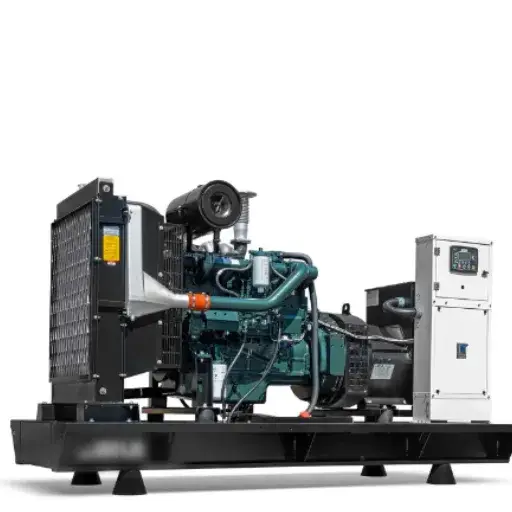
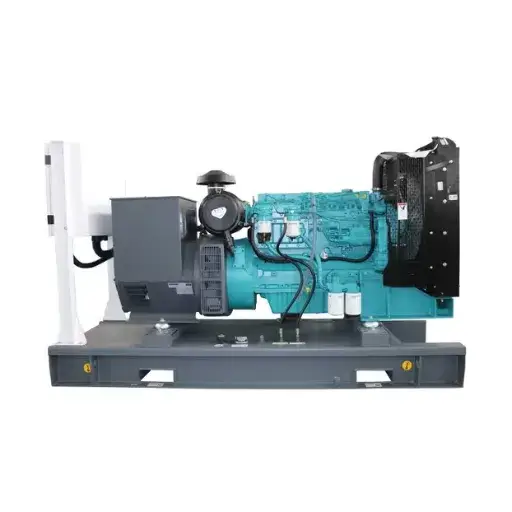
Generator sets which people commonly call gensets contain an engine and an alternator that work together to produce electrical power from mechanical energy. The engine which uses diesel and natural gas and other energy sources as fuel provides the mechanical power needed to operate the alternator. The alternator transforms this mechanical input into electrical output which produces a steady power supply that functions as either main power or backup energy system.
Gensets achieve their best operational performance through essential elements which protect system operation from failures. The system requires three essential components which include a voltage regulator to stabilize output and a fuel system to provide engine power and cooling systems to stop overheating. The system uses control systems to track and modify operational elements which include voltage and frequency and load balancing. The component functions in the system to achieve efficiency while it decreases equipment deterioration throughout its operational life.
Generator sets have the capability to function as single units or they can operate together in parallel systems. The system allows gensets to operate in parallel mode which enables them to distribute power among themselves while they maintain backup capabilities and deliver extra power. This configuration proves valuable in environments that demand dependable systems which can grow their capacity. The process of parallel operation requires exact control of synchronizing requirements which include voltage and frequency and phase angle and waveform shape to prevent equipment damage.
Importance of Parallel Operation
Power generation systems require gensets to operate in parallel because this operation mode provides essential support for their reliability needs and scalability requirements and operational efficiency. The system enables multiple generators to work together because this design allows it to produce more power than a single generator can generate through its independent operation. This feature provides special benefits for hospitals because they need continuous electricity and data centers which require flexible power capacity to accommodate changing operational needs.
The reliability of the system improves through parallel operation because it creates backup systems for power distribution. The remaining gensets maintain power supply after one genset stops functioning which protects the system from total breakdown. The system guarantees continuous power delivery which remains stable throughout both scheduled maintenance and unexpected equipment failures. The system contains backup components which hold great importance for critical systems because power interruptions create severe safety risks and lead to major economic damages.
The system achieves higher fuel efficiency through parallel operation which enables better management of power requirements. The system achieves its highest efficiency level through generator operation which matches the actual power needs of the system. The process decreases fuel usage and equipment damage while extending the operational duration of the machinery. The implementation of parallel operation creates an adaptable and reliable system that delivers cost-effective services across multiple business sectors when executed properly.
Applications of Parallel Generators
The reliability and scalability and efficiency of parallel generators make them essential equipment for multiple industrial applications. The following five applications demonstrate the main uses of parallel generator systems:
- Data Centers: Data centers require continuous power supply because they need to keep their servers operational and stop data loss from occurring. The system uses parallel generators to create power redundancy while enabling load distribution which guarantees uninterrupted power supply during maximum operational periods and generator breakdown situations. Industry research shows that standard Tier 4 data centers use multiple parallel generators which provide up to 10 Megawatt power capacity.
- Healthcare Facilities: Healthcare facilities such as hospitals need power systems which maintain operations during emergency situations for equipment like life-support machines and operating rooms and medical supply refrigeration systems. The system uses parallel generator technology to create backup power systems which meet strict regulatory requirements and maintain power supply during power interruptions.
- Manufacturing and Industrial Operations: Manufacturing plants and industrial facilities require high electricity capacity to operate their heavy machinery and production equipment. The system uses parallel generators to deliver flexible power solutions which adjust their energy output according to changing power requirements. The system achieves cost-effective operation by using fuel efficiently while decreasing equipment downtime through operational monitoring.
- Events and Entertainment: Major events like concerts and festivals and sports competitions require dependable temporary power systems. Parallel generators offer synchronized operation which allows them to provide uninterrupted power for lighting systems and sound equipment and essential devices during load variations.
- Mining Operations: Mining operations often occur in distant locations that lack connection to traditional electrical grids. The system enables parallel generators to maintain operational energy supply which supports drilling and excavation and processing activities. The system uses strategic load sharing between multiple units to decrease system outages while boosting safety during high-risk operational periods.
These applications demonstrate the versatility and importance of parallel generator systems in supporting mission-critical operations across various sectors.
Fundamentals of Synchronization
What is Synchronization?
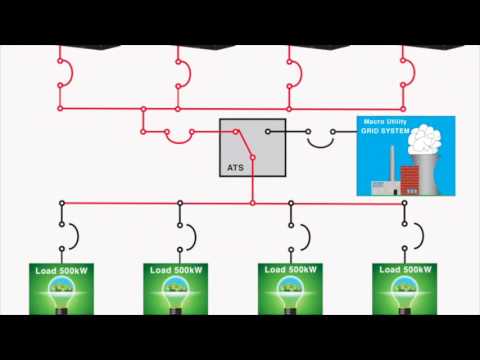
The process of synchronization establishes operational harmony among multiple generators, which enables them to share power distribution when they operate together in a shared power network. The integration process requires operators to match essential parameters, which include voltage and frequency and phase sequence, with the goal of connecting generators without causing any disturbances or electrical grid instability. The synchronization process establishes correct system operation because it prevents power surges and load distribution problems and system failures, which function as essential elements in industrial systems and mission-critical environments.
The system uses advanced control systems to monitor key parameters for synchronization, which require ongoing adjustment processes until the system achieves its desired accuracy level. The system achieves frequency synchronization when all generators operate at the same cycle rate, while phase synchronization maintains power system stability by aligning generator phase angles. Voltage matching helps maintain uniform power delivery across the network without overloading individual units.
Modern synchronization techniques utilize automated systems, which contain microcontrollers and real-time monitoring sensors, to improve their precision and speed of response. This technological advancement mitigates the risks associated with manual synchronization and improves overall efficiency, particularly in dynamic, high-demand applications such as power plants, manufacturing facilities, and offshore operations.
The Role of Alternators in Synchronization
The synchronization process depends on the critical function of alternators which enable seamless power output from generators to connect with the larger power grid system. The system needs multiple essential parameters to maintain effective synchronization because any parameter deviation will cause system instability and damage to components and power quality problems. The synchronization process depends on five essential factors which the alternators use to achieve their functions.
- Voltage Matching: The alternators need to produce output voltage which matches the system voltage they want to connect with. The equipment will experience damage when voltage levels do not match because it will create circulating currents which lead to overheating and equipment destruction. The automatic voltage regulators found in modern alternators control voltage output to keep it within specific voltage limits through automatic system control.
- Frequency Matching: The alternator needs to match its output frequency with the system frequency which operates at either 50 Hz or 60 Hz depending on the geographic location. System performance will experience disruption from any system performance from tiny deviations. The system requires precise control of the alternator prime mover speed to maintain synchronization.
- Phase Angle Alignment: The phase angle of the alternator’s output voltage must align exactly with the phase angle of the grid or system. The system connects to the alternator without creating any sudden power spikes or oscillations. Engineers use synchronization relays together with real-time sensors to create this specific alignment process.
- Waveform Quality: The alternator needs to deliver a pure sinusoidal waveform which contains no distortions or harmonics to enable sensitive electronic devices to function properly while delivering power. The waveform integrity during operation is protected by alternators which combine advanced filtering methods with their strong system design.
- Load Sharing Capability: The system with parallel operating multiple alternators requires each alternator to distribute load according to its available power. Load sharing controllers and sensing circuits will distribute the electrical load to all connected systems while they prevent complete system damage.
By addressing these critical parameters, alternators ensure reliable system integration and stable operation within complex electrical networks.
Conditions for Paralleling Generators
Technical Requirements for Parallel Operation
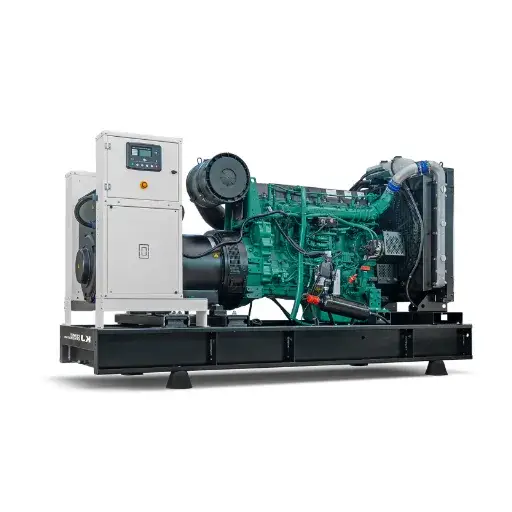
During generator parallel operation, a number of units are connected in order to act as one source of power. The simultaneous running of generators should meet the following requirements for free and effective parallel cooperation:
- Voltage Magnitudes Balancing: The amplitudes of voltages generated by each generator should be equal in order to prevent circulating currents which may load the windings of the generators and the circuit breakers unnecessarily.
- Harmonic – Free Rotor Stalling: All generators connected to the same bus should be rotating in phase with each other. If there is frequency difference, the power oscillates and causes instability and a poor performance.
- Phase Sequence: Each generator phase identification shall be identical. Out of phase operation may tend to cause severe and destructive short circuit.
- Phase Shift Control: There is a small range of the angles between the generators output which must be adhered to avoid reverse parallels and generation of any potentially harmful harmonics.
- Load Sharing Mechanisms: Power distribution systems shall include self-acting power factors sharing device, to allocate real (kW) and imaginary (kVAR) power among the generators in line with their respective loading capabilities. This prevents overload on any particular machine.
- Preferences of the Governor and AVR: The load controller of the motors and the automatic voltage controller (AVR) should coordinate and ensure speed and voltage stability irrespective of the load level.
Fulfillment of these high technological demands allows achieving reliability of operation, efficiency improvement, or fuel resource minimization of any power generator parallel operation system. This is one of the reasons why this system is so important in modern power industry. Should those conditions be disregarded, the resultant effects may include damaged equipment, prolonged supply outages, and especially, the crash in total efficiency of the system.
Load Sharing Considerations
The load sharing process in generator parallel operation refers to the proper allocation of load between multiple generators in order for proper operation of the generators and the system as a whole. The two most common approaches of active and reactive load sharing are mainly used in that process. Active load sharing is the division of real power (kW) between the connected elements and this is maintained by alteration of speed governors or frequency changers of engines. While reactive load sharing is responsible for equalizing the reactive power (kVAR) across the generators and this is modulated by changing the excitation in which the generators operate.
Critical factors that affect effective load distribution include the setting of a droop, system impedance, voltage regulation, and governors. A proper everyday operation strongly depends on the settings and adjustment of the droop percentages because their inappropriate functioning can cause, for example, load sharing disparities and instability. Asymmetric loading is also prevented by overvoltage relays to compensate for the minor changes in line impedance and losses. Developments in electronics have rendered synchronoisers and load sharing controllers imbalances obsolete on account of the adjustments presented above.
When load sharing ishall iis not properly integrated, there are chances that generators will be loaded beyond their cut-in point, fuel will be wasted, or the mechanical appliances will experience unwarranted tear & wear. With the integration of the latest monitoring capabilities and adherence to the best practice codes such as the IEEE 1547 and IEC 60034-1, the above risks are covered and the generation systems performance can be improved.
Voltage and Frequency Matching
In generator parallel operation, it is essential to ensure that the voltage and frequency parameters are accurate during the parallel of the generator system. This is particularly important when more than one generator is ran or while connecting to the grid. This is in line with the fact that generators without ensuring the correct voltage and frequency in a power system can lead to over voltages, failure of equipment or their inefficient operation.
Voltage matching is a process wherein the excitation of a generator is controlled which changes the strength of the magnetic field for an appropriate voltage production. Most of the time this is done by automatic means using a certain type of control system which regulates the voltage within limits set by regulations such as IEEE 445 and NEMA MG 1.
Similarly, in frequency matching, such processes include the efforts to control the speed of the unit so precisely that a change in fuel or even in torque occurs. State-of-the-art solutions, such as usage of PID (proportional-integral-derivative) controllers, applications, or monitoring means, help achieve synchronous operation frequency which, except for some places, is usually 50 or 60 hertz.
The greater the imposed constraints of either voltage control or frequency control, the more intertwined these constraints become. An unbalanced set achieves neither avoiding circulating currents between coupled units nor the overheating and unnecessary stressing of the units, and least of all the lack of harmonic distortion to the system. Modern approaches encompassing implementation of such switches as, for example, digital excitation and frequency regulators allow smooth adjustments of operations increasing generator parallel operation efficiency and compliance with many industrial norms.
Advantages and Disadvantages of Running Generators in Parallel
Benefits of Parallel Operation of Generators
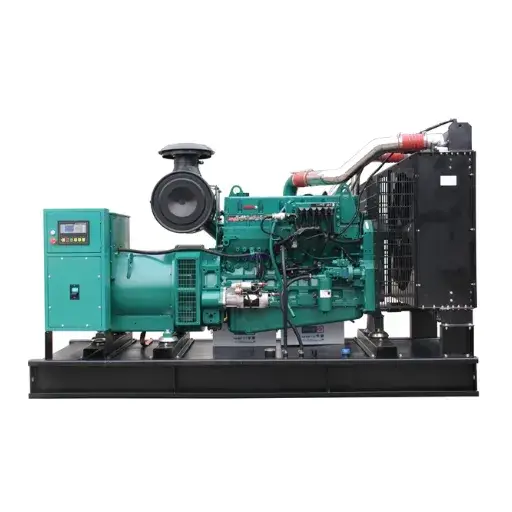
- Enhanced System Reliability and Failover: Generator parallel operation improves the reliability of the entire system since the failure of one generator is compensated by the presence of another on standby. It is vital for such critical areas as hospitals or data centers where electricity supply is of utmost importance. Additionally, if a system runs at 80% capacity, the failure of any one of the generators just reinforces other operating units without any breakdowns.
- Control Over the Load and Flexibility: Generators functioning in parallel are able to significantly even the distribution of electrical loads, thereby reducing the load on single units and improving the utilization of the capacity available. As such, dynamic changes in demand profiles are achievable. For instance, during peak hours, several generators handle the workload, while during off peak hours fewer generators are utilized in conserving fuel and extending their life time.
- System Expansion to Fit More Load Board.
- Involving more than one power generation unit in one system is convenient for expanding and upgrading the system as more and more generation is needed. Hence, the additional capacity features need an unnecessary over-capacitated generator that will wastefully consume fuel when only part-loaded out, thus in the long run, savings are realized and efficiency enhanced.
- Downtime in Maintenance: Maintaining generators becomes easier and more efficient since some generators will be taken for repairs while still stipulating over capacity to meet the demand. Concerning this, power continues to be accessible as power users whereas maintenance is done without happenings of schedule issues most especially relating to incessant halts.
- Improved Fuel Consumption: A parallel system achieves optimal fuel efficiency when the number of generators in operation corresponds to the real power demand. For example, just imagine that the demand experienced a drastic decrease and some units are taken offline: the purpose of this action is to make sure that the remaining units work close to the ideal point with regards to efficiency, thus leading to lesser fuel consumption and other operational costs.
The benefits mentioned above point at the technical and operational supremacy of generator parallel operation in such challenge bearing environments.
Potential Drawbacks and Challenges
Even though parallel generator systems may bear quite a number of merits, there exist a number of challenges that have to be dealt with for purposes of ensuring effective and reliable systems. A major limitation is the intricate nature of the control system used to control and regulate the loads when many generators are involved. Load share in such systems is usually very high tech and requires either more advanced microcontrollers or additional PLCs causing an increase in the installation cost as well as the number of technically adept people needed to manage and repair such systems.
Moreover, with sustained operation of generator parallel operation there is a risk of contributing further to this phenomenon of harmonic distortions that may compromise the quality of electrical power especially in rooms such as server rooms or hospitals. This problem is addressed by proper control such as installing harmonic filters, which all add up to the entire cost and design of the system.
An additional important consideration is the higher maintenance frequency through the use of more unit operations. Parallel systems offer more advantages with regard to maintenance activities because they operate in such a way that allows for working out maintenance schedules. Having more generator units to attend to comes with an increased cost of repair practices over an extended period of time. Also, where the system design is weak in terms of redundancy, any central element of control could break down the entire system in question, and, in many cases, this necessitates design enhancement with the incorporation of fail-safe features.
In conclusion, the incorporation of such systems must be done with extreme caution in terms of their functionality as well as the governing regulations. Grid connection regulations, emissions standards and safety measures may differ in various regions where the organization may be running, increasing levels of complexity for business in various jurisdictions. Efforts to overcome these obstacles require a comprehensive approach in the design, deployment and management strategies in order to address the department of the benefits brought about by generator parallel operation without loss of functionality and performance.
Cost-Benefit Analysis
While a cost-benefit analysis is useful for all generator parallel operation systems, the practice requires due consideration of not just the initial capital outlays but also the business and operating benefits associated with the systems. At the commencement, the costs will usually cover the purchase of the generators, control system, and synchronizing systems as well as fitting and installation costs. Such capital costs are severe; however, consideration must be made to the gains, such as cost efficiencies, increased utilization, and extended life of equipment by proper load sharing.
On an operational basis, parallel generator units considered as systems do save on costs in quite an intimidating way. By smartly decreasing the supply or load demand, they enhance the fuel efficiency as there is no wastage. Besides, cycle redistribution is made possible as more active components can share the loads which protect any single generator parallel operation, thus enjoying longer operation before any maintenance work is conducted. With sophisticated digital technology and supervision systems in place, and monitoring done automatically, the role of a human being is eliminated to a certain extent and also decrease labor costs.
Quantifying the investment’s return rate is vitally important considering present day financial aspects. Studies indicate that recovery of costs for generator parallel operation is feasible in a short supply, given that majority of the buildings in which such installations are usually found are gracious users of energy as it is mainly backup power requirements that make their installation necessary, for instance, data centers or manufacturing plants. However, factors like fuel prices changes, local state environmental surcharges, and appreciation of equipment against depreciation of nuage should be considered as they are capable of affecting the cost estimation for cohesion in the extended period.
Though the benefits of the environment may not necessarily translate to financial returns, they are still important contributors to the overall value proposition. Tax relief or incentive is available in certain parts of the world, which helps the companies who have managed to cause minimum and will try and save such emissions efficiently. After all, this green incentive and all of the mentioned factors are necessary for connecting certain business goals with legal and environmental responsibility, hence, all the given factors provide a balanced perspective on assessing profitability and economic efficiency of such investment.
Safety Precautions and Best Practices
Safety Measures During Synchronization
Humidity management processes, in particular, those in mechanical industries involve extensive and very strict regulations where safety measures are put in place to control failure of machines, electric shocks and human errors. The main safety measures entail ensuring that all tools involved in generator parallel operation are checked to be in perfect condition before the start of the process. This may require regular check-up and inspections of generator synchronizing panels, switches and control devices.
When systems are interconnected, voltage, frequency, and phase values should be precisely and carefully adjusted to avoid risks of either overpower or underpower. Safety devices such as fuses must also be checked and tested to confirm that they can respond to any issues. Lockout/tagout (LOTO) procedures must be followed by the operator to ensure no unintentional reactivation of the system while it is being worked on or synchronized.
Regular Observation during the synchronization phase is of course important. These are instruments like synchroscopes, automatic synchronizers and protective accessories which will enable the operators to keep the mast almost in position. In addition, those individuals involved directly in synchronization functions should resolve to don their respective personal protective equipment (PPE) and only qualified personnel are taken on for synchronization duties in the interest of professionalism and less degradation in operations due to avoidable mistakes.
Best Practices for Efficient Operation
The effective functioning of electrical systems necessitates the strict observance of stipulated rules, objective assessment, and adoption of a variety of modern tools. Every equipment is put on a scheduled maintenance regime to ensure that it is operating at the optimal levels. This helps to decrease the downtime due to unexpected failure and increases the useful life of equipment. Monitoring of equipment using the condition-based maintenance (CBM) approaches enables operatives to foresee and rectify issues. Vibration and thermographic analysis are some of the techniques employed for monitoring and condition-based maintenance for the assessment of the generator parallel operation and associate equipment.
Load leveling, capacitor banks and rectifiers are factors that help in increasing the efficiency of energy consumption. Building on all that, system performance improves when control systems and PLCs are advanced enough to allow for difficult activity or inquiries to be completed automatically and displays of system activity in real time. For such situations, the design and operation of the system must comply with basic standards established under the IEEE framework or the IEC framework respectively.
In order to cope with competition and development of accepted technological norms, training programs for the personnel are the necessity and should include utilisation of information technologies, teaching processes which include integration of generation and associated renewable energy sources and also smart grid goals and requirements. In this way, organisations become able to retain operational excellence and cope with the new pressures of the industry by integrating the best practices with the best data analytics tools and the available innovative devices.
References
-
Paralleling Dissimilar Generators: Load Sharing – Cummins
Discusses load sharing and stability in parallel generator operations. -
Paralleling Generators – University of Southern Maine
Explores criteria for integrating generators into electrical networks. - Click here to read more.
Frequently Asked Questions (FAQ)
Q: What do you mean by operating a generator in parallel and for what purpose would there be a connection of two generators in parallel?
A: When a generator parallel operation is carried out, that is, possibility of connecting two or more sites together for the purpose of making an electricity delivery; The reason for connecting two generators will be when there is a dead power, when generating more power with existing generator would be a mistake because generally there are only certain power units and generators for certain capacity, when there is load control and when there is an assurance that there will be electricity during power failures or when demand levels supersede the capacity of an individual generator.
Q: What is the principle of load sharing for generators while operating in the parallel online mode and how does it work to eliminate the risk of power being delivered to an opposite direction?
A: For parallel operations of generators, split or shared, the concept of generator load sharing and control requires adjustment of engine speed, output power and excitation levels (meeting kw and kvar levels) for each generator in service to produce load at their corresponding proportions. This is achieved with control equipment such as synchroscopes and digital control systems that monitors the phases, frequency and voltages of the system multifunction simultaneous generators to provide cross connection protection and reverse power protection by not allowing the connection of the respective generators in parallel state until all of them are in a synchronized condition and also load sharing points are properly set.
Q: What is the wiring and synchronizing equipments that are needed to be installed for all the generators that work together in parallel generator operation?
A: Suitable wiring and synchronizing equipment are an integral part of these: busbars, control wiring, paralleling switchgear, synchronizing relays, or a synchroscope and load sharing controls should be consistent with the rated voltage and capacity of the standard generator units. Adequate wiring and protection protect against cross-current, dangers of operation, and also ensure that the generators incorporated in the system can produce power efficiently and safely without risk of failure in changing operating states.
Q: Is it possible to operate generators of different ratings or manufactured by different manufacturers in parallel?
A: Parallel operation of generators with diverse ratings is permissible provided that the generators possess compatible electrical characteristics such as voltage, frequency, governor droop, and response to changes in excitation and, in addition, load sharing controls are implemented appropriately. On the other hand, where there are differences in capacity, or where a large generator is used together with a small one, precautions must be taken to set the limits of the power and protective schemes and to finance everything over that consumption and adequate power.
Q: Considering the generator parallel operation, what practices must be adhered to in order to maintain and ensure the safe operation of the generators?
A: Proper regular maintenance of generators includes oil changes, refilling the coolants, checking the fuel system, especially for diesel engines and running the engines for a while as they promote reliability whenever needed. And in parallel systems, synchronizing units, load sharing and control devices, circuit wiring and protection schemes, or auxiliary control and monitoring devices must also be maintained. Operational safety is attained by good grounding and overcurrent protection, ensuring that there is a proper procedure to connect or disconnect a generator or generators in such a way that cross-currents and excess-feed do not take place.
Q: What influences the capacity of the system in regards to the ability of such systems to be able to alter their output or give maximum output, given greater usage of parallel generators?
A: Parallel industrial generators offers an additional benefit of financial saving as it utilizes maximum possible capacity of individual units, and thus they meet changing and peak power requirements without necessitating the use of an oversized generator. It is possible to stage the operation of the units in such a way that few of these run at rated value while others remain idling, thus reducing fuel consumption and ensuring that there is enough power available as per the prevailing load.
Q: What is the significance of using digital control systems and synchroscopes in the generator parallel operation of the new plant?
A: With digital control systems, it is possible to synchronize, distribute load, and protect systems, that is, regulate the speed of engines, voltages, frequency, and power without human intervention. A synchroscope supplies the user with a visual or electronic aid showing that it is permissible to connect two generating sets. The two, therefore, augment safe, reliable, and effective operation of paralleling generators; more so, there is effective load integration, devoid of risks, and more distribution control to handle changing outputs.