
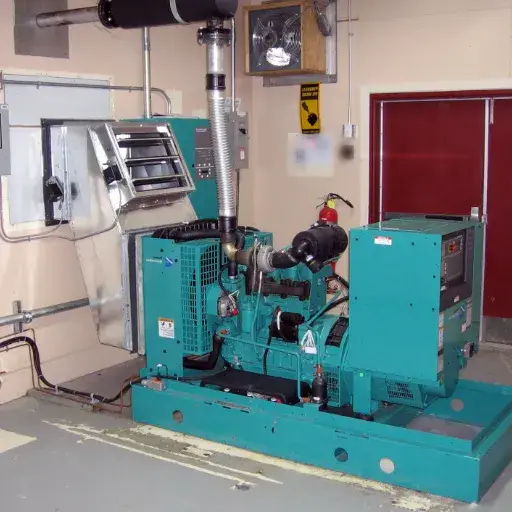
Generator room design needs proper ventilation because it represents an essential element which people often forget. Equipment functions better when there is sufficient airflow because it protects equipment from overheating problems which occur when exhaust builds up and proper air exchange does not happen. The article presents a complete guide which explains generator room ventilation requirements and design principles to help users improve their operational efficiency while meeting all regulatory requirements. The guide provides technical information which helps you design successful ventilation systems that meet your requirements for new installations and existing system improvements.
Introduction to Generator Room Ventilation
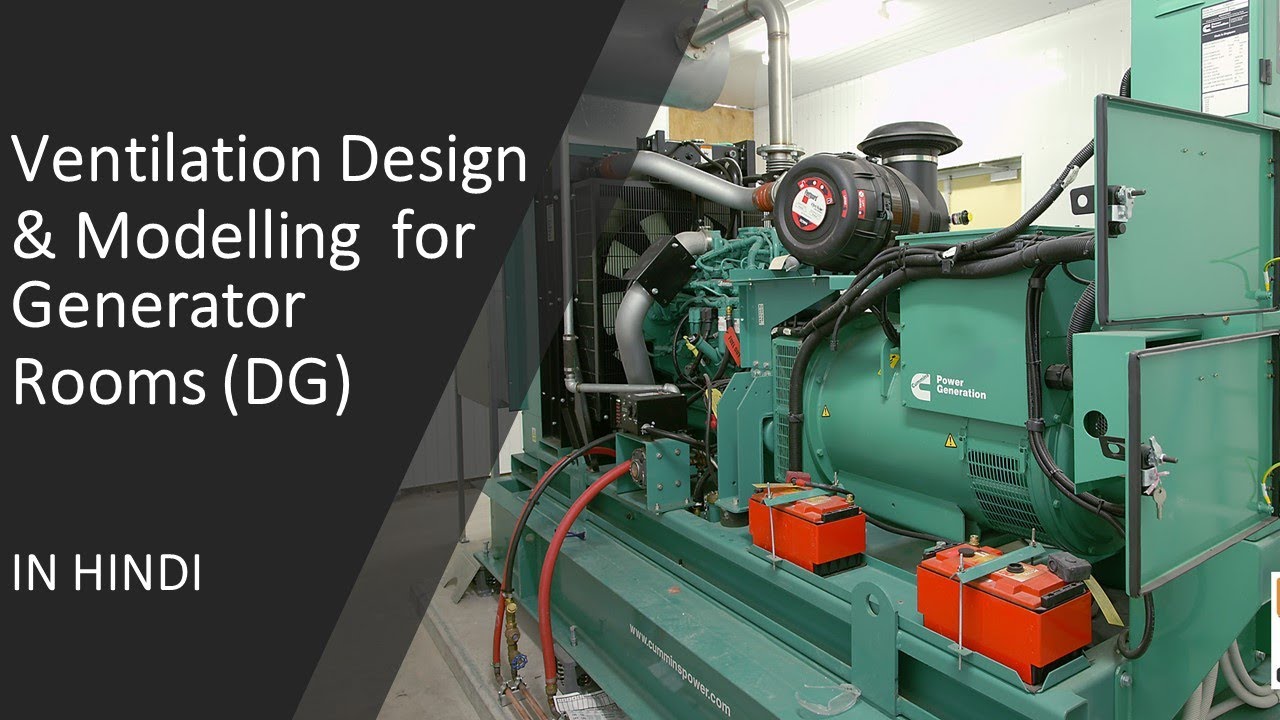
Understanding the Importance of Proper Ventilation
The ventilation system of generator rooms must function properly because it provides two essential benefits which include maintaining equipment safety and operational efficiency while meeting all required safety standards. The system needs proper ventilation because it stops operational heat from accumulating which can cause generator overheating and equipment destruction. The system maintains system protection through temperature control because it prevents system failure during different operational conditions.
The system needs proper airflow because it protects against dangerous exhaust gases which include carbon monoxide and nitrogen dioxide. The hazardous gases which result from fuel combustion will build up in spaces that lack proper ventilation, creating health dangers for workers while breaching environmental protection laws. A ventilation system needs proper design because it must dispose of exhaust fumes in an effective manner which protects human health and environmental quality.
The system needs adequate ventilation which controls proper air exchange to support the combustion process. The generators need to receive continuous fresh air supplies so their engines can operate at peak efficiency. The system experiences operational problems because insufficient airflow causes incomplete combustion which results in higher fuel usage. The system needs a specific ventilation strategy which matches both the generator’s operational requirements and its overall capacity.
Overview of Generator Room Safety Standards
The safety standards for generator rooms exist to create safe operational procedures which protect staff members while ensuring compliance with all existing laws. The two main aspects of security procedures need to follow both fire prevention measures and proper ventilation techniques while obeying electrical safety standards. Fire prevention procedures require building materials to be non-combustible for all wall and floor and ceiling surfaces. Emergency shutdown systems and fire suppression equipment function as vital safety measures because they reduce hazards which stem from possible flammable material ignition.
The safety of generator rooms depends on proper ventilation systems. The design of ventilation systems needs to function as exhaust gas systems which deliver carbon monoxide outside the building while providing enough airflow for engine operation requirements. The standards determine proper air change rates and airflow pathways which help prevent harmful fume accumulation to create a secure working zone. The organization needs to follow established guidelines which include both OSHA and NFPA standards to accomplish its goals.
Electrical safety regulations form the basic requirements for generator room standards. All electrical systems need to have fail-safe grounding systems which will protect against electric shock risks. The maintenance staff will find it easy to identify circuits and control panels because they have proper labeling. Rooms need to offer sufficient lighting and accessibility to enable inspectors and maintenance staff to conduct their work. Regular compliance inspections and preventive maintenance schedules help to verify adherence to these safety measures which protect operations and ensure personnel safety.
Consequences of Poor Ventilation in Generator Rooms
The operational and safety hazards of generator rooms increase when their airflow systems fail to function correctly. The main danger in this situation occurs because generators generate excessive heat which requires active management. The equipment reaches dangerous temperatures because the system lacks proper airflow, which causes components to fail earlier and operate less effectively. The generator system becomes less reliable because higher temperatures damage delicate electrical parts.
The main concern arises from the process that produces exhaust gases, which includes carbon monoxide as a result of burning fuel. The dangerous gases accumulate in the atmosphere because poor airflow prevents their safe removal from the environment, which creates serious health hazards for workers. Prolonging exposure to high levels of exhaust gases will result in respiratory health issues, dizziness, and extreme cases which can result in death.
The room suffers from reduced airflow because the lack of ventilation systems stops fresh air from entering, which results in dangerous oxygen depletion. Generators need ongoing oxygen supply to achieve their proper combustion efficiency. The generator system loses its power when a space has insufficient airflow because it makes the generator operate at lower efficiency, which leads to incomplete combustion. The system loses power because of operational inefficiencies while producing higher emissions, which increases environmental damage. The organization needs functional ventilation systems to achieve safe operational standards for its equipment.
Design Considerations for Generator Room Ventilation
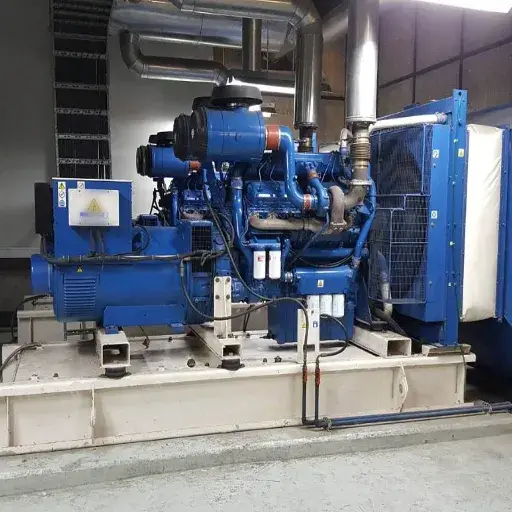
Key Factors in Designing a Ventilation System
The process of establishing a functional ventilation system for generator rooms requires designers to consider essential elements which will enhance both system efficiency and operational safety. The following components must be carefully evaluated and integrated into the design:
1. Airflow Requirements
The ventilation system must provide adequate airflow to meet the generator’s air intake requirements for combustion and cooling. The airflow rate is determined by the generator’s size, power output, and specific manufacturer recommendations. For example, large industrial generators may require hundreds of cubic feet per minute (CFM) of airflow to ensure optimal operation and prevent overheating.
2. Heat Dissipation
The operation of generators results in the production of large amounts of heat. The ventilation system must facilitate the efficient removal of heat to maintain ambient temperatures within recommended limits. The system needs to discharge heat because excessive temperatures will result in system parts becoming damaged which will shorten their useful life. The ventilation system should account for heat rejection figures, often provided in the generator’s technical documentation, and maintain room temperatures below 104°F (40°C) as a general guideline.
3. Ventilation Openings and Ducting
The installation of air intake and exhaust openings needs to follow correct procedures so that the system will create balanced airflow conditions. Intake systems should allow fresh air to enter without obstruction, while exhaust systems must effectively expel hot air and emissions. The selection of duct materials and duct sizing needs to happen because these elements control airflow movements through the system by creating resistance which needs to be reduced. Ducting should typically adhere to ASHRAE (American Society of Heating, Refrigerating and Air-Conditioning Engineers) standards for industrial ventilation.
4. Noise Control
An efficient system needs to manage how noise from generator operation affects nearby areas. Noise reduction techniques which provide sound insulation for ducts and enclosures work to decrease the transmission of unwanted noise to nearby locations. This consideration is particularly important for generators located in residential or urban environments.
5. Emission Management
The ventilation system needs to implement systems which can safely manage exhaust pollutants that include carbon monoxide (CO) and nitrogen oxides (NOx) which the generator produces during its operational periods. This may involve utilizing high-efficiency exhaust silencers or routing emissions through filtration systems to reduce their environmental impact while meeting regulatory standards.
6. Environmental and Regulatory Compliance
Ventilation system design requires designers to adhere to both local and international rules which include Environmental Protection Agency (EPA) regulations and European Union directives. These guidelines dictate acceptable emission levels, noise limits, and ventilation system specifications, ensuring the safe and legal operation of the generator.
7. Redundancy and Safety Measures
The design of an effective ventilation system needs to include backup systems which will ensure operational continuity when primary systems experience failure. The implementation of advanced monitoring systems which track airflow rates and temperature and exhaust composition will improve safety because they deliver real-time information which triggers alerts when preset limits are surpassed.
By considering these factors, engineers will develop a ventilation system which provides reliable performance throughout its operational life while supporting generator functions and protecting against dangerous heat accumulation and harmful emissions and violations of environmental regulations.
Airflow Requirements for Optimal Generator Performance
Generators need proper airflow because it enables them to operate at high efficiency and maintain their reliability during extended periods of heavy usage. Insufficient airflow leads to overheating problems which create efficiency decreases that cause irreversible damage to engine parts. The required airflow for a generator system needs multiple parameters which include engine dimensions and presumed heat output and installation site environmental conditions. Larger generators need increased airflow because it helps them manage waste heat and maintain their operational temperature range.
ASHRAE guidelines and ISO 8528 standards provide basic airflow requirement standards which depend on engine size and operational load. Designers use advanced computational fluid dynamics (CFD) modeling to study airflow behavior which helps them find ventilation system complications at their most critical points. The standard practice for generator systems recommends operators to maintain air movement within the range of 500 to 700 feet per minute (fpm) above generator enclosures and essential equipment for effective heat dissipation.
The design for enclosed generator systems requires proper sizing of louvers with exhaust and intake fans to achieve required air exchange resultswhile reducing air pressure resistance. Thermal monitoring systems should use variable-speed fans because they adjust operational patterns according to present load conditions. Operators achieve generator airflow needs while increasing equipment lifespan by implementing detailed analysis into their ventilation system planning process.
Types of Ventilation Systems for Generator Rooms
Proper ventilation in generator rooms is essential to ensure optimal performance and safety by managing heat dissipation, air quality, and emissions. The three main types of ventilation systems used in generator rooms operate according to specific design features which determine their suitable usage cases.
- Natural Ventilation: The system operates through natural air movement which removes heat from the generator room while bringing in new air. The system uses openings which include louvers and vents and shutters to create air circulation paths. Natural ventilation provides affordable installation and operating expenses but requires outdoor weather conditions to operate successfully and needs adequate space for proper functionality. It operates in environments where heat generation remains at minimal levels or occurs at irregular intervals.
- Mechanical Ventilation: Mechanical ventilation systems use motor-driven fans or blowers to regulate airflow. The system enables exact management of air exchange rates together with temperature control which functions independently from outside climatic conditions. The mechanical ventilation system maintains a steady air distribution and efficient heat removal process in generator rooms that range from medium to large capacity. Exhaust and intake fans are often installed in tandem with duct systems to direct airflow, and additional features such as filtration and noise suppression systems can be integrated to enhance functionality.
- Hybrid Ventilation: Hybrid ventilation systems use both natural and mechanical airflow methods to maintain optimal ventilation conditions throughout different operational modes. The systems use natural air movement for normal conditions but activate their mechanical systems when wind patterns or temperature conditions do not meet necessary ventilation standards. The approach offers an economical solution which saves energy while delivering dependable results, making it suitable for facilities that need flexible ventilation systems.
The selection of the right system requires assessment of essential factors which include generator size and heat output and facility location and relevant laws. Computational fluid dynamics (CFD) modeling supports engineered ventilation systems which improve performance through airflow pattern simulation and configuration optimization. The application of system knowledge enables the creation of efficient operational setups which sustain generator efficiency throughout their lifespan.
Types of Generator Room Ventilation Systems
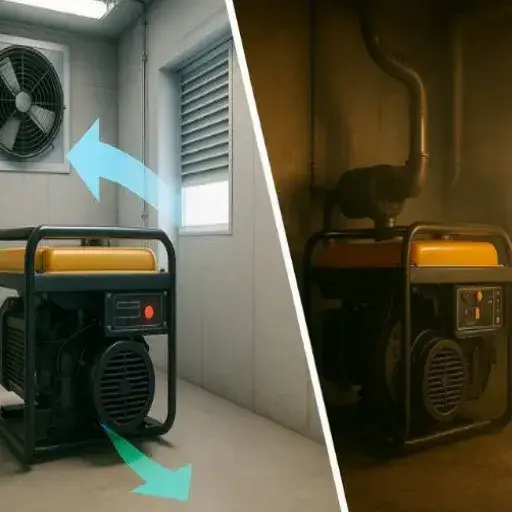
Natural Ventilation Methods
Natural ventilation systems achieve their goal by placing air inlets and outlets at specific locations which permit air to flow freely throughout the generator room. The system operates according to basic airflow principles which use temperature-driven pressure differences and wind pressure, as their operational basis. The design of intake and exhaust vents needs proper sizing and correct placement to deliver enough airflow which satisfies generator cooling requirements. Low external wall positions serve as the common design method for placing inlets because they bring in cool air while exhaust outlets get installed at ceiling height to release hot air. The standard vent size calculation method uses a ratio that requires 1 square foot of free vent area for each 1,000 British Thermal Units (BTU) of hourly heat output.
Natural ventilation systems work without mechanical systems because they do not require fans, which results in lower operating expenses and makes installation and maintenance easier to handle. The systems depend on environmental conditions because they need specific external temperature and wind conditions and architectural elements to function properly. The generator room design needs to use computational modeling to create simulations which test both seasonal variations and local weather conditions. The regions with extreme heat or stagnant air conditions need additional measures to stop overheating from occurring.
Natural ventilation provides an essential benefit because it operates as a sustainable solution. The systems achieve sustainability through their use of passive thermal movements which do not require mechanical ventilation energy consumption to meet green building certification standards including Leadership in Energy and Environmental Design (LEED). The system enables airflow control during different conditions but it does not allow airflow control when the environment reaches maximum air contamination. The development of hybrid systems with natural ventilation and mechanical support constitutes an effective approach to solving generator room efficiency problems while reducing environmental impact and operational costs.
Mechanical Ventilation Systems
The systems operate as controlled equipment, which works to manage airflow and temperature, while ensuring proper air quality to maintain indoor environments. The systems operate through powered devices, which include fans and ducts and air-handling units to provide continuous ventilation, irrespective of outside weather conditions. The main benefit of using mechanical ventilation systems lies in their capability to function during critical situations which include high pollutant exposure and wide temperature variations when natural ventilation systems fail to operate.
The field of mechanical ventilation design has shifted towards energy-efficient solutions that use automated control systems as their main focus. The smart sensor system makes it possible to monitor and control airflow according to real-time conditions, which include both occupancy levels and environmental factors. According to recent industry data, demand-controlled ventilation (DCV) systems can reduce energy consumption by up to 30% in commercial buildings by minimizing over-ventilation. The introduction of heat recovery ventilation (HRV) systems enables the recycling of outgoing air heat to prepare incoming air, which results in enhanced energy efficiency and improved indoor air quality.
The systems need high initial costs, plus ongoing repairs, and it requires expert personnel to operate them in order to maintain their functionality and performance. The combination of mechanical ventilation and emerging IoT-enabled control technologies enables facilities to operate at high-efficiency levels while minimizing their negative effects on the environment. The modern building design process requires mechanical ventilation systems as essential elements, which exist especially in areas which need accurate airflow management and air quality protection.
Exhaust Systems and Their Importance
The exhaust systems in industrial commercial and residential buildings play an essential role for both air quality control and indoor environmental operation. The systems serve to remove pollutants and moisture and dangerous particles from indoor spaces which results in their capacity to stop dangerous substances from building up inside spaces that can create health risks and operational problems. The systems work together with mechanical ventilation systems to create a steady airflow system which brings in clean outdoor air to replace polluted indoor air that has become stale.
The design of exhaust systems meets modern requirements for both air quality standards and energy efficiency standards which include regulations established by the Environmental Protection Agency (EPA) and ASHRAE standards. The system uses advanced features which include high-efficiency particulate air (HEPA) filters and energy recovery ventilators (ERVs) and variable speed drives (VSDs) to achieve better airflow management while using less energy. The system uses smart technology to provide continuous system monitoring and operational adjustments which help organizations maintain environmental compliance while minimizing equipment downtime.
The industry research data demonstrates that organizations can achieve significant operational advantages through the successful installation of exhaust systems. The reports show that organizations with proper system maintenance can achieve indoor air pollutant reductions of up to 85% while energy-efficient systems enable them to save about 30% of their annual operating expenses. The findings demonstrate that advanced exhaust systems represent a necessary investment for building design because they function as critical systems for laboratories and manufacturing facilities and healthcare institutions which require precise control over air distribution to protect worker safety and maintain effective operations.
Best Practices for Maintaining Generator Room Ventilation
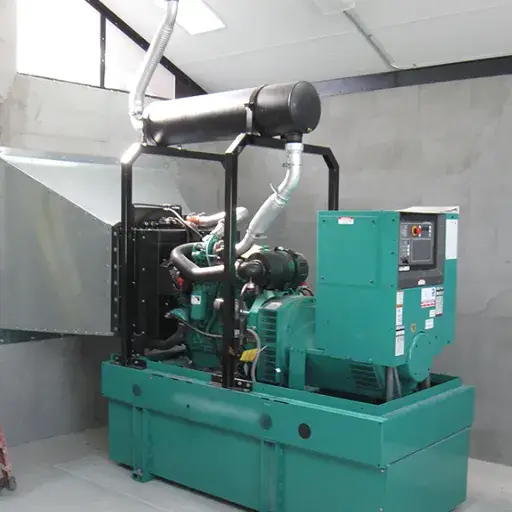
Regular Maintenance Checks for Ventilation Systems
The operational effectiveness and safety standards and regulatory requirements of generator rooms depend on proper management of their ventilation systems. The inspection process needs to check essential elements, including air intake louvers and exhaust ducts and filtration units, to verify their operational state and detect initial wear and blockage issues. The recommended air filter maintenance schedule, which includes cleaning and replacement, helps maintain proper airflow because it prevents dust and debris buildup that would otherwise block airflow and cause temperature increases.
The monitoring process requires tracking airflow rates and pressure differentials because any changes from established benchmarks will show system inefficiencies or mechanical problems that need urgent repairs. The system performance can be improved through advanced diagnostic tools, which include thermal imaging cameras and airflow sensors, that deliver exact data to locate issues in the system. Testing of emergency ventilation protocols should occur at regular intervals because this practice guarantees system performance during unexpected operational demands, especially when generator loads change.
The systematic checks together with modern diagnostic technologies enable facility managers to achieve three goals, which include increasing the operational life of ventilation systems, decreasing unexpected system failures, and protecting equipment and personnel in highly secure environments.
Identifying and Addressing Common Ventilation Issues
The design of ventilation systems, which aims to provide reliable service, becomes compromised when environmental factors and mechanical degradation and maintenance protocols get violated. The ductwork and filter systems experience a common problem when debris builds up to create airflow blockages. The situation results in higher energy usage together with lower system efficiency and worsened indoor air quality. The manufacturer guidelines require regular filter inspection and instant replacement as essential protective steps against system failures.
The problem develops when the ventilation system fails to maintain proper air pressure balance across its multiple zones. The system experiences issues because dampers do not work correctly and ductwork does not match proper dimensions and building occupancy patterns have changed. Advanced airflow sensors and automated control systems provide organizations the ability to monitor air pressure levels and achieve accurate air distribution through their systems.
The high humidity environments and chemical exposure conditions cause metal components to suffer from two main corrosion problems. The selection of corrosion-resistant materials together with protective coatings during installation helps extend the operational lifespan of these components.
The performance and energy efficiency requirements of current systems cannot be achieved with existing ventilation technologies because they are outdated. The installation of energy-efficient motors and variable frequency drives and IoT-enabled monitoring tools into existing systems enables facility managers to boost operational efficiency while staying compliant with environmental regulations. The combination of these upgrades with comprehensive diagnostic information enables proactive maintenance, which results in extended asset lifespan and financial savings.
Compliance with Industry Regulations
Understanding Local and National Ventilation Requirements
The understanding of regulatory frameworks and performance benchmarks for different building types between residential and commercial and industrial spaces is essential for meeting local and national ventilation requirements. The United States national standards ASHRAE 62.1 and ASHRAE 62.2 establish minimum ventilation standards and air quality guidelines which protect occupant health and safety. The guidelines establish ventilation requirements according to space usage patterns and room occupancy levels and the presence of different pollution sources, which helps optimize systems to effectively remove contaminants from the air.
The implementation of local codes and directives requires higher standards to handle specific regional issues which include urban air pollution and weather conditions that affect indoor air quality control. Coastal areas require special protection through the adoption of corrosion-resistant systems which safeguard against the corrosion caused by saline-laden air. Compliance requires organizations to develop designs and operational procedures which meet building regulations from the International Mechanical Code (IMC) and achieve energy efficiency standards from LEED or ENERGY STAR certifications.
Engineers must perform thorough evaluations of ventilation systems which include measuring both airflow rates and filtration performance and air exchange efficiency to meet technical requirements of these standards. Building Management Systems (BMS) and real-time air quality sensors provide monitoring capabilities which maintain ongoing compliance while helping to find areas that require improvement. Stakeholders can reach environmental sustainability and energy efficiency goals while ensuring occupant health through their work to connect local development needs with national environmental regulations.
Case Studies of Successful Ventilation Implementations
Case Study 1: High-Efficiency Ventilation in Commercial Buildings
The multi-story commercial office building located in Chicago, Illinois serves as a demonstration site for advanced techniques used to manage ventilation systems. The project involved the integration of a demand-controlled ventilation (DCV) system paired with high-efficiency particulate air (HEPA) filtration. The system used real-time air quality sensors to continuously adjust air exchange rates according to both occupancy levels and pollutant detection. The new system achieved a 32% energy consumption reduction when compared to the previous Constant Air Volume (CAV) system while indoor air quality (IAQ) remained within ASHRAE Standard 62.1 guidelines. The system used advanced filtration and optimized ductwork design to enhance air distribution efficiency which resulted in a 25% reduction of CO2 levels in areas with high occupancy.
Case Study 2: Hospital Ventilation for Infection Control
The Singapore hospital used a hybrid ventilation system that combined mechanical systems with natural ventilation capabilities. The facility used high-frequency air exchanges (which exceeded 12 ACH per CDC recommendations) to protect critical care rooms from airborne infection transmission and implemented ultraviolet germicidal irradiation (UVGI) throughout its air duct system. The hospital conducted a six-month operational analysis which found that respiratory illness infection rates dropped by 18% in cases linked to hospital-acquired respiratory illnesses. The system used pressure differentials to create isolation wards which functioned as containment zones that prevented cross-contamination. The first-year operational energy expenses decreased by 15% because the systems used renewable energy sources for their operations.
Case Study 3: Educational Space Renovation with Mechanical Ventilation
The middle school in Oslo, Norway underwent extensive renovations to meet contemporary energy efficiency and indoor air quality requirements. The retrofitting included installing Heat Recovery Ventilation (HRV) systems which recovered 70% of the energy from exhaust air. The school achieved a 40% indoor air pollutant reduction through collaboration with environmental engineers and VOC(Volatile Organic Compound) sensors which resulted in improved cognitive performance for students according to studies that linked IAQ to school performance. The project achieved success when post-renovation survey results showed that 95% of faculty and students were satisfied with the air quality conditions. w.
The case studies show how accurate planning and advanced technologies together with data-driven optimization methods create ventilation systems which achieve superior energy performance and maintain both occupant health and operational reliability. The case studies demonstrate how integrating sustainability measures with regional compliance standards brings practical advantages to organizations.
References
-
Assessment of Domestic Electricity Generators Hazards in Jabalia Camp, Gaza Strip
This research highlights the risks of improper generator ventilation in enclosed spaces. -
Dual Functional Roof Ventilator
This paper discusses the use of ventilators in generating electricity and improving airflow. -
Hunter’s Point South Intermediate School & High School
This document examines ventilation requirements for rooms housing emergency generators. - Click here to read more.
Frequently Asked Questions (FAQ)
Q: What is generator room ventilation and why is it important?
A: Generator room ventilation involves creating and operating systems that move air to maintain room temperature while eliminating exhaust heat and fumes and providing fresh air to space which contains an electrical generator. Proper generator room ventilation works to prevent overheating which results in less fire danger and maintains engine power while keeping workers and equipment safe from dangerous exhaust materials and harmful gases.
Q: How do I size ventilation for a generator room?
A: Sizing ventilation requires determining generator heat output which includes engine and alternator losses and establishing needed air changes per hour and estimating extra cooling requirements. The assessment process requires two main factors which are the generator’s5kW capacity and its enclosure operational conditions and maximum allowable internal temperature increase. The required airflow measurements which HVAC engineers and ventilation designers determine will use manufacturer specifications and established industry standards to express airflow in cubic feet per minute CFM or cubic meters per hour.
Q: What are common ventilation methods for generator rooms?
A: The common methods of generator room ventilation include natural ventilation which uses louvers and gravity vents and forced ventilation which employs axial or centrifugal fans for air supply or exhaust and conditioned ventilation which uses air conditioning or heat exchangers to maintain exact temperature requirements. Generator room ventilation systems commonly use a combination of supply air fans with exhaust fans or louvers to achieve proper airflow balance while maintaining pressure control.
Q: How does generator ventilation affect generator performance and lifespan?
A: Proper generator ventilation establishes a safe temperature range which protects engine components and electrical parts from overheating. Proper cooling methods protect equipment from excessive mechanical stress which results in early equipment failure while they improve combustion efficiency and decrease maintenance needs to extend generator operational lifespan.
Q: What safety considerations apply to generator room ventilation?
A: Safety considerations include preventing extraction of exhaust gases which include CO and NOx and avoiding intake of flammable vapors and controlling room pressure to prevent backflow and establishing explosion-proof standards for ventilation components. The generator room ventilation system needs fire-rated barriers combined with proper exhaust routing and high-temperature and gas detection alarms for effective operation.
Q: Can existing generator rooms be retrofitted to improve ventilation?
A: Yes. The available retrofitting options consist of installing new supply and exhaust fans or upgrading existing fans and adding heat exchangers or split AC units and enhancing ducting and louvers and establishing variable speed fan controls which operate based on temperature sensor data. The site assessment process needs to evaluate airflow routes and temperature danger zones and code compliance before selecting specific retrofitting methods for generator ventilation improvements.
Q: What maintenance is required for generator room ventilation systems?
A: The regular maintenance task requires staff to inspect and clean all fans and filters and louvers while checking the system performance through inspection of belts and bearings and motor operation and airflow evaluation through sensor testing and backup ventilation power assessment. The scheduled maintenance procedure will keep generator ventilation systems operational by preventing blockages and maintaining effective ventilation through emergency generator operation.
Q: Are there codes or standards that govern generator room ventilation?
A: Yes. The combination of building codes and fire codes and electrical codes establishes regulations which specify the necessary ventilation requirements and clearance specifications and exhaust routing requirements and fire protection measures. NFPA standards and local mechanical codes establish ventilation requirements and fire-resistant building standards and safety measures. The compliance process will ensure that generator room ventilation systems fulfill all legal requirements and safety standards.