
Winter’s chill and low temperatures create a need for people to check their generator’s ability to function in cold weather conditions. The dual purpose of proper winterization enables you to handle power outages while you complete outdoor work. Equipment requires special handling because cold weather creates specific challenges which result in operational problems and expensive equipment breakdowns when wintertime preparation work is not completed. The guide will show you all essential steps which need to be taken for generator winterization so you can handle frost periods while your power supply remains available during crucial times.
Understanding Generator Winterization
What is Generator Winterization?
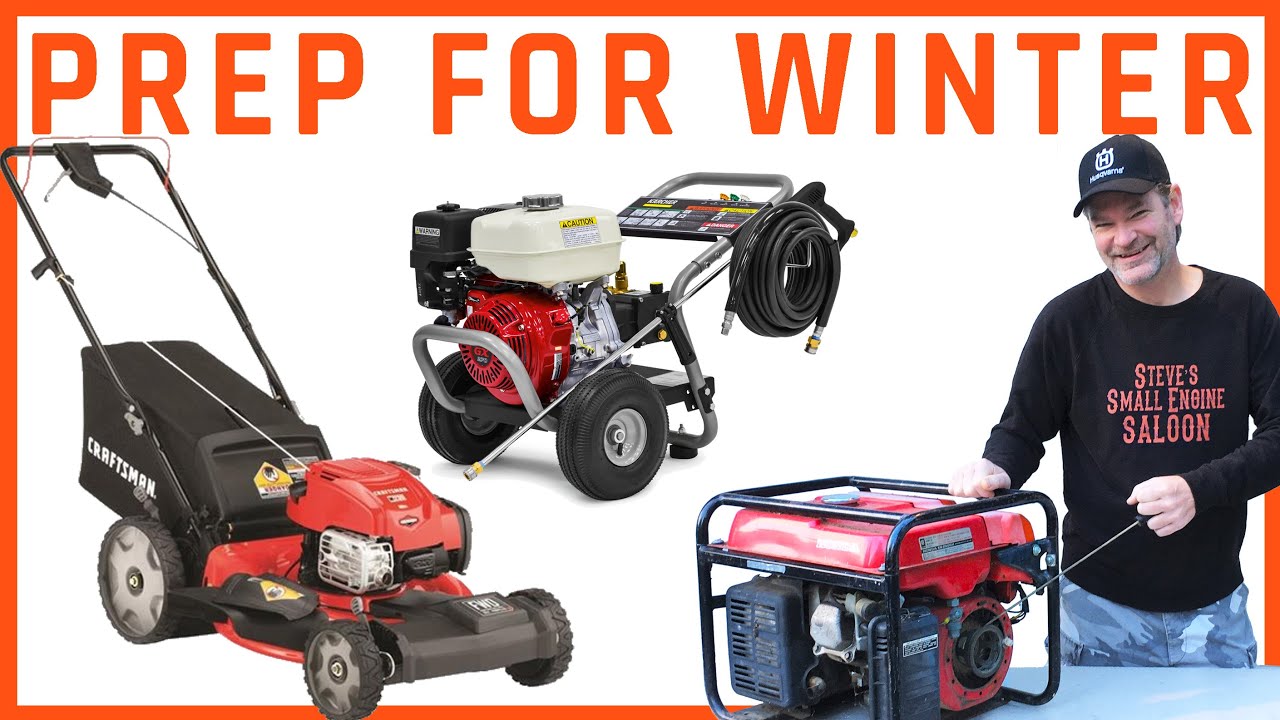
The process of generator winterization involves creating operational systems which enable generators to function properly during periods of extreme cold. The process requires specific procedures which create protective measures against freezing temperatures and moisture and all other environmental elements that might interfere with operational abilities or result in equipment failure. Proper winterization allows generators to maintain their operational capacity throughout all winter months which includes the most severe weather conditions of the year.
Fuel and oil maintenance represent the main element which requires attention during generator winterization. Cold temperatures cause fuel to become thicker while its operational effectiveness decreases which results in difficulties for the generator to operate properly. The system requires the use of winter-grade fuel or fuel stabilizers to stop freezing and gelling problems from developing. The engine achieves improved operational efficiency through the use of low-viscosity oil during cold weather conditions.
The winterization process requires essential steps which include inspecting and replacing all damaged components including spark plugs and filters and batteries which become vulnerable to breakdowns during extreme temperature conditions. The generator needs to be stored properly and covered during inactive times to create defense against snow and ice and moisture accumulation. Protective measures which you implement will help your generator serve you longer while its efficiency remains intact throughout the entire wintertime période.
Importance of Winterizing Your Generator
The process of winterizing your generator establishes three critical functions which ensure the equipment operates safely and remains useful throughout the coldest periods of the year. The absence of necessary backup systems creates higher risks of generator issues which include component freezing and moisture damage and operating difficulties during severe cold weather. The power outages which occur during winter storms create a situation where these problems prevent you from accessing your backup power system.
Enhanced Reliability
Generators become more reliable when you conduct regular maintenance which involves checking parts and replacing components that show signs of damage.
Cost Prevention
The process of generator winterization creates two advantages which prevent expensive future repairs while keeping your equipment prepared for immediate use at any time.
Emergency Readiness
Your ability to handle emergencies increases when you implement these steps which ensure your generator will function correctly throughout the entire winter season.
How Cold Weather Affects Generators
Generators experience performance and reliability problems because of cold weather conditions. The engine requires more effort to start when low temperatures cause engine oil to become thick. Component lubrication suffers from higher viscosity levels which results in extra engine stress that decreases both engine power and engine performance. The battery power capacity decreases because cold weather conditions impact its performance which results in insufficient starting power for the generator.
| Cold Weather Challenge | Impact on Generator | Recommended Solution |
|---|---|---|
| Oil Thickening | Reduced lubrication and increased engine stress | Low-viscosity or synthetic oils |
| Battery Degradation | Insufficient starting power | Battery warmers and regular testing |
| Fuel Condensation | Water contamination and fuel line blockages | Winter-grade fuel and fuel stabilizers |
| Diesel Fuel Gelling | Fuel solidification and equipment failure | Anti-gel additives and insulated storage |
Winter-grade fuel together with battery warmers and insulated generator storage solutions represent essential measures to solve these issues. Cold weather effects can be reduced through regular maintenance activities which involve checking oil levels and maintaining a clean fuel system. The generator owners who take initiative will achieve operational success for their equipment through the winter season.
Winterizing Different Types of Generators

Winterization for Portable Generators
Portable generators require proper winterization procedures which guarantee their operational reliability during freezing weather conditions. The most effective method for generator protection against snow and ice and moisture requires installing a weatherproof cover or enclosure. Portable generator covers provide manufacturers-designed solutions which allow ventilation while protecting essential equipment from damage. The generator requires storage in a location that remains dry and cool because this practice protects the equipment from rust and corrosion which happens during extended exposure to moist environments.
Fuel System Maintenance Protocol
Fuel system maintenance requires thorough inspection as an essential element of portable generator winterization procedures. The colder months cause fuel to degrade at a faster rate because ethanol contents accelerate this process. The addition of a fuel stabilizer will prevent degradation which allows the engine to operate normally when necessary. Fuel system components require draining of old or untreated fuel from the tank before any long-term storage requirements. The use of winter-grade fuel or special treated fuel designed for extreme conditions should be applied when temperatures descend to below freezing because this measure reduces starting and operational difficulties.
Regular Maintenance Checklist
- Conduct equipment inspection schedule to check spark plugs and air filters and oil system parts
- Test generator periodically to verify operational condition
- Operate generator for brief intervals every few weeks to prevent parts from binding
- Maintain battery power for electric start portable models
- Identify and address problems before they escalate into major issues
Diesel Generator Winterization Techniques
The winterization process serves as a critical step which establishes diesel generators as dependable operational equipment during the winter season. Diesel generators require winter preparation procedures which begin with selecting an appropriate fuel combination. The freezing temperatures cause diesel fuel to become thick which results in fuel line blockages that stop the generator from operating. The best solution for fuel problems involves switching to winter-grade diesel fuel or applying anti-gel additives which decrease the fuel’s freezing point.
Fuel Tank Management
- Regular checks to identify water contamination
- Drain fuel-water separator routinely
- Refuel with clean and treated diesel
- Monitor for frozen water accumulation
Battery Health Assessment
- Monitor battery charge levels
- Conduct voltage testing at regular intervals
- Install battery warmer for electric starters
- Inspect connections for corrosion
Lubrication and Cooling System Maintenance
The winter operation of diesel generators depends on proper lubrication and cooling system maintenance to achieve maximum efficiency. Engine oil turns into viscous material which restricts its circulation capabilities as the temperature decreases. The recommended oil grade for freezing weather conditions typically consists of synthetic oils because they enable better low-temperature flow.
The generator system needs a correct antifreeze to water ratio in its coolant mixture to prevent system freezing. The inspection process needs to occur regularly to check hoses and connections for cracks and leaks which will become more severe during cold weather conditions. Diesel generators need to establish winterization measures which protect them from freezing conditions that endanger their ability to deliver power during critical times.
Standby Generator Considerations for Cold Weather
The efficient operation of standby generators during cold weather requires their maintenance work and preparation activities to be conducted on a regular basis. Start by ensuring the engine block heater is functioning properly, as it plays a vital role in maintaining an adequate engine temperature for startup. The generator needs to undergo regular testing under load conditions which will help establish its reliability during times of extreme cold weather when temperatures stay below freezing.
Critical Standby Generator Components
- Engine Block Heater: Maintain adequate engine temperature for reliable startup
- Cold-Weather Fuel: Use cold-weather-rated fuel to prevent freezing and blockages
- Battery System: Test and replace batteries designed for colder climates
- Oil Selection: Use manufacturer-recommended oil for low-temperature conditions
- Monitoring System: Track oil pressure, coolant levels, and overall efficiency remotely
Modern monitoring systems can provide alerts in real-time, enabling swift action if an issue arises. The implementation of these maintenance procedures will ensure that standby generators maintain their operational capability throughout the entire winter season.
Fuel System Management in Winter
Using Stabilized Fuel for Your Generator
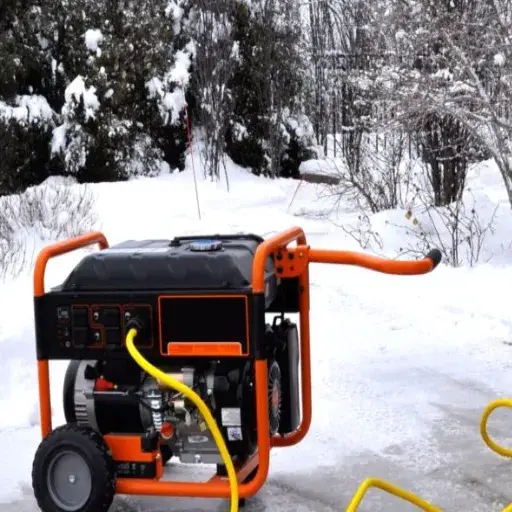
Proper fuel management ensures that your generator works properly during wintertime operations. Cold temperatures cause fuel to break down while creating deposits that block pipes and filters, which results in decreased operational efficiency and complete generator breakdown. The use of stabilized fuel prevents operational issues because it extends the fuel’s shelf life while maintaining its protection against oxidation and contamination.
| Fuel Condition | Without Stabilizer | With Stabilizer |
|---|---|---|
| Moisture Absorption | High – absorbs environmental moisture | Low – protected against moisture |
| Fuel Separation | Separates into distinct layers | Remains chemically stable |
| Gum Formation | Develops gum and varnish deposits | Prevents deposit formation |
| Storage Duration | Limited shelf life | Extended usability period |
The combination of stabilized fuel with regular tank inspections and old fuel draining before refilling operations provides your system with additional reliability benefits. The protective measures help to identify water and sediment contaminants which build up over time, thus protecting the generator from operational problems.
Diesel Fuel and Cold Weather: What You Need to Know
Diesel fuel performance experiences widespread problems during cold weather conditions because the fuel starts to gel when temperatures reach freezing points. Diesel fuel contains paraffin wax, which begins to solidify and form crystals as the temperature drops, leading to fuel thickening or gelling. The resulting condition causes fuel flow blockage, which creates problems for engine starting while leading to equipment breakdown. The cloud point marks the specific temperature when the process starts, which differs according to the diesel fuel type being tested.
Preventive Measures for Diesel Fuel Management
Winter-Grade Fuel
Specifically processed for cold weather with reduced cloud point for optimal flow
Anti-Gel Additives
Dissolves wax crystals and maintains fuel in liquid state during extreme conditions
Tank Insulation
Combined with fuel heaters to maintain diesel functionality in extreme weather
Seasonal winter months require both regular monitoring and assessment of fuel conditions. The process of checking water contamination and sludge formation needs to occur because water accumulation leads to freezing which damages fuel lines and filters. The combination of proactive maintenance with suitable cold-weather products enables equipment to function optimally during extreme conditions, which secures performance reliability for critical moments.
Fuel Tank Preparation for Winter Storms
The operation of fuel tanks needs proper preparation which guarantees continuous operation throughout extreme winter storm conditions. Begin by inspecting tanks for damage, leaks, or corrosion, as these vulnerabilities can worsen in freezing weather. Fuel tanks need sufficient insulation together with heating systems which offices should install to stop fuel from gelling or freezing. Full tank maintenance protects against condensation formation which leads to water contamination problems.
Essential Fuel Tank Preparation Steps
- Inspect tanks thoroughly for damage, leaks, and corrosion vulnerabilities
- Install insulation and heating systems to prevent fuel gelling or freezing
- Maintain full tank levels to minimize condensation and water contamination
- Apply winter-grade fuel and anti-gel additives to reduce cold filter plugging point
- Install water-separating filters to eliminate moisture from fuel systems
- Drain accumulated water from storage tanks before freezing temperatures arrive
Protecting Your Generator During Cold Months
Best Practices for Storing Your Generator
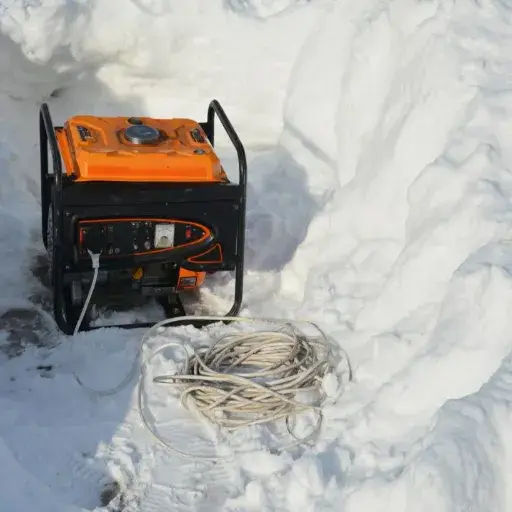
The correct procedure to store a generator during wintertime needs to be followed because it helps the generator to work successfully when required and to stay in excellent condition throughout its lifetime. The first step requires you to conduct a complete assessment of your generator before you proceed to store it. The inspection process requires you to identify any damage or loose connections or worn-out parts and you must fix these issues without delay.
Storage Environment Recommendations
| Storage Factor | Requirement | Purpose |
|---|---|---|
| Location | Dry, protected area (shed/garage) | Protection from moisture and snow |
| Elevation | Raised on mat or platform | Prevents water damage from flooding |
| Covering | Weather-resistant protective cover | Keeps dirt and moisture away |
| Fuel Management | Use fuel stabilizers or drain tank | Prevents fuel degradation and clogging |
Using a Generator Cover for Protection
Using a generator cover serves as the most efficient method to shield your equipment against destruction from dangerous outdoor conditions which include snow and rain and debris. The typical construction of these covers uses strong waterproof materials which protect the generator from moisture while decreasing the possibility of rust and electrical failures. The appropriate cover serves to block dirt and dust from reaching essential parts of your generator which enables your equipment to work properly when you need it most.
Standard Covers
Waterproof materials protect against moisture, rust, and electrical failures while blocking dirt from essential components
Best for: Long-term storage protection
Running Covers
Heat-resistant fabric with ventilation flaps permits correct airflow while controlling heat buildup during operation
Best for: Emergency power outages in bad weather
Important: Generator covers provide protection against multiple environmental factors but they need to be used together with regular maintenance work. You need to check your generator at regular intervals to look for damage signs which happen through normal usage, even if the generator has been stored beneath a cover. You must keep the area surrounding your generator clean and properly ventilated because this measure prevents problems which emerge from insufficient airflow and the accumulation of debris.
Battery Warmers: Ensuring Reliable Power
Battery warmers are an essential accessory for maintaining the reliability and performance of your generator, particularly in cold climates. The battery capacity decreases when temperatures drop which leads to decreased generator starting power and operational efficiency. A battery warmer functions by keeping the correct temperature which allows your generator battery to operate normally during freezing weather. A battery warmer protects your battery from unnecessary damage while it extends your battery life and decreases the odds of emergency equipment failures.
Battery Warmer Benefits
- Maintains optimal battery temperature for reliable cold-weather performance
- Prevents slowing of chemical reactions that decrease energy output
- Reduces battery replacement needs and maintenance expenses
- Ensures high power outputs required for generator starting systems
- Modern thermostatic systems automatically adjust heat for energy conservation
Best Practice Tip: Battery warmers should be used together with other winterizing practices to achieve the best results. You should position your generator in a space that maintains controlled temperatures or provides insulation while you verify that all battery terminals are clean and tightly secured. The majority of contemporary battery warmers include thermostatic systems that automatically modify heat settings according to surrounding temperature conditions which results in better energy conservation.
Troubleshooting Common Winter Issues
Addressing Carburetor Problems in Cold Weather
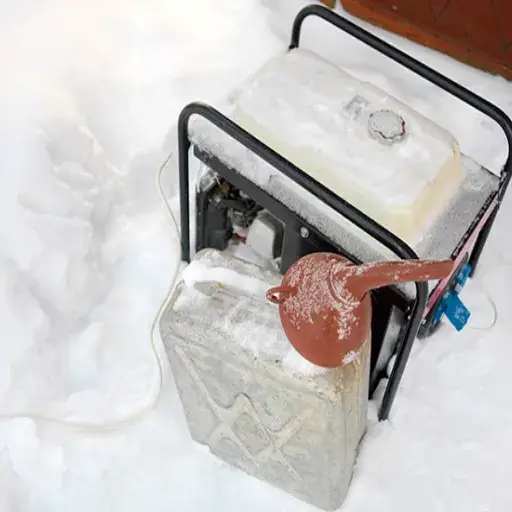
The most common cold weather carburetor problem occurs when ice builds up inside the carburetor. The condition happens when moisture from the air freezes because of cold weather which creates blockages in the carburetor that stop air and fuel from flowing. The engine performance shows a clear reduction which can result in total generator failure to start.
Common Carburetor Issues and Solutions
Issue: Ice Buildup
Cause: Moisture from air freezes in cold weather creating blockages
Solution: Use high-quality fuel and properly seal all air intake areas
Issue: Fuel Thickening
Cause: Low temperatures prevent proper fuel atomization with air
Solution: Select winter-grade fuel or cold-weather fuel additives
Issue: Blocked Airflow
Cause: Frozen conditions combined with blocked air pathways
Solution: Maintain clean air filters and install carburetor heater for extreme cold
What to Do If You Lose Power During a Winter Storm
The combination of snowstorm power outages creates an unsettling situation that presents multiple difficult obstacles for households but following systematic procedures will enable you to maintain safety. Your first step involves your collection of all necessary items such as flashlights and batteries and warm clothes and non-perishable food items and sufficient drinking water.
Emergency Safety Protocol
- Avoid Candles: Do not use candles as they create dangerous fire risks
- Generator Placement: Position generator outdoors at least 20 feet from house to prevent carbon monoxide poisoning
- Heat Conservation: Close doors and windows, use blankets for window insulation to stop draft flow
- Food Preservation: Keep refrigerator/freezer doors closed (refrigerator: 4 hours; full freezer: 48 hours)
- Communication: Use battery-operated radios or smartphones for weather alerts
- Community Support: Check on vulnerable neighbors until power restoration
Maintaining Your Generator for Year-Round Reliability
The generator will show reliable performance during power outages when you perform proper maintenance procedures which also extend the equipment’s operational life. The first step requires you to plan inspection and maintenance activities according to the manufacturer’s schedule which they recommend. The generator requires air filter replacement and spark plug inspection and oil level checks to achieve smooth operation throughout its runtime.
Year-Round Maintenance Checklist
| Maintenance Task | Frequency | Purpose |
|---|---|---|
| Oil Level Check | Before each use | Ensures smooth operation |
| Air Filter Replacement | Every 200 hours or annually | Maintains proper airflow |
| Spark Plug Inspection | Every 100 hours or annually | Prevents starting issues |
| Test Run Generator | Monthly | Prevents component freezing |
| Fuel Replacement | Every 3-6 months | Prevents contamination |
Professional Recommendation: Generators with built-in diagnostic systems and maintenance notification systems provide improved reliability according to our recommendation. Your generator will maintain its operational reliability throughout the year because you follow these maintenance procedures which will help you deal with any unexpected power outages.
References
- Enhancing Power Grid Resilience to Winter Storms via Generator Winterization: An academic study on using stochastic programming models to improve generator winterization and power grid resilience.
- Gas-Fired Generators Under Extreme Winter Weather: A presentation discussing generator winterization and its role in enhancing power grid resilience during extreme weather.
- Click here to read more.
Frequently Asked Questions (FAQ)
Q: What is generator winterization and why is it important?
A: Generator winterization prepares generators for cold weather to ensure their proper operation and reliable operation during winter. Generator winterization correctly safeguards all fuel systems and batteries and additional power equipment components from damage caused by freezing temperatures and condensation and corrosion which lessens the chance of equipment breakdown during power outages.
Q: When should I perform generator winterization?
A: You should perform generator winterization before temperatures consistently drop near or below freezing, typically in late fall. Early preparation allows you to address fuel stabilization, battery checks, and antifreeze for coolant systems so your power equipment is ready for winter storms and extended outages.
Q: What are the basic steps for generator winterization?
A: The basic steps require technicians to inspect and change oil and filters and stabilize or replace fuel and check and charge or replace the battery and test the starting system and run the generator under load and inspect and protect fuel lines and vents and check that liquid-cooled units have correct coolant and antifreeze levels. These measures help prevent common cold-weather failures.
Q: How do I winterize fuel for my generator?
A: For generator winterization of fuel, use a fuel stabilizer for gasoline or ethanol blends, drain and replace old diesel or gasoline if contaminated, and keep tanks full to reduce condensation. In extremely cold climates diesel power equipment should use anti-gel additives together with heated fuel tanks or lines to prevent fuel from gelling.
Q: How do I protect the battery during winterization?
A: To protect the battery as part of generator winterization, test the battery’s voltage and load capacity, clean terminals, apply dielectric grease, ensure a full charge, and store a removable battery indoors if possible. The smart battery maintainer uses cold weather technology to maintain battery health which ensures your power equipment will function properly.
Q: Can I winterize a portable generator differently than a standby generator?
A: Yes. The process of portable generator maintenance requires operators to either drain the fuel from their small tanks or use stabilization methods while they must store their equipment in a safe dry location when not needed and their outlets require protection. Operators must conduct a professional examination of standby generators which includes assessment of transfer switches and evaluation of fuel supply systems and inspection of sheltering enclosures to verify proper ventilation and snow clearance.
Q: What maintenance should I perform after winterization and before using the generator?
A: After winterization and before using the generator do a full system check: run the generator under load to verify performance, inspect for leaks, test the automatic transfer switch if present, recheck fluid levels and battery charge, and confirm that fuel lines and filters are clear. This testing process confirms that winterization procedures operated successfully which enables your power equipment to function properly when required.
Q: When should I call a professional for generator winterization?
A: Call a professional if you have a complex standby generator, smell fuel, detect serious corrosion, need coolant system service, or lack confidence performing electrical or fuel-system work. Technicians with professional expertise handle all aspects of generator winterization together with load bank testing while they provide certification that your equipment meets safety standards for winter emergency readiness.