
Diesel generators remain dependable power sources and are extensively used in various sectors, critical infrastructures, and even homes. Still, they are subject to overhauling and failures, especially the starting system, which can lead to unpleasant users’ experiences and even long downtimes. It does not matter whether you have a diesel generator as an emergency power backup or for daily operations, being aware of common starting problems and their solutions is very important. The following sections will take you step-by-step through the troubleshooting process, and it will be easy to detect the problematic parts, and your generator will be back in operation almost instantly and without much hassle.
Understanding Generator Starting Issues
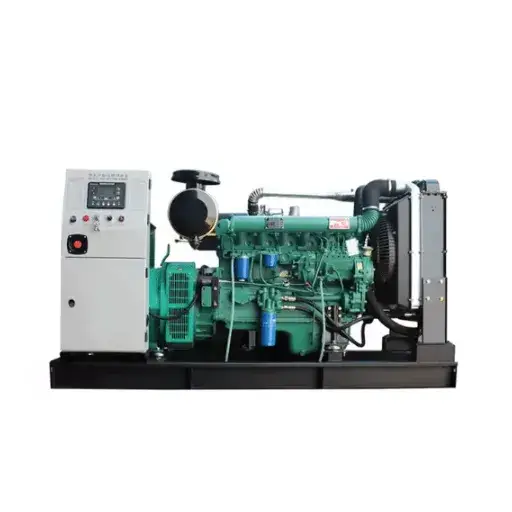
Common Reasons Why Generators Fail to Start
⚠️ Fuel Issues
Generators not starting is, among other things, often due to fuel-related issues. These issues may be the result of either an empty or poorly filled tank, the fuel going bad because of prolonged storage, or clogs forming in the fuel path. To deal with these problems, checking that the generator has fresh fuel and that the fuel paths are clear may suffice. In addition, always make it a point to confirm that the fuel valve is open prior to crude the generator.
🔋 Battery Problems
A thin or dead battery is yet another common reason for starters’ difficult turns. After a while, generator batteries may drain out, particularly if the generator is not frequently used. The starting of the generator may also be hindered by corroded battery terminals or loose connections. It is critical to inspect the battery regularly, clean the terminals and ensure the battery is receiving the right amount of power to avoid this problem.
🌬️ Clogged Air Filter
To run smoothly, generators need clean air. Air filter has to come off as dirty and debris-filled before it can hinder the flow of air, making it really hard for the engine to start. Be kind to the air filter: check it regularly, replace it when needed, and you can be sure of the good working order of engine.
✓ Key Takeaway: By properly dealing with the common issues – fuel, battery, and air filter – the chances of the generator not starting can be reduced considerably. Maintenance work done on a regular basis and occasional checks are the factors that keep your generator in good working order and, thus, are reliable.
Signs of a Malfunctioning Generator
Recognizing the malfunctions in a generator at an early stage can not only save time but also money on repairs. One of the signs that are most frequently associated with this is starting the generator with difficulties or not starting it at all. The causes for this might be like dead battery, clogged air filter or gas shortage. A generator that is tested regularly may help you in promptly detecting the problem.
Another warning sign that you should be on the lookout for is the presence of strange noises or vibrations while the generator is operating. These symptoms might lead to investigation of loose fittings, internal wear, or even damage to the machine. The generator should be immediately stopped and its possible faults checked if it becomes louder than usual or is accompanied by rattling sounds.
Reduced output or variable working of the generator is also a fairly certain sign of a problem. Dimming lights, equipment that is not fully functional, or circuits that trip often may be symptoms of fuel delivery issues, worn-out parts, or the generator’s efficiency decline. It is vital to deal with such issues through professional maintenance or repair for the purpose of regaining the optimal functioning of the generator if any of these signs occur.
Importance of Troubleshooting
Troubleshooting is an inevitable process that helps in identifying and fixing problems before they become serious issues. By diagnosing and treating malfunctioning areas, one can avoid expensive equipment breakdowns or total failure. The result is a reliable operation that consumes less time and money over the period of its lifetime.
If done periodically, troubleshooting will prolong the life of the equipment. For example, the timely identification and repair of the component will reduce its wear and thus prolong its life. This will also allow the manufacturing process to be uninterrupted and the company to have a constant output of quality goods.
Moreover, troubleshooting prevents accidents from happening. The use of defective tools can sometimes be the cause of the employees’ suffering by inflicting electrical shocks or tripping over the equipment. Therefore, early detection and repair of such faults can lead to a safer workplace where workers are not at risk and are also not exposed to the consequences of the breakdown (such as delays in production). Thus, troubleshooting becomes the mainstay of good practice regarding the upkeep and assurance of the performance of any system or equipment.
Essential Troubleshooting Tips

Step-by-Step Troubleshooting Process
- Identify the Issue
First, it is important to state the problem clearly. Look at the system or the device; if there are any error messages or anything that seems unusual, note down the part that is not working as it should be. To gather insights, you can also involve the users or the operators in the process. - Gather Relevant Information
Technical manuals, schematics, and other documents related to the system should be collected. If possible, check the system’s past to draw a timeline of the malfunctions, which might help you in recognizing the patterns of the issues or the recurring ones. - Isolate Variables
Identifying the most probable causes of the problem will be done by carrying out tests on the individual components or subsystems. This method of working leads to a faster discovery of the root cause as it quickly eliminates irrelevant factors. - Consult Reliable Resources
Consult the most trustworthy technical resources or use online tools to take your research on the issue further. Instead of the usual searches requiring phrases, try to rely on specific keywords, error codes, or terms denoting the system used so as to get access to the data and solutions that are relevant. - Implement a Solution
The most appropriate solution is to be implemented as soon as the root cause has been figured out. Always abide by the manufacturer’s instructions or adhere to the industry’s best practices in order to provide a proper resolution and at the same time avoid the danger of new issues arising. - Verify the Fix
Carry out thorough tests on the equipment or the system to make sure that the problem has been fixed. It is also a good idea to keep monitoring the performance of the system for some time before declaring that the restoration of functionality is successful and permanent. - Document the Process
Take down the whole troubleshooting process—steps, findings, and solution. This record can be used for reference in the future when similar problems occur and it also aids in the system’s efficient maintenance.
💡 Pro Tip: The systematic troubleshooting process offers an efficient way to diagnose and solve issues. It also minimizes downtime while enhancing the reliability of operations.
Checking the Fuel System
The fuel system is the heart of an internal combustion engine, sustaining the delivery of fuel that is necessary for the engine to work at its best. When engine problems are being investigated the fuel system is checked first, and the method of examination involves identifying the three main components looking for their proper functioning. First of all, inspect the fuel level and see if the tank is low or empty, which is a common and easily overlooked issue. Then check the fuel lines for any disturbances such as cracks, blockages, or leaks that could prevent the fuel from reaching the engine.
The fuel pump is the most essential part of the fuel system that should be looked at. A bad fuel pump might cause the engine to receive less fuel and then the engine may start sputtering, stalling or even stopping in the worst case. Try to listen when you are turning the key in the ignition for the sound of the fuel pump coming on, if you don’t hear this sound then it might be a sign that the pump is faulty. Also, take the fuel filter and look for any clogs, as a dirty fuel filter can cut off the fuel supply and have a bad effect on engine performance. Often it is necessary to change the filter if there is no improvement after cleaning.
For accurate diagnosis, a fuel pressure gauge can be employed to gauge the fuel pressure in comparison with the manufacturer’s specified range. Readings of abnormal pressure could be an indicator of problems with the fuel regulator or other parts. Moreover, it is very important to make sure the injectors are working properly, as blocked fuel injectors can disrupt the combustion process. Regularly inspecting, cleaning, and maintaining the fuel system is essential to prevent problems and maintain system efficiency. These steps and the use of modern diagnostic tools make it possible to identify faults accurately and at the same time minimize errors.
Inspecting the Battery and Electrical Connections
A properly maintained battery along with dependable electric connections are the main aspects which if taken care of can smooth the operation of a contemporary vehicle or equipment. The first thing to do is to check the battery with your eyes for any damages, the signs of corrosion or leaks. The terminals that are corroded have to be cleaned very well either with a mixture of baking soda and water or using a terminal cleaner that is available in the market. It is important to make sure that all the connections are tight because loose ones or faulty connections could cause the devices to shut down or lead to a problem with the power supply that is not constant.
The use of modern multimeters and diagnostic tools can give the precise voltage readings which are going to be the basis of a good assessment of the battery’s charge and its condition being done effectively. The average completely charged battery will show a voltage reading of about 12.6 volts or more when the engine is off. Furthermore, it is equally important to check for cracks, fraying wires, or burnt areas in the auxiliary systems, such as fuses and wiring, which might be the indicators of the underlying electrical problems.
Applying regular inspections in combination with advanced diagnostic tools and up-to-date technical information can eliminate the chances of random electrical failures occurring and at the same time, prolong the life of the battery and its associated components.
Generator Components to Examine
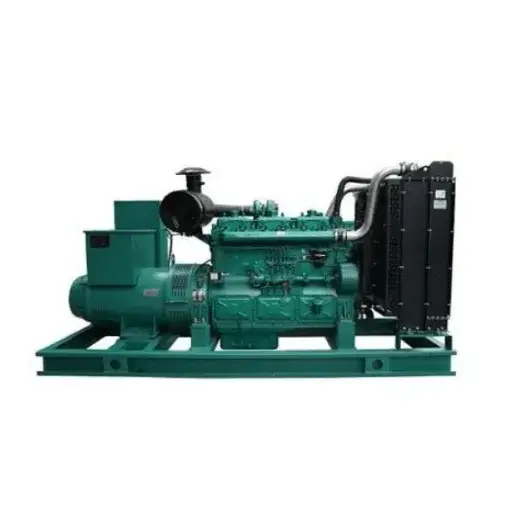
Importance of the Spark Plug
Spark plug is a key part of the internal combustion engine, which not only ignites the air-fuel mixture but provides the whole engine with the power that it needs. A malfunctioning spark plug is the cause of engine misfired, inefficient operation, or even complete non-start. Spark plugs provide the ignition by producing an electrical spark of the desired size that blows up the mixture in the combustion chamber, thus aiding the engine to run smoothly and evenly. Their significance in good engine functioning makes it vital to do inspections and maintenance on a regular basis.
Today’s spark plugs are constructed to endure the high temperatures and pressures of the combustion chamber while delivering precise performance. They are available in different forms, including iridium, platinum, and copper, each type specifically catered to a different engine’s needs. Iridium and platinum spark plugs are considered very durable and long-lasting, sometimes even reaching 100,000 miles, while copper plugs are preferable in high-performance settings due to their great conductivity. The determination of the right spark plug for the engine means maximum performance is delivered along with reduced fuel consumption and pollution.
The symptoms of a damaged spark plug are poor idling, trouble getting the engine to run, more fuel being used, and slower pickup. Checking and changing regularly the spark plugs that are worn out is a good way to keep such problems away, and in addition, it can prolong the life of the other parts of the engine. The use of modern diagnostic gadgets during the inspection makes it possible to catch engine problems that are not so obvious at an early stage and thus ensure that the spark plugs and the whole engine are operating at the maximum efficiency. The existence of first-rate spark plugs is not only advantageous to the engine but also to the quality of the whole vehicle performance.
Role of the Air Filter in Generator Performance
The air filter is of utmost importance in the winning of the generator as it gives clean air to the engine and thus prolongs its life. The performance of the machine deteriorates if the air filter is not operating correctly as it allows dust, dirt, and other particles to enter the engine. These particles lead to wear and tear and reduced performance in the long run. Below are five key points about the importance of air filter in generator performance:
⚠️ Important Note: Changing the air filter regularly and checking it is a very important measure to make sure that the generator is in the best condition to work, especially if it is in places where there is a lot of dust or pollution.
Assessing Other Key Components
The air filter is not the only generator component that needs constant assessment for optimal performance and efficiency, there are also some others that are necessary to be evaluated regularly beyond the air filter. One critical factor is the fuel system which has to be checked for leaks, debris, or clogs that could hinder the flow of fuel and thus the operation. Apart from that, properly stored and stabilized fuel would also be a factor since it prevents issues like contamination and degradation and thus consistent performance is ensured.
The cooling system is another major element that has to be periodically monitored. The generator’s radiator, hoses, and coolant levels must be checked regularly during a long continuous use to avoid overheating. Any cracks, wear, or low coolant levels should be dealt with promptly to avoid engine damage.
Electrical connections and batteries are of equal importance. Dirty terminals or weak, drained batteries can cause the generator not to start. Cleaning the terminals and carrying out regular battery tests will help in preventing unanticipated breakdowns.
Finally, the lubrication system has to be monitored very closely as it is a major factor in the reduction of friction and wear in the engine. Oil level and quality, as well as the replacement of oil and filters, should be done according to the manufacturer’s recommendations. Maintenance of these crucial components not only ensures reliable operation but also prevents costly repairs in the long run.
Generator Maintenance for Longevity
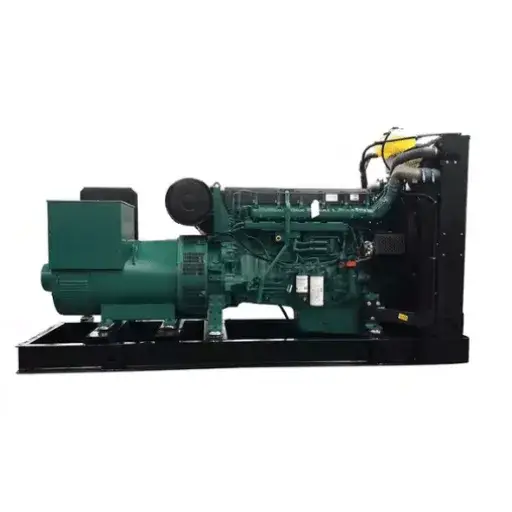
Regular Maintenance Tips to Keep Your Generator Running
✓ Run Your Generator Regularly
One of the primary benefits of running your generator once in a while is that its parts will remain well lubricated and thus there will be no case of the fuel turning into a solid mass or the system clogging up because of fuel. A monthly test run for about 20-30 minutes is quite efficient and also the generator gets ready to take over in case of an emergency situation.
✓ Inspect and Clean the Air Filters
Dirt filters can limit air passage and thus lower the effectiveness. Air filters must be regularly checked for dirt and cleaned or replaced according to the manufacturer’s instructions. A clean filter guarantees that the engine will perform at its best and the generator’s life will also be prolonged.
✓ Check and Replace Spark Plugs
Old spark plugs can cause generator trouble starting and performance dropping off. It is very important to regularly check spark plugs for wear and dirt. If they are in poor condition, it is best to change them to keep the machine running smoothly.
✓ Keep Fuel Fresh and Stabilized
Leaving fuel in the tank for a long period can not only blood the engine but also deteriorate the quality of the fuel. So always use fresh fuel and it is advisable to mix in a stabilizer, which delays the process of fuel degradation. Also, it would be wise to drain the tank if the generator is not going to be used for a long time.
✓ Monitor Coolant Levels
The generator must always have an adequate amount of coolant, otherwise, it will get overheated if used continuously for a long time. Only use the manufacturer’s recommended coolant type and always check for leaks or contamination in the cooling system.
✓ Inspect Belts and Hoses
Belts and hoses can get brittle or crack after they have been used up for some time. Looking for signs of wear and replacing such parts promptly to avoid unexpected interruptions should become your regular practice.
💡 Bottom Line: If you maintain your generator following these tips regularly and according to the manufacturer’s recommendations, you will keep it running well and you will not have to bear the cost of repairs or replacements. It will be a win for you in terms of saving money and time in the long run when you plan ahead and deal with potential problems proactively.
Seasonal Checks and Preparations
Upspring the proper seasonal maintenance of your generator that guarantees its optimum working condition all year round. During freezing weather, your generator should be stored in a well-ventilated, dry place and above freezing. The battery of your generator should be tested to verify that it is good enough since the performance of batteries deteriorates in cold weather. To be on the safe side, a fuel stabilizer is to be used to keep the fuel from going bad during generator inactivity which could be prolonged.
During the warm months, the air filters should be regularly checked and cleaned so that the dust and dirt do not cause any losses to the efficiency. The cooling system should be confirmed to be in good working order so that there are no incidents of overheating during long hours of use. Besides, watch the oil levels closely because high temperatures can result in burning of fuel and oil, thus consuming more.
The combination of the different seasonal requirements plus the very up-to-date insights along with the proven maintenance schedules will allow you to reduce the possibility of unanticipated failures and increase the operational life of your generator. Gradual and smart preparation will make sure your machine remains dependable even when the weather changes.
Common Generator Repair Services
One of the important aspects of keeping a generator in good condition is maintenance. The common repair services that help in attaining this performance include:
- Battery Replacement: The batteries of the generators are used up regularly and they get worn out after some time leading to issues or even failures of the startups. Thus, testing the batteries regularly and changing them on time are steps that help in the prevention of sudden breakdowns.
- Fuel System Repairs: Elements like the fuel pump, fuel piping, and carburetor may become clogged, have leaks, or even wear out all of which affect fuel consumption and performance of the engine.
- Coolant Leaks and Overheating Repairs: Heating-up of the generator may lead to a very serious problem if not attended to on time. By controlling the coolant levels properly and sealing the leaks quickly overheating can be avoided.
- Starter Motor and Alternator Repairs: When starters or alternators have issues the generator cannot be run, and only if they are checked and repaired by professionals can the problem be solved.
- Control Panel Diagnostics: A control panel that is not functioning properly can hinder the generator’s capability to operate effectively. Regular diagnostics are used to uncover problems at an early stage.
- Air Filters and Exhaust Maintenance: Blocked airflow through dirty air filters or unsupported exhaust systems leads to less output of energy; thus cleaning or replacing air filters and exhaust systems is of utmost importance in the overall efficiency of the generator.
💡 Investment Tip: The investment in the routine maintenance along with the fast repair services can be very beneficial in having a smoothly running generator. By tackling these issues ahead of time, you can reduce the downtime of the generator and also protect your equipment during times when power is critical.
When to Seek Professional Help

Identifying Complex Generator Issues
Complex generator problems, there are some signs that call for a technician’s support. Power fluctuations that last too long, outages happening too often, or weird sounds coming from the generator during its operation are usually the signs of internal parts needing to be either repaired or replaced. Issues might be with the voltage regulator, alternator, or even the engine itself. It is not recommended to try to sort out such problems without the proper expertise as it can lead to more damage or even risks to safety.
Another important aspect has to do with identifying electrical problems, like the trips of circuit breakers or the poor voltage output. These issues usually cause the burning of circuit breakers, non-existing voltage and so on. The cause of these problems lies within the labyrinth of wiring or maybe even the interconnection point, which is so tricky that it requires special tools and equipment for diagnosis. However, the electricians are able to find out the exact problem with the electrical circuit and also at the same time follow the safety regulations that are required in the process of returning to the perfect working condition.
Last but not the least, fuel system issues like blocked injectors or irregular fuel flow can severely reduce the efficiency of generators. Advanced fuel delivery systems are used in modern generators and these systems necessitate utmost precision in calibration. Yet the technicians are well trained and knowledgeable and therefore able to handle these challenges swiftly thus guaranteeing long life and avoiding expensive repairs. Timely diagnosis of complicated problems and getting professional help ensure that your generator will be kept running, and its reliability during critical power events will also be ensured.
Cost Considerations for Generator Repairs
The expenses related to generator repairs can vary a lot among the different types of problems, the generator’s make and model, and repair operations. Minor repairs such as a tune-up or battery replacement usually cost around $100 to $500 on average. However, major problems like engine repairs or part replacements could cost between $500 and $2,500. Besides, labor costs, the time to obtain parts, and the age of the generator will also influence the final expenses very much.
Another thing to think about is if the generator you have is covered by a warranty. A large number of manufacturers do offer warranties on their very products that will cover specific parts or repairs within a given time frame and this could represent a huge saving for you. But the warranty’s standard procedure does often entail a lot of limitations so it’s wise to get familiar with the terms and conditions around your case before assuming the repair will be free of charge. In case of older generators with no warranty available, the owner might want to make an assessment regarding whether it is the costs to repair the unit or to purchase a new one with the latest technology and more energy efficient.
Proper maintenance of the generator is a very important factor in the long term repair cost reduction. The combination of regular checks, oil changes and filter changes can keep minor problems from becoming major repairs. Adequate maintenance is the manufacturer’s recommendation to ensure your generator not only operates at optimum performance but also that expensive breakdowns are avoided. A yearly contract with a service provider might also be a good idea to avoid unexpected repair costs and give you the peace of mind that your generator is reliable when needed most.
Frequently Asked Questions (FAQ)
❓ Why my generator won’t start even though it’s cranking?
In case your generator is cranking and yet won’t start, bad ignition or a faulty spark plug with no spark are common reasons, clogged carburetor caused by old fuel, a closed fuel valve or blocked fuel line from the tank to the carburetor, low oil or a triggered oil sensor that prevents the engine from running being the other possibilities. Spark plug should be inspected and cleaned or replaced accordingly, and clogs should be checked in the fuel tank and filter, and adjustments made for the fuel valve and choke, and oil level checked and the right type of oil should be used.
❓ How do I troubleshoot a gasoline generator that won’t start?
Troubleshooting a gasoline generator starts with checking the fuel system (gas tank, fuel valve, hose from the intake, fuel filter) for old fuel or clogs. Then check for spark: if plug is fouled—replace it; then use an ignition test or multimeter to check for electrical current at the plug; double-check that the choke is in the right position; keep an eye on the oil level and oil sensor; make sure circuit breakers and switches are in the correct position. Follow generator service and maintenance steps for small engine care to get it running.
❓ What if the generator still won’t start after replacing the spark plug?
The generator will still not start and what to do next if you have already replaced the spark plug—that cleaning of the carburetor and checking of the tank to carburettor hose for clogs is done, testing ignition with a multimeter, making sure fuel is fresh (old fuel can prevent combustion), checking the air filter and airflow, inspecting oil level since low oil can stop the engine from starting are among the steps to take. With these taken care of, generator repair or service may now be an option.
❓ Can old fuel cause a generator not to start, and how do I fix it?
Yes, old fuel is a common issue responsible for your generator not starting. The reason behind this is that gasoline degrades and it can clog the carburetor and fuel filter, thereby preventing the generator to start or run poorly. The solution is to drain the gas tank and replace it with fresh fuel or alternatively, if the generator is designed for it, you can use propane, clean the carburetor and fuel line and inspect the hose from the intake to the carburetor. Generators should be used regularly and if they are not, proper storage will keep them in good condition.
❓ How do I check and address low oil or oil sensor issues preventing the generator from starting?
To determine if the oil sensor is causing the problem, check the oil level and ensure that the generator is on a level surface when measuring. Clean oil with the correct type and amount recommended for your small engine should be used. If the oil is at an insufficient level, it should be topped up; if the oil sensor is faulty, it might be a case of needing generator repair or service to replace the oil sensor because the engine may not start even when oil is adequate. The practice of checking the oil level frequently turns out to be a reliable strategy for keeping the generator dependable and ready for use.
❓ What role does the choke play when a generator won’t start and how should I use it?
The choke is the one that supplies the fuel-air mixture of a higher concentration for cold starts. If the choke is left to close or open incorrectly, the generator might not start. For cold start, the choke should be set to the closed or start position, attempt to start the engine, then slowly open the choke gradually as the engine is running. If the generator still refuses to start, carburetor, spark and fuel supply should also be inspected.
❓ How can I test the ignition system and spark plug with a multimeter or ignition tester?
Checking spark requires you to remove the spark plug, clean or replace it, connect the plug boot and ground the plug to the engine, then pull the starter to see a blue spark or use an ignition spark tester. A multimeter is then used to check for electrical current as well as continuity in the ignition circuit and coil. In case there’s no spark, it becomes necessary to incorporate the ignition coil or related components into generator repair or service.
❓ My generator runs briefly then dies — what are the likely causes and fixes?
Whenever the generator dies after starting, reasons can be clogged carburetor jets from old fuel, a blocked fuel filter, and a hose between tank and carburetor being blocked, dirty air filter limiting airflow, and faulty fuel valve on the fuel valve or intake side. Clean the carburetor, replace the fuel filter, ensure the gasoline is fresh, inspect the air filter, and confirm that the fuel valve and fuel line are opened and free from obstructions.
References
- 📄 Control of Biodiesel Generator Set in Biomass Gasification Emulation for Use in Emergency Energy Module (EEM)
This document discusses generator control and challenges, including restarting and load changes. - 📄 Online Monitoring Technical Basis and Analysis Framework for Emergency Diesel Generators
This report provides insights into troubleshooting and diagnosing emergency diesel generators.
🔧 Final Thoughts
Maintaining your diesel generator in optimal condition requires regular attention, systematic troubleshooting, and prompt action when issues arise. By following the guidelines outlined in this comprehensive guide, you can significantly reduce downtime, extend your generator’s lifespan, and ensure reliable power when you need it most. Remember, preventive maintenance is always more cost-effective than emergency repairs.