
A trustworthy backup power source can really help when there is a blackout. Besides, if it’s just powering essential equipment, maintaining a pleasant atmosphere during harsh weather, or making sure life goes on, then a home diesel generator is a lifesaver that many people count on. But, with the abundance of choices available, it is really hard to find out which is the best generator for your unique requirements. So, this guide is here to assist you! We will cover everything, from how diesel generators work to what are their advantages, costs, and features, so that you can be able to decide on the most efficient and effective way of powering your home.
Understanding Diesel Generators
What is a Diesel Generator?
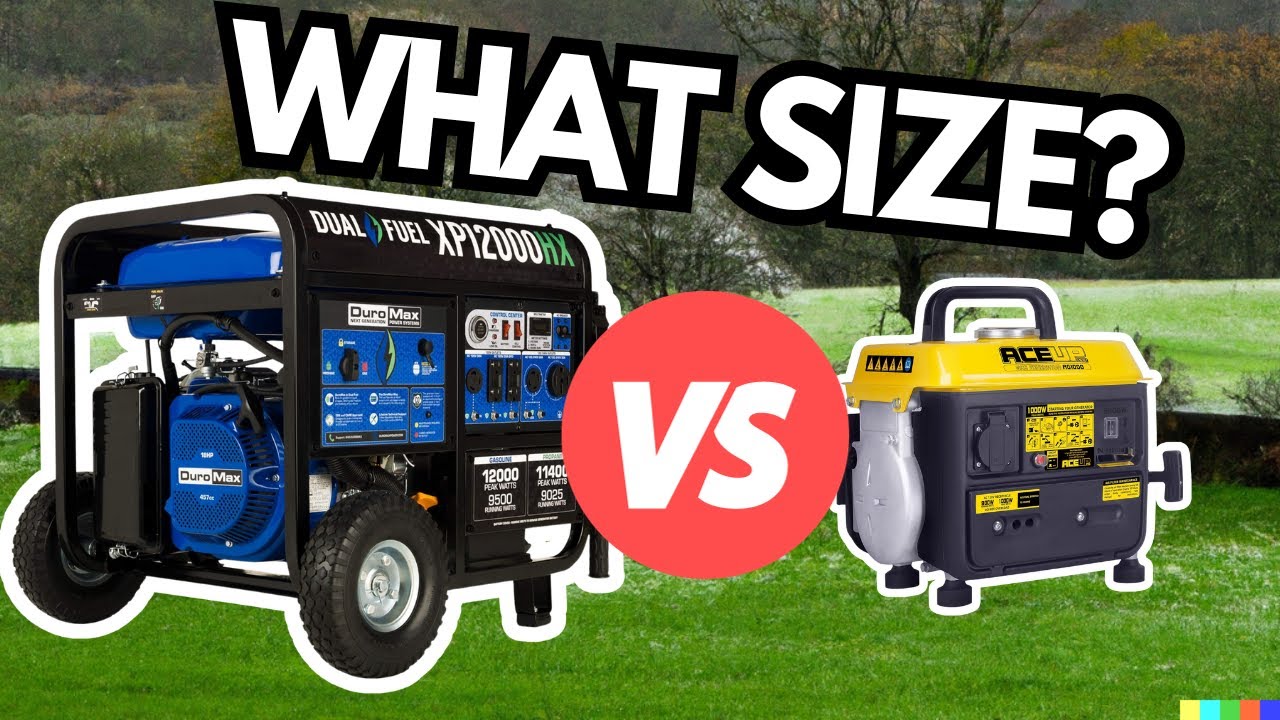
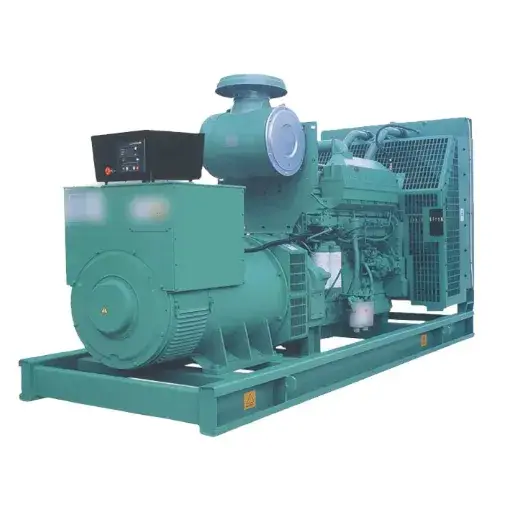
A diesel generator is a lot like any other generator, but it burns diesel instead of gasoline or natural gas. It is an internal combustion engine that serves as a backing power supply in places where one cannot get direct access to the electric grid or where power outages occur. The stable and energy-efficient fuel, diesel, is the one that ignites in the engine, turns the generator, and thus the electric current is produced.
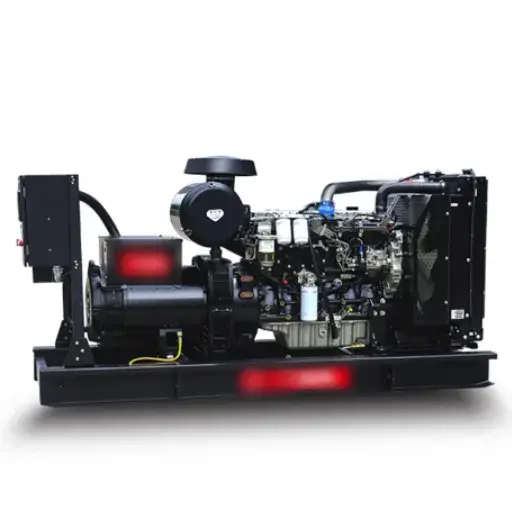
Diesel generators are often used in residences, commercial centers, and industrial plants mainly because of their robust nature and continuous power supply for prolonged time periods. The range of these generators goes from portable units that can be used for small-scale applications to huge industrial-grade generators that can even supply power for entire facilities. Among the latest innovations in diesel generators is the incorporation of automatic transfer switches, enabling an uninterrupted power supply during blackouts.
Key Advantages:
- Longevity: Generally, diesel engines last longer and their operation costs are lower compared with generators running on other fuels.
- Fuel Availability: Diesel is available almost everywhere which makes generators powered by it a viable option for both emergency power supply and off-grid applications.
- Cost-Effectiveness: Lower operational costs over time due to fuel efficiency and durability.
A proper understanding of the working of these machines would allow you to buy a generator that would be able to meet your specific energy needs.
How Diesel Generators Work
The diesel generators are one of the sources of electrical power as they are able to convert the chemical energy from the burning of diesel fuel into electrical energy. The whole process starts when the diesel fuel is ignited inside the engine which leads to the combustion of the fuel to heat up the engine and the pistons inside it move up and down. The pistons movement turns the crankshaft resulting in the production of mechanical energy.
The Power Generation Process:
- Fuel Ignition: Diesel fuel is ignited inside the engine chamber
- Combustion: Fuel combustion heats the engine and drives pistons up and down
- Mechanical Energy: Piston movement turns the crankshaft, creating mechanical energy
- Electromagnetic Induction: The alternator converts mechanical power to electricity
- Power Output: Electrical current is delivered to connected devices and systems
This mechanical power is sent to the generator’s alternator which is a very important part of the generator that produces electricity, where the method of electromagnetic induction is applied. The alternator thus uses mechanical power from the engine to spin the rotor inside the magnetic field which is responsible for the production of electricity in the form of current that is then passed on to the sockets where electric devices or systems are powered. The diesel engines have the high efficiency that they are able to perform this whole process and thus, they are the most preferred source of power generation.
The modern diesel generators are very intelligent and they also come with control systems to command output for a consistent electricity supply according to the requirement. The generators can be classified into different categories based on their sizes and power ratings and thus they are very versatile in their applications ranging from small residential users to big commercial or industrial facilities. Their long life and high performance make them the most reliable option by the electrical power consumers spread in various locations wanting continuity of power services.
Types of Diesel Generators for Home Use
Generators that run on diesel fuel for residential use basically divide into three primary groups. The categories of these include portable diesel generators, standby diesel generators, and inverter diesel generators. Each of the three types has different pros that are suitable for various household requirements.
Portable Diesel Generators
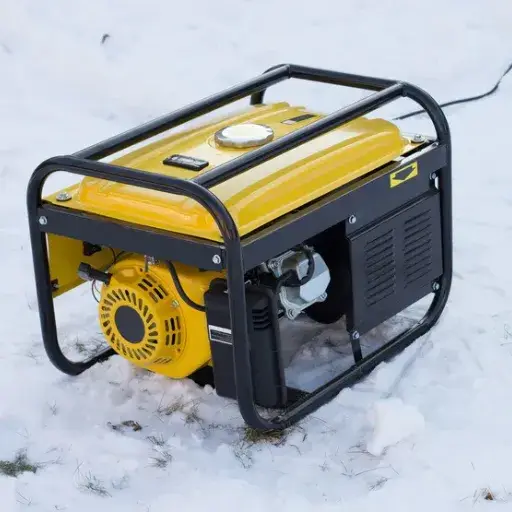
Portable diesel generators are very small and lightweight which also makes them perfect for the situations when power is needed temporarily or as an emergency. They are frequently used for camping or during a momentary power cut. These generators are quite easy to move and handle and are usually not meant to cater for high power demands.
Standby Diesel Generators
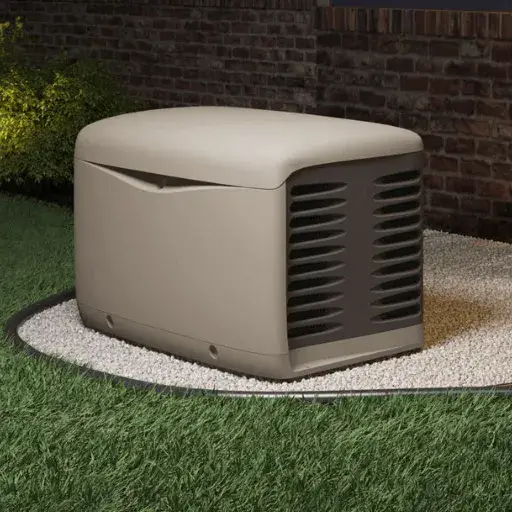
Standby diesel generators are those that are installed permanently and they get activated automatically as soon as there is a power cut. They are very dependable with homeowners who cannot afford even a small power interruption for their key electrical devices like refrigerators, heating systems, and medical appliances. These units are built to bear more energy load and they also have the capability of supplying power for long periods.
Inverter Diesel Generators
Such generators are most of them incorporated with great fuel-economy along with the ability to make clean and stable power. They can take care of such devices as computers and home entertainment systems because these are the most sensitive electronic issues regarding power. Moreover, they are very quiet and environmentally friendly but still, they come at a higher price than other types of generators.
The decision about which generator is the best for you depends on the specifics of your case, like your house size, energy needs during blackouts, and the amount you can afford. Also, it is crucial to have regular maintenance for the generator to be the reliable and functional source of power during emergencies.
Benefits of Using a Home Diesel Generator
Reliability and Performance
Home diesel generators are recognized for their remarkable reliability and strong performance, which is why they are very much demanded by people who need uninterrupted power supply. Following are the five main aspects that characterize their reliability and performance:
Thus, by offering these benefits, the diesel generators are a reliable source of power in different situations.
Fuel Efficiency of Diesel Generators
When it comes to generators, diesel generators definitely stand out in the fuel-saving department. Their efficiency roots are found in the nature of diesel engines, which are capable of providing a huge power output with little fuel consumption. Below are five points why diesel generators are fuel-efficient:
Fuel Efficiency Advantages:
✓ Higher Energy Density
When compared, diesel fuel has a higher energy density than other fuel varieties like gasoline, which is one of the main reasons for the preference of diesel generators as they will produce more energy from the same quantity of fuel and thus less number of refills.
✓ Lower Fuel Consumption
Diesel generators are constructed in such a way that they leave no fuel for the alternate generators, hence they are most fuel efficient. This ensures that the overall cost of the operation is lower for long durations.
✓ Longer Continuous Operation Time
Thanks to their fuel efficiency, diesel generators can burn through a longer period of time with one tank. This is especially useful in applications that require an uninterrupted power supply, like industrial or emergency backup systems.
✓ Advanced Technology Enhancements
The fuel injection systems in modern diesel generators have been made more efficient and turbochargers installed which reduces the amount of fuel consumed and also the emissions resulting from the burning of the fuel.
✓ Cost Savings on Large-Scale Operations
Diesel generators could save a lot of money in a large-scale operation where energy needs are high. Their fuel efficiency cuts down the operating costs significantly and thus they are widely used in the industrial and commercial sectors.
Together these aspects make diesel generators a reliable and efficient power generation option that can be adapted to various circumstances and demands of the power.
Cost-Effectiveness Over Time
The most significant benefit of diesel generators is that they are the most economical option for power and energy supply in the long run. Such long-lasting beneficial conditions are in the form of the factors listed below, which exhibit the longevity of diesel generators’ cost-effectiveness from different angles:
Long-Term Cost Benefits
These factors help to draw the line for the cost of diesel generators and give proof to their being a reliable solution for both short-term and long-term energy needs.
Routine Maintenance Practices
Regular Checks and Servicing
Regular maintenance is very important for the efficiency and the lifetime of the diesel generators. One of these regular inspections is checking the oil, and doing an oil change when necessary. Oil that is clean is to provide the least resistance between engine parts and to give the engine its best performance. The manufacturer is the best source to define the precise intervals for oil changes, which are commonly between 250 and 500 hours depending on the generator model and weight conditions.
The other part of the maintenance is managing and changing the air filters. Air filters that are dirty or full limit the airflow to the engine which in turn fuels more with less efficiency and also creates harmful deposits. Together with air filters, fuel filters should also be swapped out regularly to help keep the fuel injection system free from damage due to contaminants and sediment. This assures a smooth flow of fuel that results in even generator output.
Battery maintenance is the last aspect but it is very significant in case of emergency. The battery must be kept in good condition by making sure there is no corrosion on the terminals, there is enough electrolyte in the battery and the voltage is tested regularly. Besides, the electrical connections, belts, and hoses need to be checked for wear and tear and if they are found so they should be replaced. Following these regular maintenance practices, the operators will be able to get the most out of their diesel-powered generators and at the same time, the risk of sudden breakdowns will be reduced.
Common Maintenance Tasks
The reliability and efficiency of generators running on diesel during crucial periods depend greatly on proper upkeep. A list of the main activities to do is as follows:
Essential Maintenance Checklist
⚡ Regular Test Runs
Run generator under load regularly to reduce carbon deposits and ensure engine readiness when needed.
🔧 Oil Changes
Regular oil changes every 100-200 hours protect engine parts from wearing down. Check and replace according to manufacturer’s directions.
⚙️ Fuel System Inspections
Drain water separators and change fuel filters regularly. Contaminated fuel can adversely affect engine performance.
❄️ Cooling System Care
Check coolant levels periodically and replace according to schedule. Keep radiator free of debris to prevent overheating.
🔋 Battery Maintenance
Check voltage, inspect terminals and cords for corrosion or damage. Replace battery if it starts losing power.
🌬️ Air Filter Replacement
Replace dirty filters to ensure sufficient air intake. Dirty filters cause efficiency drops and performance damage.
🔗 Belts and Hoses Check
Inspect for cracks, fraying, or looseness. Replace immediately to prevent further damage from constant use.
Combining such maintenance practices with regular updates from reliable sources on the best practices, operators can have their diesel generators kept in the best working condition. The use of recent insights from the industry not only helps to keep the maintenance schedule in line with the current standards but also leads to more effective upkeep and prevention of expensive repairs.
When to Call a Professional
I sometimes think about how the upkeep of a diesel generator might go beyond my knowledge or comfort zone. In case I hear strange noises, feel too much vibration, or see some liquid dripping that may imply there is a fault, I will call in an expert. These might be signals to act quickly and to get the problem assessed by a professional in order to prevent more severe and expensive damage.
Warning Signs That Require Professional Help:
- Strange noises or excessive vibration during operation
- Liquid leaks that may indicate system failure
- Failure to start after several attempts
- Unstable operation when running under load
- Fuel system or battery malfunctions
Another instance when I would call in an expert is if the generator refuses to start after several tries or it is unable to run steadily when it is on load. This may mean that the fuel system, battery, or other vital parts are malfunctioning and the situation needs to be left to an expert with the right tools and skills. The dependability of the generator is very important, so I do not take risks on these issues.
I also give top priority to regular professional checking and servicing of the generator even when it is performing perfectly. Skilled technicians can perform through inspections, overhaul and replace old parts, and do adjustments that go beyond normal user maintenance. Their knowledge secures the perfect condition of my generator and thus there is the aspect of being worry-free and having reliable performance even during the time of need.
Environmental Impact of Diesel Generators
Understanding Emissions
While diesel generators serve as efficient backup power sources, their contributions to environmental pollution cannot be overlooked. They release a mixture of toxic components which include carbon dioxide (CO2), nitrogen oxides (NOx), and particulate matter (PM). CO2, the worst greenhouse gas, directly caused climate change, and the NOx gases are responsible for both smog and respiratory disorders. Sootlike particulate matter is often visible and can even infiltrate lungs, thereby making health conditions worse.
Modern Emission Reduction Technologies:
- Diesel Particulate Filters (DPFs): Significantly reduce particulate matter emissions
- Selective Catalytic Reduction (SCR) Systems: Lower nitrogen oxide emissions substantially
- Advanced Fuel Injection Systems: Improve combustion efficiency and reduce emissions
- Biodiesel Blends: Cleaner alternative with lower greenhouse gas emissions
- Hybrid Systems: Combine diesel with other power sources to minimize runtime
The recent innovations in the diesel generator field has been focusing on the reduction of pollution through new fuel injection systems, better exhaust treatments, and going hybrid. For example, the application of diesel particulate filters (DPFs) and selective catalytic reduction (SCR) systems can bring down PM and NOx emissions to a large extent. Moreover, biodiesel blends have been identified as a cleaner substitute for conventional diesel and thus less greenhouse gas emissions, although the issues of its adoption to large scale and its effect on engine performance need to be scrutinized closely.
It is necessary to know the emissions and their wider effects if one is to make a balanced judgment of the environmental price of the diesel generators. The awareness of, and the bringing into use of, newer and more eco-friendly technologies are capable of reducing these impacts whilst still providing the power solutions that are indispensable.
Comparing Environmental Impact of Diesel vs. Natural Gas
Diesel engines emit more NOx and particulate matter, while natural gas engines have lower emissions, lower CO2, and are more cost-effective but need infrastructure expansion, which is a downside.
Safety Tips for Diesel Generator Use
Installation Safety Guidelines
The most critical factor in the proper installation of diesel generators is their location which will directly affect their safety, performance, and regulation compliance. We suggest the following guidelines which are indispensable:
Critical Installation Guidelines
📍 Choose the Right Location
Diesel generators need a location that is not only well-ventilated but also has an area that permits unobstructed inflow and outflow of air through the exhaust. The site chosen should be kept clean from combustible materials, and it should be safe for maintenance and inspection.
🏗️ Create a Reliable Foundation
A generator should be mounted on a steady and flat ground, like a concrete slab, in order to stop the unit from shifting or vibrating when running, which reduces the overall life of the machine and causes loudness to increase.
⚡ Observe Electrical Codes
It is necessitated that all electrical connections conform to the corresponding local codes and standards. A qualified electrician is the only one to do wiring to ensure that grounding is done correctly and that there are safe connections to the transfer switch and load.
💨 Correct Exhaust System Installation
The exhaust system ought to be directed towards the outdoors to avoid indoor accumulation of poisonous gases like carbon monoxide. The exhaust components should be installed tightly to eliminate the possibility of leaks.
⛽ Employ Authorized Fuel Storage
Diesel fuel has to be stored in containers that are certified and leak-proof, and preferably that are located away from the generator and any heat sources. Spill containment measures should be put in place so as to lessen the risk of harming the environment.
🧯 Install Fire Safety Equipment
Fire extinguishers that are rated for fuel fires must be placed close to the installation site. The nearby enclosed areas should also have smoke and carbon monoxide detectors installed.
✅ Perform Pre-start Checks
Before the generator is started, check its fuel and oil levels, and coolant levels. Look for damages that are easily visible and make sure that all fitments are tight.
🔇 Noise Control Measures
To reduce noise pollution, you might consider setting up sound-absorbing barriers or enclosures around the generator, especially in residential or noise-sensitive areas.
By adhering to these installation safety regulations, the diesel generator’s efficiency can be maximized and at the same time, all people and nature will be protected who share the dependency on its operation. Do not forget to always refer to the manufacturer’s user manual and comply with the local regulations to achieve the highest safety level.
Operating Your Generator Safely
The safe operation of a diesel generator is guaranteed only if its safety risks are managed properly and at the same time its performance is maximized through the use of the best practices. Regular inspections before and after each use should be the first step in the process. This will help to detect any possible sources of trouble like fuel leaks, the parts that have reached their life span or the ones that are not connected tightly enough that could adversely affect the safety.
Safe Operation Best Practices:
🌬️ Ensure Proper Ventilation
Never forget that the generator should always be operating in a ventilated area to avoid the build-up of the dangerous gases produced by the engine, including carbon monoxide. In case of operating the generator inside or in a closed space, then carbon monoxide detectors should be installed for air quality monitoring purposes. Also maintain a distance of at least 20 feet from the generator to the windows, doors, or any other openings used for ventilation.
⛽ Safe Fuel Management
Another important thing that comes along with the safety of the generator is how to manage its fuel. Authorized containers should be used for fuel storage and the place should be moderate in terms of temperature, away from the heat sources and fire hazards. It is permissible to refuel the generator only when it has cooled down to a safe temperature and accidental ignition is therefore prevented. Always use the fuel type that is recommended by the manufacturer in order to avoid engine damage and ensure optimal performance.
👨🏫 Operator Training
Lastly, but not least, ensure that all possible operators are taught the correct way of using the generator. The user manual should always be at hand and people should be trained in emergency shutdown procedures, basic troubleshooting, and essential maintenance tasks. Being knowledgeable and applying these safety measures will make your generator operate dependably yet at the same time it will create a safe atmosphere for all.
Emergency Procedures and Precautions
Establishing a clear and actionable plan is the first step to going through generator-related emergencies. To begin with identifying risks, the risks of generator use include fuel leaks, fire hazards, and carbon monoxide exposure. First of all, professional fire extinguishers rated for electrical and chemical fires should be very close to let the users of the generator always ready for the worst scenarios, and the extinguishers should be checked every once in a while too.
Emergency Response Protocol
1. Emergency Shutdown Protocol
Create an emergency shutdown protocol and place clear instructions near the generator that will allow operators to respond in urgent scenarios. This protocol must contain the steps to disconnect the generator from the power source safely, cut off the fuel supply, and turn the engine off within seconds. Very often practicing these protocols with all the involved staff would lead to building people’s familiarity and cutting the response time during a real crisis to almost nothing.
2. Carbon Monoxide Monitoring
On top of this, install carbon monoxide detectors in the areas of frequent generator use to carry out exposure monitoring. The alarms will sound and operators are expected to take an immediate action of relocating people if they hear the sound. Proper ventilation that involves installation of the generator outside, a considerable distance away from windows, doors, and vents, can even more reduce the danger of carbon monoxide poisoning.
3. Emergency Contacts
At last, have emergency contact numbers like the local fire department, maintenance professionals, etc., at hand all the time. These measures will not only ensure safety for people involved but also allow for effective handling of unexpected events.
References
-
University of Michigan – Portable Diesel Fuel Generators: Provides guidelines on diesel generator installation and environmental safety.
-
North Dakota State University – Standby Electric Generators: Discusses engine-driven generator models, including diesel options, and their safety considerations.
-
National Renewable Energy Laboratory (NREL) – A Comparison of Fuel Choice for Backup Generators: Analyzes the costs and benefits of diesel generators compared to other fuel types.
Frequently Asked Questions (FAQ)
❓ What is the operating time of a diesel standby generator and what factors affect it?
The operating time of a diesel home generator is dependent on the tank size, the load, and the fuel efficiency—the latter is often indicated by the number of hours the engine gives per gallon of diesel. On one hand, low-emission diesel engines and large storage for diesel make it possible for their extended run and long-term usage—their advantages make them suitable for domestic users with an efficient handling of diesel fuel for the large backup needs. On the other hand, energy management and proper sizing work together to prolong runtime whilst maintaining reliable power for critical loads.
❓ Is a diesel generator the correct generator for my house or business?
The selection of the right generator is on the bases of the application needs and if you want a small home backup, or if you need an option for large backup power. Diesel generators are robust in design and are used in harsh environments, supplied with high-load and even at situations where diesel fuel is the only available source on-site. The people who install a diesel generator in their home are assured of a constant supply of electricity; likewise, the business operators whose fuel strategy is efficient also find diesel to be a good option for the continuous operations.
❓ What is the interaction of a diesel generator with other sources of power like solar panels or batteries?
Diesel generators can be used along with solar and battery storage systems to form hybrid energy systems. In normal situations, solar and batteries meet the daily loads; during emergencies, a home generator can kick in to supply power and simultaneously recharge the batteries. This not only increases the energy management options but also lowers the runtime of the diesel unit while still securing the power during times when renewable sources cannot meet the demand.
❓ What maintenance and fuel factors are associated with home diesel generators?
The necessary actions regarding the maintenance of these diesel generators are changing oil and filters regularly, checking coolants, doing battery work, and running the engine to keep it clean and free of deposits. Large diesel fuel storage will need to be treated for the prevention of organisms that cause microbial growth and rotating stocks will have to be done carefully; onsite storage of diesel fuel is possible but it must be monitored for long-term use. Diesel engines are inherently long-lived but good maintenance will ensure that the seed of reliability in operation is sown and peace of mind is created for both homeowners and business owners.
❓ What is the noise level of diesel home generators and what are the noise reduction techniques?
The modern diesel home generators have made their operation quieter by using soundproof enclosures, mufflers, and employing installation methods that minimize vibration and noise from both air and ground. When residential areas are concerned about noise, pick the models equipped with quieting features or think about putting the generator further from living areas. A quiet diesel standby generator combined with a proper situating can let your home and family be comfortable while generators sit there and keep providing power just like they are dependable.
❓ Is it possible for a diesel generator to operate on alternative fuels such as propane or natural gas?
Some systems are dual-fuel or convertible, but diesel generators typically run on diesel fuel; diesel-fueled generators are optimized for diesel fuel alone to achieve fuel-efficient diesel performance. Natural gas and diesel generators are different technologies—natural gas generators are convenient where pipelines exist, while propane can be used in certain dual-fuel setups. Owners with an efficient fueling plan should evaluate options, as engines are designed for specific fuels and conversion may affect reliability and warranty.
❓ What a home diesel generator is and in what ways it is better than the other standby generators?
A home diesel generator is a generator that runs on diesel fuel, which is capable of supplying electrical energy to a house as a backup power source, usually it is a diesel standby generator that can be used for standby purposes during outages. The main advantage of diesel home generators over natural gas or propane models is that they are capable of furnishing reliable power and are suitable for long-term use owing to the onsite fuel storage and the fuel-efficient diesel motors. Although solar panels and battery storage are quite eco-friendly and have fast switching times, the diesel generators are still the most preferred option in large backup power cases, peak demand times, and areas needing long run and reliable backup power.
❓ Are diesel home generators safe and appropriate for living?
An adequately installed and well-maintained home diesel generator is safe for use during the day and night in the house and residential areas surrounding it. Modern ones offer noise-reduction and emission-limited features as well as quieter operation. Installation must conform to local regulations, include necessary ventilation and containment for the storage of on-site fuel, and be positioned as to have the least impact on the neighbors. In case of sensitive electronics, think about connecting a diesel generator with energy systems like surge protection or battery storage to have your home safe and your devices secured.
Final Thoughts
Investing in a home diesel generator is a significant decision that requires careful consideration of your power needs, budget, and maintenance capabilities. With proper installation, regular maintenance, and safe operation practices, a diesel generator can provide reliable backup power for years to come. Whether you’re protecting your home from unexpected outages or ensuring business continuity, understanding the features, benefits, and responsibilities of diesel generator ownership will help you make the most informed choice for your specific situation.