
When reliability becomes an issue of practicality, the importance of essential infrastructures such as hospitals becomes too pronounced. Hospitals or any other establishments cannot afford to stop their operations, hence the need for backup power systems. Without such machinery, there would be no supplying power to life-supporting equipment or rooms for surgery operating.
Every facility, and more especially hospitals, considering a backup power system otherwise known as a generator, has salient required criteria that must be fulfilled with regard to its purchasing. Norms, standards, and best practices are helpful in determining the functionality of a generator; however, there are more demanding requirements for institutions like hospitals.
Importance of Backup Generators in Hospitals
Role of Emergency Power in Healthcare
Hospitals should always have serious backup power resources in place because there are emergency situations that arise in healthcare delivery that are critical in nature. There is no warning whatsoever that a power loss due to a storm, faulty equipment, or electrical situation overload will happen, hence hospital generator requirements cannot be compromised.
Key Functions of Emergency Power Systems:
✓ Provides Support to Life Support Systems
Ventilators, monitors, and dialysis machines are all known as life-supporting equipment that must have power whenever required. The main reason for the importance of power backup is that every one of those devices will have to be regularly operational from time to time.
✓ Ensuring Surgeons Continue Working
It is very important to maintain power in the operation room because the lights used for surgery, the monitoring machines, as well as all other machines which need power to be in operation should be left operational. With a blackout occurring during such an activity, the available options ought to include a working alternative source of power.
✓ Data Security and Continuity of Systems
For facilities of medical nature, providing service and treatment to patients will necessitate the use of electronic health records (EHRs), diagnostic databases, and other information systems. The availability of adequate power backup ensures that these systems remain functional, which is key to safeguarding patient information as well as facilitating easy communications within the premises.
✓ Supporting HVAC Units
Systems for heating, ventilation, and air-conditioning (HVAC) enforce control of temperatures and airflow in clean environments such as operating theatres and intensive care units (ICU). Such systems are essential even in emergencies, hence depend on auxiliary power supplies to continue functioning.
✓ Enhancing the Ability to Respond
In the event of any environmental catastrophe or disaster that causes mass injuries, there tends to be a massive surge in patients forcing hospitals to mobilize resources fast. The presence of backup generators makes it possible to maintain emergency illumination, communication equipment, and medical devices so workers are able to serve the patients.
Key Takeaway: Reliable emergency power enables hospitals to remain functional during critical moments, safeguarding both patient lives and operational integrity.
Consequences of Power Failure in Medical Settings
The shortfalls of power in medical practice are not only inefficiency but can lead to more adverse conditions. Energy is the key to the survival of medical machines, such as ventilators, dialysis machines, and infusion pumps, that aid the existence of patients. Such patients are left stranded if no alternative comes in place.
Critical Impacts of Power Failures:
- Life-supporting equipment becomes non-functional, endangering patient lives
- Operating rooms and intensive care units lose proper room conditioning
- Hospital communication systems are cut off, making decisions and implementing treatments impossible
- Patient files and medical records become inaccessible to healthcare professionals
- Refrigerators storing vaccines, drugs, and blood supplies may break down, causing supplies to spoil
- HVAC systems may completely shut down, making the hospital uninhabitable or unsafe
Reliability and Safety Standards
Hospitals are expected to operate under strict guidelines and standards said to be “life critical” for the safety and health of people in a hospital. These standards come under the umbrella of NFPA 110, which is the emergency and standby power systems standard. Performance, installation, and maintenance aspects are addressed in order to guarantee the performance of emergency power supplies and prevent failures of these systems.
Key Regulatory Bodies & Standards:
- NFPA 110: Emergency and standby power systems standard addressing performance, installation, and maintenance
- The Joint Commission: Accredits hospitals with standards including regular testing and maintenance of standby power facilities
- ISO & UL: Engage in equipment certification for emergency power systems, ensuring quality and safety
- Environment of Care Standards: Require routine generator load testing and power equipment inspection
Generator Systems for Hospitals
Types of Backup Power Systems
To improve electricity efficiency for hospitals in times of outages, one of the backup energy sources available are backup generator systems. Most of this equipment will be divided into two relevant categories: diesel power generation systems and gas power generation systems.
Diesel generators remain popular since they can be easily dependable, consuming less fuel while ensuring that hospitals remain operational within the shortest time possible. These require stored diesel for their operations and hence are not connected to any grid; however, they do demand a degree of upkeep.
Natural gas generators are mostly avoided, but they can be used in organizations that are close to the gas supply. They use a clean, environment-friendly fuel and produce less pollution than diesel generators. It should be noted, however, that such equipment can be perilous in gas-fed regions in the event of natural disasters.
Diesel vs. Gas Generators
Hybrid Power Solutions
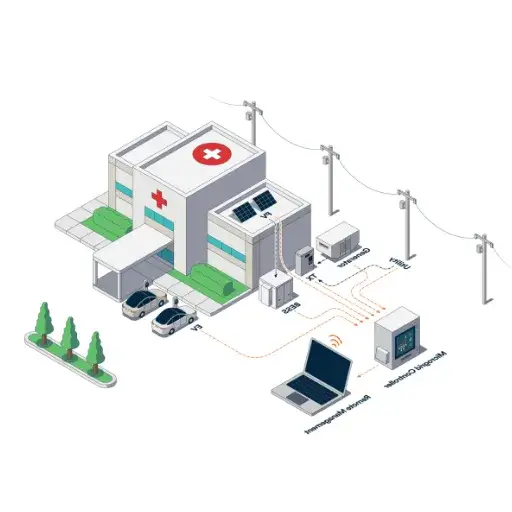
The trend of using integrated power plants is becoming increasingly popular as hospitals look for dependable means of power without harming the environment. These plants utilize different types of energy sources including traditional ones such as diesel or gas generators and, where possible, renewables such as solar PV panels, wind turbines, and storage batteries.
Benefits of Hybrid Power Systems:
- Respond to fluctuating energy consumption by utilizing renewable sources during peak demand
- Automatically switch to backup generators during non-peak hours or lack of sustainable energy
- Real-time monitoring and control through energy management systems
- Long-term cost savings despite higher upfront investment
- Elimination of fuel and maintenance burden of conventional generators
- Government incentives, tax reductions, and grants available
- Reduction of CO2 emissions to meet normative standards
Hospital Backup Generator Requirements

Regulatory Compliance for Healthcare Facilities
Rules are in place concerning health facilities in order to protect lives and critical functions in the event of an emergency. Measures by the likes of CMS and NFPA exist to ensure that every facility is able to maintain its operation in case of any power loss.
Important: NFPA 110 mandates that Level 1 emergency power supply systems (where interruption of supply is life-threatening) shall have provision for a 96-hour fault tolerance period at a minimum in terms of fuel stored at the site.
Essential Generator Specifications
When choosing a hospital generator, several requirements are necessary for efficient operation:
- Power Output: A generator should at least be able to reach the peak loading, which is normally referred to in kilowatts (kW) or megawatts (MW), to run the most essential equipment including lighting, HVAC, surgery, and medical equipment.
- Fuel Type: These include diesel, natural gas, and bi-fuel systems. Many prefer diesel as it is known not to fail, as opposed to natural gas which is clean burning and provides compliance with messaging-based rules.
- Running Time/Size of the Tank: Fuel tank capacity and the amount of fuel consumed by the generator dictates the ability to support loads continuously in case of a power cut. Cases where there is need for extended use require significant site-specific fuel supply.
- Automatic Transfer Switch: Provides the means to guarantee an orderly change from the normal source of supply to generator when there is a blackout.
- Acoustic Limitations: There are high expectations on the ability of generators to reduce noise, especially in sensitive areas such as healthcare facilities.
- Standards: Generators have to be within certain limits in terms of safety and compliance to stringent environmental regulations, like NFPA 110 or EPA tiers.
- Evaluation and Supervising: Most upgraded equipment come with embedded stand-alone devices and remotes to supervise the use of equipment and facilitate servicing without any problems.
Emergency Power Generator Requirements
Generators are crucial in providing backup power during blackouts, and this is especially important in key areas like hospitals. For proper performance and in line with recent standards, the following basic needs must be met:
Capacity and Load Calculation
An emergency situation must not cause a system to be overloaded. The generated power must support critical loads as well as non-essential loads. Standards state that ten (10) seconds must elapse before restoration of power supply to equipment used in patient care after a power failure.
Fuel Selection
Diverse fuels, usually diesel and at times natural gas, are utilized in emergency generators. Must factor in geographical location, storage of fuel required, and the method of fuel transfer.
Regulatory Compliance
Sticking to updated rules such as NFPA 110 and EPA Tier 4 requirements on exhaust pollutants helps improve safety and standardization of operations.
Automated Transfer Switches (ATS)
Transfers generator power when main supply is lost, helping to lessen power outage duration and prevent system failure.
Routine Maintenance
Scheduled inspection and maintenance programs are essential. Load testing and parameter monitoring confirm capability to function when needed.
Remote Monitoring
Contemporary generators use IoT for real-time monitoring of fuel usage, power consumption, and service conditions, increasing response effectiveness.
Maintenance and Testing Protocols
Routine Maintenance Best Practices
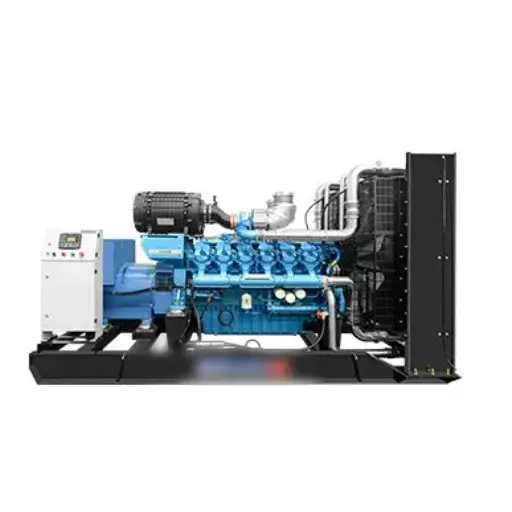
There are particular maintenance trends in hospital generator requirements which ensure optimum emergency electricity generation. This includes routine or rather timely checking of all associated dependencies with the generators.
Maintenance Checklist:
- Control the lower boundary of levels of fluids
- Check hoses and belts for adverse effects
- Inspect for leakage within the system
- Conduct load testing to establish generator capability
- Change oil and filters relative to engine warranty intervals
- Document detailed maintenance activities for transparency
- Utilize sensors and IoT features for digital monitoring
Incorporating sensors and Internet of Things (IoT) features into digital monitoring systems supplements the maintenance function by providing first-hand information on progress of operations, helping operators detect deviations from normal operations and forestalling the occurrence of failures with the help of data analytics.
Testing Frequency and Protocols
The proper interval at which appropriate inspection of power supply control systems is carried out in an emergency situation is an important aspect required to ensure preparedness for any fatal situations.
NFPA 110 Testing Requirements:
- Monthly Testing: Systems should be tested at least once a month under load to command a certain degree of real operations
- Annual Testing: Full load testing for 8 hours to avoid any possible system weaknesses over time
- Automated Testing: Application of automated testing technology and data analysis for strict and accurate monitoring
- Documentation: Recording of test samples, deviations, and corrective measures for performance records
Advancements in Generator Technology
Innovations in Fuel Efficiency
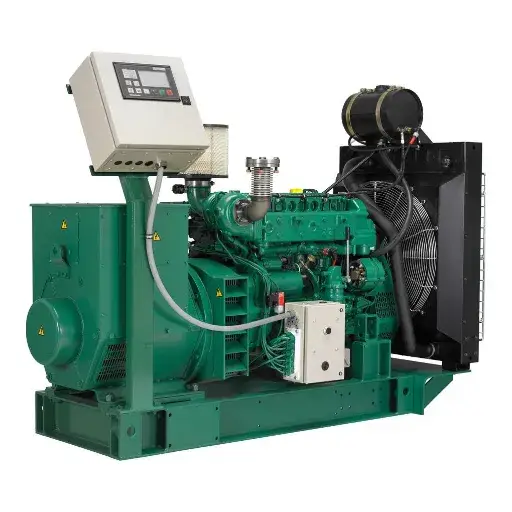
Modern generation development efforts have brought increased attention to fuel efficiency due to both growing environmental concerns and heightened operational expenses.
Key Innovations:
- Automatic Load-Sensing Technology: Regulates fuel intake in accordance with power demand, reducing wastage
- Hybrid Generator Models: Incorporate renewable energy sources such as solar energy with existing fuel-powered systems
- Battery Bank Systems: Allow devices to operate for periods without using fuel
- Cleaner Fuels: Natural gas, biogas, and hydrogen options that emit less carbon dioxide
Smart Generators and Remote Monitoring
Recent advancements in technology have brought about the emergence of smart generators that enhance power generation efforts effectively. Smart systems in generators are known for their features that allow real-time monitoring and management capabilities.
Advantages of Smart Generators:
- Real-time monitoring and management capabilities for load-shedding and fuel requirement use
- Remote control from almost any location via web-based platforms and mobile apps
- Access to generator operation data and alerts when events occur or are about to occur
- Predictive maintenance element that eliminates repair costs associated with unplanned events
- Integration with renewables for optimal energy efficiency
- IoT connectivity for monitoring fuel usage, power consumption, and service conditions
As smart generators blend in more with renewables, they become more attractive. For instance, hybrid configurations can employ solar panels or wind turbines together with smart generators, enabling optimal energy efficiency according to the resources available. They can also be adjusted automatically in response to energy imbalances while checking the need for sustainability.
Future Trends in Emergency Power Solutions
Forecasting the needs of emergency power supply service development is relevant for the integration of renewable energy sources and smart storage solutions.
⚡ Microgrids
Promise energy within the vicinity to consumers when electricity from the central grid gets interrupted, integrating renewable technologies and battery storage capabilities.
🤖 AI-Controlled Systems
Energy management systems controlled by artificial intelligence forecast energy needs, manage generator running, and minimize fuel usage through data analysis.
🌱 Government Incentives
More policies and incentives in place to facilitate the use of cleaner and more efficient technologies, promoting energy grids based on renewable energy.
References
-
University of North Carolina – Emergency Generator Requirements: Outlines the requirements for generator installations, including compliance with NFPA standards, electrical codes, and local noise ordinances.
-
University of Chicago – Emergency Generators: Discusses regulatory requirements for diesel generators, including compliance with 40 CFR Parts 89, 94, or 1068, ensuring safety and reliability.
Frequently Asked Questions (FAQ)
Summary & Key Takeaways
Hospital backup generators are not just equipment—they are lifelines that ensure continuous operation of critical healthcare services during power outages. From supporting life-sustaining equipment to maintaining sterile environments and protecting patient data, these systems play an irreplaceable role in modern healthcare delivery.
Compliance with standards like NFPA 110, proper maintenance protocols, and integration of modern technologies such as hybrid systems and smart monitoring solutions ensure that hospitals remain prepared for any emergency. As technology advances, the future of emergency power solutions promises greater efficiency, sustainability, and reliability.