
Energy systems combining solar power and diesel generators are fast gaining momentum and being used as a practical alternative across the world. Renewable energy and enhanced backup power presents a new way of seeking to address energy needs in different environments. But in what ways do these scenarios complement each other? This piece discusses how energy sectors are changing by arriving at a diagnosis of diesel and solar technology, discussing how the two can be combined to come up with a fortified and greener energy structure. For any range of limitation extending from saving fuel to reducing emissions and even enhancing the effectiveness of the energy system, an interesting prospect is on the drawing table – the hybrid generator system. You can expect more as we introduce peculiarities, benefits, and practical uses for these advanced systems.
Understanding Hybrid Generator Systems
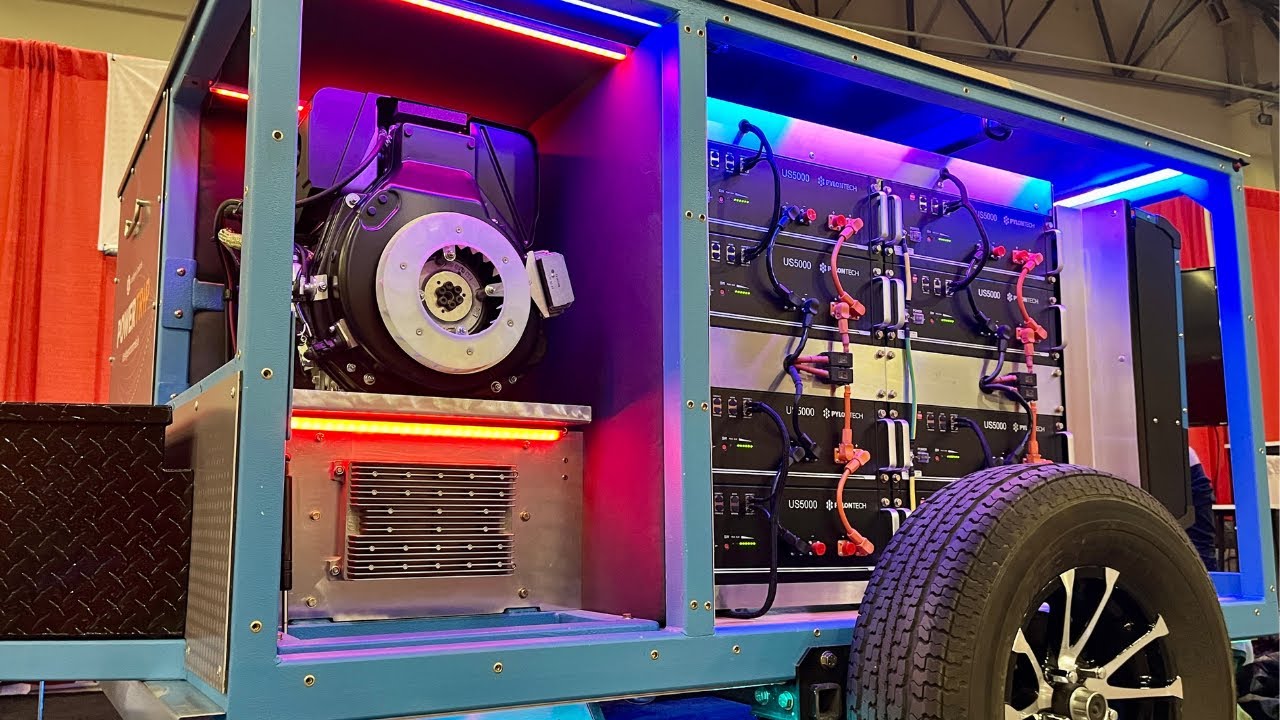
Definition of Hybrid Generator Systems
A power generating system is a system that uses two or more different energy sources. A common combination is a renewable energy source, such as wind or solar power, with a conventional energy source, for example, diesel or natural gas engines. The concept of hybrid power system, commonly known as ‘hybrid generator’ is meant to enhance performance of various power generating units since they are able to reach high efficiency levels as well as being self-sustaining.
The general advantage of hybrid generator systems is that of power continuity throughout the time. This means of course that though during a cloudy day or at night time, energy from sources such as sun panels is lower, in the event a back up generator is introduced into the equation, the energy supply will not be interrupted. Such capabilities make hybrid generators very useful in scenarios such as rural, hospitals and any other places where power grids are unstable.
And last but not the least, we cannot ignore the role of hybrid generator systems in minimizing the environmental damage and operating expenses. This is because incorporation of renewable energy solutions means, there is less use of fossil fuel and hence reduced emissions of carbon. At the interface, the energy source allows its users to be conservative with power consumption for as long as it is available and within the users’ budget, a factor that makes the use of these HELP devices practical in both homes and industries.
Key Components of a Hybrid Power System
It is known that a hybrid energy system consists of several key components which interact among each other with the utmost efficiency and reliability. Such elements include all renewable energy utilities that provide for example solar or aerogenerate generation. The mention of some persistent sources of energy is crucial as it is known that this provision of energy on the other hand serves to prevent overreliance on fossil fuel based energy.
The final major component of the design that determines its structural stiffness is the energy storage facility, which often comes in the form of batteries. They ensure relaxed storage of any renewable energy sources including that produced by the system, thereby balancing the energy available in a state of constant use over – due to energy storage created solar power supplies, for instance. This is an important feature as it helps in maximizing the dependability of the system as opposed to the other time, the user is saving energy used in peak time.
As a final point, a hybrid generator system contains a control panel. A panel is functioned inside hybrid electricity systems as a control block that manages working of power sources and storage as well as if there are backup generators. All of the management is done easy and sophisticated as it allows maximization of such distribution of energy in time and in conditions of energy deficit. It helps the system work at wherever efficient and economic level allowed by that situation. These external parts all together provide an ideal and possible solution to the problem of energy production in the varying context.
How Hybrid Systems Work
A hybrid energy system combines different energy sources to generate electricity more efficiently. Examples of such systems include solar panels, wind turbines, conventional forms of generators and other modes. These systems minimize power loss by tapping on the energy efficiency of individual components. As such, solar energy is tapped during the day while wind turbines are utilized at night or whenever there are strong winds. This is because the combination of these two ensures a steady energy supply rather than just one.
In these types of systems, energy storage is another concept that is quite important. Under this concept, energy produced, say from electricity is stored in batteries to serve for future use when in time energy production is low such as in cloudy days, and when it is particularly clam. In addition, it helps to control load aspirations of power by transporting power at needed periods thus bringing stabilization and uses of such generators at the minimum as possible.
A controller, also known as a power management unit, is an important component of any hybrid generator system. This unit is designed to track and manage the level of energy generation and consumption at any given time. It handles the distribution of energy in the most efficient manner by possibly utilizing renewable sources in order to prevent the use of fuel and that of course has its own positive consequences to environmental protection. Hybrid systems provide an opportunity of responding to meeting demand and supply simultaneously and this gives off-grid regions, isolated places or those who want to lower carbon emissions a viable option in terms of technologies.
Types of Hybrid Generator Systems
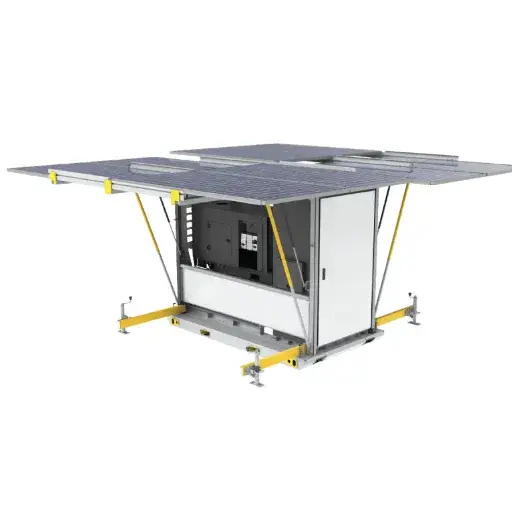
Solar-Diesel Hybrid Systems
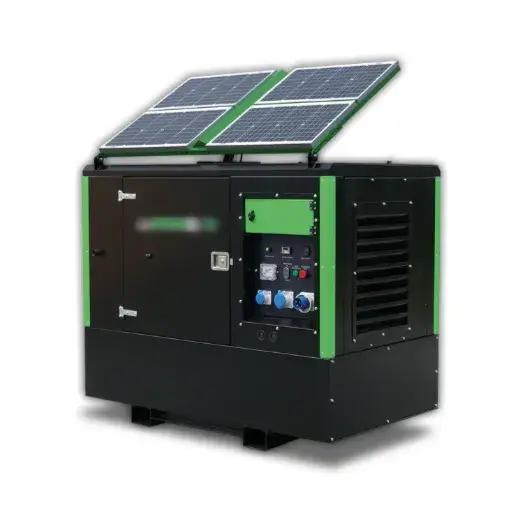
The solar-diesel symbiotic is a system that incorporates the renewable power from the solar panels and the dependability of electric powered diesel generators. These systems are structured in such a way that solar energy is used as the major source of energy during the day while diesel generators act as a power booster in case of shortage. Such a setup helps to avert situations where there is a lack of power due to low solar radiation or high energy usage. These hybrids further help to minimize the fuel consumption by displacing a lot of diesel power usage with solar power and in turn reduce the carbon footprint to a large extent. Henceforth it is a suitable economic and environmental option for many purposes.
The major advantage of a solar-diesel hybrid generator system is that it reduces the cost of operation. This is mainly because solar energy, which is derived from the free, plentiful sunshine, reduces the dependency on diesel fuel, which apart from being costly, is subject to price fluctuations. Furthermore, such systems are often integrated with battery backups to enhance energy efficiency. The surplus solar power generated during the day can be preserved for usage during the night or when there is no sun thereby lessening the necessity of running the diesel generator all the time. This helps in cutting costs and reduces the wear and tear associated with the operation of the diesel engines thereby improving the engines’ service life.
Remote areas, islands, and other places where grid power is difficult to access can most benefit from the use of solar-diesel hybrid power. These systems contribute to more sustainable and robust energy generation by reducing the reliance on diesel deliveries, which are often cumbersome and ecological harmful. They are complemented by energy management solutions and monitoring instruments like smart inverters and automatic controls, which make them more effective. This is made possible by the new developments in these factors which allow the users to economize solar energy, diesel usage as well as power storage and for this solar-diesel hybrid systems have become an essential part of the newly developed energy conserving and less carbon emitting methodologies.
Wind-Diesel Hybrid Systems
Wind-diesel hybrid power supply systems are one of the best ways to incorporate renewable energy in remote or off-grid regions, where it is vital for power to be present all year round. The wind turbine systems work together with diesel powered generators that prevent the zero wind condition while also helping in the overall consumption reduction of the fossil fuels. In practice, it means that clean energy (wind source) is generated when the winds are strong enough and, if not, the diesel-engine generators are used as well, enabling uninterrupted power delivery. The presence of such hybrids reduces the carbon dioxide emissions to the environment compared to fuel only and gives improved supply in case of power interruptions.
Sophisticated and versatile hybrid power systems have channels for integration of innovative elements into traditionally executed complex processes. Every step anticipating potential controller failures, the processes have a hybrid generator system with pro-active load control. Apart from the highly appreciated technical improvement of a hybrid generator system, the battery storage facilities apply this peak energy to variation curve and helps minimize the amount of fuel used by the system, in turn stabilizing fuel availability. All as these installations stabilize power supply, it also cuts down fuel usage and expenses incurred by maintenances of generators using diesel.
It’s not just individuals who are adopting wind-diesel hybrid systems because of the benefits. There are even bigger benefits when we think about the Environment and Economy of the society at large. For instance, the systems that the communities adopt, help reduce greenhouse gases and noise pollution, which is beneficial to the environment. This includes cost effectiveness because over time as the use of diesel reduces, the operational costs go down. Also, a growing number of governments and non-governmental organizations work towards promoting the use of these systems due to the recognition of their potential to help achieve energy goals on a global level toward a more sustainable environment. Hybrid generator system serves as a smooth interface between the renewable and the conventional sources of energy thereby enabling the community to access clean, efficient and reliable power.
Battery Integration in Hybrid Systems
Batteries are an indispensable tool that helps improve the efficiency of wind-diesel systems. It allows storage of surplus energy when adequate renewable energy is present, thereby maintaining a stable and reliable electricity supply during low wind periods or saved energy deficit. Recent innovations such as lithium-ion batteries and flow batteries offer better energy storage, longer life, and better functionality.
Incorporation of cutting edge technology in battery systems along with the hybrid energy systems reduces the dependence on diesels, thus leads to lesser fuel and emissions of GHGs. For example, researches show that integrating batteries in hybrid systems results in appreciably reduced diesel consumption by half in some instances. In addition, energy efficient distribution management systems, and batteries support more efficient energy allocation over a flexible time horizon resulting in savings at the end.
Incorporating batteries improves energy accessibility and storage capacity of hybrid systems enabling applications from isolated off the grid villages to industries. Despite the cost of batteries declining significantly and in general, technologies improving, batteries remain key in the pursuit of self-sufficient energy systems. These developments are particularly important achieved by enhancing infrastructure and setting policies that will limit the global emission of carbon dioxide and other green house gases to the levels required to achieve the global use of renewable energies.
Benefits of Hybrid Generator Systems
Fuel Efficiency and Cost Savings
Relevant and effective utilization of hybrid generation systems has brought the fuel efficiency and saving cost in the industry to significant levels. Systems such as these help to optimize the use of energy by incorporating conventional generators with solar or wind sources. These systems process energy and help with the reduction of fuel and hence operational costs. Some tenets and data diagnostics are given below to describe the fuel efficiency and cost savings of hybrid generator systems:
- Minimized Fuel Consumption – Hybrid systems generate power through non-generation sources of energy lasting up to 50% of generator operation; therefore, fuel consumption is greatly decreased. This helps eliminate money spent on buying and shipping fuel in case of distant places and off the grid areas, where fuel is not easily accessible.
- Reduced Overall Maintenance Expenditures – Hybrid systems limit the amount of time that conventional generators are operative and therefore do not overwork. Consequently, maintenance and the cost of service of such conventional fuel generators is diminished.
- Decreased Fuel Wastage – High-Tech energy management systems guarantee that the generators work only when it is absolutely necessary, as a result there is a reduction in the watse of fuel as the engines run without load or rather inefficiently.
- Improved Operational Efficiency– A hybrid system can further enhance an operational efficiency up to 85% or even more; thanks to its energy storage capability, it will also save the produced renewable energy in surplus for later consumtion at peak demond periods.
- Short payback time – While the costs are quite high in the beginning, hybrid systems achieve payback periods of as low as 3-5 years by accruing fuel and maintenance savings and with increased energy system reliability.
Such benefits provide added strategic value in some of the applications thus making the hybrid generator system code and environment better friendly than costly.
Reduced Emissions and Environmental Impact
Hybrid generator system solutions are a great option as far as emission reduction is also concerned and therefore, they help improve the environment. Such generators depend on the combination of conventional energy sources with solar energy and other renewable sources and hence reduce the concentration of hydrocarbons, which contribute to the greenhouse effect. Listed below are five environmental benefits of using hybrid generator system solutions:
- Reduction in carbon dioxide emissions – Hybrid generators that use the production of energy from the sun or the wind amongst others actually help in saving a lot of carbon dioxide. Hybrid generators high inclusion of renewables has been proven by the fact that CO2 could be reduced by fifty percent (50%) in certain cases as compared to the conventional generator sets.
- Reduction in the levels of air pollutants – Internal combustion engine gas turbines and diesel cycle engines have a number of dangerous emissions such as NOx and SOx. Employing lower level technologies in Hybrid Generators eliminate or reduce operations of these technologies hence reduced emissions of these gases significantly, making the air cleaner products.
- Minimized Noise Levels – Noise is one of the main factors that make older generators inconvenient and uncomfortable, both to people and to animals. Hybrid systems offer silent operations through renewable energy sources, thus providing people with more favorable conditions.
- Preservation of Finite Resources – Improvement on use of other energy production sources reduces the dependency on fuel based energy production in hybrid systems. This in turn slows down the consumption of coal, oil and natural gas, and leaves it for the use of the other generations of human beings.
- Scanty Cases of Fuel Spillage and Pollution – Due to lowered reliance on fuel, hybrid systems dramatically lower the potential for fuel spillage or associated pollution, thereby protecting the environments and decreasing the costs of clearing.
All these advantages help to promote hybrid generator system as more eco-friendly means of power production, which fits into the worldwide agenda of controlling global warming and environmental protection.
Reliability and Energy Security
- Variety of Energy Sources – Renewable energy can be resourcefully coupled with any of the conventional energy sources through hybrid energy systems to save any energy sources type. The available options for powering their operations also reduce risks of complete the cessation of operations owing to failure of supported systems due to even harsh weather or lack of resources.
- Balanced power delivery – The provision of batteries as the storage device of energy in hybrid components stores the energy not consumed during the generation peaks and provides it during the load peaks. Thus, the load’s power supply is intact 24 hours.
- Stabilization needs – Due to the hybrid roof-top-and-grid-system capabilities, the dips & excesses in the renewable energy inputs such as solar and wind are smoothed out, and therefore the grid is also supported as per the stress conditions and also at the time of extreme weather modifications.
- Reduced Dependency on External Supplies – By cutting down on the consumption of imported fuels and increasing the generation of energy from local sources, the hybrid systems help lower the threat of political or economic sanctions due to the disruptions in supply chains and markets.
- Cost Effectiveness – Because of its flexibility and efficiency in the generation of energy, a hybrid generator system ensures that the cost of operation is reduced and the price of electricity is constant with time, hence providing energy security in the long run.
Applications Across Different Industries
Off-Grid Solutions for Remote Areas
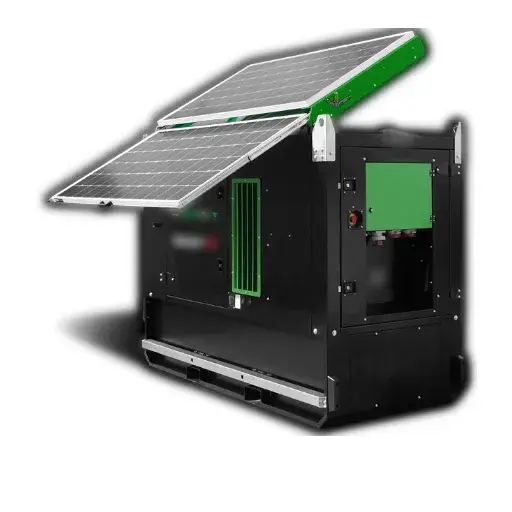
Advanced technologies of hybrid power generation made electricity, particularly for rural areas and regions where the power grid can reach its limits or does not exist. Such a system puts together concept of clean energy from sun, wind and other resources and backup devices such as batteries and diesel generators for robust power supply in rural areas. The following paragraph highlights five different solutions for off-grid use and their significant influences on the society:
- Solar Power and Wind Turbines Hybrids: These hybrids help supplement power supply in case of instability with either the solar or the wind source by providing an uninterruptible power generation. They can for instance operate in areas that have high levels of sunshine during the day but strong winds at night hence reducing power imbalance.
- Mini Hydro Power Turbine: Micro hydro power systems use the water flowing through small rivers and streams to generate electricity for off-grid homes and in some cases whole villages. These sequestration systems are w sustainability because the produce electricity for the major part of the year especially in areas where there are water resources available.
- Solar Power With Diesel Hybrid Systems: The diesel generators are combined with the solar energy systems installed in these configurations as backup power sources because there are cloudy and rainy periods and therefore, generating solar energy can be difficult. They are most often employed to energize the telecommunications base stations established in undeveloped regions because they not only improve the reach of the coverage but also diminish the use of non renewable resources such as oil and gas.
- Energy Storage Facilities: Renewables can be combined with storage applications in the form, especially of high tech batteries, which collect the surplus fully finished power at the moments of excess production. This helps provide power during times when there is little or no production of energy especially at night time or in extreme weather.
- Solar Home Systems: These designs include a solar panel, a battery and some bulbs and fans compact enough for an individual home. Some useful applications include electricity in rural households for enhanced quality of life of families who are off-grid.
These off-grid systems not only connect urban and rural areas with regards to access to energy but they also enhance sustainability by ensuring less carbon is released into the atmosphere and many remote areas enjoy development as they have access to economic activities.
Hybrid Solutions in Construction and Mining
Construction and mining industries which are known to be energy gulps have started experiencing changes in their energy consumption by incorporating hybrid energy solutions. These green and non-green energy sources help in i67mproving performance, reducing expenses, and decreasing the amount of carbon dioxide pumped into the atmosphere within these industries. Illustrations of how 5 different hybrid technologies are applied in the process of construction and mining with facts and figures are shown below.
- Solar-Diesel Generator Combinations: It is a system that consists of the integration of solar pv panels with that of diesel operated generators whose main target is reducing the amount of diesel used by approximately 30-50%. It works best in far off places especially in mining areas where transporting fuel is expensive and the sun shines for most of the day.
- Hybrid Wind Turbine Diesel Engines: They are a combination of wind turbines and diesel engine in one location where energy from the wind is used to reduce the reliance on the fuel. These systems can integrate into the existing network to reduce the need for fuel at least by 40–50 % and these are best in areas which have high and steady winds.
- Hybrid Wind Battery Systemspsons: Incorporating battery storage within hybrid systems establishments facilitates storing the excess energy generated by renewable sources during the day. This energy is then available at night or during phases or hours with reduced renewable power, which enhances dependence on renewables and helps in saving generators.
- Fuel Cell-Based Products: Fuel cells which are fueled by hydrogen gas are installed in hybrid generator system to provide clean energy. Over and above high reduction of gases that leads to global warming, the systems are being adopted in powering heavy machines and equipment in mines.
- Hybrid of Excavators: These excavators are powered by a combination of electric and traditional diesel power systems and thereby reduce the use of fuels by approximately 25-30 percent. These equipment entail the economics of operation activities and apparently less of noise and air pollution during the construction processes.
The out-of-the-box hybrid systems are pushing the boundaries of construction and mining industries by making operations more cost-effective and environmentally friendly as a result of use of technology to solve energy constraints unique to the industry and making industrial issues less ‘dirty’.
Energy Solutions for Commercial and Residential Use
Both the business and individual customers have showed rapid expansion of demand for prompt and cost-effective energy solutions. They are practicing such solutions through the use of technologies and renewable resources, amongst others, to facilitate reduction in energy consumption, optimization of the resources as well as the expenditure on the use of such resources.
- Photovoltaic Systems: Electricity is one of the most important needs and solar panels are one of the most efficient solutions because they generate electric energy from the rays of the sunlight. Current photovoltaic panels are more efficient than the older models and homeowners can cut their power bills by as much as half.
- Heat, Ventilation and Air Conditioning (HVAC) System: Even heating and cooling units have advanced to introduce innovative technologies such as programmable thermostats and even sensors in order to maximize the use of energy and in certain cases enable a saving of energy even up to 40%.
- Hybrid System of Supply: Battery energy storage systems enable entrepreneurs and householders to capture and save, e.g., solar or wind, the otherwise unutilized electricity for later use. This solution is advantageous as it can provide energy in case of peak requirements or blackouts and help to stabilise the grid at the same time.
- LED Lighting: The Implementation of LED lighting fixtures allows for the incorporation of cost-effective energy lighting technology. One would use 75% less energy lighting over regular incandescent bulbs. The systems also produce lower heat and as such are safer, as well as help, reduce the attention required.
- Geothermal Energy Systems: These systems deploy geothermal technology to the extent where the natural heat of the Earth is taken advantage of to effect heating and cooling. For this reason, there is a great potential to save energy by using such systems and they are suitable for various uses including businesses and households.
These solutions enable persons and companies to reduce their energy consumption, care for the environment and achieve significant cost savings over time.
Future Developments in Hybrid Generator Technology
Emerging Renewable Energy Sources
The collection of issues regarding renewable energy offers promising new answers to the question of meeting global needs for energy that is sustainable. One of the features is technological progress in solar power, which changes the generation of energy. Solar photovoltaics appear to be more profitable in terms of production and installation,with new materials for example Perovskite being able to reach higher energy transformations. Floating solar panels, which make use of water bodies like reservoirs and lakes, are also seen as an effective way of harnessing solar energy without using up prime real estate.
Aside from these, other candidates are appealing too because of various reasons. Take the green hydrogen. Green hydrogen is made from water using only excess renewable energy. The hydrogen acts as an energy vehicle to be used in transport and many processes. There are green hydrogen developments being constructed around the world by governments and big energy companies who have identified the capacity of green hydrogen to aid energetic industries. For example, where there are sufficient sources of renewable energy, for instance, sun and wind, those regions are also favored to compete for the biggest slice of the hybrid generator system economy.
Wave and tidal energy are just as important and salient in the picture of the renewable energy sources. Further development of these technologies allows to convert ocean’s kinetic energy into electricity. While wind and solar energy are unstable, wave and tidal energy can be more dependable and stable sources of energy. Investment in R&D and international cooperation are making commercialisation of these solutions more plausible. These inventions along with conventional alternatives provide an impressive picture of how close we are to a clean future.
Advancements in Battery Technology
Batteries occupy a central place in today’s renewable energy boom as they present ways of addressing one of the main drawbacks of clean energy – storage. In the past, the main improvements made to any type of battery chemistry and design were on how to increase the amount of energy stored within the same weight, how to lower costs, and how to prolong the battery’s life expectancy. Lithium-ion batteries, the most common form of energy storage, have seen significant advancements that include reducing charging time, incorporating safety aspects and improving efficiency for the requirements of electric cars and renewables grids energy storage.
There are few developments in the industry that are as interesting as the progress being made in solid-state battery development. Compared to the earlier lithium-ion cells, the development is done in solid state, which makes them safer and increases the energy that can be stored. These kinds of batteries go a long way to ensure that overheating is less of a problem and also increases the range of the electric vehicles by a good number of miles, at the same time charging the car faster. Apart from this, alternative chemistries such as lithium-sulfur, and sodium-ion batteries are already being studied as well. It is interesting to note that such substitutes are less dependent on cobalt or other costly materials which can otherwise be very challenging to find or develop, thereby improving energy storage technologies, in the end, for everyone.
Besides the materials, developments in the battery management system or the BMS have been increasing the durability and the dependability of batteries. More advanced BMS circuits are capable of controlling intricate battery units to achieve maximum performance, which also ensures prolonged service life. Together with progress in assembly methods and recycling technology, making batteries less expensive and environmentally friendly is achievable. All of these improvements make the use of renewable energies more attractive, therefore speeding up the shift towards a carbon neutral society.
The Future of Hybrid Energy in Urban Planning
The idea of hybrid energy systems that mix different renewable and conventional sources of energy is also enhancing the way urban infrastructure is developed today. Such systems allow the development and implementation of energy concepts which are efficient, meant to fulfill the energy requirements of cities without ignoring sustainable energy issues. Hybrid generation systems blending renewables (solar and wind) and energy storage technologies contribute to enhanced reliability of supply and mitigated dependence on fossil fuels.
There is also the advancement in smart grid technology, which makes it easy to distribute energy and also help in controlling the consumption of energy in such urban area. The other good example here would be improvement and use of microgrids that are independent systems or can connect to the central grid eventually reducing the problems of blackout while increasing assurance of every urban dweller.
Planners in the energy sector together with other allied stakeholders to include city planners and policy actors are increasingly activating hybrid technologies in the provision of infrastructure solutions from sustainable and green energy buildings to EV charge networks. Combining innovation with sound energy concepts, the use of hybrid technologies helps enable foresighted city developments which are sustainable and do not ineromising durability or efficiency of the city of to or coming cities.
References
-
High-Energy, Low-Cost & Robust Hybrid SOFC/IC Engine Power Generator – Colorado School of Mines
This project focuses on developing a high-efficiency, low-cost hybrid power generator combining solid oxide fuel cells (SOFC) and internal combustion engines. -
Wales, Alaska High Penetration Wind-Diesel Hybrid Power System – UNT Digital Library
This document details a hybrid system combining diesel generators, wind turbines, and energy storage for remote power generation. - Click here to read more.
Frequently Asked Questions (FAQ)
Q: What is a Hybrid Generator System? How does it Function?
A. Coal Sahara System is a combination of genset working as a power back up during power outages with the modern day battery storage including appropriate power electronics for a more efficient hybrid system. It allows charging of the batteries without the engine idling and enables the switch between the two energy sources i.e batteries and the generator in order to optimize fuel consumption, minimize noise and ensure continuous operation.
Q: In what way are hybrid systems beneficial in terms of cutting down on, or eliminating reduction consumption given fuel costs?
A: The hybrid generator system mainly lowers the reliance on the fuel energy source by eliminating the generator operation during the low load and smart load management when the generator is required to run during certain load periods. The use of lithium ion batteries helps in reducing the idling of the genset and this makes it possible for the consumption of fuel to be minimized and the cost of operations to be decreased.
Q: Do you think hybrid generator systems can be applied in telecommunications and surveillance purposes satisfactorily and efficiently?
A: Certainly. It is possible telecommunication sites need power. A reliable source of power is provided in the telecom systems where advanced battery storage comes in to take over in case the primary source fails and generator monitors allow for the operation on site and away from site by interpreting generator running hours, fuel available, scale of the level of a battery, and remaining voltage on a battery. The network is always up and running and thus downtime is decreased with tactical UPS and Networks available.
Q: Can one make use of a hybrid generator also wear operational structure during construction sites or for mobile hybrid purposes?
A: In principle, yes they can. Such dual power sources portable units have been manufactured and made useable for headed devices cases such as construction and rental sectors. In such cases, low usage of fuel, improved management of the load and reduced noise are their advantages which results in schemes been achieved without creating excess noise and pollution.
Q: How are the advantages of lithium batteries in a hybrid generator system?
A: Unlike the old model lead-acid batteries, lithium batteries have a greater energy density, better cycling ability, and can be charged quickly, plus with very little maintenance. The adoption of the lithium batteries in hybrid generator system helps to increase efficiency and extend genset-off time to greater intervals supporting green energy objectives.
Q: To what extent is performance improved and downtime reduced with remote monitoring?
A: In a hybrid generator system, remote control monitoring enables the operators to assess the performance level real-time, alert maintenance and regulate the generator’s runtime, and load if necessary. Problems detected at the earliest stage help to avoid breakdowns and timely provision of uninterrupted hybrid work at remote points.
Q: Can a hybrid generator system be used for critical operations?
A: Indeed, reliable hybrid systems take advantage of battery power for ‘now’ energy and utilize genset energy in the longer term. Such an approach provides sufficient redundancy and stability to ensure operations are not excessively interrupted due to peak demand or power cut.
Q: Are there factors to be considered in selecting a portable or rental hybrid generator system?
A: You may have to evaluate the power solution dimensions, the generator up time, the battery storage and composition (for instance, lithium), the remote operation functionality, the noise performance, and the overall consumption. For mobile or temporary requirements, identify models that are quick to install, that are quiet in operation and are equipped with load management capabilities to handle different site requirements.