
The selection of an appropriate industrial generator is a very important choice for all companies regardless of their sector. It does not matter if your generator is to be used for the provision of standby power during the outages, if it is to be used to carry out huge operations, or to meet the specific energy requirements; the right choice of the generator size and type is a must for getting the expected reliability and efficiency levels. 2025 Industrial Generator Sizing Calculator & Selection Guide is the ultimate tool to make this process easier for you. We will highlight the essential factors that you need to take into account, show you a very useful sizing tool, and give you insightful inputs so that you can make the right choices. Continue reading in order to ensure that your energy solutions are customized according to your specific requirements, which in turn will save you time and money in the future.
Introduction to Generator Sizing
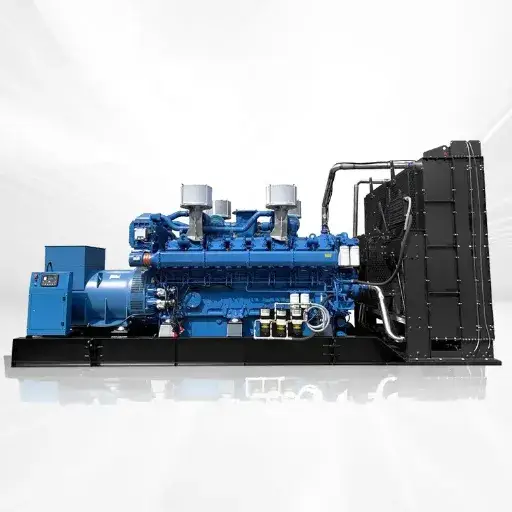
Importance of Correct Generator Size
Generator sizing done accurately is the key to making the power supply to your needs both reliable and efficient. An undersized generator will not be able to meet your power needs, so you will incur the costs of broken equipment, system failures, or frequent outages. And, conversely, an oversized generator will give you the opposite: high operational costs, a lot of fuel used, and a shorter lifespan due to less efficiency. The power delivered will be balanced by the right size of the unit chosen and so the risks will be minimized while performance will be optimized overall.
In order to arrive at the size of a generator suitable for you, it is very important to first know how much power you will need in total. This should include the starting and running wattages of all the appliances or systems connected. For the motor-driven equipment, for example, start-up wattage can be quite high (twice or even thrice running wattage) and failure to take this into consideration will result in overload issues. Using generator sizing calculators, tools, or consulting with a trustworthy expert can help to make sure that your calculations are both complete and accurate.
💡 Key Benefit
Proper generator sizing is a significant factor in long-term cost savings and maintenance. A rightly sized generator works under optimal load conditions and thus it operates efficiently, resulting in less wear and tear, and finally longer lifespan of the machine. It also prevents consumption of fuel that is not necessary, which can lead to lower operational expenses and environmental impact.
Overview of Commercial Generators
The commercial generators during an electric power outage or high demand period are the major source of power that never fails for the business. They are created to take care of different sectors’ power consumption, thus making sure that even the most critical operations would not be interrupted. Their usage spans over hospitals, data centers, factories, and some retail businesses among others. The main reason they are installed is for the purpose of providing an unvarying and an assured power supply in order to lessen the downtime and also to protect the valuable equipment and the whole operations.
Commercial generators are available in several types and sizes corresponding to different applications. The most commonly used fuel sources for these units are diesel, natural gas, and propane. Diesel generators are characterized by their long service life, being fuel efficient, thus making them the top choice for many industries. Natural gas generators, on a different note, are considered to be more environmentally friendly due to fewer emissions and also they are a steady source of fuel especially if the customer is located in town, connected to a natural gas grid. Propane generators are frequently chosen in places where there is no other fuel readily available, thus their versatility as they can operate in areas that might not be connected to regular energy sources. The decision about which type to pick is made by taking into account the energy requirements, the power supplies, and the ecological aspects.
⚡ Important Reminder
Prior to buying a commercial generator, it is very important to understand the power needs of your company. Measuring a load is the process to single out the total power needed and it is also the way to get a generator that has the same or a bigger output than this one. Besides, the company should be taking maintenance into account and making certain that the generator is checked up often to keep the output power in good condition.
Understanding Power Requirements
Determining Total Power Requirements
Determining power requirements accurately is the most important consideration when choosing a generator for your company or facility. You should begin the process with the identification of the necessary equipment and the systems that, in case of a power failure, will have to operate. The list might include cooling and heating systems, lighting, computers, machines, refrigerating units, medical instruments, or emergency safety devices.
📋 Step-by-Step Process
- List all equipment: Create a comprehensive inventory of all electrical devices and systems
- Identify power consumption: Get the power consumption from manufacturer’s specifications or labels showing watts (W) or kilowatts (kW)
- Account for startup power: Some devices like motors or compressors require a momentary surge of power when they start
- Calculate total: Sum running and startup wattages to determine minimum generator size
It is also important to consider power difference and facility changes in the future. The power usage the facilities endure often varies depending on operational cycles, seasonal demands, or equipment upgrades. By applying a margin, or buffer, which is usually 20-30% above the calculated power requirement, you ensure that the generator will be able to take the unforeseen peaks without overloading. This method also gets you ready for the next stage of your operation, by making it possible for you to add new machines without the hassle of getting another generator.
✅ Pro Tip
To make the whole thing easier, make use of online power requirement calculators or talk to professional energy auditors. The resources mentioned above will help to give you a customized assessment of your needs, as they combine precision and the latest developments in energy management.
Identifying Full Load vs. Running Load
Full load is often understood as the highest quantity of power that a generator can afford, whereas the running load can yield a minimum of power for operation of equipment at maximum and full power.
Square Footage and Its Impact on Sizing
The square footage of a property is the most important factor in getting the right size generator to match your power needs. A big area usually means more power required for lighting, heating, and cooling depending on the number of people working in the building. For example, a house of 2,000 square feet will probably need to use much less electricity than an office or other commercial building of the same size depending on the load type and the number of people using them. Thus, it becomes necessary to evaluate the purpose and usage of the space as much as its size if not more.
The kind of building that is also a factor that determines how square footage affects the demand for energy. A warehouse with simple lighting fixtures in a spread-out floor plan may have lower power requirements than an office building of the same size, which relies on computers, servers, and climate control to maintain productivity. Similarly, multi-story buildings present additional considerations, as their compact design can result in higher cumulative loads, especially when elevators, fire suppression systems, or advanced HVAC systems are included. Properly understanding how the square footage interacts with these factors ensures the right balance of energy supply is met through a generator.
🔍 Best Practice
When evaluating square footage, it is best to combine physical measurements with load demand calculations to ensure that an accurate assessment is achieved. Different methods, like energy audits and the use of load calculators, can be applied to quantify the specific needs of a space based on its square footage and typical usage patterns.
Factors to Consider in Generator Sizing
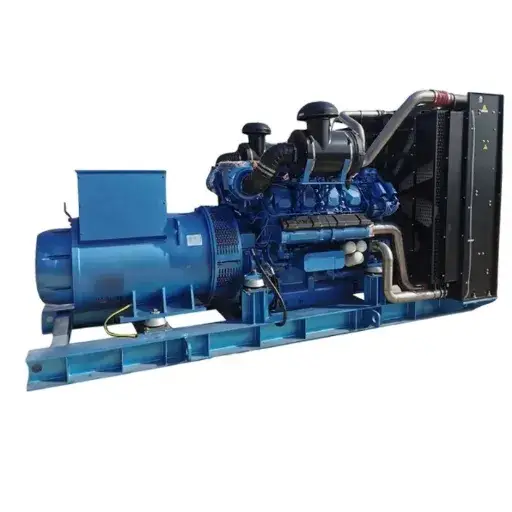
Types of Loads: Continuous vs. Standby
Continuous load banks assist in providing power that is consistent over long periods, while as required backup is needed for standby load banks during an emergency.
Motor Starting and Surge Requirements
When choosing a generator size, it is very important to think about the factors like motor starting and surge requirements, so your power solution can work effectively during the peak demand times. Motors, especially in machines such as HVAC systems, pumps, and compressors, usually draw a lot more power at the moment of starting than they draw during their normal operation. The drastic increase in current, or inrush current, can damage a generator if it is not large enough to cope with it.
⚙️ Critical Considerations
- Determine the largest motor’s starting kVA and its impact on generator capacity
- Consider the effect when multiple motors or equipment start simultaneously
- Plan to prevent voltage dips and fluctuations that might affect sensitive electronic devices
- Consider installing automatic voltage regulators (AVR) or soft starters for enhanced stability
In the end, it is wise to seek a generator supplier’s advice or to use the latest sizing tools when the motor starting and surge requirements are being evaluated. The combination of the experts’ opinions with the exact calculations guarantees that the generator will be well-prepared to meet the shifting electrical demands without any hassle. Not only does forecasting surges and knowing their connection with generator performance increase the reliability of operations, but it also prolongs the life of the generator and your non-stop systems.
Environmental Considerations
In the selection and use of a generator, the environmental impact is an important aspect that has to be taken into account, especially when the world is more than ever focused on sustainability. Gas and diesel-powered generators, in particular, are among the main culprits in the production of greenhouse gases and air pollution. It is important to check the machine’s efficiency and its compliance with emissions regulations.
🌿 Eco-Friendly Options
- Generators with ultra-minimal emission engines
- Alternative fuels like natural gas or biodiesel
- Smart variable speed control technology to reduce fuel consumption and emissions
- Noise-dampening housing enclosures for quieter operation
Another important aspect regarding the environment caused by the generator is noise pollution. The noise from generators can be of such a high level that it can cause the disruption of human settlements as well as the disturbance of ecosystems. In answering this problem quieter models and housing enclosures that are noise-dampening have been made by the manufacturers. For the operation in those places where it is quiet and such as residential neighborhoods or zones with wildlife that is protected, it is really important to select generators with a soundproofing feature that will meet or exceed local regulatory requirements.
Additionally, the proper disposal and recycling of old generators or more so, unused components is the environmental stewardship that is being referred to in the text. The environment may be primarily affected when the generator is made from materials like metals and lubricants that are in the form of liquids. Working with certified recycling programs or troops from the manufacturers that are responsible for the take-back services, will give assurance that these materials are either repurposed or disposed of in an environmentally friendly manner.
Methods to Calculate Generator Size
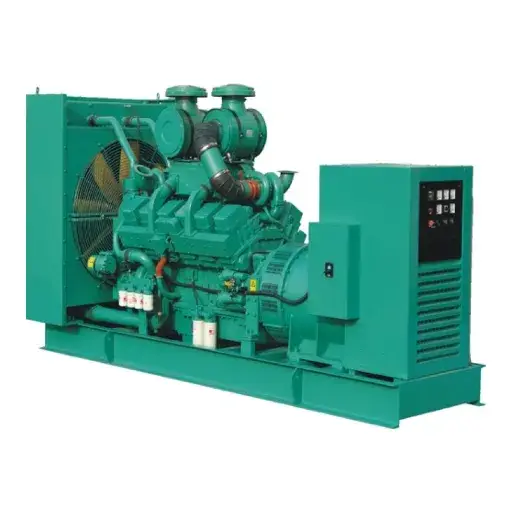
Step-by-Step Calculation Process
1️⃣ Determine Your Power Requirements
Start with a detailed inventory of all the electrical devices and systems that will be powered by the generator. Write down the wattage for each, noting the starting (surge) watts as well as the running watts. Starting watts is the power that an appliance requires for initial operation while running watts is the power that the appliance needs to keep it running.
2️⃣ Calculate Total Wattage
Sum the running watts of all the devices and add the highest starting wattage among those items. This gives the wattage that the generator has to handle in total. As a safety measure, you might be looking for a generator with a capacity that is at least 20-25% more than your calculated total wattage.
3️⃣ Account for Future Needs
Do not forget about the possibility of an increase in power demand (for instance, through new machines or appliances). To safeguard yourself against this, simply add a buffer in your calculation that assures the generator will bear the load of upcoming demand over the years.
4️⃣ Convert Watts to Kilowatts
In order to get the corresponding value in kilowatts, you need to divide the total wattage by 1,000. This unit of measurement is the one most commonly used by generator manufacturers when specifying generator capacities.
5️⃣ Consider Fuel Type and Efficiency
Decide on the kind of fuel (gasoline, diesel, natural gas, etc.) your generator will be running on as this will greatly influence performance efficiency and fuel availability. Analyze the generator runtime at different loads per the manufacturer’s specifications.
6️⃣ Evaluate Voltage Requirements
Check if your machines need single-phase or three-phase power and then make sure that the generator you have picked can provide the appropriate voltage so that no compatibility problems arise.
7️⃣ Check Regulatory Compliance
Verify that the generator conforms to local and national rules, especially if it will be operated in areas where noise, emission, or safety standards are particularly strict and governed closely.
Using this guide will not only help you to choose the right size for your generator in accordance with your needs but it will also eliminate mistakes that would result in underperformance or inefficiency. You can also make this process easier by using the latest industry tools and software for load calculations which give more accuracy and trustworthiness.
Using a Generator Sizing Calculator
A generator sizing calculator is an indispensable instrument for establishing the correct generator capacity for your particular requirements. By simply entering the fundamental particulars such as the kind of machines or appliances that you are planning to use, their wattage or current needs, and the amount of load you expect at the most, the generator sizing calculator can promptly give an estimate of the size of the generator that would be required. So, this instrument eliminates the guesswork and makes it sure that your generator is capable of efficiently dealing with starting and running loads, thus minimizing the chances of being overworked or undersized.
🎯 Advantages of Calculator Tools
- Handles industry-specific data and complex calculations
- Includes factors like power surges at motor starting and voltage drops
- Often linked to real-time updates with current industry standards
- Ensures advice is aligned with regulatory requirements
- Provides practical insights without manual estimations
By the way, using a generator sizing calculator along with the latest information obtained from digital tools can greatly increase the visibility of data and assure that your decisions are based on trustworthy sources. This integration permits users to put their attention solely on getting practical insights without the need for manual estimations, consequently, in the victory of operational efficiency and cost-effectiveness in generator selection. The users of such tools can be confident that their choice of generator is supported by accurate, data-driven analysis that is customized to their distinct needs.
Common Calculation Mistakes
One of the biggest mistakes in the calculation is to underestimate the power requirement of the generator when selecting it. Surge wattage, which is the temporary increase in power demand for certain devices, is often not taken into account by the users. This typically happens with motor-driven appliances, when the starting causes the power demand to raise momentarily. Not considering this wattage peak can result in the purchase of a generator that is unable to operate at peak demands, thus resulting in damage to both the generator and the devices connected to it.
⚠️ Common Mistakes to Avoid
- Underestimating surge wattage: Failing to account for temporary power increases during motor startup
- Ignoring runtime and fuel efficiency: Not considering operational duration and fuel capacity needs
- Overlooking environmental factors: Not accounting for altitude, temperature, and humidity impacts on performance
- Focusing only on capacity: Neglecting environmental conditions that affect generator output
Another common error is the total runtime and fuel efficiency of a generator not being considered. Many consumers compute their power needs but do not take into account the length of time for which the generator will be operational. As a result, they may end up buying a generator with inadequate fuel capacity or poor efficiency, thus causing interruptions in the midst of the most crucial operations. To overcome this error, it is advisable to assess the runtime needs in conjunction with the fuel consumption rates, thereby guaranteeing that the generator matches the intended usage scenario efficiently.
Moreover, mistakes can happen when the users consider only the capacity of the equipment but forget the impact of the environment. Factors such as altitude, temperature, and humidity have a major impact on generators’ performance. For instance, when the altitude is high, the engine output can be decreased since the air density is lower. Thus, operators can end up with equipment that performs poorly if they fail to take such conditions into account during the sizing process. Using sophisticated tools or getting the support of specialists who are aware of such factors can ensure more accurate generator sizing and lower the risk of complications in real-life usage.
Choosing the Right Generator for Your Application
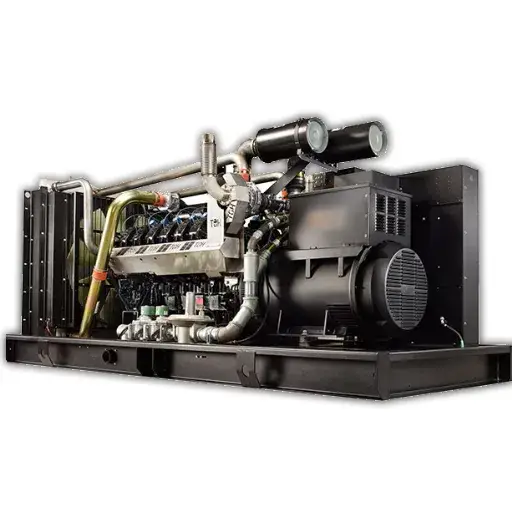
Comparing Different Generator Types
Generators on the whole are characterized into standby, portable, inverter, solar, dual-fuel, and diesel generators according to the corresponding purposes to which they are fitted.
Understanding Generator Capacity Ratings
The ratings of generator capacity are very important for the selection of a generator for a given application. These ratings are usually in kilowatts (kW) or kilovolt-amperes (kVA), which are the power outputs that the generators are capable of providing under specific conditions. It is also important to recognize the distinction between prime and standby capacity ratings. A prime-rated generator can run continuously for a long time while a standby-rated generator can only be used in emergencies or for a short period of intermittent backup power.
📊 Key Performance Factors
- Temperature: High temperatures reduce generator efficiency due to lower air density
- Altitude: Affects combustion in internal combustion engines and overall performance
- Load Type: Different load types impact capacity requirements
- Power Factor: The ratio of real power (kW) to apparent power (kVA) is crucial for calculating capacity
A generator should be selected with a capacity that not only coincides with the maximum expected load but also includes a safety margin for surges or unexpected operational spikes. Reference to manufacturer specifications, performance graphs and load demands for your specific application will help you to choose the right size and get the best performance.
Best Practices for Commercial Generator Sizing
Correct commercial generator sizing is very important to the smooth running of the business and the non-appearance of expensive downtime. A thorough load analysis is required to determine the total power needed for all devices, that is, to ascertain the starting and running loads. This step helps to eliminate the initial inrush currents which are associated with machines like compressors or air conditioning units that may take significantly more power at startup than usual.
✓ Best Practices Checklist
- Conduct thorough load analysis: Determine total power needed including starting and running loads
- Define usage type: Determine if generator will be primary power source or backup power during outages
- Consider location factors: Ensure adequate ventilation and protection from extreme weather conditions
- Evaluate paralleling options: For large facilities, multiple generators can guarantee scalability and reliability
- Implement regular maintenance: Test performance periodically using load banks or testing systems
- Account for fuel efficiency: Continuous loads require focus on fuel efficiency and durability
Another thing to take into account is whether the generator will be the main power source or backup power during outages. Continuous loads in a primary setup may have an increased focus on fuel efficiency and durability, while backup generators would go through sporadic, high-intensity usage and therefore, need to be made stronger.
The generator’s location is another factor that influences its performance. Adequate ventilation and protection from extreme weather conditions should be provided because environmental factors can impact both performance and lifetime of the generator. The paralleling of multiple generators is often a viable option for large facilities with complex energy demands since it guarantees scalability and reliability.
Going along with regular maintenance, testing performance is another factor that helps the generator serve its purpose efficiently. Utilizing load banks or testing systems to periodically analyze actual load conditions ensures that the generator performs as expected in real-world situations.
Bottom Line: By the proper matching of the generator selection with operational needs, businesses are able to get the most out of the energy, reduce risks, and keep the business running even when electricity is cut off.
References
- Design and Sizing Electric Micro Generator Using Thermoelectric Modules
This paper discusses the design and sizing of electric micro-generators for industrial processes. - Emergency Generator Sizing and Motor Starting Analysis
This study focuses on generator sizing and its impact on motor starting in industrial power systems. - Sizing Impact of Distributed Generation in Distribution Networks
This research investigates optimized generator sizing for industrial plants and distribution networks.
Frequently Asked Questions (FAQ)
❓ What is the sizing of industrial generators and what is its importance?
The capacity of generators for industrial use is told by their load size and features such as a generator that can support industrial or commercial use without interruptions or overloads due to starting current or peak consumption. Compliance with national electrical codes is also important for generators. Appropriate generator sizing lets a guide for selecting a generator for commercial or industrial use that is the right size for maximum demand and reserve capacity.
❓ How do I size a generator for a commercial building?
The sizing of a generator for a commercial building starts with the total connected load which can be calculated by staking full-load current measurements at the service panel during peak usage and adding starting currents for motors and HVAC. As a guide for lighting and general loads assume a certain number of watts per square foot, then adjust for peak usage, uninterruptible power supplies, and reserve capacity. A generator specialist can convert the total amps used into generator capacity by having the full-load current or using a clamp-on ammeter to find the highest peak demand.
❓ What generator sizing guide should I follow to work out the size?
A good generator sizing guide usually goes like this: step 1—list and give the wattage or full-load current of every load; step 2—pick out motors and big starting loads and apply suitable starting multipliers; step 3—sum the total and add reserve capacity for safety; then change the total watts or amps into kW or kVA considering power factor. This procedure enables you to determine your generator requirements and to select a generator with the necessary model and capacity that caters for both peak and continuous needs.
❓ What is the impact of starting current and largest motor on generator capacity?
The starting current (inrush) of a motor can be that high which will be several times the motor’s running current and this will have a huge impact on the capacity of the generator. Gen set should be sized including the largest motor and its starting current; not including it could result in the generator not being able to start critical equipment. Staggered starts, soft starters, or reserve capacity added to generator sizing are some of the considerations made to ensure that the generator can supply the required starting torque without a voltage dip.
❓ Do I need a permanent standby generator or can I go for a portable generator?
For very small and short-term usages, a portable generator may be enough, but a standby generator or a generator for commercial use is usually necessary for industrial or commercial applications. A permanent unit will provide either primary power or dependably standby capability, meet the requirements of local codes, have the right enclosure and fuel supply, and be integrated with transfer switches and the service panel. Along with the generator, consider installing uninterruptible power supplies for sensitive loads so there will be no interruption in the power supply during the transition period.
❓ How can I determine the peak usage and how do I take full-load current measurements at the service during peak usage?
A clamp-on ammeter or a power meter at the service panel is the right tool to use for measuring current readings during peak usage times. The highest readings across all phases and at the times of highest demand should be noted to get the total amps used. The full-load current measurements taken during the peak usage will enable you to identify the highest peak demand and the generator capacity based on taking into account for selecting the correct generator model and capacity.
❓ What is the importance of reserve capacity and maximum power when it comes to selecting a generator?
A generator with reserve capacity is able to manage unpredicted loads, startup surges, or future expansion without being overloaded. It is always better when sizing a generator to consider reserve capacity beyond the maximum expected power; this gives a buffer for peak usage and increases the life of the generator. The selection of a generator with a slight margin ensures that the generator is capable of rendering continuous service even if the loads are increased or new equipment is installed.
❓ At what point should I get in touch with generator specialists to help determine the generator that fits my requirements?
Get in touch with a generator specialist when your application encompasses intricate loads, large motors, and multiple phases, national electrical code compliance or when you need to connect the system to transfer switches and uninterruptible power supplies. A specialist can assist you in sizing a commercial generator, precisely calculating the size, properly locating the generator, and recommending a generator that is the perfect generator model and capacity for your industrial and commercial needs.