
In the oil and gas industry, since reliability and safety are non-negotiable, the demands of hazardous locations are definitive for these generators. Areas deemed hazardous locations have an important role, to necessitate increased productivity and ultimately provide a safer environment to workers when volatile gases, vapors, or combustible dust occur. In what concerns is a generator suitable for these risky zones? Essential requirements, significant regulations, and cutting-edge technologies for ensuring the efficient and safe operation of generators in hazardous locations are deeply analyzed within this article. Scroll to find out from a professional angle or just for curiosity, because this is all you have to learn about hazardous location power solutions.
Understanding Generator Solutions for Oil and Gas Operations
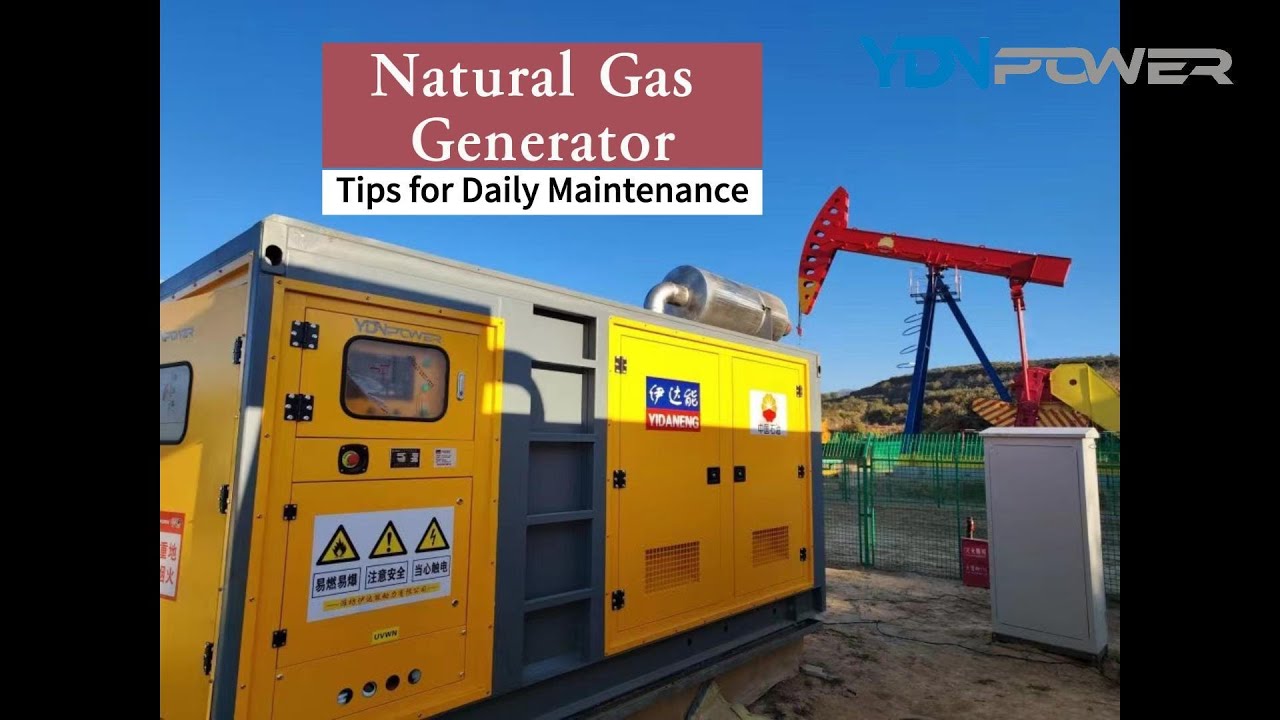
Overview of Power Generation in the Industry
The process of power generation plays an important part in uninterrupted work systems, both onshore and offshore, for the oil and gas industries. These facilities are operated by stations to generate electricity for crucial equipment and maintain efficient workflow throughout day and night, regardless of the natural causes obstructing it. Therefore, oil and gas power facilities, blissfully far away, often in the middle of rough terrains, need power solutions that are hardened and reliable and that are specific enough to meet operational requirements.
Safety stands out among primary concerns for power generation within this segment of industry. Given the existence of flammable materials around their workplaces, all constructions must also follow strict safety requirements. Explosion-proof generators, for example, are purposely constructed to provide their services in hazardous place by preventing possible sources of ignition from escaping outside. To comply with global safety standards, they must additionally secure accreditation of the ATEX and IECEx standards.
Key Performance Indicators
Efficiency and reliability are crucial also in oil and gas power solution. These modern generator systems are built for the dull work and likewise for extremes like very low temperatures in the Arctic and the extreme hot heat in the desert. Many operations are incorporating advanced technology like load-sharing systems and remote monitoring, which is providing optimization of performance and reduced downtime. The use of these advancements helps in continuing the high productivity, of course, with all necessary safety and sustainability.
Importance of Reliable Power in Hazardous Locations
The availability of power in hazardous locations is significantly necessary for operating safety, efficient operations, and being in conformity with industry-related standards. Areas such as oil and gas processing sites, chemical plants, or mining operations are threatened with the presence of flammable gases, vapors, and/or dust. Accordingly, a matter of grave importance is safety-related matter wherein the preservation of a consistent power supply is essential for the operation of equipment, thus avoiding delays, leading on to possible accidents or unsafe conditions.
Critical Safety Systems
Continual power supply provides critical safety services, such as:
- Fire detection systems
- Emergency lighting
- Ventilation services for securing people’s lives and working environments
The costs of a power failure must invariably be in scores times more hazardous situations. For this reason, all power equipment within these locations must meet up with very stringent safety requirements and must also be constructed or engineered accordingly for rugged environmental situations.
Furthermore, having a reliable source of electricity is fundamental to efficiency and productivity. Combining hi-tech attributes such as parallel-panel monitoring and online faults diagnostics means any potential stopping of the power level can be slimmed down and tackled effectively. It ensures that the operations remain smooth while maintenance costs are lessened to an extent and people, as well as assets, are thereby safeguarded. In the hazardous zones, stable power is not just an advantage, but an essential measure for ensuring overall control, safety, and success in these already-high-stress operations.
Types of Generators Used in Oil and Gas
The generators play a crucial role in the industrial activities within the oil and gas sector. Accordingly, there are generators which are precisely designed to perform under the local and special operational demands- making it an important aspect of energy generation that even under difficult conditions, they should be available continuously for use.
Diesel Generators
In oil and gas environments, the diesel-generators are the most common of all units. Their credibility is based on endurance and reliability, as well as efficiency in those harsh situations prevailing at times. These generators are ideal and stay efficient even in remote regions, where the alternative power is least plausible. Also, their operation cost is low and has a long lifespan, thereby offering economical solutions to energy-demanding jobs.
Natural Gas Generators
Oil and gas operations often utilise one’s natural gas power plants as they are much cost-effective and have strong environmental incentives. Driving in the open air, these natural gas power plants work on natural gas now available with significant cuts in fuel cost. Usually, such a power plant emits lower pollution compared to diesel power plants, which shall be beneficial for natural gas generator use to dim corporate lights and allay environmental concerns from their business operation. For off-grid operations, natural gas power plants stand as an ideal option inasmuch as natural gas pipeline or onsite resources are accessible.
Diesel Generator for Offshore Operations
Special design and tough construction of offshore power plants are meant to address the needs of offshore oil and gas rigs. These generators are made out of corrosion-free materials to withstand salinity while working in a tough marine environment. In the sense of necessity, they are designed to be as small and as efficient for the offshore platform due to the relatively limited space available on the platform. All in all, the purpose of such offshore generators is to ensure the concealed operations without interruptions, needed by safety and overall productivity in such isolated locations.
Selection Factors
The choice of generator type is predicated on such factors as location of operations, fuel source availability, as well as consideration for environment. Must comply with industry safety norms besides being able to endure the harsh conditions of oil and gas operations, whether onshore or offshore.
Key Features of Gas Generators for Reliable Power
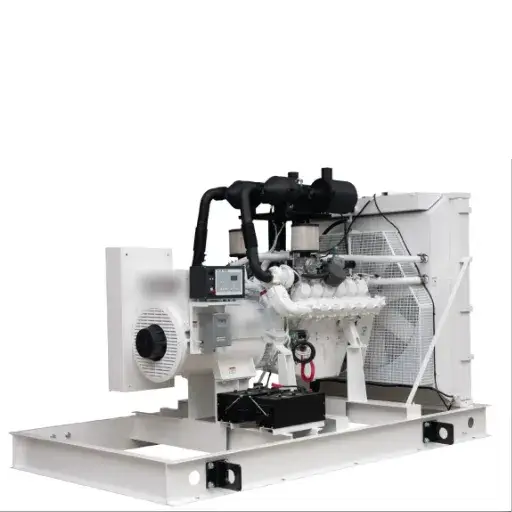
High-Performance Features of Gas Power Generators
Advanced dynamics and manifold benefits mean that gas generators are capable of delivering reliable power, even when operating under the harshest of conditions. Fuel consumption falls under the benefits proffered, and high fuel savings have been guaranteed ever since. Sophisticated gasifier technologies imbued into present-day gas generators guarantee maximum power output from natural gas or other gaseous fuels, all the while diminishing waste. This significantly reduces running cost in the long term and associates them as an attractive option for industries devoted to pulling down their utilities.
Durability & Resilience Features
- Designed to withstand rigorous environmental factors including high temperatures, humidity, and corrosion
- Components made from high-quality materials such as stainless steel with corrosion protection
- Reduced vibrations for increased reliability and lower environmental impacts
- Optimized for operation in noisy environments
Contemporary gas generators are also paired with an advanced mechanism to oversee and check their workings. There is an integrated software system to enable real-time monitoring of indicators on functions such as fuel consumption, output levels, and system diagnostics. The remote monitoring aspect has enabled some models to be capable of accessing operation status even though a long way away from where action is required. Because of these capabilities, operations become highly productive, avoiding downtime by acting on problems before they can damage more machines. Together, all these high-function features render gas generators into esteemed products of self-represented products that bolster reliable energy supply in industrial settings.
Heavy-Duty Generators for Offshore Applications
Power generation in offshore environments is more challenging than that on the land since production here poses robust, effective and fewer restrictions on equipment. For instance, Heavy-duty generators designed to withstand offshore conditions must withstand these harsh marine conditions due to high humidity, saltwater corrosion, and extreme temperatures. These generators often come with specially designed enclosures and protective coatings to retain durability and maintain operations even under the toughest weather conditions. Reliable power supply is an absolute necessity for critical operations, lighting systems, safety mechanisms, and communication, while power supply in an emergency is a necessity; be it oil and gas rigs, wind farms, or maritime vessels.
Modern Offshore Features
- Networked machines equipped with online monitoring systems
- Real-time communication of fuel consumption, power produced, and machine health
- Predictive maintenance capabilities to decrease downtime
- Environmental protection through durable materials and emission-reducing designs
Offshore applications also have been created to require renewable energy sources and some hybrid options. In being operated in conjunction with heavy fuel oil-based generation, the possibility of conversion to a gas turbine fuel and a wind and auxiliary fuel-renewed source cycle for other parts of the fed power, has been discussed in the LCOE and aid functions. Therefore, the concept of offshore hybrid power generation was explored, including all the options from both diesel engines running gas to wind-diesel combinations, as well as at least some potential solar PV pure plug connection on the small side. Eco-friendly global efforts are aimed at reducing greenhouse gas emissions. The systems will retain their possible increasing reliability until they reduce their shining capacity to another version. Ever greater appeal of hybrid systems is going to be the possible reduction of operational costs alongside reductions in GHGs.
Installation Considerations for Field Generators
When planning field generator installation, critical factors such as these must be analyzed carefully to guarantee maximum performance and reliability. Site location is highly important in that it should be well grounded and protected from the worst of weather conditions prevailing at the site. Adequate ventilation must be ensured so that the generator does not overheat and continues working efficiently, especially in extreme temperatures and insufficient prevailing airflow.
Installation Checklist
- Analyze power requirements and load capabilities thoroughly
- Match power output with power consumption at the site
- Implement advanced monitoring solutions for real-time parameter viewing
- Ensure secure grounding and fire suppression systems
- Fulfill regulatory standards specific to the region
- Track maintenance requirements to minimize service downtime
Fuel Options for Oil and Gas Generators
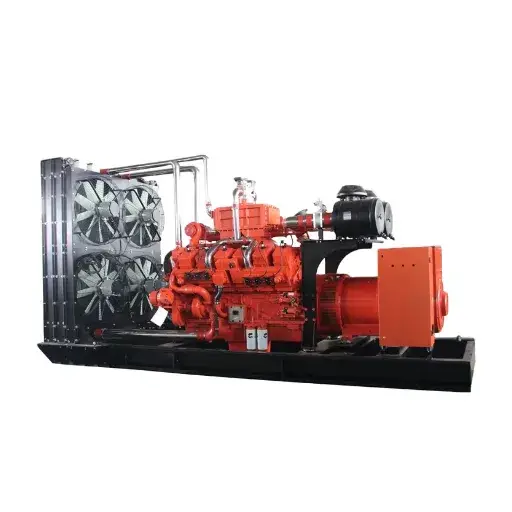
Natural Gas vs. Diesel: Making the Right Choice
In comparison to natural gas generators, diesel generators are more efficient, more reliable, and have a longer lifespan; besides, natural gas generators are quieter and cheaper in terms of cost of fuel.
Environmental Impact of Fuel Choices
Natural gas and diesel for oil and gas power generation demonstrate distinct environmental juxtapositions in view of their fuel options. For the most part many scientist believe that natural gas would make somewhat a cleaner source because its emissions of sulphur dioxide, for instance, and particulate matter are fewer when compared to diesel. In addition, it produces less carbon dioxide per unit of energy. Nevertheless, if not dealt with properly, methane—an insidious global warming gas—may escape throughout the natural gas supply chain, possibly nullifying its other environmental advantages.
Comparatively, diesel is more energy-dense as lighter air is squeezed into more energy-per-unit-estate. Operating in high-load performance, this characteristic could mean lesser fuel use for the same power. Nevertheless, because diesel produces more dangerous emissions, such as forms of nitrogen oxides (NOₓ) and particulate matter, it contributes to widespread air pollution and breathing ailments. Developments in clean diesel gear and the widespread use of ultra-low sulfur diesel fuels go some way toward controlling some environmental problems. However, these approaches do not solve all carbon-related issues of diesel.
Decision Factors
Thus, the choice stands between natural gas and diesel on operational considerations, regulation demands, and caring for efficiency keeping within environmental grounds. Technologies like emissions control systems and renewable fuels contribute hence to the lessening of environmental impacts overall for both fuels.
Trends in Fuel Efficiency for Gas Generators
Technological advancements have provided additional stimulus for gas generator fuel efficiency, since the demand for sustainable energy sources is fast growing. New features for improved engine design and control systems in modern gas generators are optimizing fuel combustion, reducing wastage, increasing overall performance. These are combined with control technologies that are microprocessor based, thus making real-time changes to ensure envisioned operation amidst variably fluctuating load conditions.
Emerging Technologies
- Hybrid systems combining gas generators with renewable sources (solar, wind)
- Improved energy density allowing generators to produce more power with less fuel
- Lean burn technology maintaining optimal air-to-fuel ratios
- Advanced catalytic converters and exhaust designs for regulatory compliance
Commercial Considerations: Choosing the Right Generator Set
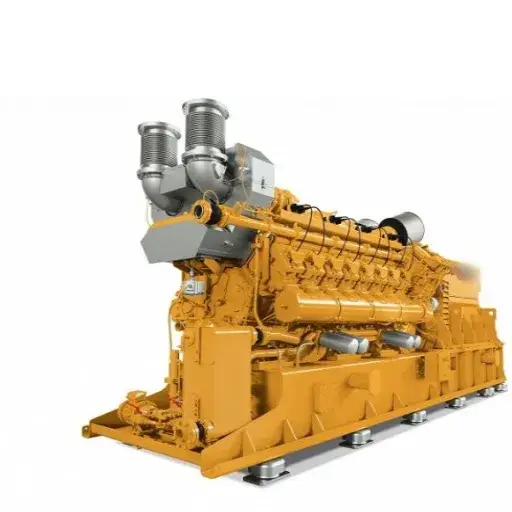
Turnkey Solutions for Power Supply
A turnkey power supply solution is becoming increasingly popular as commercial and industrial interests strive to streamline operations all the while looking for assured, uninterrupted energy supplies. Such services usually come as packages leveraged from services online, starting from initial consultations, site surveys, equipment delivery, and installation, followed by regular servicing for the unending peace of mind of this kind of facility. By selecting to move to turnkey generator solutions, one could slash downtime considerably and also be relieved of the troubles of procurement issues, all while having an ideal system to meet precise power requirements.
Turnkey Solution Benefits
Recent developments in power technology have been enhancing the efficiency and scalability of turnkey generator systems significantly:
- Real-time remote monitoring capabilities
- Predictive maintenance features
- Modular designs for easy upgrades and expansion
- 25-30% reduction in operational performance compared to classic systems
- Data-driven insights for optimal generator performance
Cost Analysis of Different Generator Sets
When weighing the costs of various gensets, it is important to assess the initial investments and operational costs during their respective lifetimes side by side. Prices are far afield depending on the size, fuel type, power rating, efficiency, and the presence of extra features.
Diesel-operated Generators
Diesel gensets are renowned for their durability and efficiency in very high-duty situations. Typically, the cost of a straightforward diesel generator could range between $7,000 to over $25,000, depending on capacity and model configuration, with regards to cost. Time goes by, and the unnecessary dependence on fuel and a substantial increase in operating costs through such essentials as oil and filter changes mount up. This system is thrown in preference among industrials, too, with all the problems of maintaining reliability and operational durability.
Natural Gas Generators
Contrary to the natural gas generators, diesel-powered models may come at a lower starting price. The initial investment in diesel generators for mid-sized models may range from $10,000–$30,000. While natural gas generators may seem expensive, they are comparatively attractive due to low fuel prices in places where natural gas is abundant as opposed to diesel. This is an advantage for the short term. Their lower emissions may prove to be an advantageous feature as environmental compliance becomes more of an issue in the years to come. These types of generators are interesting prospects for businesses aiming for a fine balance between operational efficiency and environmental conservation.
Generators-on-Wheels
These are generally smaller and less costly, driven by the need for portability. While their size varies quite widely, specific models of portable generators from different brands cost between $500 and $2,500. They support transient or emergency applications, but sustained operation would not hold up against the heavy loads. Portable generators face operational cost hikes on account of varied fuel demands, so their typical gasoline or propane supply usually has to be refueled quite frequently over prolonged periods of time.
Hybrid Renewable Energy Generators
Hybrid systems are now quickly becoming a viable solution that integrates renewable energy sources (e.g., solar) with battery storage and standby gas generators. Preluding that they usually have significantly higher upfront costs exceeding $15,000, they are deemed as rather productive in the long run, as they reduce the size of fuel dependency as opposed to getting energy from renewable resources. Interestingly, hybrid systems are undergoing a phase in their niche market to achieve greater acceptance and sustainability as the trend toward costlier systems is picking up.
Important Considerations
Moreover, energy consumers should note that load requirements and fuel costs as well as such cost components as installation costs and warranties tend to remain specific to local events. They may then analyze and evaluate combinations of initial costs and operating costs to suit their energy and financial requirements, offering room to improve and run their operating budgets sustainably in accordance with credit associations.
Maintaining Uninterrupted Power Supply
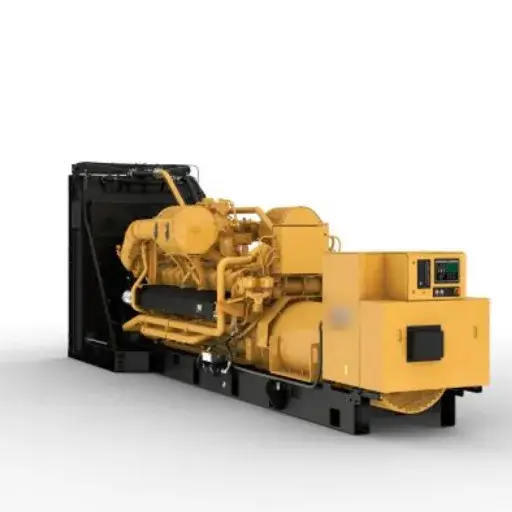
Best Practices for Generator Maintenance
The proper upkeep of generators is paramount for their efficient and long-term operation. Follow these practices for maintaining uninterrupted power supply:
- Inspect Units On Schedule
Conduct regular inspections to check the wear and tear of the equipment, the integrity of the fuel system, and possible problems with the belts, hoses, and sharing connections. Early detection prevents expensive breakdowns.
- Run Tests on Generators
Perform testing under loaded conditions of the machinery at various intervals to ensure smooth operations and to detect performance failures in their incipient stage. Additionally, since the fuel becomes impugned, these test runs keep it from being stagnant.
- Keep Up with Filter & Fluid Replacements
Timely replacement of oil, filters, and coolant deteriorates fitness of the generator. A close watch on internal damage prevention from the service intervals as recommended by the manufacturer is to be applied.
- Check the Fuel Quality
Fuel quality degrades with time, leading to clogging and causing break-down of engines. Stabilizers will help fuel remain usable for long-term storage, and ensure extra attention to contamination checks.
- Charge those Batteries
The state of pretending to have complete or perfected battery maintenance is nothing to play around with if a dead or weak battery is stopping the generator from starting. Keep up on battery charging and terminal cleaning for battery maintenance.
- Stay Air and Coolant Flowing
The operation of the generator must be obstructed as much as possible, and the cooling system must function smoothly. Clean or replace air filters of generators in order to enhance performance and efficiency.
- Document All Maintenance Proceedings
Keep a detailed maintenance tracking sheet, laying out each inspection, repair, or replacement. This assists with troubleshooting and maintains compliance with maintenance schedules.
Maintenance Benefits
In conclusion, the best practices give added value to power apparatus to ensure more credibility for their residential or business owners. They also help these entities reduce emergency power failures while extending the life of their installations.
Upgrading Generators for Enhanced Reliability
Generator updating is an essential step to guarantee continuous action and efficiency, when the properties of energy requirements are changed. Developments in a generator contribute significantly to its durability and adaptability technologies. For example, the newer models are equipped with real-time monitoring systems that monitor fuel levels, voltage, and engine hours. These systems provide for predictive maintenance, reducing the possibility of sudden breakdowns and ensuring proper function whenever it is required the most.
Key Upgrade Benefits
- Improved fuel consumption and effective emissions control
- Better engines and hybrid models incorporating renewable energy sources
- Reduced environmental impact and operational costs
- Dual-fuel generators and solar energy storage options
- Compliance with environmental regulations
Converting diesel generator control systems to smart and automation solutions would mean plug-and-play integration of energy management systems. More specifically, remote monitoring, automatic power balance, interconnection with the cloud systems are critical in an environment where uninterrupted power supply is the only option. In healthcare, retail, industries having critical loads, or data center environments, installation of a mobile interface or a specialized software package represents the future of generator monitoring. Brief power interruption incidents in these sites may result in a huge loss. This kind of investment upgrade would not only guarantee operational well-being during acute demand shortages but would also prepare the genset establishment for varied energy requirements with technological transition-A hotter upshot in all emergency genset markets.
References
-
Penn State University – Dutton Institute discusses power systems in oil and gas rigs, focusing on diesel and lease fuel usage.
-
University of Alaska Fairbanks offers insights on generator selection, sizing, and operation, particularly in cold weather conditions.
-
U.S. Department of Energy explains the working of gas turbine power plants, which are relevant to oil and gas applications.
Frequently Asked Questions (FAQ)
Q: Can they run on different types of fuel?
A: Many oil and gas generators can be operated in other modes, such as diesel, natural gas, or dual-fuel systems that burn both types of fuel. For instance, a dual-fuel system could use either diesel or natural gas, based on fuel availability at the site. When selecting an oil and gas generator, one must pick between fuel options available locally, emissions standards, operating criteria, etc. for equipment.
Q: What is the maintenance for the oil and gas generator?
A: Scheduled maintenance for oil and gas generators includes tests applied under engine oil and filter replacement schemes, inspections directed to the fuel system, coolant checks, battery tests, and alternator assessments. Load testing at the specified time and maintenance of critical components when necessary prevent downtime. Attentiveness to the manufacturers’ recommendations ensuring continual, reliable service and the efficient operation of oilfield activities using a variety of prime movers, and engines from Cummin, Cummins, or other manufacturers: all of this shall lead to a quite efficient energy system.
Q: How do emissions and environment regulations relate to oil and gas generators?
A: The emphysema norms influence the choice of engine, exhaust after-treatment, as well as the type of fuel that fuel the oil and gas generators, many of which cannot be operated without alteration! For most sites, engines have to be low NOx, with particulate filters or catalytic-converters in compliance, according to the demands laid down by the local environmental measures. Going for compliant generator sets and implementing emissions-control programs is the smartest move to be carried out by the operators who want to limit the environmental impact while sustaining the life-giving power supply to the fundamental systems supporting the production and safety equipment.
Q: Are used oil and gas generators a viable option for cost-saving?
A: Having budget limitations, a used oil and gas generator can save some amount money. But selection and rebuilding of the generator set may present a set of challenges. The company, Normandy Machine Co. (NMC), enjoys a buy back program. As long as one is buying from trusted re-sellers, a check on the generator’s service history, and a test on actual load there is considerable savings easily initiated.
Q: What is the proper sizing for a petroleums generator to run my business?
A: It is essential to determine the capacity of an oil and gas generator by adding the entire connected load inclusive of the start current for motors and compressors, and anticipation of future growth. Sizable considerations need to be made to determine essential loads such as lighting, control, pumping, and safety systems. Over-sizing is usually remediated for peak load and redundancy if the system is found critical. Consulting with a power systems engineer or vendor ensures the selected generator meets site-specific demands and provides robust energy solutions.
Ready to Find the Right Generator Solution?
Ensure your oil and gas operations maintain uninterrupted power with the right generator system tailored to your specific needs and hazardous location requirements.