Alabama Power Outage Map Today

(Live County Updates)

Maintaining operational continuity in Alabama requires a proactive approach to grid monitoring and emergency preparedness. As a critical hub for industrial manufacturing and regional commerce, Alabama faces a unique set of energy challenges. The Alabama power outage map serves as an essential tool for homeowners and facility managers alike, providing live county updates that track service interruptions across the territories of Alabama Power, the Tennessee Valley Authority (TVA), and the state’s numerous electric cooperatives.

Power reliability in the Heart of Dixie is frequently challenged by the state’s volatile subtropical climate. In the northern Tennessee Valley, winter ice storms and aggressive cold fronts—such as the arctic systems seen in early 2026—can strain infrastructure and snap distribution lines. Conversely, the central and southern regions are prone to severe convective storms and tropical cyclones originating from the Gulf of Mexico. These events often result in “trees on lines” and substation flooding, leading to prolonged restoration timelines.

Beyond meteorological threats, the state’s energy landscape is shifting. The rapid expansion of high-load data centers and increased industrial electrification are placing unprecedented demand on the existing grid. For residents and business owners, relying solely on utility restoration is no longer a viable strategy for risk mitigation. Integrating a robust backup power solution is a necessity to protect against the physical and economic damage caused by unplanned blackouts. This resource provides the technical context and real-time data needed to navigate Alabama’s power fluctuations and secure your property with professional-grade energy resilience.

Last updated:

Why Power Outages Happen in Alabama

The frequency of power outages in Alabama is driven by a complex intersection of the state’s unique geography, an electric grid under modernization, and escalating industrial demand. Unlike states with more uniform risks, Alabama faces a “dual-threat” profile where both tropical and continental weather patterns converge.

Recommended Backup Generators for Alabama

In Alabama’s volatile climate, your choice of backup power must align with the specific risks of your geographic region—whether that is the tornado-prone North, the industrial center of Birmingham, or the hurricane-vulnerable Gulf Coast.

Residential Standby Generators

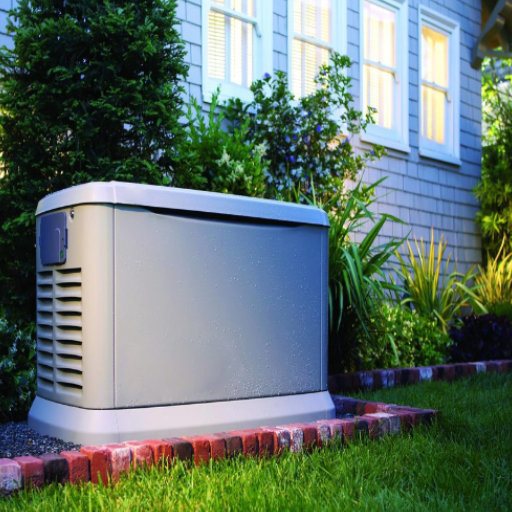
Most Alabama installations utilize natural gas, leveraging the state’s extensive pipeline infrastructure to provide an indefinite fuel supply. For rural properties without gas lines, large-capacity liquid propane (LP) tanks are an excellent alternative. These systems are designed to detect a grid failure and restore power to critical HVAC and medical systems within seconds, ensuring your family remains safe during the oppressive humidity of a post-storm heatwave.

Portable Emergency Generators

In Alabama, we strongly recommend dual-fuel or tri-fuel models that can run on gasoline, propane, or natural gas. Having a unit that can switch to a pre-stored 20-lb propane tank ensures you aren't left stranded. While portable units require manual setup and a safe outdoor operating distance to prevent carbon monoxide buildup, they offer a reliable "bridge" during the short-term localized outages common in the spring storm season.

Commercial Diesel Generators

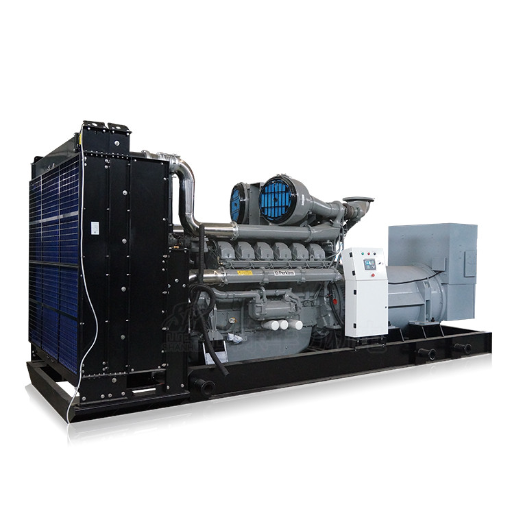
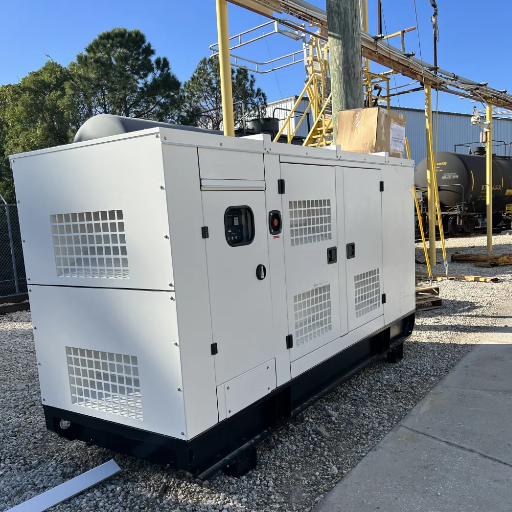
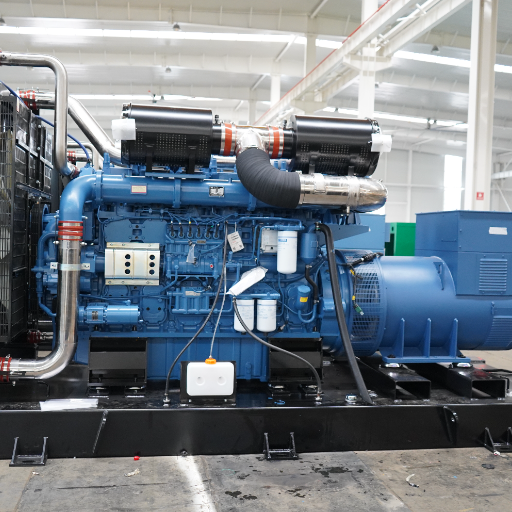
For Alabama's industrial manufacturing plants, data centers, and healthcare facilities, diesel-powered generators are the preferred solution for high-load reliability. Modern EPA Tier 4 Final diesel units are engineered to handle the massive "inrush" current required to start heavy industrial machinery and large-scale cooling systems. Unlike natural gas lines, which may be shut off during seismic events or severe flooding, onsite diesel storage provides complete energy independence.

What Size Generator Do You Need in Alabama?

Accurately sizing a generator in Alabama requires more than a simple square-footage calculation. Due to the state’s extreme humidity and high ambient temperatures, electrical loads—particularly for cooling systems—are significantly higher than in more temperate climates.

Typical Residential Load Profiles

  • Essential Essentials (10–12 kW): Covers the refrigerator, well pump, lights, and a window A/C unit or small mini-split.

  • Whole-Home Coverage (20–26 kW): This is the standard for Alabama suburban homes (2,000–3,000 sq. ft.). It manages a 4- or 5-ton central HVAC unit, electric water heater, and kitchen appliances simultaneously.

Medical Equipment and Life Safety

Most medical devices are low wattage (300–600W), but they require “clean” power with low Total Harmonic Distortion (THD) to prevent computer-board failure.

Pro-Tip: Small Business Load Requirements

Professional Advice: Always calculate your “Starting Wattage” rather than just “Running Wattage.” In the Alabama heat, an undersized generator will “bog down” or trip its breaker the moment the air conditioning cycles on, potentially damaging the compressor.

What Size Generator Do You Need in Alabama ?

Navigating Alabama’s complex regulatory environment and unique climate risks requires professional expertise. Our consultants specialize in designing that guarantee your home or business remains powered, regardless of the state’s grid instability.

Latest Blog Posts

Maintain Inventiveness by Following The Blog for the Latest Best Practices, Techniques, Innovations, and Insights in the Field.

Frequently Ask Questions

Get in touch with us
Leave a message
Contact Form Demo