
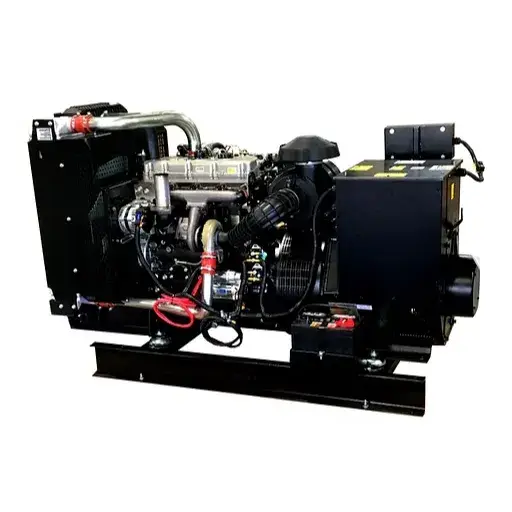
Diesel Generators comprise one of the more instrumental aspects of modern day infrastructure due...
Monitoring the stability of the electrical grid in the Natural State requires a localized understanding of both severe weather patterns and regional infrastructure limitations. This Arkansas power outage map serves as a critical resource for residents and commercial operators, providing live county updates across the service territories of major providers, including Entergy Arkansas, Electric Cooperatives of Arkansas, and Southwestern Electric Power Company (SWEPCO).
Power reliability in Arkansas is frequently challenged by the state’s diverse geography and volatile climate. In the Ozark and Ouachita mountain regions, heavy ice storms during the winter months represent a significant threat, often leading to massive “tree-on-line” events due to the state’s dense forest canopy. Conversely, the Delta and central regions are highly susceptible to severe convective storms, including high-velocity straight-line winds and tornadoes, which can compromise high-voltage transmission structures in seconds. As we move through 2026, the grid is also facing increased pressure from escalating summer humidity, which drives peak demand to record levels and tests the thermal limits of aging neighborhood transformers.
For many Arkansas property owners, relying solely on utility restoration is no longer a sufficient strategy for maintaining operational continuity or personal safety. Integrating a professional backup power solution is essential to mitigate the risks associated with these frequent interruptions. Whether protecting agricultural assets in the east or residential comfort in the central corridor, onsite generation provides the definitive layer of security needed to navigate Arkansas’s shifting energy landscape. This page offers the real-time data and technical context necessary to track grid fluctuations and secure your property with professional-grade energy resilience.
Arkansas sits in a high-risk zone for severe convective storms that produce straight-line winds and tornadoes. In the flat regions of the Mississippi Delta, these wind events can reach speeds that exceed the structural load-bearing capacity of standard wood-pole distribution lines.
The Arkansas electric grid is currently facing unprecedented “peak load” stress due to shifting energy consumption trends.
In the Natural State, backup power must be engineered to withstand high-velocity wind events and the heavy ice loads common in the Ozark and Ouachita regions. Selecting the right system involves matching fuel availability with the specific environmental risks of your county.
These units are typically powered by natural gas or large-scale liquid propane (LP) tanks, ensuring a continuous fuel supply even when roads are impassable due to winter storms. In Arkansas, these systems must be equipped with cold-weather kits to ensure the battery and oil remain at optimal temperatures during sub-freezing events. By automatically restoring power to your heating system and well pump, a standby unit prevents the catastrophic pipe bursts and property damage that often follow a multi-day winter grid failure.
Portable generators provide a versatile and cost-effective solution for managing the sudden "QLEC" wind storms and tornadoes that impact the Delta and central corridors. We strongly recommend dual-fuel models that can run on both gasoline and propane. Propane is particularly valuable in rural Arkansas because it has an indefinite shelf life and won't degrade during the humid summer months.
Diesel is the preferred fuel for commercial applications in the Natural State due to its energy density and the ease of maintaining on-site bulk storage. These units are engineered to handle the massive "inrush" current needed to start large-scale ventilation systems in poultry houses or cooling racks in processing plants. Modern Tier 4 Final diesel engines provide the clean, stable voltage necessary to protect sensitive digital controllers and automated machinery from the voltage fluctuations common on the rural Arkansas grid.
Our team of energy specialists is ready to provide a comprehensive site analysis to ensure your backup system is perfectly sized for your specific regional risks. Contact us today for a professional consultation and a detailed quote on an Arkansas-ready power solution.
Maintain Inventiveness by Following The Blog for the Latest Best Practices, Techniques, Innovations, and Insights in the Field.
Diesel Generators comprise one of the more instrumental aspects of modern day infrastructure due...
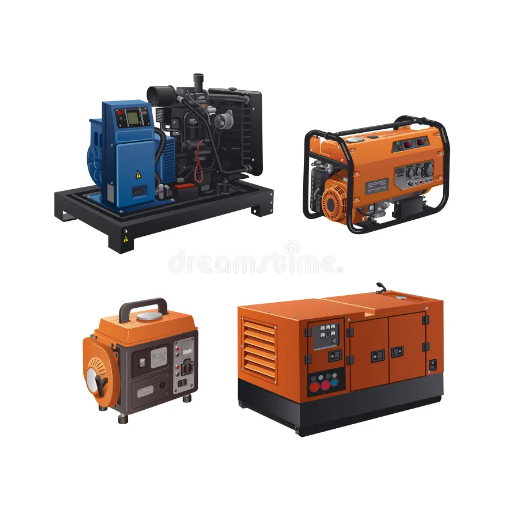
A diesel generator is a significant power source, commonly used in many fields, due...

A blackout in a power grid means complete power failure, but what is the...
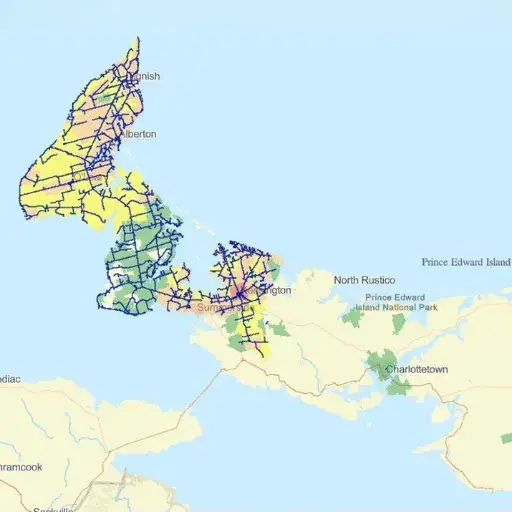
Power outages are among the most troublesome issues that can occur, significantly disrupting people’s...
Power outages in Arkansas are primarily driven by the state’s volatile weather and dense forest canopy. During winter, freezing rain creates ice accretion on lines and branches; as little as a quarter-inch of ice can add hundreds of pounds of weight, leading to snapped poles. In the spring and summer, the state faces “QLEC” storm fronts and tornadoes that produce straight-line winds capable of toppling high-voltage transmission structures. Additionally, Arkansas has a high lightning-to-ground strike density, which frequently compromises substation transformers. Because over half the state is timberland, “off-right-of-way” trees falling into lines remains a constant threat to grid stability, particularly in the Ozark and Ouachita regions.
Restoration times in Arkansas vary significantly based on geography. In urban centers like Little Rock or Fayetteville, utility crews can often restore service within 2 to 5 hours for localized faults. However, in rural areas managed by cooperatives, restoration can take several days following major ice storms or tornadoes. The rugged terrain of the Ozarks can make access difficult for repair trucks, and massive timber falls may require extensive clearing before lines can be re-strung. Data from recent years suggests that Arkansas residents experience some of the longer outage durations in the region due to these logistical hurdles and the “islanded” nature of some rural distribution networks.
Preparation should focus on the “dual-threat” of Arkansas weather: extreme humidity and winter ice. For summer outages, identify a backup power source that can run at least one cooling zone or high-velocity fans to prevent heat exhaustion. In winter, ensure you have a secondary heat source that does not rely on the grid to prevent pipes from freezing. Your emergency kit should include a 72-hour supply of water (one gallon per person per day) and non-perishable food. Since cellular towers in rural Arkansas can become congested or lose power during storms, keep a battery-powered weather radio tuned to NOAA frequencies for real-time emergency updates.
For many Arkansans, the ROI of a standby generator is realized during the first major ice storm or hurricane remnant. Beyond the immediate comfort of maintaining HVAC and refrigeration, a permanently installed 20–26 kW unit protects your home’s infrastructure. It prevents the costly plumbing repairs associated with frozen pipes and preserves expensive grocery or agricultural inventories. In the growing Northwest Arkansas and central markets, a standby generator is also a high-value “trust signal” for property resale, often increasing home value by 3% to 5%. For rural residents with well water, a generator is a necessity to maintain water pressure for sanitation and livestock.
Installing a permanent generator in Arkansas requires adherence to both the National Electrical Code (NEC) and local municipal ordinances. You must obtain electrical and mechanical permits to ensure the unit is safely integrated into your home’s panel via an automatic transfer switch; this prevents “backfeeding,” which is illegal and life-threatening to utility linemen. Because Arkansas is prone to heavy rains and flooding in the Delta, the unit should be installed on a raised concrete pad above the local flood grade. Furthermore, for those in forested areas, clear a 10-foot radius around the unit to ensure proper ventilation and to reduce fire risks from falling leaves or debris.