
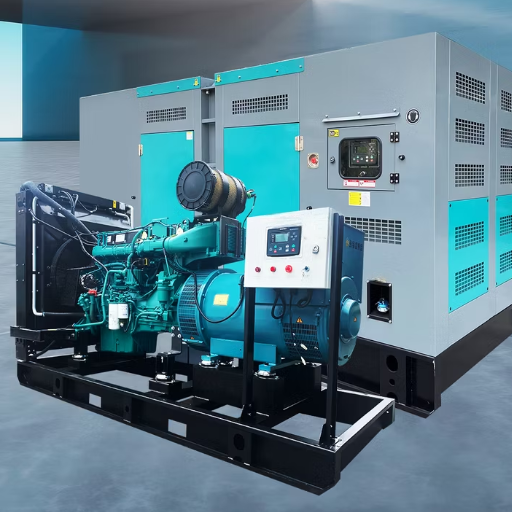
An open diesel generator costs 10–35% less to buy but is loud, running at...
Monitoring the stability of the electrical grid in the Centennial State requires a specialized understanding of how high-altitude weather and rapid environmental shifts affect energy infrastructure. This Colorado power outage map serves as a vital tool for homeowners and commercial operators, providing live county updates across the service territories of major providers, including Xcel Energy, CORE Electric Cooperative, and Black Hills Energy.
Power reliability in Colorado is uniquely influenced by the state’s rugged topography and a shifting climate profile. In 2026, the primary drivers of service interruptions have evolved from standard winter storms to more complex events. High-velocity mountain winds—often exceeding 80 mph—and prolonged “snow droughts” have created unseasonably dry conditions, leading to an increased frequency of Public Safety Power Shutoffs (PSPS). These proactive de-energizations are a necessary wildfire mitigation strategy to prevent aging distribution lines from sparking in fire-prone regions like the Front Range. Furthermore, the grid faces mounting pressure from “heat dome” events and the high energy demands of growing data center corridors, which can strain local transformers to the point of failure.
For residents from the Denver metro area to the Western Slope, relying solely on utility restoration is no longer a sustainable plan for energy security. Integrating a professional-grade backup power solution is essential to protect your property against the hazards of sub-zero temperatures during winter blackouts or the operational downtime of summer grid failures. This page offers the real-time data and technical context necessary to track grid fluctuations and secure your home or business with reliable, site-specific energy resilience.
One of the most significant shifts in seasonal outage patterns is the rise of Public Safety Power Shutoffs (PSPS). Unlike reactive outages caused by storm damage, a PSPS is a proactive de-energization of the grid.
Colorado’s unique geography presents significant challenges to infrastructure, exposing it to physical stressors that are uncommon in most of the Lower 48 states. The state’s high elevation, rugged mountain terrain, and extreme weather conditions, including heavy snowfall, freeze-thaw cycles, and intense UV radiation, place immense strain on roads, bridges, and buildings.
In the Centennial State, a backup power system must contend with two extremes: high-altitude oxygen depletion and sub-zero winter temperatures. Selecting a generator for Colorado means accounting for “derating”—the loss of engine power that occurs as elevation increases—to ensure your system doesn’t fail when the snow begins to pile up.
For Colorado homeowners, a permanently installed standby generator is the gold standard for maintaining safety during "riming" ice events or prolonged Public Safety Power Shutoffs (PSPS). Due to the thin mountain air, we recommend oversizing your unit by at least 20–30% to compensate for the natural $3.5\%$ power loss per 1,000 feet of elevation above sea level. High-performance models from brands like Cummins or Generac should be equipped with "Cold Weather Kits," which include thermostatically controlled battery warmers and oil heaters. These features ensure the engine turns over instantly even during a -20°F Front Range cold snap, keeping your furnace running and preventing catastrophic pipe bursts.
Portable generators offer a flexible defense against localized grid failures caused by high-velocity downslope winds. In Colorado, we strongly advise choosing Electronic Fuel Injection (EFI) models. Unlike traditional carbureted units, EFI systems automatically adjust the air-fuel ratio for high-altitude operation, preventing the "rich" fuel mixture that causes engine surging and carbon buildup at 5,000+ feet. If using a standard unit, a high-altitude jet kit is a mandatory modification. Dual-fuel portables running on propane are also ideal for mountain residents, as propane remains stable indefinitely and won't gum up the engine during the long periods between summer monsoons and winter blizzards.
For Colorado’s critical infrastructure—including the burgeoning data center corridors in Denver and agricultural facilities on the Eastern Plains—diesel generators provide the high-torque reliability needed for industrial-scale loads. These units are engineered to handle the massive "inrush" currents required to start commercial HVAC clusters during high-altitude heatwaves. For 2026 compliance, we specify Tier 4 Final engines equipped with heavy-duty, multi-stage air filtration. This is essential for protecting the engine from the fine, abrasive dust kicked up by 80 mph Chinook winds. These generators ensure that hospitals and cold-storage facilities remain operational even when wildfire mitigation efforts force a regional grid de-energization.
Our team specializes in high-altitude power engineering and can provide a precise load calculation that accounts for your specific elevation and temperature risks. Contact us today for a professional consultation and secure a backup solution built to conquer the Colorado climate.
Maintain Inventiveness by Following The Blog for the Latest Best Practices, Techniques, Innovations, and Insights in the Field.
An open diesel generator costs 10–35% less to buy but is loud, running at...
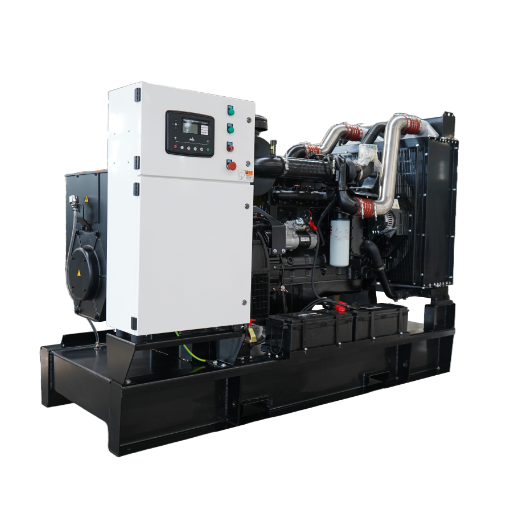
Diesel generator low power factor is a load condition, not a machine fault: the...
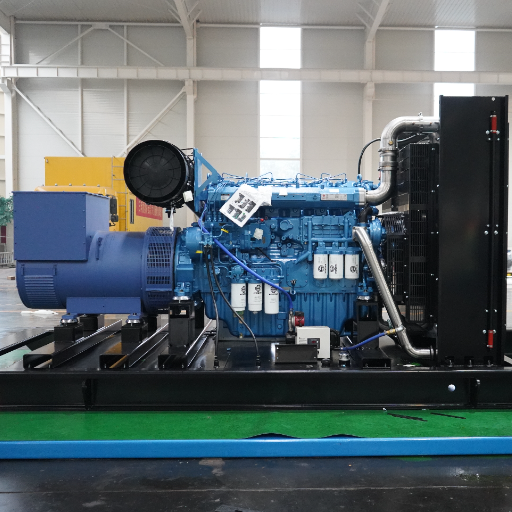
A generator set specification defines the machine across six parameter families: power rating, duty...

We need good energy options more than ever in a world dealing with...
Power outages in Colorado are increasingly driven by the state’s extreme atmospheric conditions and proactive safety measures. High-velocity downslope windstorms, often exceeding 80 mph along the Front Range, can topple poles and blow debris into substations. In the winter and spring, “rime ice” and heavy, wet snow place thousands of pounds of stress on transmission lines, leading to physical failure. However, a major 2026 trend is the use of Public Safety Power Shutoffs (PSPS). During “red flag” conditions with low humidity and high winds, utilities like Xcel Energy may preemptively de-energize the grid to prevent wildfires. These intentional outages are a critical mitigation strategy to ensure that aging infrastructure does not spark a catastrophic fire in Colorado’s dry mountain corridors.
The duration of an outage depends heavily on whether it was reactive or proactive. Standard storm-related outages in urban centers like Denver or Colorado Springs are typically resolved within 2 to 6 hours. However, Public Safety Power Shutoffs (PSPS) can last significantly longer. Once a safety shutoff occurs, utility crews are required by law to physically inspect every mile of the affected line for damage before it can be re-energized. This process can extend a blackout for 24 to 48 hours, even after the wind has subsided. For mountain residents, rugged terrain and deep snow can further delay repair crews, making multi-day outages a realistic possibility during the peak winter and fire seasons.
Preparation in Colorado must account for rapid temperature drops and high-altitude isolation. Your primary goal should be maintaining an interior temperature above $55^\circ\text{F}$ to prevent plumbing from freezing. If you do not have a backup power system, ensure you have a non-electric heat source or specialized “heat tape” for vulnerable pipes. Your emergency kit should include a 72-hour supply of water (one gallon per person per day), non-perishable food, and high-altitude sleeping bags rated for sub-zero temperatures. Since cellular service can become spotty in the foothills during outages, keep a battery-powered NOAA weather radio to receive live county updates and emergency alerts regarding wildfire risks or blizzard conditions.
In Colorado, the ROI of a standby generator is measured in both property protection and personal safety. A professional 20–26 kW system can prevent tens of thousands of dollars in water damage caused by burst pipes during a sub-zero blackout. Furthermore, as PSPS events become more frequent along the Front Range, the ability to maintain refrigeration and home office connectivity is essential for the state’s growing “work-from-home” population. For businesses, onsite power prevents the loss of temperature-sensitive inventory and maintains security systems. When correctly sized for Colorado’s elevation, a standby generator adds significant resale value, as “energy resilience” has become a top priority for home buyers in fire-prone or mountain-adjacent communities.
Installing a generator in Colorado requires specialized hardware and adherence to strict local codes. Because of the high altitude, all engines must be adjusted for thin air—often requiring high-altitude jet kits or Electronic Fuel Injection (EFI) to prevent stalling. Mechanically, units must be mounted on reinforced concrete pads and should be fitted with “Cold Weather Kits” (battery warmers and oil heaters) to ensure reliability in -20°F weather. Electrically, a professional transfer switch is mandatory to prevent “backfeeding” into the electric grid, which is life-threatening for utility linemen. Finally, ensure your installation meets local setback requirements for noise and exhaust, especially in high-density areas like Boulder or Denver, where municipal permits and inspections are strictly enforced.