
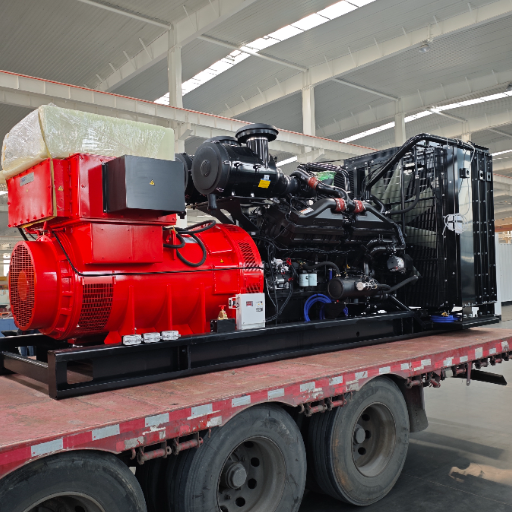
A Cummins diesel generator is a set of power generation which incorporates a Cummins...
Monitoring grid stability is a vital priority for residents and businesses across the Peach State. This Georgia power outage map provides a real-time, centralized overview of the electrical landscape, offering live county updates for the service territories of Georgia Power, the state’s 41 Electric Membership Cooperatives (EMCs), and various municipal providers. From the North Georgia mountains to the coastal plains, staying informed about restoration progress is essential for safety and operational continuity.
Georgia’s energy infrastructure faces distinct regional challenges that frequently impact reliability. As demonstrated by the severe winter storms of early 2026, the northern half of the state is highly susceptible to “ice-loading” events. These occur when freezing rain coats the state’s dense pine and oak canopy; the weight of the ice causes massive branches to snap, downing distribution lines and breaking utility poles in a matter of seconds. Conversely, South Georgia and the coastal regions are more vulnerable to tropical systems and severe convective thunderstorms. These events often bring high-velocity wind gusts and lightning strikes that can compromise substations and transmission towers. Additionally, the state’s rapid industrial growth and the expansion of high-load data centers in the metro Atlanta area have placed increased demand pressure on the electric grid, particularly during extreme heatwaves when cooling loads are at their peak.
For those living in areas where terrain or vegetation may delay utility response, relying solely on the grid is an insufficient strategy for long-term resilience. Investing in a professional backup power solution—whether a permanently installed standby generator or a modern battery storage system—is a critical step in mitigating the risks of extended blackouts. This page delivers the immediate data and technical context necessary to track outages by town and county, helping you make proactive decisions to protect your property and family.
The stability of the electric grid in the Peach State is defined by its diverse geography—ranging from the Blue Ridge Mountains to the Atlantic coast—and a rapidly intensifying energy profile. As of 2026, power outages in Georgia are no longer just products of seasonal storms; they are increasingly driven by structural demand from the “Silicon Peach” data center boom and specialized regional weather risks.
In the Peach State, a reliable backup power strategy must account for the specific mechanical stresses of North Georgia’s ice storms and the corrosive, high-humidity environment of the coastal plains. Selecting the right system involves balancing fuel accessibility during regional emergencies with the thermal endurance required for Georgia’s intense summer heat domes.
For Georgia homeowners, a standby generator is the best defense against ice storms and hurricane-driven outages. Liquid-cooled models are ideal for metro Atlanta and middle Georgia, as they handle 100°F+ heat without tripping while powering high-tonnage AC units. To ensure fuel autonomy during blocked roads, pair the system with natural gas lines or large propane tanks for uninterrupted operation during storms.
Portable generators are a versatile, entry-level solution for Georgia's storm-related outages. Tri-Fuel models (Gasoline, Propane, Natural Gas) are recommended, with propane ideal for North Georgia due to its indefinite shelf life. Though requiring manual setup, high-wattage units can power essentials like well pumps and refrigeration, bridging the gap until utility crews restore service.
For Georgia's industrial sector, including data centers and poultry farms, diesel generators provide the high-torque capacity needed for 24/7 operations. Diesel's energy density allows for large on-site reserves, and 2026 EPA Tier 4 Final engines meet emissions standards while ensuring rapid load acceptance. These systems keep critical operations running smoothly, even during grid load shedding.
Sizing a generator in the Peach State requires more than a simple wattage count; it requires accounting for the high-torque demands of North Georgia’s heating systems and the unrelenting cooling loads of the coastal plains. This guide provides the technical baseline for selecting a system that balances efficiency with emergency reliability.
For the average Georgia home (approx. 2,500 sq. ft.), a 20kW to 22kW standby generator is the industry standard. This range comfortably manages “whole-home” loads, including:
Always add a 20% safety margin to your total calculated load. In Georgia’s 90°F+ humidity, generators can experience “derating,” where they lose a small percentage of their output capacity due to extreme ambient heat.
Our team specializes in Georgia grid resilience and can design a turnkey backup solution tailored to the state’s unique thermal and storm risks.
Maintain Inventiveness by Following The Blog for the Latest Best Practices, Techniques, Innovations, and Insights in the Field.
A Cummins diesel generator is a set of power generation which incorporates a Cummins...
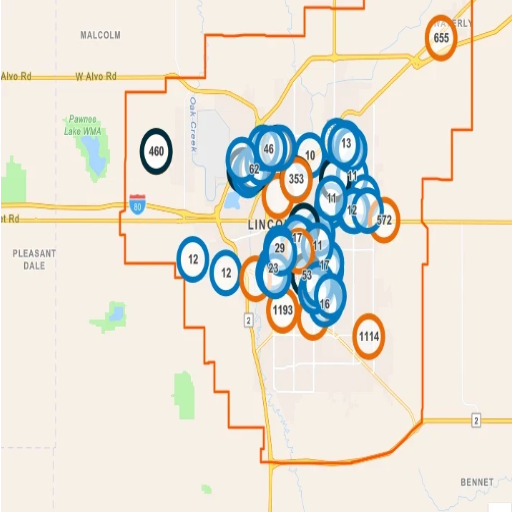
Power outages can render communities vulnerable and disrupt lives; Nebraska, too, has seen its...
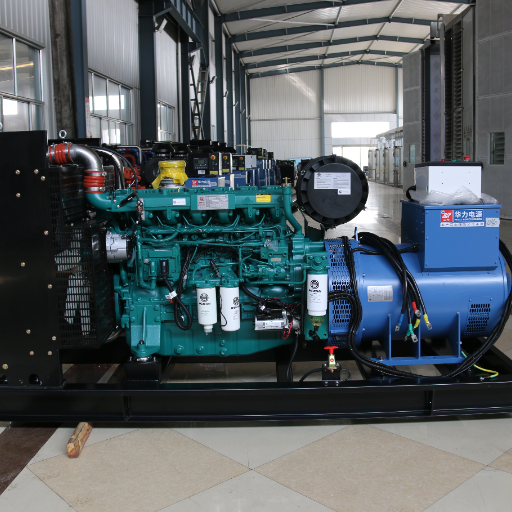
Generator backfeeding is when electricity from your generator flows backward through your building’s wiring...
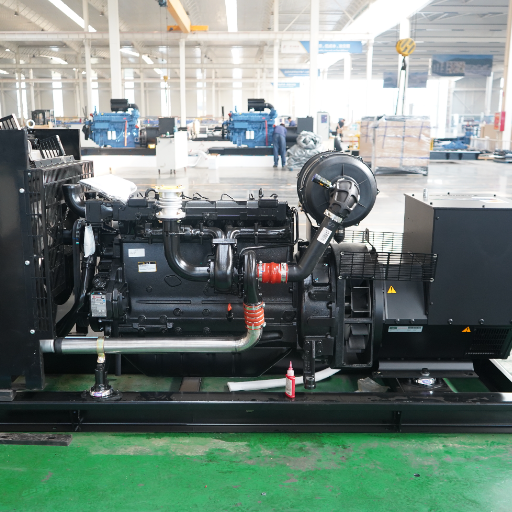
A generator specification sheet is three documents in one: a nameplate, an engine data...
The stability of the electric grid in the Peach State is uniquely challenged by its diverse geography. In North Georgia and the Metro Atlanta area, the leading cause of winter service interruptions is “ice-loading.” When freezing rain accumulates on the state’s dense pine and oak canopy, the immense weight causes limbs to snap, downing distribution lines and breaking utility poles. In South Georgia and the coastal plains, outages are more frequently driven by tropical remnants and severe convective thunderstorms that bring high-velocity winds and lightning. Furthermore, Georgia’s rapid industrial expansion—specifically the growth of high-load data centers—has increased demand pressure during extreme summer heatwaves, occasionally leading to localized equipment failure or “transformer pops” due to thermal stress.
Restoration timelines in Georgia vary based on the severity of the weather and the accessibility of the damage. Minor outages caused by routine thunderstorms in suburban areas like Marietta or Savannah are typically resolved within 2 to 5 hours. However, major ice storms in the Appalachian foothills or hurricane-force winds in South Georgia can result in multi-day blackouts. During these events, the “restoration clock” is often delayed by “off-road” damage where utility trucks cannot easily traverse mud or ice-slicked terrain. Georgia’s utilities follow a strict hierarchy, prioritizing high-voltage transmission repairs and critical life-safety infrastructure (hospitals and water plants) before addressing individual neighborhood lateral lines and residential service drops.
Preparation must account for both the damp cold of Georgia winters and the intense humidity of its summers. For winter readiness, ensure you have an alternative heating source and enough non-perishable food for 72 hours. If you rely on a well pump, remember that you will lose water pressure immediately during a blackout; keep stored water for sanitation and drinking. To stay informed, maintain a battery-powered NOAA weather radio to receive live county updates when cellular networks are congested. To protect your home’s electronic infrastructure, we recommend installing whole-house surge protection, as Georgia’s frequent lightning strikes can send high-voltage “spikes” through the grid even after the primary power has been restored.
For many Georgia homeowners, a standby generator is a high-value investment in property protection and personal safety. In North Georgia, the ability to maintain heat during a week-long ice storm prevents catastrophic pipe bursts and allows families to shelter in place safely. In the humid southern regions, a backup power system is essential for running HVAC units, which prevents rapid mold growth and keeps interior temperatures at safe levels during 100°F heatwaves. As of 2026, the increasing frequency of “capacity alerts” from the regional grid means that even “blue-sky” days can bring instability. A permanently installed 22kW unit provides seamless continuity for “work-from-home” professionals and ensures that critical medical equipment remains operational regardless of grid conditions.
Installing a generator in Georgia requires compliance with the National Electrical Code (NEC) and local municipal building standards. You must obtain electrical and fuel piping permits from your county or city (such as Fulton, Gwinnett, or Chatham County). A professional installation involves mounting the unit on a reinforced concrete pad and integrating an automatic transfer switch (ATS) to prevent dangerous “backfeeding” into the electric grid, which poses a lethal risk to utility linemen. For properties in North Georgia, the unit should be positioned to avoid heavy snow or ice shedding from rooflines. In coastal areas, we strictly mandate the use of aluminum enclosures to resist salt-air corrosion and recommend elevating the unit above the local flood plain to protect the internal circuitry from flash flooding.
Generally prohibited. Operating a non-CARB compliant generator in California can lead to significant fines. State SORE regulations prevent the use of engines that do not meet smog and particulate matter standards. Using one as a permanent backup violates health/safety codes and can void insurance coverage. Always select units specifically labeled “California-compliant”.