
Making a straightforward decision when selecting the generator you need is sometimes very important but this is mostly the case with the very reliable and energy-efficient generators. However it is very difficult to make any sense out of the given words such as prime power and standby power. Generator types vary greatly, and it is important to grasp these kind of differences fully lest you end up choosing the wrong use-case in virtue of cost. The purpose of the given article is to examine in detail the difference between prime power as well as standby power generators so as to enable the reader make a rational choice. It is useful to know such fine levels as power, in case you are either going to be assembling a field location or putting in place provisions for outages.
Understanding Generators

What is a Power Generator?
An electrical power generator is such equipment which is aimed at to drive, supply and deliver energy for the needs of other systems or equipment by implementing mechanical energy in the form of electric current. It is often of great importance when there is no probability of connection to the prime power generator with its networks or the main networks are all unreasonably distorted. In such instance, the generators provide reliable power where scarce electricity stifles the continuity of home and business activities even industrial operations in mainly treacherous power suspended areas as well as in off-grid areas.
The generators which most people use have an engine inside them which burns either diesel, gasoline or even liquid gas to create the mechanical energy. The mechanical energy works an alternator which in turn produces the current. Generators are found in all power ranges starting with little portable ones used by individual persons to giant systems that can supply power to an entire building or industrial enterprise.
Prime power generator constitutes an essential element of any emergency operations to provide adequate power in order to sustain the most important systems like hospitals, computer data servers or construction operation. In addition, such generators are popular among people as sources of electricity for outdoor recreational activities and celebrations while others use them to supply their homes or cabins where there is no grid. When choosing a generator, several factors have to be taken into account including the amount of power needed, fuel type, and environmental factors.
Types of Generators
Generators come in many types, with each type custom-built to satisfy various power requirements. Some of the distinct categories are portable generators, inverter generators, standby generators, and industrial generators. All the types have specific uses and are selected as per the use, capacity, and the area of application.
Key Generator Types:
- Portable Generators: Small, light, and flexible, normally utilized for power in emergency or short-term situations. You could think of them as suited for things like camping, small construction sites, or using equipment and electrical appliances when the power goes off.
- Diesel Generators: More durable and power efficient in this class. The most common locations of their application is facilities and other commercial buildings.
- Commercial/Industrial Generators: Meet the energy needs of manufacturing processes, data centers, and the construction industry. These generators provide heavyweight bodies that can withstand extreme physical work and thermal conditions.
- Inverter Generators: Replace the noisy and fuel-consuming variants, providing clean electricity for powering sensitive devices such as computers and medical equipment.
How Generators Work
When talking about generators, then, they essentially change mechanical energy into electrical energy, and this is called electromagnetic induction. This is done by having an engine as the mechanical energy device and a generator known as the alternator as the device that generates electricity from mechanical motion. The engine consumes fuels of different types which include, gasoline, diesel or even natural gas so as to cause the motions rotation of the flywheels although, in the case of an alternator use, uses the rotating magnetic field and generates electricity by using electric conduction materials.
Within the limits of the generator, the engine drives the rotor inside the alternator. When the rotor rotates in a fixed magnetic field, this causes electric current to flow in the conductor windings of the stator. The electricity is subsequently directed to the generator outlets, or connected circuits, which are to be used in the supplied equipment or appliances. The control panel and the voltage regulator are provided to ensure that the power being generating is in order and matches the level or needs of the devices being connected.
⚙️ Maintenance Essentials:
Any machine requires regular servicing for its proper functioning. Day-to-day maintenance activities include among others:
- Refueling the generators
- Replacing the worn out oil and oil filters
- Changing the air filter and spark plugs
- Checking the battery
Proper air circulation also helps repair and not to destroy anything while operating easily.
Prime Power Generators
Definition and Features
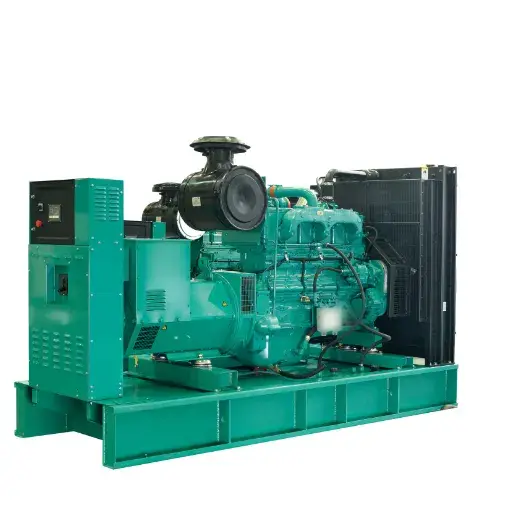
A prime power generator is a unique type of electro-mechanical equipment that is used to generate power for an extended period, particularly in areas where there is little or no possibility of an external power supply. Standby generators, on the other hand, are used to provide emergency power during blackouts. In contrast, prime power generators are intended for use in remote locations or situations such as industrial operations where as the primary source of power, energy needs to be generated. This is because they are constructed in a manner that allows for long term operation and without which most industries or sectors like mining, oil and gas, construction and remote development of infrastructure among others cannot be effectively sustained.
One significant attribute of a prime power generator is the capability to function optimally and provide power in the midst of changing power requirements. A prime power generator has been designed to perform efficiently, even in the most extreme environments, which would not result in fuel inefficiency. The upper–end versions of prime power generators will typically come fitted with components such as automatic load control systems, strain gauging and cooling systems in order to extend the system and its component’s useful life.
🔋 Modern Prime Power Features:
- Remote Monitoring: Control equipment conveniently from anywhere
- Predictive Maintenance: Reduced system downtime and expenses
- Fuel Usage Optimization: Improved efficiency and cost savings
- Hybrid Power Technologies: Integration with solar and wind energies
- Environmental Sustainability: Minimizes adverse environmental effects
Applications of Prime Power
⛏️ Mining Activities
The importance of a prime power generator is indispensable in mining activities, given the fact that so far the provision of grid electricity is not yet stable. They supply electricity to heavy machinery, ventilation and safety equipment thereby allowing mineral extraction far from civilization.
🏗️ Building Works
In building works, prime power generators are essential in providing electrical energy to run power tools, illuminate the work area, and set up mobile units or site cabins. This is of utmost importance especially in huge constructions which have different power needs at different stages of production.
🛢️ Petroleum and Gas Industry
In the petroleum and gas industry, the utilization of prime power generators is of prime importance for sustaining the performance of drilling operations and refinery plants. Such generators provide sufficient power supply in working areas with adverse geographical conditions.
📡 Telecom
In areas where there are no steady sources of power, most telecom tower installations have to rely on a prime power generator to counter electricity shortages. This enables them to provide connectivity to their network for an end-user or any other networks.
💾 Powering Data Centers
Many data centers are designed to use prime power and do not require standby generators since their server banks and other sensitive information systems cannot do without power for a sufficient period of time.
Standby Generators
Definition and Features
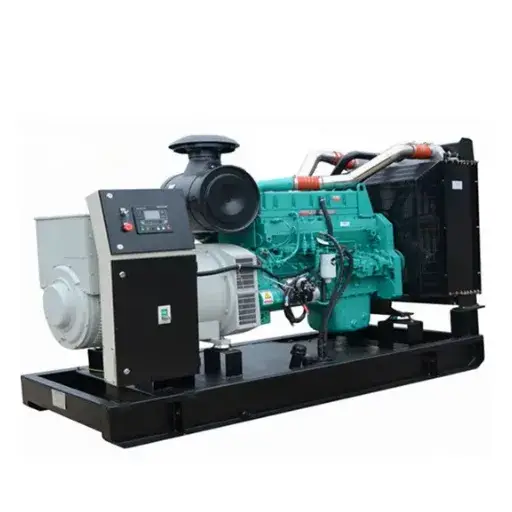
In case of power failures, generators are used as substitute sources of electricity. They begin working on their own whenever the main line is no longer operational as a means of keeping systems operational at all times. These prime power generator variants are usually fuelled by either of the materials: diesel, gas or LPG, and featuring an automatic transfer switch help in taking over the power more smoothly because the transfer switch will sense and carry the load to the generator. This capability makes them indispensable for organizations, medical care facilities, or even homes in which power supply is usually a necessary feature.
Standby generators have the main advantage in that they can operate uninterrupted and steady, which is not the case with most portable generators. These generators do not need installation because the same is permanent where the structure is located. Such equipment is often mounted in weather resistant cabinets and is capable of functioning with efficiency even in the presence of unfavorable weather conditions.
📱 Latest Generation Features:
- Remote Monitoring: Observe output, operating time and service requirements via apps or browsers
- Efficient Motors: Improved efficiency and economy
- Emission Control Measures: Reduce negative environmental externalities
- Automated Operation: No manual operation required with automatic switching mechanisms
Applications of Standby Generators
🏠 Residential Backup Power
When a power outage occurs, homeowners can rely on a standby generator to provide power to refrigerators, the HVAC system, and lights. It ensures that they will be warm, safe and convenient in the home even when the outside weather is intolerable.
🏥 Healthcare Facilities
Standby generators are essential for hospitals, clinics and other medical facilities to support power for lifesaving equipment such as ventilators, monitors and surgical instruments. Without power, these facilities can endanger their patients’ health.
🏢 Commercial and Industrial Uses
Businesses and factories utilize standby generators in order to eliminate the time gaps caused by power disruptions. These systems have to be operational at all times that is why there has to be an uninterrupted supply of energy, to avoid financial downfalls.
💾 Data Centers
Data centers store necessary information while also depending on an unbroken link. This means that possessing a backup generator is more than just an investment as the modern data hub cannot operate throughout a shower of power-cut caused system failures.
🚨 Emergency Services
Fire departments or police stations performing essential services would require a prime power generator in their respective workplaces during emergencies to maintain operational capability.
Benefits of Using Standby Generators
✓ Key Advantages
- 1
Nonstop Source of Power: Backup generators allow the users to continue with their engagements as if there had not been any power interruption since power is restored immediately after a general power loss. This helps businesses avoid losses or downtime due to power losses. - 2
Equipment and Data Protection: Power loss that occurs without warning damages critical equipment and causes data loss. These types of generators offer protection in situations where there is sudden voltage change. - 3
Improved Security in the Face of Disaster: After a natural calamity or during any state of emergency, electricity is essential to maintain functional systems such as lighting, medical equipment, and security. - 4
Cost-Effectiveness Over Time: Although installation incurs some initial expense, it proves to be cost-effective in the long term savings since it helps avoid costs arising from equipment destruction, food spoilage or loss of working hours. - 5
Convenience and Automated Operation: Modern standby generators come with automatic switching mechanisms, which switch on the generator the very moment the power is off. This does not require any human intervention.
Key Differences Between Prime and Standby Generators
Performance and Usage
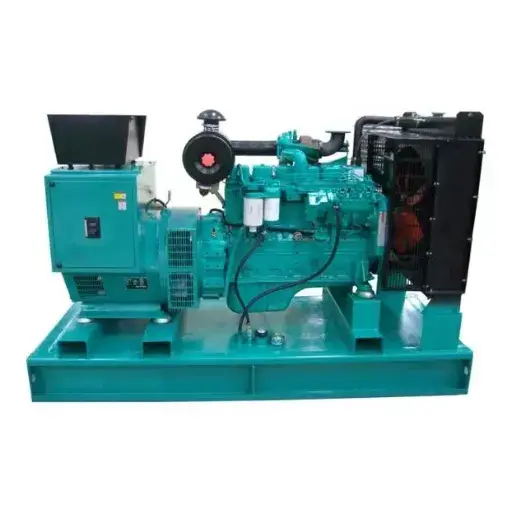
The prime power generator is meant to be run continually. This means it is taken to locations such as remote areas, construction sites or any other places used off the national grid line for provision of power and other purposes. It can as well function in an environment that has a range of varying power demands over a longer time without wearing off and hence makes it ideal for heavy load industries/commercial purposes. Such units are made for long hours of work, allowing service and labor worth thousands of hours every year.
Whereas standby generators are designed for a few hours application in cases where the normal supply power is cut off. These generators are used as the remainder of the standby supply and are thus aimed at minimizing the chagrin and making the system and appliance less susceptible to interruption. They are warranted in a few days of operation due to lower rates of silencing as compared to prime ones. Although these types can be very good in terms of immediate power load take up, their design does not allow them to run for long.
💡 Selection Tip: Take a building site which needs a nonstop supply of energy; in that case it will appreciate a prime power generator, but on the other hand when hospitals need dependable backup power on rare disruptions, standby generating units are essential.
Cost-Effectiveness
When evaluating the cost-effectiveness of any generator, it is important to look at both the front-loaded cost and the cost of operating the generator over a longer timescale. Prime generators are built for heavy or frequent use and therefore, because of the additional materials and components, their price at purchase is higher than other types of generators. But they are able to pay off better given their capacity to produce energy without interruptions for a long time as it is evident where there is a need for non stop action.
Standby generators, in contrast, have cheaper initial costs as compared to the prime power generator. This is because they are designed to function in the event of a power outage or any other form of emergency and all therefore usage is limited with non complex maintenance expected. In places where it takes a long time for lights to go off, the automatic standby mode turns the generator on but it is more cost saving than most devices.
| Cost Factor | Prime Power Generator | Standby Generator |
|---|---|---|
| Initial Cost | Higher (heavy-duty components) | Lower (emergency use design) |
| Fuel Consumption | Higher due to continuous operation | Lower (occasional use only) |
| Maintenance Frequency | More frequent and intensive | Less frequent |
| Long-term ROI | Better for continuous power needs | Better for occasional backup needs |
Reliability and Maintenance
When purchasing generators, consistency in performance and operational efficiency in the long run is of extreme importance. One of the factors that contribute to this is the reliability and maintenance of the generator. How reliable a generator is, in turn, depends on the quality of building that the generator, its components, and the manufacturer are known for building reliable equipment. Reliable equipment in this context is usually high-quality products which are quite durable and can easily withstand any extended usage or in extreme cases, emergency situations.
Another aspect that is equally important is proper maintenance, which increases the durability of the prime power generator as well as its efficiency. It includes regular checks, oil and filters replacement when necessary, and running conducive tests to pinpoint problems before they materialize. Most modern engine units use smart monitoring devices that aid immediate information and warnings and lessen operation disruptions. It is also imperative upon facilities to develop an all encompassing preventive maintenance programme with a bias towards the use of trained personnel towards maintaining manufacturers’ recommendations within reasonable limits.
⚖️ Maintenance Comparison:
Prime Power Generators: Require very frequent and intensive component servicing due to industrial heavy-duty or mission critical workloads. There is no compromise when it comes to performance.
Standby Generators: More frugal means of power generation with reduced maintenance costs. Suitable for backup power needs where continuous operation is not required.
Maintenance Tips for Longevity
Routine Maintenance Practices
🔍 Routine Checks
On regular and predefined intervals, check all the equipment for component degradation, abnormal vibration, etc. since these are the first indications of faults. Avoiding repair for minor faults for long can destroy such a piece of equipment very easily.
🧹 Clean the Equipment
Keep the equipment free of any dust or extracts or contamination that can interfere with the function. In dusty conditions, this becomes very important due to the fact that cleaning the machines may lead to clogging over time and a hindrance to its efficiency.
🔧 Check and Change Filters
Air filters, oil filters, and even hydraulic filters should be consistent with the manufacturer’s instructions as far as checking and changing a filter are concerned. Clean filters enable the system to work properly without the undesirable effects of contaminants.
🛢️ Lubricate All Moving Parts
There are many sliding parts in Gears, Bearings, Shafts, etc. so they are to be lubricated properly to avoid friction and excessive wearing out. Only lubricants recommended by the manufacturer of the equipment shall be used for efficient purposes.
📊 Do System Calibration and Testing
Test calibration and perform systems testing on a routine basis with a view of ensuring the processes remain within their set limits. Since some equipment is sensitive or even highly accurate, periodic testing helps in ensuring that reliability and accuracy are achieved.
📝 Tasks Execution Documentation
Document all inspections, repairs and replacement of parts with corresponding details. This is done; to provide accountability, help in repairs and in organizing similar work in respective time slots.
✓ Benefit: Incorporating these simple maintenance practices assists organizations in improving durability, reducing repair intervals, and meeting energies efficiency standards.
When to Seek Professional Help
I appreciate that regular maintenance is not always my work, so when my equipment needs more than my skills, I call in a repairman. Sounds, equipment breakdowns, or efficiency glitches in the context of mechanical systems, all serve as indications that professional attention is necessitated. Because they have the specialized equipment and knowledge, professionals may be able to rectify and fix the foreseeable complex problems while carrying out repairs.
⚠️ When to Call a Professional:
- Unusual sounds or vibrations from the equipment
- Sudden equipment breakdowns or failures
- Significant efficiency glitches or performance drops
- Safety concerns during operation or maintenance
- Urgent repairs requiring specialized knowledge
- Industry-specific intricacies requiring precision execution
As would every rational person, I am also quick to seek the services of an expert in scenarios where the safety of my life is at stake. It is always advisable to let professionals take over if a situation comes up where the use or the maintenance of any equipment myself or around any person poses danger. They are able to correct any defects that may be present so that no safety hazard is caused.
In conclusion, I consult with experts when there are urgent repairs or intricacies to be followed in case of certain industries. This is because they require safe execution and precision which the professionals are highly observed too. With their help, the perfection and ability to satisfactorily do the job is always guaranteed and hence I am happy knowing that my tools are in the best shape possible.
Comparison Summary
| Feature | Prime Power Generator | Standby Generator |
|---|---|---|
| Primary Use | Continuous, long-term power supply | Emergency backup during outages |
| Operating Duration | Thousands of hours annually | Limited hours (emergency only) |
| Typical Applications | Mining, construction, remote locations, oil & gas | Hospitals, homes, businesses, data centers |
| Load Capacity | Variable loads over extended periods | Immediate full load capability |
| Initial Investment | Higher (heavy-duty construction) | Lower (emergency design) |
| Maintenance Requirements | Frequent and intensive | Less frequent, simpler |
| Fuel Efficiency | Optimized for continuous operation | Optimized for short bursts |
| Grid Connection | Independent (off-grid capable) | Grid-connected with automatic transfer |
| Best For | Primary power source in remote areas | Backup power for grid outages |
References
- University of Texas at Arlington – Ask the Experts: Explains the differences between prime power and standby power, including the unique capabilities of prime generators.
- University of Texas Repository: Discusses prime power generation on all-electric ships, focusing on fuel consumption, power density, and operational effectiveness.
- University of Chicago – Electric Energy and Generators: Provides insights into prime movers, their role in converting primary energy into mechanical energy, and their application in generators.
Frequently Asked Questions (FAQ)
Q: Can you elaborate on what a prime power generator does and its difference with a standby generator?
A: Basically, a prime power generator allows for electrical power on a long-term basis in areas without utility power using otherwise diesel powered engines. This is in contrast to a backup generator, which is only operable for short periods of time that the utility power is no longer underground. Therefore, the prime or standby comparison adopts the position that prime power refers to continuous running generators that are used in on-site based power plants, conditions such as factories and otherwise industrial sites.
Q: What is the most common application for prime power generator?
A: Prime power generators are used in industries, factories, distant areas with no electricity, and in many other areas where the client considers using the main supply is unreliable. They are predominant in instances where what the user must be run continuously over a long period of time and the corresponding operations either does or could entirely replace the utility.
Q: Is it possible for the prime power generator to accommodate a return of normal service in a smooth manner?
A: The answer to this is yes. A generator can be set up in such a way that it shall not give a problem but rather an easy restoration of power from the utility supplied. However, it should be noted that such mechanisms are not the usual automatic transfer switches most standby modules are equipped with. Such systems have ‘soft load’ transfer capability to minimize or even eliminate the gap between the switch over from and to normal power.
Q: For how much time does the prime power generator remain in service and what factors control its rest period after every deployment?
A: This would be mainly determined by the availability of diesel and other fuels for the generators in question, load factors and the maintenance aspect. As long as the prime power generators have fuel and are serviced periodically, they can be operated for long periods. However, it is not advisable to run any machine for long without expectant servicing and changing of parts where necessary. The inclusion such factors as the ambient condition and the enclosure ventilation anyway also plays a role in the duration one may fix during single operation.
Q: What should one do to a prime power generator to make sure it is well-maintained?
A: In terms of prime power generators’ maintenance, it is advisable to allow technicians who have been professionally trained do this at given intervals and it should involve: changing oil and filters; checking the fuel system; carrying out battery testing; servicing the coolant system and control systems. Such kinds of maintenance makes the risk of the generator failing minimal since it does not work for few hours and can break easily, it can be used as a power backup or positive change over for powers.
Q: Can second-hand generators be used for power generation in situations requiring prime power?
A: Second-hand generators are also proven suitable for use as prime power as long as they are tested, refurbished and class certified by the relevant personnel. For prime power gens, it is important to analyse service history, specification of and condition of components, condition of non-critical components and/or enclosure and in case the generator meets the required load for the intended time, whether industrial or on-site power.
Q: When and how does a prime power generator and a power company’s power grid interact?
A: Prime power generators, if desired, do not depend on the power grid and are used as the exclusive source of power, otherwise these generators can be used simultaneously with the grid, if possible. Connecting the generators to the grid to achieve the goals must be done in support with the supplying company due to the required safety and regulatory considerations. Appropriate measures to mitigate the effects of the utility grid by making the harmonized operation possible are achieved by adequate controls and synchronizing devices.
Q: When implementing a prime power generator, which factors should be considered in choosing the housing and sitting of the generator?
A: The understanding of the location and construction of the enclosure should be aimed at aspects such as air inlets, sound suppression, protection from heat, and ways for service deliveries. It is important for these enclosures to hold up to constant use without the need to stop for refueling, venting or basic repairs. Well thought out placement also helps minimize response time to the power cut and enhances the operative period of the equipment in commercial power systems.
Q: What is the relevance of prime power solutions to provision of back up power and ensuring no interruption of operating facility?
A: Prime power generator comes up with the solution of providing stable supply of electricity which in turn can be complimented with the emergency back up generator to see that the critical loads are not interrupted. Achieving optimal designing and deployment of standby and prime power models and facilitating effective utilization of appropriate failure proof diesel and proficient technicians makes it easy for organizations to guarantee sensitive activities without downtime considerations or costs.
Conclusion
Understanding the differences between prime power and standby power generators is crucial for making informed decisions about your power needs. Prime power generators excel in providing continuous, long-term power supply for remote locations, construction sites, and industrial operations where grid connection is unavailable or unreliable. Their robust construction and ability to handle variable loads make them ideal for heavy-duty applications.
On the other hand, standby generators serve as reliable emergency backup systems, automatically activating during power outages to keep critical systems running. They’re perfect for hospitals, data centers, commercial facilities, and homes where temporary power interruptions could have serious consequences.
When choosing between these generator types, consider factors such as operating duration, load requirements, budget constraints, maintenance capabilities, and specific application needs. By carefully evaluating these aspects, you can select the generator solution that best aligns with your operational requirements and provides the most cost-effective, reliable power supply for your situation.