
Power outages may affect people’s routines in many ways, and thus responses for safety prevention are necessary when they happen unexpectedly. Seattle experiences power outages just like most other major cities, with causes ranging from weather-related events to infrastructure deterioration. If one understands the causes of the blackout and prepares for it, they are most likely to be fine. This guide examines the causes of power shortages in Seattle and provides recommendations to ensure your and your family’s safety when power goes out.
Overview of Power Outages in Seattle
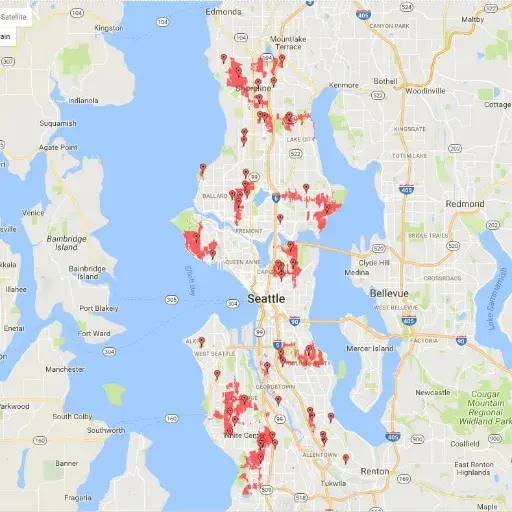
Wind storms and heavy rainfall lead to power outages in Seattle because they destroy power lines and infrastructure. Furthermore, rising energy demand and an aging power grid can make the grid more vulnerable to unexpected failures. Some other common causes of power outages include trees falling, vehicle collisions with utility poles, and planned maintenance or utility company updates. Seattle residents should remain prepared for power outages by keeping emergency kits ready, staying up to date on weather conditions, and immediately reporting outages to their utility provider.
Seattle City Light’s Role in Power Distribution
Seattle City Light, America’s pioneer public power utility, empowers the greater Seattle area by distributing electricity consistently and without interruption. The utility commits to delivering clean, reasonably priced electricity while maintaining environmental sustainability. It operates an expansive network of power lines, substations, and clean energy sources, with hydropower in particular supplying the bulk of the region’s energy requirements.
To upgrade the electrical grid, Seattle City Light is using the latest smart grid technologies to make it more efficient, increase redundancy, and further reduce outages. These improvements help the utility predict and respond immediately to potential power disruptions, benefiting residents and commercial enterprises that depend on the grid for their power needs. Moreover, the company works closely with the city to promote energy conservation, stimulate the purchase of energy-efficient appliances, and support the adoption of energy conservation practices. By exerting every possible effort to meet the region’s burgeoning energy demand, Seattle City Light has begun working toward substantial climate and sustainability goals.
Impact on Local Businesses and Residents
Benefits for Businesses
Seattle City Light provides affordable, reliable energy solutions that help businesses save costs while encouraging expansion. This results in larger disposable incomes, enabling investment in their communities. Business clients are offered programs and rebates to improve energy efficiency and lower energy consumption and energy bills.
Benefits for Residents
Seattle City Light’s focus on clean, renewable energy ensures fuel choices that are friendly to the environment and reduce the carbon footprint. Programs targeting low-income households offer discounted pricing plans and other options that make energy consumption easier and more affordable. Through its commitment to sustainability and community-oriented action, Seattle City Light enhances quality of life and supports economic growth in the area.
Recent Reports of Power Outages
Numerous things, including bad weather, equipment breakdowns, and intended maintenance can all create power outages. Seattle City Light suggests that customers who want the latest outage data for their area check its power outage map rather than calling or contacting customer service.
Primary Causes of Power Outages in Seattle
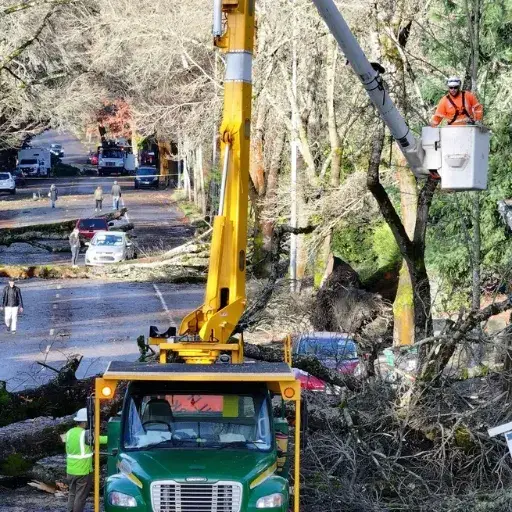
Severe Weather Events
Inclement weather is one of the main reasons Seattle experiences power outages. Storms, heavy rain, and heavy wind can knock over power lines and disrupt utility infrastructure. Snow is considered an enemy in winter as it can weigh down power lines and electrical equipment, causing power outages. Lightning strikes may cause unexpected failures in power supply. With any of these weather-related phenomena occurring with little to no warning, it is increasingly important to stay informed and prepare ourselves.
Aging Infrastructure Challenges
The age of infrastructure is a significant contributor to power cuts in Seattle. Various parts of the city’s power grid were built decades ago, and equipment becomes less reliable as it ages. Older transformers, substations, and power lines are more likely to fail, particularly during peak usage or bad weather. Seattle has seen increased strain on its grid due to rising electricity demand, driven by population growth and building development. This means a further balance is needed through investments in modernization and regular maintenance to build resilience and sustain the region’s evolving energy needs.
Unexpected Technical Failures
Frequent technical failures suddenly lead to citywide power outages. This type of inconvenience usually stems from dated, strained infrastructure under the pressure of escalating expectations. Faulty equipment, such as transformers and circuit breakers, plays a significant role in causing grid disruptions. Delayed system upgrades accentuate the system’s weaknesses through wear and tear, making some components prone to unexpected failures. It becomes necessary to check and replace parts well before they arrive at that critical stage to minimize the likelihood of failures and ensure steady power supply.
Citywide Information and Outage Maps
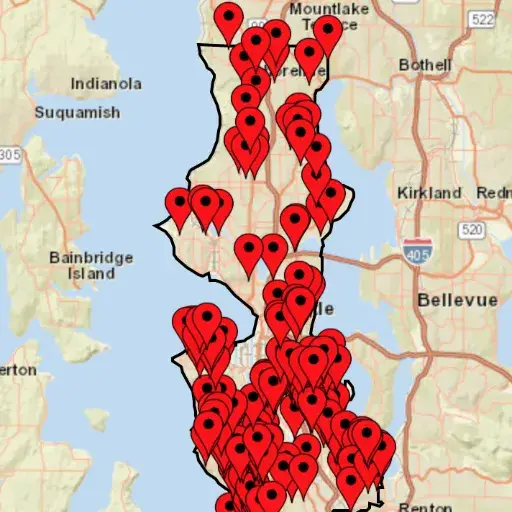
Accessing the Outage Map
You will be able to find the outage map on your local utility services provider’s official website by looking for the “Outages” or “Service Disruptions” section. This webpage typically includes a link to an interactive map that displays real-time data on power outages, including the affected region, estimated restoration times, and status alerts. Please ensure that the utility-provided map is the one you consult for any questions because it is likely to provide the most accurate information. For technical help on where to find the map, refer to the support page on the website or feel free to call customer service.
Real-Time Updates from Seattle City Light
Various methods are available for Seattle customers to receive instant information about power outages and power restoration. By referring to Seattle City Light’s official maps, customers can accurately and promptly identify affected areas, track estimated restoration times, and receive real-time status updates. The maps are interactive and user-friendly, allowing customers to zoom in on outages in or near their areas.
For aid and updates, customers can also turn to social media for postings from Seattle City Light on its regularly updated Twitter account and other channels. For more specific inquiries or tailored recommendations, please get in touch with their customer support team. Make sure you’re accessing updates from official Seattle City Light sources for the latest, most reliable information.
Navigating Citywide Safety Information
The importance of using official information platforms should not be underestimated when seeking citywide safety updates. It is better to get information from the local government’s official site, the emergency management department, or the public safety department. These platforms usually post real-time alerts on weather, road conditions, emergency preparedness, and other urgent situations. Some municipalities even offer residents the option to subscribe to an alert system, which can be free and forward notifications directly to them. Alternatively, keep an eye on local television stations and follow the emergency departments for accurate city-provided updates.
Safety Tips for Residents During Outages
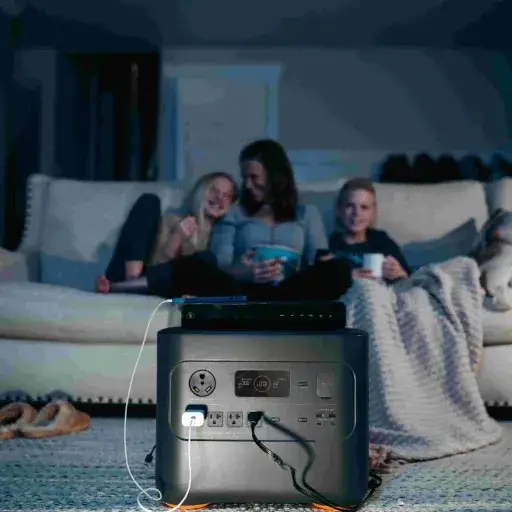
How to Stay Safe During a Power Outage
1. Prepare an Emergency Kit
Ensure you have a fully stocked emergency kit including flashlights, extra batteries, a first-aid kit, bottled water, non-perishable food, and essential medications. Consider adding a manual can opener and portable phone chargers to the kit.
2. Preserve Food and Water
Keep refrigerator and freezer doors closed as much as possible to maintain the temperature. A refrigerator will keep its temperature for about 4 hours, while a full freezer can hold its temperature for 48 hours if the door remains closed.
3. Use Alternate Light Sources Safely
Use battery-powered flashlights or lamps instead of candles to avoid fire hazards. If you must use candles, place them on non-combustible trays and keep them out of reach of children or pets.
4. Stay Updated and Connected
During an outage, a battery-powered or hand-cranked radio can keep you informed about updates and the progress of restoration. Whenever possible, remember to keep your devices charged in advance or invest in portable chargers.
5. Mitigate Carbon Monoxide Risks
Never use generators, camp stoves, or other fuel-burning devices indoors. These must be positioned in well-ventilated areas outside the house. Do not position them near windows or door locations.
6. Preserve Sensitive Electronics
To prevent damage from sudden voltage surges during power restoration, ensure all appliances and devices are unplugged. Surge protectors can shield expensive electronics from sudden electrical changes.
You will be helping to protect yourself and others in a power outage by following these simple steps and creating a secure environment for everyone.
Dealing with Downed Power Lines
⚠️ CRITICAL SAFETY WARNING: When downed power lines are in the vicinity, they always pose a hazard and should be treated as if they are live.
- Stay at a distance of 30 or more feet, as electricity can conduct through water or dampness
- Never attempt to move a power line or put anything in contact with it, including trees or vehicles
- Inform the utility company and emergency services immediately
- If a power line hits your car while you are in it, stay inside the vehicle and do not touch any metal
- If you must evacuate due to fire risk, leap away from the car with both feet hitting the floor at the same time and shuffle away so your feet are constantly in contact with the ground
Using Generators Safely at Home
Always adhere to safety guidelines when using a generator to protect your safety and those around you:
- Always place the generator outdoors far from windows, doors, and vents to avoid carbon monoxide poisoning
- Never connect the generator directly to your home’s power system unless a qualified professional has installed a transfer switch
- Refueling must take place after the generator has turned off and cooled down to avoid fuel spills that could cause a fire
- Keep the generator dry on a stable flat surface where all cords are safe and rated for generator power output
Response and Restoration Efforts
Utility Provider Initiatives
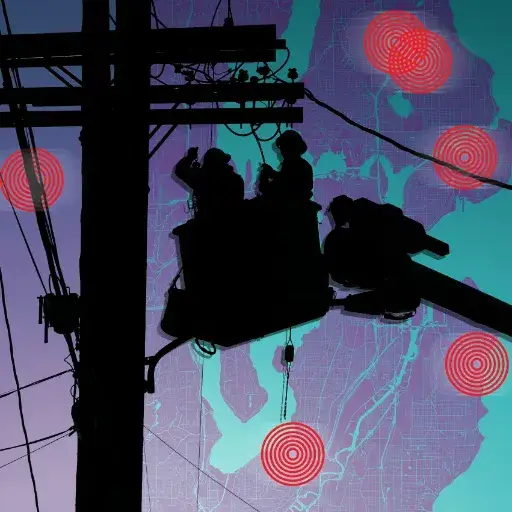
Utility companies usually implement several measures to expedite power restoration and minimize interruptions. Such efforts include deploying more crews to affected sites, prioritizing repair work that will get the most customers back online, and investing time in extensive testing of faulty equipment. Successful communication is paramount, and they duly inform customers through social media, websites, and automated alerts. Another approach is to keep upgrading the system with more infrastructure like secure power lines, smart grid technology, and ultimately, reliability and resilience in the power system.
Community Support and Resources
During a power outage, various services are usually made accessible to communities needing to secure their safety and wellbeing. Local government and emergency management agencies often establish temporary shelters and distribution centers for serving food, clean water, and medicine to those affected. Utility businesses may operate a 24-hour hotline to field outage and restoration queries. In some instances, community centers or libraries serve as heating or cooling stations, offering phone charging points. Many non-profit organizations and local volunteers provide service to those in need, including the elderly or medicine-dependent individuals. Residents are advised to prepare a home essentials kit and stay informed via trustworthy news sources or official alerts about constantly changing events.
Reporting Downed Power Lines and Other Hazards
If any downed power lines or other hazards are seen during or after a storm, safety remains the top priority. Remember that downed power lines may still have live current. It is imperative not to touch or move downed power lines, nor should you walk into or be near wet puddles or moist surfaces since water is a conductor of electricity. Always report emergencies to local authorities or utility companies for speedy response. Utility companies often have 24-hour customer care centers and apps for reporting electric outages to the appropriate personnel. You should refer to a reliable source, such as your city or county emergency management office, for more information on hazard mitigation measures and disaster-related topics.
Frequently Asked Questions (FAQs)
What are the main reasons for electric failures during a Seattle power outage?
The most common reasons for Seattle power outages are mainly bad weather, fallen trees, equipment failure, road collisions, and less commonly, wildfires impacting transmission. Significant power outages can occur due to the destruction of substations or transmission lines. Violent winds and storms damage structures and knock down trees, bringing down power lines. Crews work in coordination with city field workers and municipal utility partners, such as Puget Sound Energy, to determine the severity and prioritize service restoration.
How can I report an outage when the power is out?
You should report the power outage if you’ve confirmed that the outage area encompasses your property and at least two blocks in any direction. You may use the utility’s (PSE or a related service provider) repair line or outage map to submit your report instantly. You can visit Seattle.gov for utility companies that provide service in the city and telephone numbers to request information. Reporting helps identify how many customers were affected and where crews are working.
If a power outage occurs in Seattle, how do I protect appliances and gadgets?
In order to protect appliances and critical power supplies, ensure that all nonessential devices are completely unplugged when the power goes out so that when power is restored, no surge of energy could ruin the equipment. Electronic devices should be plugged into a surge protector to protect against power surges. Keep the refrigerator and freezer doors shut to maintain temperature. Wait for power to return, then wait a few minutes before plugging things back in. Doing this will help prevent a blown circuit.
What steps should I take to avoid damage and the unpleasant inconveniences caused by power outages?
Firstly, to avoid power lines coming down, trim trees at a safe distance from power lines. Secondly, you should have an emergency kit with supplies like a flashlight, battery-operated radio, extra batteries, and some extra fuel stored safely outside in preparation for a blackout. Invest in backup power for critical equipment. Being prepared also means knowing the procedure for reporting a power outage and having a plan to shelter in place during unsafe conditions.
Are there any options to keep essential equipment up and running when the power is out?
Generators should only power essential equipment and must be used outside, at a distance from windows and doors, to avoid carbon monoxide hazards. Whole-house operations are best served by transfer switches, which require installation by a licensed electrician. For necessary devices during an outage, battery backups and rechargeable power banks are also available.
What should I do if I am threatened or see crews working near downed lines?
Keep as far away as you can from downed wires and any flooded or damaged areas. Treat all downed lines as energized and potentially lethal. Do not attempt to re-enter premises or touch anything electrical. Report hazards and outages to the utility immediately and follow city officials’ directions. Also, allow crews and workers to perform service restoration safely. They may have to work long hours, and with your cooperation, they will protect the community’s safety.
Reference Sources
-
Seattle Emergency Management – Power Outages: Provides insights into the causes of power outages in Seattle and tips for preparedness.
-
Mirsky Electric – Seattle Power Outages: Discusses common causes of power outages in Seattle, such as windstorms and heavy rain.
-
Seattle Housing Authority – Power Outages Guide: Offers practical advice on preparing for and staying safe during power outages.
-
King County – What to Do When the Power Goes Out: Shares safety tips and precautions to take during power outages, including food safety.
-
Seattle City Light – Power Outage Information: A trusted source for updates and information on power outages in the Seattle area.