
In modern societies where everything is interconnected, the telecommunications industry is of huge importance. All communication and information systems rely on networks and their performance is crucial for the telecom infrastructure and the businesses driven by telecom networks. And then there is the question what happens when power cuts commence and these key services are cut short? This is where the telecom equipment always comes in, it is the equipment that is supposed to keep all the communication facilities of the telecommunication system working at all times. This paper deals with telecommunications power generators, their significance, functioning and the way in which they help cope with the challenges of maintaining connections in such hard conditions. Stick around to find out how those electrical sources come into play in keeping our tera systems up and running.
Understanding the Role of Generators in Telecommunications
The Importance of Backup Power in Telecom Applications
There is a dire need for telecommunication equipment that is imperative for backup power as there would be uninterrupted communication even in case of delayed or unexpected cuts by the electrical grid leading to black-outs. Power is required continuously as telecommunication equipment such as towers and antennas, routers and repeater stations, data centers and every other database for voice or data, internet capabilities or services in general require active power. In the absence of telecom generator or any technological alternative that can compensate that technology, commanding, the flaw would impair a variety of businesses, first responders, and activities as normal for a great deal of people.
When there are problems with electricity, generators help supply instant power. Such devices prevent the complete shutdown of work, even in the worst conditions possible. Therefore, they make serious generators combined with telecom generator power efficiency and provide and main replacements when needed. More importantly, they help in enhancing the power stability of the locality by incorporating green technology like the above-mentioned type of generators.
Key Insight: The critical relevance of the need for backup power in the telecommunications sector does not only pertain to business operations but also explores how it features in efforts on public safety and recovery after a disaster. In case of emergencies, it is very easy to see how communication networks are essential in mobilizing first responders, sharing important information and bringing the communities that are worst hit into communication. The backup power options usually assure that these services are available when they are needed the most and it is in times like these that the true importance of these services in the society and across the globe is appreciated.
How Generators for Telecommunications Maintain Service Continuity
Backup generators are crucial to guaranteeing that telecommunications networks are not affected by electricity shortage. They serve as an alternate source of power that avoids the interruption of services, helping maintain the operation of cell towers, data centers, and switching stations. Communication infrastructures need to be powered at all times because if there are power losses, rescue operations will be affected and social functioning will be disrupted.
Generally, diesel, natural gas or propane fuel is used to run those generators so that they don’t depend on any electricity. These generators have automatic transfer switches that recognize that power supply has been cut off and instantly turn on and start powering the necessary equipment. This is done without any noticeable delay or downturn which is needed for the internet and telephones to stay functional for clients.
To ensure a reliable performance during emergency situations, generators must be inspected and tested on a regular basis. This implies that the fuel levels, as well as every mechanical and electrical connection, is always in working condition. Advance monitoring, for example, allows a problem to be spotted and solved before it becomes a failure, thus reducing impacts in the telecom generator network. The above measures illustrate the importance of availability of telecom generator services.
Key Features of Generator Sets for Telecom
High Reliability and Longevity
The generator sets that are designed for the telecom sector can operate effectively and for a long time due to their resilient built components. Such systems are ever forward-looking to their sturdy nature in overcoming critical moments like extreme heat, high moisture, impurities, and other environments tuned to their use, among other considerations.
Fuel Conservation and Continuity
Telecom generator sets are made in a way that consumes less fuel so as to reduce the operating expenses and prolong the time of use. There are those with enhanced management of fuel consumption, which allows them to go for long services without needing to refuel quite often. This is relevant, and even more so, in areas that are affected by disasters and whereby acquisition of fuel is a problem.
Sophisticated Surveillance and Managing Devices
Most contemporary generator sets incorporated the latest monitoring and controlling equipment which allows measurements and performances to be run in real time. This system gives the operators efficient ways in handling situations in case a complication arises thus alleviating downtime. They can as well be integrated with remote management equipment to allow for repair and or adjustment of system settings without the need of the operator going down to the actual site.
Investment Value: Telecom generator sets are one of the investments which are worthy to be considered: they are reliable, cost-effective, and smart. Furthermore, their superior capabilities are indispensable in enhancing the robustness and reliability of telecom engineering systems.
Industry Trends in Power Generators for Telecom

Growing Demand for Reliable Power Solutions
There has been significant growth noticed within the telecommunication sector over the years – especially in terms of the need for extravagant power supplies. This is as a result of the rise in various data consumption activities and the expansion of the networks. With the introduction of the 5G network, necessity demands of generators which are more efficient but also secure that can be deployed given the high bandwidths and network connections that have to be supported. Moreover, the acceptance-by-corporates-of-surviving, working-from-home, or even the home-offices has arisen the demand of reliable telecommunication network within those areas leading to the increased significance of telecom generator.
Moreover, the emphasis on global service conservation and energy care is another aspect that comes into play. The engineering departments for telecommunications are in search of a source of energy that will cater for the continuity of their services, meet all the laid environmental issues and green policies. Empowering engineers with modern-day generators that utilise a mixture of hybrid systems where for instance diesel and the solar or any other renewable energy are used simultaneously has also been found to be an advancement with a strategy of improving the environment.
There is also an increase in demand for smart power solutions that resist and monitor severe weather endured in some countries where power grids are often havoced. Smart generators particularly IOT based variants, help in cutting costs and down time by coordinating between preventive maintenance and optimum fuel management, thus ensuring efficient management without compromising on the performance. Increasing adaptation for such reliable power equipment systems intended for the present and also the future further augments the basic strategic position of such equipment in promoting the developments within the telecom sector and more importantly in its safeguarding.
Impact of Power Outages on Telecommunications
Disruptions in electricity have an undesired influence on the telecom industry as well, impeding operations, reducing the dependability of the networks, and reaping economic losses. Below are five such effects of power outages in detail:
1. Operation Constraints
In the event of a power outage telecommunication services are affected causing all base stations, data centers and all the infrastructures to stop working, thus resulting in call drop, lost internet connections and communication services.
2. Traffic Overload
When power outages occur, it is also fairly common for people living in the surrounding areas to overload the system because they remain connected either by voice or data. Thus, with a larger than normal user base, system performance degrades and network congestion is experienced.
3. Disruption of Communication in Disasters
Outgoing and incoming calls are important in the context of aid and relief activities. Power outages restrict these activities which in turn means that either people cannot call for help or clinicians and emergency services cannot assist people when it becomes necessary.
4. Monetary Damage
When services go down, when repairs have to be done, when service providers are fined for breaching service level agreements, individuals in the telecom generator sector utility handle overhead costs as the system remains down for too long.
5. Increased Customer Discontent
Regular disruptions due to power blackouts can undermine customers every day. Dissatisfied customers for example, may move to other companies thus losing service.
Solution Strategy: To reduce such effects, companies must have adequate power backup systems, strengthening of the existing infrastructure and tap into new technological advances like the use of IoT and AI towards efficient outage management.
Advancements in Generator Technology for Telecom
If we remember, in the recent past the advancement in the generator technology has been evolving too rapidly and has been a big beneficiary in the upgrading of the services rendered by the telecom operators. Advancement in the technology and associated control systems entails that modern generators can be integrated into a telecom network with no further adjustments. Through these systems, there is real hope of dealing more damage to the white blood cells as sensors along with other devices operated via the use of IoT provide remote supervision and prediction-based maintenance thus eliminating or reducing downtimes.
Moreover has energy efficiency improved greatly with the institutionalization of hybrid generators that are run by base-load thermal and renewably fueled solar heat sources fused together. The aim of such hybrid configurations is not only to cut costs but also reduce the number of emissions of CO2.
In addition to this, the integration of AI in generator maintenance has promised to optimize the rate of fuel usage as well as load forecasts, so that the telecommunication generators are not effective at any cost. New approaches are now merged with standby power namely, fast speed lithium-ion based energy banks which can power critical components within the telecom generator within seconds when the main supply is interrupted.
These efforts geared towards critical connectivity will see their sustainability in spite of the irrelevance of power, with the increasing needs of current communication facilities. Such measures allow operators to improve the resilience effectiveness and the cost efficiency of the operations.
Technical Specifications of Telecom Power Generators
Power Capacity and Output Requirements
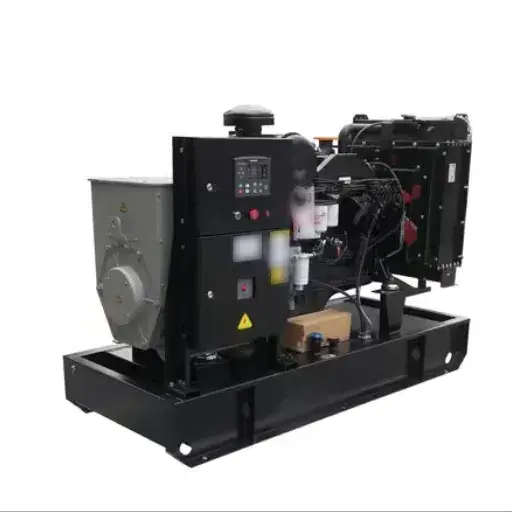
When choosing the right generator for telecom purposes, one of critical issues worth consideration is their output power efficiency. Power generators are geared to take care of the powering needs of critical equipment, especially the telecommunication equipment and components in case of power shortage or in situations where the power supply is erratic. Ordinarily, telecom generator power output levels are different. For small operations the requirement might be 5 kW to 20 kW generator which can operate small cell sites or remote towers. However, for major telecom facilities and data centers, the capacity of the power generators may be more than 100 kW since they take a lot of energy and do not run non-stop with back up energy always in place.
To cater to telecom power equipments and their versatility, many telecom generators are also provided with adjustable output capacity. This helps generate all the optimal ‘power’, meaning nullifying the risks of higher or lower than required frequencies within the electrical systems. Most of the latest generators have various monitoring systems to allow the operator to check the power produced, fuel consumed and problems in the system. Such operations make it more precise and better cost-effective because more fuel is not needed, and components of the generator do not bear too much of a burden.
Furthermore, the improvements that are evident in the construction of a generator have also targeted the environmental aspect. There are growing numbers of low-emission generators meeting harsh environment-friendly regulations in the telecommunication industry. These are often installed with the use of alternate fuels such as gas or biogas and are also performed in hybrid methods where thermal engines are supplemented with such renewable technologies as solar photovoltaics. Adoption of greener energy solutions is in line with sustainable development strategies Global in particular’s energy efficiency which aims at lowering the costs required while executing the business. It should be noted that communication is one of those facilities that cannot afford power breakdowns as it must always be on, more so when the area is remote or disaster-prone and the energy structures at the site are not always very efficient. To address this challenge, a reliable and robust power system must be put in place.
Fuel Efficiency and Sustainability Considerations
There is a very high value placed in fuel consumption and energy generation for such industries that operate non-stop systems like telecom. Over the years the focus has shifted to maximizing fuel usage for industries through the implementation of advanced technologies and hybrid power systems. Such systems are a combination of conventional diesel engines and renewable energy forces like solar and wind energy reducing the burning of fuel and associated emissions. According to one study, co-generation systems can result in a maximum of 30 percent reduction of fuel usage within the system as a co-generation unit is powered yet it is more sustainable and cost-effective efficient way. One of the most favorable energy saving systems uses solar power to control a relevant percentage if the time the telecom generator is operational.
Energy Storage Solutions
This has heightened the significance of energy storage solutions context in the form of lithium-ion batteries. These batteries are used not only for storing that extra power generated from renewable energy sources but also for protecting the system from power shortage. With an effective storage model in place, the high load issues can be addressed without the help of an additional supply of fossil fuel, making power generation cleaner. This integration makes energy efficiency and sustainability in the energy operations, as a practice rather than a rhetoric.
It is also the government’s policy to create impetus for the innovations directed towards the use of such energy resources. Policies such as tax breaks that promote the use of clean power or funding of energy saving initiatives encourage firms to use eco-friendly technology. The combination of government backing, the ingenuity of technology, and the willingness of the business community provide the stakeholders with a substantial opportunity to decrease greenhouse gases. The outlook of the energy sector that takes into consideration the economical and the environmental perspectives views that the former and the latter are optimised in an economic sense is important in this regard.
Noise Reduction Technologies in Backup Power Generators
Generators are instrumental in ensuring the supply of power in circumstances when the main supply is cut off, however, they often quickly become a nuisance due to noise. This has propelled the development of noise mitigation devices aimed at reducing that in a more eco-friendly way. One of the most used methods is the acoustic encapsulation of the machinery to absorb and refract the sound. These units are fitted with materials of design for efficient acoustic performance and achieve noise attenuation at the source.
- Advanced Exhaust Systems: New-age generator exhausts are equipped with better noise reducing sub-systems in place. Such systems provide better noise control on emitted exhaust noises without performance being compromised for the generator.
- Vibration Damping Mounts: The developed products also include vibration damping mounts, preventing the transmission of mechanical vibrations to adjacent building males.
- Digital Control Systems: Digital control systems also allow for a mix of adjustment which makes it possible for the telecom generator to work at reduced sound levels whenever there’s low demand.
Such improvements not only satisfy the growing noise level legislative requirements but makes the end users experience better and renders backup power systems appropriate for the residential, healthcare, and urban verticals. In addition, the progress in noise reduction technologies is in concordance with the global agenda of sustainable and community-friendly energy measures.
Types of Power Solutions for Modern Telecommunications Infrastructure

Backup Generators: Ensuring Uninterrupted Service
Sometimes, the seas may never be calm. This principle applies to most communication grids across the world. Shocks and surges are bound to occur leading to a decrease in power supply or even a total blackout. This is called ‘down time’ because there is no longer any services being provided. Companies manage to minimize the extent of their down times by having standby telecom generator or an appropriate power backup system in place at all time. This is achieved by the deployment of various power backup systems, one of them being the use of standby telecom generator. In an so many cases, this strategy cannot be employed without having an external source that provide fuel to burn the telecommunication generators.
Modern generator technology has been advanced to produce more efficiency, less power, and is easy to integrate with the renewable energy systems. Contemporary backup gadgets have addressed the issues or concerns regarding its sustainability as well as compliance with the regulations due to, improved fuel efficiency, less noise in operations and reduced emissions of such apparatuses. Moreover, a good number of installations today have extra smart controlling capabilities that provide remote monitoring abilities, automatic transfer switching systems for easier operation, and heightened dependability. All these add up not just to ensure there are no interruptions during blackouts, but also help to promote environmentally friendly energy use in the telecom generator industry.
In both urban and rural areas, there has been a growth in demand for connectivity which has come to highlight the limits of available power sources. With the advent of remote working, cloud technology adoption, and IoT device penetration, carrier operators have been tasked with ensuring that networks never go off air. One of the most important functions a backup generator provides is to act as a contingency measure in power supply where there are high incidences of either high eventuality natural forces or powersystem instability. When telecommunication infrastructure needs to stay operational for the proper flow of business, personal communication, and public safety concerns, backup generators come in handy in keeping almost everyone connected to each other.
Hybrid Systems: Combining Traditional and Renewable Energy Sources
The hybrid power system encompasses both renewable energy sources like wind energy and solar energy, in addition to traditional forms of energy such as diesel generators. While such systems are highly practical in terms of energy demands today, they can enable limitless growth of energy consumption in the future in a sustainable manner. Sources of energy are reliable and can easily be used in case of sudden surges in energy consumption or during nonconducive weather periods. Diesel is one example where energy consumption is simple but costly in terms of running costs and environmental consequences given emissions of harmful gases. With wind and solar energy added into the equation, companies and industries have reasonable opportunities to do away with emissions while still having constant energy supply.
Benefits of Hybrid Systems
A considerable benefit of hybrid systems is that they are more flexible and they can be used in different energy contexts. For example, when there is a lot of sun or wind, clean energy can be used to cover most of the load, so consuming less fuel and running traditional generators is cheaper. Modern technologies, such as lithium-ion battery storage systems, are making this balance better by capturing excess renewable energy for when the skies or winds calm down. However, it is not only the rational use of energy which is assured by the operation of these systems; they also render the process of power generation and distribution much more efficient. This corresponds to the international trend in promoting sustainable development.
Moreover, hybrid systems include remote or off-grid applications in cases where there are limited or no facilities for traditional energy infrastructures. When such sources are combined with generators, the availability of these techniques greatly lowers the cost of reliability, power distribution, and fuel transportation, among other things. This has forced the public and private sectors to embrace the use of hybrid technologies in the generation of energy as a means of solving issues without causing harm to the environment. With the progress in the industry and the progressive reduction in the price of components used for the generation of renewable energies, hybrid energy facilities offer an opportunity for a more sustainable and safe use of energy.
Renewable Energy Options for Telecom Applications
Renewable ways of providing power for the telecom generator are being employed within the the communications industry at an increasing rate. This is due to the fact that there is a possibility of lowering carbon emissions, optimized power supplies, and reduced costs in case of expenditures when installing renewable systems within telecom companies. Serving the purpose below, therefore, are five examples of powers suitable for use in the telecommunication sector as described below:
1
Solar Energy
Solar energy perhaps is the most common energy source that is used within a ground based antenna. Solar panels are used to convert sunlight into electrical power hence environmental friendly source of energy. Solar panels and a battery system are popular energy sources for telecom towers primarily located away from cities or factories. As a result, a 10 kW system for an average tower telecom generator would be more than ample.
2
Wind Energy
Wind has great potential as a sustainable energy source especially in regions where this resource is available throughout the year. Wind turbines convert kinetic energy of the wind into electrical energy. Wind rotor of a small capacity is mounted on rooftops of telecommunication towers to satisfy partial power demand hence diesel consumption from generators is lessened. The generation capacity of a small wind turbine is, in theory, over 200 kWh in a day where wind speed is high.
3
Energy from Running Water
In other telecom generator water facilities provide circumstance, it is best to rely on hydroelectricity. Both par excellence and pellets like small and micro systems transform the energy derived from moving water to electricity. Such systems have very significant advantages for applications in rural areas that do not have a lot of renewable resources.
4
Bioenergy – Fuel Cells with no Fossil Fuels
Fuel cells function on biogas or biodiesel obtained from biomass and act as a cleaner renewable energy alternative for powering telecom services. The fuel cells work on electricity production by electrochemical means which make them a very attractive alternative to diesel generators as they emit a minimum of the pollutants.
5
Hybrid Power Systems
Hybrid energy systems integrate different forms of renewable energy resources such as for instance, sun and wind with storage facilities thereby improving the probability of performing the consumers’ tasks provided that it improves the efficiency of use of which is otherwise supported by unsafe procedures. For example, incorporating a wind turbine, solar panels, and a massive battery allows use of energy even when the weather turns adverse. Hybrid systems check all the boxes especially for the telecom sites set in the remote areas.
Sustainability Note: Utilizing such renewable energy solutions ensures that the telecom generators remain sustainable within this era of energy efficiency, reduced environmental degradation and sustainable energy use.
Compliance and Monitoring Systems for Telecom Generators
Industry Standards for Backup Power Generators
Telecom operations in most cases rely on backup power generators that must meet rigorous standards in order to enhance the operations in uptime. These standards work by fundamentally ensuring operation within outages, safety in the equipment, and elimination of possible environmental degradation. In terms of performance parameters of generators, key standards of note include ISO 8528, which stipulates parameters for changes in load, steady voltage etc.
By adopting such best practices in the industry telecommunication service providers can sustain the operations of their networks without one inch protecting compromise on environmental or operational ethics.
Monitoring Systems for Performance Assessment
Systems for effective monitoring are indispensable when it comes to assessing the performance and efficacy of standby and emergency power systems. This is made possible by the implementation of modern technologies such as the Internet of Things (IoT), real-time sensors and centralized dashboards which gives a detailed breakdown of fuel consumption, runtime hours, heat management among other parameters. These enable operators to understand how the system is performing, identify any concerns from an early stage and carry out maintenance at the appropriate time to avert crises.
Real-Time Monitoring
IoT sensors and centralized dashboards provide instant data on system performance
Predictive Intelligence
AI and machine learning predict maintenance needs and prevent failures
Cloud-Based Access
Remote monitoring and adjustments from anywhere in the world
Contemporary surveillance systems tend to use predictive intelligence together with machine learning techniques for enhancing decision-making processes. For instance, historical data on generator efficiency can also be incorporated into the algorithm to evaluate whether the generator will be in need of maintenance or refueling. This is of importance in places that work out of continuous power like hospitals, data centers and telecommunication networks due to the minimum time lost due to operational interruptions when generator fails is reduced. In addition, with the coming of age of cloud-based storage and servers, it is possible to make monitoring available anywhere in the world, thereby allowing performance reports in real-time from a distance and making necessary corrections available in faster time periods.
Moreover, providing reports to the authorities, both external and internal, is normally addressed by the use of monitoring systems. There are many products on the market today that offer this compliance assurance by way of automatic reports, explaining how the standards, i.e. NFPA 110, emission and other, are met. Communication and environmental aspects are also upheld as wasteful sources of fuel use and/or emissions entailed in such practices are portrayed, cleaned out or reduced. In a word, such enhanced surveillance systems serve to reorganize and improve the management of telecommunications generators, fulfilling their role of upholding vital functions within a country.
Automatic Transfer Switches (ATS) in Telecom Generators
Telecom generator use these transfers switch for many reasons. One primary function is to ‘switch’ from the main power source to the standby generator system without any stoppage. Staring a power outage or when the voltage goes out of control, the ATS understands the situation and shifts the charge to the generator without breaking a sweat. This helps in reducing downtime especially when telecom services cannot be in place without the networks looking for the power constantly.
Advanced ATS Features
- ✓ Remote monitoring capabilities
- ✓ Self-diagnostic systems
- ✓ Programmable operation settings
- ✓ UL 1008 compliance for safety and performance
In most cases, there are highly dependable ATS equipment, and features such as remote monitoring, self-diagnostics, programming, are included. These features make it possible for operators to monitor the system’s performance at any time, plan for servicing of the system in advance thus increasing the efficiency of the system. Such good quality ATS devices conform to standards like UL 1008, which means reaching high safety and performance levels is guaranteed.
Nowadays, ATS systems are capable of predictive operations, apart from providing basic management of the generator, it further allows operational data to be gathered and analyzed almost immediately. The information obtained makes it possible case unlikely events to happen, handle unexpected issues that may occur in the generator, and cut energy usage. As the power needs continue to grow and the telecom sector turns to robust power solutions more and more, ATS helps the industry respond to the need for heightened reliability with innovative sustainability technology.
References
-
Academia.edu – Packet Load Generator for Telecom Networks: This paper discusses scenarios like capacity tests, busy hour call loads, and rainy day scenarios, highlighting the need for simulators in telecom networks.
-
Worcester Polytechnic Institute (WPI) – Telecom Environment: This document addresses issues of network capacity, reliability, and availability, with insights into traffic generators and their improvements.
- Click here to read more.
Frequently Asked Questions (FAQ)
Q: Could you please elaborate on what a telecom generator is and what makes it so significant for the telco sector?
A: In simple terms, a telecom generator pertains to a special power unit usually included in a diesel genset or hybrid genset that ensures the ac power and dc power are supplied to telecom sites within acceptable limits. This is of vital importance to telecom companies as they are able to maintain uninterrupted operations of their cell towers, data centers, and network modules even in the event of power blackouts, in other words, ensuring that the service is not interrupted and all data is secured.
Q: What kind of gen-sets are most utilized as telecom generators these days?
A: Diesel generator sets, diesel and natural gas gensets and gas generators are the most common types of generating sets used in the telecom industry. However, telecom facilities sometimes also employ good quality commercial generator modules or battery-backed dc generators with back up as a secondary source depending on site conditions, availability of fueling and expected hours of operation.
Q: In what ways do the operation of dc generators and the application of ac power solutions vary, in the case of their deployment as telecom generator devices?
A: The difference is that they power different telecom power modules: ac gensets power site plant and air conditioning, whereas dc generators or rectifiers power the 48V or other dc bus required by the telecom equipment. It is the most common practice where in installation of telecom generator devices there is ac generator and rectifier to transform the ac into stable dc which is safe for the equipment.
Q: What are the main considerations of genset specifications when such devices are used at the far undeveloped regions?
A: Genset selection for remote locations should be determined on the basis of a range of factors such as fuel type (diesel, gas) equipment operating time and maintenance regime, weather conditions, ease of stacking or running more modules in parallel, and the presence of durable high-performing generators. Factors such as the feasibility of transportation, noise pollution, and lessons to be learned from the example of existing parts of the power system or its monitoring system should as well be taken into consideration.
Q: Is there any benefit of providing telecom backup using diesel and gas generators?
A: Certainly. In the context of telecom most cases make use of diesel gensets that have been tested and highly recommended. Diesel and gas can offer adaptability, diesel being the most efficient in terms of energy density and refuelling processes, whereas being especially useful in reducing exhaust and handling of gas fuels, when such fuels are availed through pipelines.
Q: What proposition do modular generators have for telecommunications?
A: In a modular generator solution, telecommunications companies are enabled to add or remove the generating modules according to the expanding or reducing needs of that market. Modules minimize maintenance and offer better redundancy and permit the successful parallel operation of a number of generators even for prime load conditions with less fuel wastage, thus making them ideal for changing telecommunication environments.
Q: Which of the activities can be considered as care and management for operating a company’s telecom generator?
A: Scheduled maintenance activities for a telecom generator servicing the commercial facilities will include changing of oil and related filters, checking the fuel refilling system, examining the battery, and doing the load bank as well as the cooling systems testing. The generation sets are remote controlled, there is an alarm system alarming the levels of the stored fuel and the charge levels of the batteries and in conjunction with the power systems of the site these are aimed at ensuring there are minimal interruptions and quick containment of faults that may arise.
Q: How are construction and operation of power components, and other generation equipment, towards the provision of critical services in the telecom industry?
A: Structurally, components for the provision of power such as switchgears, rectifiers, batteries, control modules, and even generators will be incorporated in power systems that are difficult to collect out of disruptions. Such systems enable the integration of the telecom generator system that serves the purpose of switching the grid and the backup system seamlessly as well as ensuring ac and dc regulation of the ac and dc systems so as to avoid power surges which might damage the network equipment.
Conclusion
Telecom generators serve as the backbone of modern telecommunications infrastructure, ensuring uninterrupted service delivery even during power disruptions. As we’ve explored throughout this comprehensive guide, these critical power solutions combine reliability, efficiency, and advanced technology to meet the ever-growing demands of the telecommunications industry. From hybrid systems that integrate renewable energy sources to sophisticated monitoring and compliance systems, telecom generators have evolved significantly to address both operational and environmental challenges. The industry’s shift towards sustainable energy practices, coupled with innovations in IoT-enabled monitoring, predictive maintenance, and automatic transfer switches, demonstrates a commitment to both reliability and environmental responsibility. As 5G networks expand and connectivity demands continue to increase, the role of telecom generators becomes even more crucial in maintaining the seamless communication services that modern society depends upon. Organizations investing in these advanced power solutions today are not only ensuring operational continuity but also positioning themselves for a sustainable and resilient future.