
Diesel Generators are key players in ensuring that all nodes remain functional even during power outages, from industrial plants to malls and homes. However, there is a principle of operation of any apparatus- they may not work when expected. Finding and fixing the problems on time is very essential to avoid loss of time as well as to keep the application running. Now, allow me to outline the frequent starting difficulties associated with diesel generators and how to begin troubleshooting those including everything that could be done for its prevention and remedy.
Understanding Diesel Generators

What is a Diesel Generator?
Effective power generation is one of the changes brought forth by the assembly and use of a diesel generator which is composed of a diesel engine and electric generator as the primary units. The generator, lets in fuel that is mechanical energy after the engine and produced electricity and this is converted to electric power. Diesel generators are ‘responsible’ to a bigger problem, in situations whereby they restore electrical power to industries, living premises, and essential services like hospitals, data centers, among others.
These varieties of generators are quite and inherent heavy load conditions. They are much appreciated because of their constant power supply services for a long time, this ensures that places which experience power shortage, with for instance, difficulty in accessing the electricity grid, remain uninterfered with any business. Diesel Generators are also produced in a wide variety of sizes and capacities, from mini-portables to huge industrial ones, to meet the diverse energy consumption demands.
Their operation ensures starting the permitted drives of the alternate current to the diesel engine that generates the electricity. This power supply is either transmitted to users or saved in batteries for use at a later stage. The diesel engines are advantageous owing to the high energy content of the diesel fuel, though work is required to make sure they run for long periods of time including gas management system and engine repair work to name a few.
Types of Diesel Generators
Diesel generators are broadly classed as movable or standby and ultimately industrial generators. These types have a differentiation of characteristics and advantages towards various demands.
- Diesel movable generators:Compact and conveniently portable, many portable generators have been designed to be very easy to move around. For this reason, they are used mainly for the purposes of short-term power supply or in emergency situations. They are usually found in places like construction zones, fairs, and even households during blackouts. They offer less power in output; however, they are very useful and convenient due to their light-weight and small size.
- Standby Diesel Generators: A standby unit depends on battery power only during outages. These units are designed for environments such as hospitals and data centers where it is essential that lights continue operating throughout power fail. Standalone standby generators are installed in permanent locations and are attached to the electricity wiring system of the facility for a quick and hasty resumption of power supply.
- Heavy Industrial Diesel Generators: Diesel generators are made to endure extreme load conditions incorporating more power supply and strength in design. Such engines are primarily installed in manufacturing facilities, mining areas and in extensive agricultural operations owing to the need where there is stable electricity demand. They work for long hours and under hostile conditions; this is how strong, efficient and they are made to last.
The specific purpose design of each Diesel Generators accounts for all factors that may arise and affect work normalcy. To enhance the usability and trust towards engines the user should opt for a particular type of machine according to the power level needed, the place of use and the temperature.
Key Components of Diesel Generators
Diesel Generators contain many components that relate in their purpose towards generating power. One such crucial element, the main one, is the monochrome engine – in other words, this is the fuel combustion – performing the diesel generator’s energy conversion into mechanical energy. The size as well as the capacity of the engine dictates the generator’s output power making it important to choose an engine that matches the application.
The next important element is the alternator, higher than which the energy produced by the engine is devoted. The rotor of the alternator is the one producing and the stator is the one in the electrical circuit and function as ‘generators of electricity’ through the electromagnetic action. Good quality alternators produce a smooth and consistent voltage and current, which is necessary especially for such purposes.
Moreover, the generator has a mechanism for maintaining optimal temperature. Diesel Generators and engines in routine, fire a lot of heat, hence there is a cooling system either air, water or both. Other important parts include the fuel system to store and supply Diesel, the control panel that regulates the functioning of the generator, and the exhaust system which eviscerates the internal combustion gases out of the generator. All these parts working together provide for the overall efficiency and effectiveness of the generator, irrespective of the conditions.
Common Starting Problems
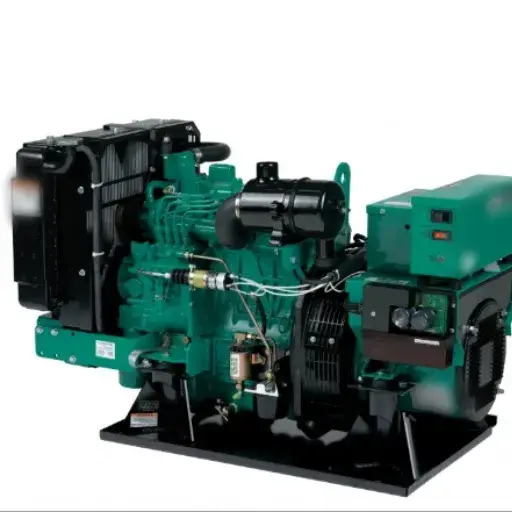
Fuel-related Issues
One of the possible causes of the failure to start the generator is related to fueling problems except fuel problems. Take, for instance, the problem of fuel contamination; it is a very serious one and might cause grave repercussions on the level of functioning. After a time, diesel deteriorousespecially when it has been exposed to the atmosphere, has ingressed water or has sustained growth ofmicroorganisms which cause sedimentation or sludge. Any of these mixtures can block the filters or injectors, thereby lowering the amount of fuel in the combustion chamber. Therefore continual testing of the fuel and making sure fuel is kept in the correct manner such as use of tight drums with stabilized fuel are very important in minimizing such problems.
Another recurring problem goes about presence of air within the veins of the fuel system. Diesel Generators suffer from airlocks, a situation whereby air follows in to the fuel pipes and stops the system from delivering the fuel at the required pressure hence it does not start. This is a typical scenario after intervention actions or as a result of a fault in the system or after a repair work has been carried out without cutting off the fuel source. In such cases, it is always a good practice to bleed any air out of the fuel system and also check if there may be any leakages within the fuel pipes. This action is necessary in order to restore the normal pressure in the fuel system required for the combustion process.
Ignoring advice or recommendations for refueling intervals or letting the fuel tank level drop to an unsafe level might also cause starting failure and cause strife to systems. This especially applies to modern systems where an automatic fuel cutoff or safety device may be present. In such systems, if the fuel level is low, the system thinks it is too critical and stops all activities. The need to check the fuel level, as well as how often the user has to top up fuel as per the generator manufacturer’s standards, are ways of ensuring that the unit will not cease to work. Proactively eliminating such fuel-related causes also helps to preserve the life and performance of diesel generators across different working conditions.
Electrical System Malfunctions
In diesel generators electrical system failure or malfunction is pose a great risk since they can bring about unreliable system performance and unplanned breakdowns. The occurrence of circuit breaker malfunction, poor connections, and faulty wiring are some common electrical issues and their causes may be attributed to wear and tear or poor maintenance. Circuit breakers that have become weak or are not working are highly dangerous since they can fail to switch off when needed, putting the generator and other equipment at risk. As such, the operations side cannot afford these electricity risks and includes management of electricity problems, such as old wires and fascia corrosion, tightening, inspections, and replacement of old panel boards.
Voltage regulation presents problems with another part of the electrical system and is mostly due to the problems with the automatic voltage regulator (AVR) or alternator. When an AVR’s functionality is compromised, the generator is likely to produce fluctuating voltage to the sensitive electrical equipments’ detriment as they depend on steady power supply. If such complications are to be addressed, regular performance checks on the AVR and the alternator coupled with conducting load checks should be put in place. This way, weak voltage regulation is detected and handled prior to critical systems being affected.
Nowadays, unpredictable failures of electrical systems mostly have to do with structural and material deformation this includes among the most serious kinds short circuits which are sometimes caused by the moisture accumulation dirt or even corrosive chemical attacks. The conditions mentioned may however compromise some of the functional parts like the insulation and other components, creating short circuits. Interrupting the effective operation of the generator in an environment that has moisture raised debris or poisonous gases enhanced the use of moisture-proof insulation materials to restore the natural state of the generator. Moreover, Deploying, emphasis is done on protected cases where the generator and its electrical parts are on high working voltage employs existing elements of these concepts to assure smooth electric operation for long durations without jarring any instability.
Mechanical Failures
One of the mechanical issues typically arising in Diesel Generators involves some moving and stationary parts failure involving bearings, couplings, rotors as well as cooling condition. Bearings, for example, work to support rotational motion with the very least amounts of friction. Mounting of a bearing, lack of lubricants or grease, or dirtiness causes wearing out of the bearing, resulting in the overheating of the bearings and later to their disintegration. With regular scheduling of vibration inspections and heat verifications, state of bearings in an engine can be evaluated.
Another type of rotor destruction can come from a stiff shaft as well as out of balance rotors which can be caused by regular high stress application or any other abnormal working conditions. When this occurs, this usually leads to vibration which can spread and cause more damage to other equipment in the system. These problems are countered by proper alignment methods and regular observation of rotor modes.
The cooling mechanism is yet another important focal point. Sufficient heat is not transferred from the generator. Despite the fact that there are heating elements present mix with the generator causes voltages to rise which result into adverse effects on the mechanical components. The heat exchangers, engine coolants, and air passageways need to be checked on a regular basis to avoid such serious consequences arising due to overheating. Adopting technologies which support predictive maintenance or monitoring functions reduced the wastage of energy due to mechanical faults and improved the performance of such Diesel Generators which are in heavy duty use.
Diagnosing Diesel Generator Issues
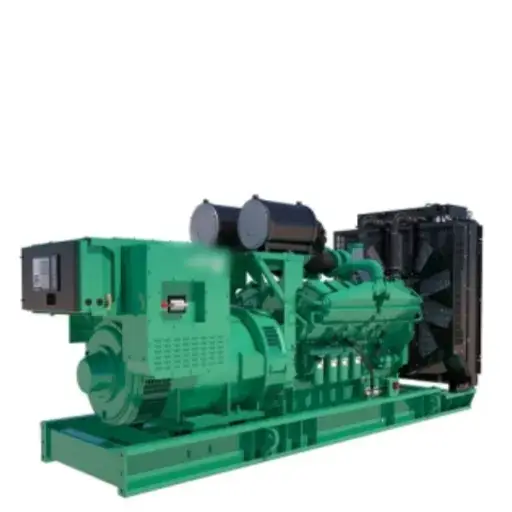
Visual Inspection Techniques
Visual inspection is taken as the first step in diagnosis of any problem in the Diesel Generators. For that, each of the important components, namely the cylinder block, fuel supply, exhaust and electrical system is looked at and examined, all of which wear out, sustain damage and/or deteriorate with time. However, certain behavior warrants an inspection; whether it be oil dripping, rusting, wire loosening or parts turning another color, suggesting that a problem has been brewing for quite some time. Specific attention should be given at high-stress points such as areas around the seal, the gasket, the joint as these are more prone to material fatigue.
It is also important to perform a detailed examination of the cooling system as a part of the visual inspection, as this presents a prevalent weak spot of the diesel generators. Check if the hoses and radiator are intact, not cracked, leaking or possibly blocked preventing the coolant from flowing freely. Likewise, assess whether ventilation paths are clear of blockages to avoid overheating. Furthermore, components such as fan belts should be checked for any sign of tear or slack that may adversely affect the cooling efficiency. Such assessments serve to identify problems at their inception before they become serious performance issues.
It is highly recommended to use advanced tools and technologies to improve the quality of visual inspections. For example, thermal imaging cameras can be used to spot hotspots in generator components where the human eye cannot detect the increased heat. They indicate the spots of interest that have undergone excessive heating, helping to diagnose possible misalignment or hardware not being supported due to lubrication in time. If one employs such techniques along with one’s regular inspection schedules, one can maintain the operational readiness for long periods without any failure of the diesel generator.
Using Diagnostic Tools
Combining diagnostic equipment modernisation with precise detection of faults approaches, such as vibration diagnosis and ultrasonic examination of Diesel Generators, significantly improves the accuracy of their condition monitoring. Vibration monitoring is a well-suitable technique for the identification of issues such as rotating machinery imbalance, misalignment, or bearing fault detection, etc. The technique measures the vibration’s frequency and amplitude of the system and can locate the concerning defect before the failure damage occurs. Likewise, ultrasonic testing makes use of high frequency sound waves that penetrates the material being inspected and is able to identify defects in or between metal members or welds and other structures, thereby facilitating the preservation of the structure of the generator parts.
Such medical equipment tests can be enhanced and improved by applying the new technological frameworks for data processing. Contemporary technologies include feed-back control, recovery analysis incorporation, and an adaptation of so-called advanced analytics, which simplifies visualization of even the most complex data for the operator. These include managing the entire diagnostically in a single place, i.e. within the medical unit; that is, the possibility of diagnosing failure modes at an early stage. They automatically detect abnormal occurrences and trends thus helping to avoid an unproductive time and a frequent maintenance, thereby increasing productivity and reducing expenses.
Interestingly, when used together with solutions based on cloud technologies, these instruments can easily support remote access and operation, which to the greatest extent, and not only that, provides. The information pertaining to the health of the generators, however, can be accessed by technicians from anywhere which makes it possible for them to make a decision promptly and address the situations that arise expeditiously. This ability is also useful in collecting information about infinitely long operation use, and this in turn encourages changes to maintenance tactics or the design of generators production. The use of sophisticated diagnostic techniques together with the availability of advanced information solutions highlights the need for adequate and anticipatory equipment management practices in the care of Diesel Generators that Ensures their continued dependability.
Solutions for Starting Problems
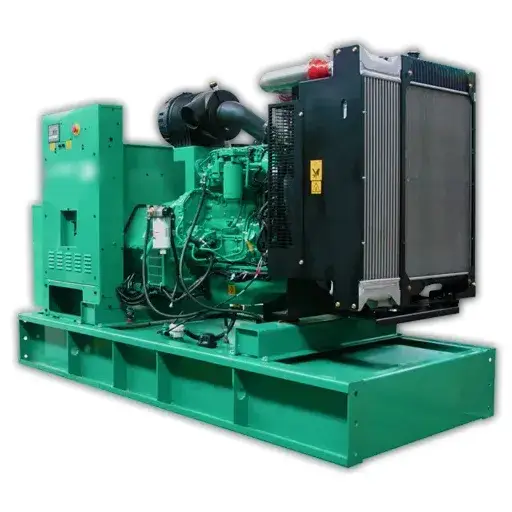
Fuel System Adjustments
For a Diesel Generators, a vital aspect necessary to avoid startup challenges is to ensure that the fuel system is properly calibrated and well maintained. One of the starter problems, which can arise from time to time, is the interruption in fuel supply, which as a result of installed fuel filters that have become clogged up, or even airlocks within the fuel pipes or due to poor timing of fuel injection system. Checking and clearing old fuel filters will not only avoid existence of contaminants but also increase optic disk expansion. What is more, air from the fuel system can be bled and then the system will work just fine.
To ensure accurate fuel injection timing for efficient combustion and engine operation, it is advisable to adjust the fueling systems to the manufacturer’s designated timing. With the evolution of diesel generators, advanced electronic fuel injection systems that are able to adjust based on current conditions are now possible. This system permits the use of sensors that monitor variables such as pressure, temperature, and fuel flow rates, and automatically integrates this data to improve engine performance and reduce wear.
These adjustments are mechanical and would require anitostrutive measures to the vehicle and appliances that will allow assessment of the issue to be carried out. The utility of projecting trends through the use of patterns and historic data enables the identification of inherent and upcoming fuel-associated issues thereby reducing the cost of losses due to stalls. Furthermore, having an institution that is in good standing with its hardware as well as software is key to romancing instances of generator non performance.
Electrical System Repairs
Maintenance and repair of an electrical system or systems of a generator is paramount so that the generator can serve its purpose for a long time, safely and effectively. These systems comprise, among others, the wiring, control panels, and circuit breakers work with each other for maximum efficiency. Damaged and non-working parts of these systems call for a thorough understanding and comprehension of tools employed along with their purpose. Fluctuations in voltage, for example, might point to broken wires, aged capacitors, or stuck power regulator which must be dealt with to avoid cascading failures.
In order to assess the condition of electrical components and find any faulty areas, has the technique of insulation resistance testing been preferred for assured performance? Another important technique that can prove useful is the infrared thermography where any overheating joints or hot spots due to electrical energy imbalance can be located. Employing these sophisticated methods, alongside regular visual checks, provides a credible maintenance approach which is relatively safer and promotes high performance.
The contemporary analysis of standard operating procedures applicable in the industry shows achieving this best practice is to carry out such assessment tests following set parameters such as the National Electrical Testing Association (NETA) requirements. If these practices worked into consideration and at the same time collected raw data from such control systems, more cases of multiple types of failures in systems will be managed accurately. They are an advantage to users in the sense that they can foresee any hindrances which enable them to attain high efficiency levels as well as lower maintenance Diesel Generators costs by three times.
Mechanical Fixes and Maintenance
Industrial systems run efficiently and smoothly when sound mechanical maintenance practices are put in place. A significant aspect of such practices includes carrying out preventive maintenance measures, which entail earmarking intervals for checking, greasing, and changing parts if necessary. Systematic preventive maintenance minimizes unexpected equipment failures and increases the equipment’s useful operating time without loss of productive time. High technology diagnostic equipment like vibration equipment and infra red thermography is also a good investment to make sure that operators are able to number foreseen mechanical problems in time before it is Diesel GeneratorsRs.
Even with its rather knee-jerk nature, ‘corrective’ maintenance is still of utmost importance in the efficient management of equipment. The strategy addresses breakdowns or defects as they arise and is directed towards getting the equipment back in its functional state. Conducting a thorough root cause analysis (RCA) is an important part of corrective maintenance because it helps in seeking the causes of the deterioration of equipment rather than the symptoms alone. Under the correct context for example, the replacement of a gearbox due to overheating may warrant examination of perhaps inadequate lubrication and or excessive weight or a static case where reseating the alignment in order to get rid of the if the problem arises readily.
The inclusion of condition monitoring systems into the maintenance process is another step in the right direction as these systems help in monitoring the equipment in real-time. Diesel Generators have sensors to measure different parameters such as temperature, pressure or even the number of revolutions performed so that maintenance is done as and when it is required rather than on the completion of the jobs or different periods. Instead, using statistical methods and machine intelligence, it is possible for the operators to develop maintenance plans that act on predictions to help cut down on inefficiencies such as last-minute maintenance practices which elevate the operating costs. All these measures provide a practical strategy in keeping mechanical systems in such harsh work environments functional.
Preventive Measures and Maintenance
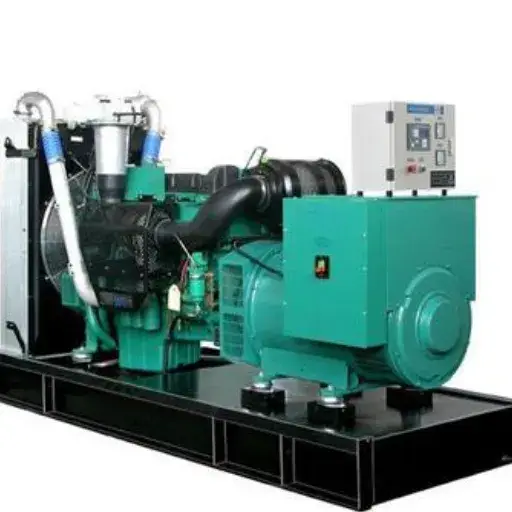
Regular Maintenance Practices
Every mechanical equipment, especially in industrial application, calls for regular maintenance practices if it is to serve its useful purpose for a longer period of time. The typical activities include checking, cleaning, lubricating, and testing at regular intervals or even before operating targets are exceeded. These regular inspections and maintenance shall have the enormous advantage of not allowing any deterioration of which the majority of the parts are likely and will be coming. Some parts which include bearings, seals, and belts have a tendency of wearing out quickly and once their extent of wear can be detected, extreme cases should not be reached, e.g replacing the parts. It can also be used to reduce how fast certain parts are worn or raised the temperature of a room or an air compressor in a diesel generators for longer periods of time without getting damaged.
The inclusion of data science solutions and the use of programming languages into traditional maintenance procedures has greatly improved the efficacy of such activities. As an illustration, a network using deployed IoT sensors in equipment can measure variables such as vibration, temperature, and also pressure variations. This information enables anomalies to be pinpointed and gives room for predictive measures before operations are affected. In the same vein, sophisticated computerized maintenance management systems (CMMS) also deliver operational manuals, automate work orders, and have sufficient management reporting to induce the maintenance efficiency. Innovative tools coupled with industry practice, guarantees the reliability and performance of industrial systems and equipment.
In addition to the above-mentioned, it is essential to note that a warranty can only be upheld if a user adheres to the service schedules recommended by the manufacturer and also the standards of good practice. Retention of maintenance logs is essential during an audit since it indicates that the issues being faced are not new, and therefore it directs the intervention strategies for such an issue. Continuously, this endeavor assists engineers and technologists in the detection of operational imperfections that also supports the improvement process. Understanding the significance of regular servicing needs and practicing it with technological upgradation for industries can derive the best of their machinery, reducing failures of any machinery, enhancing their machinery for the longest period possible. Such an integrated understanding is essential in the systems of modern industries as they ensure reliability and sustainability.
Choosing the Right Diesel Generator
In choosing which diesel generator is best, I look at a few factors that are considered very important to the operational needs as well as the efficiency of the generator itself. To start with, I evaluate the power consumption. I consider the total loads in terms of demand, thus I take into account both peak and normal loads in order to determine the size and the capacity of a particular generator. Any device that is undersized will cause the machine to overload while any equipment that is oversized is an example of poor efficiency as well as fuel wastage. The power load analysis also forms the core of the effective choice of generator for any application.
Furthermore, I take into account fuel economy and operational period. Diesel Generators are well known for reliability and fuel efficiency, although some units are more economical than others. I also assess consumption rates and the amount of fuel it can hold, making sure that such generator can function effectively for long periods without the need for constant refilling. Along with this, I consider emission regulations and ecologically friendly practices in order to maximize energy use without compromising the environment.
In the final step I consider the construction, features and support of the generator in question. It is to assess the construction and operation of a reliable generator. Together with noise reduction technology, this adds to the usability for industrial or residential applications. I always make sure that the generator has screen displays for user control and diagnostics. Good support services, in terms of spare parts and maintenance, contributes to interruption-free operation of generators. By going over these aspects from all angles, I can opt for Diesel Generators of any size and power that are currently required and that may be required in the future.
Backup Power Strategies
Planning for contingency electric power provisions is inescapably fundamental in almost all applications from business to homes. People depend on technology to a large extent so that in the process, power interruptions, however brief, tend to cause reputational loss, spoiling the wrong data, and other problems which interrupted modifications develop. Designing a mechanism for a working and effective backup power system is a task that requires establishing clear expectations on the amount of power to be generated by the equipment, supporting factors for such development which include backup diesel generators or uninterruptible power supply, and most importantly the magnitude of the affected load.
Enhancements in energy storage technologies such as lithium actuated batteries and hybrid infrastructures offer viable solutions that are expandable in the traditional setting. Use of renewable energy sources such as solar panels in conjunction with backup diesel generators has decreased the indigenized dependence on fossil fuels without compromising system reliability. Lastly, incorporation of proper load management had ensured fuel consumption is reduced by up to forty percent for hybrid engines.
Furthermore, together with digital tools used for real-time analysis, maintenance and the operation of backup systems has also improved. Modern approaches cover IoT applications that even offer remote diagnostics and maintenance, as well as energy management. With these useful interventions, it is possible to address any anticipated lapses in operations thus ensuring continuity.
The main purpose of this innovative mechanism is to ensure that new backup power systems retain their main function of providing reliable energy during outages and also adjust to advancing energy landscape and technology.
References
-
High Renewable Energy Penetration Diesel Generator Systems
This source discusses the integration of renewable energy technologies with diesel generators, including hybrid systems. -
Use of Performance-Monitoring to Improve Reliability of Emergency Diesel Generators
This study from MIT explores performance monitoring to enhance the reliability of emergency diesel generators. -
Part-Load Economy of Diesel-Electric Generators
This research focuses on the efficiency of diesel-electric generators, particularly in rural power generation scenarios.
Frequently Asked Questions (FAQ)
Q: Could you provide an insight into what diesel generators are, and in what ways are they distinct from gasoline generators?
Q: What single factor should I consider when arooneadchig for one usefDEL any diesel generator model for backup purposes?
A: It is advisable to determine the kW capacity of the generator, as per the appliance load, runtime vs capacity of fuel storage, and electric start vs manual start. All these very useful parameters should be considered and a number of brands and models with such parameters should be studied with respect to their costs. Check which one out of the numerous diesel generators can be used for home, which has a stronger output, which works perfectly under pressure, will not last long.
Q: Is it wise to provide steady power with portable Diesel Generators in a household?
A: In instances where moving and having power all the time is mandatory, portable diesel generators are in most cases wise options. These generators are known for their fuel efficiency unlike the gasoline generators and they have longer operating durations as well albeit being bulky and noisy.
Q: What is the definition of kilowatt rating and how do I determine how much kilowatt will be enough for me?
A: In energy production the kilowatt rating means the maximum capacity which a particular generator provides. To calculate the electricity use per hour, add the wattage needed to run all the most important equipment in the house, including air conditioning units. For those without power at home, most will opt for 5–20 kilowatts sized units depending on the scope of installation; more powerful diesel generators may be needed in bigger houses or small business units.
Q: Do diesel generators work efficiently and what kinds of services are needed for their maintenance?
A: Generators that run on diesel are known to provide clean power with minimal breakdown when serviced appropriately. The lightest service includes an oil change, an oil filter, a fuel filter and a load check. Diesel generators Engines require less maintenance than gasoline ones, however, longevity is all about the right placement, clean fuel and proper maintenance or service if there is any load.
Q: Is there need to have electric start as an option in diesel generators in your opinion?
A: An Electric start is an optional feature but the most helpful ,most of all if the usage of the generator includes home-back up and should start immediately as soon as the need arises. Although electric start is part of the standard features of modern diesel generators in addition to automatic transfer switches that fuel home diesel generators as soon as the outage is detected, there are also manual start generators. Although there are those that require to be started manually, electric start makes it easier to use and lowers the risk of startup challenges during an emergency.
Q: What considerations should be taken into account regarding the installation and preservation of Diesel Generators?
A: Regarding installation, one needs a clear site, provision for ventilation, storage of fuel, and proper electrical connection. Thinking in the future scope, is wise to make use of fuel stabilizers, perform regular clean ups, keep watch of the usage and weight and selected a equipment that capacity to do the work that is anticipated. There is also need for noise control in silence sensitive areas and a generator that provides the desired power reliability without frequent service throughout the generator´s life has to be chosen.