
The lights flicker, the furnace stops, and the outage map on your phone turns red. On Prince Edward Island, a winter gale or a tropical storm can leave thousands of Maritime Electric customers in the dark within minutes. The PEI power outage map is the fastest way to see what’s happening, where crews are working, and when power is likely to return.
This guide explains how to use the Prince Edward Island power outage map, why outages happen on the island, and what residents and businesses should do before, during, and after an interruption. It also covers how a reliable backup generator can keep critical systems running when the grid goes down. For generator sizing and cold-climate options, see our diesel generator sizing guide and silent diesel generator guide. If you need a backup generator proposal for a PEI home, farm, or business, contact Huali’s engineering team.
Is the Power Out Right Now?
If your lights are off, start with the official Maritime Electric outage map. It refreshes every few minutes and shows:
- Affected neighborhoods and streets
- Number of customers without power
- Cause of the outage, when known
- Estimated restoration time
Maritime Electric serves roughly 86,000 customers across PEI. During a major storm, the map can show outage clusters from Tignish to Souris at the same time. If your address doesn’t appear on the map but your power is out, report it directly so crews can add it to their dispatch queue.
How to Use the PEI Power Outage Map
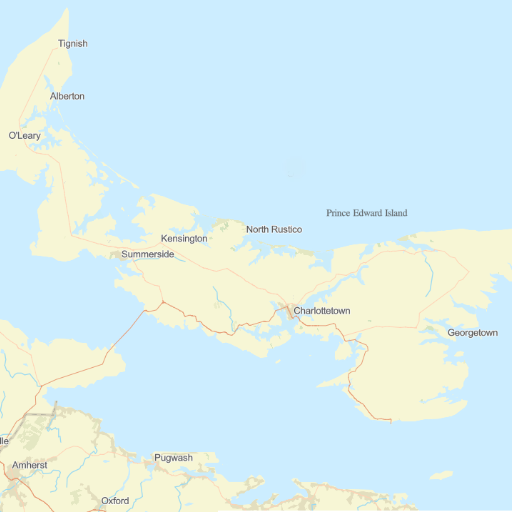
Access the Map in Three Steps
- Open maritimeelectric.com/outages/outage-map in any browser.
- Enter your address, community, or postal code in the search box.
- Click or tap the colored marker near your location to see outage details and the estimated restoration time.
The Maritime Electric outage map works on mobile browsers, so you don’t need a separate app. Bookmark the page on your phone for instant access during storms.
Reading the Map Symbols
| Symbol or Color | Meaning |
|---|---|
| Red / orange shaded areas | Active outages |
| Clustered icons | Multiple outages in one area |
| Customer count | Number of homes or businesses affected |
| Estimated restoration time | Best-effort prediction based on crew assessment |
| “Cause” label | Weather, equipment failure, vegetation, or planned work |
Estimated restoration times are not guarantees. They change as crews inspect damage, clear trees, repair lines, and restore feeders in the correct sequence. Refresh the page every 10–15 minutes during widespread events.
Why PEI Loses Power: Common Causes
Severe Weather
PEI’s coastal location makes it especially vulnerable to high winds, freezing rain, heavy snow, and tropical systems.
- Winter storms: Ice accumulation weighs down tree branches and power lines. Wet snow and high winds snap poles and bring conductors together.
- Hurricanes and post-tropical storms: Hurricane Fiona in September 2022 caused the largest outage event in recent PEI history. At its peak, roughly 82,000 Maritime Electric customers lost power, and full restoration took up to two weeks in the hardest-hit areas.
- Thunderstorms: Lightning strikes and strong downdrafts damage transformers and distribution feeders.
Trees and Vegetation
PEI’s wooded corridors and roadside tree lines are a leading cause of localized outages. Branches contact lines during wind events, and uprooted trees pull down spans of conductor. Maritime Electric runs tree-trimming programs, but new growth and private trees near service lines remain a risk.
Aging Infrastructure and Equipment Failures
Transformers, switchgear, underground cables, and overhead conductors all degrade over time. Hot summer loads and cold winter peaks accelerate wear. Equipment failures can cause single-home outages or affect entire neighborhoods.
Planned Maintenance
Utilities sometimes interrupt power intentionally to replace poles, upgrade substations, or trim hazardous trees. Planned outages are usually announced by mail, text, or email in advance and are scheduled for low-demand periods when possible.
What to Do During a PEI Power Outage
Immediate Safety Steps
- Check your breaker or fuse box before reporting an outage. A tripped breaker can look like a neighborhood-wide problem.
- Report the outage to Maritime Electric if your home is the only one dark or if the map doesn’t show your area.
- Unplug sensitive electronics to protect them from surges when power returns.
- Use flashlights or battery-powered lanterns instead of candles.
For longer outages:
- Keep refrigerator and freezer doors closed. A full freezer can keep food safe for about 48 hours if unopened.
- Never run a generator, grill, or camp stove indoors. Carbon monoxide poisoning is a leading cause of death during outages.
- Conserve phone battery by switching to low-power mode and limiting non-essential use.
Staying Warm in Winter
PEI winters are cold. If the outage lasts more than a few hours:
- Dress in layers and use blankets to retain body heat.
- Close off unused rooms to concentrate warmth.
- Open faucets slightly to prevent pipes from freezing.
- Check on elderly neighbors and anyone relying on medical equipment.
Food and Water Safety
- Discard perishable food that has been above 4 °C (40 °F) for more than two hours.
- When in doubt, throw it out.
- If water treatment plants lose pressure, follow boil-water advisories from the province.
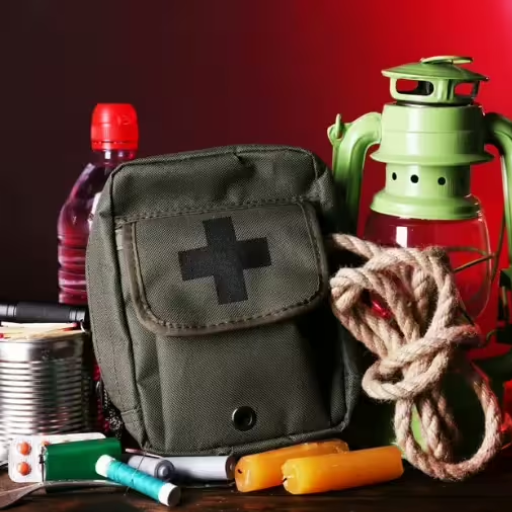
Build a PEI Emergency Kit
A basic emergency kit should keep a household self-sufficient for at least 72 hours. This matches guidance from the Government of Canada and the Government of Prince Edward Island.
| Category | Items |
|---|---|
| Light | Flashlights, headlamps, extra batteries, battery-powered lanterns |
| Power | Portable power banks, hand-crank radio, car charger for phones |
| Food & water | Non-perishable food, 4 litres of water per person per day, manual can opener |
| Warmth | Blankets, sleeping bags, warm clothing, hand warmers |
| Health | First-aid kit, prescription medications, personal hygiene supplies |
| Documents | Copies of insurance, ID, and utility account numbers in a waterproof bag |
| Cash | Small bills and coins in case card readers are down |
Store the kit in a waterproof container and check it twice a year, ideally when clocks change in spring and fall.
How Maritime Electric Responds to Outages
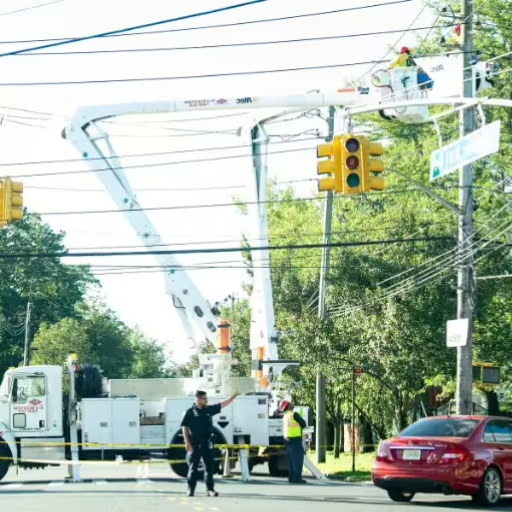
Maritime Electric uses an outage management system integrated with its distribution network to detect and locate faults quickly. The typical restoration sequence is:
- Assess, dispatch crews to identify damage and hazards.
- Restore transmission and substations, these feed entire regions.
- Repair main distribution feeders, these restore power to large neighborhoods.
- Fix individual streets and homes, the final, most time-consuming stage.
During large events, priority goes to hospitals, emergency services, water treatment facilities, and circuits serving the most customers. Remote or heavily damaged areas are often restored last.
How to Report an Outage
- Online: Maritime Electric outage reporting
- Phone: Call the outage hotline listed on your bill or the Maritime Electric website.
- Information to provide: account number, service address, whether neighbors are also out, and any visible damage such as downed lines or sparking equipment.
If you see a downed power line, stay at least 10 metres away and call 911 or Maritime Electric immediately.
Backup Power for PEI Homes and Businesses
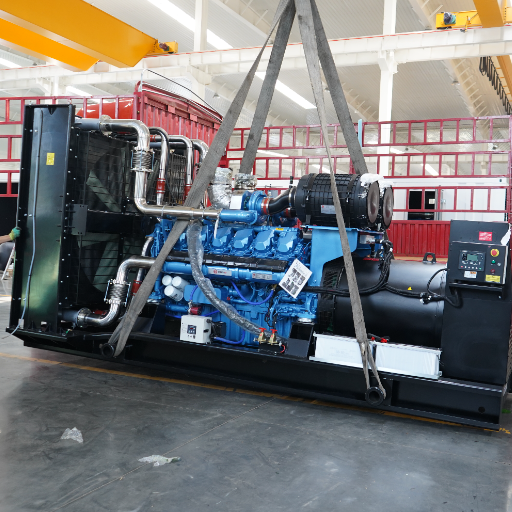
A standby or portable generator is one of the most effective ways to maintain heat, refrigeration, medical equipment, and communication during an extended outage. On PEI, where winter storms can isolate rural areas for days, backup power is not just a convenience; it is a resilience tool.
Choosing a Backup Generator for PEI
| Need | Generator Type | Typical Capacity |
|---|---|---|
| Essential circuits (fridge, furnace fan, lights) | Portable gasoline or propane generator | 3,000–7,500 W |
| Whole-home backup | Standby diesel or propane generator with ATS | 10,000–24,000 W |
| Farm or small business | Diesel generator set | 20–100 kVA |
| Critical facility | Silent/super silent diesel generator | 50–500 kVA |
Cold-climate buyers should prioritize:
- A block heater or cold-start package for diesel units.
- Battery maintainer for standby generator starting batteries.
- Fuel stability plan, rotate stored gasoline or use propane/diesel with longer shelf life.
- Automatic transfer switch (ATS) so the unit starts without someone present.
For larger loads, our diesel generator sizing guide explains how to calculate kVA requirements, motor starting surge, and safety margins.
PEI Outage Trends and 2026 Outlook
The island’s power grid continues to face pressure from:
- Climate-driven severe weather, more frequent high-wind and freezing-rain events.
- Rural feeder length, long lines serving small populations are harder and slower to repair.
- Aging distribution assets, replacement programs are ongoing but cannot cover the entire network at once.
- Growing demand, summer cooling loads and winter electrification are increasing peak stress.
Maritime Electric is investing in smart-grid monitoring, vegetation management, and storm-hardened infrastructure. Even so, residents should plan for outages to last hours to days during major weather events.
Frequently Asked Questions
What is the easiest way to access the PEI power outage map?
Bookmark the Maritime Electric outage map in your phone browser. It updates automatically and does not require an app download.
Why does my address not show on the outage map?
The map displays reported outages. If your home is dark but not shown, report it directly to Maritime Electric so crews can add it to their work list.
How often does the PEI outage map update?
Most utility outage maps refresh every few minutes. During large storms, updates may lag while crews assess damage and validate restoration.
What does “estimated restoration time” mean?
It is Maritime Electric’s best prediction based on current crew assessment. ETRs change as new damage is found or repairs progress faster than expected.
How long do PEI power outages usually last?
Minor outages last minutes to a few hours. Major winter storms or hurricane remnants can leave some areas without power for several days. Hurricane Fiona restoration took up to two weeks in the worst-hit regions.
What should I do if I see a downed power line?
Stay at least 10 metres away, keep others away, and call 911 or Maritime Electric immediately. Never touch the line or anything it is contacting.
Is a backup generator worth it in PEI?
Yes, especially for rural homes, farms, and businesses that cannot afford extended downtime. A generator maintains heat, refrigeration, water pumps, and medical devices during multi-day outages.
PEI Power Outage Checklist
Use this checklist at the start of each storm season:
- Bookmark the Maritime Electric outage map on every household phone.
- Sign up for outage alerts by text, email, or phone.
- Test smoke and carbon-monoxide detectors.
- Assemble or refresh a 72-hour emergency kit.
- Identify a safe outdoor location for portable generator operation.
- Know how to shut off water and gas if needed.
- Have a plan for family members who rely on powered medical devices.
- Consider a backup generator sized for your essential circuits or full load.
Conclusion
The PEI power outage map is the first place to check when the lights go out. It gives residents and businesses real-time visibility into outages, restoration progress, and crew locations. Pairing that information with a 72-hour emergency kit and a properly sized backup generator turns a disruptive event into a manageable one.
Shandong Huali manufactures diesel generator sets from 8 kVA to 4,000 kVA for residential, commercial, and industrial standby power. If you are evaluating backup power for a PEI home, farm, or facility, contact our engineering team for a generator sizing proposal and cold-climate configuration recommendations.
