
In modern times, having dependable electricity is inevitable at homes for cases of emergencies, off-grid living, or simple energy breakage to keep vital machines and equipment running. In several ways, the diesel-powered generator stands out as one of the strongest, most efficient options available. Then what accounts for diesel generator proficiency in habitation energy solutions? Each power-packed choice requires an in-depth understanding. Basically, this is what the current guide is poised to offer with the longest apprehension whether fair diesel generator advocate—out-protecting against energy-eating black-cote jewelry.
Understanding Diesel Generators

What is a Diesel Generator?
Diesel generator is a device that converts chemical energy from diesel fuel into electricity. It can work with a combination of diesel machine and electric generator, which is also known as an alternator. Fuel is burned in the diesel engine to produce mechanical energy which is then transformed by the alternator into electricity. The process is always nice and reliable for the supply of power when grid electricity is not available in the area or during blackouts.
Key Insight: Essential for the diesel generators is their cost-effectiveness while the generators have always been efficient and long lasting. The diesel-powered generators have been built to perform big jobs, such as working under heavy load and doing so without a lot of wear in a rather long time.
Moreover, diesel generators work efficiently in comparison to other power generators that consume considerably more fuel. This distinction is followed by other advantages of bottom line performance and availability of fuel.
The applications of diesel generators find their way throughout different fields from households to emergency purposes to the industrial scale. Commonly put into service in hospitals, data centers, factories, and homes, they make secure that the critical systems of these buildings run offline without interruption. Hence, from daily to presumed to hypothetically rare abstain in supply, diesel generators have already come forward to offer a worthwhile backup system in which various systems of power could be linked up.
Components of a Diesel Generator
A diesel generator consists of a number of important objects, each of them vital to the operation of the diesel generator. At the core of any diesel generator is the diesel engine which converts the chemical energy of diesel into mechanical energy. This engine obviously drives the generator, which results in its efficiency, apparent power output, and durability.
Core Components Overview
- Diesel Engine: Converts chemical energy into mechanical energy
- Alternator: Transforms mechanical energy into electrical energy through electromagnetic induction
- Fuel System: Stores and feeds diesel to the engine
- Cooling Mechanisms: Safeguards the generator engine from overheating during operation
- Control Panels: Provides convenient oversight and administration of the unit
- Battery: Ensures instantaneous startup on the power grid
Another key component of the diesel generator is the alternator. The alternator converts the mechanical energy precipitated by the engine into electrical energy. Inside it, the process of electromagnetic induction generates electricity, which further can be used to power various devices and systems. So first and foremost an effective, dependable voltage regulator remains known for the continuous and reliable generation of power.
All these intertwine for a seamless operation that would signal delivery of dependable electricity, whether the power supply fails or is used to back a critical load in either a commercial or industrial entity. Each subsystem must be serviced properly, so the generator performs well in the long run.
How Diesel Generators Work
The operation of diesel generators consists in breaking down the chemical energy contained in diesel fuel into mechanical energy, followed by conversion into electrical energy. The whole thing starts when the generator’s engine ignites the diesel fuel, thus producing the mechanical force that rotates the crankshaft. This movement, in its turn, feeds the alternator, which is a primary component for producing electricity via electromagnetic induction.
Operation Process
- Engine ignites diesel fuel
- Mechanical force rotates the crankshaft
- Movement feeds the alternator
- Alternator produces AC electricity via electromagnetic induction
- Control panel monitors and directs operations
- Cooling systems and lubricants maintain optimal temperature
The alternator then comes up with the alternating current (AC) electricity, which afterwards can be utilized to run different devices, machinery, or even systems. The control panel is the main instrument used to watch and direct the operations that are aimed at ensuring the functioning of the generator. Furthermore, among the functions of the control panel are controlling voltage and frequency output. Moreover, cooling systems and lubricants are applied to keep the generator’s engine parts from getting burned out due to heat generated during continuous usage or their nature of being mechanical parts.
Diesel generators are regarded as a significant technological milestone in power supply because of their high performance, long service life, and associated with situations where electricity is cut off or the quality of electricity is constantly varying. That is why these generators find their way in loadshedding, construction and even off-grid locations. Regular exams to the generators, like those on fuel, oil, and some major parts, are needed to maintain these mighty machines running smoothly and dependably.
Cost Analysis of Diesel Motor Generators
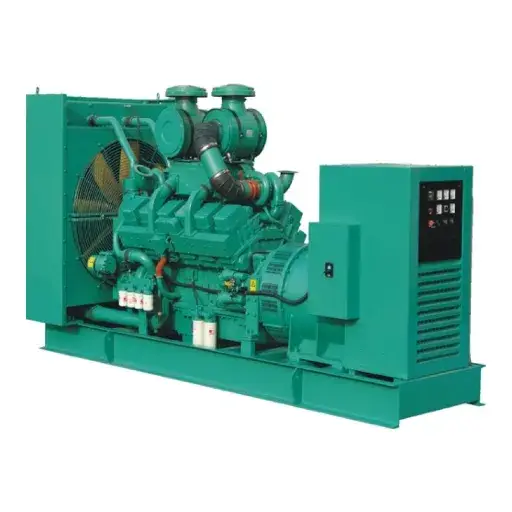
Initial Purchase Cost
The initial cost for acquiring diesel generators is a highly variable aspect and depends on the various factors such as size, type of power output, and even specific brands. Small portable diesel generators, which are generally the suitable option for home use or occasional use, start from about $500 and can go up to $2,500. On the other side, the bigger ones, even industrial-grade, which are able to give power to factories, hospitals, or other large facilities, will cost anywhere from $10,000 to over $100,000. Custom-designed or high-capacity units for particular industries could even go beyond these numbers.
| Generator Type | Use Case | Price Range |
|---|---|---|
| Small Portable | Home use or occasional use | $500 – $2,500 |
| Industrial-Grade | Factories, hospitals, large facilities | $10,000 – $100,000+ |
| Custom High-Capacity | Specialized industries | $100,000+ |
Important Note: The generator will not be the only one bearing the cost. There are also costs in the form of installation, and accessories that go with the generator itself. Most generators need such things as transfer switches, fuel tanks, or exhaust systems that are not included in the price and will have to be bought later.
The cost of the generator is one of the major factors, but the application of the device has to be outlined first, for it is that’s where the selection of a suitable generator can be either in terms of power or in terms of price. Moreover, installation costs can be hefty, particularly for larger units, because they may entail site preparation, specialized labor, and compliance with local regulations. Altogether these costs are part of the initial investment and should be included in the budget planning.
In addition, the long-term savings that come with diesel generators are so significant that they actually make the units’ price more attractive for the majority of users. Diesel engines are very fuel-efficient and their lifespan is surprisingly long, so they consume much less fuel in the long run compared to the gasoline-powered generators. Besides, the durability also contributes to the fact that the maintenance and replacement costs are not that high during the smokers’ lifetime. For businesses or organizations, which depend on generators to operate during the day or night, this advantage of being both reliable and cheap can be a great financial move besides providing them with the necessary peace of mind.
Maintenance and Operating Costs
Under proper operating conditions, diesel generators have gained recognition for their low maintenance needs in comparison to other types of generators. The principal reason behind this minimized maintenance lies in the diesel engine design which is often simpler and sturdier than the rest. Diesel engines do not use spark plugs or carburetors, elements typical in gasoline engines that may need more frequent servicing or replacement. Rather, the compression ignition method employed by diesel generators takes care of the frequent maintenance tasks thus minimizing downtime and enhancing operational efficiency.
Routine Maintenance Tasks
- Regular oil changes
- Filter replacements
- Comprehensive inspections of alternator
- Cooling system checks
- Fuel injector maintenance
- Generator load level monitoring
- Fuel or oil contamination checks
Notwithstanding the above-mentioned qualities of diesel generators, they are still the same mechanical systems that require proper and frequent routine maintenance to guarantee optimum output and longer life for the generators. It is also necessary to monitor the generator load levels and check for fuel or oil contamination as basic steps to keep the machine operating at its best. The most recent advances in generator monitoring systems allow the owners to monitor the maintenance schedules and the performance metrics in real-time which further simplifies and streamlines the maintenance process.
Diesel generators’ operating costs usually differ based on factors like fuel costs, load requirements, and running time. These generators often remain unceasingly economical even though there are fluctuations in diesel fuel prices due to their efficiency in fuel consumption. The modern diesel generators have become more efficient due to engine technology and emissions control systems’ advancements. Their capability of running for long periods without causing excessive wear or interruption ensures reliable and stable performance in both normal and emergency situations. When coupled with lesser maintenance requirements, this adds up to a great cost-effectiveness that is attractive to companies that prioritize reducing their long-term operational costs.
Long-term Value and ROI
The acquisition of new diesel generators represents a significant long-term investment and a trustworthy return of investment (ROI) for companies from all sectors. These generators are made with long-lasting and energy-saving features that make them able to operate for long periods even in very demanding conditions. The heavy load and long-hours operation capability reduce the number of times replacements or repairs need to be carried out and thus decrease the total cost of ownership.
ROI Benefits
Energy Redundancy
Cost savings from uninterrupted operations
Minimized Downtime
Reduced revenue losses during outages
Predictive Maintenance
Lower repair costs and extended lifespan
From the financial point of view, using diesel generators brings in the form of energy redundancy cost savings and non-operating losses due to downtime. A steady and reliable power supply allows businesses to keep running during power outages, thus protecting their productivity and avoiding revenue losses. Reports on the industry show that businesses with proper backup power solutions experience fewer disruptions which are most critical for the healthcare, data centers, and manufacturing sectors, as they are the ones that rely on uninterrupted supply.
In addition, modern diesel generators are also equipped with the latest monitoring and control systems that allow real-time diagnostics and performance tracking, which is indeed one of the perks of this technology. These features are a derivative of predictive maintenance resulting from preventing unexpected breakdowns and prolonging the life of equipment. This predictive approach to maintenance leads to significant reductions in repair costs over time while at the same time increasing the lifespan of the asset. In some areas, government incentives or tax breaks are offered for compliant with emissions standards; therefore, businesses can realize even greater returns on these investments.
Applications of Diesel Generators
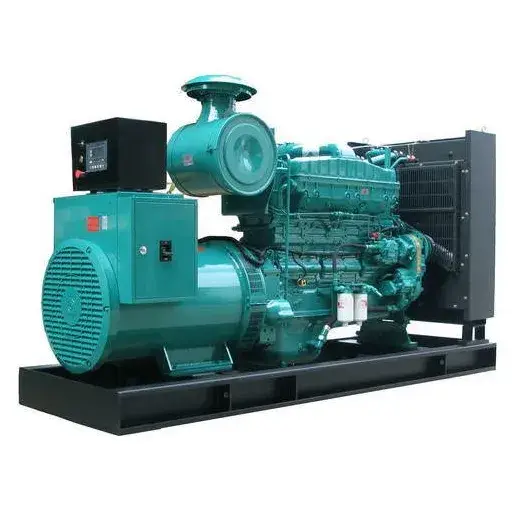
Residential Use: Home Power Backup
It can be hard to find a power supply that is non-interrupted all the time but diesel generators are a reliable alternative for the homeowners who want to ensure this. The energy provided by these generators is dependable and so they can be used for powering up even the most critical house systems and appliances.
Five Key Benefits for Residential Use
1. Powering Essential Appliances
Diesel generators are able to keep important appliances such as refrigerators, heating systems, and air conditioning units functioning thereby providing comfort and preventing food spoilage.
2. Lighting During Outages
Diesel generators are very good at keeping homes illuminated even during blackouts since continuous lighting is a priority and they also improve safety and convenience.
3. Maintaining Security Systems
The functioning of home security systems like alarms and cameras is dependent on diesel generators, thus giving the people who are affected by power outages the peace of mind that comes with knowing the security of their homes is not compromised.
4. Running Medical Equipment
Households with medical devices that only require regular electricity like oxygen concentrators or CPAP machines will find diesel generators a very supportive source of power as they deliver the necessary energy consistently to the devices.
5. Supporting Home Offices
Diesel generators can supply power to home office setups, which are inclusive of computers, routers, and auxiliary devices thus making it possible to maintain productivity during the outages given that remote work is the new normal.
Commercial and Industrial Applications
Diesel generators are necessary in providing uninterrupted power and are thus used in various commercial and industrial applications. They are the main source of energy for processes and activities where power cuts can lead to enormous financial or operational loses.
Five Main Commercial Applications
1. Data Centers
In case of power failure, diesel generators will be there as the most important backup power source for data centers that need to have power constantly in order to run. A power outage could cause loss of data or a halt in system use resulting in a cost of millions of dollars.
2. Healthcare Facilities
Ventilators, monitors, and operating rooms are some of the life-supporting machines that hospital and clinics have installed in the facilities and they depend on diesel generators to keep them functional in case of power failures. The ability to provide power is critical for patient safety and non-stop treatment.
3. Construction Sites
A lot of construction sites are without grid power and hence these sites rely on diesel generators to power heavy machinery, hand tools, and bright lights. The fact that they are easy to move around and the amount of power they generate makes them the best solution for powering difficult-to-reach projects.
4. Manufacturing Plants
Manufacturing plants use diesel generators to keep production going in case of power failure. Powering them ensures assembly lines, robots, and critical machinery can run smoothly thus avoiding losses from sales revenue.
5. Retail and Grocery Stores
Retailers and grocery stores have diesel generators that can maintain the operation of HVAC, refrigeration, and POS systems. Thus, the perishable goods will not be destroyed and customers will not be dissatisfied during power cuts.
Construction Sites and Remote Locations
Diesel generators are indispensable in powering construction sites and operations in remote places where stable grid access is usually not available. Their moveability and dependability ensure that they are always needed in different kinds of indispensable activities.
Five Main Uses in Remote Settings
1. Powering Heavy Machinery
The construction industry consumes a lot of power because of the usage of heavy machinery such as cranes, excavators, and drills, which take up power loads that diesel generators can power easily.
2. Lighting Systems
Generators take care of the lighting requirements for working at night, by supplying the main energy source for the temporary lighting systems that ensure safety and productivity even during darkness.
3. On-Site Offices and Facilities
The presence of diesel generators is felt in the supply of electricity to the on-site offices, break rooms, and restrooms, thus contributing to the administrative tasks and the workers’ well-being.
4. Remote Drilling and Mining Operations
When it comes to remote drilling or mining sites, diesel generators are there to give power not only for the extraction of resources but also for the operation of specialized machinery and tools.
5. Water Pumps and Treatment Systems
In most cases, the generators are used to provide power to the water pumps and portable treatment systems, which helps in securing the water supply and in disposing of the waste properly on the work sites.
Comparing Diesel Generators to Alternative Power Solutions
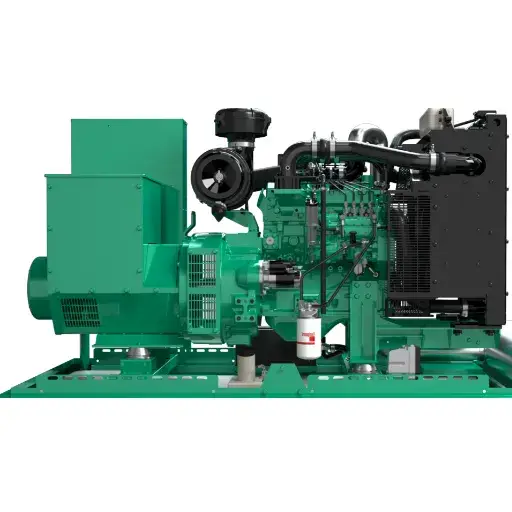
Diesel vs. Gas Generators
Diesel generators are even more efficient and hard-wearing, while gas generators are cleaner and quieter at a relatively smaller cost.
| Key Point | Diesel | Gas |
|---|---|---|
| Efficiency | High | Moderate |
| Durability | Long-lasting | Moderate |
| Noise | Louder | Quieter |
| Emissions | Higher | Lower |
| Cost | Higher upfront | Lower upfront |
| Fuel Cost | Lower | Higher |
| Maintenance | Less frequent | More frequent |
| Startup | Slower | Faster |
| Use Case | Industrial | Residential |
Diesel Generators vs. Renewable Energy Options
Diesel generators are a dependable power source that can be used whenever needed, but they also produce larger amounts of pollutants. On the other hand, renewable energy is environmentally friendly and sustainable, but it is still dependent on the weather.
| Key Point | Diesel Generators | Renewable Energy |
|---|---|---|
| Reliability | High | Weather-dependent |
| Emissions | High | Low |
| Cost | Higher fuel cost | High setup cost |
| Sustainability | Non-renewable | Renewable |
| Maintenance | Moderate | Low |
| Scalability | Easy | Moderate |
| Lifespan | Long | Varies |
| Use Case | Backup power | Primary power |
Advantages and Disadvantages of Each Option
Diesel Generators
✅ Advantages
- High Reliability – The use of diesel generators guarantees uninterrupted power supply making them ideal for major power backup requirements.
- Scalability – They can be upsized or downsized easily in accordance with the power demand.
- Long Lifespan – Diesel generators may continue to be very efficient for decades with the help of regular maintenance.
- Immediate Availability – Can almost instantly start the generation of power when needed.
- Moderate Maintenance Requirements – They can be made to run without serious issues by doing regular checks and servicing.
❌ Disadvantages
- High Emissions – Diesel generators are one of the main contributors to the release of greenhouse gases and particulate matter into the atmosphere.
- Non-Renewable Fuel Source – The reliance on fossil fuels renders them unsustainable in the future.
- Higher Fuel Costs – Fuel price fluctuations can result in an increase in operational costs.
- Noise and Pollution – Their noise level is high, and they may also add to the problem of environmental noise pollution.
- Space Requirements – A big installation may need a considerable amount of space for the activities related to both the operation and storage.
Renewable Energy
✅ Advantages
- Low Environmental Impact – The use of renewable energy sources brings about a huge reduction in emissions when compared with fossil fuels.
- Sustainability – They are going to be around forever since they use nature’s gifts like sun or wind that are always there.
- Low Maintenance Costs – Renewable energy systems, after being installed, are most of the time not demanding in terms of repairs or any other form of service.
- Long-Term Cost Savings – The initial huge expenditure is made worth it by getting the bills lower and lower as time passes.
- Energy Independence – Using the renewable energy sources that are available locally will lessen the dependence on the fuel that is imported.
❌ Disadvantages
- Weather-Dependence – The output of solar and wind energy is heavily dependent on the weather and may fluctuate greatly.
- High Initial Costs – The costs for installation and building the required infrastructure can be much higher than expected at the beginning.
- Energy Storage Challenges – It is one of the most complex and expensive tasks to store energy for subsequent use, even more so with the sources that generate electricity intermittently.
- Land Use – Huge plots of land may be required for constructing large-scale renewable energy installations, such as wind farms.
- Scalability Limitations – In some instances, it might be difficult to increase the size of the renewable systems to meet the rising demands.
Maintenance Tips for Optimal Performance
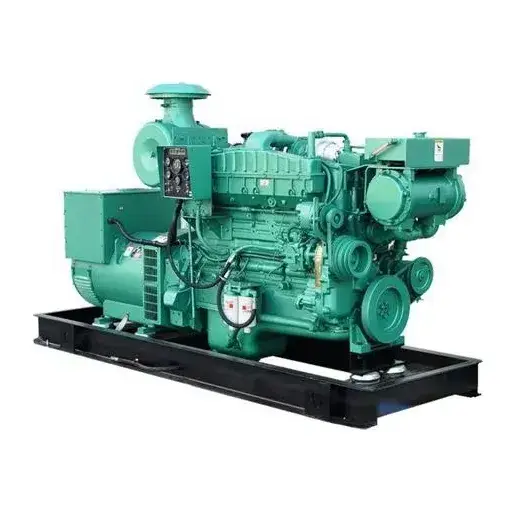
Routine Maintenance Checklist
In order to keep your energy systems running at high efficiency and dependable performance, make sure to use this routine maintenance checklist:
Essential Maintenance Tasks
1. Inspect Components Regularly
Key components such as fuel lines, connectors, and belts in case of diesel generators should be checked for signs of aging and damage. On the other hand, for the solar energy systems, inspection should be done on the panels to see if they are dirty or have debris on them and if there is a need for cleaning. The condition of turbines should be investigated in terms of the amount of resistance they offer mechanically or whether they have been damaged or not.
2. Monitor Energy Output
Perform energy production measurement on a regular basis and compare the results with the baseline data for performance. This is a measure that helps in recognizing inefficiencies or issues that are likely to develop, irrespective of whether they are caused by the deterioration of the equipment or environmental factors.
3. Change Filters
Changing filters often is a necessity for diesel generators since it is the only way to avoid the impurities in the fuel from blocking the entire line. The best practice is to check filters regularly and make sure the ones in use are clean and good working condition to get the best performance.
4. Check and Maintain Lubricants
Check the generator oil level and change oil as per the manufacturer’s guidelines for diesel engines. Apply lubricant to rotating components in wind turbines or other mechanical systems in green energy installations.
5. Inspect Electrical Systems
Electrical systems comprising wiring, circuit breakers, and connections should be checked regularly in the case of both diesel generators and renewable systems for any signs of wear, corrosion, or damage.
6. Test Battery Backup Systems
As the backup batteries provide major support during outages, testing and replacing them is a must. This is applicable to both solutions, especially in the case of hybrid setups.
7. Schedule Professional Servicing
Periodic professional inspection by certified technicians can not only diagnose less obvious issues but also ensure that the system is performing at peak efficiency.
Pro Tip: If proper maintenance is provided, both fossil fuel and renewable energy systems can last for a long time and continue to be very reliable.
Best Practices for Longevity
The use of sophisticated monitoring systems is another method to prolong the life of power systems which is very effective. Cutting-edge monitoring technologies give the user real-time information about the performance metrics inclusive of energy output, component efficiency, and possible fault indicators. It is quite common that through dealing with small issues as they come up, the occurrence of major failures is usually prevented, thus reducing the need for expensive repairs and the time of waiting for the repair to be done.
Key Longevity Strategies
📊 Advanced Monitoring
Real-time performance metrics and fault indicators
🔧 Proactive Maintenance
Address small issues before major failures occur
📚 Industry Knowledge
Stay updated with latest developments and innovations
👥 Staff Training
Well-trained personnel for optimal system management
Moreover, obtaining knowledge about the newest industry developments and innovations will be the factor that keeps the technologies in use compatible with the new ones. For example, the incorporation of smart controllers or energy management software could result in the optimization of operations as well as a gain in overall efficiency. Thoroughly keeping records of all the maintenance activities and performance logs also aids in accurate diagnostics and intelligent decision-making.
To the end, the establishment of regular staff training creates a situation whereby operators are fully acquainted with the latest protocols and the standards of the industry. Well-trained personnel are more capable to deal with the complications of the system and reduce risks which will, in turn, support the endurance and dependability of the power plants. When this is done together with the use of technology, the energy systems will have a performance life of their lifetime that is still sustainable.
Frequently Asked Questions (FAQ)
❓ What is a diesel motor generator and how does it work?
Answer: A diesel motor generator is a power generation system that uses a diesel motor in cooperation with a generator to produce electric power. The diesel engine uses the chemical energy stored in the fuel and converts it into mechanical energy which is then used to rotate the generator’s rotor thus generating electric current. The installations include control electronics that handle voltage, frequency, and safety functions.
❓ What are the common applications for a diesel motor generator?
Answer: One of the most common applications for a diesel motor generator is as a source of backup power for hospitals, data centers, and commercial buildings, besides that it is used as a primary source of power in remote locations, construction sites, and industrial plants. The combination of robust design and built-in electronics makes diesel generators to be applicable for continuous, standby and peak-shaving deployments.
❓ How do I choose the right size diesel motor generator for my needs?
Answer: To select the right diesel motor generator you have to do an electrical load computation that will include the starting current of motors and electronics. Besides the continuous and peak demand, you will have to take into account the future expansion, derating factors for altitude and temperature. It is recommended to work with a trained engineer or supplier who can specify the generator output, engine capacity, and control electronics in accordance with your power usage pattern.
❓ What maintenance does a diesel motor generator require?
Answer: Maintenance for the diesel motor generator consists of changing oil and filters, examining the fuel system, checking the coolant, undertaking maintenance for the battery and starter system, and testing the control electronics. It is suggested load bank testing is done from time to time to avoid wet stacking and to make sure the generator can operate efficiently under realistic loads.
❓ How efficient is a diesel motor generator and what affects its fuel consumption?
Answer: The efficiency of a diesel motor generator is a function of its load, engine design, and maintenance; diesel engines operate most efficiently at their rated load. Higher loads and poor maintenance result in higher fuel consumption. The efficiency of the whole system is also affected by auxiliary electronics and accessory loads. If the right sizing and maintenance of the system are done, the fuel consumption would be optimized.
❓ Are diesel motor generators safe to operate indoors or near electronics?
Answer: Diesel motor generators cause the emission of exhaust gases, heat, and noise, hence they should be provided with ventilation and exhaust routing when used indoors. Ensure that proper grounding, surge protection, and electromagnetic interference filtering are in place to shield delicate electronic and control systems. Inspecting fuel lines and exhaust systems regularly minimizes safety hazards.
❓ What are the environmental impacts and regulations for diesel motor generators?
Answer: Diesel motor generators are responsible for the release of NOx, particulates, and CO2; the limits set by regulators depend on the region. A lot of installations have started employing technologies for emissions control, including particulate filters and selective catalytic reduction, in order to conform with the local regulatory and compliance requirements. Environmental impact can be minimized by good servicing and utilizing low-sulfur diesel.
❓ Can a diesel motor generator integrate with renewable energy and modern control electronics?
Answer: Yes, diesel motor generators can be blended with solar or wind in hybrid solutions where renewable sources act as backup. The combination of advanced control electronics and energy management systems synchronizes power flows, regulates battery storage, and sets the optimum run time for the generator to cut down on fuel use and emissions while guaranteeing the supply of reliable power.
References
- A Comparison of Induction Motor Starting Methods Being Powered by a Diesel-Generator Set
This thesis develops dynamic models for induction motor loads and diesel generator sets, providing technical insights into their operation. - Smart Diesel Generator Control System
This paper discusses a smart control system for diesel generators, including innovative methods for remote operation. - Part-Load Economy of Diesel-Electric Generators
This study explores methods to improve the efficiency of diesel-electric generators under part-load conditions. - Use of Performance-Monitoring to Improve Reliability of Emergency Diesel Generators
This research focuses on performance monitoring to enhance the reliability of emergency diesel generators. - Research of Generator Gas Preparation System for Gas Usage as Motor Fuel
This paper examines gas preparation systems for generators, offering insights into alternative fuel usage.
Conclusion
Diesel motor generators represent a robust, efficient, and reliable solution for power generation across residential, commercial, and industrial applications. While they come with certain environmental considerations, their unmatched reliability, long lifespan, and cost-effectiveness make them an indispensable component of modern power infrastructure. Whether you’re looking for backup power for your home, seeking to power a remote construction site, or ensuring continuous operations for critical facilities, understanding the capabilities and requirements of diesel generators will help you make an informed decision that meets your specific power needs. With proper maintenance and responsible operation, diesel generators continue to serve as a cornerstone technology in our quest for energy security and independence.
📢 Stay Powered, Stay Prepared! For more information on selecting the right diesel generator for your needs or to explore maintenance services, consult with certified professionals in your area.