
When the emergency lights burst upon, a diesel generator is an indispensable thing: it is the difference between panic and peace. When you need to further protect vital systems in a commercial atmosphere, keep your house safe on a rugged night, or make sure that the diesel generator is powering necessary utilities without interruptions—it really can help you be under control on many levels with an energy solution that is efficient and dependable. For your information, any application and adoption of diesel generators highlights a trust embraced in industries of every type but from a personal level up to the professional one. Stay tuned to find more about how the diesel generator saves mankind from an ultimate power failure by being there when you need it.
Understanding Diesel Generators
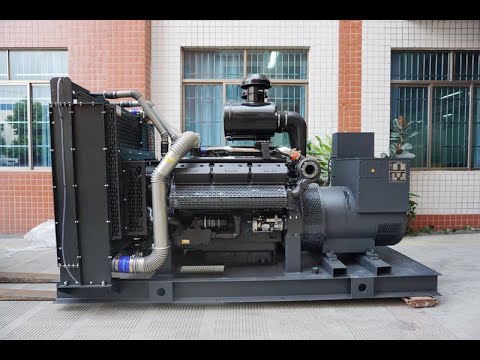
What is a Diesel Backup Generator?
A diesel backup generator is a machine that provides electrical power during outages or in any area where no regular power grid is available. Its main idea is to convert energy sources that are generated from burning diesel fuel to electrical energy for an efficient provision of energy whenever required. Typically, a generator is equipped with an internal combustion engine, which then drives an alternator to produce electrical output.
Primary Benefits
The primary benefits that are worth noting when one considers a diesel backup generator are efficiency and durability. In addition, diesel fuel delivers more energy compared to energy sources like gasoline, thus enabling the generator to run for longer periods without constant refueling. Furthermore, diesel engines tend to be pretty bombproof in day-to-day service. They also require very little maintenance and have a long life. This type of reliability makes diesel generators a popular choice in critical applications; i.e., hospitals, data centers, and emergency services.
Diesel back-up generators come in different sizes and power ratings to cater to different requirements, starting from being portable versions utilized in homes to industrial applications requiring large-scale units. Much of the modern diesel generators come with advanced features for safety and automation such as automatic start-up during the event of a power cut and built-in overload protection. The versatility and superior performance these present become essential for sustained energy supply in due course in a broad array of settings.
How Diesel Generators Work
Diesel generator supplies mechanical energy to produce electricity by converting the chemical energy stored in diesel fuel. This process moves from a diesel engine that ignites the fuel vapors with high compression. Combustion produces mechanical energy that is transmitted to the alternator to produce electricity.
So to recap, the alternator plays a critical role in the increase in the electrical energy in the system. It raises the efficiency several-fold to meet the power demands of electrical appliances and various operational processes.
Voltage regulators are installed in current diesel generators to guarantee a stable energy output; control systems are in place to supervise performance. These generators can work 24/7 and start/stop automatically depending on power consumption or system needs. The reliable operation of such devices paired with these facilities renders diesel generators the best choice for power alternatives to the traditional grid in buildings and industries.
Key Components of a Diesel Generator
⚙️ Engine
Engine is the major element for powering a diesel generator. It converts the energy content from the fuel into the energy needed for the engine to convert into electrical energy. Engine size and power are therefore among the governing factors addressing the electrical output of the generator.
🔌 Alternator
Working with the engine, the alternator converts mechanical energy into electricity by inducing an electromagnetic field into its windings. An alternator standing good will offer and ensure a continuous and clean power output.
⛽ Fuel System
The fuel system stores and supplies diesel fuel over to the engine to ensure a smooth operation. It consists of a fuel tank, fuel pump, and fuel lines, all working together to ensure a steady fuel supply.
❄️ Cooling System
When running, the operations of the diesel generator generate heat. The cooling system serves to dissipate excess heat, which keeps the unit from overheating and working efficiently.
🎛️ Control Panel
The given control panel enables users to command as well as control the generator by incorporating features such as start/stop controls, gauge meters for voltage and frequency readings, and safety alarm systems used for fault detection. A display presents data to monitor it on the panel.
🔋 Battery
A battery is installed to start a diesel generator. The battery supplies power to ignite the engine, recharging while the engine is on so as to sustain continuous availability.
💨 Exhaust System
The exhaust system expels fumes and gases released during combustion in a safe manner. Proper ventilation is established in keeping with safety and environmental standards.
Important: All of these are elements that help keep a diesel generator in smooth action. Together, they ensure the generator serves reliably as a power backup or primary power source for a range of applications.
Benefits of Diesel Backup Generators

Reliability and Performance
Diesel generators as backup power supply are popular all over the world for being both dependable and very performance-oriented, with good performance for a broad plethora of industries and applications. Here are five key factors highlighting their consistency and efficacy:
- Robust Engine Design: Diesel engines are built specifically to take a large workload; they never lag when it comes to working in harsh operational conditions. Their vigorous construction guarantees a much longer life compared to other generator types.
- High Fuel Efficiency: A diesel generator is a great option since it provides much better fuel conversion efficiency. At the rated load, studies of combustion efficiency reveal that, on the same load, they would save on fuel by around thirty percent when gasoline units are put in comparison.
- Bare Minimum Downtime: Running on scheduled maintenance keeps diesel backup generators frequently ready for more operations so that your active service will run unaltered from any power interruption. Their dependability is well-proven via many applications in various industries, health care and manufacturing.
- Wide Range of Temperature: Diesel generators are designed to run consistently in very cold and extremely hot temperatures. They can maintain a steady power level in such scenarios.
- Lowest Failure Ratios: Introduced with the latest technologies and designs, modern diesel gensets have very low failure rates. They are among the most reliable power sources ever based on records from the field; proper maintenance usually keeps the failure rate down to under 5% or so.
Fuel Efficiency and Cost-Effectiveness
- High Energy Density of Diesel Fuel: For any given load, diesel fuel contains more energy than that of gasoline, thus, diesel generators are able to produce more energy with relatively less fuel, resulting in a lesser operating cost.
- Lower Fuel Consumption: Today’s diesel engines carry design features that maximize combustion efficiency while using up to 30% less fuel than gasoline internal combustion engines of commensurate output.
- Run Time is Longer: Diesel generators can provide additional use hours without requiring a high increase in fuel consumption due to optimized features meant for longer idle times, resulting in ample service to run continuously or back up stages.
- Lower Maintenance Costs: Fewer parts wear out easily, and therefore maintenance is less frequent for the diesel generator, culminating in cost-savings over time.
- Long-Term Cost Savings: While their initial cost is slightly higher than other types, diesel generators offer the potential of better savings on running costs in the long run simply because of their higher level of fuel efficiency. Previous studies have shown that diesel generators can ensure cost savings up to 25% when used for a long period.
Long Lifespan and Durability
- Heavy-Duty Construction: Diesel generators typically feature heavy-duty materials and components to operate seamlessly in demanding environments, including high temperatures or non-stop operation without cutting down on effectiveness.
- Increased Engine Life: Diesel engines usually run at considerably lower RPM (revolutions per minute) compared to other generator types, thereby minimizing wear and extending their lifespan. Some engines could even operate up to service hours of beyond 20-30,000 without any compromise, so long as these are kept in a proper condition.
- Safety Against Overheating: Diesel-powered engines generally have a long service period due to the lower heat produced by combustion, as opposed to gasoline-fueled engines during use over an extended period. This prolongs their dependability during work tasks and prevents breakdown due to overheating while working at a load.
- Corrosion-Resistant Elements: Featuring corrosion-resistant materials, most diesel generators do not rust and are always reliable to operate under humid conditions or outdoors since there is no fear of prolonged corrosion.
- Low Maintenance Needed: Diesel generators relate to simple operational features being less frequently attended than the remaining varieties to be had, paving the way for smoother operational life with less mechanical issues.
Applications of Diesel Backup Generators
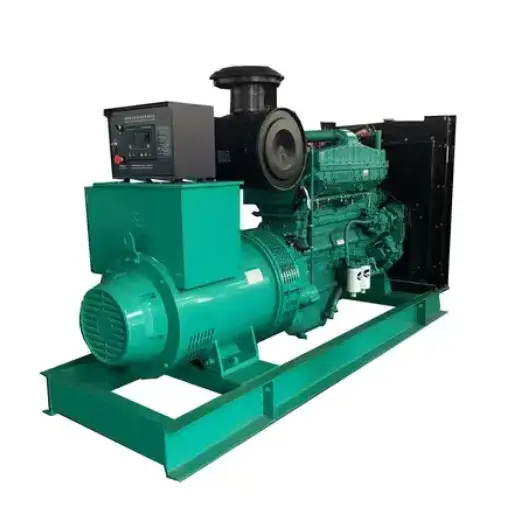
Healthcare Facilities
🚨 Emergency Light Systems
The diesel generator-powered emergency light system ensures safe orientation around the facility for patients as well as staff in the event of electrical down-time.
💉 Life Support Equipment
Ventilators, dialysis machines, and other life support equipment can operate continuously without any breaks due to reliable generator power.
🏥 Operating Rooms
Operating rooms must be running under efficient power to cater for uninterrupted surgical procedures for the patients even during a power outage.
💊 Pharmaceutical Refrigeration
In case of a power failure, diesel generators provide refrigeration designed for all the medications, vaccines, and other temperature-sensitive products.
📞 Communications Systems
These include communication facilities, telecommunications, administrative tasks such as networking, where, in any crisis, there is a guarantee that they shall all remain instantly operational.
Construction Sites
- 🏗️ Heavy Equipment: The heavy motors raise heavy loads through diesel generators. They are centerpieces of large tasks in construction activities.
- 💡 Lighting Systems: They rise from the use of generators to create light in case your construction shift starts early in the morning or late at night. The lights are installed specifically to bring about the visibility and site security.
- 🔧 Portable Tools: Drillers, cutters, and angular grinders rely on diesel generators since cutting instruments precisely operate under a fixed supply power regime.
- 🏢 Office Trailers: Onsite offices and facilities are dependent on Diesel Generators for making sure of substantial HVAC facilities, computers, and other essential accessories.
- 💧 Water Pumps: While doing the work of water removal, these pumps complement the primary work of a construction site. The diesel engines are fired up to grant the optimum performance.
Emergency Services and Disaster Management
- Hospitals and Medical Centers: For any kind of disaster, there’s a need to maintain power. Diesel generators support much equipment when disasters strike to keep professional activities running.
- Emergency Shelters and Relief Camps: Diesel generators are used to supply power for illumination, heating or cooling systems, and any power demand on communication devices and basic equipment for temporary shelter to those evacuees displaced due to disasters.
- Rescue Operations: Diesel generators provide power to searchlights, communication devices, and other rescue equipment, thus aiding effective rescue operations even in far-off areas or those not easily accessible.
- Disaster Recovery Facilities: In a state of disaster, data centers and other disaster recovery sites need the backup of diesel generators for preserving data integrity and enabling communications during disaster recovery efforts.
- First Responders Equipment: Mobile command centers, fire trucks, and ambulance service make use of diesel systems ensuring that critical tools and equipment run for an efficient first responders role without fail.
Comparing Diesel Backup Generators with Other Power Solutions
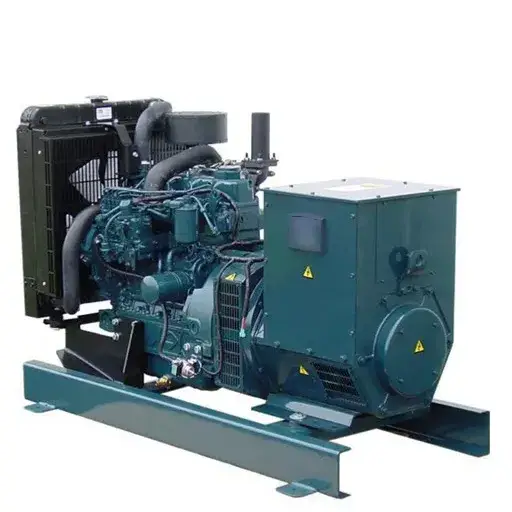
Diesel vs. Gas Generators
Diesel generators are much more efficient, durable, and cost-effective, while gas generators are relatively cheap to buy and relatively clean known for their noise reduction that no diesel engine could offer without expensive installation management.
Diesel vs. Solar Power Systems
Where diesel generators can provide power continuously and are cost effective for short-term use, solar systems are best for long-term use, such as environmentally friendly, low-cost, and high initial capital costs.
Diesel vs. Battery Storage Options
Diesel generators are good for immediate power needs. Battery energy storage is more eco-friendly, less noise-powered and better for sustainability.
Maintenance Tips for Diesel Generators
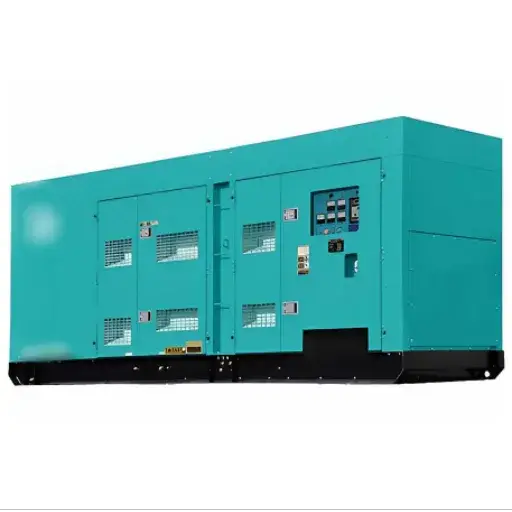
Regular Servicing and Inspections
One of the steps in maintaining diesel generators encompasses servicing applications being performed at regular intervals and sporadically inspecting engines for enduring reliability. When properly serviced, generators have a greater probability of fewer downtime misunderstandings, also less repair fee charges. Major components of routine inspection shall also include checking for cycles of wear and tear in places relevant to fuel systems, filters, belts, and cooling systems. For optimum function, specialists recommend that generators should be serviced according to the manufacturer’s recommended schedule, which would include oil changes, fuel filter replacements, and air filter examinations.
⚠️ Critical Maintenance Checkpoints
Regular oil changes are essential as a diesel generator is known to operate under very demanding conditions. Checking the coolant container and seeing if the radiator is working properly can help in the prevention of overheating. If not addressed, overheating can damage the internal parts to a great extent.
Battery testing and ensuring the building’s electrical system is running smoothly are just as important aspects of maintenance. Corroded connections, loose fastenings, or batteries not properly charged can all undermine the ability of the generator to start when necessary. Regular load tests will then verify that the generator can run without overloading. Thus, the consolidative power to handle potential problems early maintained through a combination of prescribed maintenance and conditions based on constant monitoring of the diesel genset guarantees reliable and efficient performance of the diesel generators in the long run.
Importance of Oil Changes
A regular oil change is imperative for maintaining the diesel generator in the long run. The importance of engine oil lies in its ability to perform several critical roles inside the engine. Its core functions are lubrication, preventing friction, and reducing wear and tear. Nevertheless, oil loses its quality with time and gathers contaminants, including soot, metal particles, or dust, which interfere with its action. When the oil is not changed in time, it accelerates the risk of engine damage, heating, and ultimately shuts down. Thus, frequency of oil change according to manufacturer’s standards is expected. This will keep the generator performing at an optimal level.
🛢️ Selecting the Right Oil
Selecting the right type of oil is just as crucial. In the typical case of a diesel engine in a generator, we need high-grade oils which are rich in additives designed to resist heavy-duty shocks and the high combustion temperatures induced by them. There must be a lesser amount of oxidation and sludge formation to give particularly sturdy protection against all these factors, which will tend to keep the engine running smoothly even under those hardest conditions. With further development in synthetic oils, they have acquired a higher power of sustaining viscosities on the one hand, while affording impeccable reliability to moveable parts under varying temperatures; hence, making these oils most appropriate for generators in widely varied climates.
When it comes to extending the life of the generator, a regular presence for oil change combined with full maintenance examination is extremely helpful. An oil change gives the service crew the chance to examine the oil filters. They can change the oil filters if they need to, check for any leakage and check for any damage or something unusual occurring to the genset. Real-time monitoring systems could also raise alerts to the operators if we witness, say, a drop in oil pressure or if the quality of the engine oil is far from good, and then we are on time for intervention. By making oil changes a must-have maintenance tool, owners can ensure that their generator functions optimally and that their critical operations that truly rest upon the constant supply of electrical power remain uninterrupted.
Monitoring Fuel Quality
It’s imperative for maintaining the reliability and serviceability, over a long period of time, of power generators. When contaminated or of bad quality, fuel could end up causing various negative outcomes, for instance by choking filters, leading to poor engine performance within the generators. But the possible outcome of an incident is even worse: very costly damages to the engine’s vital organs. To reduce the incidents, all debris should be removed from the fuel at various points of the generator system. Dirt in the open air may need preventing from getting into and piling up in the fuel tank. Use of professional quality fuel-testing kits would help to identify defects in due course and take preventive steps before repairs became expensive.
✅ Fuel Stability Best Practices
Fuel stability is another vital aspect that must be monitored. Fuel over time gets degraded owing to oxidation and thermal breakdown, forming sludge and reducing energy rating. This degradation process may speed up in conditions of high humidity or fluctuation of temperatures.
- Use fuel additives such as stabilizers or biocides to increase fuel longevity and prevent microbial attack
- Aid in cleaner combustion and improve efficiency for generators
- Ensure clean and closed fuel tanks for protection against degradation
New technology further plays an efficient role in fuel cleanliness maintenance. More modern fuel monitoring systems permit the operator to watch fuel levels effectively, detect any bacteriological contaminants present in the fuel blend, and generally predict during how many days of operations fuel quality would start getting degraded. This real-time tracking system screens all data relating to its use under manual inspection by the operator. This combination helps the power plant operator tackle the expected filter problems early on and so enhance their generator’s reliability while managing not to experience outages when this is not warranted. Besides, they add durability to the engine’s life. The maintenance contractor continuously monitors fuel quality on a regular basis, above all when maintaining the generators for seamless operation in critical zones.
📚 References
-
Diesel Backup Generators – Cornell University
This source discusses the role of diesel backup generators in demand response programs and their environmental impact. -
Maintenance Practices for Emergency Diesel Generators – MIT
A study on maintenance practices for emergency diesel generators, particularly in commercial nuclear reactors and naval submarine nuclear plants. -
Emergency Backup Generators – California Air Resources Board (CARB)
This document provides guidance on the use of backup generators during Public Safety Power Shutoffs and includes regulatory information. -
Is Your Water or Wastewater System Prepared? – U.S. EPA
A guide from the U.S. Environmental Protection Agency on the importance of maintaining and testing backup generators for water and wastewater systems.
Frequently Asked Questions (FAQ)
❓ What is a diesel backup generator and how is it different from other types of generators?
A diesel backup generator is a generator set powered by diesel fuel aimed to provide reliable standby power in the event of a grid failure. Diesel generators are different from natural gas generators and propane units because they store fuel on-site—ever a popular choice for whole house generator installation, industrial diesel applications, or large-scale commercial generator applications. Diesel generators usually have a higher fuel energy density and longer runtime and, as such, have steadily become the best option for uninterrupted power in the most critical of systems in businesses or facilities.
❓ Who should have a standby diesel generator on their premises?
Diesel generators provided by most manufacturers have many useful applications, such as for backup power in critical systems, power plants, work projects, healthcare facilities, data centers, and commercial establishments that require uninterrupted power supply.
❓ What is the compatibility of diesel-powered generators with engines burning biogas or syngas?
Diesel power generators could produce power from syngas or biogas by mixing it with diesel in the generator system, and to maintain the life of the generator engine, filters will need to be upgraded and changed regularly.
❓ How do I identify the right size and configuration of a generator for my needs?
The inquiry concerning fuel usage factors would include discussing the cooling unit setup, plus any added accessories and winterization systems for a diesel-powered generator. Consulting with a professional can help determine the exact power requirements for your specific application.
❓ What does basic diesel generator maintenance include?
Regular maintenance consists of regular oil and filter changes, monitoring the cooling system, battery tests and occasional load testing to determine if the diesel generator will operate when needed. Fuel management is a critical factor concerning diesel generators. Without a dependable fuel source, serious fuel degradation could occur. It is always recommended for installation and regular servicing by service personnel qualified in backup power systems.
❓ Can diesel generators serve as backup power for off-grid or non-stop primary power needs?
Yes, diesel generators can serve as prime power backup for off-grid installations or remote locations where grid power isn’t available. Whereas most generators are emergency power-operated, industrial diesel generators and corresponding power sets that are designed to work as prime power supplies provide primary power on a 24-hour basis for an extended time. This is provided the fuel supply and maintenance requirements have not been compromised.
❓ What factors affect the cost and selection of a new diesel backup generator?
The cost and choice for the generator mainly are based on the power (kW) necessary, the kind of stand-by diesel or a portable machine that could be chosen, the brand name, environmental regulations, the difficulty regarding its installation configuration, and the intended uses like residential emergencies, commercial applications, or industrial need for electrical power. There are additional costs required for fuel storage, government permits, proper installation, and regular upkeep. So choosing the right generator will depend on balancing the budget, the time required for use, and the reliability needed.
🔌 Conclusion
Diesel backup generators represent a reliable, efficient, and cost-effective solution for ensuring uninterrupted power supply across various applications. From healthcare facilities to construction sites, from emergency services to industrial operations, these robust machines continue to prove their worth as indispensable assets. With proper maintenance and care, diesel generators provide long-lasting performance that protects critical systems and keeps operations running smoothly when power interruptions occur. Whether you’re considering a standby generator for your home or a large-scale industrial unit, understanding the benefits, applications, and maintenance requirements will help you make an informed decision that meets your specific power needs.