
Mining operations are often situated in harsh and remote environments and the very success of these operations depends on a continuous power supply to run equipment, keep up productivity, and maintain essential operational activities. Powering such out-of-reach locations provides challenges in itself. In this paper the energy-efficient generator innovations needed at mine sites that are both accessible to mining professionals and that adjust to challenging power needs are explained. From the importance of energy efficiency to new developments in generator manufacture, we want to tell you how innovative power solutions are changing the mining industry.
Overview of Mining Generators
What is a Mining Generator?
A mining generator is a specialized power generation unit that has been designed to supply energy requirements at mining operations, especially in remote or off-grid areas. These generate constant energy flow, ensuring the operation of essential on-site functions, including the power supply to drilling rigs, ventilation systems, conveyor belts, and illumination circuitry.
Mining generators typically go through extensive measures for ensuring their manufacture for harsh environmental conditions such as extreme temperatures, high altitudes, dusty environments, and so on, so often any mining environment one would expect to encounter. The fuel source typically may be diesel, natural gas, or renewable sources of energy, which will be better according to available resource and site-specific requirements. This flexibility keeps the operation going even in locations with limited access to traditional power grid systems.
💡 Key Features of Modern Mining Generators
The modern mine generators have some basic features of energy efficiency and robustness. Advanced models of generators fall under some categories like engine load-based consumption patterns, fuel-saving technologies, elaborate emission control systems and the like, to lower the impact on the environment or costs. Many come fully integrated with remote monitoring for groundwork, performances, and fuel efficiencies, meaning that all maintenance requirements etc., are naturally managed. This is why, however, all these could provide the continuous, erosion-free power supply necessary for mining sites.
Importance of Generators in the Mining Industry
Generators are very critical for the continuance of mining activity. Since many a time, these sites are at very remote locations where either power from the main grid may be limited or not at all available, generators often supply the necessary power to run any heavy-type machinery, ventilation systems, conveyor belts. They also ensure a lighting system is in place to work without any interruption. Without power, mining operations may stall leading to additional costs and loss of productivity.
⚠️ Safety Considerations
Moreover, generators assist assure the safety within the mining setup by powering vital systems such as gas detection equipment and emergency response tool. As mining involves many dangerous situations due to hazardous elements, keeping power supplied to safety features is critical for their proper operation. This creates a safe workplace for mining personnel and prevents accident occurrences and operational interruptions brought by power failure.
Modern day generators are designed to touch upon environmental and economic aspects. By such critical attributes as fuel efficiency, emission control technologies, and compatibility with renewable energy, generators not only save costs but also fall in line with sustainability goals. On the angle where mining companies are under the requirement to harmonize these two, the generators place themselves as an indispensable asset to the mining industry.
Types of Mining Generators
There are various types of mining generators, meant to serve various industrial requirements, each of them made to withstand tough and power-demanding conditions:
🔧 Diesel Generators
Diesel generators are most widely used in mining, thanks to their reliability and high serviceability. With low-cost maintenance, these generators can deliver high output for a longer duration. This makes them suitable for regions where grid connectivity is absent and hence, they meet remote energy demands perfectly. Diesel fuel efficiency and design make them ideal for powering high-end equipment and high-priority operations.
🌱 Natural Gas Generators
Natural gas generators are increasingly popular from an environmental standpoint and economically speaking, with less pollution and often tapping into some gas reserves that are otherwise wasted in mining areas. These are pretty cool alternatives developed for operations that reduce their environmental footprints, even though they provide the requisite amount of power.
⚡ Hybrid Generators
Hybrid systems mix traditional fuel-powered generators with renewable energy sources like solar or wind. Designed to minimize fuel consumption and operational costs by increasing power generated by renewable energy, the best thing about a hybrid generator system is that it is out there doing work that is eco-friendly, supporting sustainable mining as well.
📦 Portable Generators
By virtue of being easily moveable and compact, portable generators are an essential resource for relatively smaller operations and immediate power needs in some situations. While they might not be as powerful as bigger plants, they are suitable for varying kinds of applications that require relative reliability and flexibility.
Every mining generator is designed to serve a particular purpose, and companies can thereby make their choice according to their operational necessities, location, budgeting, and environmental causes. These operational requirements in tandem with the availability of suitable backup power options will ensure there is no power shortage and that maximum efficiency and full sustainability are maintained.
Power Solutions for Mining Operations
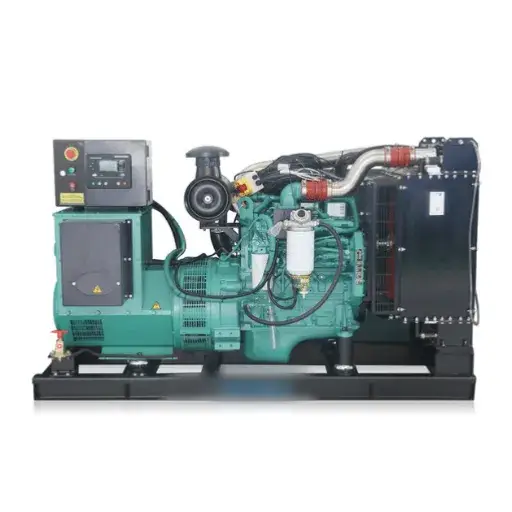
How Generators Ensure Reliable Power Supply
Due to the existence of generators, power supplies can be evened out, providing continuity at remote locations for mining. Generators convert mechanical to electrical energy to make sure that the operation of critical machinery and equipment is uninterrupted. Mining sites in harsh environments often lack or have unreliable local power grids. Refilling the void, generators earn justification with their reliable power supply, decreasing downtime while maximizing output.
🔍 Advanced Control Systems
The fact that modern generators use advanced control systems for better performance is promising, and that’s why these systems can also be used to stop harm due to overload when considered in modern times. It also becomes particularly essential for backup generators, given that they are potentially life-savers during emergencies since they can automatically kick in when the grid fails to prevent costly stoppages and equipment damage.
Besides that, integration with digital and IoT (Internet of Things) technologies would help in making generators operate even better, raising their level of efficiency. These modern installations allow real-time data collection, remote monitoring, and preventive maintenance, ensuring that machines continue running to fulfill customers’ needs by avoiding risk factors induced by sudden fails.
Furthermore, to meet emerging environmental standards, the industry is tilting towards cleaner and durable power solutions. A hybrid generator combining traditional diesel or gas engines with renewable energy sources such as solar or wind is growing popular. These systems are conservative on fuel and emissions as well as offer more stability. To wither the sophisticated technology and reflect any sustainable modern mining operations in ensuring robust energy distribution, they shall align with global efforts to combat climate change.
Emergency Power Solutions in Mining
Essential is the continued productivity and safety of the mining operations during the odd occasion when no power is available. Today, emergency power systems at mines usually come with a synthesis of diesel generators, batteries and renewable mix-ins. Such sets render redundancy and abate reliance on fossil fuels. For instance, battery storage systems make a quick instant response to rectify the power situation and actuate while full power restores or the backup genset comes into service.
🎯 Predictive Maintenance Technologies
New technologies such as predictive maintenance and monitoring have increased the operational efficacy of emergency power systems. By analyzing data, operators can identify potential issues earlier than before, ensuring that said issues do not lead to blackouts. For instance, proactive identification of equipment problems would come from real-time monitoring of critical parameters such as fuel level and engine temperature. The upgrades not only increase performance and reliability but also contribute to minimizing operational downtime and associated costs.
Aside from power systems becoming greener with the introduction of renewable solar power, regenerative power also becomes more environmentally friendly, creating partnerships between technology firms and mines within the ambit of ESG compliance. Such actions are pertinent to the higher-E structure requiring the mining companies to reduce their carbon footprints. The situation represents a paradigm continually being shifted organically, whereby innovation and operational risk also come into play through these advanced solutions.
Flexibility of Power Solutions for Remote Locations
On-the-spot operations mostly experience difficulties in empowering secure and dependable energy solutions. Even though these are typically far off from the energy grids, connecting the grid is often impractical or too expensive. To cater to this problem, modular and scalable power systems are becoming more attractive. Moreover, these power systems can be customized to specific energy requirements at remote facilities and can then be enlarged if the facilities grow. The layout of hybrid power systems, which include both traditional diesel generators and renewable energy types, such as wind and solar, realizes reliable and adaptable power while reducing the fuel consumption of diesel generators and cutting down on operating costs.
🔋 Battery Storage Technology
The implementation of state-of-the-art battery storage technology is yet another vital feature of these flexible power solutions. This allows mining sites to stockpile power or energy during peak production periods of clean electricity from renewables and use the stored power when it is needed. This ensures optimal energy efficiency and a constant power supply during times of low renewable production. Modern battery systems cater to some of the harshest climates on Earth and provide years of life even in extreme conditions. This innovation allows operators to solve the energy wastage issues and accordingly better manage their power system in accordance with the cargaries of fluctuating power demand.
In addition, remote monitoring and smart grid technologies have completely revolutionized the way in which solutions for power are managed in such remote areas. With organizations using cutting-edge data analytics, remote sites can basically monitor real-time energy usage to observe any inefficiencies as well as forego possibilities of failure. Predictive maintenance driven through artificial intelligence ensures that the machinery remains dependable, thus reducing unexpected downtimes. This mix of flexibility, efficiency, and resilience helps mining firms to correctly tap into the most difficult of places to work, in furthering in line with longevity and significant cost savings. When the electrical energy demands within remote-controlled entities are intensifying, in come evolving solutions that mark a proactive way.
Applications of Mining Generators Across Industries
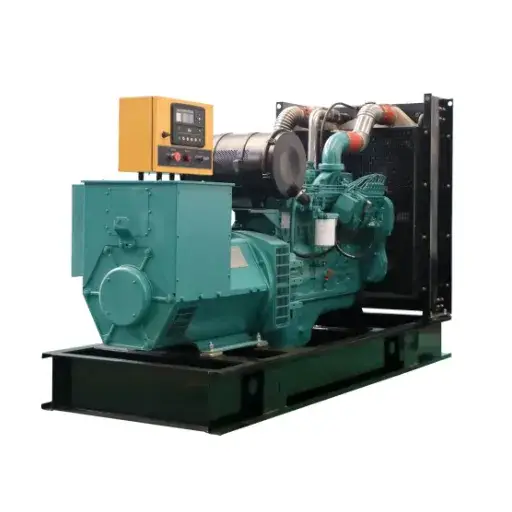
Mining Operations and Oil Extraction
Mining generators are crucial in ensuring that the operations of both the mining and the oil extraction industries are operational. Continuous energy supply (no power interruptions) is further ensured under such harsh conditions as remote field conditions. In this respect, the generators ensure that these machines carry on uninterrupted operations. Here are five applications showing the centrality of mining generators:
- Drilling Operations: Resources (e.g., minerals, crude oil, and natural gas) are recovered from the Earth in drilling rigs; however, generators are able to provide these machines with the enormous power required to carry out the job.
- Underground Mine Ventilation Systems: Ventilation is very important to maintain air quality and maintain the safety of the miners with the help of mining generators, which are used to power large air ventilators and equipment used for air purification.
- Processing Plants: Generators empower crushing, milling, and refining units required to extract and prepare raw materials, from ore, crude oil, to natural gas, for further distribution.
- Lighting Systems and Also Safety Equipment: Lights are very essential for the underground place and night times while working at this site. Mining generators work to ensure the smooth functioning of safety measures like warning systems, communication devices, and lighting under day and night conditions.
- Water Pumping Systems: Mining generators provide power to huge water pumps that are utilized in taking out water from mines and crude oil from the wells, requiring a lot of potential for the same purpose of sucking out oil from the earth.
These application examples clearly indicate how mining generators are the core force behind sustaining good mining and oiling production standards in both the mining and oil extraction industries.
Construction and Infrastructure Projects
Construction and infrastructure projects heavily rely on power generators to sustain the various stages of operation. Some of these operation phases require temporary or emergency power so as to keep the site up and running in order to guarantee efficiency, safety, and productivity. The article elaborates on five major functions of generators in construction and infrastructure projects:
⚙️ Powering Heavy Equipment
This machinery, such as cranes, excavators, and concrete mixers, constantly need power to keep running. Generators are a source of power for these machines which are the lifeblood of every construction project.
💡 Lighting Systems
There are lots of jobs outdoors, and it can go really late until the work is finished. On those occasions, a generator-powered intense floodlighting can aid in worker visibility and enhance security, while many workers need to go about their jobs in little-to-no light.
🏢 Temporary Facilities
Construction sites depend on generators for power supply for their mobile offices, workshops, workers’ accommodation, etc. Generators keep the furnishing equipments working like air conditioners, computers, and communication systems.
🔥 Welding Operations
Welding machines and cutting tools are mandatory in construction. Generators are required to feed power to these energy-demanding equipment so that welders can do precise and efficient metal work, smooth most times.
🔌 Emergency Backup
Generators provide an alternative power source in case of grid power failure to minimize off times. Routine operations keep going on, saving expensive delays in the progress of the construction program.
It is true that using generators adds more dynamic and productive strides towards achieving greater efficiency and performance outputs for construction and infrastructure projects.
Emergency Response and Disaster Management
Generators serve major emergency response and disaster management scenarios and are crucial to providing electrical support when conventional power sources are not available. This usually ensures strength in unrelenting power supply for crucial operations against disasters, power outages, or emergency scenarios. Below are five primary occurrences for which generators are indispensable:
For such vital and critical situations, therefore, healthy power supply supported by generators enhances the efficacy in dealing with emergency responses and recovery from disasters.
Benefits of Using Generators for Mining
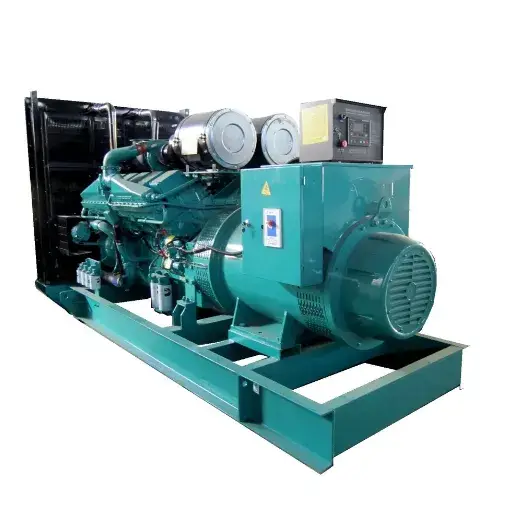
Efficiency and Productivity Gains
✅ Uninterrupted Power
Generators present a form of power, which ensures that no other other sensitive items like drills, excavators, and conveyor belts remain in the dark. Thus the dead time is minimized and the flow of tasks continues to advance smoothly.
🚚 Mobility Increase
Being mobile means that a generator can be put on wheels and moved around the mining site. The generator’s design enables adjustment, so even if mining operations occur with dynamic momentum in the cardinal directions, the power generator can be adjusted to run the equipment.
⛽ Fuel Economy
Fuel consumption figures have decreased because of advanced fuzzy logic controls used in today’s generator units. Inside the generator you will find that the generator systems produce about 20% less fuel usage today than in the past. Lesser fuel consumption aids in lowering operating costs and enhancing operational efficiency.
⚡ Speedy Install and Deployment
Setting up and moving around is all that generator machinery needs, allowing to supply power on the spot, regardless of a lesser voltage mining site. This is an impressive feature just for the site as it guarantees mining operations begin at once for increased productivity.
🤖 Automation Support
Some mining companies are turning to automated machinery and equipment to pump up production. Generators, key to maintaining a stable and a high-capacity power supply to keep efficient operations, help in realizing complete potential of automation.
Sustainability and Environmental Impact
The use of generators in mining operations has huge implications for sustainability and the environment. While these generators help power the seemingly heavy machinery and ensure efficient productivity, there is a necessity for one to ponder over their impacts and discuss ways for its mitigation. Below are five critical points underscored by sustainability and environmental impacts:
By giving attention to these aspects, the mining industry can act as the foundation for greener and more sustainable practices while keeping efficiency alternatives open.
Cost-Effectiveness of Mining Generators
Consistency of supply of power is one of the paramount requirements in any operation-with livelihood mining being no exception. Mining generator efficiency in terms of cost aspects can be judged on various key factors, among them being the five detailed factors that point out their value.
Generators designed and purified in a modern design, especially for mining applications, are also designed to run on minimal fuel consumption and reduce the operational cost-sinking. Thus, hybrid models can assist in saving 40% of fuel usage as opposed to the old fashioned models.
Technologically advanced designs drive low ripping and concordantly fewer breakdowns means less preventive maintenance is done and unpredictable downtimes.
High-quality, tough machines are expensive by themselves, but if opportunities to save some downtime are squandered, they will merely drive breakdowns; here the chance at a maroon goose is gone.
Modular generators can be accessed to mine companies providing flexibility as expenditure increases and decreases in relation to power needs, in turn helping to steer clear of costly unnecessary energy production.
Many governments and organizations proffer subsidies, tax credits, or grants on energy-efficient devices. To benefit for the tax incentives and grants, these can diminish AMC costs for mining companies assisted by use of efficient power-generating equipment.
Thus, with these additional benefits together with cost-effective measures, these mining companies can convert their stronghold on the absolute bottom lines of sustainable and reliable power solutions.
Challenges and Limitations of Mining Generators
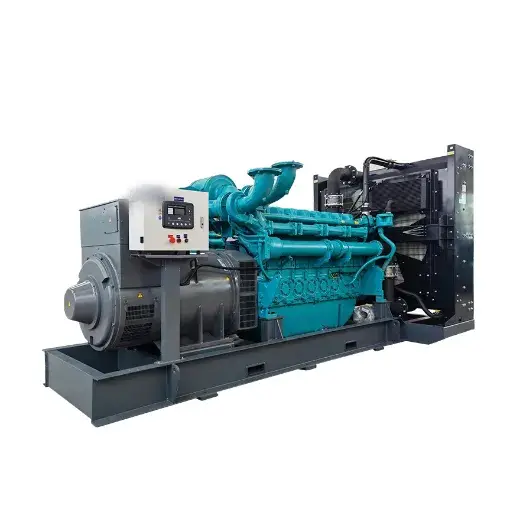
Maintenance and Operational Challenges
One of the main challenges posed by mining generators is their requirement for regular maintenance; generators usually operate under harsh environmental conditions-such as in remote and dusty mines-where these conditions usually accelerate their wear and tear. Continuous exposures to dirt, high temperatures, and rough terrain require constant inspection and servicing. The negligence of maintenance may culminate in decreased efficiency, unexpected breakdowns, and downtime. These companies are required to take a maintenance plan seriously; it must be beefed up with appropriately trained staff and access to spare parts to deal with the risks.
⚠️ Logistical Challenges
Another notable problem is the high level of logistics involved in the operation of mining generators in remote areas. The costs of transporting fuel, spare parts, and trained personnel to these areas would be notably high. Fluctuations in fuel supply or costs could unexpectedly cause major cost increases, pushing resources. These issues are being handled through the use of alternative energy sources, such as fostering the capacity to incorporate renewable fuel in lessening dependence over the traditional diesel or gas generators in the long-term. However, and not far away on the horizon, this transition to more sustainable options will bring with it the technical and financial aspects that needed to be dealt with.
On the mining side, the noise and emissions from the generators pose a dual operational and environmental challenge. Diesel generators, majorly used, have to release a lot of greenhouse gas to contribute towards environmental degradation. Also, working noise from such equipment may tarnish the peaceful operation of mining operations; especially in areas where noise restrains are strictly enforced by regulation. Companies are increasingly held responsible for meeting environmental compliance requirements, which urges them to invest in cleaner and quieter alternatives such as hybrid systems and battery storage solutions so as to enhance sustainability while maintaining operational efficiency.
Fuel Dependency and Supply Issues
Fuel overdependence in an industry like mining implies serious challenges on operation and environment too. It is a common scenario to find many mining operations that rely so heavily on diesel or other fossil fuels to power machinery, leading to serious causes of the problem with regard to emissions as well as posing long-term challenges to cost-price volatility and security of supply. This volatility could be further influenced by geopolitical tension and natural calamities, thus causing uncertainty in budget estimates and long-term planning. Additionally, the logistical challenges over the transportation of fuel, especially to mining sites, far away from major supply routes, can significantly raise operational costs and initiate the delay in production timetables.
🌍 Supply Chain Fragility
We increasingly have the need to focus on tapping into more and more remote fuel reserves as a major challenge to supply chain fragility. Moreover, fuel continues to be in short supply in almost every industrial “hot spot” globally, causing companies major grievances from both a high-cost demand and a supply side. In procuring fuel from abroad, the scene just widens for greater complications that tie up mining operations with the foreign market stability. Such foreign presence is an additional risk factor with regard to trade wars, import duties, and embargoes. The very dependence could be the leverage that could prevent companies from importing entirely in the event of a supply chain breakdown.
Solutions under consideration for the above issues include transition to renewable energy resources and energy-efficient technology options. Advancements in electric mining vehicles that avoid fuel combustion would, if linked with clean-energy infrastructure components like onsite solar or wind energy, be among the various promising pathways to the reduction of reliance on conventional fuels. Initial investments by the mining industries in any of these technologies are going to prove valuable over time in achieving reduced costs due to emissions and the environment together. The mining and mineral processing industry may choose to work with utilities at hand on alternative-energy pathways suited to diversified energy sources in order to stand against fuel dependency risks and increase their resilience in the face of future uncertainties.
Regulatory Compliance and Environmental Concerns
Mining being a regulated industry, it is primarily attentive to the correct protocol with regard to environmental circumstances. Worldwide, administrations alike are getting stringent with the environmental standards and laws concerning the reduction of the mining-related ecological footprints. Those include standards around carbon emissions, water usage and waste management. Violating the rules could lead to extreme fines and there might be operation inhibition. However, from the same, companies are forced to develop an adverse reputation, thereby nullifying their ‘social license to operate.’ The industry is therefore throwing considerable sums of money into research and development to ensure compliance with these legal frameworks.
🌿 Environmental Compliance Measures
The concept of environmental compliance itself contributes highly to the reduction of GHG emissions. In this context, techniques explored by the mining sector have taken account of CCS technologies and the introduction of renewable-energy possibilities for its operations. Analysis and support in countering the obligations through an array of available monitoring tools, empowered by AI; while reducing the use of energy resources is essential. By reorganizing any contraventions dramatically, these measures can meet stiffening plethora of investors and customers in their bids for sustainable practices which further defines a long horizon of potential prospects for the growth of the industry basins.
Clear communication of mining companies and stakeholders in a formation of land reclamation projects emerges as one of the central focuses following mine closure. This restoration can help the land to regain its biodiversity, thus conserving ecological balance. Although extremely limited realizations regarding environmental bondage are seen for this sector, it does go a long way in giving balance between profits and ecological wellbeing.
Frequently Asked Questions (FAQ)
❓ What is a mining generator? Why is it necessary for mining operations?
A mining generator refers to a heavy-duty generator set used for powering mining equipment, portable camps, and supporting systems functioning in remote commercial and industrial stations. Mining generators are especially resourceful for providing continuous power to extraction, processing, ventilation, and necessary services when grid power is not available or is too unstable, where mining is concerned, making it indispensable for uninterrupted production and safety.
❓ How does one find the right generator for mining-related fixtures?
To start with, the appropriate selection by determining the power needs of all equipment loads, evaluating genset sizes, working cycle, altitude, and environmental conditions. Generator selection should be done by evaluating the peak and continuous loads, fuel system compatibility (diesel, gas, hybrid), and if automatic transfer is needed for uninterupted supply. Consult supplier’s sales or technical support to match gen-set sizes with your mining equipment and future needs.
❓ Is it possible to rent a mining generator for short-term or emergency needs?
Yes. Several suppliers provide options for mining generator rental on a temporary basis, emergency backup systems, or peak demands. Renting allows quick deployment to mining camps or exploration sites without the commitment of purchasing long-term equipment. Contact the supplier for rental rate provisions, delivery terms, fuel system arrangements, and available on-site assistance.
❓ Matters to be considered in comparing sizes and capacities
The generator’s size has to be evaluated on the basis of rated kilowatts (kW) and kilovolt-amperes (kVA), starting and running loads of mining equipment, as well as with consideration of the diversity factors for non-simultaneous loads. Include allowances for motor starting currents, air-conditioning in mining camps and future expansion. A reputable supplier can provide an in-depth load study to assist in determining the right fit in generators for mining.
❓ Are there different kinds of generators for different oil or gas or precious mining sectors?
Yes. Oil and gas operations, as well as precious metals mining, normally require specialized generators including explosion-proof units, enhanced filtration, and ultra-robust fuel systems for remote work environments. An inventory-ambitious supplier can provide generator sets that accommodate these standards and severe weather conditions typically found in oil or precious-metal mining worksites.
❓ Must an operator possess certifications to assist with service training at an industrialized mining facility?
Request authenticated company registration documents, factory test reports, warranty documents, emissions and safety certificates, and full sales agreements measuring detailed specifications for the fuel system and after-sales assistance. That will indicate an answer to an installation guide and training for in-house personnel as part of a trust-building program and lesser operational risk.
❓ The market is vast when it comes to suppliers. How can I find a suitable supplier the market standard in mining operations for its Generator availabilities?
Find suppliers who can apply genuine prior industry sale records for mining generator stipulations, call and confirm with several companies. This allows for competition. If needed, get quotes for shipment and anticipated delivery lead-time, and rear about any in-service assistance. Spare availability always offers much peace of mind. A supplier who will give an upfront response on prices, coupled with some technical support for your mining project’s best execution.
References
- Investigation of Harmonic Content in a Remote Mine Site – Explores generator operations and load management in remote mining sites, available on Academia.edu.
- Regulatory Issues Affecting Lignite Surface Mining – Reviews regulatory programs impacting mining operations, provided by the U.S. Department of Energy’s OSTI.
- Click here to read more.
📋 Summary
Mining generators represent a critical component of modern mining operations, providing reliable, efficient, and increasingly sustainable power solutions for remote and challenging environments. From diesel and natural gas generators to cutting-edge hybrid systems, these power solutions ensure continuous operations, enhance safety, and support the evolving needs of the mining industry. As technology advances and environmental concerns grow more pressing, the future of mining generators lies in balancing operational efficiency with sustainability, making them indispensable assets for mining operations worldwide.
