
Powering a construction site with a generator can be a major influence factor on the operational efficiency, costs, and the project itself. Diesel or gas generators are the main sources of power in construction sites which are always in a hurry but sometimes selecting the suitable one becomes difficult. Would you rather have a portable generator with its flexibility or a stationary one with its durability and dependability? This article will take you through the differences, the advantages, and the considerations of both portable and stationary generators to help you make a suitable selection for your project with specific requirements. If you have a small construction site or an industrial one, the knowledge of these options will be essential for you to maintain uninterrupted and hassle-free work.
Understanding Construction Generators
What is a Construction Generator?
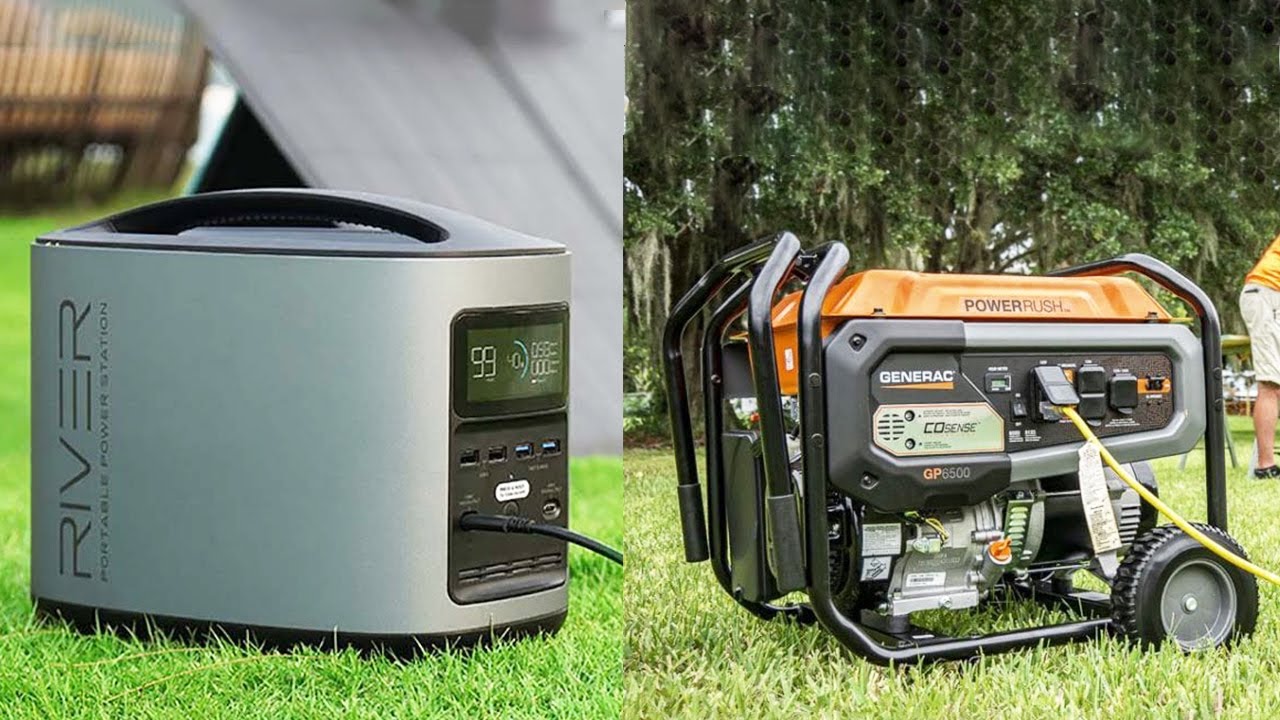
A construction generator is considered to be either a portable or a stationary source of electrical power especially for construction sites. The first type of generator, a construction generator, is used to supply electricity consistently and reliably to operate tools and equipment, provide lighting, and power other devices that are essential for carrying out construction projects.
Construction sites often do not have a stable power supply, so generators are very important not only for keeping the workers’ productivity but also to power the light machines like drills, saws and compressors, as well as to help up temporary structures like labour camp trailers and portable heating or air conditioning systems. This versatility allows the tasks to be done without any delays caused by power cuts.
Generators for construction purposes are designed to handle rough treatment resulting from conditions that are common on construction sites, such as severe weather, dust, and debris. Features like fuel efficiency, noise reduction, and safety mechanisms are often included in the design of many construction generators to ensure that they can operate safely and smoothly. The choice of construction generator depends on such factors as the amount of power required, the type of fuel available, and the specific needs of the site.
Importance of Generators for Construction Sites
The usage of generators is a must in construction sites because they offer a power supply that is 100% reliable in places where the electricity is either not available or unstable. The location of a lot of building projects is far from the grid, and the grid also cannot meet the requirements of heavy machinery and tools. The use of generators allows the construction process to be uninterrupted which keeps the construction schedule and avoids the occurrence of expensive delays.
Key Benefits of Using Generators
- Supply power to essential tools and equipment like drills, cranes, lighting systems, and welding machines
- Support critical safety measures including emergency lights and communication systems
- Enable uninterrupted construction processes that keep projects on schedule
- Provide fuel-efficient operation that reduces long-term operational costs
- Feature noise-reduction technologies to minimize disturbance in neighboring areas
Moreover, well-functioning generators are of help to safety measures, e.g., powering emergency lights or communication systems, which are essential for the protection of workers onsite. When a construction site is supplied with a high-quality generator that suits its particular needs, it not only guarantees the efficiency of operations but also becomes part of creating a safe and conducive environment for workers.
Types of Construction Generators
The generators used in the construction industry vary widely and differ in their types, which ultimately depend on the particular and demanding job needs. The foremost types of generators for construction are as follows:
Diesel Generators
By far, diesel generators are the most popular choice for construction sites, mainly owing to their durability and dependability. Heavy-duty work is no problem for them, and their long-time operation is also possible. Diesel generators are known to be extremely cost-efficient because of their fuel efficiency even after long periods of usage.
Portable Generators
These generators are very easy to carry and transport and are light-weighted too thus making them very suitable for carrying out small projects or undertaking mobility-related tasks. Usually, portable generators run on gas or diesel and are good for supporting tools and machines in places with limited requirement.
Standby Generators
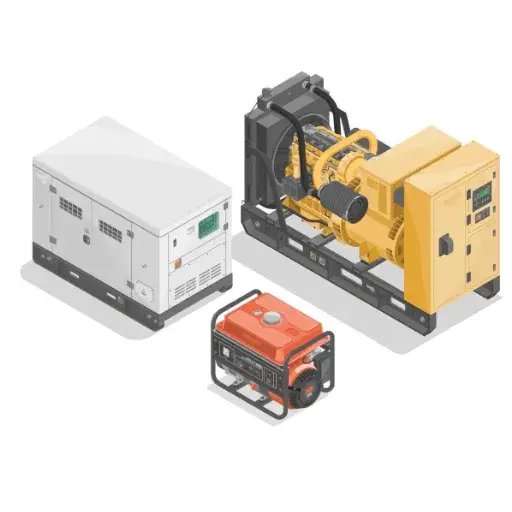
Standby generators are indispensable devices for any construction site that cannot afford to have power interruptions. They are designed to switch on automatically and take over during the downtime thus keeping the work going. Such generators are typical for big constructions where the absence of workers due to power cuts can affect production very badly.
Each one has a unique role to play, and the right generator is to be selected keeping in mind project size, power needs, and money available. With a clear understanding of these alternatives, construction experts can make their operations run smoothly in ways that are precisely suitable for their site.
Factors to Consider When Choosing the Right Generator Size
Assessing Power Requirements
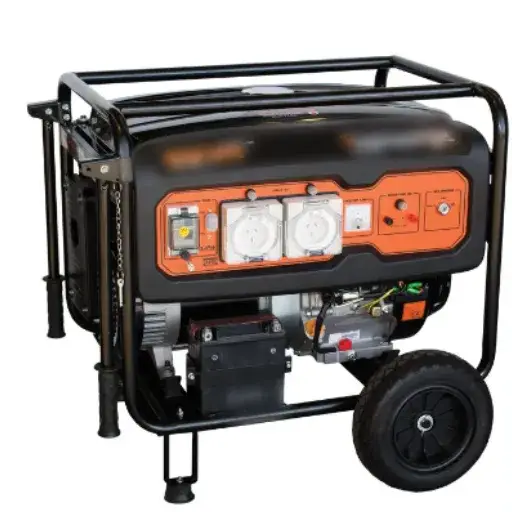
The process of finding the right generator size starts with a thorough analysis of the power needs of a construction site. First, make a detailed list of all the equipment, machinery, and tools that will run on the generator. It is very important to indicate the starting wattage (also called surge wattage) and running wattage for each device since some tools need a larger power burst to start them up but will consume less energy during their operation. When you figure out these numbers, the next step is to determine the total power demand by summing the running wattages of all equipment and also considering the highest starting wattage so that the generator can deal with the peak loads.
💡 Important Considerations
Another thing that is important to know is whether the site requires single-phase power or three-phase power. Single-phase generators are often enough for the power supply of houses or small projects, while large industrial sites might need three-phase generators in order to keep heavy machines running properly.
The construction crews should also keep in mind that the power needs of the site may fluctuate over the course of the project. The power demand on site can be affected by seasonal changes, upgrading of the equipment, or bringing in new machines. It is a common practice to add a buffer of about 20-25% of the total calculated wattage so that the generator does not operate inefficiently due to overloading or underperformance.
📋 Power Assessment Checklist
- Create a detailed list of all equipment, machinery, and tools requiring power
- Document both starting wattage (surge wattage) and running wattage for each device
- Calculate total power demand by summing all running wattages
- Identify the highest starting wattage to handle peak loads
- Determine if single-phase or three-phase power is required
- Add a 20-25% buffer to the total calculated wattage
- Consider duration and frequency of generator usage
Consider the duration and frequency of the generator usage in the end. A generator that is used frequently and continuously requires to be very strong and reliable because it will have to keep working for long hours. In contrast, intermittent use might be in line with the smaller, portable generator options. When these considerations are coupled with proper load management, they can lead to maximum efficiency, longer equipment life, and reduced operational downtimes. Choosing the right size generator not only satisfies the current demands of the site but can also allow for unpredictable changes, thus, assuring a smooth workflow.
Impact of Load Banks on Generator Sizing
The function of load banks is very important in generators sizing since they can give the exact capacity needed for the different applications. Load banks will figuratively present the power that the generator will be subjected to and how well it will cope with that power. Thus, by employing load banks in the generator sizing stage, the customer can be sure that the generator will be efficient and reliable when it comes to its operation.
By bringing these insights into the generator selection process, load banks help to secure the data-driven support that is necessary for effective and precise generator sizing solutions.
Types of Generators for Construction Sites
Portable Generators: Flexibility and Ease of Use
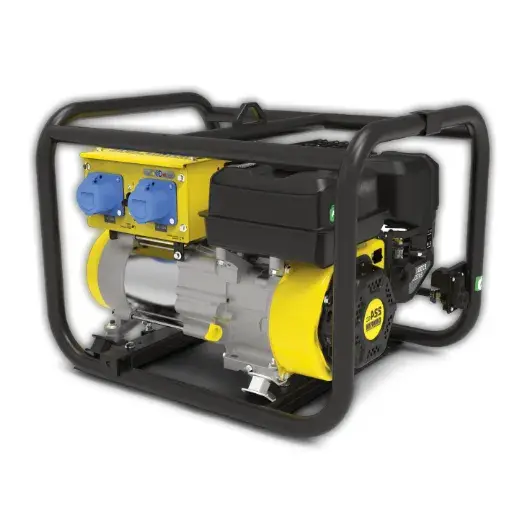
Portable generators provide an indisputable solution for building sites as they are easy to use and flexible. They are very convenient and have a compact size and light weight, which allows them to be transported easily to and from job sites. Their portability enables them to deliver power needs temporarily to remote or off-grid places where electricity may not be accessible. This has made portable generators a common solution for lighting, powering tools, and even small equipment in construction projects of any size.
The ability to use different fuels is one of the most important features that make portable generators stand out. The production of many models is gasoline, diesel, or propane and this gives the users the advantage of choosing depending on the availability and price. In addition to the easy operation and fast start features, these generators are very user-friendly and require very little effort to get ready. Moreover, technology has also brought about features like inverters for power output stability, thus guaranteeing the smooth operation of sensitive appliances like electronic devices or modern tools without the risk of damage.
⚠️ Important Note
On the other hand, the flexibility of portable generators is great and they can be used in many applications but it is always very important to pick the right one according to the power requirements. Their power output is usually lower than that of the larger, stationary generators and thus they are best for either small-scale projects or in situations where power needs are not high.
Good maintenance like changing oil and replacing air filter regularly will keep the performance reliable and the lifespan long. Portable generators have the power supply consistency in a way that they are able to compete with their larger non-mobile counterparts; thus, they continue to be the most sought-after tool by construction professionals for energy solutions that are efficient and mobile.
Diesel Generators: Power and Efficiency
Diesel generators are widely appreciated for their reliability, fuel efficiency, and powerful performance and thus are the first choice among many in different industries. The operating principle of such machines is compression ignition which lights the diesel fuel and in turn the engine runs and the electricity is generated. The iconic feature is the energy density of the diesel fuel which is very high thus allowing diesel generators to produce considerable power output while consuming less fuel than gasoline generators. So, the operating costs will be lower and the refueling will be less frequent in case of large use, especially when efficiency is practiced.
Another substantial advantage of diesel generators is their toughness and ability to endure heavy loads for long periods. Industrial-grade parts and materials are used for their construction which gives generators a much longer life and a capacity to operate in the harshest environmental conditions. Besides, the implementation of technology to produce lower noise and pollutants has resulted in modern and noiseless diesel generators which are more eco-friendly than the old ones. Most of these generators are already equipped with remote monitoring systems so that the operators can do real-time tracking of the performance and health of the operation.
Common Applications
Power outages and uninterruptible power supply have become common in hospitals, data centers, and other critical installations. Hence, diesel generators are often employed in industries like:
- Construction sites requiring heavy-duty power
- Manufacturing facilities with continuous operation needs
- Healthcare institutions requiring reliable backup power
- Telecommunications infrastructure
Although the consumer has to pay a higher price for the diesel generators compared to other power sources at the outset, their long-term and cost-effective nature along with the basic characteristics of advanced performance makes them the primary choice for power generation. With the advantage of being the best in efficiency, reliability, and sustainability, diesel generators are still the key players in the energy market.
Gas-Powered Generators: Pros and Cons
Gas-powered generators are still widely chosen by many users for their versatility and easy use. But, like every other power source, they have their own merits and demerits.
✅ Pros
- ✓ Fuel Availability: Gasoline is available almost everywhere making it easy and hassle free to refuel
- ✓ Lower Initial Costs: Starting price is often lower compared to diesel or solar generators
- ✓ Compact and Portable: Made to be lightweight and easily moved for temporary use
- ✓ Quick Startup: Takes minimal time to start and provide power immediately
- ✓ High Power Output: Capable of generating substantial power for various tools and appliances
❌ Cons
- ✗ Shorter Lifespan: Durability depends heavily on usage intensity and maintenance
- ✗ Higher Fuel Consumption: Less economical for long-term continuous operation
- ✗ Fuel Storage Challenges: Gasoline is highly flammable and has limited storage life
- ✗ Environmental Impact: Releases more carbon dioxide and harmful emissions
- ✗ Cold Weather Performance: May not perform reliably in very cold conditions
It is only through such informed decisions that the users can figure it out if a gas-powered generator is suiting their energy needs or not.
Maintenance Tips for Long-Term Performance
Routine Inspection and Maintenance
The maintenance of a gas-powered generator is a necessity to take care of and use it for a long time without any issues. Start off the routine by carrying out the inspections of the main parts of the generator little by little, such the air filter, spark plug, and fuel system. A good example would be an air filter that has been filled with dirt and dust won’t allow air into the machine, thus air flow and efficiency will be cut down, and so the air filter has to be changed as it gets clogged. By now the same way, as it will not be easy to start the engine, check the spark plug for wear and tear and its replacement if the signals are there since it is so important for creating of the ignition. And on top of that, make sure that always there is no leakage of fuel in the system and that the fuel line is in good condition to avoid any dangers.
🔧 Essential Maintenance Checklist
Air Filter
Inspect regularly and replace when clogged to maintain proper airflow and efficiency
Spark Plug
Check for wear and tear; replace if damaged to ensure proper ignition
Fuel System
Monitor for leaks and ensure fuel lines are in good condition
Oil Changes
Change at recommended intervals to lubricate components and reduce wear
Oil changes are yet another very important thing in the maintenance of a generator. Like the internal engine components in a generator, the engine needs clean and sufficient oil so as to lubricate and reduce wear and tear. By checking the oil level regularly and changing it at the intervals specified in the manufacturer’s guidelines, or more frequently if the generator is in heavy use, you can look after the oil. It is important to use the right oil for your generator model, as wrong oils can result in engine damage. Besides, while doing the oil changes do not forget to also clean or change the oil filter so that the performance remains at its best.
It is also advisable to test the generator from time to time under load conditions. When you use the generator with load for some time, you can be sure that all parts will work well when they are needed. This measure helps to discover problems such as low power, odd noises, or vibrations very soon. Moreover, store the generator always in a dry and ventilated place when it is not used and consider applying a fuel stabilizer to keep the fuel from becoming stale with time. Your generator will have a much longer life and be ready to give you reliable power during those times you really need it, by simply following these regular maintenance practices.
Proper Storage Techniques
If your generator is kept in a proper manner, you will have it for a long period and also it will be performing at an optimum level when needed. To begin, a location should be selected that is dry, well-ventilated, and protected from the rain, snow, or direct sunlight. Moisture and temperature changes can cause rust and electrical parts failure. To be safe, store the generator up high on a platform or a shelf so that ground-level dampness exposure is minimized and pests are also prevented from coming inside by nesting.
Before your generator is put into storage, it is very important to do basic preparatory steps first. Either drain the tank or if assuming it is going to be a long time before using the generator add a top quality fuel stabilizer. That way the carburetor and fuel lines will not clog with old fuel; thus, the starting problem will be avoided. Moreover, remove any dirt, dust, and grease from the generator’s surface, and lubricate all moving parts to prevent those inactive parts from getting worn out and damaged.
📦 Storage Best Practices
- Choose a dry, well-ventilated location protected from weather elements
- Store on an elevated platform to prevent moisture and pest exposure
- Drain fuel tank or add quality fuel stabilizer for long-term storage
- Clean exterior surfaces and remove all dirt, dust, and grease
- Lubricate all moving parts to prevent wear during inactivity
- Use a breathable protective cover to keep dust away while allowing moisture escape
- Keep vents and intake areas clear for proper air circulation
- Conduct periodic inspections for rust, leaks, or other issues
In case the power generator is being stored for a very long time, it’s okay to put a breathable cover on it that is made of a protective material. The cover will aid in keeping dust and dirt away while allowing the moisture to escape. Don’t forget to keep the vents and intake areas free of obstruction so that good air circulation can be done. Make it a habit to check the generator for rust, leaks, or any other problems every so often while in storage. A properly maintained and stored generator is key to its reliability and efficiency, thus you can confidently depend on it for emergencies and power outages.
Maximizing Efficiency on the Construction Site
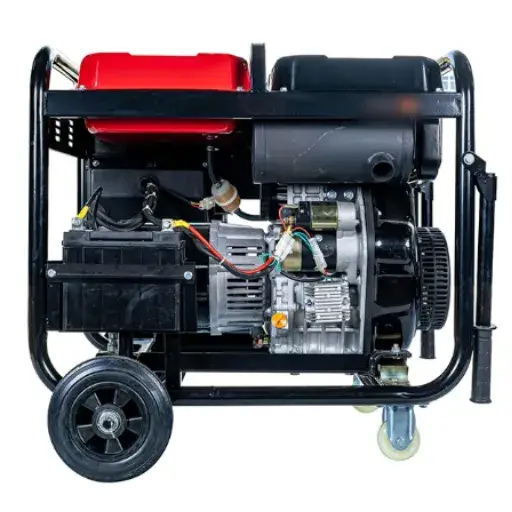
Powering Your Construction Equipment Effectively
The power sources for construction machines have to be chosen wisely, so they will not cause any productivity loss or delays on the site. First, the power requirement of every single piece of equipment has to be considered to make sure the power sources chosen will be sufficient and will not have compatibility problems. To reduce both fuel consumption and costs, use generators that are in accordance with the machines’ operational loads and are also environmentally friendly.
When doing selection of machines, modern and advanced models must be considered, for example, those with hybrid power systems or battery-operated machinery as they usually provide better energy consumption and emissions control. Power management practices such as scheduling equipment use to bypass peak loads can significantly improve the overall efficiency.
📊 Key Industry Statistic
As per the latest industry research, construction sites that use energy-efficient technologies and proper power management have recorded operational energy costs reduction of up to 20%.
Staying updated on progressive solutions and matching the power requirements of the equipment to the contemporary energy standards, construction crews will be able to secure steady performance and effective energy consumption.
Reducing Downtime with Reliable Power Supply
To keep construction sites productive and on schedule, the minimization of downtime is of utmost importance. A power supply that is trustworthy is the spine for smooth and uninterrupted operations, therefore, the essential tools and machines operate efficiently without unexpected halts. Equipment failures or power cuts may cause project delays which are expensive, increase labor costs, and also create a risk for safety. After all, robust and high-quality power systems can allow construction sites to eliminate unplanned downtimes and thus, steady progress to be maintained.
In the quest for higher reliability, a variety of power solutions such as uninterruptible power supplies (UPS), energy storage systems, and backup generators are being accepted by construction companies more and more. UPS devices protect electrical equipment from the changing power supply that sometimes occurs, thus, preventing malfunctions and damage due to sudden voltage changes. Moreover, energy storage systems such as lithium-ion batteries are capable of providing a backup power source during outages, and thus, the work can be continued without being affected by interruption.
⚡ Modern Power Management Solutions
- Uninterruptible Power Supplies (UPS): Protect equipment from voltage fluctuations and prevent sudden shutdowns
- Energy Storage Systems: Provide backup power using lithium-ion batteries during outages
- Smart Power Monitoring Tools: Offer real-time information about energy performance and system faults
- Renewable Energy Sources: Solar-powered generators for sustainable and constant power supply
Not to forget, these technologies are also supported by the adoption of smart power monitoring tools, which give the teams real-time information about energy performance and potential system faults, thus allowing them to deal with issues proactively.
📊 Downtime Reduction Statistics
Recent studies point out that the use of modern power management solutions can bring about a reduction of downtime by as much as 30%, thereby resulting in considerable cost savings and faster project completion.
Furthermore, renewable energy sources, for instance, solar-powered generators, are being more and more embraced in construction as part of the effort to become more sustainable while also being able to provide a constant power supply. If construction teams wisely combine new energy technologies with good maintenance practices, they will then be able to have a power infrastructure that is less likely to fail, hence, their operations will not be affected even in difficult situations.
Investing in Quality Power Generation Equipment
Power generation equipment of high quality and reliability is the lifeblood of construction projects and other industries that cannot really do without power of the best quality. It is very powerful and therefore very costly but at the same time it is very hard to break down and if such a situation occurs, repair of the problem is done in no time. Among other things, modern generators are very efficient – they are high-tech machines and they do not do harm to the environment since they all comply with the strict emission standards being an eco-friendly option. The use of robust and reputable manufacturers guarantees machines that are reliable, long-lasting, and well supported by customer service.
Moreover, the technology used in power generation has developed and now there are solutions that not only allow but also include the features of real-time monitoring and predictive maintenance capacity. By means of such systems the construction teams are becoming more and more proactive in solving problems that might arise in the future, thus making the whole process more efficient in terms of operation and reducing the costs for repairs. One instance is that of generators with IoT connection that can expose the data concerning load conditions, fuel consumption, and system health to the managers who then can decide smartly. The industry-changing nature of such innovations allows the companies to align their operations with the trend towards digital transformation and smart design while still getting maximum performance from the equipment.
💡 Benefits of Quality Equipment Investment
- Enhanced energy efficiency reducing operational costs
- Reduced frequency of maintenance requirements
- Rapid recovery to peak load capacity
- Minimal environmental impact meeting regulatory standards
- IoT-enabled monitoring for smart decision-making
- Long-term cost savings outweighing initial investment
The evaluation of long-term cost-benefit ratio is equally vital as one thinks of making the investment in power generation equipment. Even though the cost of high-quality generators is initially considerable, the energy efficiency, rapidity of coming back to the peak load, and less frequent maintenance requirements are some of the factors that wipe out the mentioned cost over the years substantially. The project will face no problems from the side of high fuel consumption as well as the impact on the environment would be negligible, both becoming issues of great concern to the stakeholders and regulators respectively nowadays. Thus, investing in power generation reliability will eventually keep up the good work, meet sustainability targets, and reduce overall operation costs making it a necessary part of any construction or industrial project that is looking ahead and has this vision as critical.
References
-
A Weather Generator for Use in Construction Simulation Models
This paper discusses the integration of weather generators in construction simulation models, which can impact project planning and execution. -
Fuelless Generating Set: Design, Construction & Performance Evaluation
This study evaluates the design and performance of a fuelless power generator, providing insights into innovative generator technologies. -
Design and Construction of a 10 KW Electric Generator
This thesis explores the design and construction of a 10 KW electric generator, offering technical details and considerations for generator construction.
Frequently Asked Questions (FAQ)
Q: What is a construction generator and why do I need one for my jobsite?
A: A construction generator is a power generation unit—either portable generator, diesel generator, towable or trailer-mounted—used to provide temporary power on a construction site. A construction generator is necessary for running equipment and tools like air compressors, welders and lighting where no permanent power supply is available, during power cuts, or in isolated sites. To an extent, the most suitable construction generator for your site project depends on wattage, your contractor’s power requirements, and whether you need continuous power or just starting watts for intermittent use.
Q: How do I calculate the right size generator (wattage or kW) for my construction project?
A: For deciding on the size of the generator, list all the equipment and tools you will run—compressor, welder, lights—and note the running watts and starting watts of each piece of equipment. Sum up the wattage for continuous power, then add the highest starting wattage, if several devices start at the same time. If necessary, convert the watts to kilowatt (kW) (1 kW = 1000 watts). You might have to calculate for possible future loads; consulting a professional will help to acquire the right size generator for your construction site.
Q: What are the main fuel types for construction generators and how do they compare?
A: Diesel, gasoline (gas generators), natural gas generators, and hybrid generators are some of the common fuel types. Diesel generators dominate the construction site scenes largely because diesel is safer to work with and diesel engines tend to provide better fuel efficiency along with longer life for industrial generators. The gas and hybrid generators can provide some advantages of less pollution and lower operating costs depending on the setup. Choosing the right fuel type is a matter of considering the availability and cost of fuel, also, if this is standby or temporary power.
Q: Should I rent or buy a construction generator for my project?
A: If your project is short-term, seasonal work, or if you require the use of a specialized generator such as a trailer-mounted or towable unit, then renting is the best option. On the other hand, in case of frequent or long-term use, it is better to buy so that the cost of repeated rentals is minimized by owning a generator that meets your needs. Rental companies usually have a wide variety of generators that would cover a specific job site and they can recommend the model depending on the power output and fuel type.
Q: What’s the difference between portable, trailer-mounted and industrial construction generators?
A: Portable generators have a smaller size and are normally used for light power tools and short runs. The trailer-mounted or towable generators give mobility along with higher kW output for medium to large jobs. Industrial or standby generators are capable of producing high continuous power for long-term projects or to support sensitive equipment and large compressors; they sometimes include load banks and advanced controls. When choosing a generator type, consider power generation needs and timing: do you need temporary or backup power? and what are your size requirements?
Q: How do starting watts and running watts affect which generator I choose?
A: Running watts (continuous power) is the energy required to keep equipment operating, while starting watts (or surge watts) are the extra power needed to start motors like air compressors or welders. A generator’s wattage rating must cover your total running wattage plus the highest starting watt requirement. If you underestimate starting watts, you may overload the generator and trip breakers—so always calculate both when choosing the right size generator.
Q: Are hybrid generators or natural gas generators good options for construction sites?
A: Both hybrid generators and natural gas-powered generators have the potential to be a great option for new building projects. Hybrid systems that mix battery storage with generators can provide smart operation, reduced fuel consumption, and quieter operation—very much needed around sensitive machines or populated areas. Besides, natural gas generators are alluring where pipeline gas is available and could also lower operational costs and emissions. Therefore, it is very important to evaluate project needs, fuel availability, and continuous versus temporary power before making a decision.
Q: What operational and maintenance issues should I consider for a construction site generator?
A: Think about fuel economy, operational costs, routine maintenance for avoiding wet stacking, and right sizing for overload prevention. Regular inspections, filter changes, and load banks testing with load help ensure reliable power generation. For diesel generators, watch out for fuel quality and tank levels. For locations that are far away from the source of fuel, plan logistics and consider rental or towable options to maintain mobility. Consulting a professional will match up the maintenance schedules to the generator you choose.
Q: How do I protect sensitive equipment on my jobsite when using a construction generator?
A: Sensitive equipment may be protected by the choice of a generator with stable electric current and low harmonic distortion, along with installing surge protection and filters to prevent damage from power fluctuations. Consider using inverter generators for sensitive electronics, as they provide cleaner power output. Additionally, implement proper grounding techniques and use voltage regulators to maintain consistent power delivery to critical equipment.
Conclusion
Selecting the right construction generator is a critical decision that significantly impacts project efficiency, safety, and cost-effectiveness. By understanding the various types of generators available, accurately assessing power requirements, and implementing proper maintenance practices, construction professionals can ensure reliable power supply throughout their projects. Whether you opt for diesel, portable, or standby generators, investing in quality equipment and following best practices for operation and storage will maximize performance and longevity.