
Power solutions that are reliable and consistent are a must for industrial manufacturing to make sure that operations run smoothly. The use of 200 kW to 500 kW industrial generators is justified for high-power machines, production line maintenance, and protection against sudden power cuts. These mighty generators serve as the energy resilience backbone for manufacturing plants. This comprehensive guide explores how these powerful generators cope with the unique needs of the manufacturing industry, delivering the efficiency, dependability, and scalability businesses require to flourish.
Introduction to 200kW Generators

What is a 200kW Generator?
A 200kW generator is a powerful electricity-producing machine with a maximum power output of 200 kilowatts. It is primarily utilized across various sectors including manufacturing, medical services, and building activities to supply continuous and robust power for large-scale operations. These generators effectively handle the substantial energy demands of routine activities and emergencies such as power cuts.
The fundamental role of a 200kW generator is to function as a reliable source of either backup or primary power. It can energize a complete range of critical systems, machines, and tools, ensuring uninterrupted productivity and safety in environments where power reliability is essential. This generator represents a must-have investment for manufacturers seeking operational security, freedom from downtime, and consistent product quality.
Generators with a 200kW power rating typically run on diesel, natural gas, or propane. Each fuel type offers distinct advantages and considerations regarding emissions, cost, and availability. These generators are engineered to accommodate various energy requirements while providing scalability and flexibility for future system expansion or increased usage. Their robust construction delivers reliability and efficiency, establishing them as indispensable assets for organizations prioritizing uninterrupted, dependable power supply.
Importance of Generators in Industrial Applications
Without generators, industrial operations would face severe challenges. Most industries heavily depend on power-intensive machines and technology requiring constant electricity. When power outages occur, generators serve as backup solutions, preventing interruptions that could result in production delays, equipment damage, or costly operational downtime.
One primary benefit of generators is maintaining safety and system performance during power failures. In sectors like healthcare, production, and data centers, power interruptions can have catastrophic consequences affecting human lives or causing substantial financial losses. Generators enable critical appliances—including life-support machines, production lines, and computer systems—to continue functioning without interruption, securing operations and mitigating risks associated with power disruption.
Furthermore, generators are essential for improving operational efficiency and enabling scalable energy solutions. They help industries meet rising energy demands without compromising performance, while in some cases facilitating integration with renewable energy sources. By providing flexibility and reliability, generators empower industries to optimize performance, decrease potential downtime, and maintain power stability in increasingly power-dependent environments. Their indispensable nature continues to shape today’s industrial landscape.
Fuel Types for 200kW Generators
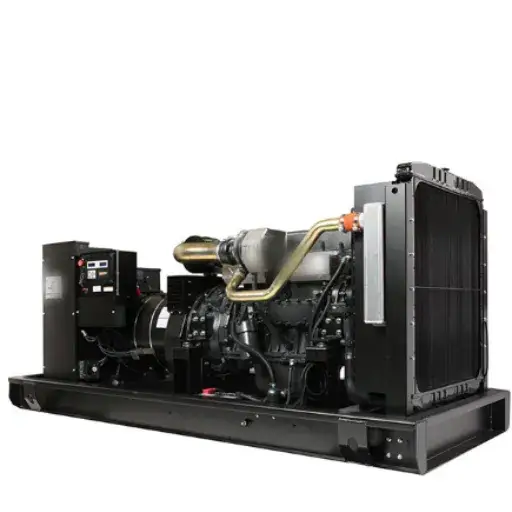
Diesel Generators: Benefits and Features
Diesel generators have long been preferred for 200kW power generation due to their efficiency, dependability, and longevity. A primary reason for their widespread adoption is their superior efficiency. Diesel engines are constructed to operate with high compression ratios, consequently using minimal fuel to generate maximum energy—more efficiently than gasoline engines. This translates to significant savings on power costs for large-scale and continuous operations. Additionally, diesel-powered generators benefit from diesel’s higher energy density compared to other fuels.
A major advantage of diesel generators is their exceptional endurance and lifespan. Diesel engines are built to heavy-duty specifications and perform reliably under challenging conditions including industrial sites and remote areas. With regular maintenance—including scheduled oil changes and filter replacements—these generators can deliver dependable power for decades. Modern diesel engines incorporate advanced technology to operate with reduced wear and tear, minimizing maintenance costs throughout the engine’s operational life.
Technological advancements have also made diesel generators more environmentally sustainable. New-generation diesel generators typically feature advanced injection systems and turbocharging capabilities to optimize performance while minimizing emissions. Additionally, noise reduction features and remote monitoring capabilities make diesel generators adaptable and robust power solutions for diverse needs in an increasingly energy-conscious world.
Natural Gas Generators: Pros and Cons
Natural gas generators have gained popularity as reliable, cleaner alternatives to diesel-powered systems. Their ability to utilize abundant and accessible natural gas for efficient, less harmful energy generation makes them an attractive option. Below is a comprehensive analysis of the advantages and drawbacks associated with natural gas generators:
Pros:
- Lower Emissions: Natural gas produces significantly fewer pollutant emissions than diesel or coal, including reduced carbon dioxide (CO2), nitrogen oxides (NOx), and particulate matter, making it a cleaner energy source.
- Cost-Effective Fuel Supply: Natural gas is often less expensive than diesel or gasoline in many regions, especially where pipeline infrastructure exists, resulting in lower operational costs.
- Energy Efficiency: These generators demonstrate high fuel efficiency and deliver stable, reliable power output, making them ideal for both continuous and backup power applications.
- Quieter Operation: Due to less intense combustion, natural gas generators produce less noise compared to diesel units, making them suitable for residential or urban environments.
- Longer Running Time: Natural gas generators can operate for extended periods through continuous pipeline supply without requiring frequent refueling.
Cons:
- Fuel Availability Dependent on Infrastructure: Areas without existing natural gas infrastructure face difficulty maintaining continuous fuel supply, limiting generator practicality.
- Higher Upfront Costs: Initial purchase and installation costs typically exceed those of diesel generators, partly due to specialized equipment requirements.
- Less Portable: Gas generators are generally stationary, requiring connection to gas pipelines, which restricts mobility and flexibility.
- Potential for Gas Leaks: Improper installation and maintenance can increase leak risks, raising safety and environmental concerns.
- Lower Power Output in Large Applications: Natural gas generators may produce slightly less power than diesel generators in very high-demand applications, potentially making them unsuitable for heavy industrial usage.
Natural gas generators remain attractive options for their economic and environmental advantages, but careful consideration of their limitations and regional infrastructure availability is essential for optimal application.
Hybrid Generators: The Future of Power Supply
Hybrid generators represent an innovative solution for modern energy needs by combining traditional fuel sources like diesel with renewable energy sources such as solar or wind. Their dual-source capability increases reliability while reducing fossil fuel consumption, significantly decreasing carbon emissions and long-term operational costs.
These generators incorporate battery storage systems to capture excess energy produced during low-demand periods. This stored energy can be utilized during high-demand times, optimizing energy efficiency and minimizing fuel consumption. Advanced smart control systems further enhance efficiency by analyzing energy consumption patterns and automatically adjusting power sources to ensure consistent, cost-effective operation.
Hybrid generators prove particularly valuable in isolated or remote areas where traditional grid power is unavailable. In regions with high natural disaster risk, they provide guaranteed power while reducing fuel supply challenges. Beyond these applications, hybrid generators are becoming essential in large-scale energy sector projects—from powering heavy industries to promoting clean energy in urban planning initiatives—as global sustainable energy policies advance.
The hybrid generator market will continue expanding with technological integration, including IoT systems for real-time performance monitoring and predictive maintenance. By combining sustainability, reliability, and advanced technology, hybrid generators are positioned to lead the transition toward a greener, more resilient energy future.
Applications of 200kW Generators in Various Industries
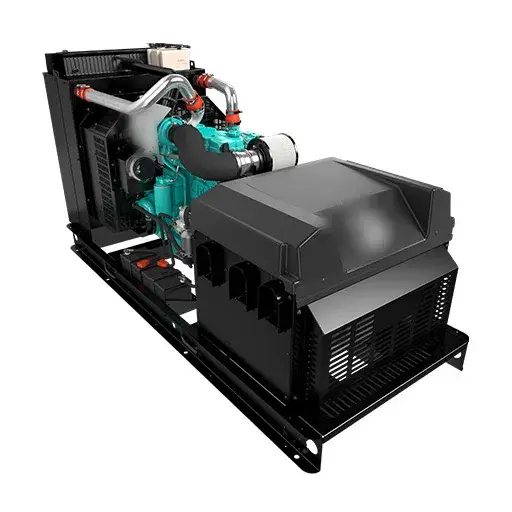
Construction Sites: Power for Heavy Equipment
200 kW generators are critically important in the construction industry as essential power sources on site. They provide necessary energy for operating sophisticated, high-capacity machinery and enable continuous work in remote areas or temporary locations where main grid access is unavailable. Below are the five main types of heavy machinery that a 200 kW generator can power:
1. Tower Cranes
Lifting and transporting heavy materials on large-scale construction sites. A 200 kW generator ensures smooth, effective crane operation by supplying the substantial energy required.
2. Concrete Mixers
200 kW generators enable concrete production that meets construction schedule demands by constantly supplying required power to high-capacity mixing machines.
3. Welding Equipment
Welding tools for metal construction require stable electricity. 200 kW generators maintain consistent power throughout the welding process without interference.
4. Excavators
Large, powerful excavators depend on the substantial power supplied by 200 kW generators for efficient operation across various construction tasks.
5. Air Compressors
From operating pneumatic tools to powering construction site activities, air compressors rely on the constant, reliable power output provided by 200 kW generators.
In construction, 200 kW generators have become integral components, ensuring smooth operations and full resource utilization.
Healthcare Facilities: Ensuring Uninterrupted Power
Healthcare institutions require dependable power sources where even brief outages cannot compromise operations or patient safety. 200kW generators provide essential backup power across critical hospital systems. Here are key areas where these generators maintain uninterrupted power supply:
- Life Support Systems: Electricity is absolutely critical for lifesaving equipment like ventilators and dialysis machines, especially during emergencies where interruption is not an option.
- Operating Rooms: Surgeries depend on unbroken power supply for devices including surgical lights and advanced anesthesia systems, which are among the most power-intensive hospital equipment.
- Refrigeration for Medications and Vaccines: Temperature-sensitive medicines, vaccines, and biological samples require optimal storage conditions. Generators ensure refrigeration systems operate continuously day and night.
- Emergency Lighting: During power failures, proper lighting is essential to guide hospital personnel and patients while providing necessary visibility in critical areas.
- IT Systems and Communications: Generators maintain hospital IT infrastructure, enabling critical patient data transfer and storage while keeping communication lines open between staff members.
By supporting these consequential systems, 200kW generators prove lifesaving for healthcare facilities, guaranteeing uninterrupted operations and optimal patient care during power outages.
Events and Entertainment: Portable Power Solutions
Portable generators are instrumental for powering events and entertainment activities, guaranteeing smooth operations regardless of location and grid availability. From concerts to festivals, reliable power distribution creates seamless audience experiences. Below are five crucial instances demonstrating how portable power solutions are utilized in the events and entertainment industry:
Outdoor Concerts
Generators provide necessary electricity for sound systems, lighting, and electronic instruments, enabling performances even in remote areas. A 200kW generator handles the substantial power requirements of large-scale stage setups and auxiliary facilities.
Festivals and Carnivals
Portable generators serve as the primary power source for food vendors, amusement rides, and ticket booths, facilitating diverse setups across large areas.
Film and Television Productions
On-location shooting relies heavily on portable power for cameras, lighting rigs, monitors, and other production equipment, whether in remote or urban settings.
Sporting Events
Generator power supports electronic scoreboards, night game lighting, broadcasting equipment, and concession stands for spectators.
Weddings and Private Events
Portable power solutions enable event planners to set up high-quality sound systems, decorative lighting, and catering equipment even in rural or outdoor locations.
These versatile generators ensure constant power supply, establishing themselves as invaluable assets in modern event and entertainment logistics.
Benefits of Using a 200kW Generator
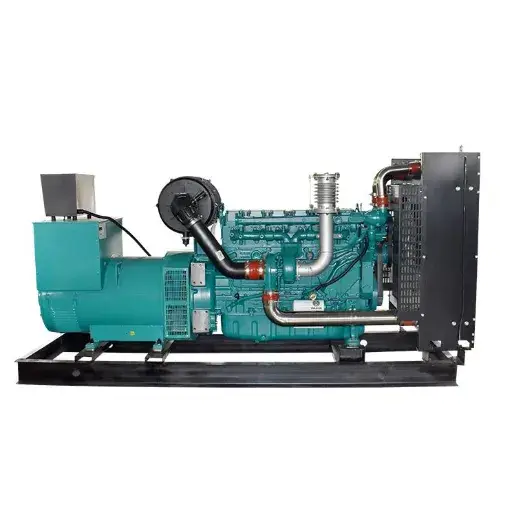
Reliability: Keeping Your Operations Running
In numerous situations, a 200kW generator serves as the most dependable power source available. Whether managing large-scale operations or planning events, power reliability plays a pivotal role in maintaining smooth operations. Below are five major points demonstrating the reliability of 200kW generators:
Consistent Power Output
Generators are engineered to provide constant power supply with zero interruptions. They can operate for extended periods without shutting down, ensuring equipment remains undisturbed and operations continue uninterrupted when power is critical.
Durability in Extreme Conditions
These machines are expertly designed to operate reliably despite encountering high or low temperatures, rain, or highly dusty conditions.
Automatic Transfer Switch (ATS)
Generators equipped with ATS seamlessly switch from grid power to generator power without delay when outages occur, minimizing downtime to the absolute minimum.
High Fuel Efficiency
Most units feature sophisticated fuel management systems enabling operation on a single fuel tank throughout extended outages or in off-grid areas.
Advanced Monitoring Systems
Recent 200kW generators incorporate real-time performance tracking, diagnostics, and alert systems, supplying operators with vital information for failure prevention and maintenance optimization.
This combination of features demonstrates how 200kW generators deliver unparalleled reliability, making them indispensable investments in industries and events where power dependability is essential.
Versatility: Meeting Diverse Power Needs
A 200kW generator is purposefully built to accommodate multifaceted power needs, enabling easy utilization across different sectors and applications. Its flexibility guarantees reliable, efficient power generation for both small and large operations. The following five points demonstrate the versatility of 200kW generators:
| Industry | Application |
|---|---|
| Construction Sites | Supplies power for large machines, tools, and temporary offices, enabling construction continuation even in off-grid remote areas. |
| Healthcare Institutions | Ensures uninterrupted power for essential systems including life-support machines, medication refrigeration, and lighting during emergencies or outages. |
| Data Centers | Serves as backup power source due to high power consumption requirements, guaranteeing non-stop operation and information security. |
| Events and Entertainment | Essential for outdoor concerts, festivals, and temporary events, providing unlimited power to sound systems, lighting, and food service operations. |
| Industrial Manufacturing | Maintains production line operation during unplanned power cuts, reducing downtime periods and preventing revenue loss. |
This broad range of applications illustrates the adaptability and reliability of 200kW generators, establishing them as critical assets for diverse power-intensive situations.
Energy Efficiency: Reducing Operational Costs
A 200kW generator serves not only as a dependable electricity source but also provides remarkable energy efficiency, resulting in lower operational costs over time. Modern technology and superior design enable these generators to operate at maximum efficiency while consuming minimal fuel. Below are five major factors making 200kW generators energy-efficient and cost-effective power sources:
Optimized Fuel Consumption
Modern generators incorporate advanced features for fuel efficiency, reducing waste while maintaining steady performance and resource conservation.
Load Management Systems
Many generators feature load management capabilities ensuring operation at optimal capacity without excess energy usage.
Low Maintenance Costs
Advanced engineering limits generator wear and tear, resulting in reduced maintenance frequency and associated costs.
Eco-Friendly Operation
Newer generations often utilize eco-friendly fuel types with reduced emissions, decreasing environmental compliance costs for businesses.
High Durability and Longevity
Manufacturing with high-quality components and robust construction provides extended lifespan, eliminating frequent replacement or repair needs.
These energy efficiency features enable companies and industries to significantly reduce energy costs without compromising power supply quantity or quality.
Critical Considerations When Selecting a Generator
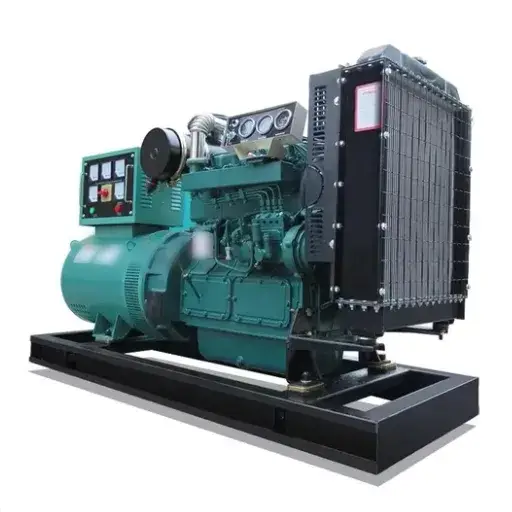
Cost Analysis: Upfront vs. Operational Expenses
Understanding the distinction between upfront costs (CapEx) and operational expenses (OpEx) is essential for making informed generator investment decisions. Upfront costs involve significant one-time investments, while operational expenses represent recurring costs for ongoing operations.
| Key Point | CapEx (Capital Expenditure) | OpEx (Operational Expenditure) |
|---|---|---|
| Definition | One-time cost | Recurring cost |
| Frequency | Infrequent | Regular |
| Examples | Equipment, assets | Maintenance, utilities |
| Impact | Long-term | Short-term |
| Flexibility | Low | High |
Maintenance Requirements: Keeping Your Generator in Top Shape
Proper generator maintenance is essential for guaranteeing reliability, efficiency, and longevity. Regular upkeep prevents unexpected breakdowns and ensures optimal performance exactly when needed most. Constant inspections are among the most important tasks, helping identify wear and emerging problems in components such as belts, hoses, and seals. Scheduling regular oil and filter changes according to manufacturer recommendations is equally critical, as clean oil enables smooth engine operation and prevents internal damage.
Maintaining the generator’s fuel system in optimal condition represents another crucial maintenance aspect. Periodically cleaning the fuel tank removes accumulated sediment, ensuring filters remain unclogged and fuel flows freely. For diesel-powered generators, watch for water contamination from fuel tank condensation, which can be controlled through regular inspections and fuel additives when required. Additionally, regularly running the generator—even during inactive periods—prevents operational issues by supporting system stability and maintaining proper lubrication of mechanical components.
Electrical system maintenance is equally important. Regular battery checks and charge testing confirm the generator will start when required. All connections should be properly tightened, with any terminal corrosion cleaned immediately. Control panels and sensors must be verified for proper operation to prevent false alarms or failures. Maintaining detailed records of all services and inspections provides valuable insight into generator condition, helps track maintenance schedules, and guarantees compliance with warranty or regulatory requirements.
References
-
MOD-0A 200 kW Wind Turbine Generator Design and Analysis Report – National Technical Reports Library (NTRL)
Offers a detailed report on the design and performance of the MOD-OA 200kW wind turbine generator. - Click here to read more.
Frequently Asked Questions (FAQ)
Q: How much output is generated by a 200kW generator and which areas can it be best applied?
A 200kW generator is a device capable of supplying 200 kilowatts of electricity, primarily applicable to medium-scale buildings, medium-sized factories, data centers, hospitals for limited areas, or high-capacity events. The 200kW generator can serve as either standby or primary power and can integrate with building and UPS systems, switching loads based on predefined characteristics and required voltage.
Q: What enclosure and mounting selections do makers of 200kW generators offer?
Generators in the 200 kilowatt class can be delivered with various enclosure types, including weather-tight covers, noise-reducing enclosures, or custom covers for protection, noise reduction, or specific purposes. They can be stationary skid-mounted or towable trailer-mounted for portability. Enclosures may include ventilation packages, integrated fuel tank mounting, and weather-resistant components for easy system connection.
Q: Is it possible for 200kW generators to support various voltage levels and how is voltage configured?
Many 200kW generators support multiple output voltage configurations and can switch between single-phase and three-phase systems depending on the generator model and connected equipment. Voltage configurations are set during installation by qualified electricians, with common options including 480-volt three-phase or 208/120-volt three-phase. Ensure your selection aligns with building distribution requirements, and verify synchronization and step-up transformer needs for specific applications.
Q: What distinguishes standby mode from primary mode in 200kW generators?
Standby generators are sized to handle emergency backup loads only and operate infrequently. Prime generators are continuous-duty units suitable for extended operation periods. For 200kW generators, consider factors including duty cycle, maintenance intervals, fuel capacity, and engine rating. Standby units may have different configurations and warranty coverage than prime units—always consult manufacturers to ensure correct specifications for your operation.
Q: What equipment or accessories are required when integrating a 200kW generator?
Integration typically requires transfer switches, control systems, synchronizing panels, and potentially paralleling equipment for multiple generators. Well-designed integration involves load calculation, relay enhancement, monitoring systems, and voltage/frequency support at appropriate levels. Mounting, enclosure, and electrical connections should be designed with assistance from experienced electrical integration professionals.
Q: Are there any considerations when transporting portable 200kW generators?
When considering portability, pay attention to fuel type (diesel being most common), onboard tank size, and refueling methods. Trailer-mounted 200kW generators require proper trailer specifications considering tongue weight and haulage requirements, including permits. Proper attachment surfaces, shock absorbers, and appropriate trailer frames must be evaluated. Additionally, plan for equipment protection during transport and availability of quick-connect systems for electrical and fuel connections to facilitate rapid on-site setup.