
Power generation and delivery systems form the essential basis for understanding modern world operation. The generator alternator serves as the system’s core component which transforms mechanical power into electrical power. But how does it work? The device serves multiple vital functions which make it necessary for all sectors including power generation and vehicle manufacturing. This article presents an in-depth analysis of generator alternators which explains their operational principles and their vital function in electricity production systems. This guide enables energy enthusiasts, students, and general readers to comprehend the advanced technology behind modern household devices.
Fundamental Differences Between Generators and Alternators
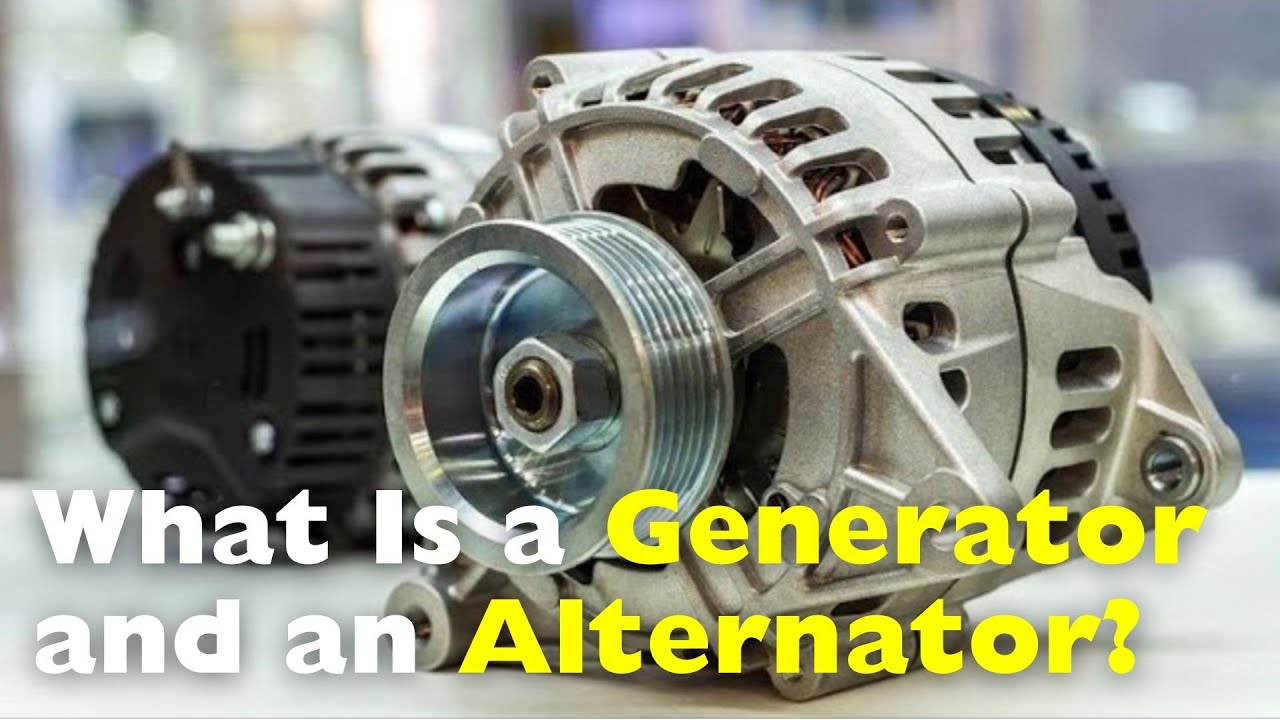
How Each Produces Current
Both generators and alternators transform mechanical motion into electrical power through different operational methods. The process of electricity production through generators requires electromagnetic induction as its primary method of operation. A rotor, which is usually a coil of wire, rotates within a magnetic field. The generator design determines whether the motion produces alternating current or direct current because the coil receives induced current. The versatility of generators makes them suitable for use in applications that demand high power capacity.
Alternators, on the other hand, operate by directly producing alternating current (AC). The system generates power through a stator which contains a fixed coil and through a magnetic field that moves because of the rotor. The stator generates electrical power through the rotational motion of the rotor, which the system then transforms into usable power. The design of alternators enables them to achieve maximum operational efficiency while delivering constant AC power, which makes them suitable for use in automotive and renewable energy applications.
The key difference lies in the design and output. While generators can be designed to produce both AC and DC by integrating additional components, alternators are specifically built for AC generation. The distinction between these two systems determines their respective applications because alternators operate with high energy efficiency while generators enable wider power distribution through different electrical systems. Power generation equipment selection should follow an understanding of their operational distinctions which help match specific power generation requirements.
Mechanical and Electrical Differences
The two systems create electrical power through different mechanical methods because alternators and generators implement different operational methods. Alternators generate current through their rotating magnetic fields which pass through their fixed coils, while generators create current through their rotating coils which operate inside their fixed magnetic fields. The two devices demonstrate energy output differences because their mechanical structures differ. Alternators create energy through their design for power generation, which occurs only when required, while generators run at all times to deliver power but have lower operational efficiency.
Electrical systems create alternating current through alternators which reverses its flow direction at regular intervals. This makes them ideal for modern applications like powering vehicle systems or household electrical grids. The ability of generators to create both AC and DC power expands their range of use because it supports devices needing DC electricity and systems operating without grid access. Energy requirements determine which device functions best because of their fundamental electrical characteristics.
The design of automotive systems makes alternators superior for applications that need energy-efficient AC power. The design of generators enables them to provide dual AC and DC power output, which makes them suitable for various applications that range from home backup systems to remote field operations. The choice between the two options depends on both the specific application and the required power capacity.
Types of Current: AC vs DC
The two main types of electrical current use two electrical current types which include Alternating Current (AC) and Direct Current (DC) because they have different methods of operation and their use cases and their production methods. AC current creates its two opposing flow directions because it switches between positive and negative electrical states at regular time intervals. The system operates efficiently over long distances because it loses less energy during high-voltage transmission which works better with AC than DC. AC power serves as the main electrical supply for residential and commercial spaces which allows lights and appliances to function properly.
DC current maintains a single flow direction because it keeps its voltage level unchanged. The system functions best in applications which need permanent energy supply because it delivers constant electrical power for battery systems and electronic devices and compact electronic equipment. Direct current electricity functions as an essential component for solar energy systems because solar panels generate their power in DC electricity. The development of advanced technology created advanced converter systems which enable modern systems to use both AC and DC power through devices like solar inverters.
The process of selecting power sources or developing electrical systems requires engineers to know the operational differences between AC and DC power systems. The two systems have different functions which combine to create new technological developments which benefit industries that work with renewable energy and transportation services.
Key Components and Operation of Generators and Alternators

Winding Types and Their Impact on Performance
The performance and efficiency of generators and alternators depend on the specific winding type used for their operation and the winding type determines which applications can use this equipment. The two main types of windings which exist in the world of manufacturing equipment, wind through the stator of machines and through the rotor of machines. The two winding types have two winding types which create their different coil patterns through their two separate designs.
Lap windings serve as the standard choice for applications which deal with high current loads and operate at low voltage because they create multiple pathways which distribute current capacity throughout their system. Wave windings serve best with power systems which operate at high voltage because their design restricts power distribution through their limited parallel connections while establishing multiple series paths for power transfer.
Performance depends on the choice of winding material which most people select as either copper or aluminum. Copper windings deliver minimal resistance because they possess excellent electrical conductivity, which makes them perfect for use in high-efficiency machines, but this advantage comes with a higher price. Manufacturers choose aluminum windings as their solution to achieve cost savings, while they accept a reduction in efficiency and an increase in weight throughout their entire product line.
Modern manufacturing processes require advanced materials and new production methods to develop superconducting windings, which achieve breakthrough efficiency standards for electrical equipment. The innovations create two benefits, which lead to decreased energy waste and enhanced thermal control methods, which allow systems to operate better under heavy usage conditions for both renewable energy systems and electric vehicle systems. The machine performance which needs to be optimized requires knowledge about these different factors.
Voltage Regulation and Excitation Methods
The operation of electrical machines needs voltage regulation as a critical element which guarantees their continuous reliable functionality. The system maintains constant voltage output, while load changes and external factors affect system performance. The equipment operates with better efficiency and increased lifespan because effective voltage regulation system decreases power losses. Applications such as power distribution networks require voltage stability, which acts as a key factor for both operational continuity and public safety.
The magnetic field of electrical machines receives control through excitation methods, which determine both voltage output and machine performance. The available excitation methods include three systems, which are static excitation systems and brushless exciters and direct current (DC) excitation systems. Brushless excitation systems become the market leader because they need less maintenance work while delivering better dependable performance, which makes them suitable for synchronous generator applications that operate at high speeds or large production levels.
The evolution of excitation technologies has brought advancements, which help to achieve better accuracy and reliable voltage stabilization results. Digital excitation control systems use contemporary technology to monitor voltage levels, which, through their dynamic operating conditions, determine voltage performance under active system operation. The systems operate with modern power electronics to deliver faster response times, which enhance their ability to control reactive power and improve system performance across different industrial sectors. The understanding of these methods enables us to develop tailored solutions, which meet the specific operational needs of the organization.
Speed and Frequency Considerations
Modern power systems depend on speed and frequency because these two elements provide essential support for system stability and operational capabilities and energy efficiency. The system frequency needs to maintain a direct connection with generator speed because any deviation from either component will disrupt the entire power grid. The electrical system must increase generator speed when the load demand rises because this situation causes a temporary frequency drop which needs restoration to operational balance. The system requires precise control mechanisms which digital governors and real-time monitoring tools provide to handle these fluctuations while maintaining synchronized operation across interconnected networks.
The current system uses adaptive frequency control methods which incorporate robust algorithms to control grid disturbances within microsecond time frames. These advanced systems rely on continuous data collection and analysis to predict potential shifts in frequency which enables preemptive action to avoid disconnections or blackouts. The combination of recent advancements in sensor technology and machine learning capabilities has improved anomaly detection, which gives operators better control and visibility over essential operational parameters. The system maintains permissible frequency limits through its responsive design which operates effectively during peak loads and emergency situations.
The integration of renewable energy sources, including wind and solar power, has created fresh difficulties for maintaining control over system speed and frequency stability. The frequency of the grid becomes more sensitive to changes because renewable energy systems lack the inertial response which conventional power sources provide. Advanced grid synchronizers and inertia-mimicking technologies are now being deployed to counteract this issue, ensuring seamless integration without compromising stability. The process of establishing effective power delivery systems in modern energy environments, which include various energy sources and unpredictable power demands, requires industries to develop comprehensive solutions for handling their present challenges.
Applications Across Industries

Automotive Uses of Generators and Alternators
The automotive industry depends on generators and alternators because these devices provide electrical power to multiple vehicle systems while enabling battery charging. The systems transform mechanical energy into electrical energy which powers both necessary vehicle parts and additional vehicle systems. The following five applications are important for the system.
1. Charging the Battery
The alternators of a vehicle provide necessary electrical power to maintain battery charge, which supports engine starting and operation of electrical systems.
2. Powering Lighting Systems
The electrical energy produced by alternators powers the headlights and interior lights and dashboard lights to provide reliable illumination.
3. Supporting Infotainment Systems
The infotainment systems of modern vehicles comprise multiple functions, which require power from the alternator to operate their navigation and media and connectivity functions.
4. Operating Climate Control Systems
The alternator provides energy to the HVAC systems of vehicles, which use this energy to create comfortable cabin temperatures.
5. Running Safety Features
The alternators supply electrical power to advanced safety systems, which include anti-lock braking systems (ABS) and electronic stability control (ESC) and airbag modules, so these systems can operate when necessary.
Vehicles achieve better operational efficiency through generators and alternators, which enable cars to use advanced automotive technologies that become more electrified and complex.
Marine Applications: Powering Boats and Yachts
The specific components of the system have been engineered to operate in extreme marine environments while maintaining their operational capabilities. The five primary uses of generators and alternators in the marine sector are listed below.
1. Navigation Systems
Advanced navigation systems which include GPS and radar together with autopilot technology receive their operational power from alternators. These systems enable safe and precise navigation through waterways which becomes essential for extended trips and when facing adverse weather conditions.
2. Lighting Solutions
Marine vessels use generators and alternators to power all their interior and exterior lighting systems which include running lights and anchor lights and cabin fixtures.
3. Communication Equipment
Marine radios and satellite phones need steady power supply to operate as their fundamental requirement. The alternators ensure that these devices work correctly for both emergency situations and normal communication needs.
4. Climate Control Systems
Generators provide the necessary power for onboard air conditioning and heating systems to create comfortable environments on yachts and boats during different weather conditions.
5. Refrigeration and Appliances
General living spaces on boats use alternators and generators to supply power for marine-grade refrigerators and cooking equipment and other essential appliances.
The applications of generators and alternators create the necessary power system which enables secure and effective and pleasant marine transportation. The functionality of these systems determines how contemporary marine systems operate and how people manage their daily activities.
Industrial Backup Systems and Their Requirements
Industrial backup systems operate as essential components which maintain business activities during times of power interruptions and electrical grid breakdowns. These systems provide dependable power supply which enables continuous operation of critical equipment and industrial workflows. The industrial backup systems require five essential conditions which include specific details about their operational characteristics and functional requirements.
1. High-Capacity Power Output
Industrial backup systems must handle significant electrical loads to support large-scale machinery and operations. This often involves the use of high-capacity generators or uninterruptible power supply (UPS) units which can generate electrical power between hundreds to thousands of kilowatts based on the facility’s size.
2. Rapid Response Time
Industrial backup systems require instant power activation because power outages create operational disruptions. Advanced UPS units offer their users response times which reach milliseconds while diesel generators need only seconds to initialize their operations.
3. Energy Efficiency and Fuel Options
Modern systems prioritize energy-efficient designs to reduce operating costs and environmental impact. The equipment functions with diesel or natural gas together with dual-fuel capabilities which enable it to operate according to fuel availability and operational requirements.
4. Scalability and Redundancy
Industrial backup systems need to develop their capacity to handle increasing operational demands. Redundancy ensures critical operations remain unaffected when one system component fails. This method uses either N+1 configurations or parallel generator setups.
5. Compliance with Regulations and Safety Standards
Industrial systems must follow all applicable local and international safety and emission regulations which include ISO and OSHA and EPA standards. The organization achieves operational safety together with environmental protection through entire compliance with all applicable requirements.
Various factors merge together to create strong and efficient industrial backup systems which support industrial operations during all times of operation.
Efficiency and Maintenance Insights
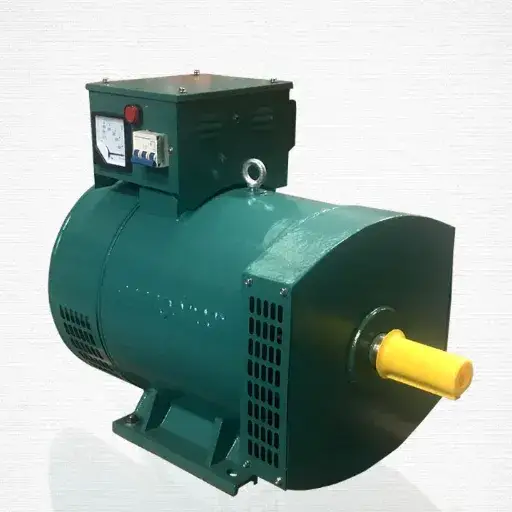
Comparing the Efficiency of Generators and Alternators
Alternators are more efficient (90-95%) than generators (75-85%), with better energy conversion, lighter design, and advanced voltage regulation.
| Aspect | Alternator | Generator |
|---|---|---|
| Performance | 90-95% | 75-85% |
| Power Type | AC only | AC & DC |
| Dimensions | Compact | Larger |
| Speed Range | 1,500-3,000 RPM | 100-1,500 RPM |
| Control | Automatic | Manual |
| Upkeep | Low | High |
| Usage | Vehicles, Grids | Backup Power |
Maintenance Tips for Optimal Performance
The generators and alternators need their proper maintenance to achieve maximum performance and extended lifespan. The team needs to conduct inspections at scheduled times to detect early warning signs of potential problems, which include checking for equipment wear and oil leaks and loose electrical connections. The process of monitoring oil and coolant levels requires continuous checks until the scheduled replacement times according to manufacturer specifications. The system needs clean air filters because dirt buildup will create airflow blockages that decrease operational efficiency. The system requires batteries to function properly because weak batteries will prevent the system from starting at needed times.
The testing process should focus on alternator components which include belts and bearings because these parts experience wear during extended use. The testing procedure requires regular voltage output measurements because this method enables the alternator to function at its ideal state while preventing both overcharging and undercharging problems. Dust-related inefficiencies can be prevented through the implementation of scheduled internal component cleaning procedures.
Organizations can use real-time performance data from predictive maintenance tools, such as vibration analysis and thermographic scanning, to decrease the chance of unexpected equipment failures. Equipment needs to follow the manufacturer’s maintenance schedule while using certified parts for repairs to maintain operational safety and performance consistency.
Choosing the Right Power Generation System

Assessing Your Power Needs
The process of choosing a suitable power generation system begins with an exhaustive evaluation of your power requirements. The total power demand should be determined through an assessment of all equipment and systems that require simultaneous operation. The process begins with the documentation of both ongoing power requirements and maximum power usage which will determine the optimal system specifications needed to fulfill your requirements. The evaluation should include power quality needs and voltage stability requirements and equipment needs for handling voltage changes.
The power system needs assessment should begin with determining its primary function which includes deciding between using it for regular operations or emergency backup power. The backup system evaluation requires you to determine both the average length of outages and the most critical activities that need support during those times. The operational demands of hospitals and data centers require them to adopt more powerful and dependable systems because their work involves higher risk scenarios. Construction sites and industrial facilities require different energy continuity solutions which need customized approaches to meet their operational needs.
The process of making choices depends on the significance of site selection in decision making. The assessment should include environmental elements which cover the various available fuel options which include natural gas and diesel and renewable energy sources like solar and wind. The remote areas will experience advantages from hybrid systems and renewable energy systems which will help them decrease their need for regular fuel shipments. The power generation system you choose through this detailed analysis process will meet your operation requirements while delivering both efficiency and cost savings.
Pros and Cons of Each Component
The following text presents all advantages and disadvantages of five fundamental elements which power generation systems commonly employ:
1. Natural Gas Generator
Pros:
- The system provides dependable power which remains constant throughout its operation.
- The system produces lower carbon emissions when compared to diesel generators.
- The natural gas fuel becomes economical for regions which possess abundant natural gas resources.
Cons:
- The system needs to be located near natural gas distribution networks and natural gas storage facilities.
- The system creates environmental risks through potential methane emissions.
- The system requires higher initial expenses to establish pipeline connections.
2. Diesel Generator
Pros:
- The system demonstrates excellent efficiency because it transforms fuel into power.
- Users can easily obtain and transport the fuel used by the system.
- The system maintains its performance capacity because it can sustain heavy power loads during extended periods.
Cons:
- The system produces more greenhouse gases than other available choices.
- Operational expenses increase when fuel prices change because of market activities.
- The system needs periodic maintenance so it can function properly during its entire operational life.
3. Solar Panels
Pros:
- The system utilizes renewable energy resources while it creates little environmental harm.
- The system requires minimal operational expenses after its initial installation process.
- The system can lead to major reductions in energy costs for areas that experience high sunlight exposure.
Cons:
- The system requires substantial financial resources for both installation and equipment procurement.
- The system must establish energy storage systems because its power generation depends on daytime sunshine.
- The system needs large installation areas to accommodate its operations which increase with higher energy production needs.
4. Wind Turbines
Pros:
- The system generates power through an energy source which exists as a renewable resource.
- The system incurs low costs to maintain its operations after its initial setup.
- The system functions best in areas where wind conditions remain constant throughout the year.
Cons:
- The system needs high financial resources for its first setup especially when establishing large wind turbines.
- The system operates at suboptimal performance levels when it encounters areas which experience either minimal wind or unsteady wind conditions.
- The system creates obstacles which affect both local wildlife populations and the visual appeal of natural landscapes.
5. Hybrid Systems (e.g., Solar and Diesel Combination)
Pros:
- The system provides dependable performance because it combines renewable energy with fossil fuel power sources.
- The system decreases fossil fuel usage while it decreases emissions during times when renewable energy sources.
- The system permits users to adjust energy production according to their particular needs and environmental conditions.
Cons:
- The system requires advanced methods to control its various operations and combine different technologies.
- The system needs higher startup expenses because it requires multiple hardware elements.
- The maintenance process demands special expertise from technicians who need to understand system integration.
All components provide distinct benefits and drawbacks which require evaluation to establish the optimal solution that meets particular power requirements and environmental constraints and financial limitations.
References
- RePED 250: Manufacturing and Market Analysis of High-Temperature Alternators (NREL)
A comprehensive document from the National Renewable Energy Laboratory discussing high-temperature, high-power alternators and their applications. - Click here to read more.
Frequently Asked Questions (FAQ)
Q: Explain how a generator alternator is different from other electrical machines.
A: A generator alternator is an alternating current – AC machine producing alternating current unlike DC generators. All generator alternators have one thing in common – the production of a sine wave through spinning a magnetic field. Such gadgets i.e. different types of generator alternators have any design possibilities – synchronous and induction alternators find their use in a variety of industries as well as in the automotive industry.
Q: What is meant by a phase in case of a generator alternator?
A: In case of a generator alternator, alternations in current are produced by rotating windings of a generator alternator within a magnetic field, one output per single phase of power. Such machines are multi-phase (most commonly three-phase) whose phases are detached by an angle of 120° to bring equilibrium in the power, most especially for the motors and distribution systems.
Q: What are generative alternators?
A: There are different types of generator alternator designs, such as synchronous alternators, asynchronous alternators (also known as induction alternators), brushless alternators and permanent magnet alternators; all these designs come with associated trade-offs on ease of control, efficiency, maintenance and application to loads.
Q: What constitutes the maintenance of a generator alternator?
A: The components that need regular inspection in a generator alternator are many and include the bearings, brushes (if any), cooling systems, electrical connections and insulation; consistent testing of phase voltage balance, load testing and cleaning are procedures that aid in keeping the generator in operation for a longer period of time.
Q: Is a generator alternator exclusive for backup power?
A: Even though a generator alternator is already a popular back up power source, battery systems, inverters, and renewable energy systems with inverters are also an option. Factors such as the amount of time required to supply continuous power, the type of load, and whether to use AC generators or DC systems that is needed will determine what they each opt for.
Q: What is the difference between AC generators and the alternators in a car?
A: The terms are largely synonymous when applied in the automotive field due to the fact that automobile contemporary is an alternator that functions as an AC generator supplying and then converting the current to DC that is required by the battery; in this case, the automotive alternators are no more than a tiny brush-type or brushless machine as in some cases, and they are made engine friendly.
Q: In using a generator alternator, what precautions with respect to safety must be taken?
A: There are various safety issues related to the generator alternator connections, which include but are not limited to earthing issues, back feeding in the grid, the phasing of devices without which they cannot operate properly, protective relaying and lockout tag-out procedures as well; any connection of the phases or synchronization, if improperly performed or neglected, will lead to destruction of the equipment or cause a danger to the personnel in terms of electric shock.