
In the diesel engine industry, three brands stand as undisputed leaders: Cummins, Perkins, and Caterpillar. Each manufacturer has earned its reputation through engineering excellence and delivers high-performing engines essential across numerous industries including power generation, marine applications, construction, and agriculture. However, with multiple options available, selecting the most appropriate engine brand for your specific needs requires careful consideration. This comprehensive review examines these three industry giants, comparing their features, advantages, and functionality to help you make an informed decision.
Overview of Diesel Engine Brands
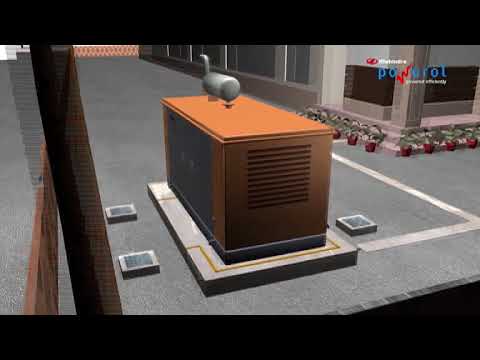
Introduction to Cummins Engines
Cummins engines are highly regarded for their longevity, robust construction, and exceptional value across both simple and complex applications. Established in 1919, the company offers comprehensive product lines extensively utilized in heavy-duty transportation and industrial machinery. Their engines are expertly designed to merge performance with durability, and their century-long existence has made them fundamental players in diesel engine technology.
What distinguishes Cummins engines most prominently is their excellent construction quality. These powerplants excel in extreme operating conditions, delivering consistent power output while minimizing downtime. Cummins has built its reputation on continuous innovation, incorporating advanced techniques such as turbocharging and exhaust aftertreatment systems to reduce emissions and improve fuel economy. This commitment makes their engines an excellent choice for operations that must comply with environmental regulations while maintaining high performance standards.
Whether on-shore or offshore, in commercial vehicles, standby generators, or marine applications, Cummins engines adapt to diverse user requirements. With comprehensive internal and external customer support spanning global boundaries, Cummins ensures parts availability and maintenance services remain accessible to users worldwide. Investing in Cummins means acquiring technology that has been refined over decades and perfected to meet your specific requirements.
Understanding Perkins Engines
Perkins Engines has established itself as a well-respected brand in diesel and gas engine manufacturing across multiple sectors, recognized for proven reliability and power output. Founded in 1932, the company has consistently delivered innovative solutions for equipment operation in industries including construction, agriculture, and material handling. Perkins’ mission centers on producing efficient, long-lasting engines tailored to their customers’ distinct requirements.
Perkins’ excellence stems from their versatility and adaptability. The company offers a broad spectrum of engine models designed for specific applications, from generator sets and industrial machinery to off-road equipment. All Perkins engines are manufactured to comply with international emission standards, making them a responsible choice for environmentally conscious businesses and customers.
Through its reliable network of distributors and service centers worldwide, Perkins ensures users have access to genuine spare parts, expert service, and technical support. Choosing Perkins represents selecting a brand committed to performance, efficiency, and customer satisfaction—a competent choice among top-tier engine manufacturers.
Caterpillar Diesel Engines Explained
Caterpillar diesel engines are renowned for their toughness, dependability, and exceptional performance in demanding conditions. These engines are engineered to power various heavy-duty applications, including construction machinery, mining equipment, industrial operations, and power generation units. With innovative engineering incorporating advanced technologies, Caterpillar ensures their engines deliver consistent performance even in the harshest working environments.
Recognizing increased environmental protection emphasis and rising fuel costs, Caterpillar has enhanced traditional engine performance regarding fuel consumption and emission standards. Modern Caterpillar engines incorporate cutting-edge technologies addressing emission concerns and efficiency improvements. Implementation of electronic fuel injection and exhaust aftertreatment systems enables significant reduction of harmful gas emissions.
Additionally, Caterpillar demonstrates around-the-clock attention to customer needs through an extensive network of functional service stations. This infrastructure provides customers access to relevant components, regulated maintenance services, and expert repair consultation when necessary. Whether for agricultural or industrial applications, Caterpillar diesel engines represent an optimal choice for powering critical machinery.
Comparative Analysis of Power Generation Systems
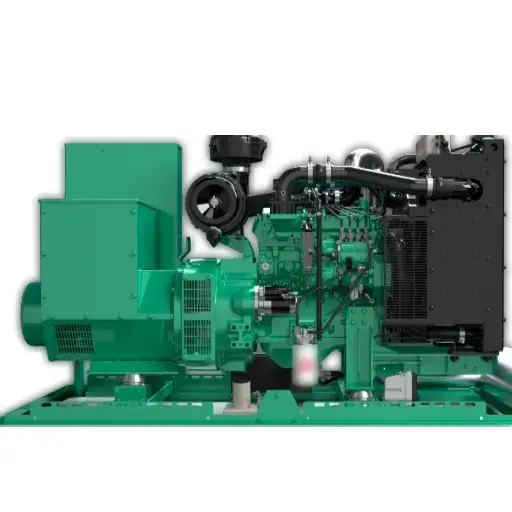
Power Output and Efficiency
When analyzing diverse power production systems, comparing electrical energy output and efficiency losses guides decisions toward the most effective supply solutions. Diesel engines demonstrate exceptional efficiency, particularly those operating in heavy-duty cycles. These engines convert a substantial portion of fuel’s chemical energy into mechanical energy, making them highly efficient for industrial applications and power plants.
Diesel Engine Performance
Caterpillar diesel engines commonly achieve thermal efficiency around 40%, surpassing many other internal combustion engines in their category. This high-performance design optimizes heat loss while delivering efficient energy output per operation.
Gas Turbine Systems
Gas turbines excel as high-speed engines meeting increased power demand during peak periods, making them suitable for peak-load applications. Combined-cycle gas turbine systems can reach efficiency rates of approximately 60% by capturing unused heat and pressurized steam to drive additional steam turbines. However, gas turbines become less efficient than diesel engines under low-load conditions, reducing their adaptability when power intake fluctuates.
Renewable Energy Integration
Solar and wind energy systems offer interesting alternatives to traditional power generation. Battery Energy Storage Systems (BESS) have enhanced these resources’ reliability despite their inherently variable output. Solar photovoltaic systems have achieved conversion efficiency of approximately 20-22% in recent years, with ongoing improvements through advanced panel technologies. Wind turbines demonstrate steady progress, with optimal-condition capacity factors exceeding 40%. While renewable sources lack the continuous uninterrupted generation of diesel engines, they offer significant sustainability benefits and reduced emissions.
Key Insight: Understanding these systems’ different power outputs and efficiencies enables industries to make appropriate decisions balancing operational requirements, cost considerations, and environmental objectives. Whether requiring steady baseline output, maximizing peak efficiency, or promoting eco-friendly operations, selecting the appropriate power generation system involves balancing operational needs with long-term priorities.
Fuel Consumption and Environmental Impact
When evaluating energy system effectiveness and sustainability, fuel consumption represents a critical factor. Fossil fuel-dependent systems—such as coal or gas-powered facilities—deliver substantial energy output but generate significant harmful emissions while consuming non-renewable resources.
| Energy Source | CO₂ Emissions | Environmental Impact |
|---|---|---|
| Coal-Fired Plants | ~2.2 lbs CO₂/kWh | Major contributor to global carbon emissions |
| Natural Gas | Lower than coal | Cleaner alternative to coal |
| Renewable Energy | Zero operational emissions | No fuel consumption or emissions during operation |
Advanced approaches like Carbon Capture and Storage (CCS) aim to reduce emissions from fossil fuel plants, though these solutions remain costly and technically challenging. The power industry increasingly shifts toward greener alternatives as environmental regulations tighten and clean technology incentives expand. Addressing climate change while meeting growing energy demand requires energy systems with minimal environmental impact.
Integrated Power Systems Features
Integrated Power Systems (IPS) combine multiple technologies and energy sources—including renewables—into efficient, reliable, and sustainable energy generation networks. Their defining characteristics include:
Modularity
Facilitates scaling as power needs increase, allowing integration of solar panels, wind turbines, and other generation units while reducing fossil fuel dependence.
Advanced Energy Management
Sophisticated monitoring systems optimize electricity usage and minimize waste through demand forecasting and efficient transmission.
Smart Grid Technology
Enhances operational reliability by enabling rapid detection and response to interruptions, ensuring continuous operation under challenging circumstances.
Sustainability Focus
Battery technology stores oversupply for peak demand periods, while waste heat recovery systems increase efficiency and reduce emissions.
These features combine to create power systems particularly valuable for renewable energy integration, counteracting fluctuations in wind and solar generation while aligning with global environmental objectives.
Maintenance Best Practices for Diesel Engines

Routine Maintenance for Cummins Generators
Sustaining long-term performance of Cummins generators requires proper maintenance protocols. This ensures enhanced coordination of machine operations and prevents sudden malfunctions. Essential maintenance activities include:
1. Regular Oil and Filter Changes
Change engine oil and oil filters at manufacturer-specified intervals (typically 250-500 hours). Using recommended oil grades optimizes engine efficiency and prevents premature wear.
2. Cooling System Maintenance
Prevent overheating by regularly checking coolant level and quality. Ensure proper antifreeze concentration and flush the system at specified intervals to prevent corrosion and buildup.
3. Air Filter Maintenance
Replace or clean air intake filters as operating conditions require. Blocked filters restrict air supply, reduce engine performance, and negatively impact fuel economy.
4. Battery Inspection
Regularly verify battery voltage, terminal condition, and electrolyte levels. Clean terminals and ensure all connections are properly secured to prevent starting system failures.
5. Fuel System Inspection
Check fuel tanks, filters, and lines for leaks or blockages. Replace fuel filters promptly and ensure clean, high-quality diesel fuel is used consistently.
6. Load Bank Testing
Periodically run the generator under load to clear carbon deposits and maintain optimal performance. Load testing verifies the generator’s ability to operate at full capacity.
7. Exhaust System Assessment
Inspect exhaust pipes, mufflers, and fittings for leaks or cracks. Provide timely preventive maintenance to avoid safety hazards and excessive emissions.
Best Practice: Following routine service procedures and adhering to Cummins guidelines helps operators maintain generators in optimal working condition. Preventive maintenance enhances productivity, minimizes downtime, reduces energy consumption, and extends equipment durability even under intensive use.
Perkins Engine Care and Maintenance
Perkins engines require proper maintenance for uninterrupted operations, maximum fuel economy, and extended service life, especially in hostile operating environments. Key maintenance aspects include regular assessment of lubrication, cooling, and air intake systems for early problem detection and correction.
Oil and Filter Service
Replace oil and filters at specified intervals using only recommended grades and genuine Perkins filters. Monitor oil pressure and check for contamination or deterioration indicators.
Cooling System Inspection
Regularly check coolant levels and examine hoses and radiators for leaks or blockages. Use Perkins-approved coolants following manufacturer specifications for system drainage and refilling.
Fuel System Service
Engine longevity depends on fuel system condition. Clean or replace fuel filters regularly, inspect fuel lines for cracks and leaks, and prevent tank contamination with water or debris.
Air Filtration Maintenance
Clean air intake ensures increased efficiency and proper fuel combustion. Replace air filters at specified intervals and inspect turbochargers for foreign objects or damage.
Electrical System Check
Periodically inspect batteries, alternators, and electrical connections. Clean battery terminals and verify charge levels to prevent starting system failures.
Applying these practices and adhering to Perkins’ recommended maintenance intervals prevents costly overhauls, preserves engine components, and ensures expected performance. Perkins’ commitment to modern compliance standards focuses on engine performance, with regularly updated instructions and devices providing excellent material for maintaining engine condition.
Caterpillar Engine Maintenance Guidelines
Effective long-term use of Caterpillar engines requires comprehensive maintenance protocols. Essential inspections must verify coolant levels and examine engine oil and air filters for proper functioning. Maintaining clean fuel systems protects fine engine components from contamination. Caterpillar specifically recommends frequent inspection of belts, hoses, and connectors to detect wear patterns early, preventing them from escalating into major problems.
Scheduled Service Intervals
Observing Caterpillar’s specified service intervals is highly recommended for maintaining engine efficiency and reducing operational costs. Oil and filter change intervals are designed for each engine model and operating conditions, helping fleet operators maximize engine lifespan with minimal additional servicing. Using genuine Caterpillar parts and fluids maintains optimal performance and helps prevent unexpected damage risks.
Advanced Monitoring Solutions
Caterpillar provides operators access to valuable preventive maintenance resources and manuals. Cat® Equipment Management Solutions offers rich data analytics and close engine monitoring systems. This technology enables predictive failure identification, allowing planned interventions that minimize idle time. Understanding Caterpillar engine care enhances operational processes while supporting environmental objectives by maintaining efficient, clean-running engines.
Professional Tip: Regular maintenance combined with advanced monitoring technology provides the most effective approach to maximizing Caterpillar engine reliability and longevity while minimizing total cost of ownership.
Common Industry Pain Points and Solutions
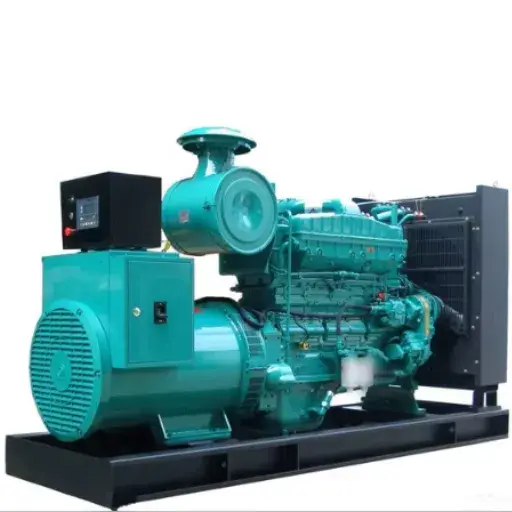
Challenges with Diesel Power Systems
Diesel-driven power generation systems remain relevant across numerous industries, yet they present specific operational challenges. Understanding these obstacles and implementing effective solutions is essential for optimal performance.
| Challenge | Impact | Solution |
|---|---|---|
| Emission Compliance | Stricter regulations on NOx, PM, and other pollutants require technology upgrades | Implement DPF, SCR systems, and exhaust aftertreatment technologies |
| Fuel Efficiency | Rising fuel prices and market volatility increase operational costs | Regular maintenance, proper calibration, digital monitoring, and telematics systems |
| System Reliability | Unexpected failures cause expensive downtime and productivity losses | Preventive maintenance plans, high-performance lubricants, advanced diagnostic systems |
Strategic Approach: By leveraging technology and following industry best practices, companies can enhance diesel power system reliability, improve efficiency, and reduce the likelihood of unexpected breakdowns while meeting environmental compliance requirements.
Dependable Power Generation Strategies
Developing effective power generation strategies requires prioritizing reliability and operational effectiveness. A comprehensive approach integrates multiple components to ensure consistent, cost-effective power delivery.
Predictive Maintenance
Utilize machine learning and IoT applications to detect performance deviations before serious damage occurs through real-time diagnostics of critical subsystems.
Renewable Integration
Combine renewable energy sources (solar, wind) with conventional diesel generators to create hybrid systems offering better efficiency and reduced carbon emissions.
Energy Storage Solutions
Implement battery storage systems to retain excess generated energy for use during power fluctuations or adverse weather conditions.
Smart Grid Technology
Enable optimized energy production and distribution through extensive data collection and analysis, reducing waste and increasing availability.
Operator Training
Regular employee training and instruction on operational procedures and emergency protocols maintain performance standards and enhance safety.
These integrated strategies create a seamless approach to power generation that is cost-effective, environmentally friendly, and consistently available for critical operations.
Addressing Reliability Concerns in Diesel Engines
While durability and fuel efficiency represent significant diesel engine advantages, reliability challenges persist across various operational sectors. Common difficulties involve wear patterns, fuel contamination, inadequate maintenance, and environmental factors. Addressing these issues prevents expensive downtime, extends engine service life, and maintains operational efficiency.
Technological Advancements
Modern engines incorporate sophisticated diagnostic equipment for constant monitoring of all operational parameters. These systems enable early problem detection, including high vibrations, heat stress, or fuel pressure loss, before issues become severe. Enhanced injector efficiency and improved turbocharger architecture have increased effectiveness while reducing component wear. Superior-grade lubricants and advanced cleaning systems ensure smooth operation, prolonged service, and enhanced generator reliability.
Operator Education and Best Practices
Comprehensive training on proper equipment handling, appropriate fuel selection, and maintenance procedures significantly reduces mechanical failure occurrences. Staying current with evolving emission requirements and utilizing alternative clean fuels improves engine performance while minimizing environmental impact. Businesses operating diesel engines can effectively address reliability concerns through optimal maintenance practices, cutting-edge technology, and properly trained personnel ensuring uninterrupted operation.
Case Studies and Real-World Applications
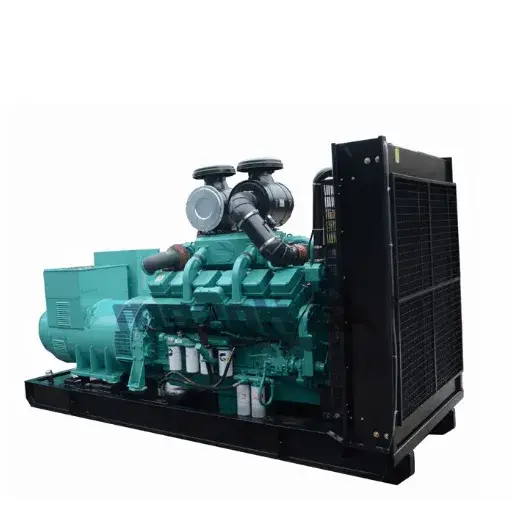
Successful Cummins Generator Set Implementations
Cummins generator sets demonstrate exceptional utility across diverse industries and environments, proving their reliability, efficiency, and operational flexibility under demanding conditions.
Healthcare Facilities
Application: Hospitals and medical centers requiring uninterrupted power for essential equipment and patient safety
Example: Regional hospital in Houston, Texas equipped with multiple Cummins generators capable of handling loads exceeding normal requirements while meeting stringent emission restrictions
Result: Guaranteed operation of life-critical medical equipment during power failures
Data Centers
Application: Mission-critical facilities requiring continuous operation and zero downtime tolerance
Example: Leading California technology company installing multiple Cummins QSK60 Series generators for power grid outage protection
Result: Advanced load management systems optimize power usage and eliminate downtime risks
Remote Construction and Mining
Application: Operations in isolated locations lacking reliable power infrastructure
Example: Construction and mining projects across remote areas of Australia and South America utilizing Cummins C300 D5 generator sets
Result: Reliable, efficient, high-performance power delivery in challenging environments with frequent power supply issues
These implementations demonstrate Cummins generator sets’ versatility and proven performance across energy-intensive industries, establishing them as optimal market solutions for critical power applications.
Effective Use of Perkins Engines in Industry
Perkins has earned recognition for robust, economical, and versatile engine models deployed across multiple industries. These engines excel in demanding conditions specific to construction, agriculture, and power generation sectors. Primary advantages include exceptional fuel efficiency while fulfilling stringent emission legislation requirements.
Construction Sector
Powers excavators, backhoe loaders, and cranes handling intensive duty tasks requiring reliable, high-performance engine solutions
Agricultural Applications
Essential for tractors and equipment during harvesting seasons, enhancing productivity through dependable power delivery
Power Generation
Provides safe backup or primary power when mains fail or electricity is required in remote locations, ensuring zero downtime
Beyond technical capabilities, Perkins engines benefit from extensive global dealer and service agent networks guaranteeing parts availability and maintenance support. These factors drive increased popularity and preference in sectors demanding efficiency, serviceability, and minimal breakdown time. Combined benefits underscore Perkins engines’ importance in advancing industrial development and operational excellence.
Caterpillar Solutions in Power Generation
Caterpillar stands as a premier supplier of energy generating systems across diverse industries. Extensive expertise in diesel, gas, and hybrid generator sets enables Caterpillar to deliver high-quality, efficient power systems to its global customer base. Generator sets are engineered to provide emergency, prime, and continuous power, enabling businesses to operate effectively under the most challenging circumstances.
Industry Applications
- Construction and production sectors
- Information technology infrastructure and data centers
- Medical facilities requiring uninterrupted power
- Mining and remote industrial operations
Technological Advantages
- Remote monitoring and advanced control systems for easy generator management
- Enhanced fuel efficiency and emission control meeting global sustainability requirements
- Latest diagnostics and predictive maintenance minimizing downtimes
- Comprehensive global support network with authentic parts availability
Caterpillar distinguishes itself through extensive service scope dedicated to maintaining customer assets in optimal operation across all continents. This combination of advanced technology, dependability, and exclusive customer service powers Caterpillar’s dominance in the globalized energy generation market.
References
- Team 2–Cummins Electric Vehicle Optimization
This report discusses Cummins’ efforts in developing battery-engine packages and includes insights into generator applications provided by Cummins. - Cummins Energy Saving
This document explores the power measurement of Cummins engines, including the QSK23, and discusses the use of generators powered by absorption chillers. - Design Report for Manufacturing, Reliability and Economics
This report provides details on Cummins engine families, such as ISB and ISX, and their integration with turbine and generator systems. - Click here to read more.