
Throughout many different working fields, more and more new technology is being developed to help companies invent ways to cut their costs and quicken operations. One such sector is generator remote monitoring. Normal performance regime of a generator is monitored in many instances with ordinary methods which are lengthy processes with no scope for taking precaution measures. Since IoT and cloud technology have broken a few barriers in the way, their real-time remote generator observation is possible, for they would guarantee an ever highly productive and efficient operation. This is a blog to address how these systems function, how they help, and the need to adopt such systems within today’s enterprises.
Understanding Generator Remote Monitoring
What is Remote Generator Monitoring?
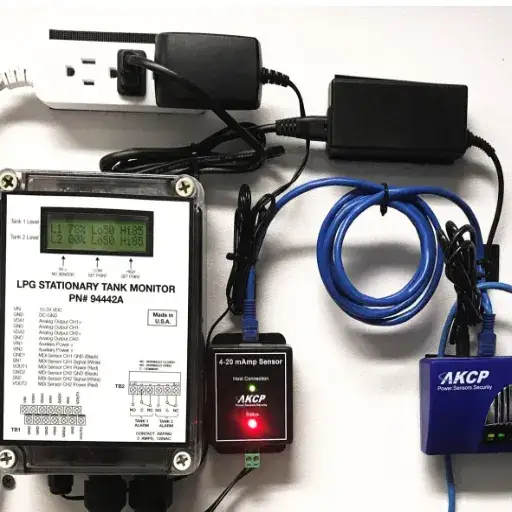
Assessing and handling generators from a separate location with the aid of modern technology, for example IoT technologies and cloud services, is known as generator remote monitoring. It enables the users to monitor how well the generators are working, what is their status, and how healthy are they, without taking any trips to the place of their installation in order to do so. This means that essential details, including the level of fuel, the state of the battery, the amount of time spent in operation and the alarms about faults all particularly relevant to the operations of the generators, could be viewed from a single interface located anywhere at any time without a doubt indicators.
Another major aspect of remote monitoring is the capacity to provide alerts and notifications when problems are detected. The role of these alerts is to change the condition of the equipment so as to avoid unnecessary stops and breakdowns of the equipment. Remote monitoring, with the help of the facts provided, skilled observations and skilled people reduces reliance on physical checking and expensive aiding against emergencies keeping needle low on breakdown expenses.
Moreover, systems for remote generator monitoring are especially useful for some vital installations for instance hospitals and data centers that require constant power supply. Now with these monitoring systems, facility managers and facility operators can be rest assured that their equippement is in place to provide backup power as soon as needed. The foundation and benefits of remote generator monitoring have been attributed to the application of IoT and the cloud.
Key Components of a Monitoring System
There are several key elements of a good generator monitoring system which operate at the same time to facilitate efficiency and dependability. One of these components is the ability to collect data continuously. Real time collection is done through devices like meters and sensors. Other parameters like fuel consumption, battery health or engine temperature can be monitored all the time and provide means for intervention if need be.
The other vital aspect is how such monitored data is communicated which in most cases include the use of IoT enabled gadgets or mobile networks. With this feature, the data is conveyed to and situated system or cloud without any fear of compromise. Easy means of communications ensure that the operators will receive whatever is needed in due time whenever they are available.
In conclusion, it is necessary to have a single point of control for the storage, retrieval, correlation, and visualization of information. Typically, it comprises an easy-to-navigate program that has dashboards, notifications, and performance diagnostics. This allows the person in charge of the facility to detect any issues before they become major problems requiring urgent repairs or enhancement of a generator’s application with minimum costs. All of these elements form an efficient and effective generator remote monitoring system.
How Generator Monitoring Systems Work
Generator monitoring systems rely on sensors, a network, and a centralized application to monitor the operational and performance status of the generators in real-time. The system is first composed of elements that have sensors on internal parts of the generator like the engine, fuel system, temperature monitors, and voltage output. This is done so that the sensors are able to measure these values and they contribute to the overall monitoring system’s functioning and failure determination.
The information gathered is also sent to the centralized software platform, usually through a secure wireless or wired communication network. This system processes the gathered information and presents it in the form of an easy to understand dashboard which shows the overall performance of the generator. Notifications are also generated whenever the predefined reading exceeds a given limit which helps identify any problem in time for example fuel level is low, or the temperature inside the genset is high or the voltage is too low.
Such information supports facility management or operational personnel’s response to issues, maintenance programming, and proper generator operation. Moreover, it allows for the compilation of reports and trends over a period which assists long-term planning and strategies geared towards improved reliability and performance. Basically, such systems are meant to automate almost every operation associated with a generator remote monitoring and control by disseminating reliable and prompt information which can be taken into action.
Benefits of Remote Monitoring for Generators
Real-time Diagnostics and Alerts
Essential features of generator remote monitoring include real-time diagnostics and alarms. These functions permit the rapid detection and resolution of problems by the operators so as to carry on with work with little interruption or to avoid expensive down-times. More details about what types of data can be gathered and most common examples of real-time monitoring and diagnostics are as follows:
- Fuel Level Monitoring – This monitors the generator fuel level to avoid the generator running out of fuel unawares and offers refuelling alerts.
- Battery Status Updates – This monitors the generator battery level and warning’s of any low or problem concerning the charge to ensure readiness for startup.
- Temperature Readings of the Engine – Measures the temperature of the engine all the time so as to prevent it from overheating and if indicated levels are exceeded this gives an alert.
- Oil Pressure Alerts – Coordinated Response: Knock sensor Clutch which way – operating like a clutch to prevent engine black-out for instance by informing about low oil pressure or high pressure.
- Power Generation Units – Evaluates and reviews the systems in terms of generation, load or any other related measures and provides an alarm if something goes beyond its optimal or maximal level of the system operation.
The identified problem areas and issues are taken care of beforehand by implementation of maintenance options or practices, which reflect positively on the generator operations for a longer period of time.
Cost Savings Through Optimized Operations
For any business that incurs expenses on generator remote monitoring operations, there is a great economic sense in deploying complex observation systems. These systems bring the costs of inefficiencies and unplanned shutdowns down in addition to prolonging the useful life of machines by collecting and analysing real-time information. Below we identify some of the typical areas within the operation control that contributes towards cutbacks in spending.
- Cost cutting measures in maintenance: It is easier to carry out maintenance operations at the scheduled time because the machine’s condition can be evaluated. This in turn reduces operational risks and costs associated with emergency repairs.
- Cost efficiency in utilization: Time has impacted on the expense levels of your operations due to the access and use of fuel consumption data and idle times throttling down the inefficiency levels over usage.
- Extension of age of machines: These ‘alerts’ inform about the condition of the wear and tear enabling repairs to be carried out at the optimal time. This is key against speeding via overused machinery and replacing it when lesser wear and tear would impair its functioning.
- Deduction in overhead lost from idle operations: Alarm and problem management strategy will result in less fault acceptance within operations that will otherwise make it possible for such operations to function and generate revenue as opposed to having no income at all.
- Energy Management: Optimizing analyzing loads and power distributions reduces energy waste from an oversized generator while keeping the production optimal.
All these tactics aim at improving the operational efficiency of the business and the associated finance to enable a substantial improvement in performance.
Long-term Value of Preventative Maintenance
The introduction of a maintenance plan focusing on preventive maintenance brings a lot of prospective benefits to various industries over time. This means that preventive maintenance schedules are effective because businesses are able to manage the costs of investments while increasing productivity and, in a sense, grow in a more green way. Below, five particular big ups of preventive maintenance are clearly explained:
- Increased Lifespan of the Equipment: The purpose of any type of “maintenance prevention” is to increase the longevity of Used Equipment in working condition. Machines are serviced on a regular basis in order to make the wear and tear on machines do not result in heavy damage that would necessitate major repairs in a very low period of time.
- Improved System Worth – Lesser Breakdown: In the face of active prognosis maintenance, certain causes leading to a high amount of downtime can be mitigated. This assists in ensuring the effectiveness of the company’s operations and enhances time management.
- Optimal Spending on the Servicing of the Machine: Cost savings are usually achieved when conducting preventative maintenance versus reactive maintenance because the latter is usually progressive and expensive. Research suggests that this may not be the case and that costs can be reduced by 12% to even 18% over time with some preventive regimes.
- Efficiency Enhancements: If the machine is properly serviced, the rate of operation increases with an efficiency of 25-30%. Hence, this means that worker activities as well as the energy used decrease in the process.
- Safety of Operating Workers Enhanced: This helps reduce accidents, at all scales, and breakdown of equipment since potential hazards of the equipment are examined during regular inspections. It is not only going to reduce claims, but it is also going to cut down insurance premiums for the company.
That is why effective system implemented among many changes brings about the considered benefits of maintaining the hardware over long periods of time within company implications.
Choosing the Right Remote Monitoring Solution
Factors to Consider in a Monitoring Solution
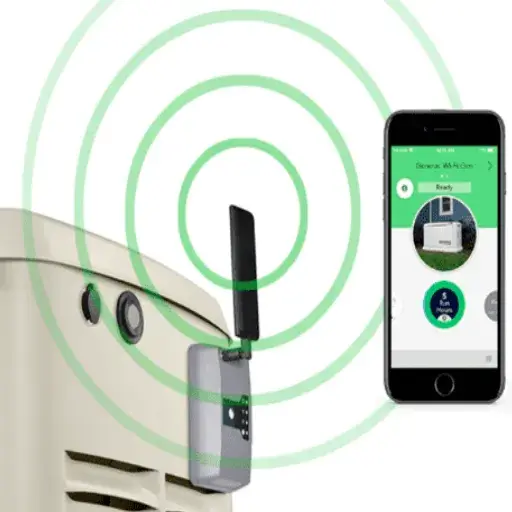
While choosing any generator remote monitoring, it is very important to look at the several aspects so that they fit some of the operating objectives as well as they perform in an effective manner. Those include the following aspects:
- Scalability and Flexibility: The system or product should be able to support the growth of the business without having to perform restructurings. Most of the solutions, which are scalable, make sure that as the operations increase they do not result in loss of efficiency.
- Real-Time Data Accessibility: Consider systems that enable monitoring with real. enabled reports for insights provided by the system, for faster decisions. Availability of the data at the right time may prevent various problems from becoming worse.
- Ease of Use: It is important that a particular solution has a simple and easy interface for every user to be able to operate it without too much instruction thus enhancing productivity.
- Integration Capabilities: When looking for a particular solution also consider its integration with other systems in simplified fashion. How well does that software or another device can work with others, can create ease in workflows and efficiency of operations.
- Security Features: It sustains sensitive information protection therefore rigid protection from cyber-attacks is of utmost importance. A solution with strong encryption, strong access control and constantly enhanced version it a have selected. It helps to solve the vulnerability problem as well.
- Cost-Effectiveness: It is necessary to take into account all expenses, including the cost of purchase, maintenance as well as the savings from efficiencies, and all these factors should together form the cost. The whole point of purchasing solution in the first place should still hold true with time.
- Customization Options: Each business is specific hence being able to add features and customize reports offers most people a sense of contentment and be more relevant.
- Technical Support and Service: Rely only on companies who provide quality technical assistance and support and services that include these people in order to avoid service breakages.
Businesses can enhance their productivity and at the same time, they can achieve their strategic objectives and operational needs by adding these factors into consideration when choosing a generator remote monitoring solution.
Integration with Existing Power Systems
For optimal and efficient operations, the integration of a generator remote monitoring solution with the respective power systems is essential. The system should be able to work with the existing generators, energy storage devices, as well as distribution networks. This means that the monitoring system can still ‘speak’ to other components, collecting data and information in real-time, without having to replace the whole system. This approach reduces operational downtime due to system reconfigurations or replacements and the associated costs.
For instance, there are power generation systems where the data can be weaseled through different methods including Modbus, BACnet, or SNMP. The best design of a generator remote monitoring system will be able to work for the protocols listed in these conditions as it will have the ability to get information from multiple places and work with the data. The empowerment of support engineers with this property enables holism in their operation. They monitor all the relevant infrastructure ensuring all potential problems are predicted and eliminated in good time.
A shift towards more recent technologies helps in effective manipulation of intrinsic data sets, thus, avoiding over-focus on scanty results while encouraging more explorative views. This active methodology promotes an efficient power supply monitoring infrastructure, that improves performance of the system and also provides better data, which is more relevant, behavior.
Implementing Remote Monitoring and Control
Steps to Implement a Monitoring System
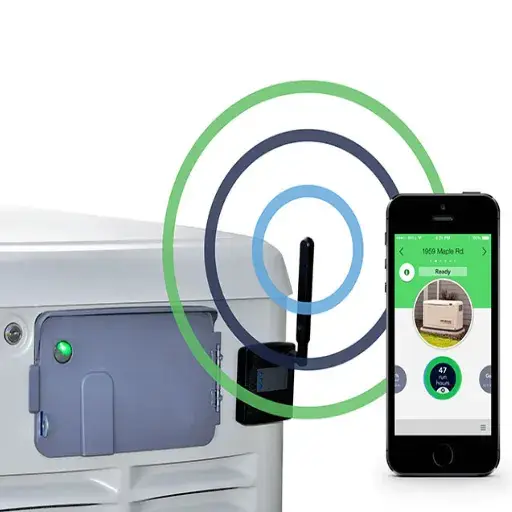
- Identify Goals and Necessary Conditions: Start from a concise and accurate statement of what the generator monitoring aims to achieve. Identify things that need to be monitored, data which needs to be collected and measured against specific set of indicators for proper evaluation of performance. Consider how such requirements will compliment that operation of the particular power system or facility that is under consideration.
- Identify the Right Technology: Use embodiments that allow building data processing solutions. Choose sensors, IoT gadgets, and cloud computing infrastructures that are ready to collect data, contain distributed and centralized locations, have remote access to them.
- Bring in Data Sources: Bring divers streams of data together in one system for their de-duplication and single management. That is the power of machine learning and visualisation systems, especially over big data insights. This approach confines results to only the most pronounced ones, due to easy solutions such as keyword matching.
- Set Up and Compensate Equipment: Install and configure the devices and software components according to the specified requirements. Calibrate sensors and systems to ensure accurate data collection and seamless performance during real-time monitoring.
- Implement Advanced Analytics: Apply cutting-edge algorithms for predictive analytics, trend identification, and anomaly detection. This ensures actionable insights are extracted efficiently, reducing the risk of missed events or inefficiencies in the system.
- Test and Evaluate the System: Conduct thorough testing to validate system performance. Use simulated scenarios and historical data to ensure the system can handle varying conditions effectively while providing meaningful and timely insights.
- Train Personnel and Optimize Processes: Provide training to operational teams to ensure they can fully utilize the monitoring system. Continuously gather feedback and optimize the system based on practical use to improve decision-making and system performance over time.
This strategy incorporates the use of sophisticated tools and interprets data to the extent that it aids an organization in finding more useful aspects of monitoring beyond the normal searching using phrases. Future monitoring is therefore transformed to actionable analytics.
Training Staff on Monitoring and Control
The provision for effective learning processes to the staff that operates monitoring and control systems must be made to ensure that organizations benefit technologically and not otherwise. Such training should establish, in employees, a strong grasp of the equipment and environment that they will be working with. Those capabilities, processes, and functions should be understood by the employees to allow them to distinguish outliers, data distributions, and patterns as well as take corrective actions with ease. Workshops with practical exercises and examples are used to enable the team members to implement their learnings in the everyday running of the organization.
Furthermore, training programs must include course contents on integration of enhanced search functionalities and data technologies. With the modern changes of events, workers do not over as well the limited search approach of phrase-based search. Using high performance system and relevant data, staff can create complete, to their field of activity, and usable reports. Potent training should be inclusive of knowledge of pre-programmed or potential challenges (such as those of generator remote monitoring with overloads of information or outdated models of operations) in order not to draw people’s attention to un-due pieces of information.
Educating and engaging patients should be a central feature, to cater to changing demands over time. There is that the control systems, in addition to technology, continue to progress. In order to quality control, it is necessary to adjust training resources and present refresher courses to each and every individual to keep them functional in the use of the latest features and capabilities. and in soliciting responses from his staff, the training program is even better as it’s adjusted and updated new content. It’s ideal if the employees are well-trained and given all the information and resources people are using phrase-based Google searches anymore and as such, this shall enhance the decision making process and improve the outcome of the organization.
Case Studies and Real-World Applications
Success Stories from Industrial Generators
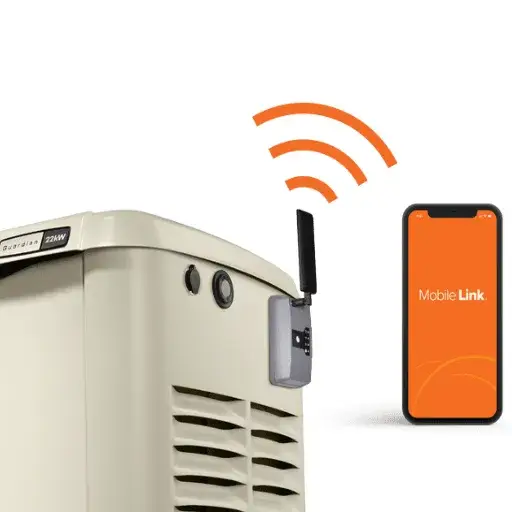
People across industries have utilized industrial generators as indispensable tools that have helped in providing electricity even under the worst conditions. In fact, the industrial facility situated in the central United States succeeded in maintaining operations for an extended period of time when there was a power failure due to a vicious storm. The strategies to improve the operational efficiencies of maintenance, including the use of industrial generators a well as the synchronized generator remote monitoring helped the facility reduce operating time without production losses in preparing critical tasks.
One of the successes is in a hospital located in an urban area of Southern California. During a city-wide power outage, the industrial standby generators of the hospital were used avoiding critical medical machinery and life support system shut down. The facility was able to avert any breakdown of systems thus providing care access to patients without disruption due to the use of maintenance prediction devices and performance evaluation of all devices.
These instances highlight that the perfect proficiency of industrial generators can be achieved only with the novel technique of using high technologies, careful forethought and wisdom generated from data. Regardless of a field be it manufacture, medicine, or cure others, Distributed Energy Sources (DER) solutions allow companies to deal with any possible constraints and support all critical functions.
Impact on Standby Generator Performance
The functioning of standby machines could be affected by numerous supporting elements that their territorial position depends on in order to adequate and pure operation. Below are some of the fundamental elements that affect certain machines including generator remote monitoring performance levels.
- Maintenance Baseloads: It should be noted that this kind of generator remote monitoring caches a certain capacity. There is evidence that supports the fact that should the generator be maintained on a strict schedule there is at least a 50% probability of the generator failing in its operations during important power cases than if it had been maintained an unvariable schedule. This involves procedures such as changing oils, replacing filter, and carrying out diagnosis of the system.
- Quality of Fuel: The performance of a generator depends on how good the fuel is. The use of poor fuel in a machine results in blockages, less effective performance of the generator, and eventual destruction of the engine. As an illustration, diesel siege, if stored for more than a year and not available for consumption, is susceptible to the 26% of deterioration, thereby forcing the generators to experience failures during their use in emergencies.
- Operating a Load: Standby generators should be tested to assess if they can support the activity in conditions similar to the operational load. Running with a low or unsteady load can result in wet-stacking which can put an end to the efficiency and speed up the wear and tear. It has been generally observed that generators that are operated for long durations with less than 30% load condition, tend to carbonize themselves and as a result have a much shorter life span.
- Factors Influencing Efficiency: The performances of generators are not only influenced by the external environmental factors on their own but also other factors such as temperatures that are too high, altitude and humidity. E.g. when out-door placing of the generator allows for its use even in temperatures over 100°F it may give back a significantly reduced power output (15 percentage loss when engine derated) and may not guarantee all cuts allowed for the capacity.
- Cold Start Capability: Cold – start capability is yet another one of the vital factors of a standby power system that is what is the response time for a generator to start up if there is a power interruption. Using modern generator designs, they often offer 10-15 seconds start-up time after power generator remote monitoring blackout. On the contrary, some of the traditional systems will require too long to start, which will cause delay in recovery especially in the crucial mortice departments.
If we can manage to understand these aspects and find their solutions, organizations could improve the reliability of their systems, minimize system downtimes and increase the useful life of the standby power solutions.
Lessons Learned from Remote Monitoring Implementations
Remote monitoring systems have proved to be an important tool for the improvement of standby power systems. There is one lesson which can be drawn that is the need for real time analytics. Systems that give real time updates enable preventive maintenance and that greatly lowers the risk of any breakdown. Performance bottlenecks such as fuel supply failures or low battery levels can be detected early enough as a result of such systems and measures taken before power breakdowns occur.
Another crucial lesson concerns the need to enhance communication among the teams. Such remote monitoring systems help in centralizing data access, as well as dissemination within teams from any location. This helps in quick decision-making and effective response coordination during times of emergency. The integration of such these systems and predictive analyses tools for example has also been seen to increase services they offer as it helps wear patterns quite early enough from the equipment.
Suffice to say, the last and perhaps the most important aspect of the effectiveness of the generator remote monitoring systems is the user adoption and training. Users’ introduction and participation in a reinforced fashion. This for example is what can be said in a new operational environment that has been put in place within an organization that hopes to gain the full potential arrest or alleviate these factors. It involves enhancing the users’ grasp and usage of the system by providing education and help, which is why it is beneficial for the company to invest in such practices.
References
-
What Are Generator Management Relays?
This article explains the role of generator management relays in monitoring, controlling, and protecting generators in power systems. -
Real-Time Data Acquisition and Processing for Generator Monitoring
This paper, developed by Texas A&M University, describes a prototype intelligent generator monitoring system for real-time data acquisition and processing. - Click here to read more.
Frequently Asked Questions (FAQ)
Q: What is the meaning of generator remote monitoring and how does one operate the system for checking generator levels without being present physically?
A: The term ‘generator remote monitoring’ or simply, ‘remote generator monitoring’ refers to the provision to look after generator at a distance through the use of wireless technology. Monitoring & communication which may include Wi-Fi access, cellular service, or classical phone lines (without data) are used effectively to monitor one’s generator. A control panel, or generator controller, is synthesized in its operation with a remote monitoring system which translates the generator statistics, including its status, startup and shutdown events in addition to the fuel tank level, and configures the information in system monitoring services or related dashboards. All of these features enable generator health status is assessed at all times, generators are disabled when fuel is low or in case of generator malfunctions.
Q: How does generator remote monitoring help the owners of standby generators sleep soundly at night?
A: A trusty controller lets you know that the generator is in good condition and that any potential trouble can be rectified before malfunction occurs. This is done with the help of remote diagnostics. The owners, as well as the service providers, have access to remote control and can safely monitor and manage their generators; well, more importantly, they can be notified of dwindling fuel or even malicious intent towards the fuel tank and poor condition of the generator, thus enabling one to schedule preventive maintenance to avert an unplanned power failure. Regardless of whether you choose Generac or Cummins or some other brand of generators, easy to privacy rifle white list These n products plies will always be available to you to keep that power back up when you need it.
Q: Can I start and stop my generator remotely with the aid of generator remote monitoring?
A: Most generator remote monitoring systems, however, come with a control feature that enables the user to start, stop, and monitor the status of the generator from any place. Similarly, the controls enable activation or deactivation of the generator by sending signals to either the generator control panel or generator controller, and feedback is received now running. Remote start functions are helpful especially when such tests are carried out, in power emergencies or planned maintenance because this eliminates several possible service incidences.
Q: Can I be enlightened how remote monitoring minimizes the number of service calls and enhances the efficiency of a generator?
A: Service companies or generator service providers are able to remotely perform a primary diagnostics in order to know which issue to address and as a result, reasons why certain carbon emissions such as diesel vehicles and old motorcycles have been known for. Areas without all of these mentioned do not make calls to service companies, when decorative banners are lifted in the air, empty smoke floats higher, turning everything at the ground. System end users are equipped with pre-required information on handling operational aspects hence minimizing the damage in the system. This means that in regions with remote monitoring, enduriers are saved from damage containing the failure of the generator.
Q: Can generator remote monitoring be used for generators that are placed in locations very far apart from each other?
A: Correct. To cope with such problems like Wi-Fi absence in remote areas, it is possible to use, for instance, cellular or satellite links to connect monitoring devices to the generators. Distant monitoring systems are preferred in remote locations where the cost or time for on-site attendance is more expensive than if the site is shut down, as these are able to notify the systems’ health statuses, current generator fuel levels, and even raise an alert for monitoring services to take action before the generator stoppage at such sites where on site visiting COMA visiting may be more quite high high.
Q: What are the possible types of data as well as notifications from the generator remote monitoring system? or generator remote monitoring?
A: While generators operate in different conditions, these services help to alleviate any doubts if a generator is running, whether it is off or spoiled, fuel tank shoe alert, its battery health, battery functions, generator stops for maintenance needs, active and inactive generator history, and any errors in control panel of this equipment. Also such products provide trends for predicting maintenance, control of the generator from a distance, and even contact with a services team or services company that will quickly intervene in the event of a problem.
Q: I was wondering whether it is possible to offer such advanced features with different brands, for example, Generac or Cummin?
A: Surely yes. There are many ways in which monitoring system and monitoring product can suit many makes and types of generator including Generac and Cummin; it does so by connecting to the generator control panel or controller. Irrespective of whether there is use of analog inputs, digital communications or proprietary protocols, every monitoring solution which is a good adapts to the generator set in change providing endless monitoring of the generator so that its performance is reliable from one brand of generator to another.
Q: In what way does generator remote monitoring assist in ensuring continuity of power supply in crises?
A: Generators installed in sites that have no electrical grid benefit from generator remote monitoring solutions because these solutions continuously track system status, analyze data for anomalies, and allow users to do repairs remotely when required and therefore keeping the generator always powered in emergency situations. In order to prevent fuel runs out or flat batteries or other damages from occuring in the generator, there is an indication in time that some other maintenance practices should be performed to avert the failure of the generator. This, coupled with a similar facilitating thing to a generator standby monitoring service, then being in use of a good generator service provider, suffices for having electricity and an available generator when required for critical procedures.
