
An effective , dependable power supply system requires a properly sized and installed fuel tank for the generator. Achieving this feat lies in one’s overall grasp of how to observe various standards or guidelines while synchronizing fuel tank sizes with the respective power generator consumption. This article details the factors to be considered in determining the generator fuel tank size and the requisite installation guidelines comprehensively. Whether you are making a contingency plan for a commercial building or for a residential use case, this piece will inform your choices to guarantee high performance, compliance and sustainability through the ages.
Understanding Fuel Tank Sizes
Overview of Generator Fuel Tank Types
Essentially, the size and design of generator fuel tanks places them into two distinct divisions: here we have above-ground tanks and there we have subbase tanks. It’s just that the given fuel tank types are put to use under factors such as the amount of space, construction needs or even the fuel tank capacity installation.
- Above-Ground Tanks: These storage tanks have no direct contact with the generator, and they are mounted bankside to the surface of the ground so as to facilitate in accessibility and service. They are capable of withstanding environmental impacts such as corrosion since they can be made of steel or fiberglass. Above ground tanks are mostly suitable for the storage systems with big volumes integrated with fuel oil made in totality for commercial or industrial purposes where there is a high demand on prolonged running time of the system. There are legal requirements regarding their spacing, containment and control including venting measurements in the case of their installation.
- Sub-Base Tanks: Sub-base tanks are enclosed tanks that mount on top of or under the level of the generators. Their design achieves space conservation while maintaining uninterrupted fuel supply to the generator. The simple stricture of these tanks means they are most often employed for otherwise limited-hour run systems such as home use or homes used for business. Use of sub-base tanks includes several measures such as the installation of internal baffles which helps prevent fuel movement during acceleration and hence stabilization of the generator as well.
Depending on the features of a generator, consideration of generator fuel tank size or limitation of the appliance itself, it is essential to choose one of the types of tanks. These differences are necessary for the satisfactory and efficient use of the equipment.
Common Fuel Tank Sizes for Generators
Different generator fuel tank sizes are usually found and serve various needs. The smallest available size is around 5 to 10 gallons, the medium size is between 50 to 100 gallons, while the largest size exceeds 500 gallons. The sizes are chiefly determined by the generator capacity, usage time, and fuel economy.
A smaller enables a carried load of between 5 to 10 gallons, targeting portable power generators or temporary units. Portable generators or those that would be used in an emergency or mobile situations where the size of the gear is very important would use such tanks. However, this means that refueling may have to be frequently done.
Stationary generators, commonly found in small commercial buildings as well as home backup power systems, often use intermediate fuel tanks, which are within the range of 50 – 100 gallons. Fuel management solutions, where they are required, are typically found in tanks exceeding those with 500 gallons and above for industrial or data centers. Here, such a tank will suffice for quite some time without refueling other than the extreme case of fuel running out completely while the operations are most critical.
Factors Influencing Tank Size Selection
Choosing the right size of tank is a matter that requires careful consideration of some important factors. The main factor that has to be taken into account is the consumption of fuel by the equipment or the system. Such tanks can fit these generators very well because they do not require more than one refueling due to the fact that industrial generators or heavy equipment run for more hours. However, this is not the case with fuels that should be consumed on extended intervals due to smaller tanks.
Secondly, the concern can be directed to how long an activity should be carried on without stopping. For instance, when it comes to data centers or another power on standby, cessation of running is not allowed; therefore, adequate service provision calls for bigger tanks to accommodate the fuel requirements for the given long time of use. In this case, interruptions which affect critical operations or after a lapse of certain duration that results in safety or productivity concerns during power outage spare usage do not occur.
Lastly, there are constraints of this vehicle parking space’s permits that limit its modifications to certain minimums or restrictions. The later, smaller tanks might primarily mean the necessary accommodation owing to the installation space while larger units are inaccessible for refueling, may completely make sense from the operational point of view. Also, standards set by the national and local regulating bodies about all storage facilities regarding the safety and the hazardous area may very well appear to dictate or govern generator fuel tank size out of necessity. The many factors previously considered in such a manner should be taken into account for the appropriate size of the chosen tank with respect to the operations and indeed observance of over top safety bodies.
Impact of Tank Size on Generator Performance
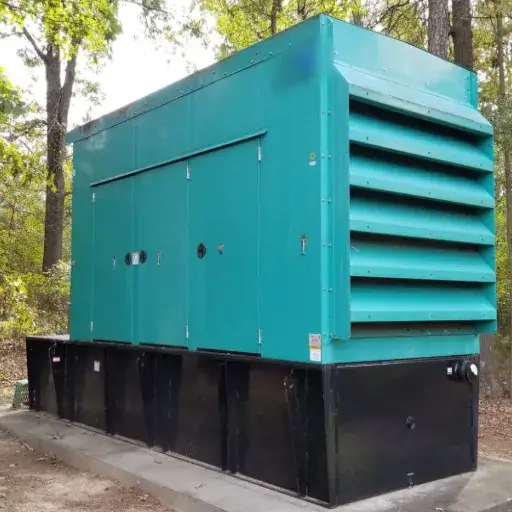
Runtime Analysis Based on Fuel Tank Capacity
How long a generator can run is closely tied to the size of its fuel tank – bigger fuel tanks are capable of lasting for more hours of operation because they do not easily exhaust fuel within a short time. How many hours the machine can run, however, depends on its consumption rate, so one should know this metric too as fuel consumption rate is dependent on how much workload there is and affects the run time. The following are five analyses and measurements regarding the how the tank helps determine the length of a generator’s runtimes:
- FuelUsage Per Hour: The fuel consumption of a generator is often given as the number of gallons per hour. For instance, a 5 kW output could have a fuel consumption of around 0.75 gallons per hour while a 10 kW output machine can use up to 1.5 gallons per hour.
- Tank Sizes and Corresponding Efficiency: Often, a small unit with say a five-litre tank, will supply a load of 50% and require a fill after approximately 6 – 8 hours. However, bigger tanks, say a 190-litre tank, will allow the unit to run continuously for up to 24 hours given the unit is fuel-efficient and runs at moderate load.
- How Load can Vary: Eventually, when load increases also the fuel consumption increases, hence the reduction in the running time. For example a 100-litre tank can run a generator for 16 hours when the load is 50% but 8 hours when the load is 100%.
- Comparing Standby with Continuous Generators: Fuel consumption is more economical in standby generators than in continuous generators. For instance, even in a stationary generator, if it is on standby load, the fuel consumption could be e.g. 0.4 GPH, which is more efficient per gallon of fuel than other cases.
- Impact of Environments and Efficacies: The efficiency of fuels is influenced by environmental factors such as temperature and altitude, and this influences the timeline for which the fuel can run the engine. Cooling weather, for instance, increases the energy cost for combustion when a generator is running and the climate is not perfect, effectively at what the tank will allow the generator to work increases slightly.
These variables need to be understood in order for one to design looking to increase the runtime and still perform within the compliance boundaries.
Comparative Performance of Diesel Generators
Diesel generators need to be assessed in terms of their performance due to various reasons and each of these reasons is based on efficiency, reliability, and best fit for the purpose. From this perspective, these five major performance aspects will be scrutinized:
- Energy Consumption: When diesel generators run, they consume less fuel than petrol generators. Conventional and modern diesel engines in particular can have an efficiency of somewhere between 25% and 45%, and with some efficient engines exceeding this level. For instance, a 100 kw generator of diesel consumption at a full load exceeds 7-8 gallons per hour is always less than a similar generator on gasoline.
- Power Generation & Productivity: Diesel generators are a popular choice for providing reliable power output at variable load conditions. Most of these units are able to operate at their maximum capacity in a long duration (example 12 to 16 hours) hence can be used in heavy duty tasks like industries and construction workers.
- Functional longevity and endurance: Diesel power generators are usually sturdier and are operated at much lower temperatures, and therefore, they have longer operational life as compared to the other types of generators. When properly cared for and serviced, such units can work for over twenty thousand hours of operation, surpassing the average lifespan of six to ten thousand hours in gasoline powered generators.
- Sound Levels in Operations: In spite of the fact that diesel engines have become less noisy with improvements in technology, most of them are still much louder than the others. In modern designs that include noise control mechanisms, it is usual to have 65 to 75 decibels peak noise levels at maximum capacity, whilst old ones were as high as over 85 decibels.
- Impact on Environment: Generators powered by diesel produce more nitrogen oxides (NOx) and particles than the ones which are powered by gaseous fuel. Nevertheless, many of the current designs meet Tier 4 standards and have alleviated the emissions greatly with the inclusion of sophisticated after-treatment techniques, such as SCR and DPF.
It is important to understand these performance parameters when choosing a suitable diesel generator for use since this affects the operating efficiency as well as ensures conformity with the industrial standards.
Selecting the Right Fuel Tank for Your Generator
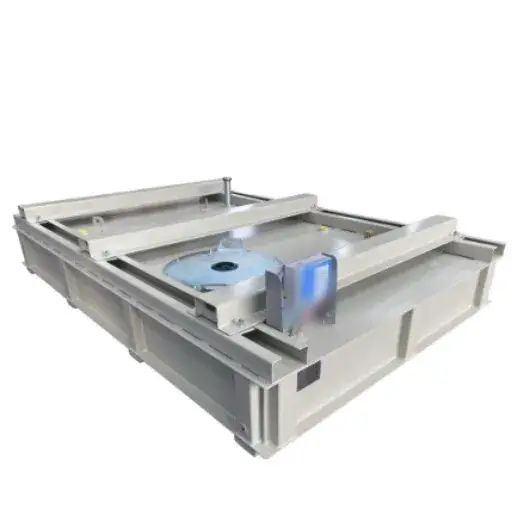
Key Considerations for Choosing Tank Size
When opting for a diesel generator fuel tank size, there is need to analyze various aspects to determine the preferred size and efficiency that would be practiced. Firstly, consideration is given to the fueling rate of the generator which is usually in gallons per hour (GPH) with the generator depending on load conditions. With all the aforementioned information at hand as well as the expected run time, the tank can be sized correctly to diminish possible interruptions when operating.
In addition to that, various standards also apply on the sizes of fuels used in the industry for example, NFPA 110 spec for emergency power source and normal running power contains restrictions and impositions of the minimum and maximum levels of fuel tanks allowed. Such external conditions as changes in temperature and degradation of fuel quality rendering inapplicable under some conditions must be taken into account for they may jeopardize the reliability of the generator in cases of long term use.
Last, but not least, logistics planning such as delivery and refilling scheduling, accessibility should be considered when it comes to delivery of fuel to the tanks so that even during extended operations and unexpected events, the tanks are full at all times. Having thus covered all of the above factors and in combination with today’s fuel management systems, operators are capable of allowing a generator to work without any interruption where stopping for nonconformity or other operational reasons is unacceptable.
Base Tanks vs. External Fuel Storage Tanks
Base tanks are compact and integrated, ideal for short-term use, while external fuel storage tanks offer higher capacity for extended operations.
|
Aspect |
Base Tanks |
External Tanks |
|---|---|---|
|
Capacity |
Low |
High |
|
Placement |
Integrated |
Separate |
|
Usage |
Short-term |
Long-term |
|
Mobility |
Portable |
Stationary |
|
Cost |
Lower |
Higher |
Safety Considerations for Fuel Storage
It is important to implement proper storage measures when carrying out fuel storage for instances, clean pollution, damages due to several fires and related complications. The first ‘safety hazard is’ the kind of material that is chosen for the structure can come across as a tank for oils. Because oils last in tanks for as long as they need to, it is important that the tanks will be non-leaking and free from corrosion and made of solid materials, preferably steal tanks or even high-density polyethylene – HDPE tanks. More so, it is important that there is adherence of the tanks according to EPA or OSHA standards such that they display inbuilt secondary containment structure to minimize spillage from the tank in case an accident occurs. In addition, the placement of the tanks is crucial as they need to be on a strong, non-combustible ground and away from potential ignition points and busy areas.
One other aspect of the risks associated with fuel storage is ventilation. Safety precautions are taken, for instance, by enhancing above-ground and underground tanks with proper ventilation systems to release any combustible gases growing inside. In the absence of enough ventilation, the pressure of the vaporizing liquids increases leading to possible excess pressures threatening the tank or release to the surrounding air. In order to eliminate these causes, vapor recovery systems are provided in numerous modern installations as they help limit the emissions of volatile organic compounds (VOCs). Such relief measures would be recommended for the storage tanks, particularly as an emergency response intended for preventing structural damage when heat or flames intervene and pressure relief becomes pertinent in the tank as well.
A vital aspect of safe storing of any fuel also involves, or even perhaps centers around, regular maintenance and repairs of the systems. Through constant inspections of all tanks, pipelines and attachments, potential defects like rust, fracture, or damaged seals can be detected timely rather than when they have escalated, causing more problems. Safety systems installed within such units like ultrasonic detectors or self-regulating pressure gauges act as safety checklists since they raise alarms if any out of place incidences occur. Personnel should also be trained on filling, loading and unloading procedures of fuels, fires and other safety measures which help in keeping the storage system safe. Stringent safety policies, advanced technologies and control measures, when practiced as a whole, help reduce issues related to clear fuel storage, while maintaining optimum performance and protecting the environment.
Maintenance Tips for Fuel Tanks
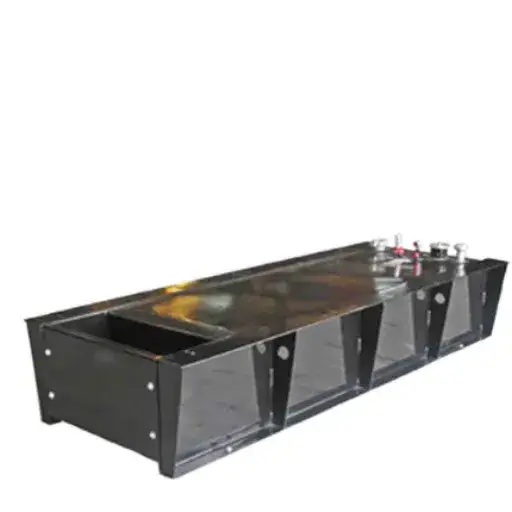
Routine Checks for Diesel Fuel Tanks
To maximize the usefulness, operating and safety performances of the diesel storage tanks, it is crucial that they are frequently serviced. This includes checking for any rust, leakages or any form of damage to the outside structure of the tank during initial inspection. This can lead to the structural failure of the tank resulting in environmental contamination or excessive losses. Furthermore, inspect the tank’s appurtenances and gaskets and joints.
Periodically, the inside of the tanks need to be checked for any water retention that is often a result of condensation. Accumulated water not only enhances the growth of micro organisms especially diesel bug, which is a mix of bacteria and some fungi, but also causes fast wearing out of the tank walls. Running some water spotting paste or a system of sensors can help estimate its quantity. In addition, clean the tank in relation to how often the fuel is consumed and what the weather is like.
Additionally, regular assessment of fuel quality requires attention. When fuel is left for long periods at the bottom of a tank, any presence of contaminants, sediments, or sludge will collect at the base. By taking fuel samples from different parts of the tank and performing tests on them in the laboratory, one can also detect signs of fuel deterioration for proactive corrective actions. Where impurities are removed using filtration systems or fuel conditioners to restore the fuel back or improve the quality of fuel, it is somehow a conventional method.
Finally, check the functionality of fuel tank alarms, monitoring sensors and venting systems. Modern technological systems providing live monitoring with remote alarms can improve maintenance effectiveness but coincidently reduce maintenance periods. Regular and consistent procedures of checking diesel fuel tanks can help in ensuring that such fuel tanks perform their duty safely without valuable loss.
Long-term Cost-effectiveness of Fuel Tank Maintenance
There are many advantages to investing in routine maintenance of the fuel tank because it helps to avoid any heavy repairs and interruptions to the operations. Regular checking and maintenance lowers corrosion or structural damage or petrol contamination, areas known to result in equipment failure, and increased idling time spent in costly downtimes. Even research has shown that, if not properly taken care of, corrosion repair can easily cost more than 25 percent of the total generator fuel tank size repair for neglected tanks over time. Utilizing preventative innovation such as high-tech filter systems and auto-monitoring apparatus can surely enable the fuel tanks in service longer and postpones the cost of replacing those types of tanks.
Effective measures given to maintenance also ensure the quality of fuel, which in such a way increase the improvement of the engine and particularly fuel consumption. Water, solids, and bacteria/microbes in fuel can cause it to increase by about 5 up to 7%, which is also confirmed in empirical studies on operations. One of the solutions include clean and maintained tanks; which helps out waste on fuel, costs related to energy is consumed and all running costs are decreased. Consequently, the risk of investing too much in generator fuel tank size allowed by the law is greatly reduced, as such practices are out of any risks.
Taking a procedural, analytical method to fuel tank upkeep, reinforced by state-of-the-art technologies like sensors equipped with IoT and forecast analytics leads to more efficient resource usage and cost management. Although investments into the latest consumables and/or expert attention may appear to be expensive at first, the cost of averting disaster and added efficiencies provide palpable benefits in the long run.
References
-
A Market and Engineering Study of a 3-Kilowatt Class Gas Turbine Generator
This study includes size and weight estimates for generator sets, covering components like fuel tanks. -
Concept Design of a Long Range AUV Propulsion System with an Onboard Electrical Generator
This research discusses generator specifications, including casing and fuel tank considerations. -
Use of Performance-Monitoring to Improve Reliability of Emergency Diesel Generators
This paper examines maintenance practices, including inspections of fuel tanks and generator systems. - Click here to read more.
Frequently Asked Questions (FAQ)
Q: Is there a way to calculate what fuel tank size for the generator is considered appropriate for use when wors?
A: In order to avoid overheating the generator, the calculation should proceed as follows: Over 24 hours full consumption of fuel consumed per 1 hour (which is a common eyeable measure in this case) shall be estimated. For example, if you need most or better all 24 hours of operation, take it from the calculation and apply those hours as a fully loaded fuel tank or the operational time expected. This energy is only for the consumption rate at which the generator is utilized most of the time for its usual operation. Don’t forego the fact that there needs to be a certain amount of extra fuel for you not to experience power shortages in the course of powering so that this safety factor can also be achieved even with bigger or the smallest tank possible hence the decision will be purely based on convenience of size only.
Q: What are the different types of tanks used in generator fuel tank size, that is, single-walled tanks versus double-skinned tanks?
A: The types of fuel tanks that may be opted for include simple tanks, tanks with walls, and under-the-surface tanks. Single wall tanks are easy to use and less expensive but it may not suffice all the safety and compliance codes. Double-wall tanks or tanks with a dual structure furnish secondary sustainability of fuel retention, which is often required to satisfy more adequate norms. UL-certificated tanks and tanks with construction of adequate length to receive fuel from all suppliers increase the level of safety and performance of protectors.
Q: In what way does one evaluate the fuel needed to run a generator for a day round?
A: In the process of evaluating the generator fuel tank size, look for the value for the generator fuel consumption either at 100% or anticipated usage and multiply the gallons per hour by twenty-four. In the load expected from the generator, if it consumes 2 gallons per hour, then fuel in gallons required round the clock fuel consumption will be 2 girls x 24 hours = 48 gallons for the load consumed. This has to be stretched to include loading capacity, idle storage of fuel, the tank, and higher capacity for the purposes of facilitating tank selection and even larger ones.
Q: What are the procedures adopted to ensure fuel is stored in the tank and is still usable?
A: To store fael in the tank and provide quality assurance soothing hereness of shortage of fuel, perform fsuch activities as fuel polishing, fuel testing removing the fuel, exposing the tank and fuel limes to an inspection. Analyze if there is any moisture formed and microbial activity also existing, check the fuel level and replace the fuel filters i. e changing the fuel filters. This helps to prevent the generator fuel decay, so you can still advise how much is usable and enhances the longevity of the equipment in use and safety measures of the generator.
Q: Are there Fuel shortage threats in in these regions?
A: Possible Impacts include supply decreases and increases in those regions, and business activities that require heating, lighting, machinery or vehicles. In these cases, particularly those facing risks of fuel shortages, the governments of such regions will likely access emergency stocks from their reserves storage facilities. They will invariably have their reserves facilities located at storage depots and deployment points prone inclinations of strategic storage location and the positioning of pipelines and equipment that may modify the commercial functions within such regions.
Q: Will knowing the fuel consumption of the generator enable me to decide well on the generated fuel tank size of the tank?
A: It becomes beneficial to know how to measure the fuel consumption of the generator on full load operation and typical operational loads because it is easy to compute fuel requirements based on desired run periods. In particular, that is, the amount of fuel derived from the consumption rate times the number of hours applicable will indicate the need or not for a tank and even a bigger tank, the sub base tanks. It is reliable information about consumption that guarantees continuous power, accurate estimates of the fuel consumption for budgeting purposes, and also the appropriate tank type and size.
Q: What are some of the most crucial tank selection and fuel provision concerns or considerations as far as safety and compliance are concerned?
A: Maintaining safety measures and staying within the law involves the use of UL-listed tanks, if applicable, installing double-wall containment tanks in areas where this is required by the local codes, heeding spill prevention guidelines, and proper tank venting and overfill prevention. It is equally important to think of building a safe generator, ensure the secured procedures for receiving fuel and integrate sensors for monitoring purposes. Such measures preserve the environment, minimize dangers, and sustain the power during emergency situations.
Q: Is there a way to determine the run-time if the quantity of fuel and optimum generator use are known?
A: Definitely. Whereas to asses the run-time, divide the quantity of fuel in the tank by the generator usage at the relevant load and hour. For example, instead of using the maximum fuel consumption, use the fuel consumption at the load that will be expected. This basic calculation will tell you roughly how long the equipment will run, and whether there is a need for various generator fuel tank size capacities, a 24 hours tank, or sufficient fuel storage to take care of blackouts for as long as possible.