
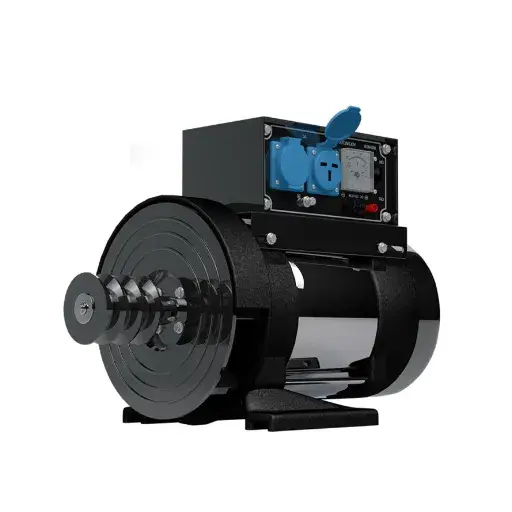
Portable diesel generators today function as powerhouses delivered wherever the need is still great....
Monitoring the stability of the electrical grid is a critical priority for residents and businesses across the Sunshine State. This Florida power outage map provides a real-time, comprehensive overview of service interruptions across the state’s complex energy landscape, offering live county updates for major investor-owned utilities like Florida Power & Light (FPL), Duke Energy, and Tampa Electric (TECO), as well as numerous municipal and cooperative providers.
Florida’s geographical position creates a unique set of challenges for energy reliability. As of 2026, the primary drivers of widespread service interruptions remain tropical cyclones and severe convective storms. The state’s peninsula is a lightning capital, and even routine afternoon thunderstorms can trigger localized grid failures due to high-voltage surges and transformer strikes. Furthermore, the combination of high humidity and salt-air corrosion—particularly in coastal regions like Miami-Dade, Pinellas, and Duval counties—accelerates the degradation of overhead distribution lines and insulators. Beyond weather, the state’s rapid population growth has placed unprecedented demand pressure on the grid during extreme heatwaves, where peak cooling loads can stress aging substation infrastructure to the point of failure.
For those living in storm-prone corridors, relying solely on utility restoration timelines is often an insufficient strategy for home and business continuity. Integrating a robust backup power solution—ranging from whole-home standby generators to advanced solar-plus-storage systems—is essential to mitigate the risks of extended blackouts. This page provides the immediate data and technical context you need to track current outages by county, helping you make informed decisions about your property’s safety and energy resilience.
Florida remains the lightning capital of the United States, but power outages in Florida are increasingly driven by a multi-hazard phenomenon.
Florida is in the midst of a massive capital shift from overhead to underground distribution.
In the Sunshine State, backup power systems must be engineered to withstand high-velocity hurricane winds, extreme humidity, and the corrosive effects of salt-laden coastal air. Selecting the right system for Florida requires a focus on thermal management and structural anchoring to ensure your property remains operational during the multi-day grid failures that follow tropical cyclones and severe lightning events.
For Florida homeowners, a permanently installed standby generator is the gold standard for maintaining air conditioning and refrigeration during the humid aftermath of a hurricane. These units, typically powered by natural gas or large-scale liquid propane (LP) tanks, activate automatically when the grid fails. In 2026, we specify models with High-Ambient Cooling Kits to prevent engine overheating during the record-breaking 100°F+ heatwaves that often follow storm landfalls. These systems are essential for preventing mold growth in coastal properties by keeping dehumidifiers and HVAC systems running, effectively "bridging the gap" during the extended restoration timelines common in rural and barrier island communities.
Portable generators offer a flexible "entry-level" solution for managing localized outages triggered by Florida’s routine afternoon thunderstorms and lightning strikes. For this market, we recommend Dual-Fuel Inverter models that can run on both gasoline and propane. Propane is particularly advantageous in Florida because it does not degrade during long, humid storage periods between storm seasons. While these units require manual setup and proper ventilation to avoid carbon monoxide risks, a high-wattage inverter provides the "clean power" necessary to protect sensitive electronics and home office equipment from the voltage fluctuations frequently seen on the Florida distribution grid during high-wind events.
For Florida’s critical infrastructure—including healthcare facilities, high-rise condominiums, and the expanding data center clusters along the I-4 corridor—diesel generators provide the industrial-grade "high-torque" reliability required for massive electrical loads. Diesel is the preferred fuel for commercial resilience due to its energy density and the ability to maintain large-scale on-site fuel reserves. These units are designed to handle the significant "inrush" current needed to start large commercial chillers and elevator banks. Modern Tier 4 Final diesel engines ensure compliance with Florida’s environmental standards while providing the stable, continuous power required to maintain business continuity during "load shedding" events or catastrophic grid collapses.
Our team of energy specialists is ready to provide a comprehensive site analysis, ensuring your backup system is perfectly sized for your specific cooling loads and local coastal building codes.
Maintain Inventiveness by Following The Blog for the Latest Best Practices, Techniques, Innovations, and Insights in the Field.
Portable diesel generators today function as powerhouses delivered wherever the need is still great....
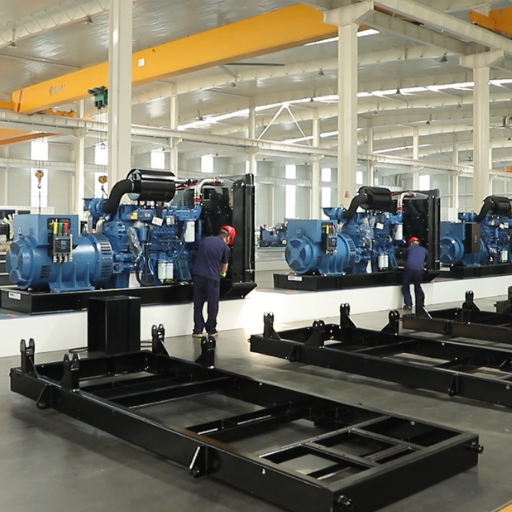
Coping with power outages is important for anyone; some people, however, have greater needs...

A blackout in a power grid means complete power failure, but what is the...
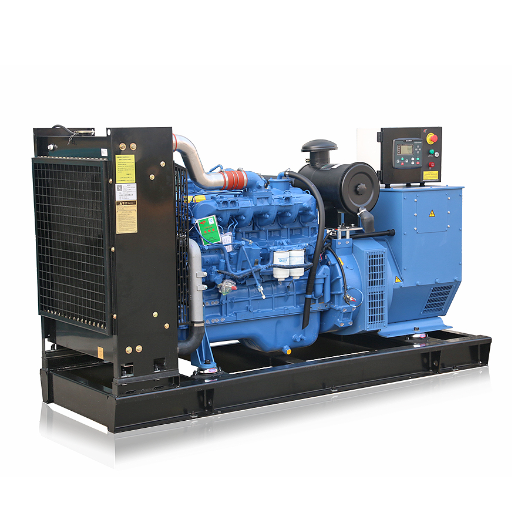
A diesel generator needs its correct size determination through two steps which require adding...
The primary driver of power outages in Florida remains the state’s extreme convective weather and tropical cyclone activity. As the “Lightning Capital” of the U.S., Florida’s electric grid faces thousands of cloud-to-ground strikes annually, which can blow transformers and trip substation breakers instantly. During hurricane season, high-velocity winds and wind-borne debris are the leading causes of physical line failure. Furthermore, the state’s high humidity and salt-spray along the 1,350 miles of coastline lead to “salt tracking,” where salt buildup on insulators causes electrical arcing. In 2026, we are also seeing increased pressure from “cooling peaks,” where record-breaking heatwaves push air conditioning demand beyond the surge capacity of aging neighborhood distribution assets.
Restoration timelines in Florida vary significantly based on the severity of the event and your geographic location. For routine outages caused by afternoon thunderstorms, utilities like FPL and Duke Energy typically restore power within 2 to 4 hours. However, following a major hurricane landfall, restoration can take anywhere from 3 days to over 2 weeks. The “restoration hierarchy” prioritizes critical infrastructure—hospitals, police stations, and water treatment plants—before moving to main transit corridors and finally individual residential pockets. In coastal areas or barrier islands, flooding and downed vegetation can physically block repair crews, extending the wait time until the area is deemed safe for high-voltage work.
Preparation in Florida must prioritize heat management and moisture control. If the power fails during a summer heatwave, your home can reach dangerous temperatures within hours. Ensure you have battery-powered fans and a 72-hour supply of water (one gallon per person per day). Keep a “hurricane kit” that includes a manual can opener, non-perishable food, and a battery-operated NOAA weather radio for live county updates. Crucially, if you rely on an electric well pump for water, you will lose service immediately when the grid goes down; keeping several rain barrels or stored water for sanitation is vital. To protect your electronics from the massive power surges that often precede a blackout, install a whole-house surge protector at your main electrical panel.
For most Florida homeowners, a standby generator is a high-yield investment in both property preservation and personal safety. Unlike other regions, Florida’s intense humidity means that a lack of air conditioning for just 48 hours can lead to rapid mold proliferation inside a home, causing thousands of dollars in remediation costs. A permanently installed backup power system—typically 20kW to 26kW—automatically maintains your HVAC, refrigeration, and security systems. In the 2026 real estate market, homes with “hardened” energy systems often command a premium, as buyers increasingly prioritize resilience against the state’s volatile weather patterns. For those with medical needs or “work-from-home” requirements, the continuity provided by a standby unit is often considered a necessity rather than a luxury.
Installing a generator in Florida is a complex process that must meet strict municipal building codes and the National Electrical Code (NEC). You are required to pull both electrical and plumbing (for gas lines) permits. Because of Florida’s unique geography, the unit must be installed on a reinforced concrete pad that is often required to be elevated above the local “Base Flood Elevation” to prevent damage from storm surges. Furthermore, the installation must include an automatic transfer switch to prevent “backfeeding” into the electric grid, which is a lethal hazard for utility linemen. In coastal counties, your generator enclosure must be rated for high-velocity hurricane zones (HVHZ), ensuring the unit remains anchored and functional in winds exceeding 175 mph.