
Service a diesel generator every 6–12 months or every 250–500 operating hours, whichever comes first. That single rule drives every reliable diesel generator maintenance schedule, but the right interval depends on how the unit is actually used.
A standby hospital generator that runs 40 hours a year ages on the calendar, not the hour meter. A prime-power unit at a remote mine can hit 250 hours in eleven days and needs service on the meter, not the date. Treat both machines the same and one of them will fail you.
This guide gives you a diesel generator maintenance schedule you can print and follow. You will see intervals by duty cycle, a daily-to-annual task cadence, oil change timing, brand-specific milestones for Cummins, Perkins, Weichai, and Yuchai engines, and the harsh-environment adjustments that most generic schedules leave out.
Shandong Huali builds and supports diesel generator sets from 8 kVA to 4,000 kVA across 20+ countries. The intervals below come from OEM manuals and from what we see fail in the field. If you want a ready-made plan for your site, request a free maintenance assessment and our engineers will build one around your runtime and environment.
Key Takeaways
- Service every 6–12 months or 250–500 operating hours, whichever comes first. Standby units usually trigger on calendar time; prime and continuous units trigger on hours.
- Oil is the schedule anchor: change it roughly every 250 hours for prime and continuous duty, and at least once a year for standby units.
- NFPA 110 requires a 30-minute loaded exercise every month at 30% load or more, plus annual load bank testing for Level 1 systems.
- Dust, heat, humidity, and poor fuel can cut a 500-hour interval in half. Derate the schedule for harsh sites.
- Oil analysis can safely extend a 250-hour interval to 400–500 hours when readings stay clean.
How Often Should You Service a Diesel Generator?
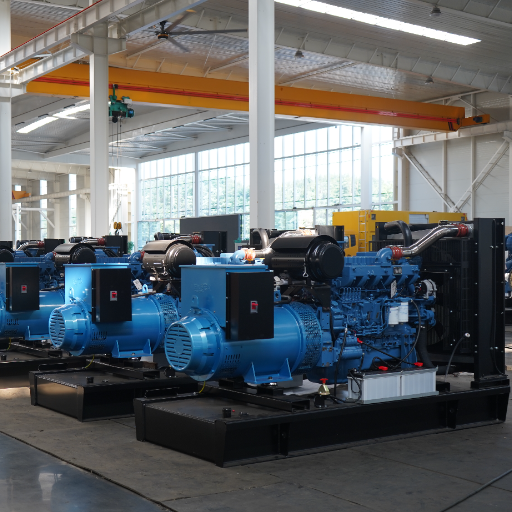
Service a diesel generator every 6–12 months or every 250–500 operating hours, whichever comes first. Use hours for prime and continuous power. Use calendar time for standby units that run few hours. Always follow the engine maker’s operation and maintenance manual when it specifies a shorter interval.
The logic is simple. Engine oil degrades two ways: by use (combustion byproducts, shear, heat) and by time (oxidation, moisture, fuel dilution). A generator that runs every day wears oil out by the hour. A generator that sits for months still contaminates oil through condensation and blow-by, so it needs service on the calendar even with a low hour count.
This is why a good diesel generator maintenance schedule tracks both numbers from day one. Record the hour meter and the date at every visit, and act on whichever limit arrives first.
Diesel Generator Maintenance Schedule by Duty Cycle
Duty cycle is the biggest driver of interval length. ISO 8528-1 defines four ratings, and each one carries a different service rhythm.
| Duty Rating | Typical Use | Annual Runtime | Oil Change | Major Service |
|---|---|---|---|---|
| Standby (ESP) | Emergency backup, hospitals, data centers | Under 250 h | Annually or 250 h | Annually |
| Limited-Time (LTP) | Intermittent prime power | Varies | Every 250 h | Every 500 h |
| Prime (PRP) | Main power, remote sites | 250–4,000 h | Every 250 h | Every 500–1,000 h |
| Continuous (COP) | Base load, 24/7 operation | 4,000+ h | Every 200–250 h | Every 500 h |
Standby units feel idle, but they are not idle inside. A standby generator maintenance schedule runs on the calendar, not the hour meter, because seals dry out, batteries self-discharge, and fuel absorbs water. A hospital standby set that runs only its weekly test still needs a full annual service. Read our standby power system guide for the design side of these installations.
Prime and continuous units live on the hour meter. A 500 kVA prime generator running 12 hours a day reaches 250 hours in about three weeks. Miss that window and you are running on degraded oil under full load, which is exactly how bearings fail.
Daily, Weekly, Monthly, and Annual Tasks
A clear cadence keeps small problems from becoming shutdowns. Use this structure and adapt it to your manual.
Daily or After Each Use
- Check engine oil, coolant, and fuel levels.
- Inspect for leaks under and around the unit.
- Confirm battery charge and control panel status.
- Verify ventilation openings are clear.
Weekly
- Run a no-load exercise for 10–15 minutes.
- Check the air filter restriction indicator.
- Drain water and sediment from the fuel tank separator.
- Inspect belts for tension and cracks.
Monthly
- Exercise under load for at least 30 minutes at 30% load or more (NFPA 110).
- Check coolant condition and concentration.
- Inspect battery charger output and terminals.
- Review control panel alarms and event logs.
Every 6 Months
- Inspect the enclosure, louvers, and pest intrusion.
- Check the block heater and coolant heater.
- Test fuel for water and microbial growth.
- Tighten electrical connections.
Annually
- Change engine oil and all filters.
- Clean radiator fins and the control panel.
- Test coolant with a refractometer.
- Perform load bank testing.
- Replace batteries every 30–36 months on standby units.
For the system-by-system task list that pairs with this cadence, see our complete diesel generator maintenance guide and the companion checklist article.
Diesel Generator Oil Change Interval
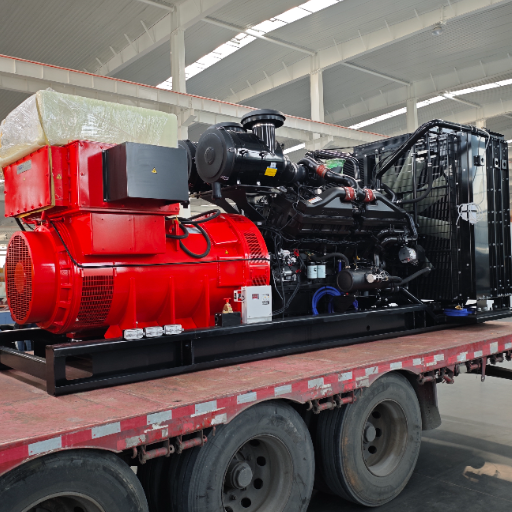
Oil changes anchor the whole diesel generator maintenance schedule. Get this one wrong and the rest of the plan does not matter.
Plan on 250 hours for prime and continuous duty. Stretch toward 500 hours only when the engine, load, oil grade, and environment all support it. Drop to 200 hours in heavy dust, high ambient heat, or continuous full load. For standby units, change oil at least once a year regardless of hours.
Use a heavy-duty oil that meets API CK-4 (or CJ-4 at minimum). The common viscosity is SAE 15W-40, adjusted for climate. Always replace the oil filter with the oil; a fresh filter on dirty oil defeats the job.
The team at a textile mill in Vietnam learned this the hard way. Their 400 kVA prime unit ran 16 hours a day, and the operator stretched oil changes to 500 hours to save money.
At month seven, bearing wear showed up in the oil sample. The repair bill topped 9,000.Switchingbackto250−hourchangescostabout9,000.Switchingbackto250−hourchangescostabout600 more per year and removed the risk entirely.
Service Intervals by Engine Brand
Diesel generator service intervals vary by engine family, emissions tier, and load. Use this comparison as a starting point, then confirm against the specific manual.
| Brand | Break-In Oil Change | Standard Oil Change | Fuel Filter | Major Service Notes |
|---|---|---|---|---|
| Cummins | 50–100 h | 250 h (400 h with oil analysis) | 400–500 h | Valve clearance ~1,200 h; injector/turbo check ~2,400 h |
| Perkins | 50–100 h | 250–500 h (250 h on regulated engines) | 500 h | Minor service every 500 h; major at 1,000 / 2,000 / 3,000 / 4,000 h |
| Weichai | 50 h | 500 h normal, 200–250 h heavy load | Per schedule | Cost-effective industrial duty; shorter intervals in dust |
| Yuchai | 50 h | 500 h normal, 200–250 h heavy load | Per schedule | Common in emerging markets; watch fuel quality |
Cummins and Perkins publish model-specific schedules through QuickServe and distributor portals. Official guidance from Cummins and Perkins is the authoritative reference. Weichai and Yuchai manuals follow the same 500-hour baseline but derate quickly under heat and dust.
We build sets with all four engine families, so the brand table reflects what we specify at the factory. If you are sizing a new unit and want the lowest lifecycle service burden, our guide on how to choose diesel generator size pairs well with this schedule. You can also compare specific builds on our Cummins diesel generator, Perkins generator set, and Weichai generator pages.
Break-In Service for New or Rebuilt Units
New and freshly rebuilt engines need an early first service. Change the oil and filter at 20–100 operating hours to clear break-in debris and assembly contaminants.
At the same visit, retorque critical fasteners, recheck belt tension, inspect every hose and clamp for leaks, and confirm the control system logs clean data. Skipping break-in service lets metal particles circulate through fresh bearings, which shortens engine life from the start.
After break-in, move the unit onto the standard interval for its duty cycle.
Major Service Milestones
Beyond oil and filters, larger tasks land on longer hour counts. Track these so nothing catches you off guard.
- 500 hours: Fuel filter replacement, valve clearance check on some Perkins and Cummins models, full cooling-system inspection.
- 1,000 hours: Injector and turbocharger inspection, coolant condition test, air-intake system check.
- 2,000–2,400 hours: Valve clearance recheck, injector service, coolant replacement, aftertreatment inspection where fitted.
- 15,000–30,000 hours: Major engine overhaul window, depending on brand, load, and maintenance history.
These numbers assume clean fuel and normal conditions. Poor fuel, high dust, and heavy load pull every milestone earlier.
Adjusting the Schedule for Harsh Environments
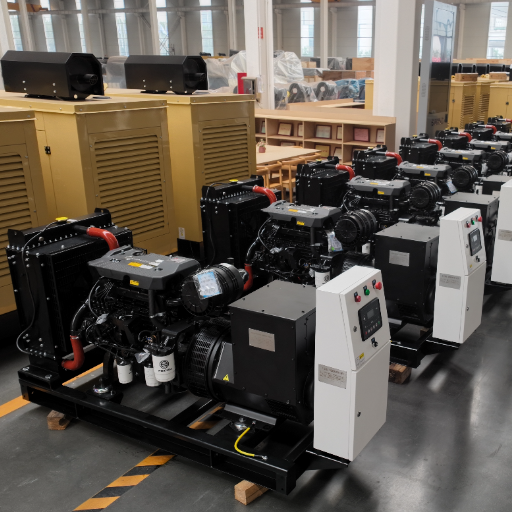
A schedule written for a clean plant room does not survive a desert mine or a coastal site. Derate intervals for the conditions your generator actually faces.
High Dust (Desert, Mining, Construction)
- Inspect air filters weekly instead of monthly.
- Double the air-filter replacement frequency.
- Cut oil change intervals from 500 hours to 250 hours.
- Clean radiator fins more often to prevent overheating.
A quarry operator in Western Australia ran a 500 kVA prime unit on a standard 500-hour oil schedule. Dust loading was far higher than the manual assumed, and the air filter clogged between services. Oil analysis showed silicon (dirt) rising fast. Moving to 250-hour oil changes and weekly air-filter checks stopped the wear trend within one cycle.
High Humidity and Coastal Sites
- Inspect control panels and terminals for corrosion every quarter.
- Treat diesel with biocide and a water dispersant.
- Keep fuel tanks as full as possible to limit condensation.
Extreme Cold
- Verify the block heater and battery warmer before winter.
- Use the correct cold-weather oil viscosity.
- Test battery cranking amps monthly in cold months.
Poor Fuel Quality Regions
- Add filtration and polish fuel before it reaches the engine.
- Test fuel quality every 3–6 months.
- Shorten fuel-filter intervals.
Using Oil Analysis to Extend Service Intervals
Oil analysis is the safe way to stretch a 250-hour interval toward 400 or even 500 hours. A lab report tells you what the oil actually contains, not what the calendar guesses.
Analysis detects metal particles that signal bearing or piston wear, coolant intrusion from a leaking head gasket, fuel dilution from incomplete combustion, and silicon that points to dust ingestion. Trend the results over several samples; one clean report means less than a consistent clean pattern.
Extend the interval only when the trend supports it. If wear metals or coolant creep up, pull the service earlier. Keep every report on file for warranty claims and AHJ inspections.
Build a Service Log and Printable Schedule
A schedule only works if someone follows it and records it. Keep a log at the generator or in a digital maintenance platform, and capture the same fields at every visit.
- Date and hour-meter reading.
- Tasks performed and parts replaced.
- Fluid levels and test results (oil analysis, fuel test, coolant).
- Alarms, faults, and corrective actions.
- Technician name and next service due (date and hours).
Download a printable diesel generator maintenance schedule and service-log template from our team to standardize this across sites. A clean log speeds troubleshooting, supports warranty claims, and proves compliance during inspections.
Huali Maintenance Support and Service Plans
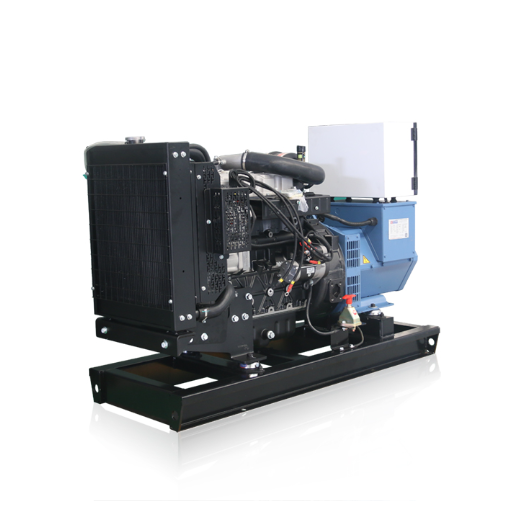
Shandong Huali Electromechanical has more than 25 years of experience manufacturing and supporting diesel generator sets from 8 kVA to 4,000 kVA. Our engines include Cummins, Perkins, Weichai, and Yuchai, paired with Stamford alternators and custom control systems.
We support clients in 20+ countries with scheduled maintenance, spare parts kits, remote monitoring, and engineer-led service plans. Whether you run one standby unit or a fleet of prime-power sets, we can build a diesel generator maintenance schedule around your runtime, fuel quality, and environment.
Get a maintenance assessment or spare parts quote and keep your power ready when it counts.
Frequently Asked Questions
How often should a diesel generator be serviced?
Every 6–12 months or every 250–500 operating hours, whichever comes first. Standby units usually hit the calendar limit first; prime and continuous units hit the hour limit first.
What happens if I skip scheduled maintenance?
The most common results are dead batteries, contaminated fuel, and degraded oil. Together these cause more than 60% of no-start events, which usually surface during an actual outage.
How many hours between oil changes on a diesel generator?
Plan on 250 hours for prime and continuous duty. Extend toward 500 hours only with clean conditions and oil analysis. Change oil at least once a year on standby units regardless of hours.
Do standby generators need annual service?
Yes. Even with low runtime, oil oxidizes, batteries self-discharge, and fuel absorbs water. Annual service plus monthly loaded exercise keeps a standby unit ready.
Does NFPA 110 require monthly generator testing?
Yes. NFPA 110 Chapter 8 requires a preventive maintenance program and a monthly exercise run of at least 30 minutes at 30% of nameplate kW or more. Level 1 systems also need annual load bank testing and a full-duration test every 36 months. See the NFPA 110 detail page for the standard.
How long do diesel generators last with proper maintenance?
A well-maintained industrial diesel generator can reach 15,000–30,000 operating hours before a major overhaul. Standby units with few hours can stay in service for 15–20 years when the calendar schedule is followed.
Conclusion
A reliable diesel generator maintenance schedule comes down to one rule: service every 6–12 months or 250–500 hours, whichever comes first, and adjust for duty cycle and environment. Track both the hour meter and the calendar, anchor the plan on oil changes, and derate for dust, heat, humidity, and poor fuel.
Follow the engine maker’s manual, use oil analysis to extend intervals safely, and keep a clean service log. The cost of a disciplined schedule is small next to the cost of a generator that will not start during an outage.
Shandong Huali designs, builds, and supports diesel generator sets for industrial buyers worldwide. A clear diesel generator maintenance schedule is the best way to protect that investment. Request a maintenance assessment or spare parts quote to put a plan in place today.