
Agriculture is a significant contributor to our world’s survival and power reliability is the crucial support of modern farming activity. The need for trustworthy energy sources to cover the entire operation from the irrigation system to the critical pieces of equipment is an undeniable fact. Here, the agricultural generators come into the picture. They are made specifically to supply the power needed by the farms and the irrigation systems thus guaranteeing that even the remote locations or the outages will not affect the productivity. In this article, humans will be facilitated by the agricultural generators in their daily farming activities, the main selling points will be uncovered, and the power needs will be rightly decided.
Introduction to Agricultural Generators

What is an Agricultural Generator?
An agricultural generator is a type of power generator that is specifically built to provide electricity for farming and irrigation activities. They are very important in places where power cuts are the norm or in farms at remote areas with no dependable electrical grid. They act as the lifeline of energy that makes it possible for the farming activities that are very important to be conducted without any stoppage.
The main field of application of agricultural generators is the powering of irrigation systems. Such systems are necessary to prevent crops from dying of water shortage, especially during the dry seasons. Moreover, agriculture generators are also used to the full extent in operation of other major appliances, like milking machines, cold storage, and food processing machines. The regular power supply they provide will consequently help in continuing the processes and lowering the chances of spoilage or downtime due to the unavailability of power.
Furthermore, agricultural generators are available in a wide range of sizes and power outputs to cater for different scales of farming operations. The smallest generators are suited to the very limited activities, while the large ones can even take up the whole field of interest covering such operations as simultaneous power supply to multiple systems. Along with the economical use of fuel, dependability, and low upkeep, these generators are manufactured to not only endure but also perform reliably in difficult agricultural conditions.
Importance of Generators in Modern Agriculture
Generators are of paramount importance in contemporary agriculture as they provide a constant supply of power to the most critical farming systems and equipment. Electricity is a major factor on the farm and just to cite a few, it is the source of power for irrigation, milking, and refrigeration. Moreover, a dependable generator can keep all these operations running without interruption during power outages; thus, the disturbances that could result in crop damage or the loss of productivity, or really the spoilage of produce, would be minimized.
Moreover, generators offer a very important factor of independence and flexibility to farmers, especially in places that are not near a stable power grid. They also make it possible for farmers to quickly adapt to situations that might not be ordinarily ideal and take advantage of the good times. For instance, when a storm comes or there is a sudden power failure, irrigation systems can be kept running by the generator; thus, no water stress on the crops and optimum harvests ensured.
The ability to use generators in various ways is a factor that illustrates their importance as well. There are generator models from portable units to high-capacity industrial systems, and there is an option for all farms, big or small or even with different scopes. This feature of adaptability gives the farmers a chance to concentrate on production and sustainability that in turn makes generators the most resourceful tool in the changing scenario of modern agriculture.
Types of Agricultural Generators
Generators for agricultural purposes can generally be divided into three major types according to their fuel sources and their applicability: diesel generators, gas generators, and solar-powered generators.
Diesel Generators
Of all the types, diesel generators are the ones that are most frequently used in agricultural environments owing to their dependability and effectiveness. They are the generators that meet the heaviest requirements most effectively, such as those of irrigation systems, grain dryers, or livestock equipment. Large farms can consume power constantly and hence it would be great if they were supplied with diesel generators. Apart from their long life, diesel generators are also known for producing a lot of pollution and being costly in terms of fuel consumption.
Gas Generators
The gas-powered generators, covering both propane and natural gas models, are offering a cleaner option than diesel. Besides they are quieter and emit less, thus less polluting. Gas generators are considered to be as versatile as they could cater to even medium and small-scale operations of agriculture i.e. running greenhouses or small equipment. However, their dependence on a constant gas supply might render them quite impractical for farms located in remote areas with no reliable fuel supply.
Solar-Powered Generators
Solar-powered generators are a more favorable and widely accepted option in the case of sustainable agriculture. They make use of renewable solar energy thereby making it very eco-friendly and economically beneficial in the long term. These generators can power small-scale irrigation systems, electric fences, or weather monitoring devices. However, their performance is advantageously tied to the amount of sunlight available, and in comparison, the installation cost is a bit higher than that of fossil-fuel-powered systems.
Key Takeaway: Farmers can benefit from evaluating the different strengths and weaknesses of the various types of generators and choosing the one that is most congruent with their operational needs and environmental objectives.
Selecting the Right Agricultural Generator
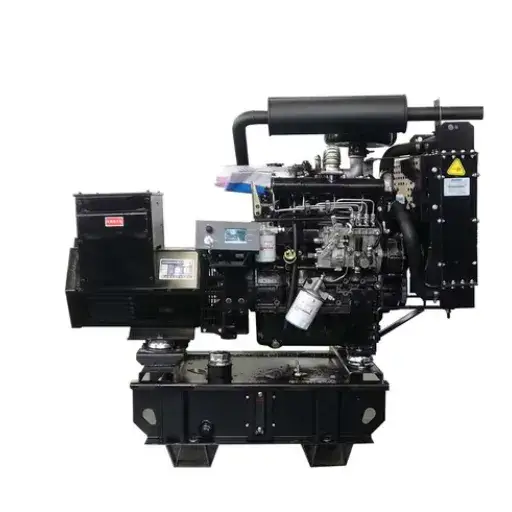
Assessing Power Needs for Your Farm
One of the most important things when choosing a generator is to estimate how much power your farm will need. Irrigation pumps, milking machines, refrigeration units, and lighting are just some of the electrical consumers on the farm, so you should first take an inventory of all of them. Next, for each of the items, determine how many watts or kilowatts you will need to keep it working, including both the continuous running power and the initial surge power as some devices draw a lot of power only when they start. This way the generator that you are going to buy will properly meet your demand during high usage times and will not be overworked at the same time.
Besides, it is wise to think about the future of your farm’s power needs. The energy needs of farms grow when the operations of agriculture increase, and the energy demands may be increased by the adding of high technologies or more equipment. It is, therefore, a good idea to buy a generator that has a capacity a little more than what you currently need, so that it can take care of the future expansion without having you upgrade immediately. Also, you must consider that there are times during the year when power is more required, planting and harvesting for example, so you must be sure that there will be power during these critical times.
Last but not least, you should also think about efficiency and sustainability. In case of solar generators, this is a win-win situation for the farms in sunny areas as they offset their carbon footprint with the renewable energy option. On the other hand, a gas or diesel generator may be more reliable for farms in areas with unstable weather patterns. A comparison of total operating costs, regular maintenance procedures, and the associated environmental impact will direct you to a solution that is not only consistent with your productivity goals but also with your long-term sustainability plans.
Understanding Diesel vs. Gas Generators
Key Features to Look for in a Farm Generator
Choosing the appropriate generator for agricultural use means going through several key features up to taking the final decision for maximum efficiency and reliability even in the face of demanding conditions:
- Power Output: Determine the wattage of your farm tools that will be using power. This will include the irrigation system, milking machine, refrigeration unit, etc. Generator having the required power output is absolutely necessary for smooth operations especially in the case of a power cut.
- Fuel Efficiency: Fuel bills are one of the largest contributors to operational costs. As a solution, select the generator with the highest fuel efficiency rating so that you will have fewer fuel consumption with longer running hours which is in fact very important in the case of continuous use.
- Durability and Build Quality: The agricultural working environment can be very rough makers in which the generators are to be very dust- and moisture-proof withstanding high and low-temperature conditions. Go for generators that are made of strong materials and have features such as protective areas with dust and moisture-proof walls to survive under the extreme conditions.
- Ease of Maintenance: Purchase generators that have easy access to essential parts for periodic servicing and are supplied with spare parts that are easily available. This will ensure that the machine downtime is very minimal and operation is very smooth.
- Portability and Scalability: Depending on the configuration of your farm, portable or towable generators could be needed to supply power for the equipment at different places. Furthermore, a generator that is capable of being increased in size or linked to parallel systems is able to adapt to the growing electricity needs of the farm.
- Noise Levels: Generators with low noise levels are the best choice for farms that are either close to the residential area or the farm has livestock because these types of generators cause minimal disturbances.
- Advanced Features: The modern generator might offer the ability to monitor the machine remotely, automatic regulation of voltage and safety auto-shutoff as some of the features. These technologies will improve the comfort, safety, and performance monitoring.
Bottom Line: By putting in place all these qualities, the farmer can pick a generator that perfectly meets his or her needs in terms of price, efficiency, and long-term dependability. This tactical method guarantees that the impact of power interruptions on productivity is kept to a minimum.
Proper Usage Guidelines for Agricultural Generators
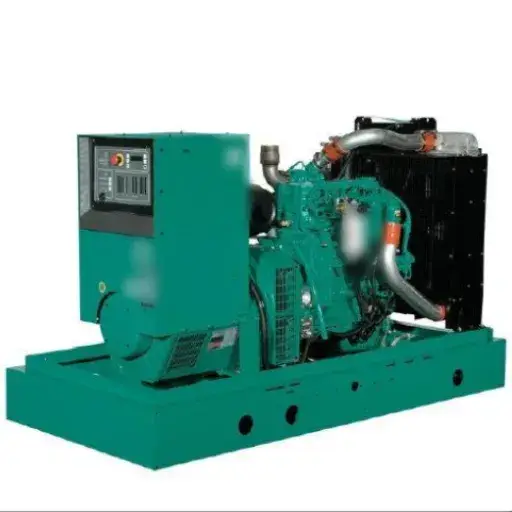
Best Practices for Efficient Operation
So as to attain the most beneficial use and longest life of agricultural generators, it’s going to be a must to maintain the best practices. Start off with the regular maintenance that consists of changing of oil in good time, cleaning air filters, and checking the spark plugs and fuel lines for any wear or damage. The routine inspections help to detect the possible issues at an early stage thereby preventing the breakdowns that would cost a lot to repair. Always run the generator at its rated capacity so as to avoid overloading that can lead to overheating and internal component damage.
The generator should be placed correctly, and in a well-ventilated area that is far from combustible materials in order to prevent the fire hazards and allow the internal cooling to be effective. Clean fuel and appropriate fuel storage are two factors that are very important—use high-quality fuel and store it in a cool, dry place to maintain its purity and performance.
The watching of fuel consumption and generator output is a way to ensure the use of energy economically and also it helps in knowing the expenses of operation. Moreover, the installation of an automatic transfer switch for power transitions during outages will provide seamless power and therefore the need for manual intervention is reduced. Manufacturer’s guidelines must be followed and local safety regulations must be adhered to which not only gives reliable generator performance but also ensures the safety of both equipment and operators.
Safety Precautions During Generator Use
⚠️ Critical Safety Reminders
The use of a generator should be safe first and foremost to avoid accidents and to run it smoothly. Generators should always be operated in places that are sufficiently ventilated with the aim of cutting off the risk of carbon monoxide poisoning due to exhaust fumes.
The generator should be put on a strong and flat ground far away from anything that can easily catch fire to lower the risk of fire. Never let the generator work at a capacity more than its rated one since this may lead to overheating or destruction of the equipment.
Besides generators, regular checks for signs of usage, damage or the need for re-connection of the parts should be done, and any problems should be fixed before the generator is used. Professional quality extension cords that can be used outdoors should be used, making sure that they are not cut or damaged at all. It is worth using surge protectors or voltage regulators to protect the appliances because power fluctuations are likely to happen while in use.
If the generator is running, allow it to cool down completely before refueling to avoid the chance of fire from heat or sparks. Fuel should always be stored in containers that are ratified by the authorities and kept away from the generator while it operates. To keep the safety of the people in the areas where the generator is operating, it is a good idea to put a carbon monoxide detector in those places. if getting power from the generator is essential by all means, doing these precautions can last a generator for a long time and it is friendly to everyone involved.
Understanding Power Outages and Backup Solutions
Power cuts may happen for a number of reasons, for example, bad weather, malfunctioning equipment, or grid overloading. The power cuts usually leave households and shops without the electric power supply which makes daily lives difficult, shuts business and even endangers people’s lives. Having good backup systems is the only way out to reduce these difficulties.
Portable and standby generators, battery storage systems, and solar-powered backup units, are some of the examples of backup solutions that can be used to keep these appliances and equipment working. Take standby generators for instance which automatically start functioning when a power outage is detected thus providing uninterrupted power to the refrigeration, medical machines, or communication networks that are left behind as the critical systems.
With technology, there are even more alternative solutions such as being able to store energy together with renewable sources like solar panels. Besides covering the power outage, these systems also promote the use of eco-friendly energy by lowering the demand for non-renewable ones. By knowing the local energy needs and the available backup options, people and businesses will be able to make the right decision that will not only reduce the impact of power cuts but also support the smooth running of essential operations.
Maintenance Tips for Agricultural Generators
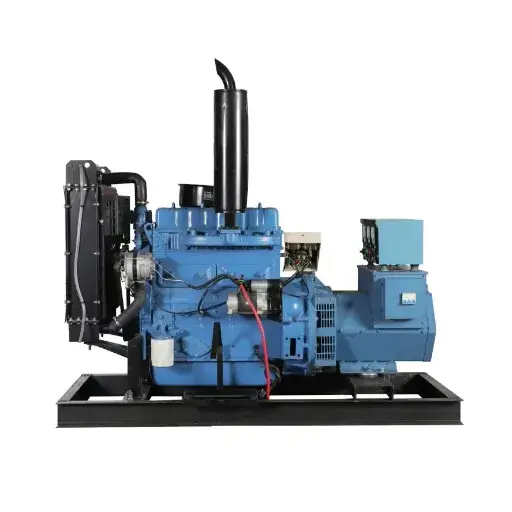
Routine Maintenance Procedures
The proper upkeep of agricultural generators is very important to make sure they are reliable and last long enough, especially at the critical moments when they are needed for uninterrupted power supply. First, conduct a regular visual inspection of the generator. Wear, corrosion, or leaks in critical parts of the system like fuel lines, electrical connections, and hoses should be checked thoroughly and signs of these should be looked at. Keeping the generator clean, i.e. removing all the dust, debris, and grease that has accumulated, will not only prevent potential damage but also avoid overheating during operation. Oil and coolant levels have to be checked constantly and manufacturer’s recommendations for fluid replacement intervals have to be strictly followed.
📋 Essential Maintenance Checklist
- Inspect and replace air, fuel, and oil filters as needed
- Check battery charge level and connections regularly
- Conduct monthly load tests under operating conditions
- Monitor voltage and frequency levels during operation
- Schedule annual inspections by qualified technicians
Inspect the air, fuel, and oil filters and replace them if needed. Clean filters not only assist efficiency but also act as a barrier to the engine for contamination thereby prolonging its life. Check the battery’s charge level and connections because a reliable starting system is very important during emergencies. Generating the under load conditions tested monthly will not only confirm that the system is working as expected but will also ensure it is capable of supporting the required power load during an outage. Monitoring the voltage and frequency levels during operation closely can also guarantee steady output.
Moreover, scheduling yearly inspections by qualified technicians who are experienced in agricultural generators is really essential. These technicians are able to carry out intricate diagnostic tests, for instance, they will be able to check the alternator, control panels, and assess the overall system performance. If replacement of generator parts is necessary, then always use the original manufacturer parts. This will ensure the returned unit will be as reliable and efficient as before. Sticking to these maintenance practices not only means that the generator is always ready for service but also prolongs its operational life, hence the unexpected repair costs and downtime are reduced.
Extending the Lifespan of Your Generator
Proper care and preventive measures are necessary to keep your generator running for a long time. The very least you could do is to keep it well maintained, at least as far as experts are concerned. They may give you a much clearer picture of how the generator is functioning by thoroughly checking the fuel quality, spotting any corrosion that may be occurring on the parts, and also evaluating the efficiency of the electrical connections. This whole process will then lead to excellent generator performance throughout its operating life. Moreover, one of the maintenance steps that are usually taken is conducting load bank tests, which helps prove that the generator is capable of handling its operation load and at the same time, it prevents diesel generators from suffering the common issue of wet-stacking.
Another thing that you should be aware of and it usually gets skipped is keeping the generator in a clean environment. One of the negative effects that excessive dust, debris, or moisture exposure can cause to the generator is a drop in its operational efficiency. Check if air filters need cleaning or replacement and take measures to avoid accumulation of harmful substances through the generator’s housing or enclosure. Providing a protective weather-resistant cover for outdoor generators is necessary as it not only shields the system from the adverse effects of nature but also maintains its durability by preventing the onset of harsh conditions that could otherwise speed up the process of wear and tear.
In addition, proper fuel storage is also a necessary action to be taken in accordance with longevity and the unit will last. Diesel and gasoline can become less effective with time and, in the process, even produce sludge or contaminants that might be responsible for blocking the fuel lines or even causing serious damage to the engine. A couple of the options available for you are; either use fuel stabilizers or rotate the stored fuel at regular intervals to minimise the chance of poor generator performance. Always make it a point that the generator has completely cooled down and is turned off before refueling is done to avoid fire hazards. The proactive practices mentioned above, combined with compliance with the manufacturer’s service recommendations, form a strategy not only for your generator’s longevity but also for its reliability when you need it the most.
Emerging Trends in Agricultural Generator Technology
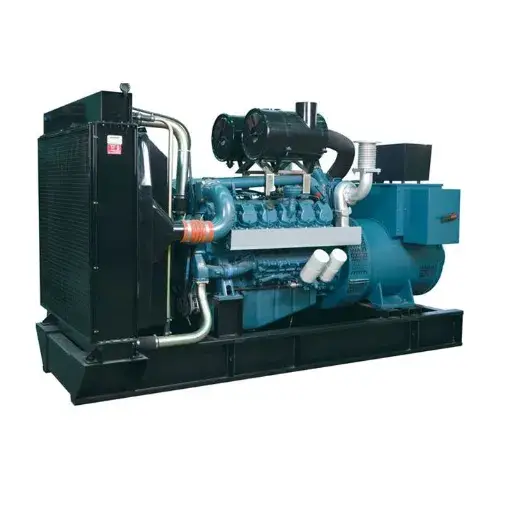
Innovations in Diesel Generator Technology
One of the innovative technologies that are responsible for hiking the diesel generators up is the electronic fuel injection (EFI) systems. The EFI system is a power delivery method that feeds fuel precisely based on the real-time requirements, thus lowering both fuel use and emissions. On top of that, it trains up diesel generators to be more cost-effective, and they thus comply with tighter emission regulations, which makes them less of a polluter than the diesel generators that have to do with the traditional way of working. It minimizes operators’ efforts significantly to track the generators’ performance and fuel optimization with the help of installed monitoring systems.
🔬 Hybrid Diesel Generator Systems
The popularity of hybrid diesel generators that rely on both diesel and renewable energy sources has been increasing. In these types of units, the traditional internal combustion engines used are combined with solar panels or battery storage units which makes the output from these units more reliable and more eco-friendly.
Key Benefits: Reduction of diesel fuel dependency and long-term decrease in operational costs are among the major benefits of the hybrid systems that enable the utilization of such sources. Generators can also be able to store energy in batteries which makes them more efficient and less time-consuming when it comes to responding to fluctuating power demands.
Moreover, the Internet of Things (IoT) integration in diesel generator sets is enhancing their capabilities drastically. Just by using mobile or centralized dashboards, the IoT generators can be monitored remotely, maintained predictively, and diagnosed in real time. The unexpected failures are thus diminished, and system reliability is improved while maintenance costs are reduced. The new developments in the diesel power plants are not only a response to the demand of better and more efficient power solutions, but also a significant step in the direction of industries transforming the energy landscape and setting performance and sustainability standards ever higher.
Renewable Energy Options for Agriculture
The agricultural sector has turned to renewable energy as a major source of power for its environmental concerns, besides being the most efficient and cost-effective way of operating. Among the different sources of renewable energy, solar power is one of the most convenient and easiest options for farmers, who are already using solar panels to supply electricity to their irrigation systems, greenhouses, and farm machines, among others. In addition to solar energy, wind power is also a practical option for some farmers, especially those whose lands are located in windy areas with a steady wind direction as they can thus produce sustainable electricity for their extensive farming operations.
☀️ Solar Energy
Solar panels provide electricity for irrigation systems, greenhouses, and farm equipment. Ideal for farms in sunny regions.
💨 Wind Power
Practical for farms in windy areas with steady wind direction for producing sustainable electricity.
🌱 Biomass Energy
Convert crop residues and animal manure into biogas or biofuels, reducing fossil fuel dependence.
💧 Hydropower
Small water turbines can power farming operations or supply electricity to rural communities where applicable.
Furthermore, the production of biomass energy gives the farmers the idea of making a profit from their crop residues and animal manure by turning them into biogas or biofuels, thereby been able to produce energy. This revitalization of waste is accompanied by a corresponding reduction in the use of fossil fuels. Where hydropower is applicable, small water turbines can be set up with the intention of powering farming operations or supplying electricity to rural communities.
Going for mixed systems that consist of different renewable energy sources guarantees a steady power supply during the whole twelve months, notwithstanding the changes in weather conditions. The connection of such systems to energy management systems that are smart will enable farmers to not only monitor but also optimize their energy usage. As long as government incentives continue, together with innovative technological developments and decreasing overall costs, the change to renewable energy will render agriculture more environmentally friendly, resilient, and profitable.
Future of Backup Power Solutions in Farming
The new backup power solutions for agriculture will certainly be influenced by the coming up of new technologies that focus primarily on efficiency, sustainability, and versatility. With the drilling of the new battery storage technology, the farms are able to store more renewable energy like the solar or wind power, thus having unending operation even during power outages or peak demand periods. The hybrid systems that are made up of different energy sources like solar, biogas, and grid power are getting more and more popular as they offer exceptional reliability while at the same time reducing the dependency on the non-renewable energy supply.
🚀 Future Technologies in Agricultural Power
- AI and IoT Integration: Smart energy management systems that predict requirements and distribute energy automatically
- Hydrogen-Based Systems: Emerging as sustainable and long-lasting backup power providers for isolated areas
- Advanced Battery Storage: Enhanced capacity for storing renewable energy from solar and wind sources
- Fuel Cell Technology: Providing clean, efficient power solutions for remote farming locations
In addition, the application of AI and IoT in energy management systems is changing the game by giving farmers a whole new level of monitoring and energy optimization. These innovations are capable of anticipating energy requirements, distributing energy automatically, and eliminating waste which ultimately leads to having backup power solutions that are not only smarter but also very economical. The new hydrogen-based systems or fuel cells are also coming up as the potential sustainable and long-lasting backup power providers especially in the isolated farming areas.
The government incentives along with the dropping prices of clean energy technologies are likely to create an impact on the adoption rate which is an accelerator of the process. The farmers using the latest technology will be able to resist the power cuts, keep their production and also comply with the global sustainability targets. The fusion of the technological innovation and the governmental support is opening the door for a scenario where farms will have more independence and security in terms of energy supply.
References
-
North Dakota State University – Standby Electric Generators: Discusses the use of standby generators in agriculture, including types and operational details.
-
Colorado State University Extension – Agricultural Hydropower Generation: Explores hydropower generation for agricultural purposes, including financing and system setup.