
A blackout in a power grid means complete power failure, but what is the procedure for bringing it back to life? Generators for black start—the essential and somehow unacknowledged power in the process of power system recovery. The installation of these specially designed generators is the very first step after the blackout to restore the power supply, thus making it possible for the power plants and transmission line systems to operate normally. This article discusses black start generators, their particular powers, and the ways in which they help to secure the supply during crises.
Understanding Black Start Technology
What is Black Start?
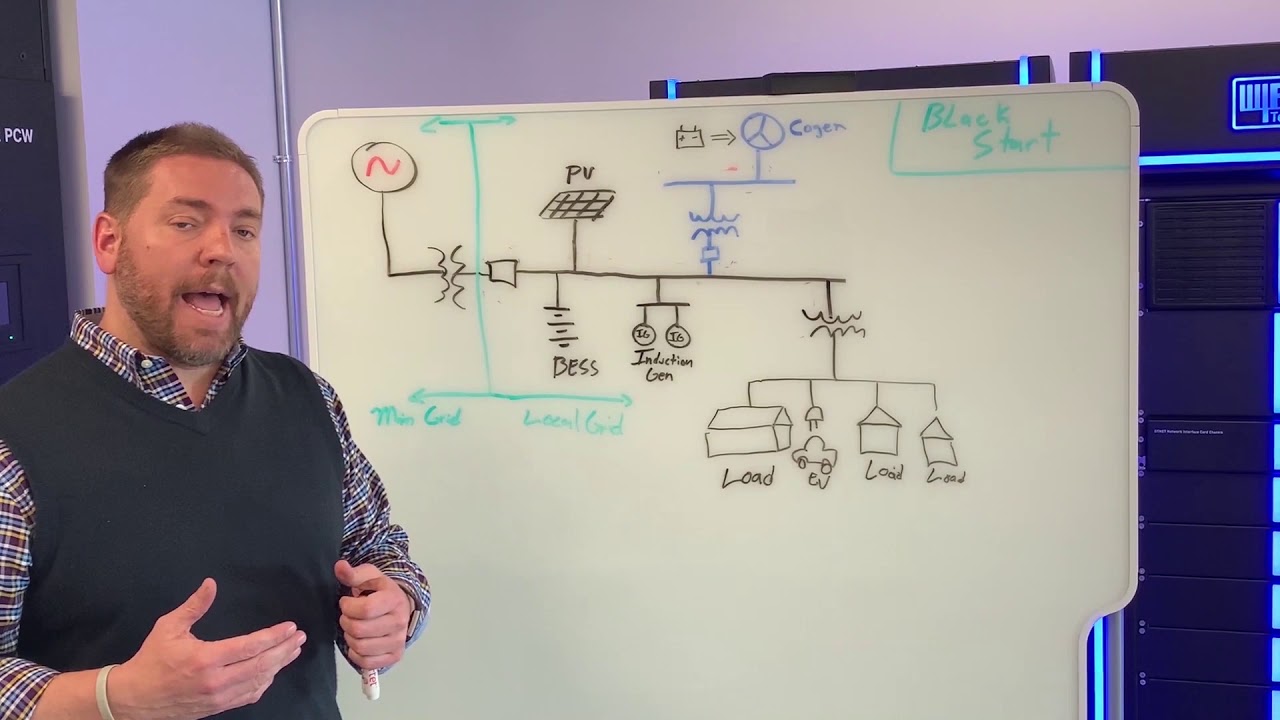
A black start is the procedure for reenergizing an electric grid that has been completely or partially shut down without the use of an outside power source. It is a very important event in those cases where the system cannot be revived on its own because there is no power to ignite the generation. Black start plants act as the power sources that power up the large plants, at last, restoring electricity to the affected areas and the whole grid.
In this case, black start generators or units are utilized. These are usually small, self-sufficient generators that are able to start on their own without external power support. When activated, they give off the amount of electricity that is needed to initiate the larger turbines or generators inside the plants. This gradual and controlled process allows the power to be distributed across the grid while it is gradually recovered.
Critical Insight: Black start functions are made part of grid reliability planning, as they guarantee prompt resolution of grid outages caused by storms, equipment failures, or other disasters. The absence of black start technology would mean that power outages could take a long time to fix, with economic losses and social impacts of significant magnitudes.
Importance of Black Start in Power Systems
Black start systems are absolutely vital for the rapid restoration of power after the complete or partial blackout of a power grid. They provide a means for certain power plants to restart without having to draw power from the external electrical grid, thus being very important during big blackouts. The grid is jump-started by black start systems, and they also give the base for the sequential reactivation of additional facilities and thus the reconnection of customers to the power network.
Key Benefits of Black Start Capabilities:
- Reduced Outage Duration: Minimizes the time and impact of power outages significantly
- Critical Service Protection: Ensures hospitals, transportation networks, and communication systems remain operational
- Economic Loss Prevention: Rapid restoration decreases financial impacts on communities and industries
- Enhanced Grid Resilience: Provides preparedness against natural disasters, cybersecurity threats, and aging infrastructure
How Black Start Operations Work
Black start operations commence with power plants or generating units built in a way that they could become operational without the need for the external power grid. These specially built up power plants, which frequently make use of diesel generators or hydropower systems, become the first energy source. After getting power they transfer it to nearby substations or smaller parts of the grid and then it is right this way to larger grid areas.
Black Start Operation Process:
- Initial Activation: Self-sufficient generators start without external grid power
- Power Transfer: Energy is delivered to nearby substations and smaller grid sections
- Progressive Reactivation: Power plants and substations are carefully brought online step by step
- Load Management: Gradual power restoration prevents equipment overload
- Coordination: Grid operators, facility managers, and authorities work together to ensure smooth restoration
The success of black start operations is dependent on thorough planning and testing. Black start units are guaranteed to be in full working order and reliable when needed through regular simulations and maintenance. This state of readiness minimizes outage time and quickens recovery after outages due to natural disasters, cyberattacks, or equipment failure.
Types of Black Start Generators
Diesel Generators in Black Start Operations
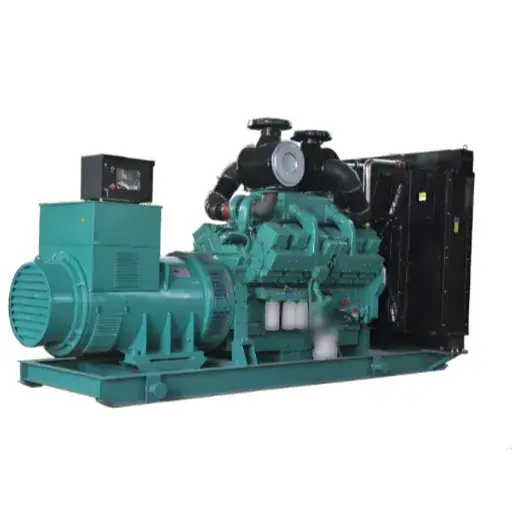
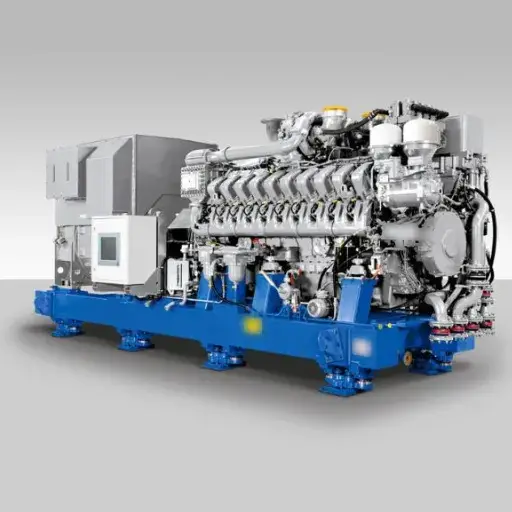
Diesel generators are at the forefront of black start operations owing to their trustworthiness, effectiveness, and quickness in supplying power. Generally, these generators are the first source of energy for starting up larger power plants after a grid failure or blackout. The power grid has no impact on diesel generators, thus making them the most suitable for reviving key equipment during the power restoration by the utility.
Advantages of Diesel Generators:
- Rapid Start-Up: Deliver power practically instantly without long preparation time
- Grid Independence: Operate without reliance on external power sources
- Demand Flexibility: Handle demand changes and provide steady output during gradual system recovery
- Proven Reliability: Simple design with track record of working under various conditions
- Modern Efficiency: Advanced models feature reduced emissions, optimized fuel consumption, and extended lifespan
- Remote Monitoring: Automated diagnostics enable efficient performance tracking
Hydropower as a Black Start Source
Among all the options for black start operations, hydropower is one of the most effective and trustable solutions mainly for its capability to deliver instant power without complex start-up processes. Hydropower stations depend on the gravitational pull of water, either falling or running, to create power, keeping a consistent supply of energy that can quickly restore operations during outages on the grid.
Key Statistics on Hydropower Black Start:
- Startup times of just a few minutes for modern plants
- Zero direct greenhouse gas emissions during operation
- Rapid output adjustment capability for changing load demands
- Advanced automated controls simplify startup and energy distribution
On top of that, environmental factors also favor hydropower in terms of its being a sustainable source for black start strategies. Hydropower does not produce any direct greenhouse gases when running, thus, it does not pollute the environment like fossil fuels, and still complies with the worldwide energy transition goals for less polluting energy sources.
Energy Storage Systems and BESS Black Start
Energy Storage Systems (ESS), especially the Battery Energy Storage Systems (BESS) type, are becoming more and more important in today’s black start strategies, thanks to their ability to quickly respond, their flexibility and their connection to renewable energy sources. BESS technology has made it possible to use stored electricity at once, which is very helpful and convenient for the grid during blackouts.
BESS Applications and Benefits:
- Versatile Deployment: Suitable for remote areas, microgrids, and dense urban settings
- High Energy Density: Lithium-ion systems provide efficient, reliable power delivery
- Real-Time Synchronization: Advanced technology enables seamless grid integration
- Renewable Integration: Works with solar and wind for sustainable operations
- Cost Reduction: Decreases fuel use and maintenance compared to traditional methods
- Environmental Benefits: Cleaner solution aligned with decarbonization strategies
Black Start Capabilities of Power Plants
Key Features of Power Plants Providing Black Start
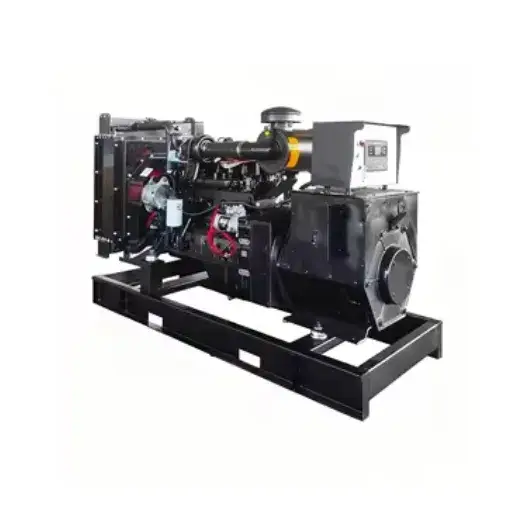
Power plants that are built with a black start option have several essential characteristics which grant them the ability to efficiently restore the power during grid failures.
Independent Power Sources
On-site diesel generators or BESS that operate without grid electricity, ensuring complete autonomy during emergencies.
Rapid Response Time
Ability to deliver power instantly to start other units, minimizing grid restoration time.
Advanced Control Systems
Enhanced accuracy in load sequence and synchronization management for efficient recovery.
Renewable Integration
Modern plants leverage renewable energy sources with storage technologies for sustainability.
Utility Requirements for Black Start Services
The provision of black start services is one of the most important steps in bringing back power to the grid following accidents that lead to total or partial outages. In order to be able to effectively offer black start services, electric power companies need to comply with a set of technical, operational, and logistical requirements:
Technical Specifications for Black Start Generators
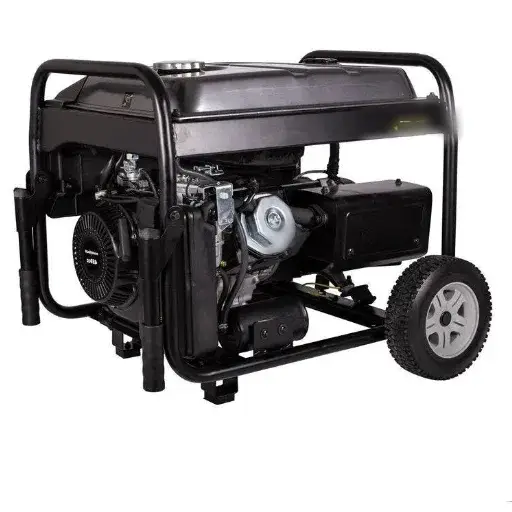
Black start generators are specialized and highly reliable devices capable of performing under extraordinary and harsh conditions to make it possible for power systems to return to normal without the need for external electricity.
Benefits of Black Start Generators
Resilience and Reliability in Power Systems
Primary Benefits:
⚡ Rapid Recovery After Outages
Black start generators facilitate rapid power recovery in cases of grid failures which leads to very short downtimes and less economic losses. Research reveals that massive blackouts can burn millions of dollars every hour, indicating the significance of quick recovery.
🏥 Support for Critical Infrastructure
These generators give priority to supplying power to crucial places like hospitals and data centers, making sure they stay operational during crises. This guarantees both public safety and vital services continuity.
⚙️ Stabilization of Power Supply
Black start generators make the electricity supply stable during major power disruptions by delivering instant electricity that starts the grid restoration process, ensuring controlled and efficient recovery.
🔗 Reduction of Cascading Failures
Through controlled restart of grid segments, black start generators prevent cascading failures which would otherwise escalate outages and impact larger areas.
🌱 Integration with Renewable Energy Systems
Advanced black start technology comprises renewable energy systems, making operations both environmentally friendly and trustworthy. This feature becomes increasingly important as grids incorporate more renewable energy sources.
Cost-Effectiveness of Diesel vs. Hydropower Generators
Diesel generators are cost-effective for short-term, high-demand needs, while hydropower offers long-term sustainability and lower operational costs but requires higher initial investment.
Use Cases in Various Sectors
The various sectors are making use of energy solutions which include diesel and hydropower depending on their specified requirements and limitations:
💡 Hybrid Solutions: The combination of both diesel and hydropower in hybrid solutions gives different sectors the choice of being reliable or sustainable. An example is the situation when hydroelectric plants are coupled with diesel generators to ensure energy availability even in dry seasons when water levels are insufficient to support hydropower generation fully. This integration allows various operation demands to be met by different strategies of energy supply.
The Future of Black Start Solutions
Innovations in Black Start Technology
The recent improvements in black start technology are mainly concerning the efficiency, the environmental impact, and the reliability of the system. Nowadays, modern solutions are using renewable energy sources like solar and battery storage installation to provide a cleaner alternative to traditional fossil fuel-based methods.
Key Technological Innovations:
- Lithium-ion Battery Storage: Allows system restarts to happen very fast while maintaining very low emissions and operational costs
- Smart Grid Technology: Real-time data and advanced analysis enable operators to determine the quickest and safest restart paths during disruptions
- AI and Machine Learning: Helps in foreseeing system requirements, efficient resource allocation, and failure prevention
- Hybrid Solutions: Combination of traditional generators with renewable resources increases resilience during power outages while meeting global sustainability objectives
Challenges Facing Black Start Systems
Black start systems are essential for the quick restoration of electrical grid power when outages occur; however, they face several notable challenges in terms of both implementation and operation:
Major Challenges:
1. Decaying Power Grid Infrastructure
Old substations and transmission lines cannot manage and support modern black start technologies. These upgrades are expensive and time-consuming, which is why many utilities hesitate to invest when they are already on tight budgets. Furthermore, compatibility issues with old systems still in operation at many places make the integration process even more difficult.
2. Renewable Energy Variability
The fluctuating and unpredictable nature of renewable energy sources like solar and wind poses challenges. Though putting renewables into black start setups supports sustainability goals, these energy sources are greatly affected by weather and daylight constraints. A reliable continuous energy source requires installation of advanced energy storage systems such as batteries, which come with additional costs and operational difficulties.
3. Cybersecurity Threats
A growing number of black start systems depend on digital technologies, making them more susceptible to cyberattacks. Successful breaches could disrupt the black start process and affect the entire grid restoration operation, resulting in longer and wider outages. Implementing robust cybersecurity standards requires constant upgrading, regular threat assessments, and employee training.
Preparing for Future Power Grid Needs
The integration of advanced technologies and forward-thinking strategies is considered essential in meeting future power grid needs. The smart grid systems adoption, which applies digital communication technologies for electricity monitoring and managing, is revolutionizing energy distribution.
Future Grid Enhancements:
- Smart Grid Systems: Digital communication technologies improve efficiency, reliability, and environmental performance through seamless incorporation of renewable energy sources
- Energy Storage Technologies: Large-capacity batteries facilitate handling of renewables’ intermittency, assuring constant power supply
- AI and Machine Learning: Capable of energy demand forecasting, resource usage optimization, and anomaly detection for proactive outage prevention
- Microgrids and P2P Trading: Decentralized energy distribution models provide flexibility and resilience against disruptions
- Public-Private Partnerships: Collaboration among governments, industry, and researchers drives innovations through research funding and regulatory support
References
-
Johns Hopkins University – ‘Black-Starting’ the Power Grid
This article discusses the concept of black-starting the power grid and the role of generators in the process. -
Texas A&M University – Graph Decomposition for Constructing Blackstart Restoration
A detailed paper on the role of black start units and generators during blackout conditions. -
University of South Carolina – Microgrid Black Start Challenges
This publication explores the challenges of black start situations, focusing on the coordination of inverters and synchronous generators. -
Idaho National Laboratory – Black Start with Inverter-Based Resources
A technical report on black start processes using diesel generators and inverter-based resources. - Click here to read more.
Frequently Asked Questions (FAQ)
Ensuring Grid Resilience for Tomorrow
Black start generators play a crucial role in modern energy infrastructure, ensuring rapid recovery from power outages and maintaining the stability of our electrical grids. As we continue to integrate renewable energy sources and advance our technologies, the importance of robust black start capabilities will only grow. Investment in these systems today means a more resilient, reliable, and sustainable energy future for all.