
Diesel generators are considered the best reliable and efficient power solutions for both domestic and commercial use. A portable diesel generator is an essential item whether you are making preparations for sudden power cuts at your residence or looking for a reliable energy source at a remote construction site. This article describes the different ways how these powerful machines can guarantee continuous operation of lights, tools and projects irrespective of the conditions.
Introduction to Diesel Generators
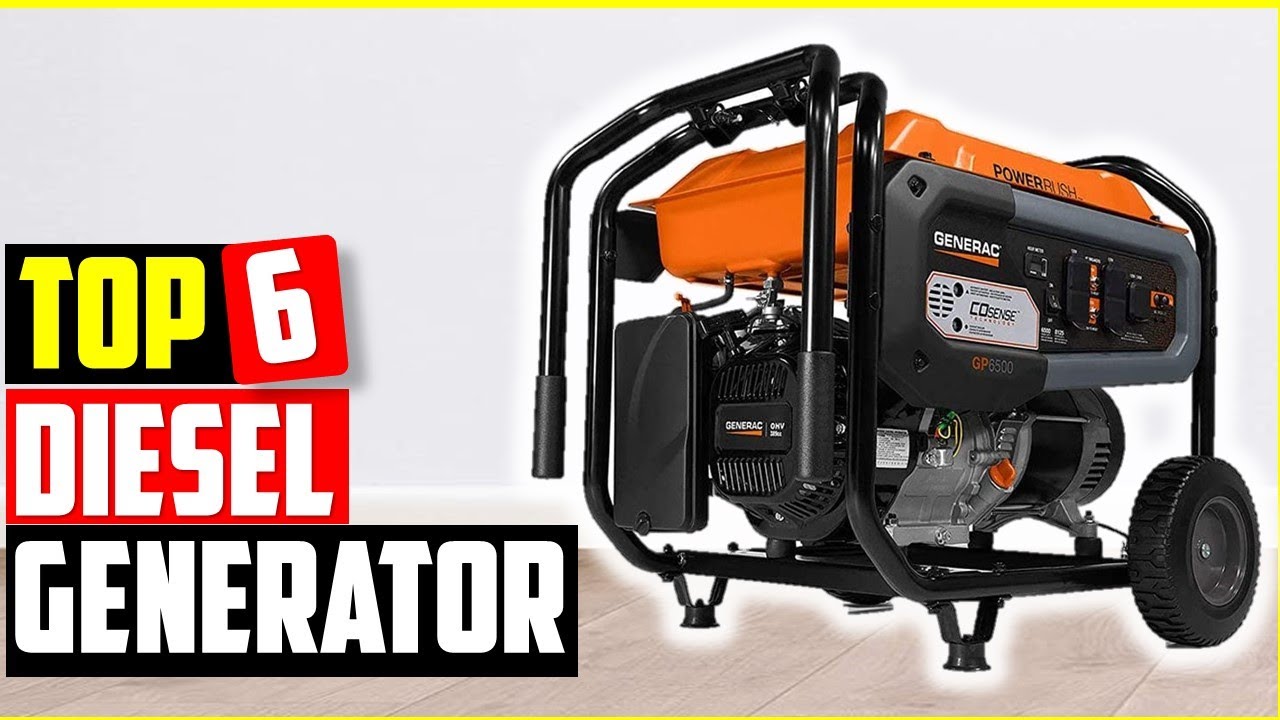
What is a Portable Diesel Generator?
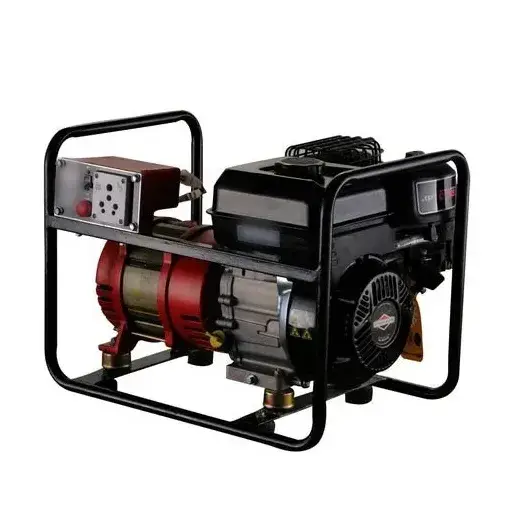
A portable diesel generator is a power generator that produces electricity by using diesel fuel, and it can be moved easily because of its compactness. This generator works by making an internal combustion engine convert the chemical energy of diesel into mechanical energy, and then an alternator that is powered by this mechanical energy generates electrical energy. The transportable feature is what characterizes these generators, and thus they are very flexible in their applications.
The first advantage that is pointed out for portable diesel generators is their fuel efficiency and reliability. Diesel engines are very durable, and they can run for a long time while consuming less fuel in comparison to the gasoline-powered engines. This is the reason why they are the most suitable for situations where a constant and reliable power source is needed, such as during blackouts, outdoor events, or in remote areas where electricity is not easily accessible.
Moreover, portable diesel generators are usually very tough and can endure rough conditions, and they are commonly designed with sturdy construction and weather-resistant features. They come in different sizes and power outputs, so you can pick the one that fits your needs perfectly. Portable diesel generators can be used for different purposes like providing power to essential household appliances, construction tools, or medical equipment, and they are very practical and tough solutions for temporary and reliable energy needs.
How Diesel Generators Work
Diesel generators function by way of transforming the chemical energy that the diesel fuel has stored into mechanical energy, and subsequently, electrical energy. The whole thing starts when the diesel fuel is injected into the engine of the generator, where it is first compressed, and then ignited. The ignition results in the production of mechanical energy, which is the movement of the pistons in the engine. This mechanical energy provides power to the alternator of the generator, and by the process of electromagnetic induction, electricity is produced.
Key Components:
- Peak Power: The maximum output needed at high demand periods, for instance, when heavy machines are being started or there are power surges
- Continuous Power: The power consumed day in and day out during normal operations
- Buffer Capacity: Add 20-30% to allow for future expansion or unplanned demand surges
- Renewable Integration: Consider hybrid systems for cost savings and reduced environmental impact.
For this, the generator has two basic parts – the engine and the alternator. The combined efforts of precision engineering and high-quality materials allow both parts to work together without any glitches and provide a uniform power output. Control systems are applied in diesel generators to monitor their performance, thereby assuring a steady and safe electricity supply. Diesel generators are made to last and be efficient. They can operate for a long time and meet high energy needs, which makes them excellent for supplying power to homes, businesses, and industrial sites during power cuts or in remote areas.
Control systems are applied in diesel generators to monitor their performance, thereby assuring a steady and safe electricity supply. These systems keep an eye on the parameters such as voltage, frequency, and fuel usage. Diesel generators are made to last and be efficient. They can operate for a long time and meet high energy needs, which makes them excellent for supplying power to homes, businesses, and industrial sites during power cuts or in remote areas.
Primary Uses of Diesel Generators
Diesel generators have become a very popular source of power for providing electricity backup in case of electrical outages. Besides, they have become common fixtures in residential areas, where their main role is to supply power to essential appliances, lights, and the security system during a blackout. By being very dependable, they also serve as a practical solution for households that need emergency power on a consistent basis.
🏭 Commercial & Industrial Applications:
In commercial and industrial environments, diesel generators are a major factor in business continuity. They keep the offices, factories, and production facilities powered up during outages, thereby minimizing disruptions. Hospitals, data centers, and airports are some of the facilities where power is really matter most and diesel generators are always there to keep the operations running even when the blackouts are unplanned.
In addition, diesel generators are very often found in off-grid or remote locations where there is no access to the main power grid. Construction sites, rural locations, and temporary events like outdoor concerts or festivals are some of the areas that depend on these generators for their power needs. Their mobility and high power load handling capacity are the reasons why they are the preferred choice for such applications, thus making sure that electricity is delivered wherever it is needed.
Benefits of Portable Diesel Generators
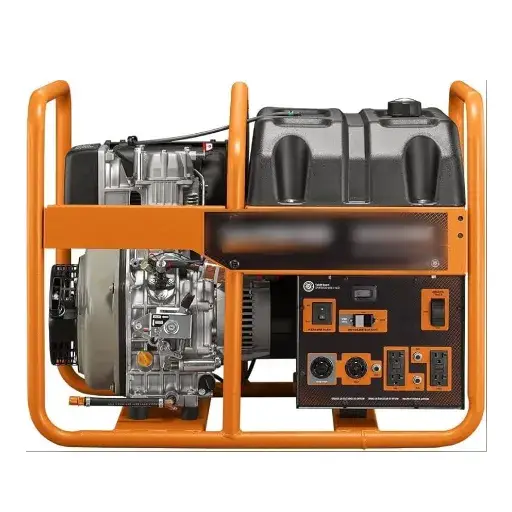
Fuel Efficiency and Cost Savings
💡 Higher Energy Density
Diesel fuel has a higher energy density than gasoline, which means it can generate more power per unit of measure. This results in longer durations of operation and lower fuel usage.
💰 Lower Fuel Costs
Diesel has become a cheaper option than gasoline throughout the years, especially for industrial applications thus diesel generators become a cost-savvy option.
🔧 Durability and Longevity
Diesel machinery are constructed to be more resilient and long-lasting, thereby needing fewer changes and repairs thus reducing operational cost in the long run.
⚡ Efficiency in High Load Conditions
Diesel generators are portable and can work very well even in extreme conditions hence they supply power consistently without a very big rise in fuel consumption.
🛠️ Reduced Maintenance Expenses
Diesel engine maintenance is done less often than gasoline engine maintenance and this reduces the overall operating costs over a long period.
Durability and Longevity
Versatility Across Applications
Diesel generators have become famous for their versatility and application in lots of areas. Their very nature of being fast and reliably efficient plus their long-lasting trait makes them non-removable on the list of modern industrial equipment. Below are the 5 most important areas where the versatility of diesel generators can be seen:
Emergency Power Supply
Diesel generators are often used to provide backup power at hospitals, data centers, and other critical facilities. They are the source of power outages that are the least disruptive and protect the most essential operations.
Construction Sites
At such construction sites that are either remote or temporary, diesel generators are the source of power for heavy machinery, lighting, and tools, and thus, they help to ensure that the areas without grid access still have progress smoothly.
Agriculture and Farming
Diesel generators are the farmers’ best friends when it comes to powering irrigation systems, grain dryers, and other crucial equipment that keeps modern agriculture alive.
Transportation and Maritime
The Diesel generator is the manufacturer of the technologically advanced transportation industry, especially when it comes to powering ships, trains, and large vehicles, thus they guarantee the smooth flow of operational logistic.
Remote Industrial Operations
Different industries such as mining, and oil explorations rely on diesel generators to sustain their operations in areas that are very remote and harsh where the grid power is non-existent.
By looking at these applications, it is evident that diesel generators play an important role in various industries. They ensure the challenges are met with continuity and efficiency.
Choosing the Right Diesel Generator
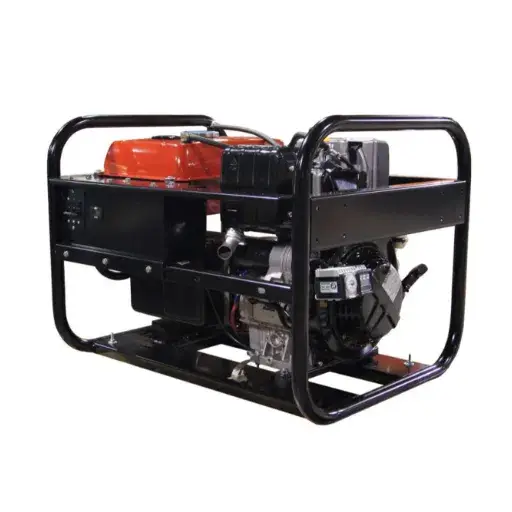
Key Features to Consider
Choosing a diesel generator, there are quite a few characteristics that one has to consider in order to find a suitable one:
⚡ Power Output and Capacity
The wattage that the generator will support for all the equipment and devices should be calculated and the power needs should be thus assessed. A generator should be selected whose capacity would be enough to handle the peak loads and at the same time, the operator needs to keep the future expansion in mind.
⛽ Fuel Efficiency
The models which are fuel-efficient would be the ones that the costlier in terms of consumption, yet the engines with the energy-efficient features would be the ones that would run on low fuel consumption and consequently, the operating costs will also be lowered drastically during the long-term use.
🏗️ Durability and Build Quality
Long-lasting performance is assured with the generators made from such materials that do not get affected by corrosion and extreme weather and are heated and cooled down rapidly.
🔇 Noise Level
In case the generator will be operating in close proximity to residential or noise-sensitive areas, then one should take into account the noise-reducing technologies. Noise ratings are usually expressed in decibels (dB), therefore compare the models according to your desired limit.
🔌 Automatic Voltage Regulation (AVR)
The power output of generators with AVR technology is stabilized, so delicate appliances and equipment are safeguarded from sudden power changes or surges.
🖥️ Control Panel Features
A friendly interface with digital displays for critical parameters like fuel level, output wattage, and maintenance alerts can facilitate monitoring and operation.
🚚 Portability and Size
Depending on whether the application is stationary or mobile, assess the difficulty of transport and installation. Models that can be moved easily using wheels and handles have become quite commonplace in smaller setups.
📋 Compliance with Regulatory Standards
Check that the generator is in accordance with the environment and safety regulations, including emission control and noise limit set by the authorities in your region.
🛡️ Warranty and Support
A strong manufacturer warranty along with customer support and service centers being easily accessible gives the user reassurance and also there is very little downtime during emergencies.
Important Note: If you carefully consider each one of these factors, you will not only arrive at a correct decision but also ensure that your investment is efficient and reliable.
Power Output Requirements
The selection of the right power output for your machine is fundamental to getting the most out of its operation and not experiencing reliability problems. The power output requirements may be different for various applications, operations scale, and the type of equipment used.
Noise Levels and Portability
Selecting the right equipment, one of the most critical factors to consider is the noise levels, especially when it comes to places where it is absolutely necessary for sound levels to be low, such as hospitals and residential areas, offices, or outdoor recreational activities. The output of certain models reaches very high decibels (dB), and this can interfere with the daily routine and make it a nuisance.
🔇 Noise Considerations
- Quieter systems provide a more pleasant experience
- Modern noise suppression technology reduces emissions
- Check manufacturer noise ratings in decibels (dB)
- Sound-dampening enclosures available for sensitive areas
🚚 Portability Features
- Lightweight and compact designs
- Built-in wheels and handles for easy transport
- Foldable or modular designs for storage
- Ideal for events, construction, and off-grid areas
Portability is an additional important factor, mainly for users who need equipment in different places or on the move. The features of lightweight designs, compact sizes, and built-in transportation features, such as wheels and handles, are essential for the smooth mobility of the user. For example, portable power solutions are commonly used for events, construction sites, and off-grid areas, where facilitating transportation is the main concern. In addition, foldable or modular designs is a quiet trend that is becoming more widely accepted as they provide the flexibility of storage and transportation without the hassle of taking up too much space or effort.
Key Insight: The mixing of low noise levels and high portability has the result that equipment is not only user-friendly but also meets the requirements imposed by the law, particularly in situations where the noise is sensitive or the area is limited. Many of the new models are trying to find the right spot where these two attributes meet, and they are doing so by incorporating features like sophisticated sound-dampening enclosures and ergonomic designs that cater to a more extensive range of applications.
Practical Advice for Using Portable Diesel Generators
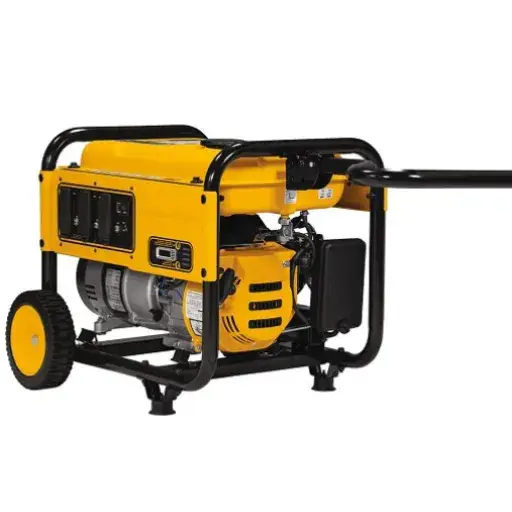
Proper Usage Guidelines
When portable diesel generators are employed, safety and efficiency should be the first concern that will help the generators to function at their best and risks to be minimized at the same time. Start by picking the right spot for the generator.
⚠️ Safety Guidelines:
Location Requirements:
- Place on stable, level surface outdoors
- Keep at least 20 feet away from buildings, doors, or windows
- Ensure proper airflow to avoid carbon monoxide buildup
- Protect from rain to prevent damage and electric shocks
Fuel Management:
- Use only manufacturer-recommended diesel fuel
- Store fuel in proper containers, away from sun and heat
- Never refuel while generator is running or hot
- Monitor fuel levels regularly
Power Connections:
- Use heavy-duty outdoor-rated extension cords
- Check cords for cuts or damage before use
- Do not overload beyond power rating
- Never plug directly into wall outlets (prevents back-feeding)
- Use professionally installed transfer switch for home power
Regular Maintenance Tips for Longevity
A regular maintenance schedule is crucial for your generator to continue functioning well and remain serviceable for a long time. Commence with oil checking and changing as per manufacturer’s suggestions that normally range from every 50-100 hours of use to once a year at a minimum.
🔧 Maintenance Checklist:
💡 Pro Tips:
- Exercise Your Generator: Run it under load for 20-30 minutes every month to keep moving parts lubricated and prevent moisture buildup
- Battery Maintenance: Regularly test and charge the starting battery to ensure readiness during emergencies
- Storage: Keep in clean, dry places to prevent dust, dirt, and moisture damage
- Professional Service: Schedule periodic professional maintenance for comprehensive checks
Essential Purchasing Tips to Consider
To start, calculate the total wattage needed for the essential appliances or devices to function during power cuts. Then carefully select a generator with a slightly higher wattage capacity than the total of all your devices to be sure of a smooth operation with no interruptions due to unexpected demand or power surges.
Calculate Power Requirements
List all essential appliances with their wattages. Select a generator with 20-30% higher capacity than your total to handle surges and future expansion.
Consider Fuel Type
Generators can be powered by gasoline, diesel, propane, or natural gas. Research availability and prices in your locality before making a decision.
Evaluate Portability Needs
For mobile applications, look for wheels, foldable handles, and lightweight designs. For stationary use, consider permanent installation with transfer switches.
Check Noise Levels
Especially important for residential areas or camping. Modern generators feature sound-dampening technologies to minimize operational noise.
Prioritize Safety Features
Look for automatic voltage regulation (AVR), overload protection, and carbon monoxide detectors. Review manufacturer warranties and customer service options.
Maintenance and Usage Best Practices
Regular Maintenance Practices
📋 Follow Manufacturer’s Guidelines
Make sure you follow the equipment’s manufacturer’s maintenance schedule very strictly. Timely oil changing, filter replacement, and lubrication of moving parts are all included in this schedule.
🔍 Inspect for Wear and Tear
Implement a routine of visual checks which will help to spot any signs of wear, rust, and damage on the most important parts of the equipment. Quick handling prevents expensive repairs.
🧹 Keep Components Clean
Dust and dirt are the two main things that cause the parts to get clogged up. Regular cleaning of filters and cooling systems is essential for optimal performance.
💧 Monitor Fluid Levels
Maintain and check the levels of all necessary fluids, such as hydraulic fluids, coolants, and fuels, so that operational inefficiency and malfunctioning do not occur.
🏠 Store Properly When Not in Use
Place equipment in a clean, dry, and well-ventilated area. Use protective covers to keep it safe from moisture and dust during storage periods.
⚙️ Use Recommended Parts
Only use parts and consumables that have been approved by the manufacturer during replacements or servicing in order to ensure compatibility and long-term reliability.
Best Practices for Safe Usage
Safe usage guidelines must be followed when operating any equipment or device lest accidents occur and efficiency be compromised. A very good starting point is the user manual which is often very packed with important information so it better to read the manual over and over again until one gets a good grasp of what the manufacturer is trying to say.
📖 Key Safety Practices:
- Read the User Manual: These manuals contain exhaustive instructions, cautions, and safety measures that are distinctive to the product. Observance of these recommended practices can protect users and extend machine lifespan.
- Maintain a Clean Working Area: Keep the operations area neat and organized, uncluttered and free from unnecessary items. Ensure adequate illumination and secure any laying cables or wires properly.
- Ensure Proper Ventilation: If the device has cooling or ventilating features, keep the space around that area unobstructed and clean to allow for proper heat dissipation and avoid breakdowns.
- Setup Matters: A good setup can greatly reduce risks and at the same time provide better usage experience. Take time to arrange your workspace thoughtfully.
Frequently Asked Questions (FAQ)
❓ What is a diesel generator portable and how does it differ from a diesel motor generator?
A diesel generator portable signifies a compact and transportable power source provisioned mainly for electricity, which is usually positioned on an undercarriage or a small trailer. The phrase diesel motor generator is most frequently used to describe the joint system of the diesel engine (motor) and the generator (alternator). From a practical point of view, portability of the generator sets is emphasized in job sites, RVs or as emergency power for shops, whereas the larger diesel motor generator may be set up for use with heavy equipment or may be a stationary permanent installation.
❓ Can a diesel generator portable serve as a substitute for gas-powered units used for RVs?
It is true; a diesel generator portable can be a good replacement for gas units used for RVs. Compared to gas, diesel engines normally provide better fuel economy, longer life span, and more secure fuel storage. This is especially true for RV owners who move long distances or who require dependable supply for their electric appliances and HVAC systems. When making your choice consider the level of noise as well as upkeep requirements for diesel and gas.
❓ What are the key maintenance differences between diesel motor generator and gas generator?
Maintenance for a diesel motor generator typically comprises the carrying out of regular oil and filter changes, the replacement of fuel filters, the checking of coolant, and occasional service of the injector and pump. Diesel units generally need less frequent attention for spark plugs or carburetors than gas generators because diesel engines work on the principle of compression ignition. However, the quality of the diesel fuel and proper storage are crucial to contamination prevention as well as avoidance of fuel system problems.
❓ Could a diesel generator portable be a good option for power supply for heavy equipment on a construction site?
While portable diesel generators are capable of supplying power to some heavy equipment, it is necessary to evaluate them based on the specific power requirements of the equipment. For instance, if you are dealing with high-demand heavy equipment like large compressors or hydraulic drives, then a high-capacity diesel motor generator or several units would be needed. Always calculate starting and running wattage and consult specifications to ensure that the portable unit can handle the load safely.
❓ How can I determine the right size for a diesel motor generator for RV or small workshop use?
To correctly size a diesel motor generator, first make a list of all electrical appliances and tools you intend to operate together with the starting and running wattages of each, then add a safety margin (usually 20-30%). Air conditioning and lighting consume 3,000–6,000 watts in RVs, while a smaller shop might need the same depending on the choice of power tools and type of lighting. When making your selection, opt for a unit that has sufficient surge capacity to deal with motor starts and think about inverter-equipped models for delicate electronics.
❓ Are portable diesel generators loud and what noise control measures are there?
Portable diesel generators can produce more noise than the smaller gas inverter models, especially when under a heavy load, but the noise level can be significantly reduced with the modern units that come equipped with sound-proof enclosures, low-speed engines, and mufflers. For the sake of RV sleeping comfort or neighborhood-friendly shop use, choose the units that have low decibel ratings, consider installing extra acoustic barriers, or position the unit farther away from the busy areas to lessen the disturbance.
❓ What are the safety and environmental issues relevant to the use of diesel motor generators?
Amongst safety considerations are providing an adequate ventilation system to prevent the accumulation of carbon monoxide, safeguarding fuel storage, exhaust and engine inspection on a regular basis, and making sure that the electrical connections are code compliant through the use of proper grounding and transfer switches. Environmental impacts include fuel spills, emissions and noise; adopting state-of-the-art, low-emission diesel engines, blending biodiesel with regular diesel wherever possible, and following a strict maintenance schedule can help lessen environmental impact. For very sensitive sites like RV parks or residential areas, the local regulations and best practices should be adhered to.
References
-
- Design, Analysis and Performance Testing of a Diesel Engine as a Portable Electrical Generator
This paper presents a detailed case study on the performance testing of a vertical water-cooled diesel engine used as a portable generator. - Portable Self-Sustaining Electric Generator
This study explores the development and improvements of portable generators, including noise reduction and fuel efficiency. - Diesel Fuel-to-Electric Energy Conversion Using Compact, Portable, Stirling Engine-Based Systems
This research discusses the use of diesel fuel in compact, portable Stirling engine-based systems for energy conversion. - Simulation of a Portable Container Hybrid Energy Source
This paper examines the efficiency and fuel savings of diesel generators in hybrid energy systems. - A Transportable Solar Power Generator
While focused on solar power, this study compares diesel and gasoline generators, providing insights into portable generator options.
- Design, Analysis and Performance Testing of a Diesel Engine as a Portable Electrical Generator
Final Thoughts
Portable diesel generators offer reliable, efficient, and versatile power solutions for a wide range of applications. By understanding their benefits, choosing the right model for your needs, and following proper maintenance and usage guidelines, you can ensure long-lasting performance and dependable power whenever and wherever you need it. Whether for home backup, construction sites, or remote operations, diesel generators remain an invaluable investment in continuous power supply.